How is Bitcoin really being used these days? It's far more of a "digital gold" than a "digital cash."
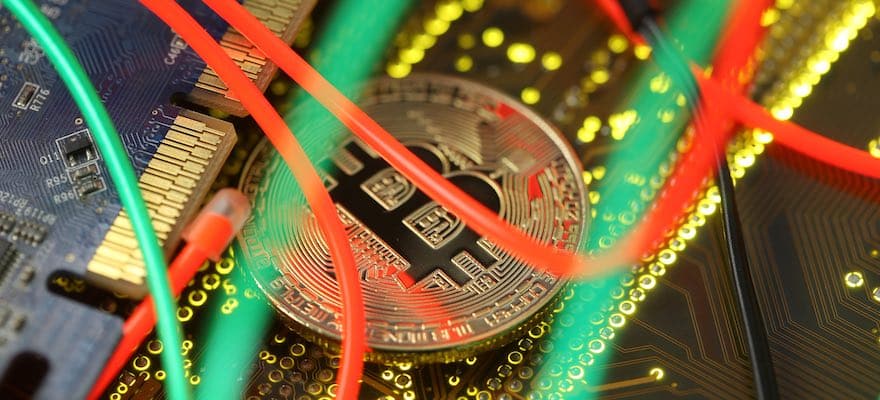
Reuters
Since its creation, Bitcoin has been many things to many people. From “magic internet money” to a “fraud” to the answer to all of the world’s financial problems, it has played thousands of ideological and practical roles.
However, the single largest ideological rift in the Bitcoin community is over which general purpose BTC should actually serve.
On one side are those who believe that Bitcoin is a sort of “digital gold” that should be held onto as a longer-term investment; on the other side are those who believe that Bitcoin is "digital cash," a transactional tool that can and should be used as an everyday investment. The entities on both sides of this argument seem to believe that if the outside world embraces their ideology, mass adoption of Bitcoin will finally occur and Bitcoin’s price will go “to the moon” at last.
The divide between these two parties has led to some significant historical moments in the cryptocurrency world--namely, the creation of Bitcoin Cash and the battle of egos that led to the creation of Bitcoin SV. The massive Bitcoin bubble that took place near the end of 2017 seems to have been driven by members of both parties.
Now that the price of Bitcoin has stagnated for months, it seems clear that BTC’s valuation won’t be exploring the cosmos anytime soon. On the other hand, Bitcoin doesn’t seem to be going anywhere, either; it continues plugging along with the occasional dip or spike.
The question is this: now that the hype around Bitcoin has (for the most part) died down, who is actually using it? Which side of the ideological divide are they on? And does it even matter?
If the Market’s Deciding, BTC is Still More of a Long-Term Investment than a “Digital Cash”
Data from Chainalysis published near the end of 2018 shows that most of the entities who hold Bitcoin are investors, meaning entities who’ve purchased Bitcoin to hold onto it for the long-term. Indeed, 6.3 billion BTC was held in accounts that had no activity in over a year.
However, Chainalysis economist Philip Gradwell told CoinDesk when the data was published that more of these investors are individuals (rather than institutions) than ever before. “There are [now] more people who are holding crypto personally” than in previous years,” he said. “...Half of available bitcoin is still held by investors, but it has gotten somewhat less concentrated.”
Indeed, according to data from Chainalysis, approximately 4.8 billion Bitcoin (about 32 percent of BTC’s total circulating supply minus lost coins) was held in personal wallets at the end of August.
This figure represented a substantial increase in the amount of Bitcoin that is held by individuals rather than companies and long-term investors. At the end of 2017, Chainalysis found that just 3.8 million BTC (26 percent of circulating supply) was in the hands of individual hodlers.
Indeed, Chainalysis found that the only a tiny minority of Bitcoin wallets hold more than 10 BTC--just 150,000 of 28.5 million (0.005 percent.)
Gradwell explained that the increased diversity in Bitcoin wealth distribution is primarily because long-term investors have sold off large chunks of their assets to newer speculators. Most of these sales occurred during the massive bubble that hit the crypto markets at the end of 2017.
Will Second-Layer Solutions Make Bitcoin More Accessible?
Gradwell said that the higher amount of individual hodlers could mean that there are a greater number of entities that would be ready to use Bitcoin to make purchase, but only if they were given the right opportunity: “they are ready – if things were to change, [if] the opportunity to spend it were to arise – to actually spend it. We’ve kind of overcome the first hurdle of adoption, getting bitcoin into people’s hands.”
But what will need to happen before investors really have the opportunity to spend their Bitcoins?
Gradwell explained that the development of second-layer solutions like the Lightning Network could encourage hodlers to make purchases. The lack of user-friendly interfaces for Bitcoin purchases also represents a serious hurdle for Bitcoin’s adoption as an instrument for everyday purchases.
Indeed, “Bitcoin had a cost and speed issue during the peak that will prevent it from becoming a practical payment network for consumer goods,” said Chris Williamson, founder of APAC marketing agency Tower Brands. “For consumer mass adoption, a cryptocurrency would need to be widely accessible, accepted as a payment method by merchants; stable, and be superior in convenience to the current payment methods (cash or credit/debit card).”
“Lightning wants to make the platform easier for consumers to adopt, but the people who love Bitcoin are losing features they care about. So, why would they promote this stuff to their friends?” he asked. “Who is going to promote this garbage on Instagram or Twitter? The only people are the ones who are invested in their protocol, which is a very small group.”
And indeed, some have pointed out that the number of transactions on the Bitcoin network has increased in recent months without the help of the Lightning Network or another second-layer solution, although the increase in transactions has not correlated to an increase in value.
Active BTC Users May Not Be Spending their Coins Outside of the Cryptosphere
For now, however, it’s important to remember that a significant portion of Bitcoin holders who active user the coins use them within the cryptocurrency ecosystem. In other words, they use Bitcoin to buy other coins rather than to buy goods and services outside of the cryptosphere. Nash Foster told Finance Magnates that it’s important to remember that “Bitcoin is also used as a reserve currency for crypto-assets.”
Nash Foster.
“The lion's share of transactions on the blockchain today are related to trading financial instruments like cryptocurrency, various tokens, stablecoins, and other derivatives,” he said. “When you get an account at an exchange, the trading pair will almost always be between Bitcoin and the other asset. You can't trade dollars for any of these things, typically, you can only trade Bitcoin or maybe Ether.”
Additionally, roughly 2.3 million Bitcoins are estimated to be held as “service coins,” meaning that they are held by accounts belonging to exchanges and other crypto service providers.
For example, “There are millions and millions of immigrants around the world who send money to their home country every month to support their families,” said Stefano Covolan, founder of Korporatio, to Finance Magnates.
“These people pay gigantic transaction fees to move money from one country to another. BTC can really help them save a lot-- keep in mind that in countries like Indonesia or Philippines average monthly salary is US$40/month. US$5 of commission means a lot for those people.”
Covolan also explained that BTC could also be useful to individuals who live under oppressive regimes. BTC can be used in “countries where it is illegal to send money outside, or where the government is controlling every single transaction.”
And indeed, crypto’s presence in the remittance market has continued to grow. There are also a few famous examples of BTC and other cryptocurrencies being used in countries that have found themselves in serious financial crises, including Venezuela and Zimbabwe.
However, until these markets are tapped for their full potential--or an amazing tool is developed to make BTC easier to use--the status quo is likely to stay the same. BTC may slowly continue to trickle into a wider array of spaces and uses, but the “to the moon” narrative is unlikely to become a reality anytime soon.
Since its creation, Bitcoin has been many things to many people. From “magic internet money” to a “fraud” to the answer to all of the world’s financial problems, it has played thousands of ideological and practical roles.
However, the single largest ideological rift in the Bitcoin community is over which general purpose BTC should actually serve.
On one side are those who believe that Bitcoin is a sort of “digital gold” that should be held onto as a longer-term investment; on the other side are those who believe that Bitcoin is "digital cash," a transactional tool that can and should be used as an everyday investment. The entities on both sides of this argument seem to believe that if the outside world embraces their ideology, mass adoption of Bitcoin will finally occur and Bitcoin’s price will go “to the moon” at last.
The divide between these two parties has led to some significant historical moments in the cryptocurrency world--namely, the creation of Bitcoin Cash and the battle of egos that led to the creation of Bitcoin SV. The massive Bitcoin bubble that took place near the end of 2017 seems to have been driven by members of both parties.
Now that the price of Bitcoin has stagnated for months, it seems clear that BTC’s valuation won’t be exploring the cosmos anytime soon. On the other hand, Bitcoin doesn’t seem to be going anywhere, either; it continues plugging along with the occasional dip or spike.
The question is this: now that the hype around Bitcoin has (for the most part) died down, who is actually using it? Which side of the ideological divide are they on? And does it even matter?
If the Market’s Deciding, BTC is Still More of a Long-Term Investment than a “Digital Cash”
Data from Chainalysis published near the end of 2018 shows that most of the entities who hold Bitcoin are investors, meaning entities who’ve purchased Bitcoin to hold onto it for the long-term. Indeed, 6.3 billion BTC was held in accounts that had no activity in over a year.
However, Chainalysis economist Philip Gradwell told CoinDesk when the data was published that more of these investors are individuals (rather than institutions) than ever before. “There are [now] more people who are holding crypto personally” than in previous years,” he said. “...Half of available bitcoin is still held by investors, but it has gotten somewhat less concentrated.”
Indeed, according to data from Chainalysis, approximately 4.8 billion Bitcoin (about 32 percent of BTC’s total circulating supply minus lost coins) was held in personal wallets at the end of August.
This figure represented a substantial increase in the amount of Bitcoin that is held by individuals rather than companies and long-term investors. At the end of 2017, Chainalysis found that just 3.8 million BTC (26 percent of circulating supply) was in the hands of individual hodlers.
Indeed, Chainalysis found that the only a tiny minority of Bitcoin wallets hold more than 10 BTC--just 150,000 of 28.5 million (0.005 percent.)
Gradwell explained that the increased diversity in Bitcoin wealth distribution is primarily because long-term investors have sold off large chunks of their assets to newer speculators. Most of these sales occurred during the massive bubble that hit the crypto markets at the end of 2017.
Will Second-Layer Solutions Make Bitcoin More Accessible?
Gradwell said that the higher amount of individual hodlers could mean that there are a greater number of entities that would be ready to use Bitcoin to make purchase, but only if they were given the right opportunity: “they are ready – if things were to change, [if] the opportunity to spend it were to arise – to actually spend it. We’ve kind of overcome the first hurdle of adoption, getting bitcoin into people’s hands.”
But what will need to happen before investors really have the opportunity to spend their Bitcoins?
Gradwell explained that the development of second-layer solutions like the Lightning Network could encourage hodlers to make purchases. The lack of user-friendly interfaces for Bitcoin purchases also represents a serious hurdle for Bitcoin’s adoption as an instrument for everyday purchases.
Indeed, “Bitcoin had a cost and speed issue during the peak that will prevent it from becoming a practical payment network for consumer goods,” said Chris Williamson, founder of APAC marketing agency Tower Brands. “For consumer mass adoption, a cryptocurrency would need to be widely accessible, accepted as a payment method by merchants; stable, and be superior in convenience to the current payment methods (cash or credit/debit card).”
“Lightning wants to make the platform easier for consumers to adopt, but the people who love Bitcoin are losing features they care about. So, why would they promote this stuff to their friends?” he asked. “Who is going to promote this garbage on Instagram or Twitter? The only people are the ones who are invested in their protocol, which is a very small group.”
And indeed, some have pointed out that the number of transactions on the Bitcoin network has increased in recent months without the help of the Lightning Network or another second-layer solution, although the increase in transactions has not correlated to an increase in value.
Active BTC Users May Not Be Spending their Coins Outside of the Cryptosphere
For now, however, it’s important to remember that a significant portion of Bitcoin holders who active user the coins use them within the cryptocurrency ecosystem. In other words, they use Bitcoin to buy other coins rather than to buy goods and services outside of the cryptosphere. Nash Foster told Finance Magnates that it’s important to remember that “Bitcoin is also used as a reserve currency for crypto-assets.”
Nash Foster.
“The lion's share of transactions on the blockchain today are related to trading financial instruments like cryptocurrency, various tokens, stablecoins, and other derivatives,” he said. “When you get an account at an exchange, the trading pair will almost always be between Bitcoin and the other asset. You can't trade dollars for any of these things, typically, you can only trade Bitcoin or maybe Ether.”
Additionally, roughly 2.3 million Bitcoins are estimated to be held as “service coins,” meaning that they are held by accounts belonging to exchanges and other crypto service providers.
For example, “There are millions and millions of immigrants around the world who send money to their home country every month to support their families,” said Stefano Covolan, founder of Korporatio, to Finance Magnates.
“These people pay gigantic transaction fees to move money from one country to another. BTC can really help them save a lot-- keep in mind that in countries like Indonesia or Philippines average monthly salary is US$40/month. US$5 of commission means a lot for those people.”
Covolan also explained that BTC could also be useful to individuals who live under oppressive regimes. BTC can be used in “countries where it is illegal to send money outside, or where the government is controlling every single transaction.”
And indeed, crypto’s presence in the remittance market has continued to grow. There are also a few famous examples of BTC and other cryptocurrencies being used in countries that have found themselves in serious financial crises, including Venezuela and Zimbabwe.
However, until these markets are tapped for their full potential--or an amazing tool is developed to make BTC easier to use--the status quo is likely to stay the same. BTC may slowly continue to trickle into a wider array of spaces and uses, but the “to the moon” narrative is unlikely to become a reality anytime soon.
Rachel is a self-taught crypto geek and a passionate writer. She believes in the power that the written word has to educate, connect and empower individuals to make positive and powerful financial choices. She is the Podcast Host and a Cryptocurrency Editor at Finance Magnates.
Crypto Built More Rails, but the Next Battle Is Over How Much Work a Dollar Can Do
Featured Videos
FP Markets Winner Spotlight 🏆 | Global Broker of the Year 2025 #Trading #Broker #Innovation #Shorts
FP Markets Winner Spotlight 🏆 | Global Broker of the Year 2025 #Trading #Broker #Innovation #Shorts
FP Markets Winner Spotlight 🏆 | Global Broker of the Year 2025 #Trading #Broker #Innovation #Shorts
FP Markets Winner Spotlight 🏆 | Global Broker of the Year 2025 #Trading #Broker #Innovation #Shorts
FP Markets takes the spotlight as Global Broker of the Year 2025 at the Finance Magnates Awards.
Martin Stoilov, Head of Client Experience, shares that trust, innovation, and people played a key role in the company’s success, supported by a strong foundation of integrity and client-centricity.
Following this milestone, FP Markets continues to focus on growth, technology investment, and its core values of transparency and excellence.
👉 Be part of FM Awards 2026: https://awards.financemagnates.com/#nominate
FP Markets takes the spotlight as Global Broker of the Year 2025 at the Finance Magnates Awards.
Martin Stoilov, Head of Client Experience, shares that trust, innovation, and people played a key role in the company’s success, supported by a strong foundation of integrity and client-centricity.
Following this milestone, FP Markets continues to focus on growth, technology investment, and its core values of transparency and excellence.
👉 Be part of FM Awards 2026: https://awards.financemagnates.com/#nominate
FP Markets takes the spotlight as Global Broker of the Year 2025 at the Finance Magnates Awards.
Martin Stoilov, Head of Client Experience, shares that trust, innovation, and people played a key role in the company’s success, supported by a strong foundation of integrity and client-centricity.
Following this milestone, FP Markets continues to focus on growth, technology investment, and its core values of transparency and excellence.
👉 Be part of FM Awards 2026: https://awards.financemagnates.com/#nominate
FP Markets takes the spotlight as Global Broker of the Year 2025 at the Finance Magnates Awards.
Martin Stoilov, Head of Client Experience, shares that trust, innovation, and people played a key role in the company’s success, supported by a strong foundation of integrity and client-centricity.
Following this milestone, FP Markets continues to focus on growth, technology investment, and its core values of transparency and excellence.
👉 Be part of FM Awards 2026: https://awards.financemagnates.com/#nominate
In this video, we review @HolaPrimeMarketsOfficial, a multi-asset forex and CFDs broker offering different account types, trading platforms, and flexible trading conditions.
We cover the broker’s overall offering, including account options, trading environment, platforms like MT4 and MT5, and additional services such as managed accounts and fast withdrawals.
Watch the full video to see if Hola Prime Markets fits your trading needs.
📣 Stay up to date with the latest in finance and trading. Follow Finance Magnates for industry news, insights, and global event coverage.
Connect with us:
🔗 LinkedIn: /financemagnates
👍 Facebook: /financemagnates
📸 Instagram: https://www.instagram.com/financemagnates
🐦 X: https://x.com/financemagnates
🎥 TikTok: https://www.tiktok.com/tag/financemagnates
▶️ YouTube: /@financemagnates_official
#HolaPrime #ForexBroker #CFDTrading #FinanceMagnates #Trading #Forex #BrokerReview
In this video, we review @HolaPrimeMarketsOfficial, a multi-asset forex and CFDs broker offering different account types, trading platforms, and flexible trading conditions.
We cover the broker’s overall offering, including account options, trading environment, platforms like MT4 and MT5, and additional services such as managed accounts and fast withdrawals.
Watch the full video to see if Hola Prime Markets fits your trading needs.
📣 Stay up to date with the latest in finance and trading. Follow Finance Magnates for industry news, insights, and global event coverage.
Connect with us:
🔗 LinkedIn: /financemagnates
👍 Facebook: /financemagnates
📸 Instagram: https://www.instagram.com/financemagnates
🐦 X: https://x.com/financemagnates
🎥 TikTok: https://www.tiktok.com/tag/financemagnates
▶️ YouTube: /@financemagnates_official
#HolaPrime #ForexBroker #CFDTrading #FinanceMagnates #Trading #Forex #BrokerReview
In this video, we review @HolaPrimeMarketsOfficial, a multi-asset forex and CFDs broker offering different account types, trading platforms, and flexible trading conditions.
We cover the broker’s overall offering, including account options, trading environment, platforms like MT4 and MT5, and additional services such as managed accounts and fast withdrawals.
Watch the full video to see if Hola Prime Markets fits your trading needs.
📣 Stay up to date with the latest in finance and trading. Follow Finance Magnates for industry news, insights, and global event coverage.
Connect with us:
🔗 LinkedIn: /financemagnates
👍 Facebook: /financemagnates
📸 Instagram: https://www.instagram.com/financemagnates
🐦 X: https://x.com/financemagnates
🎥 TikTok: https://www.tiktok.com/tag/financemagnates
▶️ YouTube: /@financemagnates_official
#HolaPrime #ForexBroker #CFDTrading #FinanceMagnates #Trading #Forex #BrokerReview
In this video, we review @HolaPrimeMarketsOfficial, a multi-asset forex and CFDs broker offering different account types, trading platforms, and flexible trading conditions.
We cover the broker’s overall offering, including account options, trading environment, platforms like MT4 and MT5, and additional services such as managed accounts and fast withdrawals.
Watch the full video to see if Hola Prime Markets fits your trading needs.
📣 Stay up to date with the latest in finance and trading. Follow Finance Magnates for industry news, insights, and global event coverage.
Connect with us:
🔗 LinkedIn: /financemagnates
👍 Facebook: /financemagnates
📸 Instagram: https://www.instagram.com/financemagnates
🐦 X: https://x.com/financemagnates
🎥 TikTok: https://www.tiktok.com/tag/financemagnates
▶️ YouTube: /@financemagnates_official
#HolaPrime #ForexBroker #CFDTrading #FinanceMagnates #Trading #Forex #BrokerReview
In this video, we review @HolaPrimeMarketsOfficial, a multi-asset forex and CFDs broker offering different account types, trading platforms, and flexible trading conditions.
We cover the broker’s overall offering, including account options, trading environment, platforms like MT4 and MT5, and additional services such as managed accounts and fast withdrawals.
Watch the full video to see if Hola Prime Markets fits your trading needs.
📣 Stay up to date with the latest in finance and trading. Follow Finance Magnates for industry news, insights, and global event coverage.
Connect with us:
🔗 LinkedIn: /financemagnates
👍 Facebook: /financemagnates
📸 Instagram: https://www.instagram.com/financemagnates
🐦 X: https://x.com/financemagnates
🎥 TikTok: https://www.tiktok.com/tag/financemagnates
▶️ YouTube: /@financemagnates_official
#HolaPrime #ForexBroker #CFDTrading #FinanceMagnates #Trading #Forex #BrokerReview
In this video, we review @HolaPrimeMarketsOfficial, a multi-asset forex and CFDs broker offering different account types, trading platforms, and flexible trading conditions.
We cover the broker’s overall offering, including account options, trading environment, platforms like MT4 and MT5, and additional services such as managed accounts and fast withdrawals.
Watch the full video to see if Hola Prime Markets fits your trading needs.
📣 Stay up to date with the latest in finance and trading. Follow Finance Magnates for industry news, insights, and global event coverage.
Connect with us:
🔗 LinkedIn: /financemagnates
👍 Facebook: /financemagnates
📸 Instagram: https://www.instagram.com/financemagnates
🐦 X: https://x.com/financemagnates
🎥 TikTok: https://www.tiktok.com/tag/financemagnates
▶️ YouTube: /@financemagnates_official
#HolaPrime #ForexBroker #CFDTrading #FinanceMagnates #Trading #Forex #BrokerReview
Hola Prime Review: What You Need to Know | Full Breakdown by Finance Magnates
Hola Prime Review: What You Need to Know | Full Breakdown by Finance Magnates
Hola Prime Review: What You Need to Know | Full Breakdown by Finance Magnates
Hola Prime Review: What You Need to Know | Full Breakdown by Finance Magnates
Hola Prime Review: What You Need to Know | Full Breakdown by Finance Magnates
Hola Prime Review: What You Need to Know | Full Breakdown by Finance Magnates
In this video, we review @HolaPrime_Global, a proprietary trading firm offering evaluation programs and performance-based payouts in simulated market environments.
We cover how the challenge model works, including account types, profit splits (up to 95%), trading rules, and what it takes to reach a funded account. You’ll also learn about available platforms like MT4, MT5, cTrader, and more, along with insights into payouts, support, and trading conditions.
Watch the full video to see if Hola Prime fits your trading style.
📣 Stay up to date with the latest in finance and trading. Follow Finance Magnates for industry news, insights, and global event coverage.
Connect with us:
🔗 LinkedIn: /financemagnates
👍 Facebook: /financemagnates
📸 Instagram: https://www.instagram.com/financemagnates
🐦 X: https://x.com/financemagnates
🎥 TikTok: https://www.tiktok.com/tag/financemagnates
▶️ YouTube: /@financemagnates_official
#HolaPrime #PropFirm #Trading #FinanceMagnates #Forex #FuturesTrading #TradingReview #PropFirmReview
In this video, we review @HolaPrime_Global, a proprietary trading firm offering evaluation programs and performance-based payouts in simulated market environments.
We cover how the challenge model works, including account types, profit splits (up to 95%), trading rules, and what it takes to reach a funded account. You’ll also learn about available platforms like MT4, MT5, cTrader, and more, along with insights into payouts, support, and trading conditions.
Watch the full video to see if Hola Prime fits your trading style.
📣 Stay up to date with the latest in finance and trading. Follow Finance Magnates for industry news, insights, and global event coverage.
Connect with us:
🔗 LinkedIn: /financemagnates
👍 Facebook: /financemagnates
📸 Instagram: https://www.instagram.com/financemagnates
🐦 X: https://x.com/financemagnates
🎥 TikTok: https://www.tiktok.com/tag/financemagnates
▶️ YouTube: /@financemagnates_official
#HolaPrime #PropFirm #Trading #FinanceMagnates #Forex #FuturesTrading #TradingReview #PropFirmReview
In this video, we review @HolaPrime_Global, a proprietary trading firm offering evaluation programs and performance-based payouts in simulated market environments.
We cover how the challenge model works, including account types, profit splits (up to 95%), trading rules, and what it takes to reach a funded account. You’ll also learn about available platforms like MT4, MT5, cTrader, and more, along with insights into payouts, support, and trading conditions.
Watch the full video to see if Hola Prime fits your trading style.
📣 Stay up to date with the latest in finance and trading. Follow Finance Magnates for industry news, insights, and global event coverage.
Connect with us:
🔗 LinkedIn: /financemagnates
👍 Facebook: /financemagnates
📸 Instagram: https://www.instagram.com/financemagnates
🐦 X: https://x.com/financemagnates
🎥 TikTok: https://www.tiktok.com/tag/financemagnates
▶️ YouTube: /@financemagnates_official
#HolaPrime #PropFirm #Trading #FinanceMagnates #Forex #FuturesTrading #TradingReview #PropFirmReview
In this video, we review @HolaPrime_Global, a proprietary trading firm offering evaluation programs and performance-based payouts in simulated market environments.
We cover how the challenge model works, including account types, profit splits (up to 95%), trading rules, and what it takes to reach a funded account. You’ll also learn about available platforms like MT4, MT5, cTrader, and more, along with insights into payouts, support, and trading conditions.
Watch the full video to see if Hola Prime fits your trading style.
📣 Stay up to date with the latest in finance and trading. Follow Finance Magnates for industry news, insights, and global event coverage.
Connect with us:
🔗 LinkedIn: /financemagnates
👍 Facebook: /financemagnates
📸 Instagram: https://www.instagram.com/financemagnates
🐦 X: https://x.com/financemagnates
🎥 TikTok: https://www.tiktok.com/tag/financemagnates
▶️ YouTube: /@financemagnates_official
#HolaPrime #PropFirm #Trading #FinanceMagnates #Forex #FuturesTrading #TradingReview #PropFirmReview
In this video, we review @HolaPrime_Global, a proprietary trading firm offering evaluation programs and performance-based payouts in simulated market environments.
We cover how the challenge model works, including account types, profit splits (up to 95%), trading rules, and what it takes to reach a funded account. You’ll also learn about available platforms like MT4, MT5, cTrader, and more, along with insights into payouts, support, and trading conditions.
Watch the full video to see if Hola Prime fits your trading style.
📣 Stay up to date with the latest in finance and trading. Follow Finance Magnates for industry news, insights, and global event coverage.
Connect with us:
🔗 LinkedIn: /financemagnates
👍 Facebook: /financemagnates
📸 Instagram: https://www.instagram.com/financemagnates
🐦 X: https://x.com/financemagnates
🎥 TikTok: https://www.tiktok.com/tag/financemagnates
▶️ YouTube: /@financemagnates_official
#HolaPrime #PropFirm #Trading #FinanceMagnates #Forex #FuturesTrading #TradingReview #PropFirmReview
In this video, we review @HolaPrime_Global, a proprietary trading firm offering evaluation programs and performance-based payouts in simulated market environments.
We cover how the challenge model works, including account types, profit splits (up to 95%), trading rules, and what it takes to reach a funded account. You’ll also learn about available platforms like MT4, MT5, cTrader, and more, along with insights into payouts, support, and trading conditions.
Watch the full video to see if Hola Prime fits your trading style.
📣 Stay up to date with the latest in finance and trading. Follow Finance Magnates for industry news, insights, and global event coverage.
Connect with us:
🔗 LinkedIn: /financemagnates
👍 Facebook: /financemagnates
📸 Instagram: https://www.instagram.com/financemagnates
🐦 X: https://x.com/financemagnates
🎥 TikTok: https://www.tiktok.com/tag/financemagnates
▶️ YouTube: /@financemagnates_official
#HolaPrime #PropFirm #Trading #FinanceMagnates #Forex #FuturesTrading #TradingReview #PropFirmReview
Axi Winner Spotlight 🏆 | Global Most Innovative Broker 2025 #Innovation #Trading #Fintech #Broker
Axi Winner Spotlight 🏆 | Global Most Innovative Broker 2025 #Innovation #Trading #Fintech #Broker
Axi Winner Spotlight 🏆 | Global Most Innovative Broker 2025 #Innovation #Trading #Fintech #Broker
Axi Winner Spotlight 🏆 | Global Most Innovative Broker 2025 #Innovation #Trading #Fintech #Broker
Axi Winner Spotlight 🏆 | Global Most Innovative Broker 2025 #Innovation #Trading #Fintech #Broker
Axi Winner Spotlight 🏆 | Global Most Innovative Broker 2025 #Innovation #Trading #Fintech #Broker
Axi takes the spotlight at the Finance Magnates Awards, winning Global Most Innovative Broker 2025.
Olivia Xenofontos and Ivanna Openko share how the team will feel: proud, motivated, and ready to keep delivering.
They also describe the night as well-organized, focused, and enjoyable for all.
👉 Be part of FM Awards 2026.
Axi takes the spotlight at the Finance Magnates Awards, winning Global Most Innovative Broker 2025.
Olivia Xenofontos and Ivanna Openko share how the team will feel: proud, motivated, and ready to keep delivering.
They also describe the night as well-organized, focused, and enjoyable for all.
👉 Be part of FM Awards 2026.
Axi takes the spotlight at the Finance Magnates Awards, winning Global Most Innovative Broker 2025.
Olivia Xenofontos and Ivanna Openko share how the team will feel: proud, motivated, and ready to keep delivering.
They also describe the night as well-organized, focused, and enjoyable for all.
👉 Be part of FM Awards 2026.
Axi takes the spotlight at the Finance Magnates Awards, winning Global Most Innovative Broker 2025.
Olivia Xenofontos and Ivanna Openko share how the team will feel: proud, motivated, and ready to keep delivering.
They also describe the night as well-organized, focused, and enjoyable for all.
👉 Be part of FM Awards 2026.
Axi takes the spotlight at the Finance Magnates Awards, winning Global Most Innovative Broker 2025.
Olivia Xenofontos and Ivanna Openko share how the team will feel: proud, motivated, and ready to keep delivering.
They also describe the night as well-organized, focused, and enjoyable for all.
👉 Be part of FM Awards 2026.
Axi takes the spotlight at the Finance Magnates Awards, winning Global Most Innovative Broker 2025.
Olivia Xenofontos and Ivanna Openko share how the team will feel: proud, motivated, and ready to keep delivering.
They also describe the night as well-organized, focused, and enjoyable for all.
👉 Be part of FM Awards 2026.
Recognition that matters.
Built on transparency.
Driven by the industry.
The Finance Magnates Awards 2026.
Nominations are now open.
🔗 https://awards.financemagnates.com/?utm_source=SM&utm_medium=social&utm_campaign=recognition-matters
Recognition that matters.
Built on transparency.
Driven by the industry.
The Finance Magnates Awards 2026.
Nominations are now open.
🔗 https://awards.financemagnates.com/?utm_source=SM&utm_medium=social&utm_campaign=recognition-matters
Recognition that matters.
Built on transparency.
Driven by the industry.
The Finance Magnates Awards 2026.
Nominations are now open.
🔗 https://awards.financemagnates.com/?utm_source=SM&utm_medium=social&utm_campaign=recognition-matters
Recognition that matters.
Built on transparency.
Driven by the industry.
The Finance Magnates Awards 2026.
Nominations are now open.
🔗 https://awards.financemagnates.com/?utm_source=SM&utm_medium=social&utm_campaign=recognition-matters
Recognition that matters.
Built on transparency.
Driven by the industry.
The Finance Magnates Awards 2026.
Nominations are now open.
🔗 https://awards.financemagnates.com/?utm_source=SM&utm_medium=social&utm_campaign=recognition-matters
Recognition that matters.
Built on transparency.
Driven by the industry.
The Finance Magnates Awards 2026.
Nominations are now open.
🔗 https://awards.financemagnates.com/?utm_source=SM&utm_medium=social&utm_campaign=recognition-matters