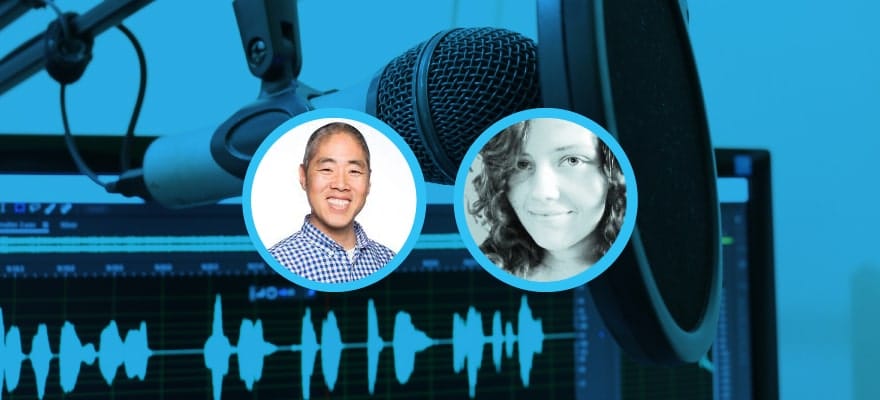
Jack Tao speaks on what's fueling healthy growth in the crypto derivatives market.
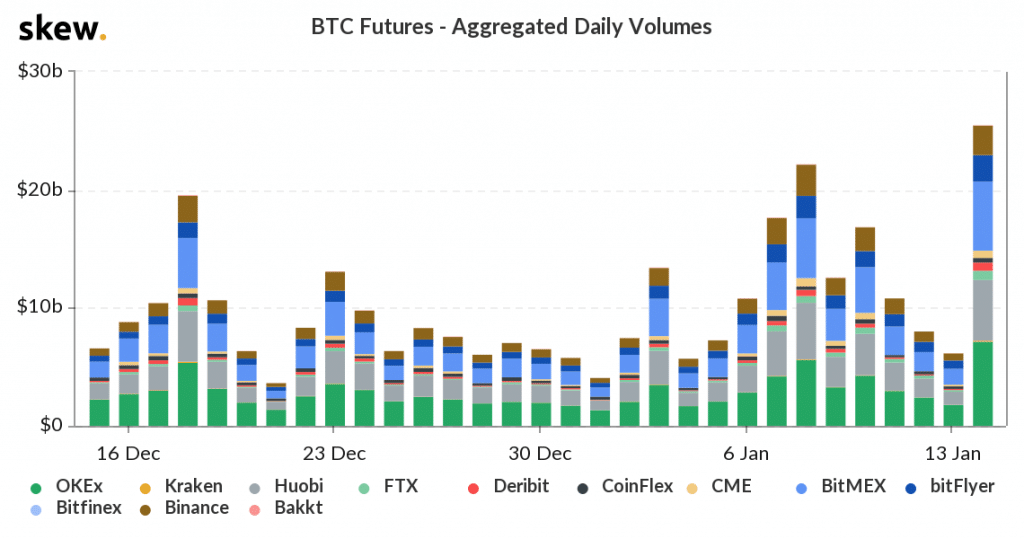
The cryptocurrency derivatives market has made headlines quite frequently in recent months due to increasingly high volumes; even since the first of the year, new all-time-highs have been achieved, new products have been launched, and new traders have entered the market.
Indeed, when the Chicago Mercantile Exchange (CME) announced its bitcoin options offering in mid-September, the exchange's Global Head of Equity Index and Alternative Investment Products Tim McCourt said there was “increasing client demand” for such products. Since its launch of BTC options on January 13th, trading volume has increased significantly.
Similarly, trading volume on cryptocurrency exchange Bakkt has seen a number of high-volume trading days since the beginning of the year, though its all-time-high still sits in December of 2019.
Will this trend toward growth in the crypto derivatives market continue, or is the recent growth just another phase in crypto history?
Recently, Finance Magnates sat down with Jack Tao, chief executive officer at cryptocurrency derivatives exchange Phemex, to explore the ways that that cryptocurrency derivatives market is continuing to change and grow; what's working, and what needs to change.
Jack co-founded the Singapore-based exchange alongside seven other ex-Morgan Stanley executives in August of 2019; prior to that, Jack spent eleven years at Morgan Stanley, where he worked as the global development leader for the bank’s Electronic Trading (MSET) Benchmark Execution Strategies (BXS).
”Every year, many users come into this field and become adopters, become believers, and they need an entry point into the crypto world.”
Having spent so many years in the traditional financial world, Jack said that Phemex’s primary focus at the moment is focused on client satisfaction: “the idea is that we want to empower everyone to trade simply and safely,” he explained.
“Lots of derivates are very complicated financial products, compared to stock markets and stocks,” he continued. “It’s usually not easy for retail customers to understand or operate. We find that there’s a lot of work that can be done in this field to make the barrier of entry lower for retail customers.”
Therefore, “we’re trying to build the most trustworthy cryptocurrency exchange in the world, and putting the client first is one of our core values,” he said, adding that the fact that three of Phemex’ co-founders are from Morgan Stanley, and “know how to do things correctly in the financial world”--and that if he learned anything from his eleven years at the banking giant, the “client-first” model is essential to success.
Ex-Morgan Stanley Executives Launch Crypto Derivatives Platform in Singapore — CoinDesk https://t.co/II1Wf6YHiC
Follow our new Medium account!
— Jack (@jack_Phemex) December 13, 2019
Jack went onto say that the fact that the exchange is centralized is appropriate for the current state of the cryptocurrency industry. “Every year, many users come into this field and become adopters, become believers, and they need an entry point into the crypto world.”
“Exchanges play a critical role: to connect people from the traditional financial world into the crypto-financial world
Therefore, “exchanges play a critical role: to connect people from the traditional financial world into the crypto-financial world...just as in traditional financial services, trustworthiness is very important for customers. If they put their money and savings into a platform, they have to make sure it’s a safe and fair platform for users.”
“Always think about the client: what they need, and how to make sure their funds are safe, instead of just thinking about making money,” Jack said.
How is the rest of the cryptocurrency industry measuring up to this “client-first” model? “I think lots of companies are trying to do the right thing," he continued.
“There are a lot of people quitting their jobs or changing their jobs to devote themselves to this field--everybody wants to build something good. There’s a lot of money put into crypto; there’s a lot of ongoing research happening.”
Of course, “there are definitely a lot of scams, and some things involving money laundering,” he continued. However, “that happens. It’s a savage, young field.” On the other hand, though, Jack sees the continuous influx of teams with integrity into the space as transformative for the industry.
“Maybe in five years, or even sooner, this market will become [much] safer and better.”
The crypto derivatives market will continue to grow, says Tao
Jack said that he has observed big increases in the user space when it comes to the crypto derivatives market over the past year and that Phemex expects this trend to continue.
This has resulted in a spread between crypto spot and derivatives markets that more closely resembles traditional markets, where derivative markets tend to be much larger than spot markets, with most derivatives being traded on over-the-counter (OTC) platforms.
“But that wasn’t the case about a year ago,” Jack explained. Since then, “a lot of people have started to trade derivatives, a lot of companies are doing a great job of marketing and promoting.”
Jack also sees potential for the derivatives market to continue to grow as younger generations come of age. “They all know how to program, they know math well, and they know how to trade,” he said.
So, “the user space is growing, but we don’t feel surprised by that because that’s our expectation. We believe that this year, more and more people will enter cryptocurrency [markets] and more and more traders in the world will pick one or two exchanges to do their trading.”
And these users are likely to come in a relatively even flow from different regions of the world. Citing data from Phemex, which is a global exchange, and from other crypto derivatives exchanges, Jack said that “the user space is quite evenly spread out” between the EU, Asia, and North America.
Want to learn more about derivatives' regulations around the world? ??? Read our latest blog article: https://t.co/WPr0C3g4aQ
“It’s not one particular country that contributes the most to trading volume--it’s more like one-third in Asia, one-third in Europe, and one-third in North America.”
“That’s a good thing,” he added. “You don’t want one part of the world controlling the price of cryptocurrency.”
Bakkt’s volumes may be lower than expected because their products may be too exclusionary toward retail investors
Despite the fact that the cryptocurrency derivatives market has continued to grow--one report estimated that the crypto derivatives market was 2.24 times the size of the spot market by the end of the 2019--the much-anticipated launch of cryptocurrency derivatives exchange Bakkt brought lower volumes than many analysts and crypto market hopefuls believed that it would.
Jack said that this could possibly be attributed to several factors. For one thing, “their product is quite big”; indeed, Bakkt’s minimum contract size is one Bitcoin, currently worth roughly $8,770 at press time. Additionally, Bakkt customers have a $3,900 deposit requirement for both Bakkt’s daily and monthly futures contracts as an initial hedge.
And while it’s true that Bakkt’s platform and products were primarily marketed toward institutional investors, the minimums set by the company seem to have locked out a lot of retail users--which, intentionally or not, may be contributing to Bakkt’s lower-than-expected trading volumes.
Although Bakkt’s volumes have steadily continued to rise, the platform is, arguably, somewhat exclusionary: “this is not friendly to retail users,” Jack said. “[Their] products are mainly for big players, institutional clients--not for retail.”
This week's summary of Bakkt Bitcoin Monthly Futures:
Jack explained that in a way, products and platforms that are purely designed for institutional traders are skewed against the ethos of the cryptocurrency industry itself. “The cryptocurrency world is about financial freedom. Most people just want to register with an email and to trade something simple and easy and fast; they may not have enough capital to trade with an entire Bitcoin...but they have some money they can allocate to invest.”
“Lots of other companies, like Binance or BitMEX, [offer] contracts that are $1 or even cheaper, and that’s more friendly to retail customers who don’t have much money but still want to trade.”
Of course, “there are some concerns” regarding this type of high-leverage trading. “High-leverage trading [in crypto] is very risky compared to traditional markets, but cryptocurrency exchanges have developed ‘risk limits’--if you open a position with a very small notional, you can use high leverage...but if your position is bigger, your leverage has to be lower.”
Additionally, a number of crypto futures exchanges, including Phemex, have published “tutorials to educate users on how to trade and how to use leverage correctly.”
And so, Jack explained that Phemex expects its high leverage and low minimums to continue to attract new traders as they continue to enter the crypto derivatives market, and as such, its product offerings will eventually expand.
For now, though, the exchange offers only three contracts--”Bitcoin/USD is one of our biggest products that has the most volume,” Jack said, adding that the product was designed to be similar to BitMEX’s BTC/USD offering. Phemex’s other two offerings include ETH/USD and XRP/USD contracts.
This is an excerpt. To hear the rest of Finance Magnates’ fascinating interview with Jack Tao, chief executive officer of Phemex, visit us on Soundcloud or Youtube. Special thanks to Jack and to the Phemex team.
The cryptocurrency derivatives market has made headlines quite frequently in recent months due to increasingly high volumes; even since the first of the year, new all-time-highs have been achieved, new products have been launched, and new traders have entered the market.
Indeed, when the Chicago Mercantile Exchange (CME) announced its bitcoin options offering in mid-September, the exchange's Global Head of Equity Index and Alternative Investment Products Tim McCourt said there was “increasing client demand” for such products. Since its launch of BTC options on January 13th, trading volume has increased significantly.
Similarly, trading volume on cryptocurrency exchange Bakkt has seen a number of high-volume trading days since the beginning of the year, though its all-time-high still sits in December of 2019.
Will this trend toward growth in the crypto derivatives market continue, or is the recent growth just another phase in crypto history?
Recently, Finance Magnates sat down with Jack Tao, chief executive officer at cryptocurrency derivatives exchange Phemex, to explore the ways that that cryptocurrency derivatives market is continuing to change and grow; what's working, and what needs to change.
Jack co-founded the Singapore-based exchange alongside seven other ex-Morgan Stanley executives in August of 2019; prior to that, Jack spent eleven years at Morgan Stanley, where he worked as the global development leader for the bank’s Electronic Trading (MSET) Benchmark Execution Strategies (BXS).
”Every year, many users come into this field and become adopters, become believers, and they need an entry point into the crypto world.”
Having spent so many years in the traditional financial world, Jack said that Phemex’s primary focus at the moment is focused on client satisfaction: “the idea is that we want to empower everyone to trade simply and safely,” he explained.
“Lots of derivates are very complicated financial products, compared to stock markets and stocks,” he continued. “It’s usually not easy for retail customers to understand or operate. We find that there’s a lot of work that can be done in this field to make the barrier of entry lower for retail customers.”
Therefore, “we’re trying to build the most trustworthy cryptocurrency exchange in the world, and putting the client first is one of our core values,” he said, adding that the fact that three of Phemex’ co-founders are from Morgan Stanley, and “know how to do things correctly in the financial world”--and that if he learned anything from his eleven years at the banking giant, the “client-first” model is essential to success.
Ex-Morgan Stanley Executives Launch Crypto Derivatives Platform in Singapore — CoinDesk https://t.co/II1Wf6YHiC
Follow our new Medium account!
— Jack (@jack_Phemex) December 13, 2019
Jack went onto say that the fact that the exchange is centralized is appropriate for the current state of the cryptocurrency industry. “Every year, many users come into this field and become adopters, become believers, and they need an entry point into the crypto world.”
“Exchanges play a critical role: to connect people from the traditional financial world into the crypto-financial world
Therefore, “exchanges play a critical role: to connect people from the traditional financial world into the crypto-financial world...just as in traditional financial services, trustworthiness is very important for customers. If they put their money and savings into a platform, they have to make sure it’s a safe and fair platform for users.”
“Always think about the client: what they need, and how to make sure their funds are safe, instead of just thinking about making money,” Jack said.
How is the rest of the cryptocurrency industry measuring up to this “client-first” model? “I think lots of companies are trying to do the right thing," he continued.
“There are a lot of people quitting their jobs or changing their jobs to devote themselves to this field--everybody wants to build something good. There’s a lot of money put into crypto; there’s a lot of ongoing research happening.”
Of course, “there are definitely a lot of scams, and some things involving money laundering,” he continued. However, “that happens. It’s a savage, young field.” On the other hand, though, Jack sees the continuous influx of teams with integrity into the space as transformative for the industry.
“Maybe in five years, or even sooner, this market will become [much] safer and better.”
The crypto derivatives market will continue to grow, says Tao
Jack said that he has observed big increases in the user space when it comes to the crypto derivatives market over the past year and that Phemex expects this trend to continue.
This has resulted in a spread between crypto spot and derivatives markets that more closely resembles traditional markets, where derivative markets tend to be much larger than spot markets, with most derivatives being traded on over-the-counter (OTC) platforms.
“But that wasn’t the case about a year ago,” Jack explained. Since then, “a lot of people have started to trade derivatives, a lot of companies are doing a great job of marketing and promoting.”
Jack also sees potential for the derivatives market to continue to grow as younger generations come of age. “They all know how to program, they know math well, and they know how to trade,” he said.
So, “the user space is growing, but we don’t feel surprised by that because that’s our expectation. We believe that this year, more and more people will enter cryptocurrency [markets] and more and more traders in the world will pick one or two exchanges to do their trading.”
And these users are likely to come in a relatively even flow from different regions of the world. Citing data from Phemex, which is a global exchange, and from other crypto derivatives exchanges, Jack said that “the user space is quite evenly spread out” between the EU, Asia, and North America.
Want to learn more about derivatives' regulations around the world? ??? Read our latest blog article: https://t.co/WPr0C3g4aQ
“It’s not one particular country that contributes the most to trading volume--it’s more like one-third in Asia, one-third in Europe, and one-third in North America.”
“That’s a good thing,” he added. “You don’t want one part of the world controlling the price of cryptocurrency.”
Bakkt’s volumes may be lower than expected because their products may be too exclusionary toward retail investors
Despite the fact that the cryptocurrency derivatives market has continued to grow--one report estimated that the crypto derivatives market was 2.24 times the size of the spot market by the end of the 2019--the much-anticipated launch of cryptocurrency derivatives exchange Bakkt brought lower volumes than many analysts and crypto market hopefuls believed that it would.
Jack said that this could possibly be attributed to several factors. For one thing, “their product is quite big”; indeed, Bakkt’s minimum contract size is one Bitcoin, currently worth roughly $8,770 at press time. Additionally, Bakkt customers have a $3,900 deposit requirement for both Bakkt’s daily and monthly futures contracts as an initial hedge.
And while it’s true that Bakkt’s platform and products were primarily marketed toward institutional investors, the minimums set by the company seem to have locked out a lot of retail users--which, intentionally or not, may be contributing to Bakkt’s lower-than-expected trading volumes.
Although Bakkt’s volumes have steadily continued to rise, the platform is, arguably, somewhat exclusionary: “this is not friendly to retail users,” Jack said. “[Their] products are mainly for big players, institutional clients--not for retail.”
This week's summary of Bakkt Bitcoin Monthly Futures:
Jack explained that in a way, products and platforms that are purely designed for institutional traders are skewed against the ethos of the cryptocurrency industry itself. “The cryptocurrency world is about financial freedom. Most people just want to register with an email and to trade something simple and easy and fast; they may not have enough capital to trade with an entire Bitcoin...but they have some money they can allocate to invest.”
“Lots of other companies, like Binance or BitMEX, [offer] contracts that are $1 or even cheaper, and that’s more friendly to retail customers who don’t have much money but still want to trade.”
Of course, “there are some concerns” regarding this type of high-leverage trading. “High-leverage trading [in crypto] is very risky compared to traditional markets, but cryptocurrency exchanges have developed ‘risk limits’--if you open a position with a very small notional, you can use high leverage...but if your position is bigger, your leverage has to be lower.”
Additionally, a number of crypto futures exchanges, including Phemex, have published “tutorials to educate users on how to trade and how to use leverage correctly.”
And so, Jack explained that Phemex expects its high leverage and low minimums to continue to attract new traders as they continue to enter the crypto derivatives market, and as such, its product offerings will eventually expand.
For now, though, the exchange offers only three contracts--”Bitcoin/USD is one of our biggest products that has the most volume,” Jack said, adding that the product was designed to be similar to BitMEX’s BTC/USD offering. Phemex’s other two offerings include ETH/USD and XRP/USD contracts.
This is an excerpt. To hear the rest of Finance Magnates’ fascinating interview with Jack Tao, chief executive officer of Phemex, visit us on Soundcloud or Youtube. Special thanks to Jack and to the Phemex team.
Rachel is a self-taught crypto geek and a passionate writer. She believes in the power that the written word has to educate, connect and empower individuals to make positive and powerful financial choices. She is the Podcast Host and a Cryptocurrency Editor at Finance Magnates.
Retail Traders See Goldman Sachs Enter Bitcoin Yield ETF Race with Options-Based Filing
Featured Videos
Opening-Up eWallets’ Future: The Enduring Value of eWallets in the Trading Space ︳FM Talks x Paysafe
Opening-Up eWallets’ Future: The Enduring Value of eWallets in the Trading Space ︳FM Talks x Paysafe
Opening-Up eWallets’ Future: The Enduring Value of eWallets in the Trading Space ︳FM Talks x Paysafe
Opening-Up eWallets’ Future: The Enduring Value of eWallets in the Trading Space ︳FM Talks x Paysafe
eWallets aren’t just moving money anymore, they’re running the show.
In this episode of FM Talks, Adonis Adoni (News Editor at Finance Magnates) sits down with Paysafe 's:
•Bob Legters, Chief Product Officer
•Jeannie Lam, VP of Sales & Account Management for Forex & Financial Trading
to break down how wallets evolved from simple payment tools into core trading infrastructure.
💥 Inside the conversation:
•Why wallets now drive growth, retention, and global scale for brokers
•The hidden power behind deposit success, fraud prevention, and UX
•Stablecoins: hype, reality, and where they actually fit today
•AI in wallets: smarter flows vs rising fraud risks
•The rise of white-label wallets and full ecosystem control
•What the future looks like when wallets become your financial brain
🔗 Learn more about @PaysafeGroup : https://www.paysafe.com/en/optimize-forex-payments-for-growth-in-2026/fm/?utm_source=fm&utm_medium=podcast&utm_campaign=2026-q1-fx-demand-gen&utm_content=podcast
From fiat to crypto, payments to trading, everything is converging and wallets are right at the center of it.
#Fintech #eWallets #Trading #DigitalPayments #Stablecoins #Crypto #AIinFintech #FutureOfFinance #Paysafe #FMtalks
eWallets aren’t just moving money anymore, they’re running the show.
In this episode of FM Talks, Adonis Adoni (News Editor at Finance Magnates) sits down with Paysafe 's:
•Bob Legters, Chief Product Officer
•Jeannie Lam, VP of Sales & Account Management for Forex & Financial Trading
to break down how wallets evolved from simple payment tools into core trading infrastructure.
💥 Inside the conversation:
•Why wallets now drive growth, retention, and global scale for brokers
•The hidden power behind deposit success, fraud prevention, and UX
•Stablecoins: hype, reality, and where they actually fit today
•AI in wallets: smarter flows vs rising fraud risks
•The rise of white-label wallets and full ecosystem control
•What the future looks like when wallets become your financial brain
🔗 Learn more about @PaysafeGroup : https://www.paysafe.com/en/optimize-forex-payments-for-growth-in-2026/fm/?utm_source=fm&utm_medium=podcast&utm_campaign=2026-q1-fx-demand-gen&utm_content=podcast
From fiat to crypto, payments to trading, everything is converging and wallets are right at the center of it.
#Fintech #eWallets #Trading #DigitalPayments #Stablecoins #Crypto #AIinFintech #FutureOfFinance #Paysafe #FMtalks
eWallets aren’t just moving money anymore, they’re running the show.
In this episode of FM Talks, Adonis Adoni (News Editor at Finance Magnates) sits down with Paysafe 's:
•Bob Legters, Chief Product Officer
•Jeannie Lam, VP of Sales & Account Management for Forex & Financial Trading
to break down how wallets evolved from simple payment tools into core trading infrastructure.
💥 Inside the conversation:
•Why wallets now drive growth, retention, and global scale for brokers
•The hidden power behind deposit success, fraud prevention, and UX
•Stablecoins: hype, reality, and where they actually fit today
•AI in wallets: smarter flows vs rising fraud risks
•The rise of white-label wallets and full ecosystem control
•What the future looks like when wallets become your financial brain
🔗 Learn more about @PaysafeGroup : https://www.paysafe.com/en/optimize-forex-payments-for-growth-in-2026/fm/?utm_source=fm&utm_medium=podcast&utm_campaign=2026-q1-fx-demand-gen&utm_content=podcast
From fiat to crypto, payments to trading, everything is converging and wallets are right at the center of it.
#Fintech #eWallets #Trading #DigitalPayments #Stablecoins #Crypto #AIinFintech #FutureOfFinance #Paysafe #FMtalks
eWallets aren’t just moving money anymore, they’re running the show.
In this episode of FM Talks, Adonis Adoni (News Editor at Finance Magnates) sits down with Paysafe 's:
•Bob Legters, Chief Product Officer
•Jeannie Lam, VP of Sales & Account Management for Forex & Financial Trading
to break down how wallets evolved from simple payment tools into core trading infrastructure.
💥 Inside the conversation:
•Why wallets now drive growth, retention, and global scale for brokers
•The hidden power behind deposit success, fraud prevention, and UX
•Stablecoins: hype, reality, and where they actually fit today
•AI in wallets: smarter flows vs rising fraud risks
•The rise of white-label wallets and full ecosystem control
•What the future looks like when wallets become your financial brain
🔗 Learn more about @PaysafeGroup : https://www.paysafe.com/en/optimize-forex-payments-for-growth-in-2026/fm/?utm_source=fm&utm_medium=podcast&utm_campaign=2026-q1-fx-demand-gen&utm_content=podcast
From fiat to crypto, payments to trading, everything is converging and wallets are right at the center of it.
#Fintech #eWallets #Trading #DigitalPayments #Stablecoins #Crypto #AIinFintech #FutureOfFinance #Paysafe #FMtalks
FP Markets Review: Forex & CFD Broker Overview for Asia Traders | Finance Magnates
FP Markets Review: Forex & CFD Broker Overview for Asia Traders | Finance Magnates
FP Markets Review: Forex & CFD Broker Overview for Asia Traders | Finance Magnates
FP Markets Review: Forex & CFD Broker Overview for Asia Traders | Finance Magnates
FP Markets Review: Forex & CFD Broker Overview for Asia Traders | Finance Magnates
FP Markets Review: Forex & CFD Broker Overview for Asia Traders | Finance Magnates
In this video, we review @fpmarkets a multi-asset forex and CFDs broker operating across multiple regulated entities worldwide.
We cover the broker’s overall offering, including its regulatory structure, trading platforms, as well as its account types and product range. We also explore key considerations for traders in Asia, including entity differences, leverage, and market access.
Watch the full video to see if FP Markets fits your trading needs.
📣 Stay up to date with the latest in finance and trading. Follow Finance Magnates for industry news, insights, and global event coverage.
Connect with us:
🔗 LinkedIn: /financemagnates
👍 Facebook: /financemagnates
📸 Instagram: https://www.instagram.com/financemagnates
🐦 X: https://x.com/financemagnates
🎥 TikTok: https://www.tiktok.com/tag/financemagnates
▶️ YouTube: /@financemagnates_official
#FPMarkets #ForexBroker #CFDTrading #FinanceMagnates #Trading #Forex #BrokerReview
In this video, we review @fpmarkets a multi-asset forex and CFDs broker operating across multiple regulated entities worldwide.
We cover the broker’s overall offering, including its regulatory structure, trading platforms, as well as its account types and product range. We also explore key considerations for traders in Asia, including entity differences, leverage, and market access.
Watch the full video to see if FP Markets fits your trading needs.
📣 Stay up to date with the latest in finance and trading. Follow Finance Magnates for industry news, insights, and global event coverage.
Connect with us:
🔗 LinkedIn: /financemagnates
👍 Facebook: /financemagnates
📸 Instagram: https://www.instagram.com/financemagnates
🐦 X: https://x.com/financemagnates
🎥 TikTok: https://www.tiktok.com/tag/financemagnates
▶️ YouTube: /@financemagnates_official
#FPMarkets #ForexBroker #CFDTrading #FinanceMagnates #Trading #Forex #BrokerReview
In this video, we review @fpmarkets a multi-asset forex and CFDs broker operating across multiple regulated entities worldwide.
We cover the broker’s overall offering, including its regulatory structure, trading platforms, as well as its account types and product range. We also explore key considerations for traders in Asia, including entity differences, leverage, and market access.
Watch the full video to see if FP Markets fits your trading needs.
📣 Stay up to date with the latest in finance and trading. Follow Finance Magnates for industry news, insights, and global event coverage.
Connect with us:
🔗 LinkedIn: /financemagnates
👍 Facebook: /financemagnates
📸 Instagram: https://www.instagram.com/financemagnates
🐦 X: https://x.com/financemagnates
🎥 TikTok: https://www.tiktok.com/tag/financemagnates
▶️ YouTube: /@financemagnates_official
#FPMarkets #ForexBroker #CFDTrading #FinanceMagnates #Trading #Forex #BrokerReview
In this video, we review @fpmarkets a multi-asset forex and CFDs broker operating across multiple regulated entities worldwide.
We cover the broker’s overall offering, including its regulatory structure, trading platforms, as well as its account types and product range. We also explore key considerations for traders in Asia, including entity differences, leverage, and market access.
Watch the full video to see if FP Markets fits your trading needs.
📣 Stay up to date with the latest in finance and trading. Follow Finance Magnates for industry news, insights, and global event coverage.
Connect with us:
🔗 LinkedIn: /financemagnates
👍 Facebook: /financemagnates
📸 Instagram: https://www.instagram.com/financemagnates
🐦 X: https://x.com/financemagnates
🎥 TikTok: https://www.tiktok.com/tag/financemagnates
▶️ YouTube: /@financemagnates_official
#FPMarkets #ForexBroker #CFDTrading #FinanceMagnates #Trading #Forex #BrokerReview
In this video, we review @fpmarkets a multi-asset forex and CFDs broker operating across multiple regulated entities worldwide.
We cover the broker’s overall offering, including its regulatory structure, trading platforms, as well as its account types and product range. We also explore key considerations for traders in Asia, including entity differences, leverage, and market access.
Watch the full video to see if FP Markets fits your trading needs.
📣 Stay up to date with the latest in finance and trading. Follow Finance Magnates for industry news, insights, and global event coverage.
Connect with us:
🔗 LinkedIn: /financemagnates
👍 Facebook: /financemagnates
📸 Instagram: https://www.instagram.com/financemagnates
🐦 X: https://x.com/financemagnates
🎥 TikTok: https://www.tiktok.com/tag/financemagnates
▶️ YouTube: /@financemagnates_official
#FPMarkets #ForexBroker #CFDTrading #FinanceMagnates #Trading #Forex #BrokerReview
In this video, we review @fpmarkets a multi-asset forex and CFDs broker operating across multiple regulated entities worldwide.
We cover the broker’s overall offering, including its regulatory structure, trading platforms, as well as its account types and product range. We also explore key considerations for traders in Asia, including entity differences, leverage, and market access.
Watch the full video to see if FP Markets fits your trading needs.
📣 Stay up to date with the latest in finance and trading. Follow Finance Magnates for industry news, insights, and global event coverage.
Connect with us:
🔗 LinkedIn: /financemagnates
👍 Facebook: /financemagnates
📸 Instagram: https://www.instagram.com/financemagnates
🐦 X: https://x.com/financemagnates
🎥 TikTok: https://www.tiktok.com/tag/financemagnates
▶️ YouTube: /@financemagnates_official
#FPMarkets #ForexBroker #CFDTrading #FinanceMagnates #Trading #Forex #BrokerReview
FP Markets Winner Spotlight 🏆 | Global Broker of the Year 2025 #Trading #Broker #Innovation #Shorts
FP Markets Winner Spotlight 🏆 | Global Broker of the Year 2025 #Trading #Broker #Innovation #Shorts
FP Markets Winner Spotlight 🏆 | Global Broker of the Year 2025 #Trading #Broker #Innovation #Shorts
FP Markets Winner Spotlight 🏆 | Global Broker of the Year 2025 #Trading #Broker #Innovation #Shorts
FP Markets Winner Spotlight 🏆 | Global Broker of the Year 2025 #Trading #Broker #Innovation #Shorts
FP Markets Winner Spotlight 🏆 | Global Broker of the Year 2025 #Trading #Broker #Innovation #Shorts
FP Markets takes the spotlight as Global Broker of the Year 2025 at the Finance Magnates Awards.
Martin Stoilov, Head of Client Experience, shares that trust, innovation, and people played a key role in the company’s success, supported by a strong foundation of integrity and client-centricity.
Following this milestone, FP Markets continues to focus on growth, technology investment, and its core values of transparency and excellence.
👉 Be part of FM Awards 2026: https://awards.financemagnates.com/#nominate
FP Markets takes the spotlight as Global Broker of the Year 2025 at the Finance Magnates Awards.
Martin Stoilov, Head of Client Experience, shares that trust, innovation, and people played a key role in the company’s success, supported by a strong foundation of integrity and client-centricity.
Following this milestone, FP Markets continues to focus on growth, technology investment, and its core values of transparency and excellence.
👉 Be part of FM Awards 2026: https://awards.financemagnates.com/#nominate
FP Markets takes the spotlight as Global Broker of the Year 2025 at the Finance Magnates Awards.
Martin Stoilov, Head of Client Experience, shares that trust, innovation, and people played a key role in the company’s success, supported by a strong foundation of integrity and client-centricity.
Following this milestone, FP Markets continues to focus on growth, technology investment, and its core values of transparency and excellence.
👉 Be part of FM Awards 2026: https://awards.financemagnates.com/#nominate
FP Markets takes the spotlight as Global Broker of the Year 2025 at the Finance Magnates Awards.
Martin Stoilov, Head of Client Experience, shares that trust, innovation, and people played a key role in the company’s success, supported by a strong foundation of integrity and client-centricity.
Following this milestone, FP Markets continues to focus on growth, technology investment, and its core values of transparency and excellence.
👉 Be part of FM Awards 2026: https://awards.financemagnates.com/#nominate
FP Markets takes the spotlight as Global Broker of the Year 2025 at the Finance Magnates Awards.
Martin Stoilov, Head of Client Experience, shares that trust, innovation, and people played a key role in the company’s success, supported by a strong foundation of integrity and client-centricity.
Following this milestone, FP Markets continues to focus on growth, technology investment, and its core values of transparency and excellence.
👉 Be part of FM Awards 2026: https://awards.financemagnates.com/#nominate
FP Markets takes the spotlight as Global Broker of the Year 2025 at the Finance Magnates Awards.
Martin Stoilov, Head of Client Experience, shares that trust, innovation, and people played a key role in the company’s success, supported by a strong foundation of integrity and client-centricity.
Following this milestone, FP Markets continues to focus on growth, technology investment, and its core values of transparency and excellence.
👉 Be part of FM Awards 2026: https://awards.financemagnates.com/#nominate
In this video, we review @HolaPrimeMarketsOfficial, a multi-asset forex and CFDs broker offering different account types, trading platforms, and flexible trading conditions.
We cover the broker’s overall offering, including account options, trading environment, platforms like MT4 and MT5, and additional services such as managed accounts and fast withdrawals.
Watch the full video to see if Hola Prime Markets fits your trading needs.
📣 Stay up to date with the latest in finance and trading. Follow Finance Magnates for industry news, insights, and global event coverage.
Connect with us:
🔗 LinkedIn: /financemagnates
👍 Facebook: /financemagnates
📸 Instagram: https://www.instagram.com/financemagnates
🐦 X: https://x.com/financemagnates
🎥 TikTok: https://www.tiktok.com/tag/financemagnates
▶️ YouTube: /@financemagnates_official
#HolaPrime #ForexBroker #CFDTrading #FinanceMagnates #Trading #Forex #BrokerReview
In this video, we review @HolaPrimeMarketsOfficial, a multi-asset forex and CFDs broker offering different account types, trading platforms, and flexible trading conditions.
We cover the broker’s overall offering, including account options, trading environment, platforms like MT4 and MT5, and additional services such as managed accounts and fast withdrawals.
Watch the full video to see if Hola Prime Markets fits your trading needs.
📣 Stay up to date with the latest in finance and trading. Follow Finance Magnates for industry news, insights, and global event coverage.
Connect with us:
🔗 LinkedIn: /financemagnates
👍 Facebook: /financemagnates
📸 Instagram: https://www.instagram.com/financemagnates
🐦 X: https://x.com/financemagnates
🎥 TikTok: https://www.tiktok.com/tag/financemagnates
▶️ YouTube: /@financemagnates_official
#HolaPrime #ForexBroker #CFDTrading #FinanceMagnates #Trading #Forex #BrokerReview
In this video, we review @HolaPrimeMarketsOfficial, a multi-asset forex and CFDs broker offering different account types, trading platforms, and flexible trading conditions.
We cover the broker’s overall offering, including account options, trading environment, platforms like MT4 and MT5, and additional services such as managed accounts and fast withdrawals.
Watch the full video to see if Hola Prime Markets fits your trading needs.
📣 Stay up to date with the latest in finance and trading. Follow Finance Magnates for industry news, insights, and global event coverage.
Connect with us:
🔗 LinkedIn: /financemagnates
👍 Facebook: /financemagnates
📸 Instagram: https://www.instagram.com/financemagnates
🐦 X: https://x.com/financemagnates
🎥 TikTok: https://www.tiktok.com/tag/financemagnates
▶️ YouTube: /@financemagnates_official
#HolaPrime #ForexBroker #CFDTrading #FinanceMagnates #Trading #Forex #BrokerReview
In this video, we review @HolaPrimeMarketsOfficial, a multi-asset forex and CFDs broker offering different account types, trading platforms, and flexible trading conditions.
We cover the broker’s overall offering, including account options, trading environment, platforms like MT4 and MT5, and additional services such as managed accounts and fast withdrawals.
Watch the full video to see if Hola Prime Markets fits your trading needs.
📣 Stay up to date with the latest in finance and trading. Follow Finance Magnates for industry news, insights, and global event coverage.
Connect with us:
🔗 LinkedIn: /financemagnates
👍 Facebook: /financemagnates
📸 Instagram: https://www.instagram.com/financemagnates
🐦 X: https://x.com/financemagnates
🎥 TikTok: https://www.tiktok.com/tag/financemagnates
▶️ YouTube: /@financemagnates_official
#HolaPrime #ForexBroker #CFDTrading #FinanceMagnates #Trading #Forex #BrokerReview
In this video, we review @HolaPrimeMarketsOfficial, a multi-asset forex and CFDs broker offering different account types, trading platforms, and flexible trading conditions.
We cover the broker’s overall offering, including account options, trading environment, platforms like MT4 and MT5, and additional services such as managed accounts and fast withdrawals.
Watch the full video to see if Hola Prime Markets fits your trading needs.
📣 Stay up to date with the latest in finance and trading. Follow Finance Magnates for industry news, insights, and global event coverage.
Connect with us:
🔗 LinkedIn: /financemagnates
👍 Facebook: /financemagnates
📸 Instagram: https://www.instagram.com/financemagnates
🐦 X: https://x.com/financemagnates
🎥 TikTok: https://www.tiktok.com/tag/financemagnates
▶️ YouTube: /@financemagnates_official
#HolaPrime #ForexBroker #CFDTrading #FinanceMagnates #Trading #Forex #BrokerReview
In this video, we review @HolaPrimeMarketsOfficial, a multi-asset forex and CFDs broker offering different account types, trading platforms, and flexible trading conditions.
We cover the broker’s overall offering, including account options, trading environment, platforms like MT4 and MT5, and additional services such as managed accounts and fast withdrawals.
Watch the full video to see if Hola Prime Markets fits your trading needs.
📣 Stay up to date with the latest in finance and trading. Follow Finance Magnates for industry news, insights, and global event coverage.
Connect with us:
🔗 LinkedIn: /financemagnates
👍 Facebook: /financemagnates
📸 Instagram: https://www.instagram.com/financemagnates
🐦 X: https://x.com/financemagnates
🎥 TikTok: https://www.tiktok.com/tag/financemagnates
▶️ YouTube: /@financemagnates_official
#HolaPrime #ForexBroker #CFDTrading #FinanceMagnates #Trading #Forex #BrokerReview
Hola Prime Review: What You Need to Know | Full Breakdown by Finance Magnates
Hola Prime Review: What You Need to Know | Full Breakdown by Finance Magnates
Hola Prime Review: What You Need to Know | Full Breakdown by Finance Magnates
Hola Prime Review: What You Need to Know | Full Breakdown by Finance Magnates
Hola Prime Review: What You Need to Know | Full Breakdown by Finance Magnates
Hola Prime Review: What You Need to Know | Full Breakdown by Finance Magnates
In this video, we review @HolaPrime_Global, a proprietary trading firm offering evaluation programs and performance-based payouts in simulated market environments.
We cover how the challenge model works, including account types, profit splits (up to 95%), trading rules, and what it takes to reach a funded account. You’ll also learn about available platforms like MT4, MT5, cTrader, and more, along with insights into payouts, support, and trading conditions.
Watch the full video to see if Hola Prime fits your trading style.
📣 Stay up to date with the latest in finance and trading. Follow Finance Magnates for industry news, insights, and global event coverage.
Connect with us:
🔗 LinkedIn: /financemagnates
👍 Facebook: /financemagnates
📸 Instagram: https://www.instagram.com/financemagnates
🐦 X: https://x.com/financemagnates
🎥 TikTok: https://www.tiktok.com/tag/financemagnates
▶️ YouTube: /@financemagnates_official
#HolaPrime #PropFirm #Trading #FinanceMagnates #Forex #FuturesTrading #TradingReview #PropFirmReview
In this video, we review @HolaPrime_Global, a proprietary trading firm offering evaluation programs and performance-based payouts in simulated market environments.
We cover how the challenge model works, including account types, profit splits (up to 95%), trading rules, and what it takes to reach a funded account. You’ll also learn about available platforms like MT4, MT5, cTrader, and more, along with insights into payouts, support, and trading conditions.
Watch the full video to see if Hola Prime fits your trading style.
📣 Stay up to date with the latest in finance and trading. Follow Finance Magnates for industry news, insights, and global event coverage.
Connect with us:
🔗 LinkedIn: /financemagnates
👍 Facebook: /financemagnates
📸 Instagram: https://www.instagram.com/financemagnates
🐦 X: https://x.com/financemagnates
🎥 TikTok: https://www.tiktok.com/tag/financemagnates
▶️ YouTube: /@financemagnates_official
#HolaPrime #PropFirm #Trading #FinanceMagnates #Forex #FuturesTrading #TradingReview #PropFirmReview
In this video, we review @HolaPrime_Global, a proprietary trading firm offering evaluation programs and performance-based payouts in simulated market environments.
We cover how the challenge model works, including account types, profit splits (up to 95%), trading rules, and what it takes to reach a funded account. You’ll also learn about available platforms like MT4, MT5, cTrader, and more, along with insights into payouts, support, and trading conditions.
Watch the full video to see if Hola Prime fits your trading style.
📣 Stay up to date with the latest in finance and trading. Follow Finance Magnates for industry news, insights, and global event coverage.
Connect with us:
🔗 LinkedIn: /financemagnates
👍 Facebook: /financemagnates
📸 Instagram: https://www.instagram.com/financemagnates
🐦 X: https://x.com/financemagnates
🎥 TikTok: https://www.tiktok.com/tag/financemagnates
▶️ YouTube: /@financemagnates_official
#HolaPrime #PropFirm #Trading #FinanceMagnates #Forex #FuturesTrading #TradingReview #PropFirmReview
In this video, we review @HolaPrime_Global, a proprietary trading firm offering evaluation programs and performance-based payouts in simulated market environments.
We cover how the challenge model works, including account types, profit splits (up to 95%), trading rules, and what it takes to reach a funded account. You’ll also learn about available platforms like MT4, MT5, cTrader, and more, along with insights into payouts, support, and trading conditions.
Watch the full video to see if Hola Prime fits your trading style.
📣 Stay up to date with the latest in finance and trading. Follow Finance Magnates for industry news, insights, and global event coverage.
Connect with us:
🔗 LinkedIn: /financemagnates
👍 Facebook: /financemagnates
📸 Instagram: https://www.instagram.com/financemagnates
🐦 X: https://x.com/financemagnates
🎥 TikTok: https://www.tiktok.com/tag/financemagnates
▶️ YouTube: /@financemagnates_official
#HolaPrime #PropFirm #Trading #FinanceMagnates #Forex #FuturesTrading #TradingReview #PropFirmReview
In this video, we review @HolaPrime_Global, a proprietary trading firm offering evaluation programs and performance-based payouts in simulated market environments.
We cover how the challenge model works, including account types, profit splits (up to 95%), trading rules, and what it takes to reach a funded account. You’ll also learn about available platforms like MT4, MT5, cTrader, and more, along with insights into payouts, support, and trading conditions.
Watch the full video to see if Hola Prime fits your trading style.
📣 Stay up to date with the latest in finance and trading. Follow Finance Magnates for industry news, insights, and global event coverage.
Connect with us:
🔗 LinkedIn: /financemagnates
👍 Facebook: /financemagnates
📸 Instagram: https://www.instagram.com/financemagnates
🐦 X: https://x.com/financemagnates
🎥 TikTok: https://www.tiktok.com/tag/financemagnates
▶️ YouTube: /@financemagnates_official
#HolaPrime #PropFirm #Trading #FinanceMagnates #Forex #FuturesTrading #TradingReview #PropFirmReview
In this video, we review @HolaPrime_Global, a proprietary trading firm offering evaluation programs and performance-based payouts in simulated market environments.
We cover how the challenge model works, including account types, profit splits (up to 95%), trading rules, and what it takes to reach a funded account. You’ll also learn about available platforms like MT4, MT5, cTrader, and more, along with insights into payouts, support, and trading conditions.
Watch the full video to see if Hola Prime fits your trading style.
📣 Stay up to date with the latest in finance and trading. Follow Finance Magnates for industry news, insights, and global event coverage.
Connect with us:
🔗 LinkedIn: /financemagnates
👍 Facebook: /financemagnates
📸 Instagram: https://www.instagram.com/financemagnates
🐦 X: https://x.com/financemagnates
🎥 TikTok: https://www.tiktok.com/tag/financemagnates
▶️ YouTube: /@financemagnates_official
#HolaPrime #PropFirm #Trading #FinanceMagnates #Forex #FuturesTrading #TradingReview #PropFirmReview