Bitcoin Shop Inc trades on the OTC markets under the symbol BTCS. Shares are currently worth $0.165 apiece, making for a total market cap of $22.9 million.
The main site, bitcoinshop.us, lets consumers purchase from a selection of thousands of products with Bitcoin, Litecoin or Dogecoin. The payment integration is provided by GoCoin. Bitcoin Shop is one Gocoin's key investors and advisors.
CEO Charles Allen joined the company earlier this year and helped close the financing in February. They reverse merged with TouchIT Technologies Inc, which was described as a “touch-based visual communication products company.”
The company currently uses Amazon as its affiliate for merchandise. Currently, Bitcoin Shop essentially markets Amazon’s products for purchase with digital currencies. In reality, the entire current business model as we see it is a short term solution, eventually to be phased out. One reason: It is entirely possible that Amazon itself will start accepting bitcoins in the near future, something Roger Ver seemed pretty confident about. This would jeopardize the current model. A new, more expansive model is also sought, whether Amazon accepts bitcoins or not.
Long term, the company is looking to partner directly with multiple vendors and manufacturers, particularly those offering niche products. While visiting, users would never leave the site, which will serve as a leading source for comparative shopping. Additionally Bitcoin Shop intends to use its ecommerce platform as an on-ramp for new users and to drive virtual currency adoption.
Why Bitcoin?
Allen’s background was first in technology and engineering. Later he moved into finance. Bitcoin is a hybrid of the two disciplines and is something Allen believes has great economic potential.
Approximately 20% of profits are preserved as bitcoins, the remainder converted to fiat right away. Thus, investors in the company also become investors into the “Bitcoin ecosystem” and less in the bitcoins themselves. The company has little interest in getting rich off of the coins. The same can’t be said for Overstock, also publicly traded, whose shareholders become direct investors in bitcoins. Overstock preserves 10% of bitcoin sales as received, although this becomes a relatively small figure when compared with total sales.
The company is following the development model used by several tech giants over the years. Namely, a high rate of adoption is paramount early on, more so than financials. Sales with fiat are currently not available, but because the primary goal early on is to drive adoption, the site may do so in the future. Once the machine has been developed in its entirety, then it’s ready to crank out the revenues. Investors usually appreciate this point when evaluating tech companies.
Case in point, the company only transacted $200,000 worth of product sales during the final 4 months of 2013. From this, only roughly $30,000 of commissions is officially recognized as revenue, according to accounting rules.
Indeed, Allen says that the acceptance of Bitcoin by major companies like DISH is likely little more than a PR move to drive adoption. Companies have nothing to lose, even if little or no clientele actually end up paying with Bitcoin.
Another example may be reports last week of NASDAQ OMX looking to launch a regulated bitcoin exchange, likely as part of a grander push to launch a forex exchange. It is possible that NASDAQ OMX is banking on the inclusion of regulated bitcoin trading to differentiate its offering, the only missing piece now being regulatory guidance on Bitcoin.
On Regulation
Allen believes there may be more reverse mergers in the future, although it will not be easy for most companies.
In Allen’s case, he had some things going for him. He worked in public company merger-related matters for almost 10 years and became thoroughly familiar with all the ins and outs.
Someone new to the game, however, will inevitably spend “150% of their time” on the process, plus significant legal and auditing expenses.
A full blown initial public offering (IPO) is out of the question for practically all Bitcoin related companies. Expenses are on the scale of $700k to $1 million, plus banker commissions. It is also extremely time consuming and there is no guarantee an offering will be successful.
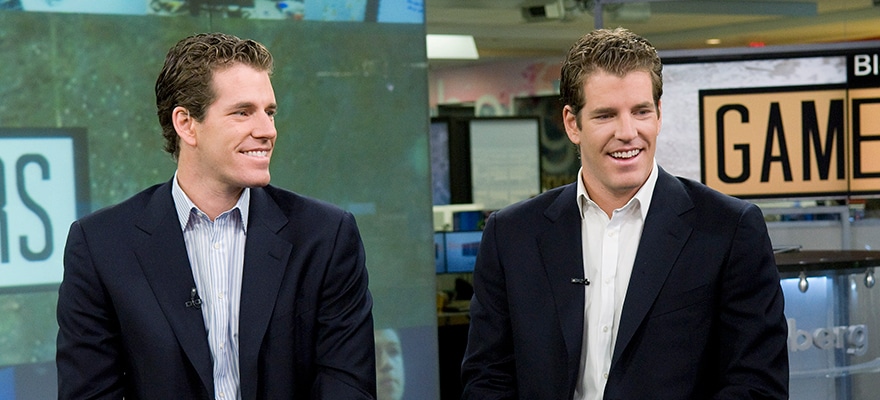
Case in point is the Winklevoss Bitcoin Trust. The Winklevoss twins were early adopters and reportedly own around 2% of all bitcoins (worth approx $167 million). Money clearly isn’t the issue, rather, the regulatory environment. The fund has been waiting for approval for quite some time. It’s not that the regulators are out there to just say “no”. They need to understand the business and its risks to the core. Bitcoin and its associated risks can have major implications for the public, and such risks need to be fully fleshed out, as evidenced in the Winklevoss’ registration statement.
Once there is clarity on regulation, banks will be a lot less nervous. Bitcoin businesses will worry less about their accounts remaining open. Currently, the banks simply have to err on the side of caution. Bringing the banks onboard will go a long way to enhance the Bitcoin ecosystem.
On Altcoins
The company also accepts Litecoin and Dogecoin, mainly because GoCoin supports them. Should GoCoin support more coins, Bitcoin Shop would likely bring them on as well, provided that they meet their selection criteria. Most altcoins today won’t make much of a difference, other than driving some minimal adoption. Bitcoin, while “slick”, isn’t perfect. Should the “perfect” coin come along, it may be worth special consideration. At the end of the day, however, the company isn’t in the payment processing business.
Allen is not fond of concepts like Darkcoin, which seek to shroud transactions in total anonymity. Same goes for alts like Potcoin. Dealing in such coins would not exactly instill the confidence with regulators that was hoped for. He could do without “a third target on his back”, the first two being his mere involvement with Bitcoin and having gone public using the reverse takeover route. Either attribute is enough to raise eyebrows amongst traditional regulatory circles, and he certainly is not interested in ruffling feathers when it comes things like KYC, AML and TF.
Bitcoin Shop Inc trades on the OTC markets under the symbol BTCS. Shares are currently worth $0.165 apiece, making for a total market cap of $22.9 million.
The main site, bitcoinshop.us, lets consumers purchase from a selection of thousands of products with Bitcoin, Litecoin or Dogecoin. The payment integration is provided by GoCoin. Bitcoin Shop is one Gocoin's key investors and advisors.
CEO Charles Allen joined the company earlier this year and helped close the financing in February. They reverse merged with TouchIT Technologies Inc, which was described as a “touch-based visual communication products company.”
The company currently uses Amazon as its affiliate for merchandise. Currently, Bitcoin Shop essentially markets Amazon’s products for purchase with digital currencies. In reality, the entire current business model as we see it is a short term solution, eventually to be phased out. One reason: It is entirely possible that Amazon itself will start accepting bitcoins in the near future, something Roger Ver seemed pretty confident about. This would jeopardize the current model. A new, more expansive model is also sought, whether Amazon accepts bitcoins or not.
Long term, the company is looking to partner directly with multiple vendors and manufacturers, particularly those offering niche products. While visiting, users would never leave the site, which will serve as a leading source for comparative shopping. Additionally Bitcoin Shop intends to use its ecommerce platform as an on-ramp for new users and to drive virtual currency adoption.
Why Bitcoin?
Allen’s background was first in technology and engineering. Later he moved into finance. Bitcoin is a hybrid of the two disciplines and is something Allen believes has great economic potential.
Approximately 20% of profits are preserved as bitcoins, the remainder converted to fiat right away. Thus, investors in the company also become investors into the “Bitcoin ecosystem” and less in the bitcoins themselves. The company has little interest in getting rich off of the coins. The same can’t be said for Overstock, also publicly traded, whose shareholders become direct investors in bitcoins. Overstock preserves 10% of bitcoin sales as received, although this becomes a relatively small figure when compared with total sales.
The company is following the development model used by several tech giants over the years. Namely, a high rate of adoption is paramount early on, more so than financials. Sales with fiat are currently not available, but because the primary goal early on is to drive adoption, the site may do so in the future. Once the machine has been developed in its entirety, then it’s ready to crank out the revenues. Investors usually appreciate this point when evaluating tech companies.
Case in point, the company only transacted $200,000 worth of product sales during the final 4 months of 2013. From this, only roughly $30,000 of commissions is officially recognized as revenue, according to accounting rules.
Indeed, Allen says that the acceptance of Bitcoin by major companies like DISH is likely little more than a PR move to drive adoption. Companies have nothing to lose, even if little or no clientele actually end up paying with Bitcoin.
Another example may be reports last week of NASDAQ OMX looking to launch a regulated bitcoin exchange, likely as part of a grander push to launch a forex exchange. It is possible that NASDAQ OMX is banking on the inclusion of regulated bitcoin trading to differentiate its offering, the only missing piece now being regulatory guidance on Bitcoin.
On Regulation
Allen believes there may be more reverse mergers in the future, although it will not be easy for most companies.
In Allen’s case, he had some things going for him. He worked in public company merger-related matters for almost 10 years and became thoroughly familiar with all the ins and outs.
Someone new to the game, however, will inevitably spend “150% of their time” on the process, plus significant legal and auditing expenses.
A full blown initial public offering (IPO) is out of the question for practically all Bitcoin related companies. Expenses are on the scale of $700k to $1 million, plus banker commissions. It is also extremely time consuming and there is no guarantee an offering will be successful.
Case in point is the Winklevoss Bitcoin Trust. The Winklevoss twins were early adopters and reportedly own around 2% of all bitcoins (worth approx $167 million). Money clearly isn’t the issue, rather, the regulatory environment. The fund has been waiting for approval for quite some time. It’s not that the regulators are out there to just say “no”. They need to understand the business and its risks to the core. Bitcoin and its associated risks can have major implications for the public, and such risks need to be fully fleshed out, as evidenced in the Winklevoss’ registration statement.
Once there is clarity on regulation, banks will be a lot less nervous. Bitcoin businesses will worry less about their accounts remaining open. Currently, the banks simply have to err on the side of caution. Bringing the banks onboard will go a long way to enhance the Bitcoin ecosystem.
On Altcoins
The company also accepts Litecoin and Dogecoin, mainly because GoCoin supports them. Should GoCoin support more coins, Bitcoin Shop would likely bring them on as well, provided that they meet their selection criteria. Most altcoins today won’t make much of a difference, other than driving some minimal adoption. Bitcoin, while “slick”, isn’t perfect. Should the “perfect” coin come along, it may be worth special consideration. At the end of the day, however, the company isn’t in the payment processing business.
Allen is not fond of concepts like Darkcoin, which seek to shroud transactions in total anonymity. Same goes for alts like Potcoin. Dealing in such coins would not exactly instill the confidence with regulators that was hoped for. He could do without “a third target on his back”, the first two being his mere involvement with Bitcoin and having gone public using the reverse takeover route. Either attribute is enough to raise eyebrows amongst traditional regulatory circles, and he certainly is not interested in ruffling feathers when it comes things like KYC, AML and TF.
Binance Launches Retail AI Assistant, Repackages Existing Trading Tools
Featured Videos
AvaTrade to Acquire Most of FXCM; NAGA Raises $8M
AvaTrade to Acquire Most of FXCM; NAGA Raises $8M
AvaTrade to Acquire Most of FXCM; NAGA Raises $8M
AvaTrade to Acquire Most of FXCM; NAGA Raises $8M
Today’s financial news recap covers AvaTrade agrees to acquire most of FXCM, NAGA secures eight million dollars in new financing, and Wise seeks a tax settlement in the UK.
Finance Magnates Daily Recap brings you the latest news from forex and CFD brokers, fintech, payments, cryptocurrency, digital assets, trading platforms, financial regulation and global markets.
Get the key company news, executive moves, deals, regulatory updates and market developments of the day, in just a few minutes. New episodes published every weekday.
Read more: https://www.financemagnates.com
#FinanceMagnates #ForexNews #FintechNews
Today’s financial news recap covers AvaTrade agrees to acquire most of FXCM, NAGA secures eight million dollars in new financing, and Wise seeks a tax settlement in the UK.
Finance Magnates Daily Recap brings you the latest news from forex and CFD brokers, fintech, payments, cryptocurrency, digital assets, trading platforms, financial regulation and global markets.
Get the key company news, executive moves, deals, regulatory updates and market developments of the day, in just a few minutes. New episodes published every weekday.
Read more: https://www.financemagnates.com
#FinanceMagnates #ForexNews #FintechNews
Today’s financial news recap covers AvaTrade agrees to acquire most of FXCM, NAGA secures eight million dollars in new financing, and Wise seeks a tax settlement in the UK.
Finance Magnates Daily Recap brings you the latest news from forex and CFD brokers, fintech, payments, cryptocurrency, digital assets, trading platforms, financial regulation and global markets.
Get the key company news, executive moves, deals, regulatory updates and market developments of the day, in just a few minutes. New episodes published every weekday.
Read more: https://www.financemagnates.com
#FinanceMagnates #ForexNews #FintechNews
Today’s financial news recap covers AvaTrade agrees to acquire most of FXCM, NAGA secures eight million dollars in new financing, and Wise seeks a tax settlement in the UK.
Finance Magnates Daily Recap brings you the latest news from forex and CFD brokers, fintech, payments, cryptocurrency, digital assets, trading platforms, financial regulation and global markets.
Get the key company news, executive moves, deals, regulatory updates and market developments of the day, in just a few minutes. New episodes published every weekday.
Read more: https://www.financemagnates.com
#FinanceMagnates #ForexNews #FintechNews
XTB Adds Overnight US Stock Trading; Nasdaq Ventures Invests in One Trading
XTB Adds Overnight US Stock Trading; Nasdaq Ventures Invests in One Trading
XTB Adds Overnight US Stock Trading; Nasdaq Ventures Invests in One Trading
XTB Adds Overnight US Stock Trading; Nasdaq Ventures Invests in One Trading
XTB Adds Overnight US Stock Trading; Nasdaq Ventures Invests in One Trading
XTB Adds Overnight US Stock Trading; Nasdaq Ventures Invests in One Trading
Today’s financial news recap covers XTB expands overnight US stock trading, Fortrade reports higher revenue, Nasdaq backs One Trading, and Vest Labs raises 13 million dollars.
Finance Magnates Daily Recap brings you the latest news from forex and CFD brokers, fintech, payments, cryptocurrency, digital assets, trading platforms, financial regulation and global markets.
Get the key company news, executive moves, deals, regulatory updates and market developments of the day, in just a few minutes. New episodes published every weekday.
Read more: https://www.financemagnates.com
#FinanceMagnates #ForexNews #FintechNews
Today’s financial news recap covers XTB expands overnight US stock trading, Fortrade reports higher revenue, Nasdaq backs One Trading, and Vest Labs raises 13 million dollars.
Finance Magnates Daily Recap brings you the latest news from forex and CFD brokers, fintech, payments, cryptocurrency, digital assets, trading platforms, financial regulation and global markets.
Get the key company news, executive moves, deals, regulatory updates and market developments of the day, in just a few minutes. New episodes published every weekday.
Read more: https://www.financemagnates.com
#FinanceMagnates #ForexNews #FintechNews
Today’s financial news recap covers XTB expands overnight US stock trading, Fortrade reports higher revenue, Nasdaq backs One Trading, and Vest Labs raises 13 million dollars.
Finance Magnates Daily Recap brings you the latest news from forex and CFD brokers, fintech, payments, cryptocurrency, digital assets, trading platforms, financial regulation and global markets.
Get the key company news, executive moves, deals, regulatory updates and market developments of the day, in just a few minutes. New episodes published every weekday.
Read more: https://www.financemagnates.com
#FinanceMagnates #ForexNews #FintechNews
Today’s financial news recap covers XTB expands overnight US stock trading, Fortrade reports higher revenue, Nasdaq backs One Trading, and Vest Labs raises 13 million dollars.
Finance Magnates Daily Recap brings you the latest news from forex and CFD brokers, fintech, payments, cryptocurrency, digital assets, trading platforms, financial regulation and global markets.
Get the key company news, executive moves, deals, regulatory updates and market developments of the day, in just a few minutes. New episodes published every weekday.
Read more: https://www.financemagnates.com
#FinanceMagnates #ForexNews #FintechNews
Today’s financial news recap covers XTB expands overnight US stock trading, Fortrade reports higher revenue, Nasdaq backs One Trading, and Vest Labs raises 13 million dollars.
Finance Magnates Daily Recap brings you the latest news from forex and CFD brokers, fintech, payments, cryptocurrency, digital assets, trading platforms, financial regulation and global markets.
Get the key company news, executive moves, deals, regulatory updates and market developments of the day, in just a few minutes. New episodes published every weekday.
Read more: https://www.financemagnates.com
#FinanceMagnates #ForexNews #FintechNews
Today’s financial news recap covers XTB expands overnight US stock trading, Fortrade reports higher revenue, Nasdaq backs One Trading, and Vest Labs raises 13 million dollars.
Finance Magnates Daily Recap brings you the latest news from forex and CFD brokers, fintech, payments, cryptocurrency, digital assets, trading platforms, financial regulation and global markets.
Get the key company news, executive moves, deals, regulatory updates and market developments of the day, in just a few minutes. New episodes published every weekday.
Read more: https://www.financemagnates.com
#FinanceMagnates #ForexNews #FintechNews
CMC Founder Downplays Volatility Hit; Devexperts Names CEO
CMC Founder Downplays Volatility Hit; Devexperts Names CEO
CMC Founder Downplays Volatility Hit; Devexperts Names CEO
CMC Founder Downplays Volatility Hit; Devexperts Names CEO
CMC Founder Downplays Volatility Hit; Devexperts Names CEO
CMC Founder Downplays Volatility Hit; Devexperts Names CEO
Today’s financial news recap covers low volatility pressures brokers, Devexperts names a new CEO, Saxo cuts onboarding time, and OKX reaches a 25 billion dollar valuation.
Finance Magnates Daily Recap brings you the latest news from forex and CFD brokers, fintech, payments, cryptocurrency, digital assets, trading platforms, financial regulation and global markets.
Get the key company news, executive moves, deals, regulatory updates and market developments of the day, in just a few minutes. New episodes published every weekday.
Read more: https://www.financemagnates.com
#FinanceMagnates #ForexNews #FintechNews
Today’s financial news recap covers low volatility pressures brokers, Devexperts names a new CEO, Saxo cuts onboarding time, and OKX reaches a 25 billion dollar valuation.
Finance Magnates Daily Recap brings you the latest news from forex and CFD brokers, fintech, payments, cryptocurrency, digital assets, trading platforms, financial regulation and global markets.
Get the key company news, executive moves, deals, regulatory updates and market developments of the day, in just a few minutes. New episodes published every weekday.
Read more: https://www.financemagnates.com
#FinanceMagnates #ForexNews #FintechNews
Today’s financial news recap covers low volatility pressures brokers, Devexperts names a new CEO, Saxo cuts onboarding time, and OKX reaches a 25 billion dollar valuation.
Finance Magnates Daily Recap brings you the latest news from forex and CFD brokers, fintech, payments, cryptocurrency, digital assets, trading platforms, financial regulation and global markets.
Get the key company news, executive moves, deals, regulatory updates and market developments of the day, in just a few minutes. New episodes published every weekday.
Read more: https://www.financemagnates.com
#FinanceMagnates #ForexNews #FintechNews
Today’s financial news recap covers low volatility pressures brokers, Devexperts names a new CEO, Saxo cuts onboarding time, and OKX reaches a 25 billion dollar valuation.
Finance Magnates Daily Recap brings you the latest news from forex and CFD brokers, fintech, payments, cryptocurrency, digital assets, trading platforms, financial regulation and global markets.
Get the key company news, executive moves, deals, regulatory updates and market developments of the day, in just a few minutes. New episodes published every weekday.
Read more: https://www.financemagnates.com
#FinanceMagnates #ForexNews #FintechNews
Today’s financial news recap covers low volatility pressures brokers, Devexperts names a new CEO, Saxo cuts onboarding time, and OKX reaches a 25 billion dollar valuation.
Finance Magnates Daily Recap brings you the latest news from forex and CFD brokers, fintech, payments, cryptocurrency, digital assets, trading platforms, financial regulation and global markets.
Get the key company news, executive moves, deals, regulatory updates and market developments of the day, in just a few minutes. New episodes published every weekday.
Read more: https://www.financemagnates.com
#FinanceMagnates #ForexNews #FintechNews
Today’s financial news recap covers low volatility pressures brokers, Devexperts names a new CEO, Saxo cuts onboarding time, and OKX reaches a 25 billion dollar valuation.
Finance Magnates Daily Recap brings you the latest news from forex and CFD brokers, fintech, payments, cryptocurrency, digital assets, trading platforms, financial regulation and global markets.
Get the key company news, executive moves, deals, regulatory updates and market developments of the day, in just a few minutes. New episodes published every weekday.
Read more: https://www.financemagnates.com
#FinanceMagnates #ForexNews #FintechNews
Today’s financial news recap covers Trade Nation buys FXCM's UK client book, Trading 212 reports higher revenue, the CFTC's move to allow perpetual index futures.
Finance Magnates Daily Recap brings you the latest news from forex and CFD brokers, fintech, payments, cryptocurrency, digital assets, trading platforms, financial regulation and global markets.
Get the key company news, executive moves, deals, regulatory updates and market developments of the day, in just a few minutes. New episodes published every weekday.
Read more: https://www.financemagnates.com
#FinanceMagnates #ForexNews #FintechNews
Today’s financial news recap covers Trade Nation buys FXCM's UK client book, Trading 212 reports higher revenue, the CFTC's move to allow perpetual index futures.
Finance Magnates Daily Recap brings you the latest news from forex and CFD brokers, fintech, payments, cryptocurrency, digital assets, trading platforms, financial regulation and global markets.
Get the key company news, executive moves, deals, regulatory updates and market developments of the day, in just a few minutes. New episodes published every weekday.
Read more: https://www.financemagnates.com
#FinanceMagnates #ForexNews #FintechNews
Today’s financial news recap covers Trade Nation buys FXCM's UK client book, Trading 212 reports higher revenue, the CFTC's move to allow perpetual index futures.
Finance Magnates Daily Recap brings you the latest news from forex and CFD brokers, fintech, payments, cryptocurrency, digital assets, trading platforms, financial regulation and global markets.
Get the key company news, executive moves, deals, regulatory updates and market developments of the day, in just a few minutes. New episodes published every weekday.
Read more: https://www.financemagnates.com
#FinanceMagnates #ForexNews #FintechNews
Today’s financial news recap covers Trade Nation buys FXCM's UK client book, Trading 212 reports higher revenue, the CFTC's move to allow perpetual index futures.
Finance Magnates Daily Recap brings you the latest news from forex and CFD brokers, fintech, payments, cryptocurrency, digital assets, trading platforms, financial regulation and global markets.
Get the key company news, executive moves, deals, regulatory updates and market developments of the day, in just a few minutes. New episodes published every weekday.
Read more: https://www.financemagnates.com
#FinanceMagnates #ForexNews #FintechNews
Today’s financial news recap covers Trade Nation buys FXCM's UK client book, Trading 212 reports higher revenue, the CFTC's move to allow perpetual index futures.
Finance Magnates Daily Recap brings you the latest news from forex and CFD brokers, fintech, payments, cryptocurrency, digital assets, trading platforms, financial regulation and global markets.
Get the key company news, executive moves, deals, regulatory updates and market developments of the day, in just a few minutes. New episodes published every weekday.
Read more: https://www.financemagnates.com
#FinanceMagnates #ForexNews #FintechNews
Today’s financial news recap covers Trade Nation buys FXCM's UK client book, Trading 212 reports higher revenue, the CFTC's move to allow perpetual index futures.
Finance Magnates Daily Recap brings you the latest news from forex and CFD brokers, fintech, payments, cryptocurrency, digital assets, trading platforms, financial regulation and global markets.
Get the key company news, executive moves, deals, regulatory updates and market developments of the day, in just a few minutes. New episodes published every weekday.
Read more: https://www.financemagnates.com
#FinanceMagnates #ForexNews #FintechNews
Your career isn’t a linear path.
Your career isn’t a linear path.
Your career isn’t a linear path.
Your career isn’t a linear path.
Your career isn’t a linear path.
Your career isn’t a linear path.
Roles change. Career goals change. Sometimes you want a completely new challenge.
But the skills and knowledge you build along the way can stay with you and give you something to build on.
For Jeff Patterson, that continued growth is key to long-term career development.
You bring the skills. FM Academy helps you build the knowledge.
#FMAcademy #FinanceMagnates #FinanceCareers #ProfessionalDevelopment #Fintech
Roles change. Career goals change. Sometimes you want a completely new challenge.
But the skills and knowledge you build along the way can stay with you and give you something to build on.
For Jeff Patterson, that continued growth is key to long-term career development.
You bring the skills. FM Academy helps you build the knowledge.
#FMAcademy #FinanceMagnates #FinanceCareers #ProfessionalDevelopment #Fintech
Roles change. Career goals change. Sometimes you want a completely new challenge.
But the skills and knowledge you build along the way can stay with you and give you something to build on.
For Jeff Patterson, that continued growth is key to long-term career development.
You bring the skills. FM Academy helps you build the knowledge.
#FMAcademy #FinanceMagnates #FinanceCareers #ProfessionalDevelopment #Fintech
Roles change. Career goals change. Sometimes you want a completely new challenge.
But the skills and knowledge you build along the way can stay with you and give you something to build on.
For Jeff Patterson, that continued growth is key to long-term career development.
You bring the skills. FM Academy helps you build the knowledge.
#FMAcademy #FinanceMagnates #FinanceCareers #ProfessionalDevelopment #Fintech
Roles change. Career goals change. Sometimes you want a completely new challenge.
But the skills and knowledge you build along the way can stay with you and give you something to build on.
For Jeff Patterson, that continued growth is key to long-term career development.
You bring the skills. FM Academy helps you build the knowledge.
#FMAcademy #FinanceMagnates #FinanceCareers #ProfessionalDevelopment #Fintech
Roles change. Career goals change. Sometimes you want a completely new challenge.
But the skills and knowledge you build along the way can stay with you and give you something to build on.
For Jeff Patterson, that continued growth is key to long-term career development.
You bring the skills. FM Academy helps you build the knowledge.
#FMAcademy #FinanceMagnates #FinanceCareers #ProfessionalDevelopment #Fintech