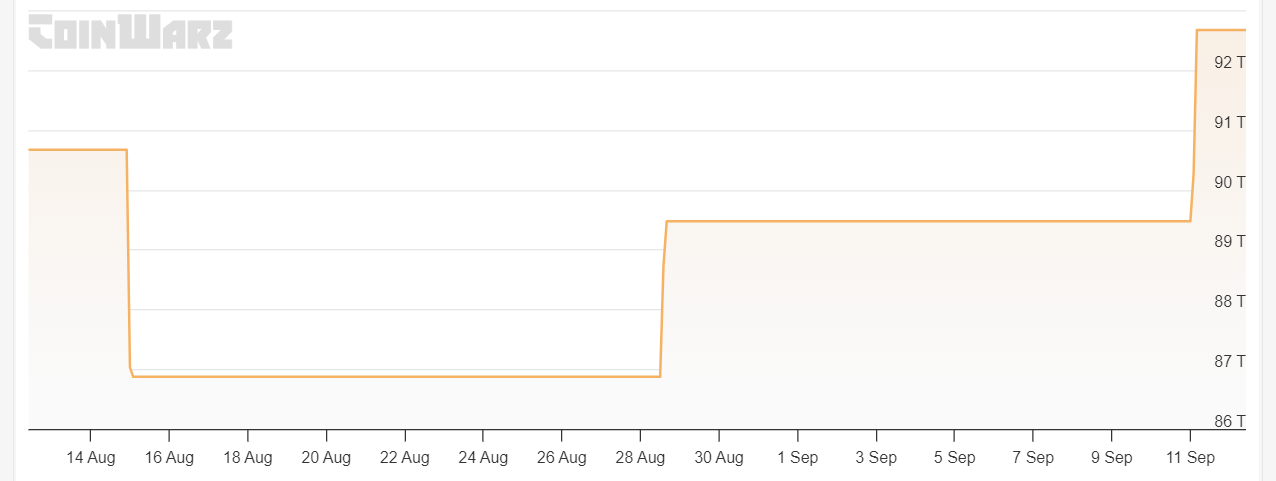
BTC mining difficulty hit a record high of 92.67 trillion, slashing profit margins among producers.
Although Wall Street BTC miners are investing in new equipment, they are not keeping up with network development.
The popular "BRRR" meme from the times of money printing also applies to the crypto market. YouTube
The
difficulty of mining Bitcoin (BTC) has surged to unprecedented levels,
intensifying competition among publicly listed cryptocurrency miners from Wall
Street and putting pressure on their profit margins. Despite the “miners go
BRRR” (reference to a popular money-printing meme) at full speed, it's insufficient to keep up
with the increase in network complexity.
According
to data from crypto-mining tracker CoinWarz,
mining difficulty increased by 3.5% on Wednesday, reaching a new record high.
This metric, which reflects the computational power required to mine new
Bitcoin, has been steadily climbing and is often seen as an indicator of future
price movements.
Source: CoinWarz
The rise in
difficulty comes at a challenging time for miners, who are still grappling with
the effects of April's “halving” event. This programmed reduction in
mining rewards has already cut potential revenues by half, contributing to a
roughly 10% drop in Bitcoin's price since then.
“The 4th
Bitcoin halving event cut the number of daily coins mined (and all else equal,
the daily revenue opportunity) in half, resulting in lower margins and
profitability across our coverage universe,” commented Reginald Smith and
Charles Pearce in the recent JPMorgan report.
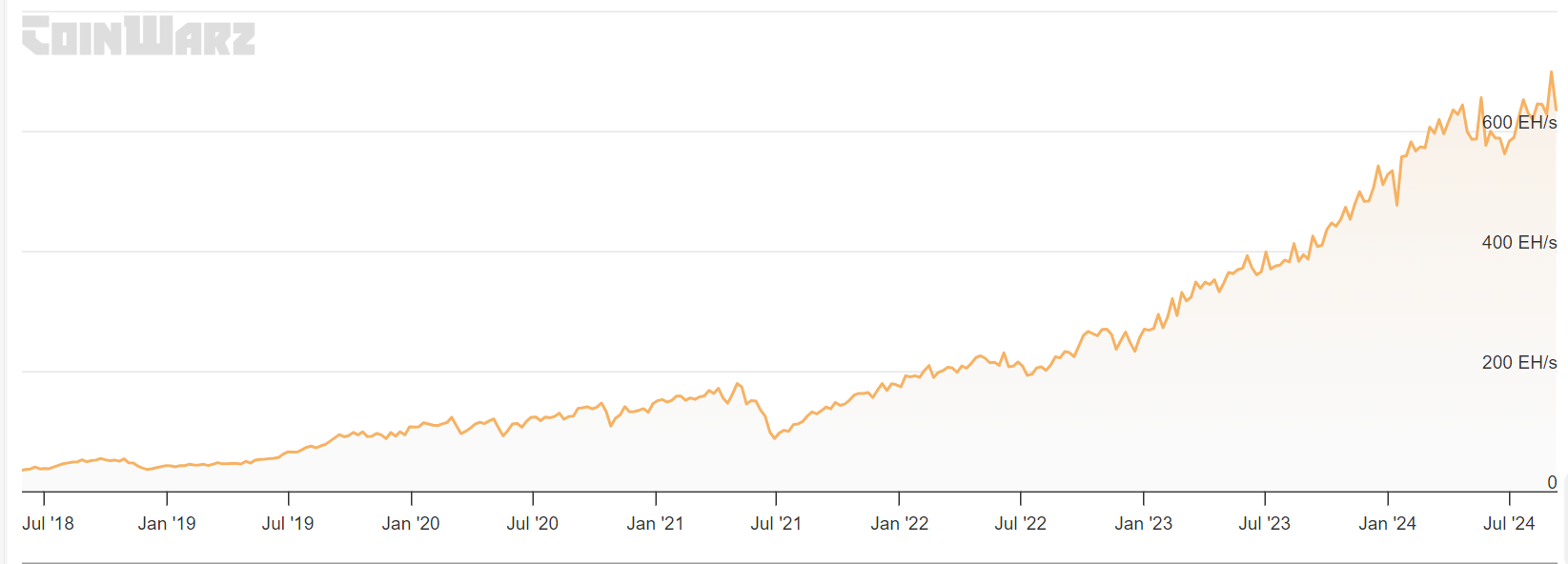
However, the increasing difficulty has not deterred miners from expanding their operations. Bitcoin's hash rate, which measures the total computing power
supporting the network, also hit an all-time high in September. This suggests
that miners are betting on a significant price increase in the near future.
Source: CoinWarz
Despite the
challenges, Bitcoin's price has shown resilience, rising 38% year-to-date and
reaching a peak of $73,798 in March. The cryptocurrency was trading at around
$58,000 on Thursday.
Higher Difficulty = Lower
Output
The mining
industry's struggles are reflected in the stock performance of major publicly
traded mining companies. Shares of Marathon Digital Inc. and Riot Platforms
Inc. have fallen 31% and 54% respectively this year.
Fred Thiel, CEO, MARA, Source: LinkedIn
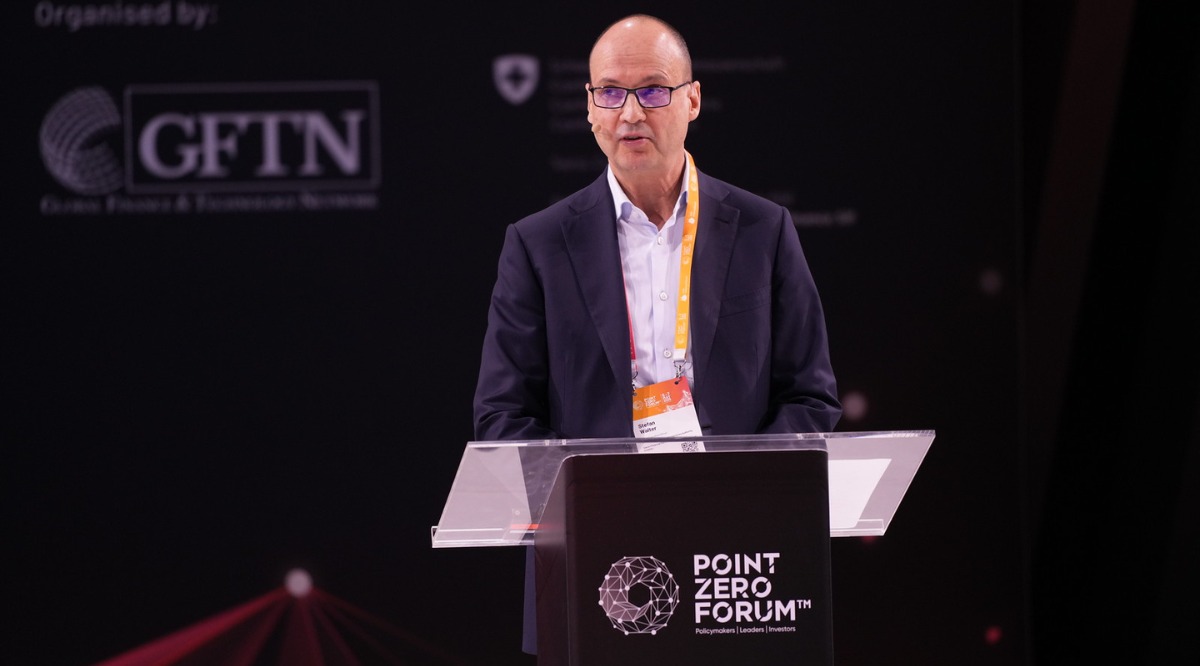
“During the second quarter of 2024, our BTC production was impacted by unexpected equipment failures and transmission line maintenance at the Ellendale site operated by Applied Digital, increased global hash rate, and the April halving event,” said Fred Thiel, CEO of publicly traded miner Marathon Digital Holdings. The company's revenue for the second quarter was $145.1 million, missing the FactSet estimate of $157.9 million.
This is
also evident from the Bitcoin mining results for the last month. Argo
Blockchain (NASDAQ: ARBK) reported mining 38 Bitcoin in August, down
from 48 in July. At the same time, HIVE Digital Technologies (NASDAQ: HIVE)
mined 112 Bitcoin, which is 4 less than the 116 Bitcoin reported the previous
month.
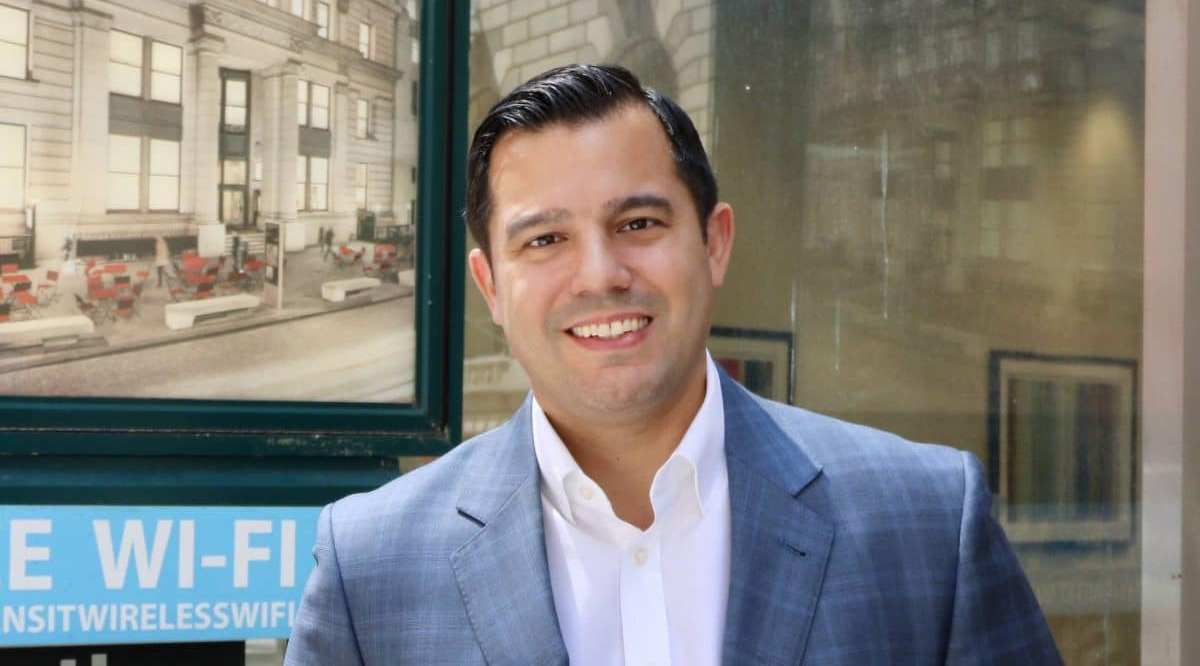
“We remain focused on our strategy of maintaining the lowest G&A expenses per Bitcoin mined, maximizing cash flow return on invested capital, and achieving high revenue per employee while minimizing share dilution,” commented Frank Holmes, Executive Chairman of HIVE.
The
difficulty of mining Bitcoin (BTC) has surged to unprecedented levels,
intensifying competition among publicly listed cryptocurrency miners from Wall
Street and putting pressure on their profit margins. Despite the “miners go
BRRR” (reference to a popular money-printing meme) at full speed, it's insufficient to keep up
with the increase in network complexity.
According
to data from crypto-mining tracker CoinWarz,
mining difficulty increased by 3.5% on Wednesday, reaching a new record high.
This metric, which reflects the computational power required to mine new
Bitcoin, has been steadily climbing and is often seen as an indicator of future
price movements.
Source: CoinWarz
The rise in
difficulty comes at a challenging time for miners, who are still grappling with
the effects of April's “halving” event. This programmed reduction in
mining rewards has already cut potential revenues by half, contributing to a
roughly 10% drop in Bitcoin's price since then.
“The 4th
Bitcoin halving event cut the number of daily coins mined (and all else equal,
the daily revenue opportunity) in half, resulting in lower margins and
profitability across our coverage universe,” commented Reginald Smith and
Charles Pearce in the recent JPMorgan report.
However, the increasing difficulty has not deterred miners from expanding their operations. Bitcoin's hash rate, which measures the total computing power
supporting the network, also hit an all-time high in September. This suggests
that miners are betting on a significant price increase in the near future.
Source: CoinWarz
Despite the
challenges, Bitcoin's price has shown resilience, rising 38% year-to-date and
reaching a peak of $73,798 in March. The cryptocurrency was trading at around
$58,000 on Thursday.
Higher Difficulty = Lower
Output
The mining
industry's struggles are reflected in the stock performance of major publicly
traded mining companies. Shares of Marathon Digital Inc. and Riot Platforms
Inc. have fallen 31% and 54% respectively this year.
Fred Thiel, CEO, MARA, Source: LinkedIn
“During the second quarter of 2024, our BTC production was impacted by unexpected equipment failures and transmission line maintenance at the Ellendale site operated by Applied Digital, increased global hash rate, and the April halving event,” said Fred Thiel, CEO of publicly traded miner Marathon Digital Holdings. The company's revenue for the second quarter was $145.1 million, missing the FactSet estimate of $157.9 million.
This is
also evident from the Bitcoin mining results for the last month. Argo
Blockchain (NASDAQ: ARBK) reported mining 38 Bitcoin in August, down
from 48 in July. At the same time, HIVE Digital Technologies (NASDAQ: HIVE)
mined 112 Bitcoin, which is 4 less than the 116 Bitcoin reported the previous
month.
“We remain focused on our strategy of maintaining the lowest G&A expenses per Bitcoin mined, maximizing cash flow return on invested capital, and achieving high revenue per employee while minimizing share dilution,” commented Frank Holmes, Executive Chairman of HIVE.
Damian Chmiel is a Senior Analyst & Editor at Finance Magnates with more than 15 years of experience in the CFD and online trading industry. Active as both a trader and journalist since 2010, he focuses on broker coverage, fintech innovation, and regulatory developments across Europe, the Middle East, and Asia.
His work includes interviews with C-level leaders at major brokerages and fintech platforms, as well as co-authoring Finance Magnates’ quarterly industry benchmarking reports. Damian’s reporting is data-driven, market-aware, and grounded in direct industry engagement. His analysis and commentary have also been cited by external media outlets, including Investing.com, Binance, The Asset, Stockhead, and Dispatch.
Education:
MA in Finance and Accounting, Cracow University of Economics
Kraken Steps Up Speed Race with New Equinix Colocation Service for Crypto Traders
FP Markets Winner Spotlight 🏆 | Global Broker of the Year 2025 #Trading #Broker #Innovation #Shorts
FP Markets Winner Spotlight 🏆 | Global Broker of the Year 2025 #Trading #Broker #Innovation #Shorts
FP Markets takes the spotlight as Global Broker of the Year 2025 at the Finance Magnates Awards.
Martin Stoilov, Head of Client Experience, shares that trust, innovation, and people played a key role in the company’s success, supported by a strong foundation of integrity and client-centricity.
Following this milestone, FP Markets continues to focus on growth, technology investment, and its core values of transparency and excellence.
👉 Be part of FM Awards 2026: https://awards.financemagnates.com/#nominate
FP Markets takes the spotlight as Global Broker of the Year 2025 at the Finance Magnates Awards.
Martin Stoilov, Head of Client Experience, shares that trust, innovation, and people played a key role in the company’s success, supported by a strong foundation of integrity and client-centricity.
Following this milestone, FP Markets continues to focus on growth, technology investment, and its core values of transparency and excellence.
👉 Be part of FM Awards 2026: https://awards.financemagnates.com/#nominate
In this video, we review @HolaPrimeMarketsOfficial, a multi-asset forex and CFDs broker offering different account types, trading platforms, and flexible trading conditions.
We cover the broker’s overall offering, including account options, trading environment, platforms like MT4 and MT5, and additional services such as managed accounts and fast withdrawals.
Watch the full video to see if Hola Prime Markets fits your trading needs.
📣 Stay up to date with the latest in finance and trading. Follow Finance Magnates for industry news, insights, and global event coverage.
Connect with us:
🔗 LinkedIn: /financemagnates
👍 Facebook: /financemagnates
📸 Instagram: https://www.instagram.com/financemagnates
🐦 X: https://x.com/financemagnates
🎥 TikTok: https://www.tiktok.com/tag/financemagnates
▶️ YouTube: /@financemagnates_official
#HolaPrime #ForexBroker #CFDTrading #FinanceMagnates #Trading #Forex #BrokerReview
In this video, we review @HolaPrimeMarketsOfficial, a multi-asset forex and CFDs broker offering different account types, trading platforms, and flexible trading conditions.
We cover the broker’s overall offering, including account options, trading environment, platforms like MT4 and MT5, and additional services such as managed accounts and fast withdrawals.
Watch the full video to see if Hola Prime Markets fits your trading needs.
📣 Stay up to date with the latest in finance and trading. Follow Finance Magnates for industry news, insights, and global event coverage.
Connect with us:
🔗 LinkedIn: /financemagnates
👍 Facebook: /financemagnates
📸 Instagram: https://www.instagram.com/financemagnates
🐦 X: https://x.com/financemagnates
🎥 TikTok: https://www.tiktok.com/tag/financemagnates
▶️ YouTube: /@financemagnates_official
#HolaPrime #ForexBroker #CFDTrading #FinanceMagnates #Trading #Forex #BrokerReview
Hola Prime Review: What You Need to Know | Full Breakdown by Finance Magnates
Hola Prime Review: What You Need to Know | Full Breakdown by Finance Magnates
In this video, we review @HolaPrime_Global, a proprietary trading firm offering evaluation programs and performance-based payouts in simulated market environments.
We cover how the challenge model works, including account types, profit splits (up to 95%), trading rules, and what it takes to reach a funded account. You’ll also learn about available platforms like MT4, MT5, cTrader, and more, along with insights into payouts, support, and trading conditions.
Watch the full video to see if Hola Prime fits your trading style.
📣 Stay up to date with the latest in finance and trading. Follow Finance Magnates for industry news, insights, and global event coverage.
Connect with us:
🔗 LinkedIn: /financemagnates
👍 Facebook: /financemagnates
📸 Instagram: https://www.instagram.com/financemagnates
🐦 X: https://x.com/financemagnates
🎥 TikTok: https://www.tiktok.com/tag/financemagnates
▶️ YouTube: /@financemagnates_official
#HolaPrime #PropFirm #Trading #FinanceMagnates #Forex #FuturesTrading #TradingReview #PropFirmReview
In this video, we review @HolaPrime_Global, a proprietary trading firm offering evaluation programs and performance-based payouts in simulated market environments.
We cover how the challenge model works, including account types, profit splits (up to 95%), trading rules, and what it takes to reach a funded account. You’ll also learn about available platforms like MT4, MT5, cTrader, and more, along with insights into payouts, support, and trading conditions.
Watch the full video to see if Hola Prime fits your trading style.
📣 Stay up to date with the latest in finance and trading. Follow Finance Magnates for industry news, insights, and global event coverage.
Connect with us:
🔗 LinkedIn: /financemagnates
👍 Facebook: /financemagnates
📸 Instagram: https://www.instagram.com/financemagnates
🐦 X: https://x.com/financemagnates
🎥 TikTok: https://www.tiktok.com/tag/financemagnates
▶️ YouTube: /@financemagnates_official
#HolaPrime #PropFirm #Trading #FinanceMagnates #Forex #FuturesTrading #TradingReview #PropFirmReview
Axi Winner Spotlight 🏆 | Global Most Innovative Broker 2025 #Innovation #Trading #Fintech #Broker
Axi Winner Spotlight 🏆 | Global Most Innovative Broker 2025 #Innovation #Trading #Fintech #Broker
Axi takes the spotlight at the Finance Magnates Awards, winning Global Most Innovative Broker 2025.
Olivia Xenofontos and Ivanna Openko share how the team will feel: proud, motivated, and ready to keep delivering.
They also describe the night as well-organized, focused, and enjoyable for all.
👉 Be part of FM Awards 2026.
Axi takes the spotlight at the Finance Magnates Awards, winning Global Most Innovative Broker 2025.
Olivia Xenofontos and Ivanna Openko share how the team will feel: proud, motivated, and ready to keep delivering.
They also describe the night as well-organized, focused, and enjoyable for all.
👉 Be part of FM Awards 2026.
Recognition that matters.
Built on transparency.
Driven by the industry.
The Finance Magnates Awards 2026.
Nominations are now open.
🔗 https://awards.financemagnates.com/?utm_source=SM&utm_medium=social&utm_campaign=recognition-matters
Recognition that matters.
Built on transparency.
Driven by the industry.
The Finance Magnates Awards 2026.
Nominations are now open.
🔗 https://awards.financemagnates.com/?utm_source=SM&utm_medium=social&utm_campaign=recognition-matters