FTX inked hundreds of millions worth of sports sponsorship deals.
The Golden State Warriors and a number of celebrities are named in class-action lawsuits against FTX.
Analysis
Sam Bankman-Fried established a massive shady business empire with crypto exchange FTX, Alameda Research and more than 130 affiliates. Now with the collapse, FTX is facing four civil lawsuits apart from the probes and investigations launched by the government regulators in the US and the Bahamas.
Steph Curry, the most famous player of the Golden State Warriors, has also been named in one of them.
The first class-action lawsuit against FTX was filed in mid-November by Florida-based Edwin Garrison, only a few days after the alleged wrongdoings of Sam Bankman-Fried and FTX surfaced. Filed in a US court, the lawsuit named the former CEO of FTX, Bankman-Fried, the Golden State Warriors' most popular player Steph Curry, a football star, Tom Brady, supermodel Gisele Bundchen, comedian Larry David, and several other celebrity endorsers.
Here's everyone named in the FTX class action suit. Big names include Tom Brady, Gisele Bündchen, Kevin O'Leary, David Ortiz, Steph Curry and the Golden State Warriors, Shaquille O'Neal, Naomi Osaka, Larry David and former FTX CEO Sam Bankman-Fried pic.twitter.com/n9Q4ovGuLZ
A separate lawsuit with a much narrower scope was filed later by the Canadian citizen and Hong Kong resident, Elliott Lam, naming Bankman-Fried, the CEO of Alameda Research, Caroline Ellison and again the Golden State Warriors. Lam, who himself lost $750,000 through his FTX account, represents other victims of the FTX collapse as it was another class-action lawsuit.
Both these lawsuits came after the Golden State Warriors suspended all its FTX-related promotions. Other sports partners also scraped their deal with FTX following the collapse.
FTX also bought the naming rights of the Miami Heat's home arena last year for the next 19 years in a $135 million contract. That deal was also suspended immediately.
Another similar class-action lawsuit filed by Sunil Kavuri also blamed Bankman-Fried and the celebrities or public figures who promoted FTX but did not name any. The other class-action lawsuit, which was filed on November 23 by plaintiff Stephen Pierce only named FTX and Bankman-Fried, along with his inner circle, as defendants.
However, what are the legalities behind these lawsuits? Is the Golden States Warriors, or any other celebrity endorsers, even liable for FTX customers' losses?
Legality Behind the Lawsuits
"While it is not difficult to guess why Bankman-Fried is a defendant in [the] cases, the same cannot be said for the Warriors," Dr Zvi Gabbay, the Head of Capital Markets and Financial Regulation at Barnea Jaffa Lande, explained to Finance Magnates.
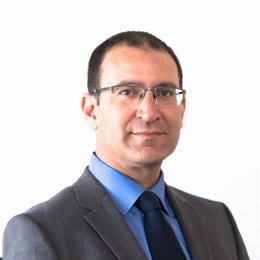
Dr. Zvi Gabbay, Head of Capital Markets and Financial Regulation at Barnea Jaffa Lande
"The two complaints name the Warriors as defendants, but in my opinion, fail to lay the necessary foundation for holding them accountable. Indeed, the Golden State Warriors were among the many A-list celebrities and athletes who endorsed FTX and promoted it in various ways. However, in order to successfully pin legal responsibility on the Warriors, the plaintiffs need to provide at least initial indications that the Warriors were aware or should have been aware of any wrongdoing. I didn't see even a hint of such indications in both complaints."
Sports endorsements are widespread, and crypto exchanges (also now collapsed FTX) have signed high-profile celebrities, athletes and clubs. These endorsers get paid for promoting FTX, just like any other platform.
However, the scope of promotions varies. While clubs and endorsers only display the sponsors' logo, many endorsers go the extra mile to promote specific services. In the case of the Golden State Warriors and FTX, the NBA champion promoted the now-bankrupt crypto exchange as a "viable and safe way to invest in crypto."
The first class-action lawsuit by Garrison alleges that FTX offered illegal securities with its interest-bearing accounts and argued that the "misrepresentations and omissions" of celebrity endorsements prompted him to buy the illegal instruments. He further argued that though the celebrities revealed their partnerships with the exchange, they did not disclose "the nature, scope, and amount of compensation they personally received in exchange for the promotion of the Deceptive FTX Platform," which violates the US' anti-touting provisions in securities laws.
Check out the recent London Summit session about the growing scrutiny of the marketing tactics of digital assets.
The class action lawsuit filed by Lam alleges that the Warriors "reasonably should have known that all these claims… were untrue or misleading."
"When analyzing statements for their legal ramifications, it is crucial to view them in the actual context in which they were made," Dr Gabbay added.
These endorsement deals are known to be paid, and thus there are no direct ramifications for the endorsers. Otherwise, even the actors of any advertisement could be taken to court for faulty products.
"If the statement about FTX's 'viability' and 'safety' was made by an official Warriors representative or one of the team's star players, as part of a press conference – this may very well give rise to liability. The context of this type of statement is perceived as far more credible and reliable, and imposes on the speaker at least a basic burden of verifying the facts or disclaiming responsibility due to the lack of knowledge," said Dr Gabbay.
Actions against Celebrities
Financial market regulators have taken action against crypto endorsers before and even fined them for promoting fraudulent projects. Earlier, the US Securities and Exchange Commission (SEC) fined famous boxer Floyd Mayweather and rapper DJ Khalid for endorsing the $25 million fraudulent initial coin offering (ICO) of Centra Tech. Last October, Kim Kardashian settled with the US regulator, paying $1.26 million for promoting EthereumMax.
In all of these cases, the SEC went after the celebrities for failing to disclose their financial gains from the endorsements. None were blamed for the projects being fraudulent.
"Federal securities regulations obligate anyone promoting a specific security or specific issuer to disclose his or her interests in the security and disclose any financial interests in the promotion activity," Dr Gabbay explained.
"The Golden State Warriors did not promote a specific security or a specific issuer; they promoted a financial service provider. In the same way that other NBA franchises endorsed and promoted banks, insurance companies, and credit providers, the Warriors promoted FTX. It should be noted that had the Warriors endorsed and promoted specific securities issued by FTX – they would have had to disclose their financial interest in it."
US Laws
The class action lawsuit filed by Lam is seeking damages under California consumer laws for customers outside the United States with FTX yield-bearing accounts. Though he can directly blame Bankman-Fried, his allegations against the Warriors can be strongly questioned.
Legal experts confirmed to Finance Magnates that consumer protection laws and regulations apply in endorsement and advertising deals in the US. The principle behind the rules is endorsements cannot lie in promotions, meaning they "can't motivate people to purchase goods or services based on misrepresentations."
However, there is no indication that the Golden State Warriors made any false representations. Also, the lawsuits could not establish the basketball team knew about the wrongdoings of FTX. Further, the Warriors did not hide their monetary interests in the deal. And, such endorsement deals are standard in the sports economy.
The United States' free speech laws also protect paid endorsers.
"The United States Supreme Court recognized 'commercial speech' as protected under the First Amendment. As a result, you are allowed to say whatever you want when you advertise, as long as you comply with consumer protection laws and any other relevant regulations and statutes that may apply, depending on the subject matter," Dr Gabbay said.
The Crypto Deals Won't Be the Same
The legal arguments favor the Golden State Warriors and other athletes and celebrities in the two class action lawsuits. However, sports sponsorship deals might change entirely with the collapse of FTX.
FTX, valued at $34 billion before the collapse, was one of the deep-pocket spenders in the sports field. Its endorsements might not face legal ramifications, but they cannot avoid reputational damages.
FTX US Partners:
- Major League Baseball - Mercedes - AMG Petronas F1 - FTX Arena & Miami HEAT - Tom Brady - Kevin O'Leary - Shaquille O'Neal - Gusele Bundchen - Stephen Curry - Golden State Warriors - Trevor Lawrence - David Ortiz
"I think that the FTX failure is an important focal point in the development of the crypto industry," Dr Gabby added.
"FTX enjoyed a very positive reputation, and its collapse destroyed the little trust that still remained among the crypto-investing community. No reputable business or sports franchise will want to endorse service providers and issuers in this industry until trust is restored. This will take time, and will undoubtedly require regulatory supervision. Until that happens, businesses that don't have to associate themselves with crypto – won't do so."
Sam Bankman-Fried established a massive shady business empire with crypto exchange FTX, Alameda Research and more than 130 affiliates. Now with the collapse, FTX is facing four civil lawsuits apart from the probes and investigations launched by the government regulators in the US and the Bahamas.
Steph Curry, the most famous player of the Golden State Warriors, has also been named in one of them.
The first class-action lawsuit against FTX was filed in mid-November by Florida-based Edwin Garrison, only a few days after the alleged wrongdoings of Sam Bankman-Fried and FTX surfaced. Filed in a US court, the lawsuit named the former CEO of FTX, Bankman-Fried, the Golden State Warriors' most popular player Steph Curry, a football star, Tom Brady, supermodel Gisele Bundchen, comedian Larry David, and several other celebrity endorsers.
Here's everyone named in the FTX class action suit. Big names include Tom Brady, Gisele Bündchen, Kevin O'Leary, David Ortiz, Steph Curry and the Golden State Warriors, Shaquille O'Neal, Naomi Osaka, Larry David and former FTX CEO Sam Bankman-Fried pic.twitter.com/n9Q4ovGuLZ
A separate lawsuit with a much narrower scope was filed later by the Canadian citizen and Hong Kong resident, Elliott Lam, naming Bankman-Fried, the CEO of Alameda Research, Caroline Ellison and again the Golden State Warriors. Lam, who himself lost $750,000 through his FTX account, represents other victims of the FTX collapse as it was another class-action lawsuit.
Both these lawsuits came after the Golden State Warriors suspended all its FTX-related promotions. Other sports partners also scraped their deal with FTX following the collapse.
FTX also bought the naming rights of the Miami Heat's home arena last year for the next 19 years in a $135 million contract. That deal was also suspended immediately.
Another similar class-action lawsuit filed by Sunil Kavuri also blamed Bankman-Fried and the celebrities or public figures who promoted FTX but did not name any. The other class-action lawsuit, which was filed on November 23 by plaintiff Stephen Pierce only named FTX and Bankman-Fried, along with his inner circle, as defendants.
However, what are the legalities behind these lawsuits? Is the Golden States Warriors, or any other celebrity endorsers, even liable for FTX customers' losses?
Legality Behind the Lawsuits
"While it is not difficult to guess why Bankman-Fried is a defendant in [the] cases, the same cannot be said for the Warriors," Dr Zvi Gabbay, the Head of Capital Markets and Financial Regulation at Barnea Jaffa Lande, explained to Finance Magnates.
Dr. Zvi Gabbay, Head of Capital Markets and Financial Regulation at Barnea Jaffa Lande
"The two complaints name the Warriors as defendants, but in my opinion, fail to lay the necessary foundation for holding them accountable. Indeed, the Golden State Warriors were among the many A-list celebrities and athletes who endorsed FTX and promoted it in various ways. However, in order to successfully pin legal responsibility on the Warriors, the plaintiffs need to provide at least initial indications that the Warriors were aware or should have been aware of any wrongdoing. I didn't see even a hint of such indications in both complaints."
Sports endorsements are widespread, and crypto exchanges (also now collapsed FTX) have signed high-profile celebrities, athletes and clubs. These endorsers get paid for promoting FTX, just like any other platform.
However, the scope of promotions varies. While clubs and endorsers only display the sponsors' logo, many endorsers go the extra mile to promote specific services. In the case of the Golden State Warriors and FTX, the NBA champion promoted the now-bankrupt crypto exchange as a "viable and safe way to invest in crypto."
The first class-action lawsuit by Garrison alleges that FTX offered illegal securities with its interest-bearing accounts and argued that the "misrepresentations and omissions" of celebrity endorsements prompted him to buy the illegal instruments. He further argued that though the celebrities revealed their partnerships with the exchange, they did not disclose "the nature, scope, and amount of compensation they personally received in exchange for the promotion of the Deceptive FTX Platform," which violates the US' anti-touting provisions in securities laws.
Check out the recent London Summit session about the growing scrutiny of the marketing tactics of digital assets.
The class action lawsuit filed by Lam alleges that the Warriors "reasonably should have known that all these claims… were untrue or misleading."
"When analyzing statements for their legal ramifications, it is crucial to view them in the actual context in which they were made," Dr Gabbay added.
These endorsement deals are known to be paid, and thus there are no direct ramifications for the endorsers. Otherwise, even the actors of any advertisement could be taken to court for faulty products.
"If the statement about FTX's 'viability' and 'safety' was made by an official Warriors representative or one of the team's star players, as part of a press conference – this may very well give rise to liability. The context of this type of statement is perceived as far more credible and reliable, and imposes on the speaker at least a basic burden of verifying the facts or disclaiming responsibility due to the lack of knowledge," said Dr Gabbay.
Actions against Celebrities
Financial market regulators have taken action against crypto endorsers before and even fined them for promoting fraudulent projects. Earlier, the US Securities and Exchange Commission (SEC) fined famous boxer Floyd Mayweather and rapper DJ Khalid for endorsing the $25 million fraudulent initial coin offering (ICO) of Centra Tech. Last October, Kim Kardashian settled with the US regulator, paying $1.26 million for promoting EthereumMax.
In all of these cases, the SEC went after the celebrities for failing to disclose their financial gains from the endorsements. None were blamed for the projects being fraudulent.
"Federal securities regulations obligate anyone promoting a specific security or specific issuer to disclose his or her interests in the security and disclose any financial interests in the promotion activity," Dr Gabbay explained.
"The Golden State Warriors did not promote a specific security or a specific issuer; they promoted a financial service provider. In the same way that other NBA franchises endorsed and promoted banks, insurance companies, and credit providers, the Warriors promoted FTX. It should be noted that had the Warriors endorsed and promoted specific securities issued by FTX – they would have had to disclose their financial interest in it."
US Laws
The class action lawsuit filed by Lam is seeking damages under California consumer laws for customers outside the United States with FTX yield-bearing accounts. Though he can directly blame Bankman-Fried, his allegations against the Warriors can be strongly questioned.
Legal experts confirmed to Finance Magnates that consumer protection laws and regulations apply in endorsement and advertising deals in the US. The principle behind the rules is endorsements cannot lie in promotions, meaning they "can't motivate people to purchase goods or services based on misrepresentations."
However, there is no indication that the Golden State Warriors made any false representations. Also, the lawsuits could not establish the basketball team knew about the wrongdoings of FTX. Further, the Warriors did not hide their monetary interests in the deal. And, such endorsement deals are standard in the sports economy.
The United States' free speech laws also protect paid endorsers.
"The United States Supreme Court recognized 'commercial speech' as protected under the First Amendment. As a result, you are allowed to say whatever you want when you advertise, as long as you comply with consumer protection laws and any other relevant regulations and statutes that may apply, depending on the subject matter," Dr Gabbay said.
The Crypto Deals Won't Be the Same
The legal arguments favor the Golden State Warriors and other athletes and celebrities in the two class action lawsuits. However, sports sponsorship deals might change entirely with the collapse of FTX.
FTX, valued at $34 billion before the collapse, was one of the deep-pocket spenders in the sports field. Its endorsements might not face legal ramifications, but they cannot avoid reputational damages.
FTX US Partners:
- Major League Baseball - Mercedes - AMG Petronas F1 - FTX Arena & Miami HEAT - Tom Brady - Kevin O'Leary - Shaquille O'Neal - Gusele Bundchen - Stephen Curry - Golden State Warriors - Trevor Lawrence - David Ortiz
"I think that the FTX failure is an important focal point in the development of the crypto industry," Dr Gabby added.
"FTX enjoyed a very positive reputation, and its collapse destroyed the little trust that still remained among the crypto-investing community. No reputable business or sports franchise will want to endorse service providers and issuers in this industry until trust is restored. This will take time, and will undoubtedly require regulatory supervision. Until that happens, businesses that don't have to associate themselves with crypto – won't do so."
Arnab is an electronics engineer-turned-financial editor. He entered the industry covering the cryptocurrency market for Finance Magnates and later expanded his reach to forex as well. He is passionate about the changing regulatory landscape on financial markets and keenly follows the disruptions in the industry with new-age technologies.
In this conversation, we sit down with Drew Niv, CSO at ATFX Connect and one of the most influential figures in modern FX.
We speak about market structure, the institutional view on liquidity, and the sharp rise of prop trading, a sector Drew has been commenting on in recent months. Drew explains why he once dismissed prop trading, why his view changed, and what he now thinks the model means for brokers, clients and risk managers.
We explore subscription-fee dependency, the high reneging rate, and the long-term challenge: how brokers can build a more stable and honest version of the model. Drew also talks about the traffic advantage standalone prop firms have built and why brokers may still win in the long run if they take the right approach.
In this conversation, we sit down with Drew Niv, CSO at ATFX Connect and one of the most influential figures in modern FX.
We speak about market structure, the institutional view on liquidity, and the sharp rise of prop trading, a sector Drew has been commenting on in recent months. Drew explains why he once dismissed prop trading, why his view changed, and what he now thinks the model means for brokers, clients and risk managers.
We explore subscription-fee dependency, the high reneging rate, and the long-term challenge: how brokers can build a more stable and honest version of the model. Drew also talks about the traffic advantage standalone prop firms have built and why brokers may still win in the long run if they take the right approach.
In this conversation, we sit down with Drew Niv, CSO at ATFX Connect and one of the most influential figures in modern FX.
We speak about market structure, the institutional view on liquidity, and the sharp rise of prop trading, a sector Drew has been commenting on in recent months. Drew explains why he once dismissed prop trading, why his view changed, and what he now thinks the model means for brokers, clients and risk managers.
We explore subscription-fee dependency, the high reneging rate, and the long-term challenge: how brokers can build a more stable and honest version of the model. Drew also talks about the traffic advantage standalone prop firms have built and why brokers may still win in the long run if they take the right approach.
In this conversation, we sit down with Drew Niv, CSO at ATFX Connect and one of the most influential figures in modern FX.
We speak about market structure, the institutional view on liquidity, and the sharp rise of prop trading, a sector Drew has been commenting on in recent months. Drew explains why he once dismissed prop trading, why his view changed, and what he now thinks the model means for brokers, clients and risk managers.
We explore subscription-fee dependency, the high reneging rate, and the long-term challenge: how brokers can build a more stable and honest version of the model. Drew also talks about the traffic advantage standalone prop firms have built and why brokers may still win in the long run if they take the right approach.
Executive Interview | Remonda Z. Kirketerp Møller| CEO & Founder Muinmos | FMLS:25
In this interview, Remonda Z. Kirketerp Møller, founder of Muinmos, breaks down the state of AI in regtech and what responsible adoption really looks like for brokers. We talk about rising fragmentation, the pressures around compliance accuracy, and why most firms are still in the early stages of AI maturity.
Ramanda also shares insights on regulator sandboxes, shifting expectations around accountability, and the current reality of MiCA licensing and passporting in Europe.
A concise look at where compliance, onboarding, and AI-driven processes are heading next.
In this interview, Remonda Z. Kirketerp Møller, founder of Muinmos, breaks down the state of AI in regtech and what responsible adoption really looks like for brokers. We talk about rising fragmentation, the pressures around compliance accuracy, and why most firms are still in the early stages of AI maturity.
Ramanda also shares insights on regulator sandboxes, shifting expectations around accountability, and the current reality of MiCA licensing and passporting in Europe.
A concise look at where compliance, onboarding, and AI-driven processes are heading next.
In this interview, Remonda Z. Kirketerp Møller, founder of Muinmos, breaks down the state of AI in regtech and what responsible adoption really looks like for brokers. We talk about rising fragmentation, the pressures around compliance accuracy, and why most firms are still in the early stages of AI maturity.
Ramanda also shares insights on regulator sandboxes, shifting expectations around accountability, and the current reality of MiCA licensing and passporting in Europe.
A concise look at where compliance, onboarding, and AI-driven processes are heading next.
In this interview, Remonda Z. Kirketerp Møller, founder of Muinmos, breaks down the state of AI in regtech and what responsible adoption really looks like for brokers. We talk about rising fragmentation, the pressures around compliance accuracy, and why most firms are still in the early stages of AI maturity.
Ramanda also shares insights on regulator sandboxes, shifting expectations around accountability, and the current reality of MiCA licensing and passporting in Europe.
A concise look at where compliance, onboarding, and AI-driven processes are heading next.
In this interview, Remonda Z. Kirketerp Møller, founder of Muinmos, breaks down the state of AI in regtech and what responsible adoption really looks like for brokers. We talk about rising fragmentation, the pressures around compliance accuracy, and why most firms are still in the early stages of AI maturity.
Ramanda also shares insights on regulator sandboxes, shifting expectations around accountability, and the current reality of MiCA licensing and passporting in Europe.
A concise look at where compliance, onboarding, and AI-driven processes are heading next.
In this interview, Remonda Z. Kirketerp Møller, founder of Muinmos, breaks down the state of AI in regtech and what responsible adoption really looks like for brokers. We talk about rising fragmentation, the pressures around compliance accuracy, and why most firms are still in the early stages of AI maturity.
Ramanda also shares insights on regulator sandboxes, shifting expectations around accountability, and the current reality of MiCA licensing and passporting in Europe.
A concise look at where compliance, onboarding, and AI-driven processes are heading next.
In this conversation, we speak with Aydin Bonabi, CEO and co-founder of Surveill, a firm focused on fraud detection and AI-driven compliance tools for financial institutions.
We start with Aydin’s view of the Summit and the challenges brokers face as fraud tactics grow more complex. He explains how firms can stay ahead through real-time signals, data patterns, and early-stage detection.
We also talk about AI training and why compliance teams often struggle to keep models accurate, fair, and aligned with regulatory expectations. Aydin breaks down what “good” AI training looks like inside a financial environment, including the importance of clean data, domain expertise, and human oversight.
He closes with a clear message: fraud is scaling, and so must the tools that stop it.
In this conversation, we speak with Aydin Bonabi, CEO and co-founder of Surveill, a firm focused on fraud detection and AI-driven compliance tools for financial institutions.
We start with Aydin’s view of the Summit and the challenges brokers face as fraud tactics grow more complex. He explains how firms can stay ahead through real-time signals, data patterns, and early-stage detection.
We also talk about AI training and why compliance teams often struggle to keep models accurate, fair, and aligned with regulatory expectations. Aydin breaks down what “good” AI training looks like inside a financial environment, including the importance of clean data, domain expertise, and human oversight.
He closes with a clear message: fraud is scaling, and so must the tools that stop it.
In this conversation, we speak with Aydin Bonabi, CEO and co-founder of Surveill, a firm focused on fraud detection and AI-driven compliance tools for financial institutions.
We start with Aydin’s view of the Summit and the challenges brokers face as fraud tactics grow more complex. He explains how firms can stay ahead through real-time signals, data patterns, and early-stage detection.
We also talk about AI training and why compliance teams often struggle to keep models accurate, fair, and aligned with regulatory expectations. Aydin breaks down what “good” AI training looks like inside a financial environment, including the importance of clean data, domain expertise, and human oversight.
He closes with a clear message: fraud is scaling, and so must the tools that stop it.
In this conversation, we speak with Aydin Bonabi, CEO and co-founder of Surveill, a firm focused on fraud detection and AI-driven compliance tools for financial institutions.
We start with Aydin’s view of the Summit and the challenges brokers face as fraud tactics grow more complex. He explains how firms can stay ahead through real-time signals, data patterns, and early-stage detection.
We also talk about AI training and why compliance teams often struggle to keep models accurate, fair, and aligned with regulatory expectations. Aydin breaks down what “good” AI training looks like inside a financial environment, including the importance of clean data, domain expertise, and human oversight.
He closes with a clear message: fraud is scaling, and so must the tools that stop it.
In this conversation, we speak with Aydin Bonabi, CEO and co-founder of Surveill, a firm focused on fraud detection and AI-driven compliance tools for financial institutions.
We start with Aydin’s view of the Summit and the challenges brokers face as fraud tactics grow more complex. He explains how firms can stay ahead through real-time signals, data patterns, and early-stage detection.
We also talk about AI training and why compliance teams often struggle to keep models accurate, fair, and aligned with regulatory expectations. Aydin breaks down what “good” AI training looks like inside a financial environment, including the importance of clean data, domain expertise, and human oversight.
He closes with a clear message: fraud is scaling, and so must the tools that stop it.
In this conversation, we speak with Aydin Bonabi, CEO and co-founder of Surveill, a firm focused on fraud detection and AI-driven compliance tools for financial institutions.
We start with Aydin’s view of the Summit and the challenges brokers face as fraud tactics grow more complex. He explains how firms can stay ahead through real-time signals, data patterns, and early-stage detection.
We also talk about AI training and why compliance teams often struggle to keep models accurate, fair, and aligned with regulatory expectations. Aydin breaks down what “good” AI training looks like inside a financial environment, including the importance of clean data, domain expertise, and human oversight.
He closes with a clear message: fraud is scaling, and so must the tools that stop it.
Exness expands its presence in Africa: Inside our interview with Paul Margarites in Cape Town
Finance Magnates met with Paul Margarites, Exness regional commercial director for Sub-Saharan Africa, during a visit to the firm’s office opening in Cape Town. In this talk, led by Andrea Badiola Mateos, Co-CEO at Finance Magnates, Paul shares views on the South African trading space, local user behavior, mobile trends, regulation, team growth, and how Exness plans to grow in more markets across the region. @Exness
Read the article at: https://www.financemagnates.com/thought-leadership/exness-expands-its-presence-in-africa-inside-our-interview-with-paul-margarites/
#exness #financemagnates #exnesstrading #CFDtrading #tradeonline #africanews #capetown
Finance Magnates met with Paul Margarites, Exness regional commercial director for Sub-Saharan Africa, during a visit to the firm’s office opening in Cape Town. In this talk, led by Andrea Badiola Mateos, Co-CEO at Finance Magnates, Paul shares views on the South African trading space, local user behavior, mobile trends, regulation, team growth, and how Exness plans to grow in more markets across the region. @Exness
Read the article at: https://www.financemagnates.com/thought-leadership/exness-expands-its-presence-in-africa-inside-our-interview-with-paul-margarites/
#exness #financemagnates #exnesstrading #CFDtrading #tradeonline #africanews #capetown
Finance Magnates met with Paul Margarites, Exness regional commercial director for Sub-Saharan Africa, during a visit to the firm’s office opening in Cape Town. In this talk, led by Andrea Badiola Mateos, Co-CEO at Finance Magnates, Paul shares views on the South African trading space, local user behavior, mobile trends, regulation, team growth, and how Exness plans to grow in more markets across the region. @Exness
Read the article at: https://www.financemagnates.com/thought-leadership/exness-expands-its-presence-in-africa-inside-our-interview-with-paul-margarites/
#exness #financemagnates #exnesstrading #CFDtrading #tradeonline #africanews #capetown
Finance Magnates met with Paul Margarites, Exness regional commercial director for Sub-Saharan Africa, during a visit to the firm’s office opening in Cape Town. In this talk, led by Andrea Badiola Mateos, Co-CEO at Finance Magnates, Paul shares views on the South African trading space, local user behavior, mobile trends, regulation, team growth, and how Exness plans to grow in more markets across the region. @Exness
Read the article at: https://www.financemagnates.com/thought-leadership/exness-expands-its-presence-in-africa-inside-our-interview-with-paul-margarites/
#exness #financemagnates #exnesstrading #CFDtrading #tradeonline #africanews #capetown
Finance Magnates met with Paul Margarites, Exness regional commercial director for Sub-Saharan Africa, during a visit to the firm’s office opening in Cape Town. In this talk, led by Andrea Badiola Mateos, Co-CEO at Finance Magnates, Paul shares views on the South African trading space, local user behavior, mobile trends, regulation, team growth, and how Exness plans to grow in more markets across the region. @Exness
Read the article at: https://www.financemagnates.com/thought-leadership/exness-expands-its-presence-in-africa-inside-our-interview-with-paul-margarites/
#exness #financemagnates #exnesstrading #CFDtrading #tradeonline #africanews #capetown
Finance Magnates met with Paul Margarites, Exness regional commercial director for Sub-Saharan Africa, during a visit to the firm’s office opening in Cape Town. In this talk, led by Andrea Badiola Mateos, Co-CEO at Finance Magnates, Paul shares views on the South African trading space, local user behavior, mobile trends, regulation, team growth, and how Exness plans to grow in more markets across the region. @Exness
Read the article at: https://www.financemagnates.com/thought-leadership/exness-expands-its-presence-in-africa-inside-our-interview-with-paul-margarites/
#exness #financemagnates #exnesstrading #CFDtrading #tradeonline #africanews #capetown
Executive Interview | Jas Shah | FMLS:25
Interview with Jas Shah
Builder | Adviser | Fintech Writer | Product Strategist
In this episode, Jonathan Fine sat down with Jas Shah, one of the most thoughtful voices in global fintech. Known for his work across advisory, product, stablecoins, and his widely read writing, Jas brings a rare combination of industry insight and plain-spoken clarity.
We talk about his first impression of the Summit, the projects that keep him busy today, and how they connect to the stablecoin panel he joined. Jas shares his view on the link between fintech, wealthtech and retail brokers, especially as firms like Revolut, eToro and Trading212 blur long-standing lines in the market.
We also explore what stablecoin adoption might look like for retail investment platforms, including a few product and UX angles that are not obvious at first glance.
To close, Jas explains how he thinks about writing, and how he approaches “shipping” pieces that spark debate across the industry.
Interview with Jas Shah
Builder | Adviser | Fintech Writer | Product Strategist
In this episode, Jonathan Fine sat down with Jas Shah, one of the most thoughtful voices in global fintech. Known for his work across advisory, product, stablecoins, and his widely read writing, Jas brings a rare combination of industry insight and plain-spoken clarity.
We talk about his first impression of the Summit, the projects that keep him busy today, and how they connect to the stablecoin panel he joined. Jas shares his view on the link between fintech, wealthtech and retail brokers, especially as firms like Revolut, eToro and Trading212 blur long-standing lines in the market.
We also explore what stablecoin adoption might look like for retail investment platforms, including a few product and UX angles that are not obvious at first glance.
To close, Jas explains how he thinks about writing, and how he approaches “shipping” pieces that spark debate across the industry.
Interview with Jas Shah
Builder | Adviser | Fintech Writer | Product Strategist
In this episode, Jonathan Fine sat down with Jas Shah, one of the most thoughtful voices in global fintech. Known for his work across advisory, product, stablecoins, and his widely read writing, Jas brings a rare combination of industry insight and plain-spoken clarity.
We talk about his first impression of the Summit, the projects that keep him busy today, and how they connect to the stablecoin panel he joined. Jas shares his view on the link between fintech, wealthtech and retail brokers, especially as firms like Revolut, eToro and Trading212 blur long-standing lines in the market.
We also explore what stablecoin adoption might look like for retail investment platforms, including a few product and UX angles that are not obvious at first glance.
To close, Jas explains how he thinks about writing, and how he approaches “shipping” pieces that spark debate across the industry.
Interview with Jas Shah
Builder | Adviser | Fintech Writer | Product Strategist
In this episode, Jonathan Fine sat down with Jas Shah, one of the most thoughtful voices in global fintech. Known for his work across advisory, product, stablecoins, and his widely read writing, Jas brings a rare combination of industry insight and plain-spoken clarity.
We talk about his first impression of the Summit, the projects that keep him busy today, and how they connect to the stablecoin panel he joined. Jas shares his view on the link between fintech, wealthtech and retail brokers, especially as firms like Revolut, eToro and Trading212 blur long-standing lines in the market.
We also explore what stablecoin adoption might look like for retail investment platforms, including a few product and UX angles that are not obvious at first glance.
To close, Jas explains how he thinks about writing, and how he approaches “shipping” pieces that spark debate across the industry.
Interview with Jas Shah
Builder | Adviser | Fintech Writer | Product Strategist
In this episode, Jonathan Fine sat down with Jas Shah, one of the most thoughtful voices in global fintech. Known for his work across advisory, product, stablecoins, and his widely read writing, Jas brings a rare combination of industry insight and plain-spoken clarity.
We talk about his first impression of the Summit, the projects that keep him busy today, and how they connect to the stablecoin panel he joined. Jas shares his view on the link between fintech, wealthtech and retail brokers, especially as firms like Revolut, eToro and Trading212 blur long-standing lines in the market.
We also explore what stablecoin adoption might look like for retail investment platforms, including a few product and UX angles that are not obvious at first glance.
To close, Jas explains how he thinks about writing, and how he approaches “shipping” pieces that spark debate across the industry.
Interview with Jas Shah
Builder | Adviser | Fintech Writer | Product Strategist
In this episode, Jonathan Fine sat down with Jas Shah, one of the most thoughtful voices in global fintech. Known for his work across advisory, product, stablecoins, and his widely read writing, Jas brings a rare combination of industry insight and plain-spoken clarity.
We talk about his first impression of the Summit, the projects that keep him busy today, and how they connect to the stablecoin panel he joined. Jas shares his view on the link between fintech, wealthtech and retail brokers, especially as firms like Revolut, eToro and Trading212 blur long-standing lines in the market.
We also explore what stablecoin adoption might look like for retail investment platforms, including a few product and UX angles that are not obvious at first glance.
To close, Jas explains how he thinks about writing, and how he approaches “shipping” pieces that spark debate across the industry.