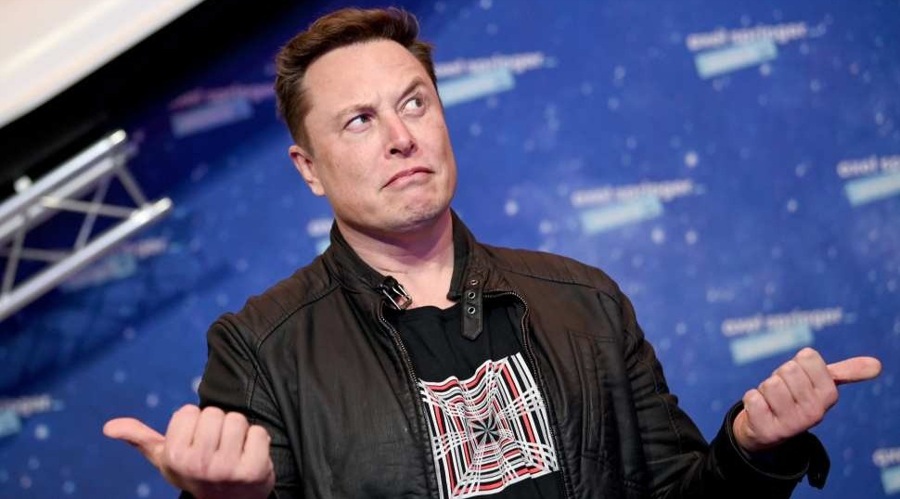
Musk calls Trump’s flagship spending bill a “disgusting abomination,” triggering backlash.
Tesla CEO’s criticism could threaten subsidies for EVs and Space contracts.
GOP leadership now scrambling to salvage Senate support amid Musk’s social media tirade.
Musk seems to have finally cut the cord. (Britta Pedersen-Pool/Getty Images)
Tesla’s CEO turns on Trump’s prized megabill, calling it pork-filled and
fiscally reckless. The fallout is already rippling through GOP ranks.
Musk vs. MAGA: The Billionaire Breaks Rank
In what can only be described as a high-octane political about-face,
Elon Musk has torched President Donald Trump’s prized legislative
package—publicly branding the so-called “One Big Beautiful Bill Act” a
“disgusting abomination.”
I’m sorry, but I just can’t stand it anymore.
This massive, outrageous, pork-filled Congressional spending bill is a disgusting abomination.
Shame on those who voted for it: you know you did wrong. You know it.
“I’m sorry, but I just can’t stand it anymore,” Musk wrote on X (his
own platform, naturally). “This massive, outrageous, pork-filled Congressional
spending bill is a disgusting abomination. Shame on those who voted for it: you
know you did wrong. You know it.”
The tirade, posted just days after Musk
stepped down as head of the Department of Government Efficiency (DOGE),
sent a shockwave through both political and financial circles. It also marks
Musk’s most dramatic rupture yet with Trump—his erstwhile political ally, golf
buddy, and, until very recently, Oval Office patron.
Debt, Deficits, and Tesla’s Dollars
Why the sudden fury? Follow the money.
Elon Musk, doing a lot of "slamming" recently. (via Frederic J Brown/AFP via Getty Images)
Musk slammed the bill for bloating the federal deficit—forecasted to
hit $2.5 trillion—and for adding what he called “crushingly
unsustainable debt.” The bill also threatens Tesla’s interests directly: it
proposes slashing subsidies for electric vehicles and clean energy tech.
That’s no small change when you’re running the world’s biggest EV maker
and a space company (SpaceX) reliant on defense contracts. And Musk knows it.
In November next year, we fire all politicians who betrayed the American people https://t.co/GTRc9Rjled
“In November next year, we fire all politicians who betrayed the
American people,” Musk warned in another post—threatening Republican lawmakers
who dare back the bill.
Political Fallout: GOP Leaders Squirm
Republican leadership, already walking a tightrope to pass the bill in
the Senate, now faces a Musk-shaped headache.
Senate Majority Leader John Thune (R-S.D.) insisted the bill would
ultimately spur economic growth, but admitted Musk’s criticism “makes
leadership’s job that much harder.”
Meanwhile, libertarian stalwarts like Sen. Rand Paul (R-Ky.) and Sen.
Mike Lee (R-Utah) gleefully echoed Musk’s outrage. Paul posted: “We can and
must do better.” Lee added that “federal spending has become excessive.”
Even some House Republicans who helped push the bill through were
blindsided. “Very
disappointing,” grumbled House Speaker Mike Johnson. “And very surprising
in light of the conversation I had with him.”
Translation: Musk was supposed to play nice. Now he’s lighting matches.
Markets Watching, Tesla at Risk
For traders and investors, Musk’s tantrum could have tangible
consequences.
Tesla shares wobbled slightly as news of the clash broke—investors wary
of how the spending cuts could hit EV incentives. And with SpaceX holding major
defense contracts, any deterioration in Musk’s rapport with Trump could also
ripple through that side of his empire.
GOP insiders privately acknowledge that Musk’s influence—while not
equal to Trump’s—is nontrivial. He pumped at least $250-300 million into
Trump’s last campaign and various down-ballot races. Now, that financial spigot
may be in question.
🇺🇸The One, Big, Beautiful Bill "is arguably the most significant piece of Legislation that will ever be signed in the History of our Country!" Great job by Speaker Mike Johnson, and the House Leadership, and thank you to every Republican who voted YES on this Historic Bill!" pic.twitter.com/4e22PHtlxl
Wall Street and Silicon Valley are left trying to read the tea leaves.
Will Tesla subsidies survive? Will Musk really pull GOP funding? Will Senate
Republicans break ranks?
One thing’s clear: when the world’s richest man and the world’s loudest
president go to war over money, markets should pay attention.
Strap in. The abomination circus has just begun.
For more news around the edges of finance, visit our Trending pages.
Tesla’s CEO turns on Trump’s prized megabill, calling it pork-filled and
fiscally reckless. The fallout is already rippling through GOP ranks.
Musk vs. MAGA: The Billionaire Breaks Rank
In what can only be described as a high-octane political about-face,
Elon Musk has torched President Donald Trump’s prized legislative
package—publicly branding the so-called “One Big Beautiful Bill Act” a
“disgusting abomination.”
I’m sorry, but I just can’t stand it anymore.
This massive, outrageous, pork-filled Congressional spending bill is a disgusting abomination.
Shame on those who voted for it: you know you did wrong. You know it.
“I’m sorry, but I just can’t stand it anymore,” Musk wrote on X (his
own platform, naturally). “This massive, outrageous, pork-filled Congressional
spending bill is a disgusting abomination. Shame on those who voted for it: you
know you did wrong. You know it.”
The tirade, posted just days after Musk
stepped down as head of the Department of Government Efficiency (DOGE),
sent a shockwave through both political and financial circles. It also marks
Musk’s most dramatic rupture yet with Trump—his erstwhile political ally, golf
buddy, and, until very recently, Oval Office patron.
Debt, Deficits, and Tesla’s Dollars
Why the sudden fury? Follow the money.
Elon Musk, doing a lot of "slamming" recently. (via Frederic J Brown/AFP via Getty Images)
Musk slammed the bill for bloating the federal deficit—forecasted to
hit $2.5 trillion—and for adding what he called “crushingly
unsustainable debt.” The bill also threatens Tesla’s interests directly: it
proposes slashing subsidies for electric vehicles and clean energy tech.
That’s no small change when you’re running the world’s biggest EV maker
and a space company (SpaceX) reliant on defense contracts. And Musk knows it.
In November next year, we fire all politicians who betrayed the American people https://t.co/GTRc9Rjled
“In November next year, we fire all politicians who betrayed the
American people,” Musk warned in another post—threatening Republican lawmakers
who dare back the bill.
Political Fallout: GOP Leaders Squirm
Republican leadership, already walking a tightrope to pass the bill in
the Senate, now faces a Musk-shaped headache.
Senate Majority Leader John Thune (R-S.D.) insisted the bill would
ultimately spur economic growth, but admitted Musk’s criticism “makes
leadership’s job that much harder.”
Meanwhile, libertarian stalwarts like Sen. Rand Paul (R-Ky.) and Sen.
Mike Lee (R-Utah) gleefully echoed Musk’s outrage. Paul posted: “We can and
must do better.” Lee added that “federal spending has become excessive.”
Even some House Republicans who helped push the bill through were
blindsided. “Very
disappointing,” grumbled House Speaker Mike Johnson. “And very surprising
in light of the conversation I had with him.”
Translation: Musk was supposed to play nice. Now he’s lighting matches.
Markets Watching, Tesla at Risk
For traders and investors, Musk’s tantrum could have tangible
consequences.
Tesla shares wobbled slightly as news of the clash broke—investors wary
of how the spending cuts could hit EV incentives. And with SpaceX holding major
defense contracts, any deterioration in Musk’s rapport with Trump could also
ripple through that side of his empire.
GOP insiders privately acknowledge that Musk’s influence—while not
equal to Trump’s—is nontrivial. He pumped at least $250-300 million into
Trump’s last campaign and various down-ballot races. Now, that financial spigot
may be in question.
🇺🇸The One, Big, Beautiful Bill "is arguably the most significant piece of Legislation that will ever be signed in the History of our Country!" Great job by Speaker Mike Johnson, and the House Leadership, and thank you to every Republican who voted YES on this Historic Bill!" pic.twitter.com/4e22PHtlxl
Wall Street and Silicon Valley are left trying to read the tea leaves.
Will Tesla subsidies survive? Will Musk really pull GOP funding? Will Senate
Republicans break ranks?
One thing’s clear: when the world’s richest man and the world’s loudest
president go to war over money, markets should pay attention.
Strap in. The abomination circus has just begun.
For more news around the edges of finance, visit our Trending pages.
Louis Parks has lived and worked in and around the Middle East for much of his professional career. He writes about the meeting of the tech and finance worlds.
Inside the Prediction Markets: $1.6B Institutional Inflow Meets a Federal Crackdown
Featured Videos
FP Markets Winner Spotlight 🏆 | Global Broker of the Year 2025 #Trading #Broker #Innovation #Shorts
FP Markets Winner Spotlight 🏆 | Global Broker of the Year 2025 #Trading #Broker #Innovation #Shorts
FP Markets Winner Spotlight 🏆 | Global Broker of the Year 2025 #Trading #Broker #Innovation #Shorts
FP Markets Winner Spotlight 🏆 | Global Broker of the Year 2025 #Trading #Broker #Innovation #Shorts
FP Markets takes the spotlight as Global Broker of the Year 2025 at the Finance Magnates Awards.
Martin Stoilov, Head of Client Experience, shares that trust, innovation, and people played a key role in the company’s success, supported by a strong foundation of integrity and client-centricity.
Following this milestone, FP Markets continues to focus on growth, technology investment, and its core values of transparency and excellence.
👉 Be part of FM Awards 2026: https://awards.financemagnates.com/#nominate
FP Markets takes the spotlight as Global Broker of the Year 2025 at the Finance Magnates Awards.
Martin Stoilov, Head of Client Experience, shares that trust, innovation, and people played a key role in the company’s success, supported by a strong foundation of integrity and client-centricity.
Following this milestone, FP Markets continues to focus on growth, technology investment, and its core values of transparency and excellence.
👉 Be part of FM Awards 2026: https://awards.financemagnates.com/#nominate
FP Markets takes the spotlight as Global Broker of the Year 2025 at the Finance Magnates Awards.
Martin Stoilov, Head of Client Experience, shares that trust, innovation, and people played a key role in the company’s success, supported by a strong foundation of integrity and client-centricity.
Following this milestone, FP Markets continues to focus on growth, technology investment, and its core values of transparency and excellence.
👉 Be part of FM Awards 2026: https://awards.financemagnates.com/#nominate
FP Markets takes the spotlight as Global Broker of the Year 2025 at the Finance Magnates Awards.
Martin Stoilov, Head of Client Experience, shares that trust, innovation, and people played a key role in the company’s success, supported by a strong foundation of integrity and client-centricity.
Following this milestone, FP Markets continues to focus on growth, technology investment, and its core values of transparency and excellence.
👉 Be part of FM Awards 2026: https://awards.financemagnates.com/#nominate
In this video, we review @HolaPrimeMarketsOfficial, a multi-asset forex and CFDs broker offering different account types, trading platforms, and flexible trading conditions.
We cover the broker’s overall offering, including account options, trading environment, platforms like MT4 and MT5, and additional services such as managed accounts and fast withdrawals.
Watch the full video to see if Hola Prime Markets fits your trading needs.
📣 Stay up to date with the latest in finance and trading. Follow Finance Magnates for industry news, insights, and global event coverage.
Connect with us:
🔗 LinkedIn: /financemagnates
👍 Facebook: /financemagnates
📸 Instagram: https://www.instagram.com/financemagnates
🐦 X: https://x.com/financemagnates
🎥 TikTok: https://www.tiktok.com/tag/financemagnates
▶️ YouTube: /@financemagnates_official
#HolaPrime #ForexBroker #CFDTrading #FinanceMagnates #Trading #Forex #BrokerReview
In this video, we review @HolaPrimeMarketsOfficial, a multi-asset forex and CFDs broker offering different account types, trading platforms, and flexible trading conditions.
We cover the broker’s overall offering, including account options, trading environment, platforms like MT4 and MT5, and additional services such as managed accounts and fast withdrawals.
Watch the full video to see if Hola Prime Markets fits your trading needs.
📣 Stay up to date with the latest in finance and trading. Follow Finance Magnates for industry news, insights, and global event coverage.
Connect with us:
🔗 LinkedIn: /financemagnates
👍 Facebook: /financemagnates
📸 Instagram: https://www.instagram.com/financemagnates
🐦 X: https://x.com/financemagnates
🎥 TikTok: https://www.tiktok.com/tag/financemagnates
▶️ YouTube: /@financemagnates_official
#HolaPrime #ForexBroker #CFDTrading #FinanceMagnates #Trading #Forex #BrokerReview
In this video, we review @HolaPrimeMarketsOfficial, a multi-asset forex and CFDs broker offering different account types, trading platforms, and flexible trading conditions.
We cover the broker’s overall offering, including account options, trading environment, platforms like MT4 and MT5, and additional services such as managed accounts and fast withdrawals.
Watch the full video to see if Hola Prime Markets fits your trading needs.
📣 Stay up to date with the latest in finance and trading. Follow Finance Magnates for industry news, insights, and global event coverage.
Connect with us:
🔗 LinkedIn: /financemagnates
👍 Facebook: /financemagnates
📸 Instagram: https://www.instagram.com/financemagnates
🐦 X: https://x.com/financemagnates
🎥 TikTok: https://www.tiktok.com/tag/financemagnates
▶️ YouTube: /@financemagnates_official
#HolaPrime #ForexBroker #CFDTrading #FinanceMagnates #Trading #Forex #BrokerReview
In this video, we review @HolaPrimeMarketsOfficial, a multi-asset forex and CFDs broker offering different account types, trading platforms, and flexible trading conditions.
We cover the broker’s overall offering, including account options, trading environment, platforms like MT4 and MT5, and additional services such as managed accounts and fast withdrawals.
Watch the full video to see if Hola Prime Markets fits your trading needs.
📣 Stay up to date with the latest in finance and trading. Follow Finance Magnates for industry news, insights, and global event coverage.
Connect with us:
🔗 LinkedIn: /financemagnates
👍 Facebook: /financemagnates
📸 Instagram: https://www.instagram.com/financemagnates
🐦 X: https://x.com/financemagnates
🎥 TikTok: https://www.tiktok.com/tag/financemagnates
▶️ YouTube: /@financemagnates_official
#HolaPrime #ForexBroker #CFDTrading #FinanceMagnates #Trading #Forex #BrokerReview
In this video, we review @HolaPrimeMarketsOfficial, a multi-asset forex and CFDs broker offering different account types, trading platforms, and flexible trading conditions.
We cover the broker’s overall offering, including account options, trading environment, platforms like MT4 and MT5, and additional services such as managed accounts and fast withdrawals.
Watch the full video to see if Hola Prime Markets fits your trading needs.
📣 Stay up to date with the latest in finance and trading. Follow Finance Magnates for industry news, insights, and global event coverage.
Connect with us:
🔗 LinkedIn: /financemagnates
👍 Facebook: /financemagnates
📸 Instagram: https://www.instagram.com/financemagnates
🐦 X: https://x.com/financemagnates
🎥 TikTok: https://www.tiktok.com/tag/financemagnates
▶️ YouTube: /@financemagnates_official
#HolaPrime #ForexBroker #CFDTrading #FinanceMagnates #Trading #Forex #BrokerReview
In this video, we review @HolaPrimeMarketsOfficial, a multi-asset forex and CFDs broker offering different account types, trading platforms, and flexible trading conditions.
We cover the broker’s overall offering, including account options, trading environment, platforms like MT4 and MT5, and additional services such as managed accounts and fast withdrawals.
Watch the full video to see if Hola Prime Markets fits your trading needs.
📣 Stay up to date with the latest in finance and trading. Follow Finance Magnates for industry news, insights, and global event coverage.
Connect with us:
🔗 LinkedIn: /financemagnates
👍 Facebook: /financemagnates
📸 Instagram: https://www.instagram.com/financemagnates
🐦 X: https://x.com/financemagnates
🎥 TikTok: https://www.tiktok.com/tag/financemagnates
▶️ YouTube: /@financemagnates_official
#HolaPrime #ForexBroker #CFDTrading #FinanceMagnates #Trading #Forex #BrokerReview
Hola Prime Review: What You Need to Know | Full Breakdown by Finance Magnates
Hola Prime Review: What You Need to Know | Full Breakdown by Finance Magnates
Hola Prime Review: What You Need to Know | Full Breakdown by Finance Magnates
Hola Prime Review: What You Need to Know | Full Breakdown by Finance Magnates
Hola Prime Review: What You Need to Know | Full Breakdown by Finance Magnates
Hola Prime Review: What You Need to Know | Full Breakdown by Finance Magnates
In this video, we review @HolaPrime_Global, a proprietary trading firm offering evaluation programs and performance-based payouts in simulated market environments.
We cover how the challenge model works, including account types, profit splits (up to 95%), trading rules, and what it takes to reach a funded account. You’ll also learn about available platforms like MT4, MT5, cTrader, and more, along with insights into payouts, support, and trading conditions.
Watch the full video to see if Hola Prime fits your trading style.
📣 Stay up to date with the latest in finance and trading. Follow Finance Magnates for industry news, insights, and global event coverage.
Connect with us:
🔗 LinkedIn: /financemagnates
👍 Facebook: /financemagnates
📸 Instagram: https://www.instagram.com/financemagnates
🐦 X: https://x.com/financemagnates
🎥 TikTok: https://www.tiktok.com/tag/financemagnates
▶️ YouTube: /@financemagnates_official
#HolaPrime #PropFirm #Trading #FinanceMagnates #Forex #FuturesTrading #TradingReview #PropFirmReview
In this video, we review @HolaPrime_Global, a proprietary trading firm offering evaluation programs and performance-based payouts in simulated market environments.
We cover how the challenge model works, including account types, profit splits (up to 95%), trading rules, and what it takes to reach a funded account. You’ll also learn about available platforms like MT4, MT5, cTrader, and more, along with insights into payouts, support, and trading conditions.
Watch the full video to see if Hola Prime fits your trading style.
📣 Stay up to date with the latest in finance and trading. Follow Finance Magnates for industry news, insights, and global event coverage.
Connect with us:
🔗 LinkedIn: /financemagnates
👍 Facebook: /financemagnates
📸 Instagram: https://www.instagram.com/financemagnates
🐦 X: https://x.com/financemagnates
🎥 TikTok: https://www.tiktok.com/tag/financemagnates
▶️ YouTube: /@financemagnates_official
#HolaPrime #PropFirm #Trading #FinanceMagnates #Forex #FuturesTrading #TradingReview #PropFirmReview
In this video, we review @HolaPrime_Global, a proprietary trading firm offering evaluation programs and performance-based payouts in simulated market environments.
We cover how the challenge model works, including account types, profit splits (up to 95%), trading rules, and what it takes to reach a funded account. You’ll also learn about available platforms like MT4, MT5, cTrader, and more, along with insights into payouts, support, and trading conditions.
Watch the full video to see if Hola Prime fits your trading style.
📣 Stay up to date with the latest in finance and trading. Follow Finance Magnates for industry news, insights, and global event coverage.
Connect with us:
🔗 LinkedIn: /financemagnates
👍 Facebook: /financemagnates
📸 Instagram: https://www.instagram.com/financemagnates
🐦 X: https://x.com/financemagnates
🎥 TikTok: https://www.tiktok.com/tag/financemagnates
▶️ YouTube: /@financemagnates_official
#HolaPrime #PropFirm #Trading #FinanceMagnates #Forex #FuturesTrading #TradingReview #PropFirmReview
In this video, we review @HolaPrime_Global, a proprietary trading firm offering evaluation programs and performance-based payouts in simulated market environments.
We cover how the challenge model works, including account types, profit splits (up to 95%), trading rules, and what it takes to reach a funded account. You’ll also learn about available platforms like MT4, MT5, cTrader, and more, along with insights into payouts, support, and trading conditions.
Watch the full video to see if Hola Prime fits your trading style.
📣 Stay up to date with the latest in finance and trading. Follow Finance Magnates for industry news, insights, and global event coverage.
Connect with us:
🔗 LinkedIn: /financemagnates
👍 Facebook: /financemagnates
📸 Instagram: https://www.instagram.com/financemagnates
🐦 X: https://x.com/financemagnates
🎥 TikTok: https://www.tiktok.com/tag/financemagnates
▶️ YouTube: /@financemagnates_official
#HolaPrime #PropFirm #Trading #FinanceMagnates #Forex #FuturesTrading #TradingReview #PropFirmReview
In this video, we review @HolaPrime_Global, a proprietary trading firm offering evaluation programs and performance-based payouts in simulated market environments.
We cover how the challenge model works, including account types, profit splits (up to 95%), trading rules, and what it takes to reach a funded account. You’ll also learn about available platforms like MT4, MT5, cTrader, and more, along with insights into payouts, support, and trading conditions.
Watch the full video to see if Hola Prime fits your trading style.
📣 Stay up to date with the latest in finance and trading. Follow Finance Magnates for industry news, insights, and global event coverage.
Connect with us:
🔗 LinkedIn: /financemagnates
👍 Facebook: /financemagnates
📸 Instagram: https://www.instagram.com/financemagnates
🐦 X: https://x.com/financemagnates
🎥 TikTok: https://www.tiktok.com/tag/financemagnates
▶️ YouTube: /@financemagnates_official
#HolaPrime #PropFirm #Trading #FinanceMagnates #Forex #FuturesTrading #TradingReview #PropFirmReview
In this video, we review @HolaPrime_Global, a proprietary trading firm offering evaluation programs and performance-based payouts in simulated market environments.
We cover how the challenge model works, including account types, profit splits (up to 95%), trading rules, and what it takes to reach a funded account. You’ll also learn about available platforms like MT4, MT5, cTrader, and more, along with insights into payouts, support, and trading conditions.
Watch the full video to see if Hola Prime fits your trading style.
📣 Stay up to date with the latest in finance and trading. Follow Finance Magnates for industry news, insights, and global event coverage.
Connect with us:
🔗 LinkedIn: /financemagnates
👍 Facebook: /financemagnates
📸 Instagram: https://www.instagram.com/financemagnates
🐦 X: https://x.com/financemagnates
🎥 TikTok: https://www.tiktok.com/tag/financemagnates
▶️ YouTube: /@financemagnates_official
#HolaPrime #PropFirm #Trading #FinanceMagnates #Forex #FuturesTrading #TradingReview #PropFirmReview
Axi Winner Spotlight 🏆 | Global Most Innovative Broker 2025 #Innovation #Trading #Fintech #Broker
Axi Winner Spotlight 🏆 | Global Most Innovative Broker 2025 #Innovation #Trading #Fintech #Broker
Axi Winner Spotlight 🏆 | Global Most Innovative Broker 2025 #Innovation #Trading #Fintech #Broker
Axi Winner Spotlight 🏆 | Global Most Innovative Broker 2025 #Innovation #Trading #Fintech #Broker
Axi Winner Spotlight 🏆 | Global Most Innovative Broker 2025 #Innovation #Trading #Fintech #Broker
Axi Winner Spotlight 🏆 | Global Most Innovative Broker 2025 #Innovation #Trading #Fintech #Broker
Axi takes the spotlight at the Finance Magnates Awards, winning Global Most Innovative Broker 2025.
Olivia Xenofontos and Ivanna Openko share how the team will feel: proud, motivated, and ready to keep delivering.
They also describe the night as well-organized, focused, and enjoyable for all.
👉 Be part of FM Awards 2026.
Axi takes the spotlight at the Finance Magnates Awards, winning Global Most Innovative Broker 2025.
Olivia Xenofontos and Ivanna Openko share how the team will feel: proud, motivated, and ready to keep delivering.
They also describe the night as well-organized, focused, and enjoyable for all.
👉 Be part of FM Awards 2026.
Axi takes the spotlight at the Finance Magnates Awards, winning Global Most Innovative Broker 2025.
Olivia Xenofontos and Ivanna Openko share how the team will feel: proud, motivated, and ready to keep delivering.
They also describe the night as well-organized, focused, and enjoyable for all.
👉 Be part of FM Awards 2026.
Axi takes the spotlight at the Finance Magnates Awards, winning Global Most Innovative Broker 2025.
Olivia Xenofontos and Ivanna Openko share how the team will feel: proud, motivated, and ready to keep delivering.
They also describe the night as well-organized, focused, and enjoyable for all.
👉 Be part of FM Awards 2026.
Axi takes the spotlight at the Finance Magnates Awards, winning Global Most Innovative Broker 2025.
Olivia Xenofontos and Ivanna Openko share how the team will feel: proud, motivated, and ready to keep delivering.
They also describe the night as well-organized, focused, and enjoyable for all.
👉 Be part of FM Awards 2026.
Axi takes the spotlight at the Finance Magnates Awards, winning Global Most Innovative Broker 2025.
Olivia Xenofontos and Ivanna Openko share how the team will feel: proud, motivated, and ready to keep delivering.
They also describe the night as well-organized, focused, and enjoyable for all.
👉 Be part of FM Awards 2026.
Recognition that matters.
Built on transparency.
Driven by the industry.
The Finance Magnates Awards 2026.
Nominations are now open.
🔗 https://awards.financemagnates.com/?utm_source=SM&utm_medium=social&utm_campaign=recognition-matters
Recognition that matters.
Built on transparency.
Driven by the industry.
The Finance Magnates Awards 2026.
Nominations are now open.
🔗 https://awards.financemagnates.com/?utm_source=SM&utm_medium=social&utm_campaign=recognition-matters
Recognition that matters.
Built on transparency.
Driven by the industry.
The Finance Magnates Awards 2026.
Nominations are now open.
🔗 https://awards.financemagnates.com/?utm_source=SM&utm_medium=social&utm_campaign=recognition-matters
Recognition that matters.
Built on transparency.
Driven by the industry.
The Finance Magnates Awards 2026.
Nominations are now open.
🔗 https://awards.financemagnates.com/?utm_source=SM&utm_medium=social&utm_campaign=recognition-matters
Recognition that matters.
Built on transparency.
Driven by the industry.
The Finance Magnates Awards 2026.
Nominations are now open.
🔗 https://awards.financemagnates.com/?utm_source=SM&utm_medium=social&utm_campaign=recognition-matters
Recognition that matters.
Built on transparency.
Driven by the industry.
The Finance Magnates Awards 2026.
Nominations are now open.
🔗 https://awards.financemagnates.com/?utm_source=SM&utm_medium=social&utm_campaign=recognition-matters