Dario Amodei accuses Meta of dangling $1B carrots, gutting startup culture in the process.
Amodei calls out Nvidia’s Jensen Huang for spreading “outrageous lies”.
Is he a "doomer" or someone who's speaking an uncomfortable truth?
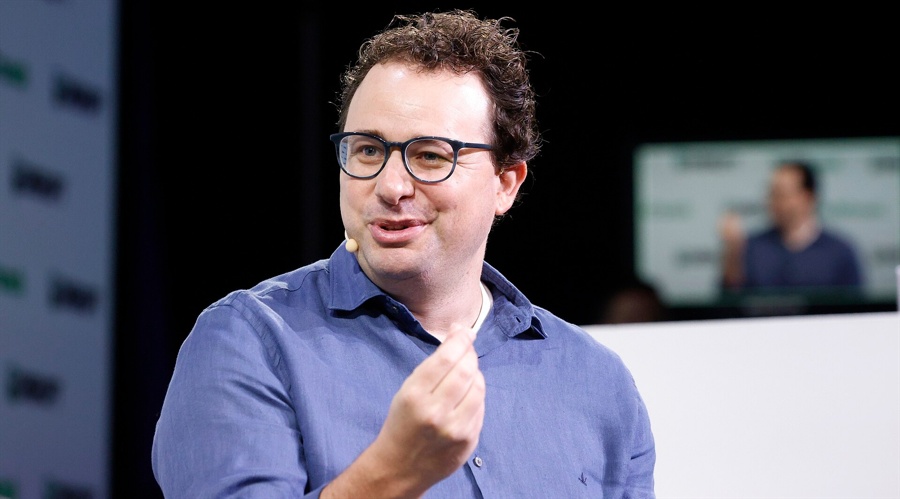
Anthropic CEO Dario Amodei is a very angry man right now (TechCrunch, CC BY 2.0).
From Zuckerberg’s $1B talent raids to Nvidia’s “outrageous lies,”
Amodei is calling out Silicon Valley’s power plays and setting a few bridges on
fire.
The AI Talent War Has a New Loudest Voice
Forget quiet quitting, Dario Amodei is loudly combusting. The Anthropic
CEO is lashing out in all directions, accusing Meta of luring away his
engineers with $1 billion signing packages and calling Nvidia’s recent remarks
about Anthropic "an
outrageous lie."
Speaking of Meta’s hiring spree, and the obscene amounts of money they’re
spending, Amodei claimed it could “destroy”
Anthropic’s culture, and presumably that of AI startups in general. Sure,
“destroy” might sound dramatic. But in a space increasingly driven by GPU
hoarding, regulatory chess, and “move fast, break open-source ethics”
strategies, Amodei’s frustration is more than performative. It’s personal.
Mark Zuckerberg of META (Oleh Anthony Quintano, CC BY 2.0, Wikipedia).
Amodei claimed that many of his employees had rejected (presumably
vast) offers and that others "wouldn't even talk to Mark Zuckerberg."
"This was a unifying moment for the company where we didn't give in,"
Amodei said. "We refuse to compromise our principles because we have the
confidence that people are at Anthropic because they truly believe in the
mission."
But… it’s hard to argue with the numbers. Meta is reportedly offering
compensation packages worth up to $1 million each for researchers to abandon
ship. That’s enough to make even the most idealistic AI scientists think twice.
For Amodei, though, this is less about cash and more about collapse.
Amodei’s rallying call? Essentially, it’s about the “soul” of AI and
Anthropic. His argument is essentially that the company is special, and that if
you truly care about AI, you should reject Meta et al. But, remember, we’re talking
$1M signing bonuses here.
It’s a rallying cry with a guilt-trip and glimpses of truth. After all,
it’s not easy to turn down $1 million when you’re debugging neural networks at
2 a.m. Still, Amodei’s ask is clear: Stay scrappy. Stay weird. Don’t sell out
to Zuck.
Hopeful? Sure. Realistic? We’ll see.
Nvidia vs. Anthropic: AI Heavyweights In a Scuffle
Meta isn’t the only target of Amodei’s fury. Nvidia
CEO Jensen Huang also caught some strays last week when he appeared to
throw shade at Anthropic during a Q&A. Huang claimed that “Dario thinks
he’s the only one who can build this safely and therefore wants to control the
entire industry”. Amodei’s response? “That is an outrageous lie.”
Nvidia CEO Jensen Huang (Reuters).
In response to Huang, Amodei says he’s “one of the most bullish” voices
when it comes to AI’s rapid acceleration. He’s long argued that progress in AI is exponential: throw more data,
compute, and training at a model, and its capabilities jump dramatically. That
pace of improvement, he warns, is bringing serious national security and
economic risks into the immediate future. Much of this is driven by his father's death to a disease that, had research moved faster, he probably would have survived. But, despite his desire to drive things forward, there's a problem: Our ability to
manage those risks.
Anthropic's Dario Amodei reveals his father's death is a key reason he pushes AI forward. He says critics who call him a "doomer" for discussing risks lack moral credibility, as he understands the human cost of delaying technological progress more than most. pic.twitter.com/FLBVtIJOYU
To counter that imbalance, Amodei is pushing for clear regulations and
what he calls “responsible scaling policies.” He wants a “race to the
top”—where companies compete to build safer, more trustworthy systems—instead
of half-baked AI products. Anthropic was the
first to publish such a policy, and Amodei sees that transparency as part of
the job. He believes safety research like their work on interpretability and
constitutional AI shouldn’t be trade secrets—it should be shared as a public
good.
This is more than an ego bruise. The comment hits at Anthropic’s very
purpose in a fiercely competitive sector. Luckily for Anthropic, Amodei doesn’t
seem to be a shrinking violet.
Silicon Valley’s Culture War, Now with GPUs
Between the Meta poaching saga and the Nvidia drama, Amodei’s week has
been more public meltdown than polished PR. But is he wrong?
Anthropic, which counts Amazon and Google among its investors, was
meant to be a different kind of AI company—one that emphasized safety,
interpretability, and slower, more thoughtful development. But that position
seems to be open to ridicule and is getting harder to uphold in a world where AI
researchers are becoming free agents in a billion-dollar arms race.
Amodei may not win every battle. Meta will keep writing checks. Nvidia
will always be a power player. But by speaking up, he's at least asking a
question Silicon Valley increasingly prefers to ignore: what does all this
money actually build?
For now, Amodei seems determined not to cash out or shut up. Naïve, or
noble? Perhaps both, but regardless, Amodei’s obviously passionate responses
open up an interesting conversation.
For more of tech and finance around the fringes, visit our Trending section.
From Zuckerberg’s $1B talent raids to Nvidia’s “outrageous lies,”
Amodei is calling out Silicon Valley’s power plays and setting a few bridges on
fire.
The AI Talent War Has a New Loudest Voice
Forget quiet quitting, Dario Amodei is loudly combusting. The Anthropic
CEO is lashing out in all directions, accusing Meta of luring away his
engineers with $1 billion signing packages and calling Nvidia’s recent remarks
about Anthropic "an
outrageous lie."
Speaking of Meta’s hiring spree, and the obscene amounts of money they’re
spending, Amodei claimed it could “destroy”
Anthropic’s culture, and presumably that of AI startups in general. Sure,
“destroy” might sound dramatic. But in a space increasingly driven by GPU
hoarding, regulatory chess, and “move fast, break open-source ethics”
strategies, Amodei’s frustration is more than performative. It’s personal.
Mark Zuckerberg of META (Oleh Anthony Quintano, CC BY 2.0, Wikipedia).
Amodei claimed that many of his employees had rejected (presumably
vast) offers and that others "wouldn't even talk to Mark Zuckerberg."
"This was a unifying moment for the company where we didn't give in,"
Amodei said. "We refuse to compromise our principles because we have the
confidence that people are at Anthropic because they truly believe in the
mission."
But… it’s hard to argue with the numbers. Meta is reportedly offering
compensation packages worth up to $1 million each for researchers to abandon
ship. That’s enough to make even the most idealistic AI scientists think twice.
For Amodei, though, this is less about cash and more about collapse.
Amodei’s rallying call? Essentially, it’s about the “soul” of AI and
Anthropic. His argument is essentially that the company is special, and that if
you truly care about AI, you should reject Meta et al. But, remember, we’re talking
$1M signing bonuses here.
It’s a rallying cry with a guilt-trip and glimpses of truth. After all,
it’s not easy to turn down $1 million when you’re debugging neural networks at
2 a.m. Still, Amodei’s ask is clear: Stay scrappy. Stay weird. Don’t sell out
to Zuck.
Hopeful? Sure. Realistic? We’ll see.
Nvidia vs. Anthropic: AI Heavyweights In a Scuffle
Meta isn’t the only target of Amodei’s fury. Nvidia
CEO Jensen Huang also caught some strays last week when he appeared to
throw shade at Anthropic during a Q&A. Huang claimed that “Dario thinks
he’s the only one who can build this safely and therefore wants to control the
entire industry”. Amodei’s response? “That is an outrageous lie.”
Nvidia CEO Jensen Huang (Reuters).
In response to Huang, Amodei says he’s “one of the most bullish” voices
when it comes to AI’s rapid acceleration. He’s long argued that progress in AI is exponential: throw more data,
compute, and training at a model, and its capabilities jump dramatically. That
pace of improvement, he warns, is bringing serious national security and
economic risks into the immediate future. Much of this is driven by his father's death to a disease that, had research moved faster, he probably would have survived. But, despite his desire to drive things forward, there's a problem: Our ability to
manage those risks.
Anthropic's Dario Amodei reveals his father's death is a key reason he pushes AI forward. He says critics who call him a "doomer" for discussing risks lack moral credibility, as he understands the human cost of delaying technological progress more than most. pic.twitter.com/FLBVtIJOYU
To counter that imbalance, Amodei is pushing for clear regulations and
what he calls “responsible scaling policies.” He wants a “race to the
top”—where companies compete to build safer, more trustworthy systems—instead
of half-baked AI products. Anthropic was the
first to publish such a policy, and Amodei sees that transparency as part of
the job. He believes safety research like their work on interpretability and
constitutional AI shouldn’t be trade secrets—it should be shared as a public
good.
This is more than an ego bruise. The comment hits at Anthropic’s very
purpose in a fiercely competitive sector. Luckily for Anthropic, Amodei doesn’t
seem to be a shrinking violet.
Silicon Valley’s Culture War, Now with GPUs
Between the Meta poaching saga and the Nvidia drama, Amodei’s week has
been more public meltdown than polished PR. But is he wrong?
Anthropic, which counts Amazon and Google among its investors, was
meant to be a different kind of AI company—one that emphasized safety,
interpretability, and slower, more thoughtful development. But that position
seems to be open to ridicule and is getting harder to uphold in a world where AI
researchers are becoming free agents in a billion-dollar arms race.
Amodei may not win every battle. Meta will keep writing checks. Nvidia
will always be a power player. But by speaking up, he's at least asking a
question Silicon Valley increasingly prefers to ignore: what does all this
money actually build?
For now, Amodei seems determined not to cash out or shut up. Naïve, or
noble? Perhaps both, but regardless, Amodei’s obviously passionate responses
open up an interesting conversation.
For more of tech and finance around the fringes, visit our Trending section.
Louis Parks has lived and worked in and around the Middle East for much of his professional career. He writes about the meeting of the tech and finance worlds.
In this video, we review @HolaPrimeMarketsOfficial, a multi-asset forex and CFDs broker offering different account types, trading platforms, and flexible trading conditions.
We cover the broker’s overall offering, including account options, trading environment, platforms like MT4 and MT5, and additional services such as managed accounts and fast withdrawals.
Watch the full video to see if Hola Prime Markets fits your trading needs.
📣 Stay up to date with the latest in finance and trading. Follow Finance Magnates for industry news, insights, and global event coverage.
Connect with us:
🔗 LinkedIn: /financemagnates
👍 Facebook: /financemagnates
📸 Instagram: https://www.instagram.com/financemagnates
🐦 X: https://x.com/financemagnates
🎥 TikTok: https://www.tiktok.com/tag/financemagnates
▶️ YouTube: /@financemagnates_official
#HolaPrime #ForexBroker #CFDTrading #FinanceMagnates #Trading #Forex #BrokerReview
In this video, we review @HolaPrimeMarketsOfficial, a multi-asset forex and CFDs broker offering different account types, trading platforms, and flexible trading conditions.
We cover the broker’s overall offering, including account options, trading environment, platforms like MT4 and MT5, and additional services such as managed accounts and fast withdrawals.
Watch the full video to see if Hola Prime Markets fits your trading needs.
📣 Stay up to date with the latest in finance and trading. Follow Finance Magnates for industry news, insights, and global event coverage.
Connect with us:
🔗 LinkedIn: /financemagnates
👍 Facebook: /financemagnates
📸 Instagram: https://www.instagram.com/financemagnates
🐦 X: https://x.com/financemagnates
🎥 TikTok: https://www.tiktok.com/tag/financemagnates
▶️ YouTube: /@financemagnates_official
#HolaPrime #ForexBroker #CFDTrading #FinanceMagnates #Trading #Forex #BrokerReview
In this video, we review @HolaPrimeMarketsOfficial, a multi-asset forex and CFDs broker offering different account types, trading platforms, and flexible trading conditions.
We cover the broker’s overall offering, including account options, trading environment, platforms like MT4 and MT5, and additional services such as managed accounts and fast withdrawals.
Watch the full video to see if Hola Prime Markets fits your trading needs.
📣 Stay up to date with the latest in finance and trading. Follow Finance Magnates for industry news, insights, and global event coverage.
Connect with us:
🔗 LinkedIn: /financemagnates
👍 Facebook: /financemagnates
📸 Instagram: https://www.instagram.com/financemagnates
🐦 X: https://x.com/financemagnates
🎥 TikTok: https://www.tiktok.com/tag/financemagnates
▶️ YouTube: /@financemagnates_official
#HolaPrime #ForexBroker #CFDTrading #FinanceMagnates #Trading #Forex #BrokerReview
In this video, we review @HolaPrimeMarketsOfficial, a multi-asset forex and CFDs broker offering different account types, trading platforms, and flexible trading conditions.
We cover the broker’s overall offering, including account options, trading environment, platforms like MT4 and MT5, and additional services such as managed accounts and fast withdrawals.
Watch the full video to see if Hola Prime Markets fits your trading needs.
📣 Stay up to date with the latest in finance and trading. Follow Finance Magnates for industry news, insights, and global event coverage.
Connect with us:
🔗 LinkedIn: /financemagnates
👍 Facebook: /financemagnates
📸 Instagram: https://www.instagram.com/financemagnates
🐦 X: https://x.com/financemagnates
🎥 TikTok: https://www.tiktok.com/tag/financemagnates
▶️ YouTube: /@financemagnates_official
#HolaPrime #ForexBroker #CFDTrading #FinanceMagnates #Trading #Forex #BrokerReview
Hola Prime Review: What You Need to Know | Full Breakdown by Finance Magnates
Hola Prime Review: What You Need to Know | Full Breakdown by Finance Magnates
Hola Prime Review: What You Need to Know | Full Breakdown by Finance Magnates
Hola Prime Review: What You Need to Know | Full Breakdown by Finance Magnates
Hola Prime Review: What You Need to Know | Full Breakdown by Finance Magnates
Hola Prime Review: What You Need to Know | Full Breakdown by Finance Magnates
In this video, we review @HolaPrime_Global, a proprietary trading firm offering evaluation programs and performance-based payouts in simulated market environments.
We cover how the challenge model works, including account types, profit splits (up to 95%), trading rules, and what it takes to reach a funded account. You’ll also learn about available platforms like MT4, MT5, cTrader, and more, along with insights into payouts, support, and trading conditions.
Watch the full video to see if Hola Prime fits your trading style.
📣 Stay up to date with the latest in finance and trading. Follow Finance Magnates for industry news, insights, and global event coverage.
Connect with us:
🔗 LinkedIn: /financemagnates
👍 Facebook: /financemagnates
📸 Instagram: https://www.instagram.com/financemagnates
🐦 X: https://x.com/financemagnates
🎥 TikTok: https://www.tiktok.com/tag/financemagnates
▶️ YouTube: /@financemagnates_official
#HolaPrime #PropFirm #Trading #FinanceMagnates #Forex #FuturesTrading #TradingReview #PropFirmReview
In this video, we review @HolaPrime_Global, a proprietary trading firm offering evaluation programs and performance-based payouts in simulated market environments.
We cover how the challenge model works, including account types, profit splits (up to 95%), trading rules, and what it takes to reach a funded account. You’ll also learn about available platforms like MT4, MT5, cTrader, and more, along with insights into payouts, support, and trading conditions.
Watch the full video to see if Hola Prime fits your trading style.
📣 Stay up to date with the latest in finance and trading. Follow Finance Magnates for industry news, insights, and global event coverage.
Connect with us:
🔗 LinkedIn: /financemagnates
👍 Facebook: /financemagnates
📸 Instagram: https://www.instagram.com/financemagnates
🐦 X: https://x.com/financemagnates
🎥 TikTok: https://www.tiktok.com/tag/financemagnates
▶️ YouTube: /@financemagnates_official
#HolaPrime #PropFirm #Trading #FinanceMagnates #Forex #FuturesTrading #TradingReview #PropFirmReview
In this video, we review @HolaPrime_Global, a proprietary trading firm offering evaluation programs and performance-based payouts in simulated market environments.
We cover how the challenge model works, including account types, profit splits (up to 95%), trading rules, and what it takes to reach a funded account. You’ll also learn about available platforms like MT4, MT5, cTrader, and more, along with insights into payouts, support, and trading conditions.
Watch the full video to see if Hola Prime fits your trading style.
📣 Stay up to date with the latest in finance and trading. Follow Finance Magnates for industry news, insights, and global event coverage.
Connect with us:
🔗 LinkedIn: /financemagnates
👍 Facebook: /financemagnates
📸 Instagram: https://www.instagram.com/financemagnates
🐦 X: https://x.com/financemagnates
🎥 TikTok: https://www.tiktok.com/tag/financemagnates
▶️ YouTube: /@financemagnates_official
#HolaPrime #PropFirm #Trading #FinanceMagnates #Forex #FuturesTrading #TradingReview #PropFirmReview
In this video, we review @HolaPrime_Global, a proprietary trading firm offering evaluation programs and performance-based payouts in simulated market environments.
We cover how the challenge model works, including account types, profit splits (up to 95%), trading rules, and what it takes to reach a funded account. You’ll also learn about available platforms like MT4, MT5, cTrader, and more, along with insights into payouts, support, and trading conditions.
Watch the full video to see if Hola Prime fits your trading style.
📣 Stay up to date with the latest in finance and trading. Follow Finance Magnates for industry news, insights, and global event coverage.
Connect with us:
🔗 LinkedIn: /financemagnates
👍 Facebook: /financemagnates
📸 Instagram: https://www.instagram.com/financemagnates
🐦 X: https://x.com/financemagnates
🎥 TikTok: https://www.tiktok.com/tag/financemagnates
▶️ YouTube: /@financemagnates_official
#HolaPrime #PropFirm #Trading #FinanceMagnates #Forex #FuturesTrading #TradingReview #PropFirmReview
In this video, we review @HolaPrime_Global, a proprietary trading firm offering evaluation programs and performance-based payouts in simulated market environments.
We cover how the challenge model works, including account types, profit splits (up to 95%), trading rules, and what it takes to reach a funded account. You’ll also learn about available platforms like MT4, MT5, cTrader, and more, along with insights into payouts, support, and trading conditions.
Watch the full video to see if Hola Prime fits your trading style.
📣 Stay up to date with the latest in finance and trading. Follow Finance Magnates for industry news, insights, and global event coverage.
Connect with us:
🔗 LinkedIn: /financemagnates
👍 Facebook: /financemagnates
📸 Instagram: https://www.instagram.com/financemagnates
🐦 X: https://x.com/financemagnates
🎥 TikTok: https://www.tiktok.com/tag/financemagnates
▶️ YouTube: /@financemagnates_official
#HolaPrime #PropFirm #Trading #FinanceMagnates #Forex #FuturesTrading #TradingReview #PropFirmReview
In this video, we review @HolaPrime_Global, a proprietary trading firm offering evaluation programs and performance-based payouts in simulated market environments.
We cover how the challenge model works, including account types, profit splits (up to 95%), trading rules, and what it takes to reach a funded account. You’ll also learn about available platforms like MT4, MT5, cTrader, and more, along with insights into payouts, support, and trading conditions.
Watch the full video to see if Hola Prime fits your trading style.
📣 Stay up to date with the latest in finance and trading. Follow Finance Magnates for industry news, insights, and global event coverage.
Connect with us:
🔗 LinkedIn: /financemagnates
👍 Facebook: /financemagnates
📸 Instagram: https://www.instagram.com/financemagnates
🐦 X: https://x.com/financemagnates
🎥 TikTok: https://www.tiktok.com/tag/financemagnates
▶️ YouTube: /@financemagnates_official
#HolaPrime #PropFirm #Trading #FinanceMagnates #Forex #FuturesTrading #TradingReview #PropFirmReview
Axi Winner Spotlight 🏆 | Global Most Innovative Broker 2025 #Innovation #Trading #Fintech #Broker
Axi Winner Spotlight 🏆 | Global Most Innovative Broker 2025 #Innovation #Trading #Fintech #Broker
Axi Winner Spotlight 🏆 | Global Most Innovative Broker 2025 #Innovation #Trading #Fintech #Broker
Axi Winner Spotlight 🏆 | Global Most Innovative Broker 2025 #Innovation #Trading #Fintech #Broker
Axi Winner Spotlight 🏆 | Global Most Innovative Broker 2025 #Innovation #Trading #Fintech #Broker
Axi Winner Spotlight 🏆 | Global Most Innovative Broker 2025 #Innovation #Trading #Fintech #Broker
Axi takes the spotlight at the Finance Magnates Awards, winning Global Most Innovative Broker 2025.
Olivia Xenofontos and Ivanna Openko share how the team will feel: proud, motivated, and ready to keep delivering.
They also describe the night as well-organized, focused, and enjoyable for all.
👉 Be part of FM Awards 2026.
Axi takes the spotlight at the Finance Magnates Awards, winning Global Most Innovative Broker 2025.
Olivia Xenofontos and Ivanna Openko share how the team will feel: proud, motivated, and ready to keep delivering.
They also describe the night as well-organized, focused, and enjoyable for all.
👉 Be part of FM Awards 2026.
Axi takes the spotlight at the Finance Magnates Awards, winning Global Most Innovative Broker 2025.
Olivia Xenofontos and Ivanna Openko share how the team will feel: proud, motivated, and ready to keep delivering.
They also describe the night as well-organized, focused, and enjoyable for all.
👉 Be part of FM Awards 2026.
Axi takes the spotlight at the Finance Magnates Awards, winning Global Most Innovative Broker 2025.
Olivia Xenofontos and Ivanna Openko share how the team will feel: proud, motivated, and ready to keep delivering.
They also describe the night as well-organized, focused, and enjoyable for all.
👉 Be part of FM Awards 2026.
Axi takes the spotlight at the Finance Magnates Awards, winning Global Most Innovative Broker 2025.
Olivia Xenofontos and Ivanna Openko share how the team will feel: proud, motivated, and ready to keep delivering.
They also describe the night as well-organized, focused, and enjoyable for all.
👉 Be part of FM Awards 2026.
Axi takes the spotlight at the Finance Magnates Awards, winning Global Most Innovative Broker 2025.
Olivia Xenofontos and Ivanna Openko share how the team will feel: proud, motivated, and ready to keep delivering.
They also describe the night as well-organized, focused, and enjoyable for all.
👉 Be part of FM Awards 2026.
Recognition that matters.
Built on transparency.
Driven by the industry.
The Finance Magnates Awards 2026.
Nominations are now open.
🔗 https://awards.financemagnates.com/?utm_source=SM&utm_medium=social&utm_campaign=recognition-matters
Recognition that matters.
Built on transparency.
Driven by the industry.
The Finance Magnates Awards 2026.
Nominations are now open.
🔗 https://awards.financemagnates.com/?utm_source=SM&utm_medium=social&utm_campaign=recognition-matters
Recognition that matters.
Built on transparency.
Driven by the industry.
The Finance Magnates Awards 2026.
Nominations are now open.
🔗 https://awards.financemagnates.com/?utm_source=SM&utm_medium=social&utm_campaign=recognition-matters
Recognition that matters.
Built on transparency.
Driven by the industry.
The Finance Magnates Awards 2026.
Nominations are now open.
🔗 https://awards.financemagnates.com/?utm_source=SM&utm_medium=social&utm_campaign=recognition-matters
Recognition that matters.
Built on transparency.
Driven by the industry.
The Finance Magnates Awards 2026.
Nominations are now open.
🔗 https://awards.financemagnates.com/?utm_source=SM&utm_medium=social&utm_campaign=recognition-matters
Recognition that matters.
Built on transparency.
Driven by the industry.
The Finance Magnates Awards 2026.
Nominations are now open.
🔗 https://awards.financemagnates.com/?utm_source=SM&utm_medium=social&utm_campaign=recognition-matters
Tickmill Winner Spotlight | Broker of the Year 2025 (LATAM) 🏆 | Finance Magnates Awards #Trading
Tickmill Winner Spotlight | Broker of the Year 2025 (LATAM) 🏆 | Finance Magnates Awards #Trading
Tickmill Winner Spotlight | Broker of the Year 2025 (LATAM) 🏆 | Finance Magnates Awards #Trading
Tickmill Winner Spotlight | Broker of the Year 2025 (LATAM) 🏆 | Finance Magnates Awards #Trading
Tickmill Winner Spotlight | Broker of the Year 2025 (LATAM) 🏆 | Finance Magnates Awards #Trading
Tickmill Winner Spotlight | Broker of the Year 2025 (LATAM) 🏆 | Finance Magnates Awards #Trading
What helped Tickmill stand out this year?
In this Winner Spotlight, Johnny Khalil, Executive Director at Tickmill Europe, shares how listening closely to clients and delivering strong trading conditions made the difference.
A big thank you to the community whose support continues to drive progress every day.
👉 Think your brand has what it takes? Nominate for the 2026 Finance Magnates Awards: https://awards.financemagnates.com/#nominate
What helped Tickmill stand out this year?
In this Winner Spotlight, Johnny Khalil, Executive Director at Tickmill Europe, shares how listening closely to clients and delivering strong trading conditions made the difference.
A big thank you to the community whose support continues to drive progress every day.
👉 Think your brand has what it takes? Nominate for the 2026 Finance Magnates Awards: https://awards.financemagnates.com/#nominate
What helped Tickmill stand out this year?
In this Winner Spotlight, Johnny Khalil, Executive Director at Tickmill Europe, shares how listening closely to clients and delivering strong trading conditions made the difference.
A big thank you to the community whose support continues to drive progress every day.
👉 Think your brand has what it takes? Nominate for the 2026 Finance Magnates Awards: https://awards.financemagnates.com/#nominate
What helped Tickmill stand out this year?
In this Winner Spotlight, Johnny Khalil, Executive Director at Tickmill Europe, shares how listening closely to clients and delivering strong trading conditions made the difference.
A big thank you to the community whose support continues to drive progress every day.
👉 Think your brand has what it takes? Nominate for the 2026 Finance Magnates Awards: https://awards.financemagnates.com/#nominate
What helped Tickmill stand out this year?
In this Winner Spotlight, Johnny Khalil, Executive Director at Tickmill Europe, shares how listening closely to clients and delivering strong trading conditions made the difference.
A big thank you to the community whose support continues to drive progress every day.
👉 Think your brand has what it takes? Nominate for the 2026 Finance Magnates Awards: https://awards.financemagnates.com/#nominate
What helped Tickmill stand out this year?
In this Winner Spotlight, Johnny Khalil, Executive Director at Tickmill Europe, shares how listening closely to clients and delivering strong trading conditions made the difference.
A big thank you to the community whose support continues to drive progress every day.
👉 Think your brand has what it takes? Nominate for the 2026 Finance Magnates Awards: https://awards.financemagnates.com/#nominate