>
Virtu Financial's IPO Becomes a Bright Spark in the Doom & Gloom Affecting the Industry
Virtu Financial's IPO Becomes a Bright Spark in the Doom & Gloom Affecting the Industry
Wednesday,12/03/2014|07:41GMTby
Adil Siddiqui
One of the largest high frequency trading firms has filed an initial public offering. US based Virtu Financial files with the US Securities Exchange Commission, the move looks to open-up the discreet world of ultra-fast trading.
Virtu Financial (Virtu), a multi-asset high-frequency trading firm filed papers for an Initial Public Offering (IPO) to the state regulator, opening up the secret world of computer driven trading. Virtu, a profitable market maker on global financial instruments expects to list on NASDAQ.
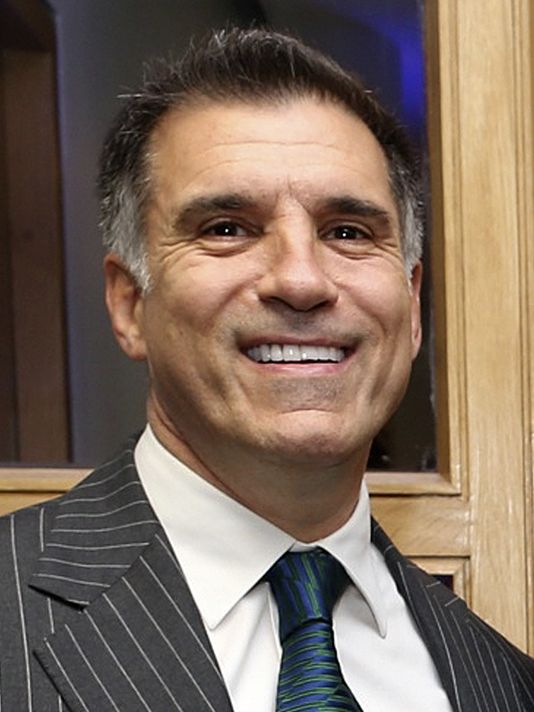
Virtu Financial, founded in 2008 by industry veteran Vincent Viola, the former chairman of the New York Mercantile Exchange, is regarded as a prominent player in the world of ultra-fast electronic trading. The firm trades in global markets in both OTC and exchange traded instruments. Virtu, a high-frequency trading firm, has been in the firing line like rival KCG for its computer driven trading strategies. KCG, the US market maker faced difficulties after the costly glitch in the summer of 2012.
Vincent Viola
Knight Capital’s merger with competitor Getco finalized when Getco offered to pay $3.75/share to Knight Capital’s shareholders, for a total value of $1.4 billion. Getco beat competitor Virtu financial whose bid was rejected by Knight Capital. The IPO is expected to raise $100 million.
The IPO filings submitted to the SEC had the company's full results; “For the years ended December 31, 2013 and 2012, our total revenues were approximately $664.5 million and $615.6 million, respectively, our net income was approximately $182.2 million and $87.6 million, respectively.”
The Virtu IPO comes as a shining star in a period of difficulty for the FX marketplace, the fixing issues coupled with FX probes has dented the credibility of FX trading. The IPO signals the direction the market is taking with emphasis on reducing risk, Virtu’s secret trading business will adopt industry standard rulings in relation to transparency. OTC markets have been in the firing line since the infamous G20 meeting which found the product as a key culprit behind the 2008 global recession. Rushi Parikh, a London-based dealer commented: "The news of banks suspending traders doesn't do any favours to the sector."
HFT firms operate under strict confidentiality protocols and have a tendency to limit the amount of information they share with financial services' participants. In the filing Virtu details the way it operates in the market, the document reads: “We refer to our market-making activities as being "market neutral," which means that we are not dependent on the direction of a particular market and do not speculate. Our strategies are also designed to lock in returns through precise and nearly instantaneous hedging, as we seek to eliminate the price risk in any positions held.”
Virtu's explanation is a positive for the high frequency trading environment, it removes misconceptions that were highlighted during the flash crash and Knight capital's $440 million glitch. The market has welcomed Virtu's IPO as it reinforces the role of fair, clear and transparent practises. James Sinclair, CEO of MarketFactory opines: "A US public listing of Virtu, with all the rigorous disclosures that go along with it, will support what we all want - an orderly market that is so, and seen to be so."
James Sinclair
The firm describes its revenue generation technique, primarily volume driven, the firm adds: “Our revenue generation is driven primarily by transaction volume across a broad range of securities, asset classes and geographies. We avoid the risk of long or short positions in favor of earning small bid/ask spreads on large trading volumes across thousands of securities and other financial instruments. In order to minimize the likelihood of unintended activities by our market-making strategies, if our risk management system detects a trading strategy generating revenues outside of our preset limits, it will freeze, or "lock down," that strategy and alert risk management personnel and management.”
Virtu Financial plays a key role in market-making activities in global markets, it covers 210 exchanges and markets in 30 countries. Twenty percent of the firm's trading revenues derive from FX trading, in the filing the firm states that it deals with a number of high-end institutions, including: CME, ICE, Currenex, EBS, HotSpot, Reuters, FXall and LMAX.
Ongoing investigations in the way professionals in the industry have conducted themselves is a net positive for the industry as regulators are assessing the shortfalls in the market. Regulations in the US have favored firms such as Virtu. Under the Dodd-Frank legislation, the Volcker Rule is applied to banks whereby proprietary trading is restricted.
Simon Wilson-Taylor
On the other hand, Simon Wilson-Taylor, CEO and President of Molten Markets, disagrees with the concerns raised about transparency in the FX markets, he states in a comment to Forex Magnates: "I actually dispute the notion that the FX markets have not been transparent. Provided that you have access to a wide variety of liquidity sources the FX market has always been transparent, and more liquid than any other market.
However, the FX market is always evolving, now with a significant shift towards continuous electronic trading steadily replacing a more voice and capital-based risk-transfer model. This evolution is fueled by, and benefits, a major non-bank liquidity provider like Virtu who have done an exceptional job of navigating the difficult waters of competing with and yet complementing the traditional FX banking sector."
Virtu Financial (Virtu), a multi-asset high-frequency trading firm filed papers for an Initial Public Offering (IPO) to the state regulator, opening up the secret world of computer driven trading. Virtu, a profitable market maker on global financial instruments expects to list on NASDAQ.
Virtu Financial, founded in 2008 by industry veteran Vincent Viola, the former chairman of the New York Mercantile Exchange, is regarded as a prominent player in the world of ultra-fast electronic trading. The firm trades in global markets in both OTC and exchange traded instruments. Virtu, a high-frequency trading firm, has been in the firing line like rival KCG for its computer driven trading strategies. KCG, the US market maker faced difficulties after the costly glitch in the summer of 2012.
Vincent Viola
Knight Capital’s merger with competitor Getco finalized when Getco offered to pay $3.75/share to Knight Capital’s shareholders, for a total value of $1.4 billion. Getco beat competitor Virtu financial whose bid was rejected by Knight Capital. The IPO is expected to raise $100 million.
The IPO filings submitted to the SEC had the company's full results; “For the years ended December 31, 2013 and 2012, our total revenues were approximately $664.5 million and $615.6 million, respectively, our net income was approximately $182.2 million and $87.6 million, respectively.”
The Virtu IPO comes as a shining star in a period of difficulty for the FX marketplace, the fixing issues coupled with FX probes has dented the credibility of FX trading. The IPO signals the direction the market is taking with emphasis on reducing risk, Virtu’s secret trading business will adopt industry standard rulings in relation to transparency. OTC markets have been in the firing line since the infamous G20 meeting which found the product as a key culprit behind the 2008 global recession. Rushi Parikh, a London-based dealer commented: "The news of banks suspending traders doesn't do any favours to the sector."
HFT firms operate under strict confidentiality protocols and have a tendency to limit the amount of information they share with financial services' participants. In the filing Virtu details the way it operates in the market, the document reads: “We refer to our market-making activities as being "market neutral," which means that we are not dependent on the direction of a particular market and do not speculate. Our strategies are also designed to lock in returns through precise and nearly instantaneous hedging, as we seek to eliminate the price risk in any positions held.”
Virtu's explanation is a positive for the high frequency trading environment, it removes misconceptions that were highlighted during the flash crash and Knight capital's $440 million glitch. The market has welcomed Virtu's IPO as it reinforces the role of fair, clear and transparent practises. James Sinclair, CEO of MarketFactory opines: "A US public listing of Virtu, with all the rigorous disclosures that go along with it, will support what we all want - an orderly market that is so, and seen to be so."
James Sinclair
The firm describes its revenue generation technique, primarily volume driven, the firm adds: “Our revenue generation is driven primarily by transaction volume across a broad range of securities, asset classes and geographies. We avoid the risk of long or short positions in favor of earning small bid/ask spreads on large trading volumes across thousands of securities and other financial instruments. In order to minimize the likelihood of unintended activities by our market-making strategies, if our risk management system detects a trading strategy generating revenues outside of our preset limits, it will freeze, or "lock down," that strategy and alert risk management personnel and management.”
Virtu Financial plays a key role in market-making activities in global markets, it covers 210 exchanges and markets in 30 countries. Twenty percent of the firm's trading revenues derive from FX trading, in the filing the firm states that it deals with a number of high-end institutions, including: CME, ICE, Currenex, EBS, HotSpot, Reuters, FXall and LMAX.
Ongoing investigations in the way professionals in the industry have conducted themselves is a net positive for the industry as regulators are assessing the shortfalls in the market. Regulations in the US have favored firms such as Virtu. Under the Dodd-Frank legislation, the Volcker Rule is applied to banks whereby proprietary trading is restricted.
Simon Wilson-Taylor
On the other hand, Simon Wilson-Taylor, CEO and President of Molten Markets, disagrees with the concerns raised about transparency in the FX markets, he states in a comment to Forex Magnates: "I actually dispute the notion that the FX markets have not been transparent. Provided that you have access to a wide variety of liquidity sources the FX market has always been transparent, and more liquid than any other market.
However, the FX market is always evolving, now with a significant shift towards continuous electronic trading steadily replacing a more voice and capital-based risk-transfer model. This evolution is fueled by, and benefits, a major non-bank liquidity provider like Virtu who have done an exceptional job of navigating the difficult waters of competing with and yet complementing the traditional FX banking sector."
GTC Prime Adds Centroid Bridge as Multi-Asset Liquidity Distribution Channel
Featured Videos
AvaTrade to Acquire Most of FXCM; NAGA Raises $8M
AvaTrade to Acquire Most of FXCM; NAGA Raises $8M
AvaTrade to Acquire Most of FXCM; NAGA Raises $8M
AvaTrade to Acquire Most of FXCM; NAGA Raises $8M
Today’s financial news recap covers AvaTrade agrees to acquire most of FXCM, NAGA secures eight million dollars in new financing, and Wise seeks a tax settlement in the UK.
Finance Magnates Daily Recap brings you the latest news from forex and CFD brokers, fintech, payments, cryptocurrency, digital assets, trading platforms, financial regulation and global markets.
Get the key company news, executive moves, deals, regulatory updates and market developments of the day, in just a few minutes. New episodes published every weekday.
Read more: https://www.financemagnates.com
#FinanceMagnates #ForexNews #FintechNews
Today’s financial news recap covers AvaTrade agrees to acquire most of FXCM, NAGA secures eight million dollars in new financing, and Wise seeks a tax settlement in the UK.
Finance Magnates Daily Recap brings you the latest news from forex and CFD brokers, fintech, payments, cryptocurrency, digital assets, trading platforms, financial regulation and global markets.
Get the key company news, executive moves, deals, regulatory updates and market developments of the day, in just a few minutes. New episodes published every weekday.
Read more: https://www.financemagnates.com
#FinanceMagnates #ForexNews #FintechNews
Today’s financial news recap covers AvaTrade agrees to acquire most of FXCM, NAGA secures eight million dollars in new financing, and Wise seeks a tax settlement in the UK.
Finance Magnates Daily Recap brings you the latest news from forex and CFD brokers, fintech, payments, cryptocurrency, digital assets, trading platforms, financial regulation and global markets.
Get the key company news, executive moves, deals, regulatory updates and market developments of the day, in just a few minutes. New episodes published every weekday.
Read more: https://www.financemagnates.com
#FinanceMagnates #ForexNews #FintechNews
Today’s financial news recap covers AvaTrade agrees to acquire most of FXCM, NAGA secures eight million dollars in new financing, and Wise seeks a tax settlement in the UK.
Finance Magnates Daily Recap brings you the latest news from forex and CFD brokers, fintech, payments, cryptocurrency, digital assets, trading platforms, financial regulation and global markets.
Get the key company news, executive moves, deals, regulatory updates and market developments of the day, in just a few minutes. New episodes published every weekday.
Read more: https://www.financemagnates.com
#FinanceMagnates #ForexNews #FintechNews
XTB Adds Overnight US Stock Trading; Nasdaq Ventures Invests in One Trading
XTB Adds Overnight US Stock Trading; Nasdaq Ventures Invests in One Trading
XTB Adds Overnight US Stock Trading; Nasdaq Ventures Invests in One Trading
XTB Adds Overnight US Stock Trading; Nasdaq Ventures Invests in One Trading
XTB Adds Overnight US Stock Trading; Nasdaq Ventures Invests in One Trading
XTB Adds Overnight US Stock Trading; Nasdaq Ventures Invests in One Trading
Today’s financial news recap covers XTB expands overnight US stock trading, Fortrade reports higher revenue, Nasdaq backs One Trading, and Vest Labs raises 13 million dollars.
Finance Magnates Daily Recap brings you the latest news from forex and CFD brokers, fintech, payments, cryptocurrency, digital assets, trading platforms, financial regulation and global markets.
Get the key company news, executive moves, deals, regulatory updates and market developments of the day, in just a few minutes. New episodes published every weekday.
Read more: https://www.financemagnates.com
#FinanceMagnates #ForexNews #FintechNews
Today’s financial news recap covers XTB expands overnight US stock trading, Fortrade reports higher revenue, Nasdaq backs One Trading, and Vest Labs raises 13 million dollars.
Finance Magnates Daily Recap brings you the latest news from forex and CFD brokers, fintech, payments, cryptocurrency, digital assets, trading platforms, financial regulation and global markets.
Get the key company news, executive moves, deals, regulatory updates and market developments of the day, in just a few minutes. New episodes published every weekday.
Read more: https://www.financemagnates.com
#FinanceMagnates #ForexNews #FintechNews
Today’s financial news recap covers XTB expands overnight US stock trading, Fortrade reports higher revenue, Nasdaq backs One Trading, and Vest Labs raises 13 million dollars.
Finance Magnates Daily Recap brings you the latest news from forex and CFD brokers, fintech, payments, cryptocurrency, digital assets, trading platforms, financial regulation and global markets.
Get the key company news, executive moves, deals, regulatory updates and market developments of the day, in just a few minutes. New episodes published every weekday.
Read more: https://www.financemagnates.com
#FinanceMagnates #ForexNews #FintechNews
Today’s financial news recap covers XTB expands overnight US stock trading, Fortrade reports higher revenue, Nasdaq backs One Trading, and Vest Labs raises 13 million dollars.
Finance Magnates Daily Recap brings you the latest news from forex and CFD brokers, fintech, payments, cryptocurrency, digital assets, trading platforms, financial regulation and global markets.
Get the key company news, executive moves, deals, regulatory updates and market developments of the day, in just a few minutes. New episodes published every weekday.
Read more: https://www.financemagnates.com
#FinanceMagnates #ForexNews #FintechNews
Today’s financial news recap covers XTB expands overnight US stock trading, Fortrade reports higher revenue, Nasdaq backs One Trading, and Vest Labs raises 13 million dollars.
Finance Magnates Daily Recap brings you the latest news from forex and CFD brokers, fintech, payments, cryptocurrency, digital assets, trading platforms, financial regulation and global markets.
Get the key company news, executive moves, deals, regulatory updates and market developments of the day, in just a few minutes. New episodes published every weekday.
Read more: https://www.financemagnates.com
#FinanceMagnates #ForexNews #FintechNews
Today’s financial news recap covers XTB expands overnight US stock trading, Fortrade reports higher revenue, Nasdaq backs One Trading, and Vest Labs raises 13 million dollars.
Finance Magnates Daily Recap brings you the latest news from forex and CFD brokers, fintech, payments, cryptocurrency, digital assets, trading platforms, financial regulation and global markets.
Get the key company news, executive moves, deals, regulatory updates and market developments of the day, in just a few minutes. New episodes published every weekday.
Read more: https://www.financemagnates.com
#FinanceMagnates #ForexNews #FintechNews
CMC Founder Downplays Volatility Hit; Devexperts Names CEO
CMC Founder Downplays Volatility Hit; Devexperts Names CEO
CMC Founder Downplays Volatility Hit; Devexperts Names CEO
CMC Founder Downplays Volatility Hit; Devexperts Names CEO
CMC Founder Downplays Volatility Hit; Devexperts Names CEO
CMC Founder Downplays Volatility Hit; Devexperts Names CEO
Today’s financial news recap covers low volatility pressures brokers, Devexperts names a new CEO, Saxo cuts onboarding time, and OKX reaches a 25 billion dollar valuation.
Finance Magnates Daily Recap brings you the latest news from forex and CFD brokers, fintech, payments, cryptocurrency, digital assets, trading platforms, financial regulation and global markets.
Get the key company news, executive moves, deals, regulatory updates and market developments of the day, in just a few minutes. New episodes published every weekday.
Read more: https://www.financemagnates.com
#FinanceMagnates #ForexNews #FintechNews
Today’s financial news recap covers low volatility pressures brokers, Devexperts names a new CEO, Saxo cuts onboarding time, and OKX reaches a 25 billion dollar valuation.
Finance Magnates Daily Recap brings you the latest news from forex and CFD brokers, fintech, payments, cryptocurrency, digital assets, trading platforms, financial regulation and global markets.
Get the key company news, executive moves, deals, regulatory updates and market developments of the day, in just a few minutes. New episodes published every weekday.
Read more: https://www.financemagnates.com
#FinanceMagnates #ForexNews #FintechNews
Today’s financial news recap covers low volatility pressures brokers, Devexperts names a new CEO, Saxo cuts onboarding time, and OKX reaches a 25 billion dollar valuation.
Finance Magnates Daily Recap brings you the latest news from forex and CFD brokers, fintech, payments, cryptocurrency, digital assets, trading platforms, financial regulation and global markets.
Get the key company news, executive moves, deals, regulatory updates and market developments of the day, in just a few minutes. New episodes published every weekday.
Read more: https://www.financemagnates.com
#FinanceMagnates #ForexNews #FintechNews
Today’s financial news recap covers low volatility pressures brokers, Devexperts names a new CEO, Saxo cuts onboarding time, and OKX reaches a 25 billion dollar valuation.
Finance Magnates Daily Recap brings you the latest news from forex and CFD brokers, fintech, payments, cryptocurrency, digital assets, trading platforms, financial regulation and global markets.
Get the key company news, executive moves, deals, regulatory updates and market developments of the day, in just a few minutes. New episodes published every weekday.
Read more: https://www.financemagnates.com
#FinanceMagnates #ForexNews #FintechNews
Today’s financial news recap covers low volatility pressures brokers, Devexperts names a new CEO, Saxo cuts onboarding time, and OKX reaches a 25 billion dollar valuation.
Finance Magnates Daily Recap brings you the latest news from forex and CFD brokers, fintech, payments, cryptocurrency, digital assets, trading platforms, financial regulation and global markets.
Get the key company news, executive moves, deals, regulatory updates and market developments of the day, in just a few minutes. New episodes published every weekday.
Read more: https://www.financemagnates.com
#FinanceMagnates #ForexNews #FintechNews
Today’s financial news recap covers low volatility pressures brokers, Devexperts names a new CEO, Saxo cuts onboarding time, and OKX reaches a 25 billion dollar valuation.
Finance Magnates Daily Recap brings you the latest news from forex and CFD brokers, fintech, payments, cryptocurrency, digital assets, trading platforms, financial regulation and global markets.
Get the key company news, executive moves, deals, regulatory updates and market developments of the day, in just a few minutes. New episodes published every weekday.
Read more: https://www.financemagnates.com
#FinanceMagnates #ForexNews #FintechNews
Today’s financial news recap covers Trade Nation buys FXCM's UK client book, Trading 212 reports higher revenue, the CFTC's move to allow perpetual index futures.
Finance Magnates Daily Recap brings you the latest news from forex and CFD brokers, fintech, payments, cryptocurrency, digital assets, trading platforms, financial regulation and global markets.
Get the key company news, executive moves, deals, regulatory updates and market developments of the day, in just a few minutes. New episodes published every weekday.
Read more: https://www.financemagnates.com
#FinanceMagnates #ForexNews #FintechNews
Today’s financial news recap covers Trade Nation buys FXCM's UK client book, Trading 212 reports higher revenue, the CFTC's move to allow perpetual index futures.
Finance Magnates Daily Recap brings you the latest news from forex and CFD brokers, fintech, payments, cryptocurrency, digital assets, trading platforms, financial regulation and global markets.
Get the key company news, executive moves, deals, regulatory updates and market developments of the day, in just a few minutes. New episodes published every weekday.
Read more: https://www.financemagnates.com
#FinanceMagnates #ForexNews #FintechNews
Today’s financial news recap covers Trade Nation buys FXCM's UK client book, Trading 212 reports higher revenue, the CFTC's move to allow perpetual index futures.
Finance Magnates Daily Recap brings you the latest news from forex and CFD brokers, fintech, payments, cryptocurrency, digital assets, trading platforms, financial regulation and global markets.
Get the key company news, executive moves, deals, regulatory updates and market developments of the day, in just a few minutes. New episodes published every weekday.
Read more: https://www.financemagnates.com
#FinanceMagnates #ForexNews #FintechNews
Today’s financial news recap covers Trade Nation buys FXCM's UK client book, Trading 212 reports higher revenue, the CFTC's move to allow perpetual index futures.
Finance Magnates Daily Recap brings you the latest news from forex and CFD brokers, fintech, payments, cryptocurrency, digital assets, trading platforms, financial regulation and global markets.
Get the key company news, executive moves, deals, regulatory updates and market developments of the day, in just a few minutes. New episodes published every weekday.
Read more: https://www.financemagnates.com
#FinanceMagnates #ForexNews #FintechNews
Today’s financial news recap covers Trade Nation buys FXCM's UK client book, Trading 212 reports higher revenue, the CFTC's move to allow perpetual index futures.
Finance Magnates Daily Recap brings you the latest news from forex and CFD brokers, fintech, payments, cryptocurrency, digital assets, trading platforms, financial regulation and global markets.
Get the key company news, executive moves, deals, regulatory updates and market developments of the day, in just a few minutes. New episodes published every weekday.
Read more: https://www.financemagnates.com
#FinanceMagnates #ForexNews #FintechNews
Today’s financial news recap covers Trade Nation buys FXCM's UK client book, Trading 212 reports higher revenue, the CFTC's move to allow perpetual index futures.
Finance Magnates Daily Recap brings you the latest news from forex and CFD brokers, fintech, payments, cryptocurrency, digital assets, trading platforms, financial regulation and global markets.
Get the key company news, executive moves, deals, regulatory updates and market developments of the day, in just a few minutes. New episodes published every weekday.
Read more: https://www.financemagnates.com
#FinanceMagnates #ForexNews #FintechNews
Your career isn’t a linear path.
Your career isn’t a linear path.
Your career isn’t a linear path.
Your career isn’t a linear path.
Your career isn’t a linear path.
Your career isn’t a linear path.
Roles change. Career goals change. Sometimes you want a completely new challenge.
But the skills and knowledge you build along the way can stay with you and give you something to build on.
For Jeff Patterson, that continued growth is key to long-term career development.
You bring the skills. FM Academy helps you build the knowledge.
#FMAcademy #FinanceMagnates #FinanceCareers #ProfessionalDevelopment #Fintech
Roles change. Career goals change. Sometimes you want a completely new challenge.
But the skills and knowledge you build along the way can stay with you and give you something to build on.
For Jeff Patterson, that continued growth is key to long-term career development.
You bring the skills. FM Academy helps you build the knowledge.
#FMAcademy #FinanceMagnates #FinanceCareers #ProfessionalDevelopment #Fintech
Roles change. Career goals change. Sometimes you want a completely new challenge.
But the skills and knowledge you build along the way can stay with you and give you something to build on.
For Jeff Patterson, that continued growth is key to long-term career development.
You bring the skills. FM Academy helps you build the knowledge.
#FMAcademy #FinanceMagnates #FinanceCareers #ProfessionalDevelopment #Fintech
Roles change. Career goals change. Sometimes you want a completely new challenge.
But the skills and knowledge you build along the way can stay with you and give you something to build on.
For Jeff Patterson, that continued growth is key to long-term career development.
You bring the skills. FM Academy helps you build the knowledge.
#FMAcademy #FinanceMagnates #FinanceCareers #ProfessionalDevelopment #Fintech
Roles change. Career goals change. Sometimes you want a completely new challenge.
But the skills and knowledge you build along the way can stay with you and give you something to build on.
For Jeff Patterson, that continued growth is key to long-term career development.
You bring the skills. FM Academy helps you build the knowledge.
#FMAcademy #FinanceMagnates #FinanceCareers #ProfessionalDevelopment #Fintech
Roles change. Career goals change. Sometimes you want a completely new challenge.
But the skills and knowledge you build along the way can stay with you and give you something to build on.
For Jeff Patterson, that continued growth is key to long-term career development.
You bring the skills. FM Academy helps you build the knowledge.
#FMAcademy #FinanceMagnates #FinanceCareers #ProfessionalDevelopment #Fintech