A major shake-up in employment across financial services can be expected thanks to advanced technologies like machine learning, according to a high profile report presented at this week’s World Economic Forum in Davos, Switzerland.
For anyone watching the way one asset class after another is going electronic, the prediction that robots will be running trading systems of the future might seem axiomatic.
But does that mean there’ll be fewer jobs in the industry of the future as well?
Not according to a new report by Founder and Executive Chairman of the World Economic Forum (WEF), Klaus Schwab, and Member of the Managing Board of WEF, Richard Samans. It seems that business and financial operations and management will be mainly flat in terms of net jobs in the sector looking out to 2020.
That might come as a relief, since overall the economists calculate that current trends could lead to a net employment impact of more than 5.1 million jobs lost to disruptive labour market changes over the period 2015–2020, with a total loss of 7.1 million jobs— two thirds of which are concentrated in office and administration.
Still, the kinds of finance jobs available will look quite different, a reality that’s already a trend being noticed worldwide.
Traditionally, there has been a lot of routine work done within financial trading...
The financial services and investor sector, the authors wrote, will undergo a significant shift, with major job growth for computer and mathematical roles such as data analysts, information security analysts and database and network professionals.
This may be cold comfort at a time when layoffs in major investment banks are making headlines: Goldman Sachs, Credit Suisse and Morgan Stanley being just some of the latest. Other headlines are sure to make professionals just as nervous as major fines are announced for benchmark rigging scandals, with apparently no end in sight to more revelations of alleged wrongdoing.
In fact, regulators are a major driving force behind the push to electronic trading in the wake of FX fixing scandals, as support rallies for more transparency.
Fergal Toomey, Chief Scientist and Co-Founder, Corvil
In a recent article, efinancial careers wrote that being a spot FX trader is one of the worst jobs of 2015, pointing out that a high proportion of the FX spot and forward market is already trading electronically after almost three decades of exponential growth. Morgan Stanley estimates that up to 80% of the spot and forward FX market will be traded electronically in future, efinancial noted.
“Traditionally, there has been a lot of routine work done within financial trading, such as simple arbitrage or market making. A lot of these processes are well defined and amenable to automation,” Toomey said. “The skills that are very much in demand are around understanding how to design those automated systems, understanding how to control them, how to monitor them, how to make sure that they are proceeding in line with your company’s objectives.”
His observation echoes that of the "Future of Jobs" report's findings in terms of essential skills employers will be looking for. But he also points to the advent of machine learning, identified in the report as a disruptive technology, as a new area that “has caught the attention of the industry over the past few years”.
Machine learning has been around for a while, but has become particularly prominent since asset manager Bridgewater, which has some $154 billion AuM, announced it’s putting together an artificial intelligence team.
...what can a machine really do by itself? Where do you draw the line?
Looking beyond the routine tasks, machine learning has the potential to help analyze patterns over time and derive learnings from those patterns, which can then be used to run successful trading strategies for example, Toomey said.
“You can’t guarantee in a full-proof way that these systems will actually deliver a programmed return over the future. There is almost a certain element of risk involved, which brings into question how much judgement and responsibility is required to oversee these systems.”
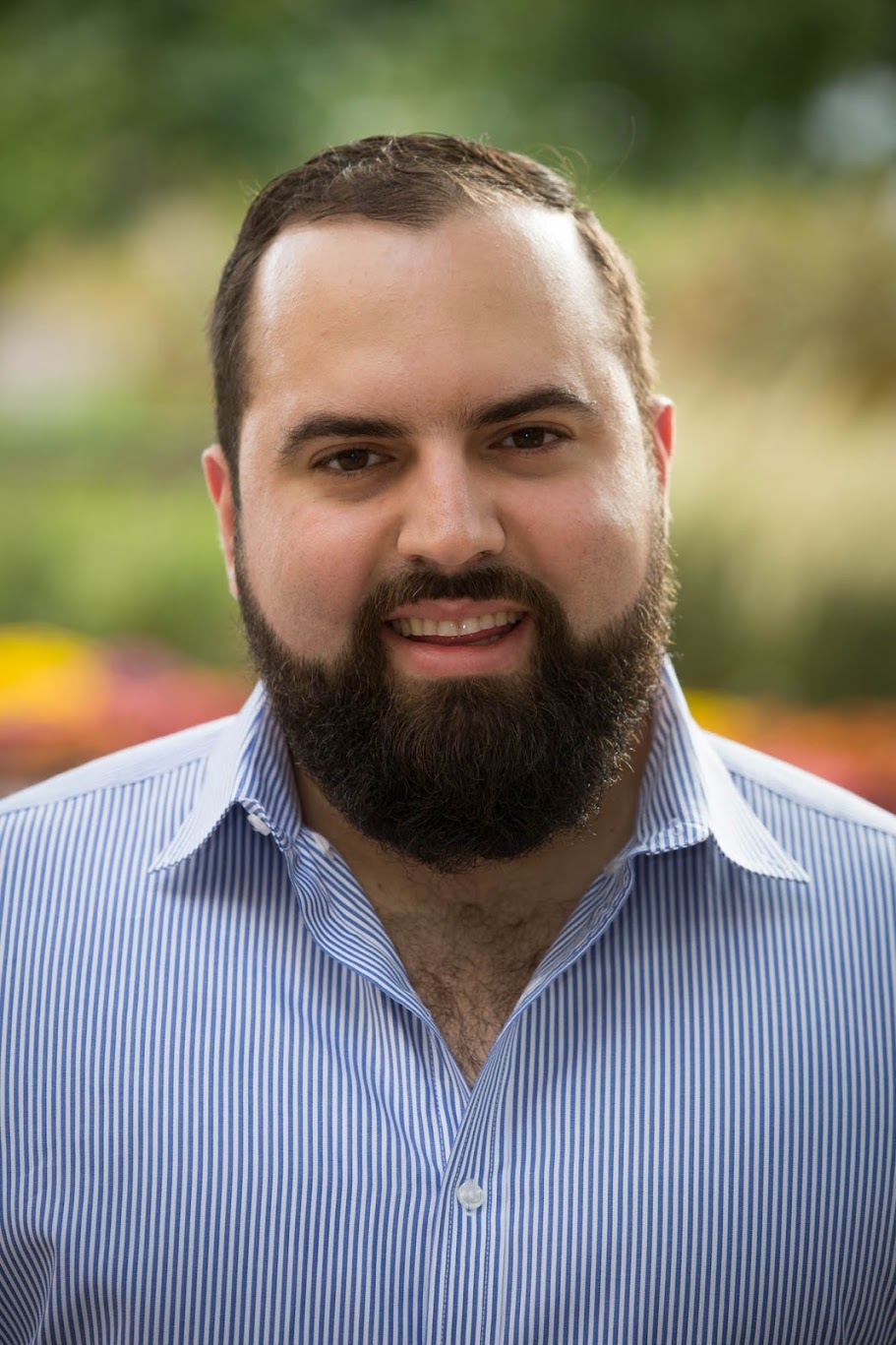
David Widerhorn, CEO, Neurensic
As a decentralized market place, FX stands to benefit most from moving electronic, said David Widerhorn, CEO of Neurensic, a Chicago-based firm using artificial intelligence (AI) and machine learning for market surveillance, among other applications. Transparency and fairness makes cheating and market abuse more difficult, while AI makes it easier to watch for disruptive practices and maintain market integrity, he said.
Machine learning falls into three basic categories: supervised, unsupervised and reinforcement learning, the latter being the one most resembling the way humans actually think.
Some practitioners identify this particular area as the most exciting and most likely to be capable of performing higher order tasks, which could end up giving even portfolio managers a run for their money.
Widerhorn is quick to point out that machines don’t replace humans, however, saying that his own view is that humans and machines need to work together.
The Davos report puts it this way: “Technological disruptions such as robotics and machine learning—rather than completely replacing existing occupations and job categories—are likely to substitute specific tasks previously carried out as part of these jobs, freeing workers up to focus on new tasks and leading to rapidly changing core skill sets in these occupations.”
He points to robo-advisors as emblematic of the way decision making can be outsourced to technology. If a client has a smaller amount of money to invest, an automated decision making process is in order, but raise the stakes to multi-millions, and only a human will do.
“It’s a perfect example of that boundary – what can a machine really do by itself? Where do you draw the line?”
For anyone watching the way one asset class after another is going electronic, the prediction that robots will be running trading systems of the future might seem axiomatic.
But does that mean there’ll be fewer jobs in the industry of the future as well?
Not according to a new report by Founder and Executive Chairman of the World Economic Forum (WEF), Klaus Schwab, and Member of the Managing Board of WEF, Richard Samans. It seems that business and financial operations and management will be mainly flat in terms of net jobs in the sector looking out to 2020.
That might come as a relief, since overall the economists calculate that current trends could lead to a net employment impact of more than 5.1 million jobs lost to disruptive labour market changes over the period 2015–2020, with a total loss of 7.1 million jobs— two thirds of which are concentrated in office and administration.
Still, the kinds of finance jobs available will look quite different, a reality that’s already a trend being noticed worldwide.
Traditionally, there has been a lot of routine work done within financial trading...
The financial services and investor sector, the authors wrote, will undergo a significant shift, with major job growth for computer and mathematical roles such as data analysts, information security analysts and database and network professionals.
This may be cold comfort at a time when layoffs in major investment banks are making headlines: Goldman Sachs, Credit Suisse and Morgan Stanley being just some of the latest. Other headlines are sure to make professionals just as nervous as major fines are announced for benchmark rigging scandals, with apparently no end in sight to more revelations of alleged wrongdoing.
In fact, regulators are a major driving force behind the push to electronic trading in the wake of FX fixing scandals, as support rallies for more transparency.
Fergal Toomey, Chief Scientist and Co-Founder, Corvil
In a recent article, efinancial careers wrote that being a spot FX trader is one of the worst jobs of 2015, pointing out that a high proportion of the FX spot and forward market is already trading electronically after almost three decades of exponential growth. Morgan Stanley estimates that up to 80% of the spot and forward FX market will be traded electronically in future, efinancial noted.
“Traditionally, there has been a lot of routine work done within financial trading, such as simple arbitrage or market making. A lot of these processes are well defined and amenable to automation,” Toomey said. “The skills that are very much in demand are around understanding how to design those automated systems, understanding how to control them, how to monitor them, how to make sure that they are proceeding in line with your company’s objectives.”
His observation echoes that of the "Future of Jobs" report's findings in terms of essential skills employers will be looking for. But he also points to the advent of machine learning, identified in the report as a disruptive technology, as a new area that “has caught the attention of the industry over the past few years”.
Machine learning has been around for a while, but has become particularly prominent since asset manager Bridgewater, which has some $154 billion AuM, announced it’s putting together an artificial intelligence team.
...what can a machine really do by itself? Where do you draw the line?
Looking beyond the routine tasks, machine learning has the potential to help analyze patterns over time and derive learnings from those patterns, which can then be used to run successful trading strategies for example, Toomey said.
“You can’t guarantee in a full-proof way that these systems will actually deliver a programmed return over the future. There is almost a certain element of risk involved, which brings into question how much judgement and responsibility is required to oversee these systems.”
David Widerhorn, CEO, Neurensic
As a decentralized market place, FX stands to benefit most from moving electronic, said David Widerhorn, CEO of Neurensic, a Chicago-based firm using artificial intelligence (AI) and machine learning for market surveillance, among other applications. Transparency and fairness makes cheating and market abuse more difficult, while AI makes it easier to watch for disruptive practices and maintain market integrity, he said.
Machine learning falls into three basic categories: supervised, unsupervised and reinforcement learning, the latter being the one most resembling the way humans actually think.
Some practitioners identify this particular area as the most exciting and most likely to be capable of performing higher order tasks, which could end up giving even portfolio managers a run for their money.
Widerhorn is quick to point out that machines don’t replace humans, however, saying that his own view is that humans and machines need to work together.
The Davos report puts it this way: “Technological disruptions such as robotics and machine learning—rather than completely replacing existing occupations and job categories—are likely to substitute specific tasks previously carried out as part of these jobs, freeing workers up to focus on new tasks and leading to rapidly changing core skill sets in these occupations.”
He points to robo-advisors as emblematic of the way decision making can be outsourced to technology. If a client has a smaller amount of money to invest, an automated decision making process is in order, but raise the stakes to multi-millions, and only a human will do.
“It’s a perfect example of that boundary – what can a machine really do by itself? Where do you draw the line?”
GTC Prime Adds Centroid Bridge as Multi-Asset Liquidity Distribution Channel
Featured Videos
AvaTrade to Acquire Most of FXCM; NAGA Raises $8M
AvaTrade to Acquire Most of FXCM; NAGA Raises $8M
AvaTrade to Acquire Most of FXCM; NAGA Raises $8M
AvaTrade to Acquire Most of FXCM; NAGA Raises $8M
Today’s financial news recap covers AvaTrade agrees to acquire most of FXCM, NAGA secures eight million dollars in new financing, and Wise seeks a tax settlement in the UK.
Finance Magnates Daily Recap brings you the latest news from forex and CFD brokers, fintech, payments, cryptocurrency, digital assets, trading platforms, financial regulation and global markets.
Get the key company news, executive moves, deals, regulatory updates and market developments of the day, in just a few minutes. New episodes published every weekday.
Read more: https://www.financemagnates.com
#FinanceMagnates #ForexNews #FintechNews
Today’s financial news recap covers AvaTrade agrees to acquire most of FXCM, NAGA secures eight million dollars in new financing, and Wise seeks a tax settlement in the UK.
Finance Magnates Daily Recap brings you the latest news from forex and CFD brokers, fintech, payments, cryptocurrency, digital assets, trading platforms, financial regulation and global markets.
Get the key company news, executive moves, deals, regulatory updates and market developments of the day, in just a few minutes. New episodes published every weekday.
Read more: https://www.financemagnates.com
#FinanceMagnates #ForexNews #FintechNews
Today’s financial news recap covers AvaTrade agrees to acquire most of FXCM, NAGA secures eight million dollars in new financing, and Wise seeks a tax settlement in the UK.
Finance Magnates Daily Recap brings you the latest news from forex and CFD brokers, fintech, payments, cryptocurrency, digital assets, trading platforms, financial regulation and global markets.
Get the key company news, executive moves, deals, regulatory updates and market developments of the day, in just a few minutes. New episodes published every weekday.
Read more: https://www.financemagnates.com
#FinanceMagnates #ForexNews #FintechNews
Today’s financial news recap covers AvaTrade agrees to acquire most of FXCM, NAGA secures eight million dollars in new financing, and Wise seeks a tax settlement in the UK.
Finance Magnates Daily Recap brings you the latest news from forex and CFD brokers, fintech, payments, cryptocurrency, digital assets, trading platforms, financial regulation and global markets.
Get the key company news, executive moves, deals, regulatory updates and market developments of the day, in just a few minutes. New episodes published every weekday.
Read more: https://www.financemagnates.com
#FinanceMagnates #ForexNews #FintechNews
XTB Adds Overnight US Stock Trading; Nasdaq Ventures Invests in One Trading
XTB Adds Overnight US Stock Trading; Nasdaq Ventures Invests in One Trading
XTB Adds Overnight US Stock Trading; Nasdaq Ventures Invests in One Trading
XTB Adds Overnight US Stock Trading; Nasdaq Ventures Invests in One Trading
XTB Adds Overnight US Stock Trading; Nasdaq Ventures Invests in One Trading
XTB Adds Overnight US Stock Trading; Nasdaq Ventures Invests in One Trading
Today’s financial news recap covers XTB expands overnight US stock trading, Fortrade reports higher revenue, Nasdaq backs One Trading, and Vest Labs raises 13 million dollars.
Finance Magnates Daily Recap brings you the latest news from forex and CFD brokers, fintech, payments, cryptocurrency, digital assets, trading platforms, financial regulation and global markets.
Get the key company news, executive moves, deals, regulatory updates and market developments of the day, in just a few minutes. New episodes published every weekday.
Read more: https://www.financemagnates.com
#FinanceMagnates #ForexNews #FintechNews
Today’s financial news recap covers XTB expands overnight US stock trading, Fortrade reports higher revenue, Nasdaq backs One Trading, and Vest Labs raises 13 million dollars.
Finance Magnates Daily Recap brings you the latest news from forex and CFD brokers, fintech, payments, cryptocurrency, digital assets, trading platforms, financial regulation and global markets.
Get the key company news, executive moves, deals, regulatory updates and market developments of the day, in just a few minutes. New episodes published every weekday.
Read more: https://www.financemagnates.com
#FinanceMagnates #ForexNews #FintechNews
Today’s financial news recap covers XTB expands overnight US stock trading, Fortrade reports higher revenue, Nasdaq backs One Trading, and Vest Labs raises 13 million dollars.
Finance Magnates Daily Recap brings you the latest news from forex and CFD brokers, fintech, payments, cryptocurrency, digital assets, trading platforms, financial regulation and global markets.
Get the key company news, executive moves, deals, regulatory updates and market developments of the day, in just a few minutes. New episodes published every weekday.
Read more: https://www.financemagnates.com
#FinanceMagnates #ForexNews #FintechNews
Today’s financial news recap covers XTB expands overnight US stock trading, Fortrade reports higher revenue, Nasdaq backs One Trading, and Vest Labs raises 13 million dollars.
Finance Magnates Daily Recap brings you the latest news from forex and CFD brokers, fintech, payments, cryptocurrency, digital assets, trading platforms, financial regulation and global markets.
Get the key company news, executive moves, deals, regulatory updates and market developments of the day, in just a few minutes. New episodes published every weekday.
Read more: https://www.financemagnates.com
#FinanceMagnates #ForexNews #FintechNews
Today’s financial news recap covers XTB expands overnight US stock trading, Fortrade reports higher revenue, Nasdaq backs One Trading, and Vest Labs raises 13 million dollars.
Finance Magnates Daily Recap brings you the latest news from forex and CFD brokers, fintech, payments, cryptocurrency, digital assets, trading platforms, financial regulation and global markets.
Get the key company news, executive moves, deals, regulatory updates and market developments of the day, in just a few minutes. New episodes published every weekday.
Read more: https://www.financemagnates.com
#FinanceMagnates #ForexNews #FintechNews
Today’s financial news recap covers XTB expands overnight US stock trading, Fortrade reports higher revenue, Nasdaq backs One Trading, and Vest Labs raises 13 million dollars.
Finance Magnates Daily Recap brings you the latest news from forex and CFD brokers, fintech, payments, cryptocurrency, digital assets, trading platforms, financial regulation and global markets.
Get the key company news, executive moves, deals, regulatory updates and market developments of the day, in just a few minutes. New episodes published every weekday.
Read more: https://www.financemagnates.com
#FinanceMagnates #ForexNews #FintechNews
CMC Founder Downplays Volatility Hit; Devexperts Names CEO
CMC Founder Downplays Volatility Hit; Devexperts Names CEO
CMC Founder Downplays Volatility Hit; Devexperts Names CEO
CMC Founder Downplays Volatility Hit; Devexperts Names CEO
CMC Founder Downplays Volatility Hit; Devexperts Names CEO
CMC Founder Downplays Volatility Hit; Devexperts Names CEO
Today’s financial news recap covers low volatility pressures brokers, Devexperts names a new CEO, Saxo cuts onboarding time, and OKX reaches a 25 billion dollar valuation.
Finance Magnates Daily Recap brings you the latest news from forex and CFD brokers, fintech, payments, cryptocurrency, digital assets, trading platforms, financial regulation and global markets.
Get the key company news, executive moves, deals, regulatory updates and market developments of the day, in just a few minutes. New episodes published every weekday.
Read more: https://www.financemagnates.com
#FinanceMagnates #ForexNews #FintechNews
Today’s financial news recap covers low volatility pressures brokers, Devexperts names a new CEO, Saxo cuts onboarding time, and OKX reaches a 25 billion dollar valuation.
Finance Magnates Daily Recap brings you the latest news from forex and CFD brokers, fintech, payments, cryptocurrency, digital assets, trading platforms, financial regulation and global markets.
Get the key company news, executive moves, deals, regulatory updates and market developments of the day, in just a few minutes. New episodes published every weekday.
Read more: https://www.financemagnates.com
#FinanceMagnates #ForexNews #FintechNews
Today’s financial news recap covers low volatility pressures brokers, Devexperts names a new CEO, Saxo cuts onboarding time, and OKX reaches a 25 billion dollar valuation.
Finance Magnates Daily Recap brings you the latest news from forex and CFD brokers, fintech, payments, cryptocurrency, digital assets, trading platforms, financial regulation and global markets.
Get the key company news, executive moves, deals, regulatory updates and market developments of the day, in just a few minutes. New episodes published every weekday.
Read more: https://www.financemagnates.com
#FinanceMagnates #ForexNews #FintechNews
Today’s financial news recap covers low volatility pressures brokers, Devexperts names a new CEO, Saxo cuts onboarding time, and OKX reaches a 25 billion dollar valuation.
Finance Magnates Daily Recap brings you the latest news from forex and CFD brokers, fintech, payments, cryptocurrency, digital assets, trading platforms, financial regulation and global markets.
Get the key company news, executive moves, deals, regulatory updates and market developments of the day, in just a few minutes. New episodes published every weekday.
Read more: https://www.financemagnates.com
#FinanceMagnates #ForexNews #FintechNews
Today’s financial news recap covers low volatility pressures brokers, Devexperts names a new CEO, Saxo cuts onboarding time, and OKX reaches a 25 billion dollar valuation.
Finance Magnates Daily Recap brings you the latest news from forex and CFD brokers, fintech, payments, cryptocurrency, digital assets, trading platforms, financial regulation and global markets.
Get the key company news, executive moves, deals, regulatory updates and market developments of the day, in just a few minutes. New episodes published every weekday.
Read more: https://www.financemagnates.com
#FinanceMagnates #ForexNews #FintechNews
Today’s financial news recap covers low volatility pressures brokers, Devexperts names a new CEO, Saxo cuts onboarding time, and OKX reaches a 25 billion dollar valuation.
Finance Magnates Daily Recap brings you the latest news from forex and CFD brokers, fintech, payments, cryptocurrency, digital assets, trading platforms, financial regulation and global markets.
Get the key company news, executive moves, deals, regulatory updates and market developments of the day, in just a few minutes. New episodes published every weekday.
Read more: https://www.financemagnates.com
#FinanceMagnates #ForexNews #FintechNews
Today’s financial news recap covers Trade Nation buys FXCM's UK client book, Trading 212 reports higher revenue, the CFTC's move to allow perpetual index futures.
Finance Magnates Daily Recap brings you the latest news from forex and CFD brokers, fintech, payments, cryptocurrency, digital assets, trading platforms, financial regulation and global markets.
Get the key company news, executive moves, deals, regulatory updates and market developments of the day, in just a few minutes. New episodes published every weekday.
Read more: https://www.financemagnates.com
#FinanceMagnates #ForexNews #FintechNews
Today’s financial news recap covers Trade Nation buys FXCM's UK client book, Trading 212 reports higher revenue, the CFTC's move to allow perpetual index futures.
Finance Magnates Daily Recap brings you the latest news from forex and CFD brokers, fintech, payments, cryptocurrency, digital assets, trading platforms, financial regulation and global markets.
Get the key company news, executive moves, deals, regulatory updates and market developments of the day, in just a few minutes. New episodes published every weekday.
Read more: https://www.financemagnates.com
#FinanceMagnates #ForexNews #FintechNews
Today’s financial news recap covers Trade Nation buys FXCM's UK client book, Trading 212 reports higher revenue, the CFTC's move to allow perpetual index futures.
Finance Magnates Daily Recap brings you the latest news from forex and CFD brokers, fintech, payments, cryptocurrency, digital assets, trading platforms, financial regulation and global markets.
Get the key company news, executive moves, deals, regulatory updates and market developments of the day, in just a few minutes. New episodes published every weekday.
Read more: https://www.financemagnates.com
#FinanceMagnates #ForexNews #FintechNews
Today’s financial news recap covers Trade Nation buys FXCM's UK client book, Trading 212 reports higher revenue, the CFTC's move to allow perpetual index futures.
Finance Magnates Daily Recap brings you the latest news from forex and CFD brokers, fintech, payments, cryptocurrency, digital assets, trading platforms, financial regulation and global markets.
Get the key company news, executive moves, deals, regulatory updates and market developments of the day, in just a few minutes. New episodes published every weekday.
Read more: https://www.financemagnates.com
#FinanceMagnates #ForexNews #FintechNews
Today’s financial news recap covers Trade Nation buys FXCM's UK client book, Trading 212 reports higher revenue, the CFTC's move to allow perpetual index futures.
Finance Magnates Daily Recap brings you the latest news from forex and CFD brokers, fintech, payments, cryptocurrency, digital assets, trading platforms, financial regulation and global markets.
Get the key company news, executive moves, deals, regulatory updates and market developments of the day, in just a few minutes. New episodes published every weekday.
Read more: https://www.financemagnates.com
#FinanceMagnates #ForexNews #FintechNews
Today’s financial news recap covers Trade Nation buys FXCM's UK client book, Trading 212 reports higher revenue, the CFTC's move to allow perpetual index futures.
Finance Magnates Daily Recap brings you the latest news from forex and CFD brokers, fintech, payments, cryptocurrency, digital assets, trading platforms, financial regulation and global markets.
Get the key company news, executive moves, deals, regulatory updates and market developments of the day, in just a few minutes. New episodes published every weekday.
Read more: https://www.financemagnates.com
#FinanceMagnates #ForexNews #FintechNews
Your career isn’t a linear path.
Your career isn’t a linear path.
Your career isn’t a linear path.
Your career isn’t a linear path.
Your career isn’t a linear path.
Your career isn’t a linear path.
Roles change. Career goals change. Sometimes you want a completely new challenge.
But the skills and knowledge you build along the way can stay with you and give you something to build on.
For Jeff Patterson, that continued growth is key to long-term career development.
You bring the skills. FM Academy helps you build the knowledge.
#FMAcademy #FinanceMagnates #FinanceCareers #ProfessionalDevelopment #Fintech
Roles change. Career goals change. Sometimes you want a completely new challenge.
But the skills and knowledge you build along the way can stay with you and give you something to build on.
For Jeff Patterson, that continued growth is key to long-term career development.
You bring the skills. FM Academy helps you build the knowledge.
#FMAcademy #FinanceMagnates #FinanceCareers #ProfessionalDevelopment #Fintech
Roles change. Career goals change. Sometimes you want a completely new challenge.
But the skills and knowledge you build along the way can stay with you and give you something to build on.
For Jeff Patterson, that continued growth is key to long-term career development.
You bring the skills. FM Academy helps you build the knowledge.
#FMAcademy #FinanceMagnates #FinanceCareers #ProfessionalDevelopment #Fintech
Roles change. Career goals change. Sometimes you want a completely new challenge.
But the skills and knowledge you build along the way can stay with you and give you something to build on.
For Jeff Patterson, that continued growth is key to long-term career development.
You bring the skills. FM Academy helps you build the knowledge.
#FMAcademy #FinanceMagnates #FinanceCareers #ProfessionalDevelopment #Fintech
Roles change. Career goals change. Sometimes you want a completely new challenge.
But the skills and knowledge you build along the way can stay with you and give you something to build on.
For Jeff Patterson, that continued growth is key to long-term career development.
You bring the skills. FM Academy helps you build the knowledge.
#FMAcademy #FinanceMagnates #FinanceCareers #ProfessionalDevelopment #Fintech
Roles change. Career goals change. Sometimes you want a completely new challenge.
But the skills and knowledge you build along the way can stay with you and give you something to build on.
For Jeff Patterson, that continued growth is key to long-term career development.
You bring the skills. FM Academy helps you build the knowledge.
#FMAcademy #FinanceMagnates #FinanceCareers #ProfessionalDevelopment #Fintech