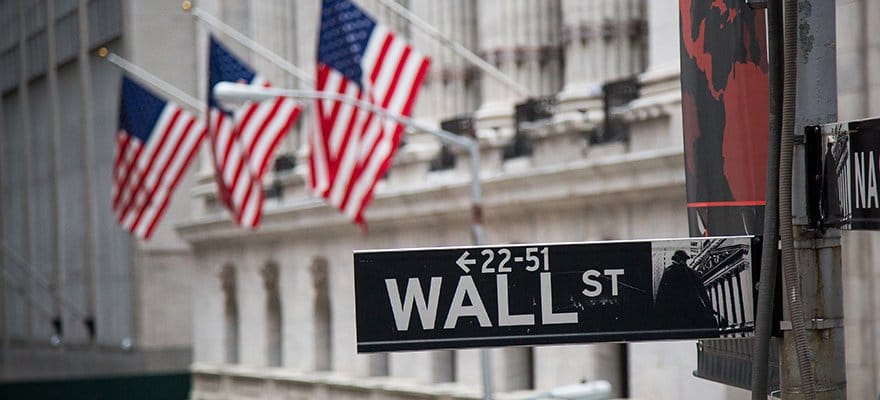
The latest challenges discussed in the US Senate hearing hint at changes to how future markets may operate.
The Dodd-Frank Act was the last major Wall Street Reform and signed by US President Barack Obama into law in 2010,
The United States government wants to make sure its regulatory agencies are keeping pace with the fast changing landscape of the US Equity markets – as a result of the numerous effects of technological innovation on market structure, and as regulations have traditionally lagged behind new approaches to financial market trading products - yet even more so in recent years.
While technology changes have always led the race, with regulatory rules lagging shortly behind, the gap may have widened over the last six years since the flash crash, as the pace of technology outpaced the ability of regulators to come up with scalable solutions for the diverse market structure which has become increasingly fragmented.
However, the SEC argues that it has also stepped up its pace considerably, in order to open up the gates for market participants to enter and compete, as discussed during a recent senate banking hearing last week.
Evolution of Execution Venues
Since the day of the flash crash on May 6th 2010, when faulty algorithms were to blame for trillions of dollars getting quickly wiped out, there’s been much that has changed before the market could rebound from the algorithm-driven spoofing. The market is fundamentally similar, but the challenge is larger, as there are nearly 3700 fee variables and 839 different fee schedules between participants (pricing models for rebates and fee agreements) as fierce competition in pricing and across trading venues ensued.
The sheer number of different fees schedules represents a highly fragmented market structure and those numbers were compiled based on a report from RBC Capital Markets that was cited during last week's Senate banking hearing. Other exchange business models such as that launched by IEX aim to counter some of the trends emphasized in the report.
While one firm's toxic flow is another firm's treasure, as the idiom goes, it's not so simple in equities (when compared to foreign exchange for example). For instance, there are so many types of liquidity qualities in US stock markets, depending on common trade flow metrics, including the needs of clients, the underlying securities, and among many other variables, that when combined they result in the need for an equally high number of diverse trading choices for participants.
In FX, this variance of liquidity needs can be seen - to a lesser degree - among retail manual and automated flow versus the trading flow from an institutional investor or a fund manager that employs a specific forex trading strategy with very specific execution needs, for example. To make these differences even more complex in US equities, according to a 2014 report, there are nearly 133 different order types across US market venues.
The different trading needs of low and high-frequency trading operations led to the growth of Alternative Trading Systems (ATS) and dark pools, yet fragmented away from the traditionally concentrated liquidity at National Market Systems (NMS), including the traditional venues.
While costs have come down, and major venues have jumped on the rebate/fee bandwagon (credits and debits that are kicked back in return for certain flow), this in turn has increased overall liquidity while squeezing spreads and fees down, as price competition escalated. However, the regulators are keen to get a hold of these areas, and the SEC wants to test a ban for 6 months on eliminating rebates for a number of securities and participants, to see the effect it would have on the market.
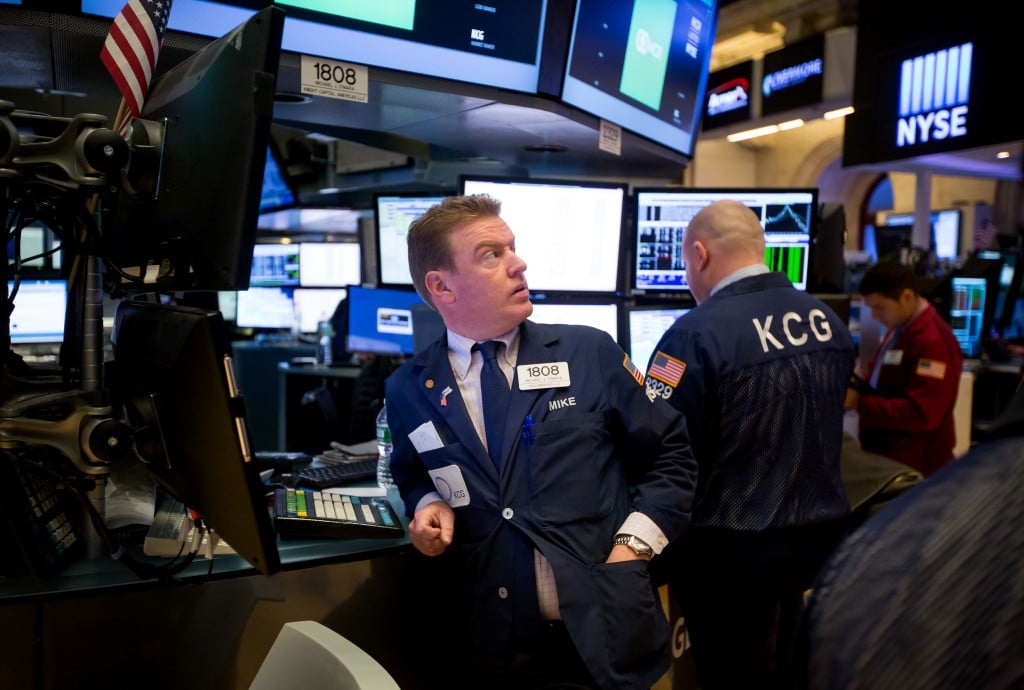
Traders work on the floor of the New York Stock Exchange (NYSE) in New York, U.S., on Monday, March 7, 2016. U.S. stocks fluctuated near two-month highs as commodity shares surged with crude oil, offsetting declines among technology and consumer companies as investors assessed China's growth prospects. Photographer: Michael Nagle/Bloomberg
Regulatory Goals
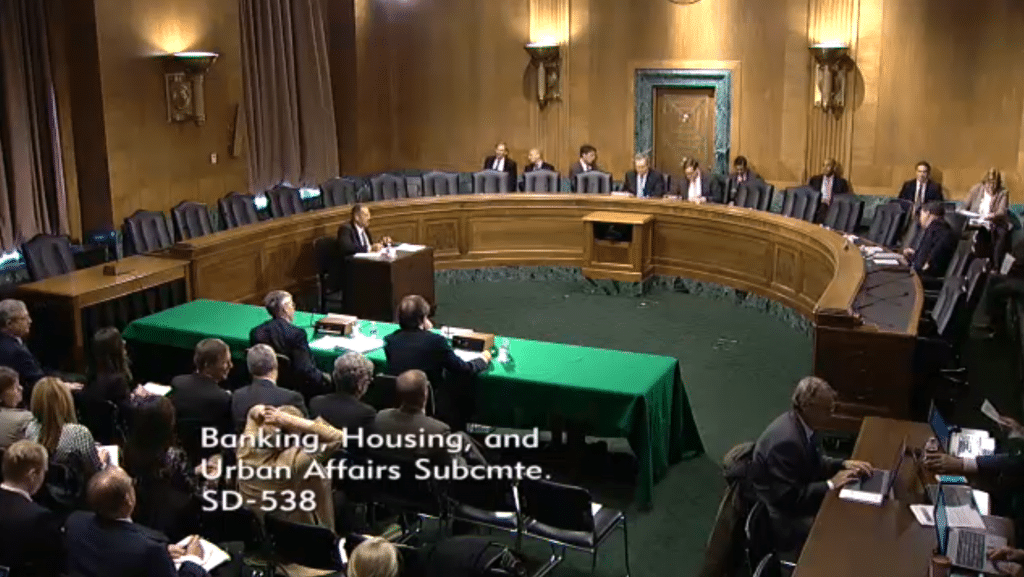
During last Thursday's Senate hearing, under the committee on Banking, Housing and Urban Affairs, through its subcommittee on Securities, Insurance and Investments, a meeting titled "Regulatory Reforms to Improve Equity Market Structure" was held.
The discussions covered key topics including defining Consolidated Audit Trail (CAT), market maker models, as well as addressing advisor misconduct, among other areas of concern discussed during the hearing with the SEC's Stephen Luparello, and FINRA Chairman Richard Ketchum.
Advisor misconduct was an area that FINRA's chief was grilled about by Senator Elizabeth Warren of Massachusetts after she said that nearly 20% of advisors had records of misconduct and thus didn't reflect an effective self-regulatory approach by FINRA to help enforce proper conduct. A recent study among other areas of concern related to client protection was cited. The discussion among committee members included algorithmic trading, fragmented markets, and administrative approaches towards the latter part of the hearing. FINRA's chief argued that the organization was effective at settling disputes and conducting related actions.
Whether the goal of the regulators is to standardize the fee structure guidelines, this is a parallel issue, along with the key themes of combating market abuse, defining a market-maker model as that role has had a broader application when compared with traditional market makers. Another key area is ensuring that a participant’s “secret sauce” isn’t to blame with regard to their algorithms (and any negative effect on market prices).
Secret Sauce
At the hearing last week, the SEC’s Luparello said that it’s key to understanding how algorithms are developed and employed when reconstructing what happens in markets during times of volatility, but that the SEC is sensitive to the idea that these codes are sometimes considered a firm's "secret sauce," as described in a follow-up post by FINRA.
At the same time, the administrative burden, and the degree to which any new changes could affect a firm’s operations also needs to be taken into consideration by the regulators, and seem to be the key issues that were reviewed during the hearing.
Prior to the hearing, a prominent association, the Securities Traders Association (STA), provided detailed comments in a letter dated February 26, 2016 that was addressed to the (SEC) Chairman, two commissioners, and a CFTC Director of Trading & Markets division. For background, the STA is comprised of 4200 professionals across 26 affiliate organizations currently chaired by a diverse board and association governors from senior industry people in the capital markets and financial services space.
The March 3rd 2016 hearing on “Regulatory Reforms to Improve Equity Market Structure.” Source: US Senate Committee Channel
"What's in your Algo?"
Among other changes, an SEC rule proposal that aims to amend the Securities Exchanges Act of 1934 with regard to Regulation ATS under proposal no. S7-23-15 would be applicable to currently 40 Alternative Trading Systems (ATS) that transact on National Market Systems (NMS) in the U.S that could be affected by the changes.
The STA suggested, in general, reframing the questions on one of the forms that is used by market participants (form ATS-N), changing questions into yes/no responses where possible to help lessen the degree of administrative burden while helping the agency achieve its mandates. The STA also suggested that the fee schedule part of filings be voluntary and that the agency should account for the effect that Form ATS-N has on firms described in the proposal as Multi-Service Broker-Dealers – and to make sure the enhanced filings requirements don’t create a conflict with commission directives. And finally, how the amendments to the form shouldn’t be made public until they are effective, among other suggestions noted in the letter.
During the hearing last week, Sen. Joe Donnelly of Indianapolis said that markets have become more complex, and Ketchum explained that the changes were driven by both advancing technology and the SEC’s efforts to reduce barriers to entry while promoting competition.
Disclosing trade ideas
Senator Donnelly said how liquidity today is provided by a range of algorithmic traders, and that markets are dramatically fragmented across a large number of exchanges and trading systems, and it creates issues in best execution.
Referring to a firm's algorithmic trading strategies as the “secret sauce,” the SEC further noted such trading recipes were proprietary in nature implying intellectual property rights and concerns, and refers to this “secret sauce” as books and records, subject to review, while FINRA pointed out that many algorithmic trading firms send orders to several broker-dealers in an attempt to hide strategies and manipulate the market.
Barry Bernstein Source: LinkedIn
Speaking to Finance Magnates, Barry Bernstein, a U.S. securities expert and former chairman of NeoNet Securities said: "Algorithmic Trading Strategies and HFT firms provide liquidity, and keep the spreads tight which could help investors, as these strategies can squeak out the inefficiencies in the market for a profit which is capitalism, and not illegal. However, if the strategies intention is market manipulation then that is illegal and should be stopped."
The Road Ahead
Mr. Bernstein added with regard to the current situation: "So how does looking at the 'Secret Sauce' determine this? And how would a regulator prove that the intention of a strategy was to harm investors, or create an unfair advantage? And the best question of all: What if an algorithm was intended to deceive but failed, and no market impact occurred? In the real world this would still be illegal (the intent to deceive), but in this self-regulated industry it would be difficult to prove. So, here we are years after the 2010 flash crash discussing the problem and still trying to find a solution. It seems to me that this area is in for a long debate and although market structure reform is a hot topic, there is no single solution."
With the US Presidential race and elections taking place this year, the new incoming US President will have to think through the ramifications of any changes to rules such as those proposed by the SEC, and how it will affect the future of the US Equity Markets, to keep America competitive. At the same time, this will set an example that other leading financial market centers and foreign regulators will likely become inspired by, thus affecting global markets in the future.
According to a recent article by the NY Times, RBC's Head of Electronic Trading Strategy Rich Steiner said regarding the developments: “When we trade we don’t even know what it will cost us.”
Clearly, the pricing issue is a massive one. And algorithmic trading, market fragmentation, the needs of regulators to aim towards harmony and market integrity - are all intertwined in the current challenges at hand.
The United States government wants to make sure its regulatory agencies are keeping pace with the fast changing landscape of the US Equity markets – as a result of the numerous effects of technological innovation on market structure, and as regulations have traditionally lagged behind new approaches to financial market trading products - yet even more so in recent years.
While technology changes have always led the race, with regulatory rules lagging shortly behind, the gap may have widened over the last six years since the flash crash, as the pace of technology outpaced the ability of regulators to come up with scalable solutions for the diverse market structure which has become increasingly fragmented.
However, the SEC argues that it has also stepped up its pace considerably, in order to open up the gates for market participants to enter and compete, as discussed during a recent senate banking hearing last week.
Evolution of Execution Venues
Since the day of the flash crash on May 6th 2010, when faulty algorithms were to blame for trillions of dollars getting quickly wiped out, there’s been much that has changed before the market could rebound from the algorithm-driven spoofing. The market is fundamentally similar, but the challenge is larger, as there are nearly 3700 fee variables and 839 different fee schedules between participants (pricing models for rebates and fee agreements) as fierce competition in pricing and across trading venues ensued.
The sheer number of different fees schedules represents a highly fragmented market structure and those numbers were compiled based on a report from RBC Capital Markets that was cited during last week's Senate banking hearing. Other exchange business models such as that launched by IEX aim to counter some of the trends emphasized in the report.
While one firm's toxic flow is another firm's treasure, as the idiom goes, it's not so simple in equities (when compared to foreign exchange for example). For instance, there are so many types of liquidity qualities in US stock markets, depending on common trade flow metrics, including the needs of clients, the underlying securities, and among many other variables, that when combined they result in the need for an equally high number of diverse trading choices for participants.
In FX, this variance of liquidity needs can be seen - to a lesser degree - among retail manual and automated flow versus the trading flow from an institutional investor or a fund manager that employs a specific forex trading strategy with very specific execution needs, for example. To make these differences even more complex in US equities, according to a 2014 report, there are nearly 133 different order types across US market venues.
The different trading needs of low and high-frequency trading operations led to the growth of Alternative Trading Systems (ATS) and dark pools, yet fragmented away from the traditionally concentrated liquidity at National Market Systems (NMS), including the traditional venues.
While costs have come down, and major venues have jumped on the rebate/fee bandwagon (credits and debits that are kicked back in return for certain flow), this in turn has increased overall liquidity while squeezing spreads and fees down, as price competition escalated. However, the regulators are keen to get a hold of these areas, and the SEC wants to test a ban for 6 months on eliminating rebates for a number of securities and participants, to see the effect it would have on the market.
Traders work on the floor of the New York Stock Exchange (NYSE) in New York, U.S., on Monday, March 7, 2016. U.S. stocks fluctuated near two-month highs as commodity shares surged with crude oil, offsetting declines among technology and consumer companies as investors assessed China's growth prospects. Photographer: Michael Nagle/Bloomberg
Regulatory Goals
During last Thursday's Senate hearing, under the committee on Banking, Housing and Urban Affairs, through its subcommittee on Securities, Insurance and Investments, a meeting titled "Regulatory Reforms to Improve Equity Market Structure" was held.
The discussions covered key topics including defining Consolidated Audit Trail (CAT), market maker models, as well as addressing advisor misconduct, among other areas of concern discussed during the hearing with the SEC's Stephen Luparello, and FINRA Chairman Richard Ketchum.
Advisor misconduct was an area that FINRA's chief was grilled about by Senator Elizabeth Warren of Massachusetts after she said that nearly 20% of advisors had records of misconduct and thus didn't reflect an effective self-regulatory approach by FINRA to help enforce proper conduct. A recent study among other areas of concern related to client protection was cited. The discussion among committee members included algorithmic trading, fragmented markets, and administrative approaches towards the latter part of the hearing. FINRA's chief argued that the organization was effective at settling disputes and conducting related actions.
Whether the goal of the regulators is to standardize the fee structure guidelines, this is a parallel issue, along with the key themes of combating market abuse, defining a market-maker model as that role has had a broader application when compared with traditional market makers. Another key area is ensuring that a participant’s “secret sauce” isn’t to blame with regard to their algorithms (and any negative effect on market prices).
Secret Sauce
At the hearing last week, the SEC’s Luparello said that it’s key to understanding how algorithms are developed and employed when reconstructing what happens in markets during times of volatility, but that the SEC is sensitive to the idea that these codes are sometimes considered a firm's "secret sauce," as described in a follow-up post by FINRA.
At the same time, the administrative burden, and the degree to which any new changes could affect a firm’s operations also needs to be taken into consideration by the regulators, and seem to be the key issues that were reviewed during the hearing.
Prior to the hearing, a prominent association, the Securities Traders Association (STA), provided detailed comments in a letter dated February 26, 2016 that was addressed to the (SEC) Chairman, two commissioners, and a CFTC Director of Trading & Markets division. For background, the STA is comprised of 4200 professionals across 26 affiliate organizations currently chaired by a diverse board and association governors from senior industry people in the capital markets and financial services space.
The March 3rd 2016 hearing on “Regulatory Reforms to Improve Equity Market Structure.” Source: US Senate Committee Channel
"What's in your Algo?"
Among other changes, an SEC rule proposal that aims to amend the Securities Exchanges Act of 1934 with regard to Regulation ATS under proposal no. S7-23-15 would be applicable to currently 40 Alternative Trading Systems (ATS) that transact on National Market Systems (NMS) in the U.S that could be affected by the changes.
The STA suggested, in general, reframing the questions on one of the forms that is used by market participants (form ATS-N), changing questions into yes/no responses where possible to help lessen the degree of administrative burden while helping the agency achieve its mandates. The STA also suggested that the fee schedule part of filings be voluntary and that the agency should account for the effect that Form ATS-N has on firms described in the proposal as Multi-Service Broker-Dealers – and to make sure the enhanced filings requirements don’t create a conflict with commission directives. And finally, how the amendments to the form shouldn’t be made public until they are effective, among other suggestions noted in the letter.
During the hearing last week, Sen. Joe Donnelly of Indianapolis said that markets have become more complex, and Ketchum explained that the changes were driven by both advancing technology and the SEC’s efforts to reduce barriers to entry while promoting competition.
Disclosing trade ideas
Senator Donnelly said how liquidity today is provided by a range of algorithmic traders, and that markets are dramatically fragmented across a large number of exchanges and trading systems, and it creates issues in best execution.
Referring to a firm's algorithmic trading strategies as the “secret sauce,” the SEC further noted such trading recipes were proprietary in nature implying intellectual property rights and concerns, and refers to this “secret sauce” as books and records, subject to review, while FINRA pointed out that many algorithmic trading firms send orders to several broker-dealers in an attempt to hide strategies and manipulate the market.
Barry Bernstein Source: LinkedIn
Speaking to Finance Magnates, Barry Bernstein, a U.S. securities expert and former chairman of NeoNet Securities said: "Algorithmic Trading Strategies and HFT firms provide liquidity, and keep the spreads tight which could help investors, as these strategies can squeak out the inefficiencies in the market for a profit which is capitalism, and not illegal. However, if the strategies intention is market manipulation then that is illegal and should be stopped."
The Road Ahead
Mr. Bernstein added with regard to the current situation: "So how does looking at the 'Secret Sauce' determine this? And how would a regulator prove that the intention of a strategy was to harm investors, or create an unfair advantage? And the best question of all: What if an algorithm was intended to deceive but failed, and no market impact occurred? In the real world this would still be illegal (the intent to deceive), but in this self-regulated industry it would be difficult to prove. So, here we are years after the 2010 flash crash discussing the problem and still trying to find a solution. It seems to me that this area is in for a long debate and although market structure reform is a hot topic, there is no single solution."
With the US Presidential race and elections taking place this year, the new incoming US President will have to think through the ramifications of any changes to rules such as those proposed by the SEC, and how it will affect the future of the US Equity Markets, to keep America competitive. At the same time, this will set an example that other leading financial market centers and foreign regulators will likely become inspired by, thus affecting global markets in the future.
According to a recent article by the NY Times, RBC's Head of Electronic Trading Strategy Rich Steiner said regarding the developments: “When we trade we don’t even know what it will cost us.”
Clearly, the pricing issue is a massive one. And algorithmic trading, market fragmentation, the needs of regulators to aim towards harmony and market integrity - are all intertwined in the current challenges at hand.
Singapore Independent Wealth Sector Has Less Than 10% Market Share, but Vast Room for Growth
Featured Videos
FP Markets Winner Spotlight 🏆 | Global Broker of the Year 2025 #Trading #Broker #Innovation #Shorts
FP Markets Winner Spotlight 🏆 | Global Broker of the Year 2025 #Trading #Broker #Innovation #Shorts
FP Markets Winner Spotlight 🏆 | Global Broker of the Year 2025 #Trading #Broker #Innovation #Shorts
FP Markets Winner Spotlight 🏆 | Global Broker of the Year 2025 #Trading #Broker #Innovation #Shorts
FP Markets takes the spotlight as Global Broker of the Year 2025 at the Finance Magnates Awards.
Martin Stoilov, Head of Client Experience, shares that trust, innovation, and people played a key role in the company’s success, supported by a strong foundation of integrity and client-centricity.
Following this milestone, FP Markets continues to focus on growth, technology investment, and its core values of transparency and excellence.
👉 Be part of FM Awards 2026: https://awards.financemagnates.com/#nominate
FP Markets takes the spotlight as Global Broker of the Year 2025 at the Finance Magnates Awards.
Martin Stoilov, Head of Client Experience, shares that trust, innovation, and people played a key role in the company’s success, supported by a strong foundation of integrity and client-centricity.
Following this milestone, FP Markets continues to focus on growth, technology investment, and its core values of transparency and excellence.
👉 Be part of FM Awards 2026: https://awards.financemagnates.com/#nominate
FP Markets takes the spotlight as Global Broker of the Year 2025 at the Finance Magnates Awards.
Martin Stoilov, Head of Client Experience, shares that trust, innovation, and people played a key role in the company’s success, supported by a strong foundation of integrity and client-centricity.
Following this milestone, FP Markets continues to focus on growth, technology investment, and its core values of transparency and excellence.
👉 Be part of FM Awards 2026: https://awards.financemagnates.com/#nominate
FP Markets takes the spotlight as Global Broker of the Year 2025 at the Finance Magnates Awards.
Martin Stoilov, Head of Client Experience, shares that trust, innovation, and people played a key role in the company’s success, supported by a strong foundation of integrity and client-centricity.
Following this milestone, FP Markets continues to focus on growth, technology investment, and its core values of transparency and excellence.
👉 Be part of FM Awards 2026: https://awards.financemagnates.com/#nominate
In this video, we review @HolaPrimeMarketsOfficial, a multi-asset forex and CFDs broker offering different account types, trading platforms, and flexible trading conditions.
We cover the broker’s overall offering, including account options, trading environment, platforms like MT4 and MT5, and additional services such as managed accounts and fast withdrawals.
Watch the full video to see if Hola Prime Markets fits your trading needs.
📣 Stay up to date with the latest in finance and trading. Follow Finance Magnates for industry news, insights, and global event coverage.
Connect with us:
🔗 LinkedIn: /financemagnates
👍 Facebook: /financemagnates
📸 Instagram: https://www.instagram.com/financemagnates
🐦 X: https://x.com/financemagnates
🎥 TikTok: https://www.tiktok.com/tag/financemagnates
▶️ YouTube: /@financemagnates_official
#HolaPrime #ForexBroker #CFDTrading #FinanceMagnates #Trading #Forex #BrokerReview
In this video, we review @HolaPrimeMarketsOfficial, a multi-asset forex and CFDs broker offering different account types, trading platforms, and flexible trading conditions.
We cover the broker’s overall offering, including account options, trading environment, platforms like MT4 and MT5, and additional services such as managed accounts and fast withdrawals.
Watch the full video to see if Hola Prime Markets fits your trading needs.
📣 Stay up to date with the latest in finance and trading. Follow Finance Magnates for industry news, insights, and global event coverage.
Connect with us:
🔗 LinkedIn: /financemagnates
👍 Facebook: /financemagnates
📸 Instagram: https://www.instagram.com/financemagnates
🐦 X: https://x.com/financemagnates
🎥 TikTok: https://www.tiktok.com/tag/financemagnates
▶️ YouTube: /@financemagnates_official
#HolaPrime #ForexBroker #CFDTrading #FinanceMagnates #Trading #Forex #BrokerReview
In this video, we review @HolaPrimeMarketsOfficial, a multi-asset forex and CFDs broker offering different account types, trading platforms, and flexible trading conditions.
We cover the broker’s overall offering, including account options, trading environment, platforms like MT4 and MT5, and additional services such as managed accounts and fast withdrawals.
Watch the full video to see if Hola Prime Markets fits your trading needs.
📣 Stay up to date with the latest in finance and trading. Follow Finance Magnates for industry news, insights, and global event coverage.
Connect with us:
🔗 LinkedIn: /financemagnates
👍 Facebook: /financemagnates
📸 Instagram: https://www.instagram.com/financemagnates
🐦 X: https://x.com/financemagnates
🎥 TikTok: https://www.tiktok.com/tag/financemagnates
▶️ YouTube: /@financemagnates_official
#HolaPrime #ForexBroker #CFDTrading #FinanceMagnates #Trading #Forex #BrokerReview
In this video, we review @HolaPrimeMarketsOfficial, a multi-asset forex and CFDs broker offering different account types, trading platforms, and flexible trading conditions.
We cover the broker’s overall offering, including account options, trading environment, platforms like MT4 and MT5, and additional services such as managed accounts and fast withdrawals.
Watch the full video to see if Hola Prime Markets fits your trading needs.
📣 Stay up to date with the latest in finance and trading. Follow Finance Magnates for industry news, insights, and global event coverage.
Connect with us:
🔗 LinkedIn: /financemagnates
👍 Facebook: /financemagnates
📸 Instagram: https://www.instagram.com/financemagnates
🐦 X: https://x.com/financemagnates
🎥 TikTok: https://www.tiktok.com/tag/financemagnates
▶️ YouTube: /@financemagnates_official
#HolaPrime #ForexBroker #CFDTrading #FinanceMagnates #Trading #Forex #BrokerReview
In this video, we review @HolaPrimeMarketsOfficial, a multi-asset forex and CFDs broker offering different account types, trading platforms, and flexible trading conditions.
We cover the broker’s overall offering, including account options, trading environment, platforms like MT4 and MT5, and additional services such as managed accounts and fast withdrawals.
Watch the full video to see if Hola Prime Markets fits your trading needs.
📣 Stay up to date with the latest in finance and trading. Follow Finance Magnates for industry news, insights, and global event coverage.
Connect with us:
🔗 LinkedIn: /financemagnates
👍 Facebook: /financemagnates
📸 Instagram: https://www.instagram.com/financemagnates
🐦 X: https://x.com/financemagnates
🎥 TikTok: https://www.tiktok.com/tag/financemagnates
▶️ YouTube: /@financemagnates_official
#HolaPrime #ForexBroker #CFDTrading #FinanceMagnates #Trading #Forex #BrokerReview
In this video, we review @HolaPrimeMarketsOfficial, a multi-asset forex and CFDs broker offering different account types, trading platforms, and flexible trading conditions.
We cover the broker’s overall offering, including account options, trading environment, platforms like MT4 and MT5, and additional services such as managed accounts and fast withdrawals.
Watch the full video to see if Hola Prime Markets fits your trading needs.
📣 Stay up to date with the latest in finance and trading. Follow Finance Magnates for industry news, insights, and global event coverage.
Connect with us:
🔗 LinkedIn: /financemagnates
👍 Facebook: /financemagnates
📸 Instagram: https://www.instagram.com/financemagnates
🐦 X: https://x.com/financemagnates
🎥 TikTok: https://www.tiktok.com/tag/financemagnates
▶️ YouTube: /@financemagnates_official
#HolaPrime #ForexBroker #CFDTrading #FinanceMagnates #Trading #Forex #BrokerReview
Hola Prime Review: What You Need to Know | Full Breakdown by Finance Magnates
Hola Prime Review: What You Need to Know | Full Breakdown by Finance Magnates
Hola Prime Review: What You Need to Know | Full Breakdown by Finance Magnates
Hola Prime Review: What You Need to Know | Full Breakdown by Finance Magnates
Hola Prime Review: What You Need to Know | Full Breakdown by Finance Magnates
Hola Prime Review: What You Need to Know | Full Breakdown by Finance Magnates
In this video, we review @HolaPrime_Global, a proprietary trading firm offering evaluation programs and performance-based payouts in simulated market environments.
We cover how the challenge model works, including account types, profit splits (up to 95%), trading rules, and what it takes to reach a funded account. You’ll also learn about available platforms like MT4, MT5, cTrader, and more, along with insights into payouts, support, and trading conditions.
Watch the full video to see if Hola Prime fits your trading style.
📣 Stay up to date with the latest in finance and trading. Follow Finance Magnates for industry news, insights, and global event coverage.
Connect with us:
🔗 LinkedIn: /financemagnates
👍 Facebook: /financemagnates
📸 Instagram: https://www.instagram.com/financemagnates
🐦 X: https://x.com/financemagnates
🎥 TikTok: https://www.tiktok.com/tag/financemagnates
▶️ YouTube: /@financemagnates_official
#HolaPrime #PropFirm #Trading #FinanceMagnates #Forex #FuturesTrading #TradingReview #PropFirmReview
In this video, we review @HolaPrime_Global, a proprietary trading firm offering evaluation programs and performance-based payouts in simulated market environments.
We cover how the challenge model works, including account types, profit splits (up to 95%), trading rules, and what it takes to reach a funded account. You’ll also learn about available platforms like MT4, MT5, cTrader, and more, along with insights into payouts, support, and trading conditions.
Watch the full video to see if Hola Prime fits your trading style.
📣 Stay up to date with the latest in finance and trading. Follow Finance Magnates for industry news, insights, and global event coverage.
Connect with us:
🔗 LinkedIn: /financemagnates
👍 Facebook: /financemagnates
📸 Instagram: https://www.instagram.com/financemagnates
🐦 X: https://x.com/financemagnates
🎥 TikTok: https://www.tiktok.com/tag/financemagnates
▶️ YouTube: /@financemagnates_official
#HolaPrime #PropFirm #Trading #FinanceMagnates #Forex #FuturesTrading #TradingReview #PropFirmReview
In this video, we review @HolaPrime_Global, a proprietary trading firm offering evaluation programs and performance-based payouts in simulated market environments.
We cover how the challenge model works, including account types, profit splits (up to 95%), trading rules, and what it takes to reach a funded account. You’ll also learn about available platforms like MT4, MT5, cTrader, and more, along with insights into payouts, support, and trading conditions.
Watch the full video to see if Hola Prime fits your trading style.
📣 Stay up to date with the latest in finance and trading. Follow Finance Magnates for industry news, insights, and global event coverage.
Connect with us:
🔗 LinkedIn: /financemagnates
👍 Facebook: /financemagnates
📸 Instagram: https://www.instagram.com/financemagnates
🐦 X: https://x.com/financemagnates
🎥 TikTok: https://www.tiktok.com/tag/financemagnates
▶️ YouTube: /@financemagnates_official
#HolaPrime #PropFirm #Trading #FinanceMagnates #Forex #FuturesTrading #TradingReview #PropFirmReview
In this video, we review @HolaPrime_Global, a proprietary trading firm offering evaluation programs and performance-based payouts in simulated market environments.
We cover how the challenge model works, including account types, profit splits (up to 95%), trading rules, and what it takes to reach a funded account. You’ll also learn about available platforms like MT4, MT5, cTrader, and more, along with insights into payouts, support, and trading conditions.
Watch the full video to see if Hola Prime fits your trading style.
📣 Stay up to date with the latest in finance and trading. Follow Finance Magnates for industry news, insights, and global event coverage.
Connect with us:
🔗 LinkedIn: /financemagnates
👍 Facebook: /financemagnates
📸 Instagram: https://www.instagram.com/financemagnates
🐦 X: https://x.com/financemagnates
🎥 TikTok: https://www.tiktok.com/tag/financemagnates
▶️ YouTube: /@financemagnates_official
#HolaPrime #PropFirm #Trading #FinanceMagnates #Forex #FuturesTrading #TradingReview #PropFirmReview
In this video, we review @HolaPrime_Global, a proprietary trading firm offering evaluation programs and performance-based payouts in simulated market environments.
We cover how the challenge model works, including account types, profit splits (up to 95%), trading rules, and what it takes to reach a funded account. You’ll also learn about available platforms like MT4, MT5, cTrader, and more, along with insights into payouts, support, and trading conditions.
Watch the full video to see if Hola Prime fits your trading style.
📣 Stay up to date with the latest in finance and trading. Follow Finance Magnates for industry news, insights, and global event coverage.
Connect with us:
🔗 LinkedIn: /financemagnates
👍 Facebook: /financemagnates
📸 Instagram: https://www.instagram.com/financemagnates
🐦 X: https://x.com/financemagnates
🎥 TikTok: https://www.tiktok.com/tag/financemagnates
▶️ YouTube: /@financemagnates_official
#HolaPrime #PropFirm #Trading #FinanceMagnates #Forex #FuturesTrading #TradingReview #PropFirmReview
In this video, we review @HolaPrime_Global, a proprietary trading firm offering evaluation programs and performance-based payouts in simulated market environments.
We cover how the challenge model works, including account types, profit splits (up to 95%), trading rules, and what it takes to reach a funded account. You’ll also learn about available platforms like MT4, MT5, cTrader, and more, along with insights into payouts, support, and trading conditions.
Watch the full video to see if Hola Prime fits your trading style.
📣 Stay up to date with the latest in finance and trading. Follow Finance Magnates for industry news, insights, and global event coverage.
Connect with us:
🔗 LinkedIn: /financemagnates
👍 Facebook: /financemagnates
📸 Instagram: https://www.instagram.com/financemagnates
🐦 X: https://x.com/financemagnates
🎥 TikTok: https://www.tiktok.com/tag/financemagnates
▶️ YouTube: /@financemagnates_official
#HolaPrime #PropFirm #Trading #FinanceMagnates #Forex #FuturesTrading #TradingReview #PropFirmReview
Axi Winner Spotlight 🏆 | Global Most Innovative Broker 2025 #Innovation #Trading #Fintech #Broker
Axi Winner Spotlight 🏆 | Global Most Innovative Broker 2025 #Innovation #Trading #Fintech #Broker
Axi Winner Spotlight 🏆 | Global Most Innovative Broker 2025 #Innovation #Trading #Fintech #Broker
Axi Winner Spotlight 🏆 | Global Most Innovative Broker 2025 #Innovation #Trading #Fintech #Broker
Axi Winner Spotlight 🏆 | Global Most Innovative Broker 2025 #Innovation #Trading #Fintech #Broker
Axi Winner Spotlight 🏆 | Global Most Innovative Broker 2025 #Innovation #Trading #Fintech #Broker
Axi takes the spotlight at the Finance Magnates Awards, winning Global Most Innovative Broker 2025.
Olivia Xenofontos and Ivanna Openko share how the team will feel: proud, motivated, and ready to keep delivering.
They also describe the night as well-organized, focused, and enjoyable for all.
👉 Be part of FM Awards 2026.
Axi takes the spotlight at the Finance Magnates Awards, winning Global Most Innovative Broker 2025.
Olivia Xenofontos and Ivanna Openko share how the team will feel: proud, motivated, and ready to keep delivering.
They also describe the night as well-organized, focused, and enjoyable for all.
👉 Be part of FM Awards 2026.
Axi takes the spotlight at the Finance Magnates Awards, winning Global Most Innovative Broker 2025.
Olivia Xenofontos and Ivanna Openko share how the team will feel: proud, motivated, and ready to keep delivering.
They also describe the night as well-organized, focused, and enjoyable for all.
👉 Be part of FM Awards 2026.
Axi takes the spotlight at the Finance Magnates Awards, winning Global Most Innovative Broker 2025.
Olivia Xenofontos and Ivanna Openko share how the team will feel: proud, motivated, and ready to keep delivering.
They also describe the night as well-organized, focused, and enjoyable for all.
👉 Be part of FM Awards 2026.
Axi takes the spotlight at the Finance Magnates Awards, winning Global Most Innovative Broker 2025.
Olivia Xenofontos and Ivanna Openko share how the team will feel: proud, motivated, and ready to keep delivering.
They also describe the night as well-organized, focused, and enjoyable for all.
👉 Be part of FM Awards 2026.
Axi takes the spotlight at the Finance Magnates Awards, winning Global Most Innovative Broker 2025.
Olivia Xenofontos and Ivanna Openko share how the team will feel: proud, motivated, and ready to keep delivering.
They also describe the night as well-organized, focused, and enjoyable for all.
👉 Be part of FM Awards 2026.
Recognition that matters.
Built on transparency.
Driven by the industry.
The Finance Magnates Awards 2026.
Nominations are now open.
🔗 https://awards.financemagnates.com/?utm_source=SM&utm_medium=social&utm_campaign=recognition-matters
Recognition that matters.
Built on transparency.
Driven by the industry.
The Finance Magnates Awards 2026.
Nominations are now open.
🔗 https://awards.financemagnates.com/?utm_source=SM&utm_medium=social&utm_campaign=recognition-matters
Recognition that matters.
Built on transparency.
Driven by the industry.
The Finance Magnates Awards 2026.
Nominations are now open.
🔗 https://awards.financemagnates.com/?utm_source=SM&utm_medium=social&utm_campaign=recognition-matters
Recognition that matters.
Built on transparency.
Driven by the industry.
The Finance Magnates Awards 2026.
Nominations are now open.
🔗 https://awards.financemagnates.com/?utm_source=SM&utm_medium=social&utm_campaign=recognition-matters
Recognition that matters.
Built on transparency.
Driven by the industry.
The Finance Magnates Awards 2026.
Nominations are now open.
🔗 https://awards.financemagnates.com/?utm_source=SM&utm_medium=social&utm_campaign=recognition-matters
Recognition that matters.
Built on transparency.
Driven by the industry.
The Finance Magnates Awards 2026.
Nominations are now open.
🔗 https://awards.financemagnates.com/?utm_source=SM&utm_medium=social&utm_campaign=recognition-matters