Finance Magnates talks to market structure reform campaigner Haim Bodek on his latest book and future efforts, including becoming an 'algo bounty hunter'.
Haim Bodek is somewhat of a celebrity whistleblower in the US’ raging market structure debate. Having worked in the industry at investment banks such as UBS and Goldman Sachs, he went on to found his own high frequency trading (HFT) firm, Trading Machines.
That’s when the trouble started.
His allegations of wrongdoing, which essentially revealed that certain HFT firms had handshake deals with exchanges for preferential treatment, ultimately led to the largest fine handed down by the SEC against an exchange - $14 million against BATS Global Markets for legacy Direct Edge complaints.
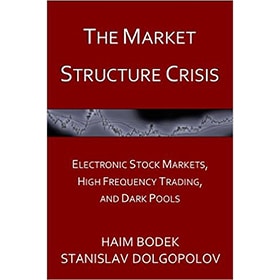
Bodek has since established a research and consulting firm, Decimus Capital Markets, and become a vocal commentator, publishing “The Problem of HFT” in 2013, a book that details the loopholes some HFT firms take advantage of by using special order types, and, most recently, “The Market Structure Crisis: Electronic Stock Markets, High Frequency Trading, and Dark Pools”, co-authored with Stanislav Dolgopolov.
It makes 20 predictions for the future of market structure challenges currently being tackled in the US, an analysis backed by presented evidence from a variety of regulatory enforcement actions and class action lawsuits across the financial industry targeting market participants such as exchanges and investment bank trading venues.
What really started out as a push for market reform in 2010/11, really started to sink in to become an enforcement issue.
“The book is really tracking where the regulators and litigators are heading with regard to what we call the market structure crisis,” Bodek said. “What really started out as a push for market reform in 2010/11, really started to sink in to become an enforcement issue.”
It was scrutinized by legislators during a 2014 senate hearing, with testimony provided by Robert Battalio, Professor of Finance at the University of Notre Dame. His team’s research suggests that maker-taker arrangements create incentives that affect how orders are routed, giving rise to a conflict of interest in terms of best execution. Battalio’s testimony was supported by Brad Katsuyama, president and CEO of the dark pool, IEX, featured as a protagonist in Michael Lewis’ “Flash Boys”.
“Allowing firms to get captive order flow and trade against that order flow without competition is being noticed by regulators, and some of these class action lawsuits, as a potential breach of the fiduciary duty of best execution,” Bodek said. “Battalio made compelling claims that retail brokers were disadvantaging their customers by trying to route in a way that maximized rebates in a manner where none of the economics passed through to customers at a variety of retail brokers.”
The result is that major brokers like TD Ameritrade ended up routing all of their non-marketable limit orders to Direct Edge, which paid the highest maker-taker rebate, and the argument is: how could that be consistent with the goals of best execution?
Haim Bodek, Founder and Managing Principal, Decimus Capital Markets
The debate has not really tracked the enforcement cases as closely as it should. Every time one of these cases comes out, it’s like the industry doesn’t want to talk about it.
Bodek goes a bit further: “I would argue that it’s really a damages model. These practices have come up a number of times ever since Bernie Madoff (former Chairman of Nasdaq convicted for operating a multi-billion Ponzi scheme) championed these practices. They’ve been under a periodic attack by litigators, but this time might be different, we might see some change in this space.”
The point is, says Bodek, that the US has seen a huge number of unprecedented market structure litigation as the financial market watchdogs, the SEC (Securities and Exchange Commission) and CFTC (Commodity Futures Trading Commission), weigh in and draw a line in the sand between market reform and enforcement.
“The debate has not really tracked the enforcement cases as closely as it should. Every time one of these cases comes out, it’s like the industry doesn’t want to talk about it,” Bodek said. “What we are saying in this book is there are and have been major systematic asymmetries within the market, where one class of participants has some kind of unfair advantage over others.”
For a long time, the industry tried to discredit the allegations, claiming that the market reform movement was clutching at straws, Bodek added, but that has been turned upside down by some 20 enforcement actions related to market structure issues.
This could be a trading venue providing illegal order types to high frequency traders without telling customers about it, which found UBS slapped with a $14.4 million fine, or a brokerage and tech firm running a secret trading desk and abusing confidential customer information, which ended up in a $20.3 million fine for ITG (Investment Technology Group).
And more is coming. “What we have now is reports of an entire new tier of settlements for activity that is not settled yet, we hear that there could be a combined fine of upwards of $150 million for Barclays and Credit Suisse, basically bringing to a conclusion both SEC and New York Attorney General investigations.”
There’s also an important evolution afoot, says Bodek: “What you’re seeing is the shift from enforcement actions to litigation.” This means that a flashing alarm should be going off for anyone with exposure or investments in trading venues, broker-dealers, and connectivity providers.
“These events have not been covered in a coherent manner by the press. Stanislav (Dolgopolov, co-author) and I were being asked to do the same work over and over, to pull together all the information on enforcement and litigation, and what we have tried to do is to make a complete overview of the significant changes in the regulatory environment and in the litigation world with regard to high frequency trading. We’re providing the history and showing that regulatory and legal risk in the market structure space is at an all-time high.”
One of the big surprises for Bodek has been becoming a sort-of ‘algo bounty hunter’.
Bodek’s firm, Decimus Capital Markets also publishes more comprehensive research in this area, some of which is made freely to policymakers and regulators, or sold to the industry.
It’s one of the main business areas Bodek has focused on since being outed as an SEC whistleblower, along with other independent work, consulting on trading technology or litigation issues for example. He’s also planning to go back to high frequency trading at some point.
But one of the big surprises for Bodek has been becoming a sort-of ‘algo bounty hunter’.
In the US, the SEC’s whistleblower program pays out between 10% and 30% of a fine to anyone providing information leading to the enforcement action. The program has its bureaucratic elements, with whistleblowers sometimes waiting significant periods of time before being paid out while the SEC considers and makes decisions across all applicants who believe they should receive an award.
Still, it is a ground-breaking way forward in the regulatory landscape. It’s also led to an unexpected business opportunity for people like Haim Bodek.
“In the last two years, we put together whistleblower teams of insiders, each of which has a piece of the puzzle to create a more compelling kind of slam dunk whistleblower case,” Bodek said. “We’ve gone after some very large targets. I can say at this point that these whistleblower team submissions have been as successful, or even more so, as the order type scandal case I am known for in the press.”
Bodek declined to provide specific details, but did say that the practices he is watching “tend to mirror what we are seeing the regulators move on”.
“I have kind of turned away from exchanges and HFTs, and am looking at other types of bad actors in the market, and also looking at exposing issues related to broker-dealer activity that negatively impacts customers. And there’s been a number of regulatory actions against algorithmic spoofers, and firms that use a combination of human and trader, and automation, to create a very high volume manipulation activity.”
“These whistleblower teams are something that we’re focusing on and we think it is a kind of game-changer.”
Haim Bodek is somewhat of a celebrity whistleblower in the US’ raging market structure debate. Having worked in the industry at investment banks such as UBS and Goldman Sachs, he went on to found his own high frequency trading (HFT) firm, Trading Machines.
That’s when the trouble started.
His allegations of wrongdoing, which essentially revealed that certain HFT firms had handshake deals with exchanges for preferential treatment, ultimately led to the largest fine handed down by the SEC against an exchange - $14 million against BATS Global Markets for legacy Direct Edge complaints.
Bodek has since established a research and consulting firm, Decimus Capital Markets, and become a vocal commentator, publishing “The Problem of HFT” in 2013, a book that details the loopholes some HFT firms take advantage of by using special order types, and, most recently, “The Market Structure Crisis: Electronic Stock Markets, High Frequency Trading, and Dark Pools”, co-authored with Stanislav Dolgopolov.
It makes 20 predictions for the future of market structure challenges currently being tackled in the US, an analysis backed by presented evidence from a variety of regulatory enforcement actions and class action lawsuits across the financial industry targeting market participants such as exchanges and investment bank trading venues.
What really started out as a push for market reform in 2010/11, really started to sink in to become an enforcement issue.
“The book is really tracking where the regulators and litigators are heading with regard to what we call the market structure crisis,” Bodek said. “What really started out as a push for market reform in 2010/11, really started to sink in to become an enforcement issue.”
It was scrutinized by legislators during a 2014 senate hearing, with testimony provided by Robert Battalio, Professor of Finance at the University of Notre Dame. His team’s research suggests that maker-taker arrangements create incentives that affect how orders are routed, giving rise to a conflict of interest in terms of best execution. Battalio’s testimony was supported by Brad Katsuyama, president and CEO of the dark pool, IEX, featured as a protagonist in Michael Lewis’ “Flash Boys”.
“Allowing firms to get captive order flow and trade against that order flow without competition is being noticed by regulators, and some of these class action lawsuits, as a potential breach of the fiduciary duty of best execution,” Bodek said. “Battalio made compelling claims that retail brokers were disadvantaging their customers by trying to route in a way that maximized rebates in a manner where none of the economics passed through to customers at a variety of retail brokers.”
The result is that major brokers like TD Ameritrade ended up routing all of their non-marketable limit orders to Direct Edge, which paid the highest maker-taker rebate, and the argument is: how could that be consistent with the goals of best execution?
Haim Bodek, Founder and Managing Principal, Decimus Capital Markets
The debate has not really tracked the enforcement cases as closely as it should. Every time one of these cases comes out, it’s like the industry doesn’t want to talk about it.
Bodek goes a bit further: “I would argue that it’s really a damages model. These practices have come up a number of times ever since Bernie Madoff (former Chairman of Nasdaq convicted for operating a multi-billion Ponzi scheme) championed these practices. They’ve been under a periodic attack by litigators, but this time might be different, we might see some change in this space.”
The point is, says Bodek, that the US has seen a huge number of unprecedented market structure litigation as the financial market watchdogs, the SEC (Securities and Exchange Commission) and CFTC (Commodity Futures Trading Commission), weigh in and draw a line in the sand between market reform and enforcement.
“The debate has not really tracked the enforcement cases as closely as it should. Every time one of these cases comes out, it’s like the industry doesn’t want to talk about it,” Bodek said. “What we are saying in this book is there are and have been major systematic asymmetries within the market, where one class of participants has some kind of unfair advantage over others.”
For a long time, the industry tried to discredit the allegations, claiming that the market reform movement was clutching at straws, Bodek added, but that has been turned upside down by some 20 enforcement actions related to market structure issues.
This could be a trading venue providing illegal order types to high frequency traders without telling customers about it, which found UBS slapped with a $14.4 million fine, or a brokerage and tech firm running a secret trading desk and abusing confidential customer information, which ended up in a $20.3 million fine for ITG (Investment Technology Group).
And more is coming. “What we have now is reports of an entire new tier of settlements for activity that is not settled yet, we hear that there could be a combined fine of upwards of $150 million for Barclays and Credit Suisse, basically bringing to a conclusion both SEC and New York Attorney General investigations.”
There’s also an important evolution afoot, says Bodek: “What you’re seeing is the shift from enforcement actions to litigation.” This means that a flashing alarm should be going off for anyone with exposure or investments in trading venues, broker-dealers, and connectivity providers.
“These events have not been covered in a coherent manner by the press. Stanislav (Dolgopolov, co-author) and I were being asked to do the same work over and over, to pull together all the information on enforcement and litigation, and what we have tried to do is to make a complete overview of the significant changes in the regulatory environment and in the litigation world with regard to high frequency trading. We’re providing the history and showing that regulatory and legal risk in the market structure space is at an all-time high.”
One of the big surprises for Bodek has been becoming a sort-of ‘algo bounty hunter’.
Bodek’s firm, Decimus Capital Markets also publishes more comprehensive research in this area, some of which is made freely to policymakers and regulators, or sold to the industry.
It’s one of the main business areas Bodek has focused on since being outed as an SEC whistleblower, along with other independent work, consulting on trading technology or litigation issues for example. He’s also planning to go back to high frequency trading at some point.
But one of the big surprises for Bodek has been becoming a sort-of ‘algo bounty hunter’.
In the US, the SEC’s whistleblower program pays out between 10% and 30% of a fine to anyone providing information leading to the enforcement action. The program has its bureaucratic elements, with whistleblowers sometimes waiting significant periods of time before being paid out while the SEC considers and makes decisions across all applicants who believe they should receive an award.
Still, it is a ground-breaking way forward in the regulatory landscape. It’s also led to an unexpected business opportunity for people like Haim Bodek.
“In the last two years, we put together whistleblower teams of insiders, each of which has a piece of the puzzle to create a more compelling kind of slam dunk whistleblower case,” Bodek said. “We’ve gone after some very large targets. I can say at this point that these whistleblower team submissions have been as successful, or even more so, as the order type scandal case I am known for in the press.”
Bodek declined to provide specific details, but did say that the practices he is watching “tend to mirror what we are seeing the regulators move on”.
“I have kind of turned away from exchanges and HFTs, and am looking at other types of bad actors in the market, and also looking at exposing issues related to broker-dealer activity that negatively impacts customers. And there’s been a number of regulatory actions against algorithmic spoofers, and firms that use a combination of human and trader, and automation, to create a very high volume manipulation activity.”
“These whistleblower teams are something that we’re focusing on and we think it is a kind of game-changer.”
GTC Prime Adds Centroid Bridge as Multi-Asset Liquidity Distribution Channel
Featured Videos
FXCM UK Holds $110m in Client Money; IG CEO Questions Prediction Market Volumes
FXCM UK Holds $110m in Client Money; IG CEO Questions Prediction Market Volumes
FXCM UK Holds $110m in Client Money; IG CEO Questions Prediction Market Volumes
FXCM UK Holds $110m in Client Money; IG CEO Questions Prediction Market Volumes
Today’s financial news recap covers FXCM's UK arm holds $110 million in client money ahead of its sale to Trade Nation, Citadel Securities' UK profit falls 38 per cent, and Kraken secures its final Dubai crypto licence.
Finance Magnates Daily Recap brings you the latest news from forex and CFD brokers, fintech, payments, cryptocurrency, digital assets, trading platforms, financial regulation and global markets.
Get the key company news, executive moves, deals, regulatory updates and market developments of the day, in just a few minutes. New episodes published every weekday.
Read more: https://www.financemagnates.com
#FinanceMagnates #ForexNews #FintechNews
Today’s financial news recap covers FXCM's UK arm holds $110 million in client money ahead of its sale to Trade Nation, Citadel Securities' UK profit falls 38 per cent, and Kraken secures its final Dubai crypto licence.
Finance Magnates Daily Recap brings you the latest news from forex and CFD brokers, fintech, payments, cryptocurrency, digital assets, trading platforms, financial regulation and global markets.
Get the key company news, executive moves, deals, regulatory updates and market developments of the day, in just a few minutes. New episodes published every weekday.
Read more: https://www.financemagnates.com
#FinanceMagnates #ForexNews #FintechNews
Today’s financial news recap covers FXCM's UK arm holds $110 million in client money ahead of its sale to Trade Nation, Citadel Securities' UK profit falls 38 per cent, and Kraken secures its final Dubai crypto licence.
Finance Magnates Daily Recap brings you the latest news from forex and CFD brokers, fintech, payments, cryptocurrency, digital assets, trading platforms, financial regulation and global markets.
Get the key company news, executive moves, deals, regulatory updates and market developments of the day, in just a few minutes. New episodes published every weekday.
Read more: https://www.financemagnates.com
#FinanceMagnates #ForexNews #FintechNews
Today’s financial news recap covers FXCM's UK arm holds $110 million in client money ahead of its sale to Trade Nation, Citadel Securities' UK profit falls 38 per cent, and Kraken secures its final Dubai crypto licence.
Finance Magnates Daily Recap brings you the latest news from forex and CFD brokers, fintech, payments, cryptocurrency, digital assets, trading platforms, financial regulation and global markets.
Get the key company news, executive moves, deals, regulatory updates and market developments of the day, in just a few minutes. New episodes published every weekday.
Read more: https://www.financemagnates.com
#FinanceMagnates #ForexNews #FintechNews
Today’s financial news recap covers AvaTrade agrees to acquire most of FXCM, NAGA secures eight million dollars in new financing, and Wise seeks a tax settlement in the UK.
Finance Magnates Daily Recap brings you the latest news from forex and CFD brokers, fintech, payments, cryptocurrency, digital assets, trading platforms, financial regulation and global markets.
Get the key company news, executive moves, deals, regulatory updates and market developments of the day, in just a few minutes. New episodes published every weekday.
Read more: https://www.financemagnates.com
#FinanceMagnates #ForexNews #FintechNews
Today’s financial news recap covers AvaTrade agrees to acquire most of FXCM, NAGA secures eight million dollars in new financing, and Wise seeks a tax settlement in the UK.
Finance Magnates Daily Recap brings you the latest news from forex and CFD brokers, fintech, payments, cryptocurrency, digital assets, trading platforms, financial regulation and global markets.
Get the key company news, executive moves, deals, regulatory updates and market developments of the day, in just a few minutes. New episodes published every weekday.
Read more: https://www.financemagnates.com
#FinanceMagnates #ForexNews #FintechNews
Today’s financial news recap covers AvaTrade agrees to acquire most of FXCM, NAGA secures eight million dollars in new financing, and Wise seeks a tax settlement in the UK.
Finance Magnates Daily Recap brings you the latest news from forex and CFD brokers, fintech, payments, cryptocurrency, digital assets, trading platforms, financial regulation and global markets.
Get the key company news, executive moves, deals, regulatory updates and market developments of the day, in just a few minutes. New episodes published every weekday.
Read more: https://www.financemagnates.com
#FinanceMagnates #ForexNews #FintechNews
Today’s financial news recap covers AvaTrade agrees to acquire most of FXCM, NAGA secures eight million dollars in new financing, and Wise seeks a tax settlement in the UK.
Finance Magnates Daily Recap brings you the latest news from forex and CFD brokers, fintech, payments, cryptocurrency, digital assets, trading platforms, financial regulation and global markets.
Get the key company news, executive moves, deals, regulatory updates and market developments of the day, in just a few minutes. New episodes published every weekday.
Read more: https://www.financemagnates.com
#FinanceMagnates #ForexNews #FintechNews
Today’s financial news recap covers AvaTrade agrees to acquire most of FXCM, NAGA secures eight million dollars in new financing, and Wise seeks a tax settlement in the UK.
Finance Magnates Daily Recap brings you the latest news from forex and CFD brokers, fintech, payments, cryptocurrency, digital assets, trading platforms, financial regulation and global markets.
Get the key company news, executive moves, deals, regulatory updates and market developments of the day, in just a few minutes. New episodes published every weekday.
Read more: https://www.financemagnates.com
#FinanceMagnates #ForexNews #FintechNews
Today’s financial news recap covers AvaTrade agrees to acquire most of FXCM, NAGA secures eight million dollars in new financing, and Wise seeks a tax settlement in the UK.
Finance Magnates Daily Recap brings you the latest news from forex and CFD brokers, fintech, payments, cryptocurrency, digital assets, trading platforms, financial regulation and global markets.
Get the key company news, executive moves, deals, regulatory updates and market developments of the day, in just a few minutes. New episodes published every weekday.
Read more: https://www.financemagnates.com
#FinanceMagnates #ForexNews #FintechNews
XTB Adds Overnight US Stock Trading; Nasdaq Ventures Invests in One Trading
XTB Adds Overnight US Stock Trading; Nasdaq Ventures Invests in One Trading
XTB Adds Overnight US Stock Trading; Nasdaq Ventures Invests in One Trading
XTB Adds Overnight US Stock Trading; Nasdaq Ventures Invests in One Trading
XTB Adds Overnight US Stock Trading; Nasdaq Ventures Invests in One Trading
XTB Adds Overnight US Stock Trading; Nasdaq Ventures Invests in One Trading
Today’s financial news recap covers XTB expands overnight US stock trading, Fortrade reports higher revenue, Nasdaq backs One Trading, and Vest Labs raises 13 million dollars.
Finance Magnates Daily Recap brings you the latest news from forex and CFD brokers, fintech, payments, cryptocurrency, digital assets, trading platforms, financial regulation and global markets.
Get the key company news, executive moves, deals, regulatory updates and market developments of the day, in just a few minutes. New episodes published every weekday.
Read more: https://www.financemagnates.com
#FinanceMagnates #ForexNews #FintechNews
Today’s financial news recap covers XTB expands overnight US stock trading, Fortrade reports higher revenue, Nasdaq backs One Trading, and Vest Labs raises 13 million dollars.
Finance Magnates Daily Recap brings you the latest news from forex and CFD brokers, fintech, payments, cryptocurrency, digital assets, trading platforms, financial regulation and global markets.
Get the key company news, executive moves, deals, regulatory updates and market developments of the day, in just a few minutes. New episodes published every weekday.
Read more: https://www.financemagnates.com
#FinanceMagnates #ForexNews #FintechNews
Today’s financial news recap covers XTB expands overnight US stock trading, Fortrade reports higher revenue, Nasdaq backs One Trading, and Vest Labs raises 13 million dollars.
Finance Magnates Daily Recap brings you the latest news from forex and CFD brokers, fintech, payments, cryptocurrency, digital assets, trading platforms, financial regulation and global markets.
Get the key company news, executive moves, deals, regulatory updates and market developments of the day, in just a few minutes. New episodes published every weekday.
Read more: https://www.financemagnates.com
#FinanceMagnates #ForexNews #FintechNews
Today’s financial news recap covers XTB expands overnight US stock trading, Fortrade reports higher revenue, Nasdaq backs One Trading, and Vest Labs raises 13 million dollars.
Finance Magnates Daily Recap brings you the latest news from forex and CFD brokers, fintech, payments, cryptocurrency, digital assets, trading platforms, financial regulation and global markets.
Get the key company news, executive moves, deals, regulatory updates and market developments of the day, in just a few minutes. New episodes published every weekday.
Read more: https://www.financemagnates.com
#FinanceMagnates #ForexNews #FintechNews
Today’s financial news recap covers XTB expands overnight US stock trading, Fortrade reports higher revenue, Nasdaq backs One Trading, and Vest Labs raises 13 million dollars.
Finance Magnates Daily Recap brings you the latest news from forex and CFD brokers, fintech, payments, cryptocurrency, digital assets, trading platforms, financial regulation and global markets.
Get the key company news, executive moves, deals, regulatory updates and market developments of the day, in just a few minutes. New episodes published every weekday.
Read more: https://www.financemagnates.com
#FinanceMagnates #ForexNews #FintechNews
Today’s financial news recap covers XTB expands overnight US stock trading, Fortrade reports higher revenue, Nasdaq backs One Trading, and Vest Labs raises 13 million dollars.
Finance Magnates Daily Recap brings you the latest news from forex and CFD brokers, fintech, payments, cryptocurrency, digital assets, trading platforms, financial regulation and global markets.
Get the key company news, executive moves, deals, regulatory updates and market developments of the day, in just a few minutes. New episodes published every weekday.
Read more: https://www.financemagnates.com
#FinanceMagnates #ForexNews #FintechNews
CMC Founder Downplays Volatility Hit; Devexperts Names CEO
CMC Founder Downplays Volatility Hit; Devexperts Names CEO
CMC Founder Downplays Volatility Hit; Devexperts Names CEO
CMC Founder Downplays Volatility Hit; Devexperts Names CEO
CMC Founder Downplays Volatility Hit; Devexperts Names CEO
CMC Founder Downplays Volatility Hit; Devexperts Names CEO
Today’s financial news recap covers low volatility pressures brokers, Devexperts names a new CEO, Saxo cuts onboarding time, and OKX reaches a 25 billion dollar valuation.
Finance Magnates Daily Recap brings you the latest news from forex and CFD brokers, fintech, payments, cryptocurrency, digital assets, trading platforms, financial regulation and global markets.
Get the key company news, executive moves, deals, regulatory updates and market developments of the day, in just a few minutes. New episodes published every weekday.
Read more: https://www.financemagnates.com
#FinanceMagnates #ForexNews #FintechNews
Today’s financial news recap covers low volatility pressures brokers, Devexperts names a new CEO, Saxo cuts onboarding time, and OKX reaches a 25 billion dollar valuation.
Finance Magnates Daily Recap brings you the latest news from forex and CFD brokers, fintech, payments, cryptocurrency, digital assets, trading platforms, financial regulation and global markets.
Get the key company news, executive moves, deals, regulatory updates and market developments of the day, in just a few minutes. New episodes published every weekday.
Read more: https://www.financemagnates.com
#FinanceMagnates #ForexNews #FintechNews
Today’s financial news recap covers low volatility pressures brokers, Devexperts names a new CEO, Saxo cuts onboarding time, and OKX reaches a 25 billion dollar valuation.
Finance Magnates Daily Recap brings you the latest news from forex and CFD brokers, fintech, payments, cryptocurrency, digital assets, trading platforms, financial regulation and global markets.
Get the key company news, executive moves, deals, regulatory updates and market developments of the day, in just a few minutes. New episodes published every weekday.
Read more: https://www.financemagnates.com
#FinanceMagnates #ForexNews #FintechNews
Today’s financial news recap covers low volatility pressures brokers, Devexperts names a new CEO, Saxo cuts onboarding time, and OKX reaches a 25 billion dollar valuation.
Finance Magnates Daily Recap brings you the latest news from forex and CFD brokers, fintech, payments, cryptocurrency, digital assets, trading platforms, financial regulation and global markets.
Get the key company news, executive moves, deals, regulatory updates and market developments of the day, in just a few minutes. New episodes published every weekday.
Read more: https://www.financemagnates.com
#FinanceMagnates #ForexNews #FintechNews
Today’s financial news recap covers low volatility pressures brokers, Devexperts names a new CEO, Saxo cuts onboarding time, and OKX reaches a 25 billion dollar valuation.
Finance Magnates Daily Recap brings you the latest news from forex and CFD brokers, fintech, payments, cryptocurrency, digital assets, trading platforms, financial regulation and global markets.
Get the key company news, executive moves, deals, regulatory updates and market developments of the day, in just a few minutes. New episodes published every weekday.
Read more: https://www.financemagnates.com
#FinanceMagnates #ForexNews #FintechNews
Today’s financial news recap covers low volatility pressures brokers, Devexperts names a new CEO, Saxo cuts onboarding time, and OKX reaches a 25 billion dollar valuation.
Finance Magnates Daily Recap brings you the latest news from forex and CFD brokers, fintech, payments, cryptocurrency, digital assets, trading platforms, financial regulation and global markets.
Get the key company news, executive moves, deals, regulatory updates and market developments of the day, in just a few minutes. New episodes published every weekday.
Read more: https://www.financemagnates.com
#FinanceMagnates #ForexNews #FintechNews
Today’s financial news recap covers Trade Nation buys FXCM's UK client book, Trading 212 reports higher revenue, the CFTC's move to allow perpetual index futures.
Finance Magnates Daily Recap brings you the latest news from forex and CFD brokers, fintech, payments, cryptocurrency, digital assets, trading platforms, financial regulation and global markets.
Get the key company news, executive moves, deals, regulatory updates and market developments of the day, in just a few minutes. New episodes published every weekday.
Read more: https://www.financemagnates.com
#FinanceMagnates #ForexNews #FintechNews
Today’s financial news recap covers Trade Nation buys FXCM's UK client book, Trading 212 reports higher revenue, the CFTC's move to allow perpetual index futures.
Finance Magnates Daily Recap brings you the latest news from forex and CFD brokers, fintech, payments, cryptocurrency, digital assets, trading platforms, financial regulation and global markets.
Get the key company news, executive moves, deals, regulatory updates and market developments of the day, in just a few minutes. New episodes published every weekday.
Read more: https://www.financemagnates.com
#FinanceMagnates #ForexNews #FintechNews
Today’s financial news recap covers Trade Nation buys FXCM's UK client book, Trading 212 reports higher revenue, the CFTC's move to allow perpetual index futures.
Finance Magnates Daily Recap brings you the latest news from forex and CFD brokers, fintech, payments, cryptocurrency, digital assets, trading platforms, financial regulation and global markets.
Get the key company news, executive moves, deals, regulatory updates and market developments of the day, in just a few minutes. New episodes published every weekday.
Read more: https://www.financemagnates.com
#FinanceMagnates #ForexNews #FintechNews
Today’s financial news recap covers Trade Nation buys FXCM's UK client book, Trading 212 reports higher revenue, the CFTC's move to allow perpetual index futures.
Finance Magnates Daily Recap brings you the latest news from forex and CFD brokers, fintech, payments, cryptocurrency, digital assets, trading platforms, financial regulation and global markets.
Get the key company news, executive moves, deals, regulatory updates and market developments of the day, in just a few minutes. New episodes published every weekday.
Read more: https://www.financemagnates.com
#FinanceMagnates #ForexNews #FintechNews
Today’s financial news recap covers Trade Nation buys FXCM's UK client book, Trading 212 reports higher revenue, the CFTC's move to allow perpetual index futures.
Finance Magnates Daily Recap brings you the latest news from forex and CFD brokers, fintech, payments, cryptocurrency, digital assets, trading platforms, financial regulation and global markets.
Get the key company news, executive moves, deals, regulatory updates and market developments of the day, in just a few minutes. New episodes published every weekday.
Read more: https://www.financemagnates.com
#FinanceMagnates #ForexNews #FintechNews
Today’s financial news recap covers Trade Nation buys FXCM's UK client book, Trading 212 reports higher revenue, the CFTC's move to allow perpetual index futures.
Finance Magnates Daily Recap brings you the latest news from forex and CFD brokers, fintech, payments, cryptocurrency, digital assets, trading platforms, financial regulation and global markets.
Get the key company news, executive moves, deals, regulatory updates and market developments of the day, in just a few minutes. New episodes published every weekday.
Read more: https://www.financemagnates.com
#FinanceMagnates #ForexNews #FintechNews