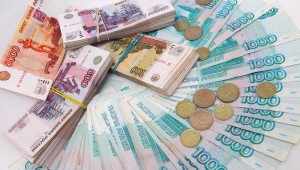
As withering liquidity and surging volatility have made the talk of a repeating Ruble Crisis louder, analysts discuss similarities and differentiators in Russia's current financial and geopolitical standing.
In August 1998, as Russia faced a slowing economy that had partially been triggered by the 1997 Asian financial crisis, as well as rising internal budget expenses. The country’s government made the move to devalue its currency and default on its debt. The immediate aftermath was GDP per capita sinking to its lowest since the Russian Federation was formed in 1991 and the ruble devaluating by 75%. The actions also led to a contraction of Western investment in Russia.
Talk of a repeat of 1998 has begun to get louder as volatility in the ruble has led many Western dealers to suspend dealing in the currency as clearing and settlement solutions have vanished. A government-led devaluation began to take form as a possibility earlier in the year as the ruble’s weakening began. After trading most of the year between 32.00 to 36.00, the USD/RUB rate rose above 37.00 in August to the mid-40’s by November.
John J. Hardy, Head of FX Strategy at Saxo Bank
The weakness was confronted by aggressive currency defending by the Central Bank of Russia (CBR) in December, culminating in Tuesday’s emergency interest rate hike to 17% from 10.5%. Rather than pump stability into the currency, the rate hike triggered panic, leading to USD/RUB rates temporarily hitting a high of 78.00.
As a result, many banks and trading venues that have suspended ruble trading are now taking a wait-and-see approach, such as that announced by FastMatch's CEO, Dmitri Galinov, to clients, "Ruble trading was suspended because of notices from prime brokers that they will not settle trades using the currency during the holidays." He added, "FastMatch plans to reactivate ruble trading in mid-January when prime brokers return to that market."
The current environment for Russia is much different than it was sixteen years ago. Russia is the holder of a large position of foreign reserves that can be used to intervene in ruble and stimulate their economy. The foreign reserves are the fruits of years of high oil prices which theoretically provide an economic cushion during periods of falling energy prices, such as the current environment we are in.
Also, unlike 1998, global markets have shown to be more fluid this decade than in the past. A case in point was the Cyprus financial crisis, in which outsiders viewed the small island as “being finished”, with very little chance of restoring foreign confidence and investment. The island though has shown its resilience with foreign firms continuing to adopt it as their home for entering the European market.
Nonetheless, the volatility and lack of liquidity have created a stumbling block for foreign firms to do business in Russia. The troubles in the market have led to an announcement from Apple that it was suspending sales of ruble-denominated products in Russia as it reevaluates its pricing structure to accommodate for currency valuations.
It has also been reported that neighboring governments are reevaluating their trade conditions with Russia, as Belarusian President Alexander Lukashenko went public with statements that future Belarus's transactions with Russia will be settled in dollars or euros.
Jasper Lawler, Market Analyst, CMC Markets
Jasper Lawler, Market Analyst at CMC Markets, explained the liquidity situation further to Forex Magnates by stating, "When banks stop pricing the ruble, this is a big problem for Russian businesses and the large population of migrant workers that rely on bilateral trade." He added, "If the exchange rate volatility picks up again there is a risk dealing will stop but fears of the Russian government introducing capital controls have abated, and banks have resumed normal operations."
Like in 1998, geopolitical issues are also on the forefront due to tensions with Ukraine. In addition, while high energy prices, specifically for crude oil, have benefitted Russia in the past, it’s unclear whether the current oversupply hitting the market will subside anytime soon; thus causing damaging effects to the country’s oil producing companies.
In regards to the numerous factors in play, John J. Hardy said, “The real crux of the matter is not only oil prices, but Ukraine and the pressure from trade and financial sanctions that have slowed foreign involvement and investment in Russia’s economy. A permanent deal on Ukraine between Russia and Europe/US is really needed to put a lid on the further risks of this negative spiral and would probably quickly bring back confidence."
Confidence Through Intervention
Presently, government intervention has been in the form of monetary stimulus, such as rate hikes and buying of their currency to support the combat of the ruble’s weakening, but has yet to introduce capital controls on its population and local businesses. While the aggressiveness of the CBR may signal the government is panicking, it also lets the market and foreign firms know they are serious about applying a solution.
Philip Uglow, Chief Economist at MNI Indicators
Commenting on the emergency rate hike, Philip Uglow, Chief Economist at MNI Indicators, stated, “While the emergency rate hike in the early Moscow hours was surprising, it is the sort of drastic action the Central Bank of Russia needs to take if it is serious about addressing the slide in the ruble.” Uglow added, “The size of the hike, though, also shows just how serious the situation is in Russia and how slow the central bank has been to react to the significant weakening in the currency.”
Capital Controls on the Horizon or Just Intervention?
According to Saxo Bank’s Hardy, Russia is at best headed to an “ugly recession” in 2015, as he explained, “Neither the government nor the private sector is able to fund itself externally, and the population is rapidly using up ruble savings to buy things now as it fears a repeat of ’98, which is cannibalizing forward demand.”
Hardy added, “At “worst”, Russia is forced to employ capital controls and defaults on external debt, which perhaps eases the pressure on the central bank reserves in the near term, but presents long-term risks of damage to trading and investing relationships in Russia which would take a long time to repair."
Philip Uglow also pointed to the little occurring over the short-term to stem ruble weakness, with as he cited, “A change in the fortunes of the price of oil would help matters, although this doesn’t appear forthcoming. In its absence we’re unlikely to see pressure on the ruble subside, with the authorities likely to have to step in again at some point to try and put a floor under the currency.”
However, Uglow viewed that the CBR will first do what it can with intervention before it resorts to capital controls, stating, “Capital controls are a last resort, and while for now the authorities appear to have ruled them out, in such a fast moving situation nothing is out of the question.”
Echoing some of those thoughts, Jasper Lawler explained that Russia has much more at its disposal financially than they did in 1998, as he stated, "The fact that Russia has large foreign currency and gold reserves put it in a much stronger financial position than 1998 since the central bank can make large interventions into the market." He further explained that Russia needs to keep cross money flow continuing, as he said, "Conversely, as long as Russian authorities don’t put up any major barriers to the free flow of money then there should be no point of attack for speculators to trigger a currency crisis."
In August 1998, as Russia faced a slowing economy that had partially been triggered by the 1997 Asian financial crisis, as well as rising internal budget expenses. The country’s government made the move to devalue its currency and default on its debt. The immediate aftermath was GDP per capita sinking to its lowest since the Russian Federation was formed in 1991 and the ruble devaluating by 75%. The actions also led to a contraction of Western investment in Russia.
Talk of a repeat of 1998 has begun to get louder as volatility in the ruble has led many Western dealers to suspend dealing in the currency as clearing and settlement solutions have vanished. A government-led devaluation began to take form as a possibility earlier in the year as the ruble’s weakening began. After trading most of the year between 32.00 to 36.00, the USD/RUB rate rose above 37.00 in August to the mid-40’s by November.
John J. Hardy, Head of FX Strategy at Saxo Bank
The weakness was confronted by aggressive currency defending by the Central Bank of Russia (CBR) in December, culminating in Tuesday’s emergency interest rate hike to 17% from 10.5%. Rather than pump stability into the currency, the rate hike triggered panic, leading to USD/RUB rates temporarily hitting a high of 78.00.
As a result, many banks and trading venues that have suspended ruble trading are now taking a wait-and-see approach, such as that announced by FastMatch's CEO, Dmitri Galinov, to clients, "Ruble trading was suspended because of notices from prime brokers that they will not settle trades using the currency during the holidays." He added, "FastMatch plans to reactivate ruble trading in mid-January when prime brokers return to that market."
The current environment for Russia is much different than it was sixteen years ago. Russia is the holder of a large position of foreign reserves that can be used to intervene in ruble and stimulate their economy. The foreign reserves are the fruits of years of high oil prices which theoretically provide an economic cushion during periods of falling energy prices, such as the current environment we are in.
Also, unlike 1998, global markets have shown to be more fluid this decade than in the past. A case in point was the Cyprus financial crisis, in which outsiders viewed the small island as “being finished”, with very little chance of restoring foreign confidence and investment. The island though has shown its resilience with foreign firms continuing to adopt it as their home for entering the European market.
Nonetheless, the volatility and lack of liquidity have created a stumbling block for foreign firms to do business in Russia. The troubles in the market have led to an announcement from Apple that it was suspending sales of ruble-denominated products in Russia as it reevaluates its pricing structure to accommodate for currency valuations.
It has also been reported that neighboring governments are reevaluating their trade conditions with Russia, as Belarusian President Alexander Lukashenko went public with statements that future Belarus's transactions with Russia will be settled in dollars or euros.
Jasper Lawler, Market Analyst, CMC Markets
Jasper Lawler, Market Analyst at CMC Markets, explained the liquidity situation further to Forex Magnates by stating, "When banks stop pricing the ruble, this is a big problem for Russian businesses and the large population of migrant workers that rely on bilateral trade." He added, "If the exchange rate volatility picks up again there is a risk dealing will stop but fears of the Russian government introducing capital controls have abated, and banks have resumed normal operations."
Like in 1998, geopolitical issues are also on the forefront due to tensions with Ukraine. In addition, while high energy prices, specifically for crude oil, have benefitted Russia in the past, it’s unclear whether the current oversupply hitting the market will subside anytime soon; thus causing damaging effects to the country’s oil producing companies.
In regards to the numerous factors in play, John J. Hardy said, “The real crux of the matter is not only oil prices, but Ukraine and the pressure from trade and financial sanctions that have slowed foreign involvement and investment in Russia’s economy. A permanent deal on Ukraine between Russia and Europe/US is really needed to put a lid on the further risks of this negative spiral and would probably quickly bring back confidence."
Confidence Through Intervention
Presently, government intervention has been in the form of monetary stimulus, such as rate hikes and buying of their currency to support the combat of the ruble’s weakening, but has yet to introduce capital controls on its population and local businesses. While the aggressiveness of the CBR may signal the government is panicking, it also lets the market and foreign firms know they are serious about applying a solution.
Philip Uglow, Chief Economist at MNI Indicators
Commenting on the emergency rate hike, Philip Uglow, Chief Economist at MNI Indicators, stated, “While the emergency rate hike in the early Moscow hours was surprising, it is the sort of drastic action the Central Bank of Russia needs to take if it is serious about addressing the slide in the ruble.” Uglow added, “The size of the hike, though, also shows just how serious the situation is in Russia and how slow the central bank has been to react to the significant weakening in the currency.”
Capital Controls on the Horizon or Just Intervention?
According to Saxo Bank’s Hardy, Russia is at best headed to an “ugly recession” in 2015, as he explained, “Neither the government nor the private sector is able to fund itself externally, and the population is rapidly using up ruble savings to buy things now as it fears a repeat of ’98, which is cannibalizing forward demand.”
Hardy added, “At “worst”, Russia is forced to employ capital controls and defaults on external debt, which perhaps eases the pressure on the central bank reserves in the near term, but presents long-term risks of damage to trading and investing relationships in Russia which would take a long time to repair."
Philip Uglow also pointed to the little occurring over the short-term to stem ruble weakness, with as he cited, “A change in the fortunes of the price of oil would help matters, although this doesn’t appear forthcoming. In its absence we’re unlikely to see pressure on the ruble subside, with the authorities likely to have to step in again at some point to try and put a floor under the currency.”
However, Uglow viewed that the CBR will first do what it can with intervention before it resorts to capital controls, stating, “Capital controls are a last resort, and while for now the authorities appear to have ruled them out, in such a fast moving situation nothing is out of the question.”
Echoing some of those thoughts, Jasper Lawler explained that Russia has much more at its disposal financially than they did in 1998, as he stated, "The fact that Russia has large foreign currency and gold reserves put it in a much stronger financial position than 1998 since the central bank can make large interventions into the market." He further explained that Russia needs to keep cross money flow continuing, as he said, "Conversely, as long as Russian authorities don’t put up any major barriers to the free flow of money then there should be no point of attack for speculators to trigger a currency crisis."
Singapore Independent Wealth Sector Has Less Than 10% Market Share, but Vast Room for Growth
Featured Videos
FP Markets Winner Spotlight 🏆 | Global Broker of the Year 2025 #Trading #Broker #Innovation #Shorts
FP Markets Winner Spotlight 🏆 | Global Broker of the Year 2025 #Trading #Broker #Innovation #Shorts
FP Markets Winner Spotlight 🏆 | Global Broker of the Year 2025 #Trading #Broker #Innovation #Shorts
FP Markets Winner Spotlight 🏆 | Global Broker of the Year 2025 #Trading #Broker #Innovation #Shorts
FP Markets takes the spotlight as Global Broker of the Year 2025 at the Finance Magnates Awards.
Martin Stoilov, Head of Client Experience, shares that trust, innovation, and people played a key role in the company’s success, supported by a strong foundation of integrity and client-centricity.
Following this milestone, FP Markets continues to focus on growth, technology investment, and its core values of transparency and excellence.
👉 Be part of FM Awards 2026: https://awards.financemagnates.com/#nominate
FP Markets takes the spotlight as Global Broker of the Year 2025 at the Finance Magnates Awards.
Martin Stoilov, Head of Client Experience, shares that trust, innovation, and people played a key role in the company’s success, supported by a strong foundation of integrity and client-centricity.
Following this milestone, FP Markets continues to focus on growth, technology investment, and its core values of transparency and excellence.
👉 Be part of FM Awards 2026: https://awards.financemagnates.com/#nominate
FP Markets takes the spotlight as Global Broker of the Year 2025 at the Finance Magnates Awards.
Martin Stoilov, Head of Client Experience, shares that trust, innovation, and people played a key role in the company’s success, supported by a strong foundation of integrity and client-centricity.
Following this milestone, FP Markets continues to focus on growth, technology investment, and its core values of transparency and excellence.
👉 Be part of FM Awards 2026: https://awards.financemagnates.com/#nominate
FP Markets takes the spotlight as Global Broker of the Year 2025 at the Finance Magnates Awards.
Martin Stoilov, Head of Client Experience, shares that trust, innovation, and people played a key role in the company’s success, supported by a strong foundation of integrity and client-centricity.
Following this milestone, FP Markets continues to focus on growth, technology investment, and its core values of transparency and excellence.
👉 Be part of FM Awards 2026: https://awards.financemagnates.com/#nominate
In this video, we review @HolaPrimeMarketsOfficial, a multi-asset forex and CFDs broker offering different account types, trading platforms, and flexible trading conditions.
We cover the broker’s overall offering, including account options, trading environment, platforms like MT4 and MT5, and additional services such as managed accounts and fast withdrawals.
Watch the full video to see if Hola Prime Markets fits your trading needs.
📣 Stay up to date with the latest in finance and trading. Follow Finance Magnates for industry news, insights, and global event coverage.
Connect with us:
🔗 LinkedIn: /financemagnates
👍 Facebook: /financemagnates
📸 Instagram: https://www.instagram.com/financemagnates
🐦 X: https://x.com/financemagnates
🎥 TikTok: https://www.tiktok.com/tag/financemagnates
▶️ YouTube: /@financemagnates_official
#HolaPrime #ForexBroker #CFDTrading #FinanceMagnates #Trading #Forex #BrokerReview
In this video, we review @HolaPrimeMarketsOfficial, a multi-asset forex and CFDs broker offering different account types, trading platforms, and flexible trading conditions.
We cover the broker’s overall offering, including account options, trading environment, platforms like MT4 and MT5, and additional services such as managed accounts and fast withdrawals.
Watch the full video to see if Hola Prime Markets fits your trading needs.
📣 Stay up to date with the latest in finance and trading. Follow Finance Magnates for industry news, insights, and global event coverage.
Connect with us:
🔗 LinkedIn: /financemagnates
👍 Facebook: /financemagnates
📸 Instagram: https://www.instagram.com/financemagnates
🐦 X: https://x.com/financemagnates
🎥 TikTok: https://www.tiktok.com/tag/financemagnates
▶️ YouTube: /@financemagnates_official
#HolaPrime #ForexBroker #CFDTrading #FinanceMagnates #Trading #Forex #BrokerReview
In this video, we review @HolaPrimeMarketsOfficial, a multi-asset forex and CFDs broker offering different account types, trading platforms, and flexible trading conditions.
We cover the broker’s overall offering, including account options, trading environment, platforms like MT4 and MT5, and additional services such as managed accounts and fast withdrawals.
Watch the full video to see if Hola Prime Markets fits your trading needs.
📣 Stay up to date with the latest in finance and trading. Follow Finance Magnates for industry news, insights, and global event coverage.
Connect with us:
🔗 LinkedIn: /financemagnates
👍 Facebook: /financemagnates
📸 Instagram: https://www.instagram.com/financemagnates
🐦 X: https://x.com/financemagnates
🎥 TikTok: https://www.tiktok.com/tag/financemagnates
▶️ YouTube: /@financemagnates_official
#HolaPrime #ForexBroker #CFDTrading #FinanceMagnates #Trading #Forex #BrokerReview
In this video, we review @HolaPrimeMarketsOfficial, a multi-asset forex and CFDs broker offering different account types, trading platforms, and flexible trading conditions.
We cover the broker’s overall offering, including account options, trading environment, platforms like MT4 and MT5, and additional services such as managed accounts and fast withdrawals.
Watch the full video to see if Hola Prime Markets fits your trading needs.
📣 Stay up to date with the latest in finance and trading. Follow Finance Magnates for industry news, insights, and global event coverage.
Connect with us:
🔗 LinkedIn: /financemagnates
👍 Facebook: /financemagnates
📸 Instagram: https://www.instagram.com/financemagnates
🐦 X: https://x.com/financemagnates
🎥 TikTok: https://www.tiktok.com/tag/financemagnates
▶️ YouTube: /@financemagnates_official
#HolaPrime #ForexBroker #CFDTrading #FinanceMagnates #Trading #Forex #BrokerReview
In this video, we review @HolaPrimeMarketsOfficial, a multi-asset forex and CFDs broker offering different account types, trading platforms, and flexible trading conditions.
We cover the broker’s overall offering, including account options, trading environment, platforms like MT4 and MT5, and additional services such as managed accounts and fast withdrawals.
Watch the full video to see if Hola Prime Markets fits your trading needs.
📣 Stay up to date with the latest in finance and trading. Follow Finance Magnates for industry news, insights, and global event coverage.
Connect with us:
🔗 LinkedIn: /financemagnates
👍 Facebook: /financemagnates
📸 Instagram: https://www.instagram.com/financemagnates
🐦 X: https://x.com/financemagnates
🎥 TikTok: https://www.tiktok.com/tag/financemagnates
▶️ YouTube: /@financemagnates_official
#HolaPrime #ForexBroker #CFDTrading #FinanceMagnates #Trading #Forex #BrokerReview
In this video, we review @HolaPrimeMarketsOfficial, a multi-asset forex and CFDs broker offering different account types, trading platforms, and flexible trading conditions.
We cover the broker’s overall offering, including account options, trading environment, platforms like MT4 and MT5, and additional services such as managed accounts and fast withdrawals.
Watch the full video to see if Hola Prime Markets fits your trading needs.
📣 Stay up to date with the latest in finance and trading. Follow Finance Magnates for industry news, insights, and global event coverage.
Connect with us:
🔗 LinkedIn: /financemagnates
👍 Facebook: /financemagnates
📸 Instagram: https://www.instagram.com/financemagnates
🐦 X: https://x.com/financemagnates
🎥 TikTok: https://www.tiktok.com/tag/financemagnates
▶️ YouTube: /@financemagnates_official
#HolaPrime #ForexBroker #CFDTrading #FinanceMagnates #Trading #Forex #BrokerReview
Hola Prime Review: What You Need to Know | Full Breakdown by Finance Magnates
Hola Prime Review: What You Need to Know | Full Breakdown by Finance Magnates
Hola Prime Review: What You Need to Know | Full Breakdown by Finance Magnates
Hola Prime Review: What You Need to Know | Full Breakdown by Finance Magnates
Hola Prime Review: What You Need to Know | Full Breakdown by Finance Magnates
Hola Prime Review: What You Need to Know | Full Breakdown by Finance Magnates
In this video, we review @HolaPrime_Global, a proprietary trading firm offering evaluation programs and performance-based payouts in simulated market environments.
We cover how the challenge model works, including account types, profit splits (up to 95%), trading rules, and what it takes to reach a funded account. You’ll also learn about available platforms like MT4, MT5, cTrader, and more, along with insights into payouts, support, and trading conditions.
Watch the full video to see if Hola Prime fits your trading style.
📣 Stay up to date with the latest in finance and trading. Follow Finance Magnates for industry news, insights, and global event coverage.
Connect with us:
🔗 LinkedIn: /financemagnates
👍 Facebook: /financemagnates
📸 Instagram: https://www.instagram.com/financemagnates
🐦 X: https://x.com/financemagnates
🎥 TikTok: https://www.tiktok.com/tag/financemagnates
▶️ YouTube: /@financemagnates_official
#HolaPrime #PropFirm #Trading #FinanceMagnates #Forex #FuturesTrading #TradingReview #PropFirmReview
In this video, we review @HolaPrime_Global, a proprietary trading firm offering evaluation programs and performance-based payouts in simulated market environments.
We cover how the challenge model works, including account types, profit splits (up to 95%), trading rules, and what it takes to reach a funded account. You’ll also learn about available platforms like MT4, MT5, cTrader, and more, along with insights into payouts, support, and trading conditions.
Watch the full video to see if Hola Prime fits your trading style.
📣 Stay up to date with the latest in finance and trading. Follow Finance Magnates for industry news, insights, and global event coverage.
Connect with us:
🔗 LinkedIn: /financemagnates
👍 Facebook: /financemagnates
📸 Instagram: https://www.instagram.com/financemagnates
🐦 X: https://x.com/financemagnates
🎥 TikTok: https://www.tiktok.com/tag/financemagnates
▶️ YouTube: /@financemagnates_official
#HolaPrime #PropFirm #Trading #FinanceMagnates #Forex #FuturesTrading #TradingReview #PropFirmReview
In this video, we review @HolaPrime_Global, a proprietary trading firm offering evaluation programs and performance-based payouts in simulated market environments.
We cover how the challenge model works, including account types, profit splits (up to 95%), trading rules, and what it takes to reach a funded account. You’ll also learn about available platforms like MT4, MT5, cTrader, and more, along with insights into payouts, support, and trading conditions.
Watch the full video to see if Hola Prime fits your trading style.
📣 Stay up to date with the latest in finance and trading. Follow Finance Magnates for industry news, insights, and global event coverage.
Connect with us:
🔗 LinkedIn: /financemagnates
👍 Facebook: /financemagnates
📸 Instagram: https://www.instagram.com/financemagnates
🐦 X: https://x.com/financemagnates
🎥 TikTok: https://www.tiktok.com/tag/financemagnates
▶️ YouTube: /@financemagnates_official
#HolaPrime #PropFirm #Trading #FinanceMagnates #Forex #FuturesTrading #TradingReview #PropFirmReview
In this video, we review @HolaPrime_Global, a proprietary trading firm offering evaluation programs and performance-based payouts in simulated market environments.
We cover how the challenge model works, including account types, profit splits (up to 95%), trading rules, and what it takes to reach a funded account. You’ll also learn about available platforms like MT4, MT5, cTrader, and more, along with insights into payouts, support, and trading conditions.
Watch the full video to see if Hola Prime fits your trading style.
📣 Stay up to date with the latest in finance and trading. Follow Finance Magnates for industry news, insights, and global event coverage.
Connect with us:
🔗 LinkedIn: /financemagnates
👍 Facebook: /financemagnates
📸 Instagram: https://www.instagram.com/financemagnates
🐦 X: https://x.com/financemagnates
🎥 TikTok: https://www.tiktok.com/tag/financemagnates
▶️ YouTube: /@financemagnates_official
#HolaPrime #PropFirm #Trading #FinanceMagnates #Forex #FuturesTrading #TradingReview #PropFirmReview
In this video, we review @HolaPrime_Global, a proprietary trading firm offering evaluation programs and performance-based payouts in simulated market environments.
We cover how the challenge model works, including account types, profit splits (up to 95%), trading rules, and what it takes to reach a funded account. You’ll also learn about available platforms like MT4, MT5, cTrader, and more, along with insights into payouts, support, and trading conditions.
Watch the full video to see if Hola Prime fits your trading style.
📣 Stay up to date with the latest in finance and trading. Follow Finance Magnates for industry news, insights, and global event coverage.
Connect with us:
🔗 LinkedIn: /financemagnates
👍 Facebook: /financemagnates
📸 Instagram: https://www.instagram.com/financemagnates
🐦 X: https://x.com/financemagnates
🎥 TikTok: https://www.tiktok.com/tag/financemagnates
▶️ YouTube: /@financemagnates_official
#HolaPrime #PropFirm #Trading #FinanceMagnates #Forex #FuturesTrading #TradingReview #PropFirmReview
In this video, we review @HolaPrime_Global, a proprietary trading firm offering evaluation programs and performance-based payouts in simulated market environments.
We cover how the challenge model works, including account types, profit splits (up to 95%), trading rules, and what it takes to reach a funded account. You’ll also learn about available platforms like MT4, MT5, cTrader, and more, along with insights into payouts, support, and trading conditions.
Watch the full video to see if Hola Prime fits your trading style.
📣 Stay up to date with the latest in finance and trading. Follow Finance Magnates for industry news, insights, and global event coverage.
Connect with us:
🔗 LinkedIn: /financemagnates
👍 Facebook: /financemagnates
📸 Instagram: https://www.instagram.com/financemagnates
🐦 X: https://x.com/financemagnates
🎥 TikTok: https://www.tiktok.com/tag/financemagnates
▶️ YouTube: /@financemagnates_official
#HolaPrime #PropFirm #Trading #FinanceMagnates #Forex #FuturesTrading #TradingReview #PropFirmReview
Axi Winner Spotlight 🏆 | Global Most Innovative Broker 2025 #Innovation #Trading #Fintech #Broker
Axi Winner Spotlight 🏆 | Global Most Innovative Broker 2025 #Innovation #Trading #Fintech #Broker
Axi Winner Spotlight 🏆 | Global Most Innovative Broker 2025 #Innovation #Trading #Fintech #Broker
Axi Winner Spotlight 🏆 | Global Most Innovative Broker 2025 #Innovation #Trading #Fintech #Broker
Axi Winner Spotlight 🏆 | Global Most Innovative Broker 2025 #Innovation #Trading #Fintech #Broker
Axi Winner Spotlight 🏆 | Global Most Innovative Broker 2025 #Innovation #Trading #Fintech #Broker
Axi takes the spotlight at the Finance Magnates Awards, winning Global Most Innovative Broker 2025.
Olivia Xenofontos and Ivanna Openko share how the team will feel: proud, motivated, and ready to keep delivering.
They also describe the night as well-organized, focused, and enjoyable for all.
👉 Be part of FM Awards 2026.
Axi takes the spotlight at the Finance Magnates Awards, winning Global Most Innovative Broker 2025.
Olivia Xenofontos and Ivanna Openko share how the team will feel: proud, motivated, and ready to keep delivering.
They also describe the night as well-organized, focused, and enjoyable for all.
👉 Be part of FM Awards 2026.
Axi takes the spotlight at the Finance Magnates Awards, winning Global Most Innovative Broker 2025.
Olivia Xenofontos and Ivanna Openko share how the team will feel: proud, motivated, and ready to keep delivering.
They also describe the night as well-organized, focused, and enjoyable for all.
👉 Be part of FM Awards 2026.
Axi takes the spotlight at the Finance Magnates Awards, winning Global Most Innovative Broker 2025.
Olivia Xenofontos and Ivanna Openko share how the team will feel: proud, motivated, and ready to keep delivering.
They also describe the night as well-organized, focused, and enjoyable for all.
👉 Be part of FM Awards 2026.
Axi takes the spotlight at the Finance Magnates Awards, winning Global Most Innovative Broker 2025.
Olivia Xenofontos and Ivanna Openko share how the team will feel: proud, motivated, and ready to keep delivering.
They also describe the night as well-organized, focused, and enjoyable for all.
👉 Be part of FM Awards 2026.
Axi takes the spotlight at the Finance Magnates Awards, winning Global Most Innovative Broker 2025.
Olivia Xenofontos and Ivanna Openko share how the team will feel: proud, motivated, and ready to keep delivering.
They also describe the night as well-organized, focused, and enjoyable for all.
👉 Be part of FM Awards 2026.
Recognition that matters.
Built on transparency.
Driven by the industry.
The Finance Magnates Awards 2026.
Nominations are now open.
🔗 https://awards.financemagnates.com/?utm_source=SM&utm_medium=social&utm_campaign=recognition-matters
Recognition that matters.
Built on transparency.
Driven by the industry.
The Finance Magnates Awards 2026.
Nominations are now open.
🔗 https://awards.financemagnates.com/?utm_source=SM&utm_medium=social&utm_campaign=recognition-matters
Recognition that matters.
Built on transparency.
Driven by the industry.
The Finance Magnates Awards 2026.
Nominations are now open.
🔗 https://awards.financemagnates.com/?utm_source=SM&utm_medium=social&utm_campaign=recognition-matters
Recognition that matters.
Built on transparency.
Driven by the industry.
The Finance Magnates Awards 2026.
Nominations are now open.
🔗 https://awards.financemagnates.com/?utm_source=SM&utm_medium=social&utm_campaign=recognition-matters
Recognition that matters.
Built on transparency.
Driven by the industry.
The Finance Magnates Awards 2026.
Nominations are now open.
🔗 https://awards.financemagnates.com/?utm_source=SM&utm_medium=social&utm_campaign=recognition-matters
Recognition that matters.
Built on transparency.
Driven by the industry.
The Finance Magnates Awards 2026.
Nominations are now open.
🔗 https://awards.financemagnates.com/?utm_source=SM&utm_medium=social&utm_campaign=recognition-matters