The Russian ruble's decline in available liquidity this month occurred as the currency had been slated to be added by the CLS Bank. Would its admittance have mitigated current liquidity problems of the ruble?
The problems arose following the Central Bank of Russia’s (CBR) emergency rate hike from 10.5% to 17% on December 16th, as well as intervention to support the currency after it had weakened around 50% since September. The currency instability has led to fears of Russia applying capital controls on its monetary system and possibly of a repeat of 1998’s debt default.
Affecting the ruble has been falling crude oil prices which impact Russia’s energy sector negatively, as well as political tensions with Ukraine that have led to sanctions being applied by the US and other governments against Russia. The latter led the CLS Bank in September to delay its November schedule of admitting the ruble to be supported for settlement by the agency. The CLS’s decision occurred even as earlier in the year it continued to go along with its tentative schedule for supporting the ruble when sanctions against Russia first began taking place this year following its annexation of Crimea.
The CLS Bank’s Role in FX Settlement
The CLS Bank was formed to prevent systematic risk in the interbank foreign exchange industry and has become the backbone of post-trade FX settlement. Main members include primary dealers and central banks, who submit trades for settlement. With accounts being held at each supported currency’s central bank, the CLS Bank is responsible for settling trades and transferring funds between members (in-depth explanation of the CLS Bank).
The cooperation between central banks and the CLS Bank is a key factor in settling trades both for the underlying currency’s country and traders. Before new currencies are included into the group, a central bank needs to meet certain transparency and liquidity requirements. This is done to ensure that CLS Bank funds that are being held in the name of members at each central bank are secure and available. As a result, the process for inclusion of new currencies isn’t a simple one, with many governments preferring not to open their central bank’s financials to the CLS Bank for approval.
Among currencies not supported by the CLS Bank, one of the most notable is the Russian ruble. This is especially so, as after several years of dialogue between the CBR and CLS Bank, the ruble had passed initial inclusion tests and was scheduled to become supported this past November. With the ruble’s acceptance being delayed, it begs the question of whether Russia missed an opportunity by not being more proactive in getting the currency supported by CLS, and would such an inclusion have mitigated some of the problems the ruble currently faces?
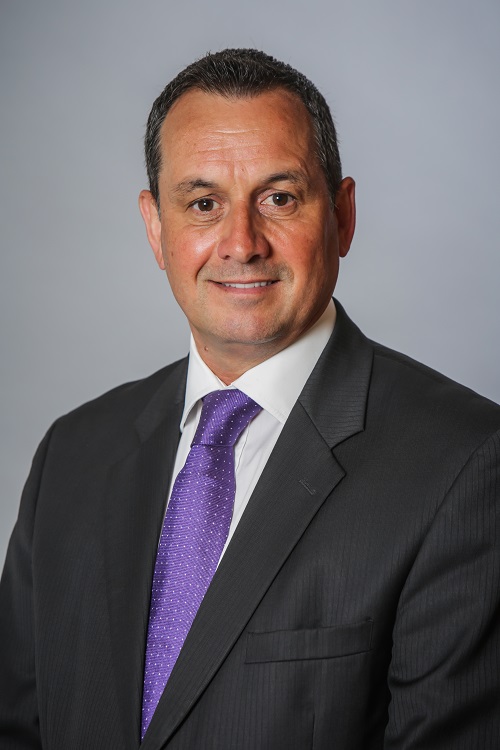
Andrew Budzinski, Director at IC Markets
On the surface, inclusion as a supported currency would have decreased counterparty risk worries between CLS members trading between one another. This is especially so of the domestic ruble trading market which has equally been affected by the lack of available liquidity in the cross border interbank market.
Commenting to Forex Magnates on what type of impact CLS inclusion would possibly have had on the ruble, Andrew Budzinski, Director at IC Markets, explained, “Had the CLS included the RUB as one of its existing 17 settlement currencies it is likely that we would have seen a significant improvement in liquidity and more opportunities for traders.” In regards to the domestic market, Budzinski added, “The Russian forex market is still thriving and being able to trade their home currency in a more efficient manner would further aid in the popularity of margin foreign exchange in Russia.”
However, while the CLS Bank support may have decreased counterparty risk for settlement, reputational risk exists due to foreign worries about the geopolitical situation. As such, the ruble’s inclusion into CLS’s list of currencies may not have prevented cross-border liquidity from drying up due to overall questions of Russia’s future owing to existing and potential sanctions.
Darryl Hooker, Head of EBS Market
In this regard, commenting to Forex Magnates, Darryl Hooker, Head of EBS Market, stated, “CLS eligibility for the ruble would for the most part eliminate settlement risk for the currency.” Hooker added, “However, the impact of the sanctions on Russia, as a consequence of the geopolitical situation, have heightened both counterparty and country risk. In these circumstances, CLS eligibility would have a diminished impact on "improving" liquidity.”
Geopolitical risks were also noted earlier this month when several bank and broker analysts related to Forex Magnates that a bigger problem than the decline in crude oil prices was the conflict with Ukraine. As such, they believed that solving the conflict would be the key in reestablishing foreign confidence in trading with the country.
For Russian firms, even if the country avoids a repeat of 1998, the current economic and political problems may be unravelling years of the financial sector building up Moscow as a regional center for trading of Russia’s largest stocks, as well as commodities and foreign exchange products. Achievements include the uniting of its two largest trading venues to become the Moscow Exchange. In addition, several telecom firms such as TMX Atrium have added dedicated fiber lines and co-location services to connect Moscow’s financial center to major trading hubs around the world.
Igor Suzdaltsev, CEO of ICT Management, and Editor at YouTrade.TV
Commenting to Forex Magnates about the potential reputational effects, Igor Suzdaltsev, CEO of ICT Management, and Editor at YouTrade.TV, stated, “The cutting of trading in the USD/RUB is very bad news to Russian traders. We have spent many years to promoting ruble abroad and it's a real pity that current devaluation destroyed all the results of our efforts.” Suzdaltsev added, “And, of course, the decreasing of total volumes of ruble trading worldwide will decrease business opportunities of Russian traders and brokers.”
When asked about the current liquidity problems of the ruble and falling volumes, the CLS Bank did not make themselves available to Forex Magnates for comment on the matter. However, what is known is that without the CBR acting as a central hub for facilitating liquidity and hosting CLS member accounts, the existing ruble market is a patchwork of global banks making a market in the currency while also partnering with local Russian banks for accessing liquidity. As a result, the interbank ruble market could be considered more vulnerable now, as in its present situation trading could come to a halt when foreign firms become worried about their ability to freely transfer funds with their Russian counterparties.
The problems arose following the Central Bank of Russia’s (CBR) emergency rate hike from 10.5% to 17% on December 16th, as well as intervention to support the currency after it had weakened around 50% since September. The currency instability has led to fears of Russia applying capital controls on its monetary system and possibly of a repeat of 1998’s debt default.
Affecting the ruble has been falling crude oil prices which impact Russia’s energy sector negatively, as well as political tensions with Ukraine that have led to sanctions being applied by the US and other governments against Russia. The latter led the CLS Bank in September to delay its November schedule of admitting the ruble to be supported for settlement by the agency. The CLS’s decision occurred even as earlier in the year it continued to go along with its tentative schedule for supporting the ruble when sanctions against Russia first began taking place this year following its annexation of Crimea.
The CLS Bank’s Role in FX Settlement
The CLS Bank was formed to prevent systematic risk in the interbank foreign exchange industry and has become the backbone of post-trade FX settlement. Main members include primary dealers and central banks, who submit trades for settlement. With accounts being held at each supported currency’s central bank, the CLS Bank is responsible for settling trades and transferring funds between members (in-depth explanation of the CLS Bank).
The cooperation between central banks and the CLS Bank is a key factor in settling trades both for the underlying currency’s country and traders. Before new currencies are included into the group, a central bank needs to meet certain transparency and liquidity requirements. This is done to ensure that CLS Bank funds that are being held in the name of members at each central bank are secure and available. As a result, the process for inclusion of new currencies isn’t a simple one, with many governments preferring not to open their central bank’s financials to the CLS Bank for approval.
Among currencies not supported by the CLS Bank, one of the most notable is the Russian ruble. This is especially so, as after several years of dialogue between the CBR and CLS Bank, the ruble had passed initial inclusion tests and was scheduled to become supported this past November. With the ruble’s acceptance being delayed, it begs the question of whether Russia missed an opportunity by not being more proactive in getting the currency supported by CLS, and would such an inclusion have mitigated some of the problems the ruble currently faces?
Andrew Budzinski, Director at IC Markets
On the surface, inclusion as a supported currency would have decreased counterparty risk worries between CLS members trading between one another. This is especially so of the domestic ruble trading market which has equally been affected by the lack of available liquidity in the cross border interbank market.
Commenting to Forex Magnates on what type of impact CLS inclusion would possibly have had on the ruble, Andrew Budzinski, Director at IC Markets, explained, “Had the CLS included the RUB as one of its existing 17 settlement currencies it is likely that we would have seen a significant improvement in liquidity and more opportunities for traders.” In regards to the domestic market, Budzinski added, “The Russian forex market is still thriving and being able to trade their home currency in a more efficient manner would further aid in the popularity of margin foreign exchange in Russia.”
However, while the CLS Bank support may have decreased counterparty risk for settlement, reputational risk exists due to foreign worries about the geopolitical situation. As such, the ruble’s inclusion into CLS’s list of currencies may not have prevented cross-border liquidity from drying up due to overall questions of Russia’s future owing to existing and potential sanctions.
Darryl Hooker, Head of EBS Market
In this regard, commenting to Forex Magnates, Darryl Hooker, Head of EBS Market, stated, “CLS eligibility for the ruble would for the most part eliminate settlement risk for the currency.” Hooker added, “However, the impact of the sanctions on Russia, as a consequence of the geopolitical situation, have heightened both counterparty and country risk. In these circumstances, CLS eligibility would have a diminished impact on "improving" liquidity.”
Geopolitical risks were also noted earlier this month when several bank and broker analysts related to Forex Magnates that a bigger problem than the decline in crude oil prices was the conflict with Ukraine. As such, they believed that solving the conflict would be the key in reestablishing foreign confidence in trading with the country.
For Russian firms, even if the country avoids a repeat of 1998, the current economic and political problems may be unravelling years of the financial sector building up Moscow as a regional center for trading of Russia’s largest stocks, as well as commodities and foreign exchange products. Achievements include the uniting of its two largest trading venues to become the Moscow Exchange. In addition, several telecom firms such as TMX Atrium have added dedicated fiber lines and co-location services to connect Moscow’s financial center to major trading hubs around the world.
Igor Suzdaltsev, CEO of ICT Management, and Editor at YouTrade.TV
Commenting to Forex Magnates about the potential reputational effects, Igor Suzdaltsev, CEO of ICT Management, and Editor at YouTrade.TV, stated, “The cutting of trading in the USD/RUB is very bad news to Russian traders. We have spent many years to promoting ruble abroad and it's a real pity that current devaluation destroyed all the results of our efforts.” Suzdaltsev added, “And, of course, the decreasing of total volumes of ruble trading worldwide will decrease business opportunities of Russian traders and brokers.”
When asked about the current liquidity problems of the ruble and falling volumes, the CLS Bank did not make themselves available to Forex Magnates for comment on the matter. However, what is known is that without the CBR acting as a central hub for facilitating liquidity and hosting CLS member accounts, the existing ruble market is a patchwork of global banks making a market in the currency while also partnering with local Russian banks for accessing liquidity. As a result, the interbank ruble market could be considered more vulnerable now, as in its present situation trading could come to a halt when foreign firms become worried about their ability to freely transfer funds with their Russian counterparties.
GTC Prime Adds Centroid Bridge as Multi-Asset Liquidity Distribution Channel
Featured Videos
AvaTrade to Acquire Most of FXCM; NAGA Raises $8M
AvaTrade to Acquire Most of FXCM; NAGA Raises $8M
AvaTrade to Acquire Most of FXCM; NAGA Raises $8M
AvaTrade to Acquire Most of FXCM; NAGA Raises $8M
Today’s financial news recap covers AvaTrade agrees to acquire most of FXCM, NAGA secures eight million dollars in new financing, and Wise seeks a tax settlement in the UK.
Finance Magnates Daily Recap brings you the latest news from forex and CFD brokers, fintech, payments, cryptocurrency, digital assets, trading platforms, financial regulation and global markets.
Get the key company news, executive moves, deals, regulatory updates and market developments of the day, in just a few minutes. New episodes published every weekday.
Read more: https://www.financemagnates.com
#FinanceMagnates #ForexNews #FintechNews
Today’s financial news recap covers AvaTrade agrees to acquire most of FXCM, NAGA secures eight million dollars in new financing, and Wise seeks a tax settlement in the UK.
Finance Magnates Daily Recap brings you the latest news from forex and CFD brokers, fintech, payments, cryptocurrency, digital assets, trading platforms, financial regulation and global markets.
Get the key company news, executive moves, deals, regulatory updates and market developments of the day, in just a few minutes. New episodes published every weekday.
Read more: https://www.financemagnates.com
#FinanceMagnates #ForexNews #FintechNews
Today’s financial news recap covers AvaTrade agrees to acquire most of FXCM, NAGA secures eight million dollars in new financing, and Wise seeks a tax settlement in the UK.
Finance Magnates Daily Recap brings you the latest news from forex and CFD brokers, fintech, payments, cryptocurrency, digital assets, trading platforms, financial regulation and global markets.
Get the key company news, executive moves, deals, regulatory updates and market developments of the day, in just a few minutes. New episodes published every weekday.
Read more: https://www.financemagnates.com
#FinanceMagnates #ForexNews #FintechNews
Today’s financial news recap covers AvaTrade agrees to acquire most of FXCM, NAGA secures eight million dollars in new financing, and Wise seeks a tax settlement in the UK.
Finance Magnates Daily Recap brings you the latest news from forex and CFD brokers, fintech, payments, cryptocurrency, digital assets, trading platforms, financial regulation and global markets.
Get the key company news, executive moves, deals, regulatory updates and market developments of the day, in just a few minutes. New episodes published every weekday.
Read more: https://www.financemagnates.com
#FinanceMagnates #ForexNews #FintechNews
XTB Adds Overnight US Stock Trading; Nasdaq Ventures Invests in One Trading
XTB Adds Overnight US Stock Trading; Nasdaq Ventures Invests in One Trading
XTB Adds Overnight US Stock Trading; Nasdaq Ventures Invests in One Trading
XTB Adds Overnight US Stock Trading; Nasdaq Ventures Invests in One Trading
XTB Adds Overnight US Stock Trading; Nasdaq Ventures Invests in One Trading
XTB Adds Overnight US Stock Trading; Nasdaq Ventures Invests in One Trading
Today’s financial news recap covers XTB expands overnight US stock trading, Fortrade reports higher revenue, Nasdaq backs One Trading, and Vest Labs raises 13 million dollars.
Finance Magnates Daily Recap brings you the latest news from forex and CFD brokers, fintech, payments, cryptocurrency, digital assets, trading platforms, financial regulation and global markets.
Get the key company news, executive moves, deals, regulatory updates and market developments of the day, in just a few minutes. New episodes published every weekday.
Read more: https://www.financemagnates.com
#FinanceMagnates #ForexNews #FintechNews
Today’s financial news recap covers XTB expands overnight US stock trading, Fortrade reports higher revenue, Nasdaq backs One Trading, and Vest Labs raises 13 million dollars.
Finance Magnates Daily Recap brings you the latest news from forex and CFD brokers, fintech, payments, cryptocurrency, digital assets, trading platforms, financial regulation and global markets.
Get the key company news, executive moves, deals, regulatory updates and market developments of the day, in just a few minutes. New episodes published every weekday.
Read more: https://www.financemagnates.com
#FinanceMagnates #ForexNews #FintechNews
Today’s financial news recap covers XTB expands overnight US stock trading, Fortrade reports higher revenue, Nasdaq backs One Trading, and Vest Labs raises 13 million dollars.
Finance Magnates Daily Recap brings you the latest news from forex and CFD brokers, fintech, payments, cryptocurrency, digital assets, trading platforms, financial regulation and global markets.
Get the key company news, executive moves, deals, regulatory updates and market developments of the day, in just a few minutes. New episodes published every weekday.
Read more: https://www.financemagnates.com
#FinanceMagnates #ForexNews #FintechNews
Today’s financial news recap covers XTB expands overnight US stock trading, Fortrade reports higher revenue, Nasdaq backs One Trading, and Vest Labs raises 13 million dollars.
Finance Magnates Daily Recap brings you the latest news from forex and CFD brokers, fintech, payments, cryptocurrency, digital assets, trading platforms, financial regulation and global markets.
Get the key company news, executive moves, deals, regulatory updates and market developments of the day, in just a few minutes. New episodes published every weekday.
Read more: https://www.financemagnates.com
#FinanceMagnates #ForexNews #FintechNews
Today’s financial news recap covers XTB expands overnight US stock trading, Fortrade reports higher revenue, Nasdaq backs One Trading, and Vest Labs raises 13 million dollars.
Finance Magnates Daily Recap brings you the latest news from forex and CFD brokers, fintech, payments, cryptocurrency, digital assets, trading platforms, financial regulation and global markets.
Get the key company news, executive moves, deals, regulatory updates and market developments of the day, in just a few minutes. New episodes published every weekday.
Read more: https://www.financemagnates.com
#FinanceMagnates #ForexNews #FintechNews
Today’s financial news recap covers XTB expands overnight US stock trading, Fortrade reports higher revenue, Nasdaq backs One Trading, and Vest Labs raises 13 million dollars.
Finance Magnates Daily Recap brings you the latest news from forex and CFD brokers, fintech, payments, cryptocurrency, digital assets, trading platforms, financial regulation and global markets.
Get the key company news, executive moves, deals, regulatory updates and market developments of the day, in just a few minutes. New episodes published every weekday.
Read more: https://www.financemagnates.com
#FinanceMagnates #ForexNews #FintechNews
CMC Founder Downplays Volatility Hit; Devexperts Names CEO
CMC Founder Downplays Volatility Hit; Devexperts Names CEO
CMC Founder Downplays Volatility Hit; Devexperts Names CEO
CMC Founder Downplays Volatility Hit; Devexperts Names CEO
CMC Founder Downplays Volatility Hit; Devexperts Names CEO
CMC Founder Downplays Volatility Hit; Devexperts Names CEO
Today’s financial news recap covers low volatility pressures brokers, Devexperts names a new CEO, Saxo cuts onboarding time, and OKX reaches a 25 billion dollar valuation.
Finance Magnates Daily Recap brings you the latest news from forex and CFD brokers, fintech, payments, cryptocurrency, digital assets, trading platforms, financial regulation and global markets.
Get the key company news, executive moves, deals, regulatory updates and market developments of the day, in just a few minutes. New episodes published every weekday.
Read more: https://www.financemagnates.com
#FinanceMagnates #ForexNews #FintechNews
Today’s financial news recap covers low volatility pressures brokers, Devexperts names a new CEO, Saxo cuts onboarding time, and OKX reaches a 25 billion dollar valuation.
Finance Magnates Daily Recap brings you the latest news from forex and CFD brokers, fintech, payments, cryptocurrency, digital assets, trading platforms, financial regulation and global markets.
Get the key company news, executive moves, deals, regulatory updates and market developments of the day, in just a few minutes. New episodes published every weekday.
Read more: https://www.financemagnates.com
#FinanceMagnates #ForexNews #FintechNews
Today’s financial news recap covers low volatility pressures brokers, Devexperts names a new CEO, Saxo cuts onboarding time, and OKX reaches a 25 billion dollar valuation.
Finance Magnates Daily Recap brings you the latest news from forex and CFD brokers, fintech, payments, cryptocurrency, digital assets, trading platforms, financial regulation and global markets.
Get the key company news, executive moves, deals, regulatory updates and market developments of the day, in just a few minutes. New episodes published every weekday.
Read more: https://www.financemagnates.com
#FinanceMagnates #ForexNews #FintechNews
Today’s financial news recap covers low volatility pressures brokers, Devexperts names a new CEO, Saxo cuts onboarding time, and OKX reaches a 25 billion dollar valuation.
Finance Magnates Daily Recap brings you the latest news from forex and CFD brokers, fintech, payments, cryptocurrency, digital assets, trading platforms, financial regulation and global markets.
Get the key company news, executive moves, deals, regulatory updates and market developments of the day, in just a few minutes. New episodes published every weekday.
Read more: https://www.financemagnates.com
#FinanceMagnates #ForexNews #FintechNews
Today’s financial news recap covers low volatility pressures brokers, Devexperts names a new CEO, Saxo cuts onboarding time, and OKX reaches a 25 billion dollar valuation.
Finance Magnates Daily Recap brings you the latest news from forex and CFD brokers, fintech, payments, cryptocurrency, digital assets, trading platforms, financial regulation and global markets.
Get the key company news, executive moves, deals, regulatory updates and market developments of the day, in just a few minutes. New episodes published every weekday.
Read more: https://www.financemagnates.com
#FinanceMagnates #ForexNews #FintechNews
Today’s financial news recap covers low volatility pressures brokers, Devexperts names a new CEO, Saxo cuts onboarding time, and OKX reaches a 25 billion dollar valuation.
Finance Magnates Daily Recap brings you the latest news from forex and CFD brokers, fintech, payments, cryptocurrency, digital assets, trading platforms, financial regulation and global markets.
Get the key company news, executive moves, deals, regulatory updates and market developments of the day, in just a few minutes. New episodes published every weekday.
Read more: https://www.financemagnates.com
#FinanceMagnates #ForexNews #FintechNews
Today’s financial news recap covers Trade Nation buys FXCM's UK client book, Trading 212 reports higher revenue, the CFTC's move to allow perpetual index futures.
Finance Magnates Daily Recap brings you the latest news from forex and CFD brokers, fintech, payments, cryptocurrency, digital assets, trading platforms, financial regulation and global markets.
Get the key company news, executive moves, deals, regulatory updates and market developments of the day, in just a few minutes. New episodes published every weekday.
Read more: https://www.financemagnates.com
#FinanceMagnates #ForexNews #FintechNews
Today’s financial news recap covers Trade Nation buys FXCM's UK client book, Trading 212 reports higher revenue, the CFTC's move to allow perpetual index futures.
Finance Magnates Daily Recap brings you the latest news from forex and CFD brokers, fintech, payments, cryptocurrency, digital assets, trading platforms, financial regulation and global markets.
Get the key company news, executive moves, deals, regulatory updates and market developments of the day, in just a few minutes. New episodes published every weekday.
Read more: https://www.financemagnates.com
#FinanceMagnates #ForexNews #FintechNews
Today’s financial news recap covers Trade Nation buys FXCM's UK client book, Trading 212 reports higher revenue, the CFTC's move to allow perpetual index futures.
Finance Magnates Daily Recap brings you the latest news from forex and CFD brokers, fintech, payments, cryptocurrency, digital assets, trading platforms, financial regulation and global markets.
Get the key company news, executive moves, deals, regulatory updates and market developments of the day, in just a few minutes. New episodes published every weekday.
Read more: https://www.financemagnates.com
#FinanceMagnates #ForexNews #FintechNews
Today’s financial news recap covers Trade Nation buys FXCM's UK client book, Trading 212 reports higher revenue, the CFTC's move to allow perpetual index futures.
Finance Magnates Daily Recap brings you the latest news from forex and CFD brokers, fintech, payments, cryptocurrency, digital assets, trading platforms, financial regulation and global markets.
Get the key company news, executive moves, deals, regulatory updates and market developments of the day, in just a few minutes. New episodes published every weekday.
Read more: https://www.financemagnates.com
#FinanceMagnates #ForexNews #FintechNews
Today’s financial news recap covers Trade Nation buys FXCM's UK client book, Trading 212 reports higher revenue, the CFTC's move to allow perpetual index futures.
Finance Magnates Daily Recap brings you the latest news from forex and CFD brokers, fintech, payments, cryptocurrency, digital assets, trading platforms, financial regulation and global markets.
Get the key company news, executive moves, deals, regulatory updates and market developments of the day, in just a few minutes. New episodes published every weekday.
Read more: https://www.financemagnates.com
#FinanceMagnates #ForexNews #FintechNews
Today’s financial news recap covers Trade Nation buys FXCM's UK client book, Trading 212 reports higher revenue, the CFTC's move to allow perpetual index futures.
Finance Magnates Daily Recap brings you the latest news from forex and CFD brokers, fintech, payments, cryptocurrency, digital assets, trading platforms, financial regulation and global markets.
Get the key company news, executive moves, deals, regulatory updates and market developments of the day, in just a few minutes. New episodes published every weekday.
Read more: https://www.financemagnates.com
#FinanceMagnates #ForexNews #FintechNews
Your career isn’t a linear path.
Your career isn’t a linear path.
Your career isn’t a linear path.
Your career isn’t a linear path.
Your career isn’t a linear path.
Your career isn’t a linear path.
Roles change. Career goals change. Sometimes you want a completely new challenge.
But the skills and knowledge you build along the way can stay with you and give you something to build on.
For Jeff Patterson, that continued growth is key to long-term career development.
You bring the skills. FM Academy helps you build the knowledge.
#FMAcademy #FinanceMagnates #FinanceCareers #ProfessionalDevelopment #Fintech
Roles change. Career goals change. Sometimes you want a completely new challenge.
But the skills and knowledge you build along the way can stay with you and give you something to build on.
For Jeff Patterson, that continued growth is key to long-term career development.
You bring the skills. FM Academy helps you build the knowledge.
#FMAcademy #FinanceMagnates #FinanceCareers #ProfessionalDevelopment #Fintech
Roles change. Career goals change. Sometimes you want a completely new challenge.
But the skills and knowledge you build along the way can stay with you and give you something to build on.
For Jeff Patterson, that continued growth is key to long-term career development.
You bring the skills. FM Academy helps you build the knowledge.
#FMAcademy #FinanceMagnates #FinanceCareers #ProfessionalDevelopment #Fintech
Roles change. Career goals change. Sometimes you want a completely new challenge.
But the skills and knowledge you build along the way can stay with you and give you something to build on.
For Jeff Patterson, that continued growth is key to long-term career development.
You bring the skills. FM Academy helps you build the knowledge.
#FMAcademy #FinanceMagnates #FinanceCareers #ProfessionalDevelopment #Fintech
Roles change. Career goals change. Sometimes you want a completely new challenge.
But the skills and knowledge you build along the way can stay with you and give you something to build on.
For Jeff Patterson, that continued growth is key to long-term career development.
You bring the skills. FM Academy helps you build the knowledge.
#FMAcademy #FinanceMagnates #FinanceCareers #ProfessionalDevelopment #Fintech
Roles change. Career goals change. Sometimes you want a completely new challenge.
But the skills and knowledge you build along the way can stay with you and give you something to build on.
For Jeff Patterson, that continued growth is key to long-term career development.
You bring the skills. FM Academy helps you build the knowledge.
#FMAcademy #FinanceMagnates #FinanceCareers #ProfessionalDevelopment #Fintech