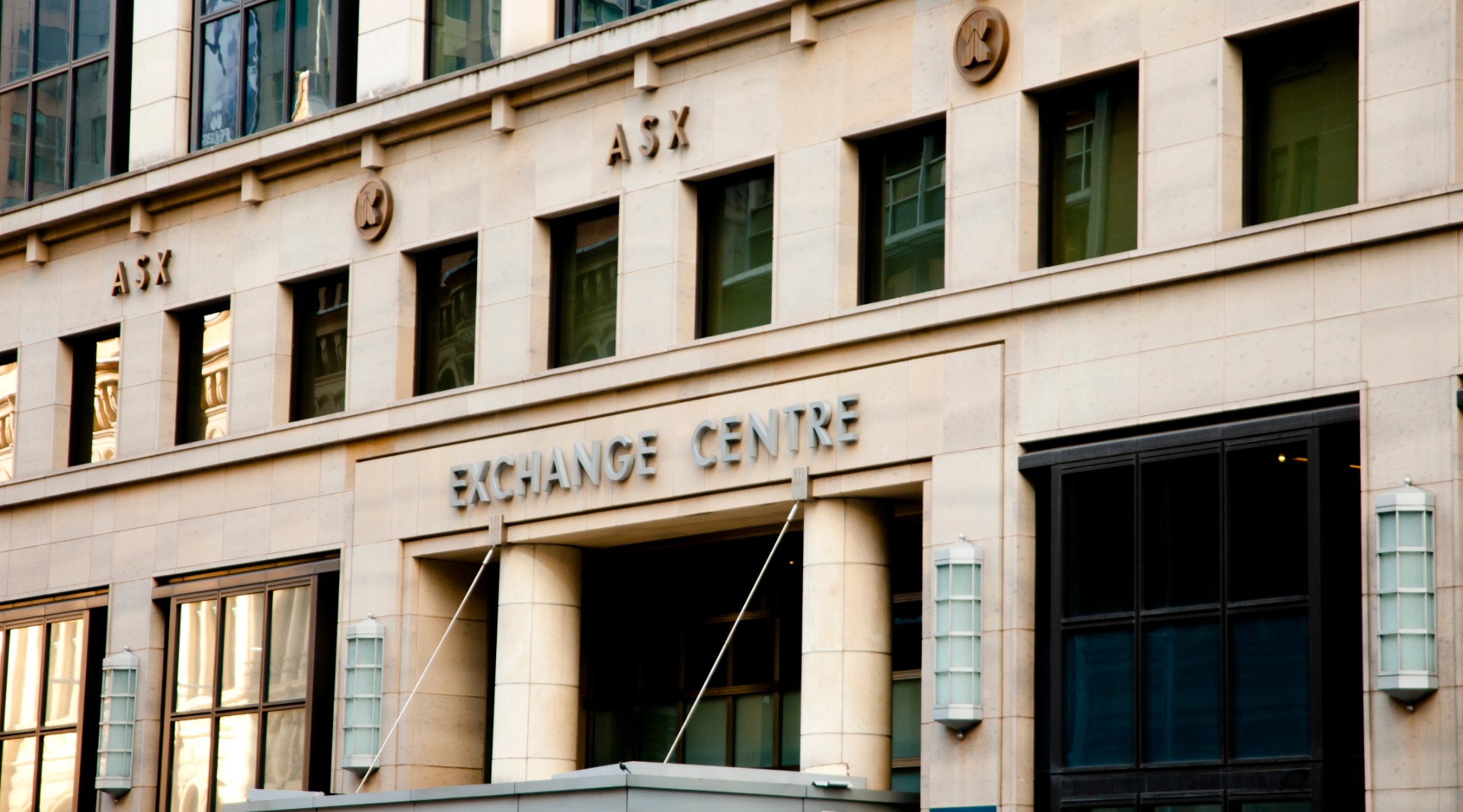
Australia's main stock exchange operator faces a sweeping transformation after regulators found it prioritized shareholder returns over the stability of critical market infrastructure, leading to repeated system failures and governance breakdowns.
Australian Securities and Investments Commission’s (ASIC) inquiry, initiated in June following system outages, uncovered what the three-member panel described as a fundamental imbalance between ASX's commercial interests and its role as steward of systemically important financial infrastructure.
The panel conducted 140 stakeholder interviews and reviewed nearly 10,000 documents.
Dividend Payouts Came at Infrastructure's Expense
ASX paid out 88% of underlying profit and 95% of statutory profit as dividends over the past five years, while deferring technology upgrades and under-investing in systems and staff, the interim report found.
That focus on constraining costs benefited shareholders but left the exchange operator struggling with outdated platforms and inadequate contingency arrangements.
- ASIC Makes “Reporting Misconduct” a Priority: An Alarm for CFD Brokers?
- ASIC Warns Fake Moneysmart Pages Harvest Investor Details
- Cboe Gets Green Light to Break ASX's Grip on Australian Market
“ASX has paid the price of low operational and capital expenditure over many years,” the panel wrote. The approach contributed to several serious incidents over the past five years, including a November outage that halted trading and a December settlement system failure.
Financial objectives over the past 20 years “heavily influenced” decision-making in ways that compromised the resilience of critical infrastructure, according to the report.

Shareholder expectations remain anchored to past performance, creating what the panel called “a real and unresolved tension” between investors, customers and regulators.
ASIC Chairman Joe Longo called the reform package a “circuit-breaker” for an exchange operator that “underestimate[d] the full extent of change required.” The regulator will work with the RBA to establish a joint supervisory team with dedicated oversight of ASX's transformation efforts.
Boards Lack Independence to Oversee Critical Functions
Current governance arrangements fail to give clearing and settlement facility boards adequate independence from ASX Limited's commercial pressures, the inquiry found. Directors from the parent company sit on subsidiary boards, and the clearing entities rely entirely on group resources without transparent financial accounts showing their true costs and revenues.
ASX agreed to restructure those boards to include only independent directors with no current or past ties to ASX Limited. The clearing and settlement subsidiaries will also gain dedicated resources, budget authority and audited financial statements under the reform package.
“This is most clearly illustrated with respect to the CS Facility Licensees,” the panel wrote, noting that boards lacked “sufficient clarity, focus, independence and dedicated resources” to fulfill their obligations .
$150 Million Capital Charge Imposed
ASX Limited must accumulate an additional $150 million in net tangible assets by June 30, 2027, to reflect elevated risks from persistent governance weaknesses, technology under-investment and capability deficiencies. The capital charge will remain in place until regulators confirm ASX has achieved key milestones in its reset transformation program.
The measure aims to strengthen ASX's financial position to respond to risks that may materialize while incentivizing timely and effective remediation. It comes as the exchange operator already faces heightened scrutiny from regulators over its operational resilience.
ASIC and the RBA also committed to reviewing their supervisory model for clearing and settlement facilities, acknowledging that “existing regulatory practices have not been effective” in driving desired outcomes. The panel's final report is due by March 31, 2026.