Multi-family offices provide outsourced solutions; single-family offices maintain tailored management.
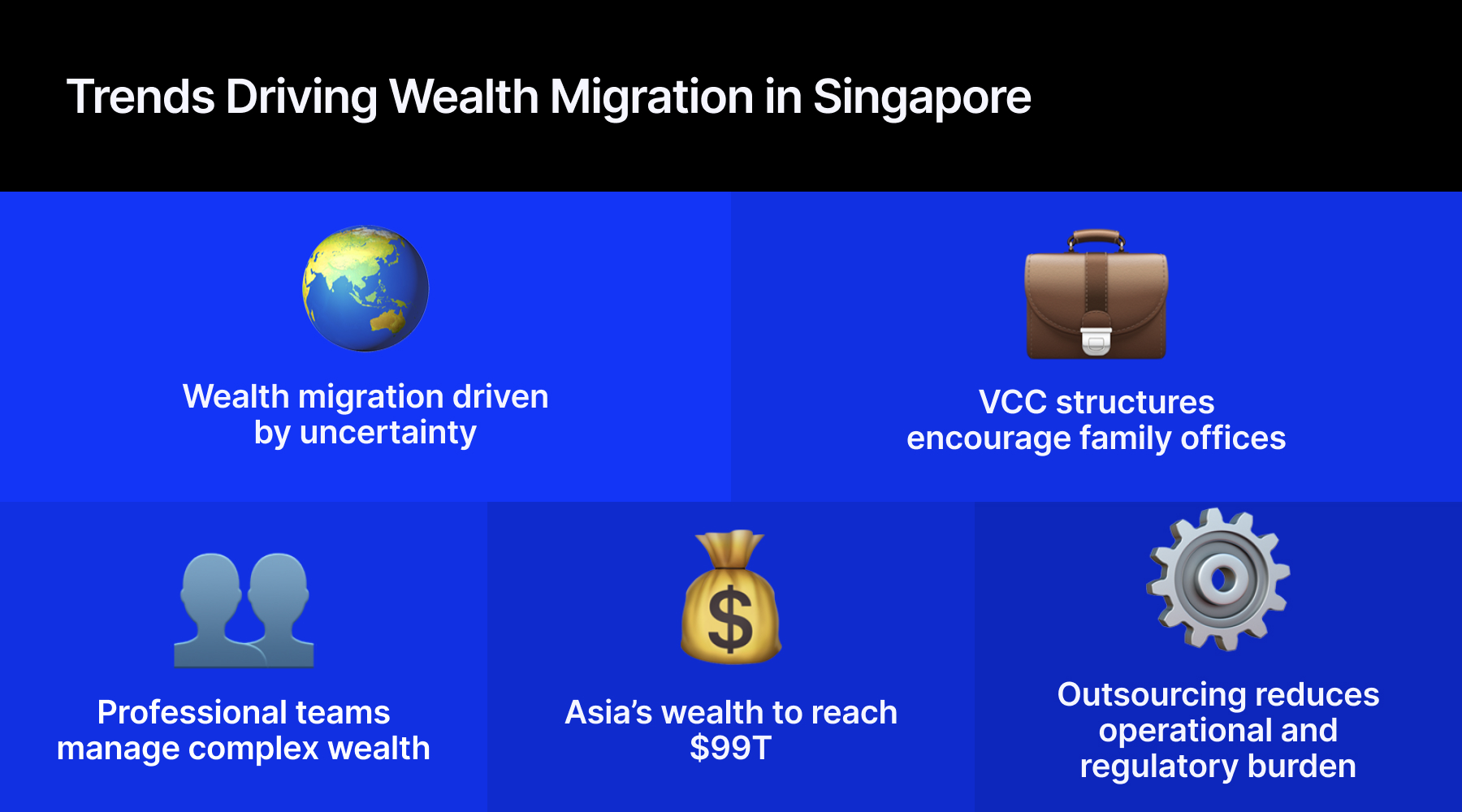
Wealth migration to Singapore driven by geopolitical uncertainty and tax incentives like VCC structures.
Wealthy individuals and families from across Asia continue
to gravitate towards Singapore when it comes to establishing private wealth
management advisory firms for investment management, financial planning, tax,
estate planning, and lifestyle services.
According to family office data vendor Dakota, Singapore’s
single-family office universe has expanded exponentially since the start of the
decade, from around 400 in 2020 to more than 2,000 – a trend it describes as
one of the fastest wealth migrations in modern history.
Singapore’s Strategic Advantages
A combination of geopolitical uncertainty in traditional
wealth centres and proactive courtship of family offices through tailored tax
incentives and regulatory frameworks (including the introduction of the
variable capital company, or VCC, structure) has positioned Singapore as the de
facto family office capital of Asia.
“Families typically establish family offices to bring
greater structure, control, and long-term focus to the management of their
wealth,” she explains. “This often includes centralising oversight of
investment portfolios across asset classes and geographies, as well as putting
in place governance frameworks to support succession planning and
intergenerational wealth transfer.”
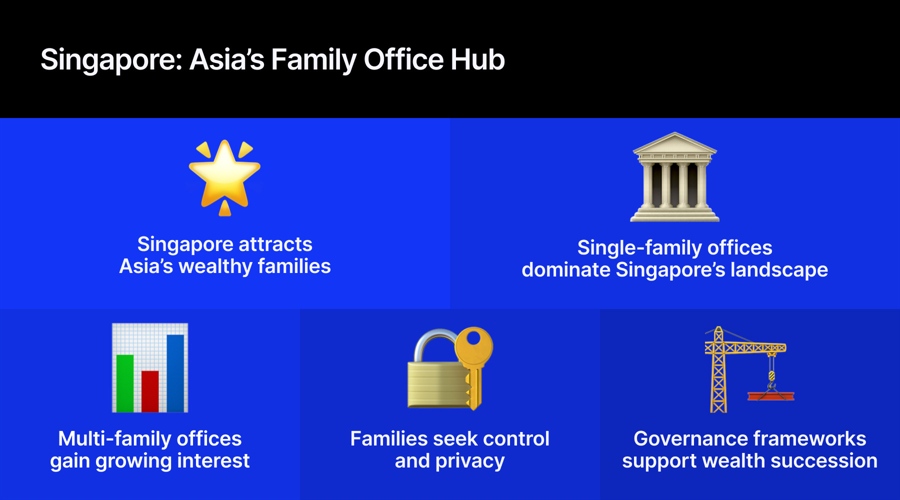
She adds that single-family offices continue to dominate the
landscape in Singapore, largely driven by ultra-high-net-worth families seeking
greater control, privacy, and tailored governance structures.
“Multi-family offices are present but fewer in number,
typically serving multiple families through more institutionalised platforms,”
says Yee.
Regional and Global Appeal
There has been tremendous growth in family office
development in Singapore over the last decade – not just for Singapore-based
families, but for ultra-high-net-worth families across the region and even
globally, who appreciate Singapore’s political stability, rule of law, and
access to professional and financial services.
The rising demand for family offices for wealth and
investment management solutions is a clear sign of the rising prosperity and
opportunities in Singapore and across ASEAN.
Insights from UOB Private Bank
That is the view of Angela Koh, head of wealth planning and
family office advisory services at UOB Private Bank, who refers to the bank’s
2025 Asia generational wealth report to underline the further potential for
family office growth in Singapore and across Asia.
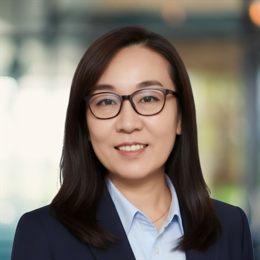
Angela Koh, Head of Wealth Planning and Family Office Advisory Services at UOB Private Bank
“We found that Asia’s wealth landscape is expected to reach
$99 trillion by 2029,” she says. “With the volume of wealth created over the
last three decades, families are finding the need for a more centralised,
organised, and professional arrangement to manage their wealth.”
Complexity Requires Professional Management
The complexity of the business and regulatory environment
further necessitates specific skill sets to deal with various wealth management
functions, and families have found that it is no longer sufficient for family
members or business employees to be roped in to oversee the management of their
private wealth.
Demand for family offices has grown as it provides a
dedicated operating platform that integrates investments, governance, and
succession, and the operation of each entity is tailored to the specific needs
of the family, adds Koh.
“A board comprising carefully selected family members and
professionals is focused on executing the long-term strategies anchored by the
family’s values and purpose,” she explains. “These families see the value in
building proficient and trusted teams to manage the wealth built from their
businesses.
A family office can also be an effective solution to navigate
through impending challenges of succession planning or inheritance, as it
manages a family’s private wealth and diverse business ownerships centrally.”
Single-Family vs. Multi-Family Offices
It has been suggested that multi-family offices are gaining
traction at the expense of single-family offices, as ultra-wealthy families
seek to minimise regulatory complexity and gain access to more sophisticated
investment strategies. However, the reality is more nuanced, according to Yee.
“There is growing interest in multi-family offices, but not
necessarily at the expense of their single-family counterparts,” she says.
“Both models are expanding, albeit for different reasons. Multi-family offices
can offer access to shared infrastructure, broader investment expertise, and
support with regulatory and operational complexity, making them attractive to
families looking for a more outsourced approach.”
Dion Yee, Commercial Director in Singapore for Ocorian
At the same time, single-family office growth remains
strong, particularly among ultra-high-net-worth families who prioritise
control, confidentiality, and bespoke governance, adds Yee.
She suggests there are two main reasons for this, the first
of which is the ability to access a wider pool of qualified and experienced
professionals.
“Single-family offices often do not have clear roles and
human resources policies to attract such talent, while multi-family office
structures remove the need to directly manage the costs and challenges
associated with hiring and retaining these talents,” says Koh.
Most single-family offices have small and dedicated teams
that may not possess the breadth of experience and expertise required to manage
diverse functions as business wealth grows. In contrast, shared platforms allow
ultra-high-net-worth families to access broader, more specialised resources and
knowledge.
Access to a diverse team of investment professionals
specialising in different asset classes across multiple jurisdictions also
provides a significant advantage.
“Secondly, the growing demand for multi-family office
platforms is due to the increasing complexity of cross-border regulatory and
reporting requirements for various investments, diversified holding structures,
and varying tax regimes faced by asset owners and controllers,” says Koh.
She notes that maintaining a family office involves
operational experience, compliance, and regulatory oversight, and that families
tend to underestimate the importance of these being in place for family offices
to effectively function.
“Without scale, investing into a single-family office may
not make economic sense, so families may decide that they are better off
outsourcing most or all of these functions through multi-family office
structures,” concludes Koh.
Wealthy individuals and families from across Asia continue
to gravitate towards Singapore when it comes to establishing private wealth
management advisory firms for investment management, financial planning, tax,
estate planning, and lifestyle services.
According to family office data vendor Dakota, Singapore’s
single-family office universe has expanded exponentially since the start of the
decade, from around 400 in 2020 to more than 2,000 – a trend it describes as
one of the fastest wealth migrations in modern history.
Singapore’s Strategic Advantages
A combination of geopolitical uncertainty in traditional
wealth centres and proactive courtship of family offices through tailored tax
incentives and regulatory frameworks (including the introduction of the
variable capital company, or VCC, structure) has positioned Singapore as the de
facto family office capital of Asia.
“Families typically establish family offices to bring
greater structure, control, and long-term focus to the management of their
wealth,” she explains. “This often includes centralising oversight of
investment portfolios across asset classes and geographies, as well as putting
in place governance frameworks to support succession planning and
intergenerational wealth transfer.”
She adds that single-family offices continue to dominate the
landscape in Singapore, largely driven by ultra-high-net-worth families seeking
greater control, privacy, and tailored governance structures.
“Multi-family offices are present but fewer in number,
typically serving multiple families through more institutionalised platforms,”
says Yee.
Regional and Global Appeal
There has been tremendous growth in family office
development in Singapore over the last decade – not just for Singapore-based
families, but for ultra-high-net-worth families across the region and even
globally, who appreciate Singapore’s political stability, rule of law, and
access to professional and financial services.
The rising demand for family offices for wealth and
investment management solutions is a clear sign of the rising prosperity and
opportunities in Singapore and across ASEAN.
Insights from UOB Private Bank
That is the view of Angela Koh, head of wealth planning and
family office advisory services at UOB Private Bank, who refers to the bank’s
2025 Asia generational wealth report to underline the further potential for
family office growth in Singapore and across Asia.
Angela Koh, Head of Wealth Planning and Family Office Advisory Services at UOB Private Bank
“We found that Asia’s wealth landscape is expected to reach
$99 trillion by 2029,” she says. “With the volume of wealth created over the
last three decades, families are finding the need for a more centralised,
organised, and professional arrangement to manage their wealth.”
Complexity Requires Professional Management
The complexity of the business and regulatory environment
further necessitates specific skill sets to deal with various wealth management
functions, and families have found that it is no longer sufficient for family
members or business employees to be roped in to oversee the management of their
private wealth.
Demand for family offices has grown as it provides a
dedicated operating platform that integrates investments, governance, and
succession, and the operation of each entity is tailored to the specific needs
of the family, adds Koh.
“A board comprising carefully selected family members and
professionals is focused on executing the long-term strategies anchored by the
family’s values and purpose,” she explains. “These families see the value in
building proficient and trusted teams to manage the wealth built from their
businesses.
A family office can also be an effective solution to navigate
through impending challenges of succession planning or inheritance, as it
manages a family’s private wealth and diverse business ownerships centrally.”
Single-Family vs. Multi-Family Offices
It has been suggested that multi-family offices are gaining
traction at the expense of single-family offices, as ultra-wealthy families
seek to minimise regulatory complexity and gain access to more sophisticated
investment strategies. However, the reality is more nuanced, according to Yee.
“There is growing interest in multi-family offices, but not
necessarily at the expense of their single-family counterparts,” she says.
“Both models are expanding, albeit for different reasons. Multi-family offices
can offer access to shared infrastructure, broader investment expertise, and
support with regulatory and operational complexity, making them attractive to
families looking for a more outsourced approach.”
Dion Yee, Commercial Director in Singapore for Ocorian
At the same time, single-family office growth remains
strong, particularly among ultra-high-net-worth families who prioritise
control, confidentiality, and bespoke governance, adds Yee.
She suggests there are two main reasons for this, the first
of which is the ability to access a wider pool of qualified and experienced
professionals.
“Single-family offices often do not have clear roles and
human resources policies to attract such talent, while multi-family office
structures remove the need to directly manage the costs and challenges
associated with hiring and retaining these talents,” says Koh.
Most single-family offices have small and dedicated teams
that may not possess the breadth of experience and expertise required to manage
diverse functions as business wealth grows. In contrast, shared platforms allow
ultra-high-net-worth families to access broader, more specialised resources and
knowledge.
Access to a diverse team of investment professionals
specialising in different asset classes across multiple jurisdictions also
provides a significant advantage.
“Secondly, the growing demand for multi-family office
platforms is due to the increasing complexity of cross-border regulatory and
reporting requirements for various investments, diversified holding structures,
and varying tax regimes faced by asset owners and controllers,” says Koh.
She notes that maintaining a family office involves
operational experience, compliance, and regulatory oversight, and that families
tend to underestimate the importance of these being in place for family offices
to effectively function.
“Without scale, investing into a single-family office may
not make economic sense, so families may decide that they are better off
outsourcing most or all of these functions through multi-family office
structures,” concludes Koh.
Paul Golden is an experienced freelance financial journalist with a strong institutional background. Over the past two decades, he has written for globally recognised financial publications, covering topics such as market structure, regulation, trading behaviour, and economic policy.
In this video, we review @FundedNext a proprietary trading firm offering evaluation challenges for CFD and futures traders using simulated accounts.
We cover how the model works, including challenge types, profit targets, loss limits, and performance-based rewards. You’ll also learn about payout structures, supported platforms, and key features such as the firm’s 24-hour payout policy and flexible challenge formats.
Watch the full video to see if FundedNext fits your trading approach.
#FundedNext #PropFirm #PropTrading #FinanceMagnates #Trading #CFDTrading #FuturesTrading #TradingReview
In this video, we review @FundedNext a proprietary trading firm offering evaluation challenges for CFD and futures traders using simulated accounts.
We cover how the model works, including challenge types, profit targets, loss limits, and performance-based rewards. You’ll also learn about payout structures, supported platforms, and key features such as the firm’s 24-hour payout policy and flexible challenge formats.
Watch the full video to see if FundedNext fits your trading approach.
#FundedNext #PropFirm #PropTrading #FinanceMagnates #Trading #CFDTrading #FuturesTrading #TradingReview
In this video, we review @FundedNext a proprietary trading firm offering evaluation challenges for CFD and futures traders using simulated accounts.
We cover how the model works, including challenge types, profit targets, loss limits, and performance-based rewards. You’ll also learn about payout structures, supported platforms, and key features such as the firm’s 24-hour payout policy and flexible challenge formats.
Watch the full video to see if FundedNext fits your trading approach.
#FundedNext #PropFirm #PropTrading #FinanceMagnates #Trading #CFDTrading #FuturesTrading #TradingReview
In this video, we review @FundedNext a proprietary trading firm offering evaluation challenges for CFD and futures traders using simulated accounts.
We cover how the model works, including challenge types, profit targets, loss limits, and performance-based rewards. You’ll also learn about payout structures, supported platforms, and key features such as the firm’s 24-hour payout policy and flexible challenge formats.
Watch the full video to see if FundedNext fits your trading approach.
#FundedNext #PropFirm #PropTrading #FinanceMagnates #Trading #CFDTrading #FuturesTrading #TradingReview
TradingPro Winner Spotlight 🏆 | Global Best Overall Broker 2025
TradingPro Winner Spotlight 🏆 | Global Best Overall Broker 2025
TradingPro Winner Spotlight 🏆 | Global Best Overall Broker 2025
TradingPro Winner Spotlight 🏆 | Global Best Overall Broker 2025
TradingPro Winner Spotlight 🏆 | Global Best Overall Broker 2025
TradingPro Winner Spotlight 🏆 | Global Best Overall Broker 2025
TradingPro takes the spotlight as Global Best Overall Broker 2025 at the Finance Magnates Awards.
Yusna Yusman, Head of Global Marketing, describes the night as inspiring, elegant, and full of energy.
She also shares a message of appreciation to the clients and community whose support made this achievement possible.
👉 Be part of FM Awards 2026.
#FinanceMagnatesAwards #TradingPro #Trading #Fintech #Broker #WinnerSpotlight #Shorts
TradingPro takes the spotlight as Global Best Overall Broker 2025 at the Finance Magnates Awards.
Yusna Yusman, Head of Global Marketing, describes the night as inspiring, elegant, and full of energy.
She also shares a message of appreciation to the clients and community whose support made this achievement possible.
👉 Be part of FM Awards 2026.
#FinanceMagnatesAwards #TradingPro #Trading #Fintech #Broker #WinnerSpotlight #Shorts
TradingPro takes the spotlight as Global Best Overall Broker 2025 at the Finance Magnates Awards.
Yusna Yusman, Head of Global Marketing, describes the night as inspiring, elegant, and full of energy.
She also shares a message of appreciation to the clients and community whose support made this achievement possible.
👉 Be part of FM Awards 2026.
#FinanceMagnatesAwards #TradingPro #Trading #Fintech #Broker #WinnerSpotlight #Shorts
TradingPro takes the spotlight as Global Best Overall Broker 2025 at the Finance Magnates Awards.
Yusna Yusman, Head of Global Marketing, describes the night as inspiring, elegant, and full of energy.
She also shares a message of appreciation to the clients and community whose support made this achievement possible.
👉 Be part of FM Awards 2026.
#FinanceMagnatesAwards #TradingPro #Trading #Fintech #Broker #WinnerSpotlight #Shorts
TradingPro takes the spotlight as Global Best Overall Broker 2025 at the Finance Magnates Awards.
Yusna Yusman, Head of Global Marketing, describes the night as inspiring, elegant, and full of energy.
She also shares a message of appreciation to the clients and community whose support made this achievement possible.
👉 Be part of FM Awards 2026.
#FinanceMagnatesAwards #TradingPro #Trading #Fintech #Broker #WinnerSpotlight #Shorts
TradingPro takes the spotlight as Global Best Overall Broker 2025 at the Finance Magnates Awards.
Yusna Yusman, Head of Global Marketing, describes the night as inspiring, elegant, and full of energy.
She also shares a message of appreciation to the clients and community whose support made this achievement possible.
👉 Be part of FM Awards 2026.
#FinanceMagnatesAwards #TradingPro #Trading #Fintech #Broker #WinnerSpotlight #Shorts
In this video, we review @deriv an online broker offering CFDs and options across a wide range of markets, including forex, stocks, indices, commodities, cryptocurrencies, and derived indices.
We cover the broker’s overall offering, including its multi-jurisdiction regulatory structure, platform ecosystem, and range of account types. We also explore key features such as product availability, funding options, and trading conditions.
Watch the full video to see if Deriv fits your trading needs.
#Deriv #ForexBroker #CFDTrading #FinanceMagnates #Trading #BrokerReview #OnlineTrading
In this video, we review @deriv an online broker offering CFDs and options across a wide range of markets, including forex, stocks, indices, commodities, cryptocurrencies, and derived indices.
We cover the broker’s overall offering, including its multi-jurisdiction regulatory structure, platform ecosystem, and range of account types. We also explore key features such as product availability, funding options, and trading conditions.
Watch the full video to see if Deriv fits your trading needs.
#Deriv #ForexBroker #CFDTrading #FinanceMagnates #Trading #BrokerReview #OnlineTrading
In this video, we review @deriv an online broker offering CFDs and options across a wide range of markets, including forex, stocks, indices, commodities, cryptocurrencies, and derived indices.
We cover the broker’s overall offering, including its multi-jurisdiction regulatory structure, platform ecosystem, and range of account types. We also explore key features such as product availability, funding options, and trading conditions.
Watch the full video to see if Deriv fits your trading needs.
#Deriv #ForexBroker #CFDTrading #FinanceMagnates #Trading #BrokerReview #OnlineTrading
In this video, we review @deriv an online broker offering CFDs and options across a wide range of markets, including forex, stocks, indices, commodities, cryptocurrencies, and derived indices.
We cover the broker’s overall offering, including its multi-jurisdiction regulatory structure, platform ecosystem, and range of account types. We also explore key features such as product availability, funding options, and trading conditions.
Watch the full video to see if Deriv fits your trading needs.
#Deriv #ForexBroker #CFDTrading #FinanceMagnates #Trading #BrokerReview #OnlineTrading
In this video, we review @deriv an online broker offering CFDs and options across a wide range of markets, including forex, stocks, indices, commodities, cryptocurrencies, and derived indices.
We cover the broker’s overall offering, including its multi-jurisdiction regulatory structure, platform ecosystem, and range of account types. We also explore key features such as product availability, funding options, and trading conditions.
Watch the full video to see if Deriv fits your trading needs.
#Deriv #ForexBroker #CFDTrading #FinanceMagnates #Trading #BrokerReview #OnlineTrading
In this video, we review @deriv an online broker offering CFDs and options across a wide range of markets, including forex, stocks, indices, commodities, cryptocurrencies, and derived indices.
We cover the broker’s overall offering, including its multi-jurisdiction regulatory structure, platform ecosystem, and range of account types. We also explore key features such as product availability, funding options, and trading conditions.
Watch the full video to see if Deriv fits your trading needs.
#Deriv #ForexBroker #CFDTrading #FinanceMagnates #Trading #BrokerReview #OnlineTrading
Opening-Up eWallets’ Future: The Enduring Value of eWallets in the Trading Space ︳FM Talks x Paysafe
Opening-Up eWallets’ Future: The Enduring Value of eWallets in the Trading Space ︳FM Talks x Paysafe
Opening-Up eWallets’ Future: The Enduring Value of eWallets in the Trading Space ︳FM Talks x Paysafe
Opening-Up eWallets’ Future: The Enduring Value of eWallets in the Trading Space ︳FM Talks x Paysafe
Opening-Up eWallets’ Future: The Enduring Value of eWallets in the Trading Space ︳FM Talks x Paysafe
Opening-Up eWallets’ Future: The Enduring Value of eWallets in the Trading Space ︳FM Talks x Paysafe
eWallets aren’t just moving money anymore, they’re running the show.
In this episode of FM Talks, Adonis Adoni (News Editor at Finance Magnates) sits down with Paysafe 's:
•Bob Legters, Chief Product Officer
•Jeannie Lam, VP of Sales & Account Management for Forex & Financial Trading
to break down how wallets evolved from simple payment tools into core trading infrastructure.
💥 Inside the conversation:
•Why wallets now drive growth, retention, and global scale for brokers
•The hidden power behind deposit success, fraud prevention, and UX
•Stablecoins: hype, reality, and where they actually fit today
•AI in wallets: smarter flows vs rising fraud risks
•The rise of white-label wallets and full ecosystem control
•What the future looks like when wallets become your financial brain
🔗 Learn more about @PaysafeGroup : https://www.paysafe.com/en/optimize-forex-payments-for-growth-in-2026/fm/?utm_source=fm&utm_medium=podcast&utm_campaign=2026-q1-fx-demand-gen&utm_content=podcast
From fiat to crypto, payments to trading, everything is converging and wallets are right at the center of it.
#Fintech #eWallets #Trading #DigitalPayments #Stablecoins #Crypto #AIinFintech #FutureOfFinance #Paysafe #FMtalks
eWallets aren’t just moving money anymore, they’re running the show.
In this episode of FM Talks, Adonis Adoni (News Editor at Finance Magnates) sits down with Paysafe 's:
•Bob Legters, Chief Product Officer
•Jeannie Lam, VP of Sales & Account Management for Forex & Financial Trading
to break down how wallets evolved from simple payment tools into core trading infrastructure.
💥 Inside the conversation:
•Why wallets now drive growth, retention, and global scale for brokers
•The hidden power behind deposit success, fraud prevention, and UX
•Stablecoins: hype, reality, and where they actually fit today
•AI in wallets: smarter flows vs rising fraud risks
•The rise of white-label wallets and full ecosystem control
•What the future looks like when wallets become your financial brain
🔗 Learn more about @PaysafeGroup : https://www.paysafe.com/en/optimize-forex-payments-for-growth-in-2026/fm/?utm_source=fm&utm_medium=podcast&utm_campaign=2026-q1-fx-demand-gen&utm_content=podcast
From fiat to crypto, payments to trading, everything is converging and wallets are right at the center of it.
#Fintech #eWallets #Trading #DigitalPayments #Stablecoins #Crypto #AIinFintech #FutureOfFinance #Paysafe #FMtalks
eWallets aren’t just moving money anymore, they’re running the show.
In this episode of FM Talks, Adonis Adoni (News Editor at Finance Magnates) sits down with Paysafe 's:
•Bob Legters, Chief Product Officer
•Jeannie Lam, VP of Sales & Account Management for Forex & Financial Trading
to break down how wallets evolved from simple payment tools into core trading infrastructure.
💥 Inside the conversation:
•Why wallets now drive growth, retention, and global scale for brokers
•The hidden power behind deposit success, fraud prevention, and UX
•Stablecoins: hype, reality, and where they actually fit today
•AI in wallets: smarter flows vs rising fraud risks
•The rise of white-label wallets and full ecosystem control
•What the future looks like when wallets become your financial brain
🔗 Learn more about @PaysafeGroup : https://www.paysafe.com/en/optimize-forex-payments-for-growth-in-2026/fm/?utm_source=fm&utm_medium=podcast&utm_campaign=2026-q1-fx-demand-gen&utm_content=podcast
From fiat to crypto, payments to trading, everything is converging and wallets are right at the center of it.
#Fintech #eWallets #Trading #DigitalPayments #Stablecoins #Crypto #AIinFintech #FutureOfFinance #Paysafe #FMtalks
eWallets aren’t just moving money anymore, they’re running the show.
In this episode of FM Talks, Adonis Adoni (News Editor at Finance Magnates) sits down with Paysafe 's:
•Bob Legters, Chief Product Officer
•Jeannie Lam, VP of Sales & Account Management for Forex & Financial Trading
to break down how wallets evolved from simple payment tools into core trading infrastructure.
💥 Inside the conversation:
•Why wallets now drive growth, retention, and global scale for brokers
•The hidden power behind deposit success, fraud prevention, and UX
•Stablecoins: hype, reality, and where they actually fit today
•AI in wallets: smarter flows vs rising fraud risks
•The rise of white-label wallets and full ecosystem control
•What the future looks like when wallets become your financial brain
🔗 Learn more about @PaysafeGroup : https://www.paysafe.com/en/optimize-forex-payments-for-growth-in-2026/fm/?utm_source=fm&utm_medium=podcast&utm_campaign=2026-q1-fx-demand-gen&utm_content=podcast
From fiat to crypto, payments to trading, everything is converging and wallets are right at the center of it.
#Fintech #eWallets #Trading #DigitalPayments #Stablecoins #Crypto #AIinFintech #FutureOfFinance #Paysafe #FMtalks
eWallets aren’t just moving money anymore, they’re running the show.
In this episode of FM Talks, Adonis Adoni (News Editor at Finance Magnates) sits down with Paysafe 's:
•Bob Legters, Chief Product Officer
•Jeannie Lam, VP of Sales & Account Management for Forex & Financial Trading
to break down how wallets evolved from simple payment tools into core trading infrastructure.
💥 Inside the conversation:
•Why wallets now drive growth, retention, and global scale for brokers
•The hidden power behind deposit success, fraud prevention, and UX
•Stablecoins: hype, reality, and where they actually fit today
•AI in wallets: smarter flows vs rising fraud risks
•The rise of white-label wallets and full ecosystem control
•What the future looks like when wallets become your financial brain
🔗 Learn more about @PaysafeGroup : https://www.paysafe.com/en/optimize-forex-payments-for-growth-in-2026/fm/?utm_source=fm&utm_medium=podcast&utm_campaign=2026-q1-fx-demand-gen&utm_content=podcast
From fiat to crypto, payments to trading, everything is converging and wallets are right at the center of it.
#Fintech #eWallets #Trading #DigitalPayments #Stablecoins #Crypto #AIinFintech #FutureOfFinance #Paysafe #FMtalks
eWallets aren’t just moving money anymore, they’re running the show.
In this episode of FM Talks, Adonis Adoni (News Editor at Finance Magnates) sits down with Paysafe 's:
•Bob Legters, Chief Product Officer
•Jeannie Lam, VP of Sales & Account Management for Forex & Financial Trading
to break down how wallets evolved from simple payment tools into core trading infrastructure.
💥 Inside the conversation:
•Why wallets now drive growth, retention, and global scale for brokers
•The hidden power behind deposit success, fraud prevention, and UX
•Stablecoins: hype, reality, and where they actually fit today
•AI in wallets: smarter flows vs rising fraud risks
•The rise of white-label wallets and full ecosystem control
•What the future looks like when wallets become your financial brain
🔗 Learn more about @PaysafeGroup : https://www.paysafe.com/en/optimize-forex-payments-for-growth-in-2026/fm/?utm_source=fm&utm_medium=podcast&utm_campaign=2026-q1-fx-demand-gen&utm_content=podcast
From fiat to crypto, payments to trading, everything is converging and wallets are right at the center of it.
#Fintech #eWallets #Trading #DigitalPayments #Stablecoins #Crypto #AIinFintech #FutureOfFinance #Paysafe #FMtalks
FP Markets Review: Forex & CFD Broker Overview for Asia Traders | Finance Magnates
FP Markets Review: Forex & CFD Broker Overview for Asia Traders | Finance Magnates
FP Markets Review: Forex & CFD Broker Overview for Asia Traders | Finance Magnates
FP Markets Review: Forex & CFD Broker Overview for Asia Traders | Finance Magnates
FP Markets Review: Forex & CFD Broker Overview for Asia Traders | Finance Magnates
FP Markets Review: Forex & CFD Broker Overview for Asia Traders | Finance Magnates
In this video, we review @fpmarkets a multi-asset forex and CFDs broker operating across multiple regulated entities worldwide.
We cover the broker’s overall offering, including its regulatory structure, trading platforms, as well as its account types and product range. We also explore key considerations for traders in Asia, including entity differences, leverage, and market access.
Watch the full video to see if FP Markets fits your trading needs.
📣 Stay up to date with the latest in finance and trading. Follow Finance Magnates for industry news, insights, and global event coverage.
Connect with us:
🔗 LinkedIn: /financemagnates
👍 Facebook: /financemagnates
📸 Instagram: https://www.instagram.com/financemagnates
🐦 X: https://x.com/financemagnates
🎥 TikTok: https://www.tiktok.com/tag/financemagnates
▶️ YouTube: /@financemagnates_official
#FPMarkets #ForexBroker #CFDTrading #FinanceMagnates #Trading #Forex #BrokerReview
In this video, we review @fpmarkets a multi-asset forex and CFDs broker operating across multiple regulated entities worldwide.
We cover the broker’s overall offering, including its regulatory structure, trading platforms, as well as its account types and product range. We also explore key considerations for traders in Asia, including entity differences, leverage, and market access.
Watch the full video to see if FP Markets fits your trading needs.
📣 Stay up to date with the latest in finance and trading. Follow Finance Magnates for industry news, insights, and global event coverage.
Connect with us:
🔗 LinkedIn: /financemagnates
👍 Facebook: /financemagnates
📸 Instagram: https://www.instagram.com/financemagnates
🐦 X: https://x.com/financemagnates
🎥 TikTok: https://www.tiktok.com/tag/financemagnates
▶️ YouTube: /@financemagnates_official
#FPMarkets #ForexBroker #CFDTrading #FinanceMagnates #Trading #Forex #BrokerReview
In this video, we review @fpmarkets a multi-asset forex and CFDs broker operating across multiple regulated entities worldwide.
We cover the broker’s overall offering, including its regulatory structure, trading platforms, as well as its account types and product range. We also explore key considerations for traders in Asia, including entity differences, leverage, and market access.
Watch the full video to see if FP Markets fits your trading needs.
📣 Stay up to date with the latest in finance and trading. Follow Finance Magnates for industry news, insights, and global event coverage.
Connect with us:
🔗 LinkedIn: /financemagnates
👍 Facebook: /financemagnates
📸 Instagram: https://www.instagram.com/financemagnates
🐦 X: https://x.com/financemagnates
🎥 TikTok: https://www.tiktok.com/tag/financemagnates
▶️ YouTube: /@financemagnates_official
#FPMarkets #ForexBroker #CFDTrading #FinanceMagnates #Trading #Forex #BrokerReview
In this video, we review @fpmarkets a multi-asset forex and CFDs broker operating across multiple regulated entities worldwide.
We cover the broker’s overall offering, including its regulatory structure, trading platforms, as well as its account types and product range. We also explore key considerations for traders in Asia, including entity differences, leverage, and market access.
Watch the full video to see if FP Markets fits your trading needs.
📣 Stay up to date with the latest in finance and trading. Follow Finance Magnates for industry news, insights, and global event coverage.
Connect with us:
🔗 LinkedIn: /financemagnates
👍 Facebook: /financemagnates
📸 Instagram: https://www.instagram.com/financemagnates
🐦 X: https://x.com/financemagnates
🎥 TikTok: https://www.tiktok.com/tag/financemagnates
▶️ YouTube: /@financemagnates_official
#FPMarkets #ForexBroker #CFDTrading #FinanceMagnates #Trading #Forex #BrokerReview
In this video, we review @fpmarkets a multi-asset forex and CFDs broker operating across multiple regulated entities worldwide.
We cover the broker’s overall offering, including its regulatory structure, trading platforms, as well as its account types and product range. We also explore key considerations for traders in Asia, including entity differences, leverage, and market access.
Watch the full video to see if FP Markets fits your trading needs.
📣 Stay up to date with the latest in finance and trading. Follow Finance Magnates for industry news, insights, and global event coverage.
Connect with us:
🔗 LinkedIn: /financemagnates
👍 Facebook: /financemagnates
📸 Instagram: https://www.instagram.com/financemagnates
🐦 X: https://x.com/financemagnates
🎥 TikTok: https://www.tiktok.com/tag/financemagnates
▶️ YouTube: /@financemagnates_official
#FPMarkets #ForexBroker #CFDTrading #FinanceMagnates #Trading #Forex #BrokerReview
In this video, we review @fpmarkets a multi-asset forex and CFDs broker operating across multiple regulated entities worldwide.
We cover the broker’s overall offering, including its regulatory structure, trading platforms, as well as its account types and product range. We also explore key considerations for traders in Asia, including entity differences, leverage, and market access.
Watch the full video to see if FP Markets fits your trading needs.
📣 Stay up to date with the latest in finance and trading. Follow Finance Magnates for industry news, insights, and global event coverage.
Connect with us:
🔗 LinkedIn: /financemagnates
👍 Facebook: /financemagnates
📸 Instagram: https://www.instagram.com/financemagnates
🐦 X: https://x.com/financemagnates
🎥 TikTok: https://www.tiktok.com/tag/financemagnates
▶️ YouTube: /@financemagnates_official
#FPMarkets #ForexBroker #CFDTrading #FinanceMagnates #Trading #Forex #BrokerReview