This article was written by Quinn Perrott who is the General Manager of TRAction Fintech. TRAction Fintech provides derivative trade reporting services in Australia, UK, Europe, Singapore and Hong Kong.
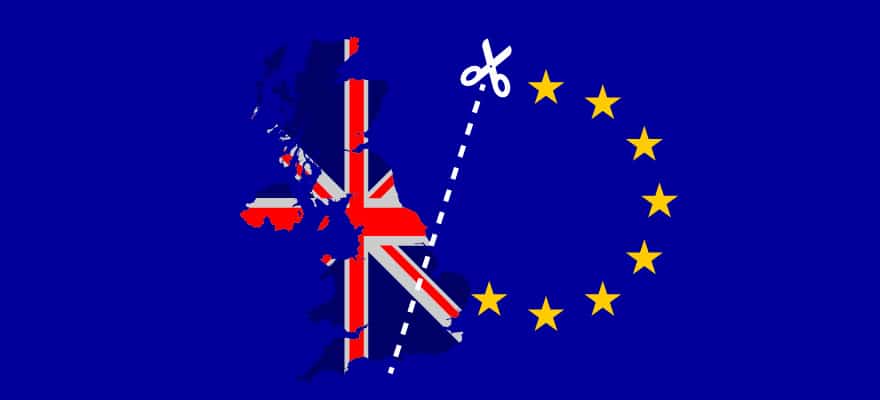
In case you missed it, last week the British population decided it would leave the European Union (EU), sending the finance industry into turmoil. Not only did the decision for Brexit
Brexit
Brexit stands for British Exit, or in reference to the United Kingdom’s decision to formally leave the European Union (EU) as declared in a June 23, 2016 referendum. In a more immediate sense, a tight vote and unexpected result helped drive British pound (GBP) to lows that had not been seen in decades.The day following the referendum, former Prime Minister David Cameron resigned from office where he was replaced by Theresa May, who later resigned from office on June 7th, 2019. Active Prime Minis
Read this Term have immediate effects on the finance industry but the impacts on the finance industry will be ongoing. One important decision Britain now faces is whether to leave the EU entirely and face re-creating relationships through bilateral arrangements or whether to maintain relationships with the European Economic Area (EEA).
Currently British firms that deal in Over The Counter (OTC) Derivatives are required to report trades as prescribed by European Securities and Market Authority (ESMA), an authority of the EU through the:
1. European Market Infrastructure Regulation
Regulation
Like any other industry with a high net worth, the financial services industry is tightly regulated to help curb illicit behavior and manipulation. Each asset class has its own set of protocols put in place to combat their respective forms of abuse.In the foreign exchange space, regulation is assumed by authorities in multiple jurisdictions, though ultimately lacking a binding international order. Who are the Industry’s Leading Regulators?Regulators such as the UK’s Financial Conduct Authority (
Read this Term (EMIR) and
2. Markets in Financial Instruments Directive (MiFID) regulation, with MiFID II regulation in the works.
One of the biggest focuses by OTC Derivatives firms will be whether they are required to continue reporting under EMIR and MiFID regulations or whether Britain will implement its own trade reporting legislation. In 2009, Britain pledged its allegiance to trade reporting and oversight of the OTC Derivatives industry at the G20 summit held in Pittsburgh and has continually been a strong contributor to the development of regulation under both ESMA and MiFID. Britain must continue to maintain its commitment to trade reporting regulation either through existing trade reporting regulation or the development and implementation of its own trade reporting requirements.
Should Britain decide to exit the EU entirely, Britain will no longer be bound to ESMA trade reporting regulation – European Market Infrastructure Regulation (EMIR).
Initially, we expect that the rules will remain largely as they are, with the United Kingdom’s Financial Conduct Authority (FCA) taking over the drafting and implementation, pushing through changes which may previously have not been accepted by other members during ESMA negotiations.
The abandonment of Britain of its influence on ESMA regulatory developments would mean that other EU member countries may not establish regulation in line with what Britain would usually agree with, therefore meaning that trade regulation across the EU and Britain could begin to diverge considerably.
Interestingly, one of the biggest changes under MiFID II regulation is the more stringent rules on 'third country firms'. These are the firms who buy and sell their financial products from outside of the EU. Britain’s exit from the EU means that its constituents classified as reporting entities under the OTC Derivatives requirements would become classified as a third country firm, meaning those entities wanting to provide services to EU resident clients would need to look at becoming regulated inside of the EU.
EMIR also requires non-member countries to apply for recognition as a “third-party CCP” (central counterparties). These changes alone will create extensive barriers for firms dealing in OTC Derivatives in addition to potential changes in trade reporting requirements.
The introduction of new trade reporting requirements would mean the establishment of new trade reporting legislation as well as trade repositories requiring licensing to accommodate British regulation. Entities that have only just got their head around ESMA and MiFID regulation and developed adequate systems to report trades in a compliant manner will have to once again prepare for the development of new trade reporting requirements to accommodate new British regulation.
This article was written by Quinn Perrott who is the General Manager of TRAction Fintech. TRAction Fintech provides derivative trade reporting services in Australia, UK, Europe, Singapore and Hong Kong.
In case you missed it, last week the British population decided it would leave the European Union (EU), sending the finance industry into turmoil. Not only did the decision for Brexit
Brexit
Brexit stands for British Exit, or in reference to the United Kingdom’s decision to formally leave the European Union (EU) as declared in a June 23, 2016 referendum. In a more immediate sense, a tight vote and unexpected result helped drive British pound (GBP) to lows that had not been seen in decades.The day following the referendum, former Prime Minister David Cameron resigned from office where he was replaced by Theresa May, who later resigned from office on June 7th, 2019. Active Prime Minis
Read this Term have immediate effects on the finance industry but the impacts on the finance industry will be ongoing. One important decision Britain now faces is whether to leave the EU entirely and face re-creating relationships through bilateral arrangements or whether to maintain relationships with the European Economic Area (EEA).
Currently British firms that deal in Over The Counter (OTC) Derivatives are required to report trades as prescribed by European Securities and Market Authority (ESMA), an authority of the EU through the:
1. European Market Infrastructure Regulation
Regulation
Like any other industry with a high net worth, the financial services industry is tightly regulated to help curb illicit behavior and manipulation. Each asset class has its own set of protocols put in place to combat their respective forms of abuse.In the foreign exchange space, regulation is assumed by authorities in multiple jurisdictions, though ultimately lacking a binding international order. Who are the Industry’s Leading Regulators?Regulators such as the UK’s Financial Conduct Authority (
Read this Term (EMIR) and
2. Markets in Financial Instruments Directive (MiFID) regulation, with MiFID II regulation in the works.
One of the biggest focuses by OTC Derivatives firms will be whether they are required to continue reporting under EMIR and MiFID regulations or whether Britain will implement its own trade reporting legislation. In 2009, Britain pledged its allegiance to trade reporting and oversight of the OTC Derivatives industry at the G20 summit held in Pittsburgh and has continually been a strong contributor to the development of regulation under both ESMA and MiFID. Britain must continue to maintain its commitment to trade reporting regulation either through existing trade reporting regulation or the development and implementation of its own trade reporting requirements.
Should Britain decide to exit the EU entirely, Britain will no longer be bound to ESMA trade reporting regulation – European Market Infrastructure Regulation (EMIR).
Initially, we expect that the rules will remain largely as they are, with the United Kingdom’s Financial Conduct Authority (FCA) taking over the drafting and implementation, pushing through changes which may previously have not been accepted by other members during ESMA negotiations.
The abandonment of Britain of its influence on ESMA regulatory developments would mean that other EU member countries may not establish regulation in line with what Britain would usually agree with, therefore meaning that trade regulation across the EU and Britain could begin to diverge considerably.
Interestingly, one of the biggest changes under MiFID II regulation is the more stringent rules on 'third country firms'. These are the firms who buy and sell their financial products from outside of the EU. Britain’s exit from the EU means that its constituents classified as reporting entities under the OTC Derivatives requirements would become classified as a third country firm, meaning those entities wanting to provide services to EU resident clients would need to look at becoming regulated inside of the EU.
EMIR also requires non-member countries to apply for recognition as a “third-party CCP” (central counterparties). These changes alone will create extensive barriers for firms dealing in OTC Derivatives in addition to potential changes in trade reporting requirements.
The introduction of new trade reporting requirements would mean the establishment of new trade reporting legislation as well as trade repositories requiring licensing to accommodate British regulation. Entities that have only just got their head around ESMA and MiFID regulation and developed adequate systems to report trades in a compliant manner will have to once again prepare for the development of new trade reporting requirements to accommodate new British regulation.