Charles Schwab expands 24-hour trading access to all retail clients, allowing trades of S&P 500, Nasdaq-100 stocks, and hundreds of ETFs.
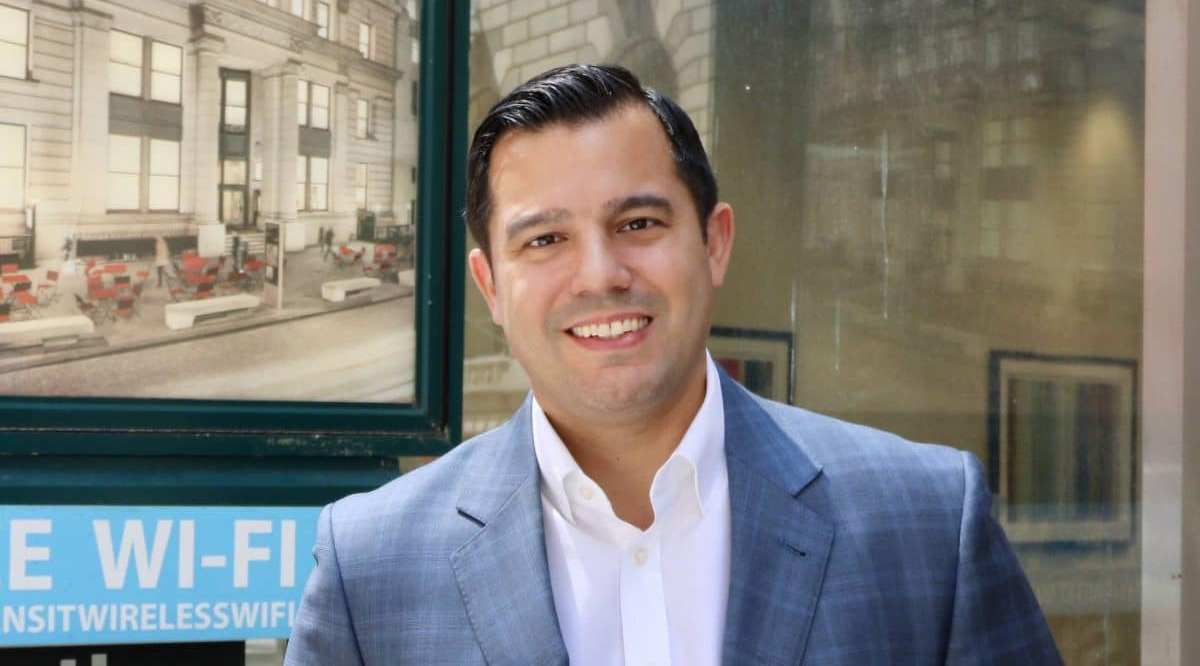
“In today’s world, market-moving news doesn’t wait for standard market hours,” said James Kostulias, Managing Director at Charles Schwab.
Charles
Schwab has expanded 24-hour trading access to its retail client base, joining a
broader industry movement toward round-the-clock market accessibility. The
financial services firm, which oversees $10.10 trillion in client assets,
announced yesterday (Wednesday) that retail traders can now trade S&P 500
and Nasdaq-100 stocks alongside hundreds of ETFs outside regular market
hours.
Schwab Rolls Out 24-Hour
Trading to $10 Trillion Client Base
Through
Schwab's thinkorswim platform, traders can now place continuous overnight
session orders (EXTO) that expire at 8 p.m. ET each market day. This development
follows the company's gradual expansion of a pilot program initiated in
November 2024.
James Kostulias, Managing Director and Head of Trading Services at Charles Schwab
“In today’s
world, market-moving news doesn’t wait for standard market hours,” said James
Kostulias, Managing Director and Head of Trading Services at Charles Schwab. “Retail
traders know what a difference it can make to have access to the markets when
volatility spikes.”
Analysis of
the pilot program revealed that overnight trading patterns largely reflected
traditional market behavior. Peak activity occurred between 8–9 p.m. ET and 3–4 a.m. ET, comparable to volume spikes typically observed during regular market
opens and closes. Technology stocks dominated trading activity during extended
hours, with companies like Tesla, NVIDIA, AMD, Palantir Technologies, and
MicroStrategy seeing significant volume.
“Each day,
Schwab facilitates about twice the trades of any competitor that shares that
figure publicly, and we know that expanding access to overnight trading to our
millions of clients is a significant milestone not just for Schwab but for our
industry,” Kostulias added.
In the
U.S., traditional stock exchanges like the New York Stock Exchange (NYSE) and
Nasdaq operate from 9:30 a.m. to 4:00 p.m. Eastern Time (ET). However, some brokers
and trading platforms offer 24-hour trading on popular indices like the S&P
500, Nasdaq-100, Dow Jones Industrial Average, and certain ETFs. This is made
possible through a combination of extended trading hours, futures markets, and
alternative trading systems (ATSs).
For example,
the CME Group runs nearly 24-hour futures trading, letting investors buy and
sell contracts tied to major indices outside regular stock market hours. Additionally,
electronic trading networks (ECNs) and alternative trading systems (ATSs), such
as Instinet and NYSE Arca, match buyers and sellers outside traditional
exchange hours. Some brokers even enable 24-hour ETF trading, letting investors
trade index-tracking funds overnight to react to global market changes.
However,
extended-hours trading carries distinct considerations for investors. These
sessions typically experience lower trading volumes than regular market hours,
which can lead to wider bid-ask spreads and potentially increased price
volatility. Market participants are advised to understand these characteristics
when engaging in after-hours trading.
Night Owl Trading Becomes
Popular
The move
comes as several major brokerages have recently enhanced their extended-hours
trading capabilities, reflecting increasing demand from retail investors for
flexible trading hours. While Schwab processes approximately six million daily
trades, other leading firms have also been developing similar offerings to
accommodate investors trading during non-traditional hours.
Recent data
indicates an increasing demand for trading beyond standard market hours. A March
report from Robinhood found that up to 25% of trading activity occurs outside
regular sessions. In response, Robinhood introduced a 24-hour trading service
last year, enabling investors to place limit orders from Sunday evening to
Friday evening. The NYSE is now considering expanding trading options to
include market orders.
This
expansion of trading hours across the industry marks a significant shift in
retail investor access to markets, reflecting both technological advances and
changing investor preferences in an increasingly global marketplace.
Charles
Schwab has expanded 24-hour trading access to its retail client base, joining a
broader industry movement toward round-the-clock market accessibility. The
financial services firm, which oversees $10.10 trillion in client assets,
announced yesterday (Wednesday) that retail traders can now trade S&P 500
and Nasdaq-100 stocks alongside hundreds of ETFs outside regular market
hours.
Schwab Rolls Out 24-Hour
Trading to $10 Trillion Client Base
Through
Schwab's thinkorswim platform, traders can now place continuous overnight
session orders (EXTO) that expire at 8 p.m. ET each market day. This development
follows the company's gradual expansion of a pilot program initiated in
November 2024.
James Kostulias, Managing Director and Head of Trading Services at Charles Schwab
“In today’s
world, market-moving news doesn’t wait for standard market hours,” said James
Kostulias, Managing Director and Head of Trading Services at Charles Schwab. “Retail
traders know what a difference it can make to have access to the markets when
volatility spikes.”
Analysis of
the pilot program revealed that overnight trading patterns largely reflected
traditional market behavior. Peak activity occurred between 8–9 p.m. ET and 3–4 a.m. ET, comparable to volume spikes typically observed during regular market
opens and closes. Technology stocks dominated trading activity during extended
hours, with companies like Tesla, NVIDIA, AMD, Palantir Technologies, and
MicroStrategy seeing significant volume.
“Each day,
Schwab facilitates about twice the trades of any competitor that shares that
figure publicly, and we know that expanding access to overnight trading to our
millions of clients is a significant milestone not just for Schwab but for our
industry,” Kostulias added.
In the
U.S., traditional stock exchanges like the New York Stock Exchange (NYSE) and
Nasdaq operate from 9:30 a.m. to 4:00 p.m. Eastern Time (ET). However, some brokers
and trading platforms offer 24-hour trading on popular indices like the S&P
500, Nasdaq-100, Dow Jones Industrial Average, and certain ETFs. This is made
possible through a combination of extended trading hours, futures markets, and
alternative trading systems (ATSs).
For example,
the CME Group runs nearly 24-hour futures trading, letting investors buy and
sell contracts tied to major indices outside regular stock market hours. Additionally,
electronic trading networks (ECNs) and alternative trading systems (ATSs), such
as Instinet and NYSE Arca, match buyers and sellers outside traditional
exchange hours. Some brokers even enable 24-hour ETF trading, letting investors
trade index-tracking funds overnight to react to global market changes.
However,
extended-hours trading carries distinct considerations for investors. These
sessions typically experience lower trading volumes than regular market hours,
which can lead to wider bid-ask spreads and potentially increased price
volatility. Market participants are advised to understand these characteristics
when engaging in after-hours trading.
Night Owl Trading Becomes
Popular
The move
comes as several major brokerages have recently enhanced their extended-hours
trading capabilities, reflecting increasing demand from retail investors for
flexible trading hours. While Schwab processes approximately six million daily
trades, other leading firms have also been developing similar offerings to
accommodate investors trading during non-traditional hours.
Recent data
indicates an increasing demand for trading beyond standard market hours. A March
report from Robinhood found that up to 25% of trading activity occurs outside
regular sessions. In response, Robinhood introduced a 24-hour trading service
last year, enabling investors to place limit orders from Sunday evening to
Friday evening. The NYSE is now considering expanding trading options to
include market orders.
This
expansion of trading hours across the industry marks a significant shift in
retail investor access to markets, reflecting both technological advances and
changing investor preferences in an increasingly global marketplace.
Damian Chmiel is a Senior Analyst & Editor at Finance Magnates with more than 15 years of experience in the CFD and online trading industry. Active as both a trader and journalist since 2010, he focuses on broker coverage, fintech innovation, and regulatory developments across Europe, the Middle East, and Asia.
His work includes interviews with C-level leaders at major brokerages and fintech platforms, as well as co-authoring Finance Magnates’ quarterly industry benchmarking reports. Damian’s reporting is data-driven, market-aware, and grounded in direct industry engagement. His analysis and commentary have also been cited by external media outlets, including Investing.com, Binance, The Asset, Stockhead, and Dispatch.
Education:
MA in Finance and Accounting, Cracow University of Economics
Retail Traders Can Now Access Prediction Markets Through Binance Wallet
FP Markets Winner Spotlight 🏆 | Global Broker of the Year 2025 #Trading #Broker #Innovation #Shorts
FP Markets Winner Spotlight 🏆 | Global Broker of the Year 2025 #Trading #Broker #Innovation #Shorts
FP Markets takes the spotlight as Global Broker of the Year 2025 at the Finance Magnates Awards.
Martin Stoilov, Head of Client Experience, shares that trust, innovation, and people played a key role in the company’s success, supported by a strong foundation of integrity and client-centricity.
Following this milestone, FP Markets continues to focus on growth, technology investment, and its core values of transparency and excellence.
👉 Be part of FM Awards 2026: https://awards.financemagnates.com/#nominate
FP Markets takes the spotlight as Global Broker of the Year 2025 at the Finance Magnates Awards.
Martin Stoilov, Head of Client Experience, shares that trust, innovation, and people played a key role in the company’s success, supported by a strong foundation of integrity and client-centricity.
Following this milestone, FP Markets continues to focus on growth, technology investment, and its core values of transparency and excellence.
👉 Be part of FM Awards 2026: https://awards.financemagnates.com/#nominate
In this video, we review @HolaPrimeMarketsOfficial, a multi-asset forex and CFDs broker offering different account types, trading platforms, and flexible trading conditions.
We cover the broker’s overall offering, including account options, trading environment, platforms like MT4 and MT5, and additional services such as managed accounts and fast withdrawals.
Watch the full video to see if Hola Prime Markets fits your trading needs.
📣 Stay up to date with the latest in finance and trading. Follow Finance Magnates for industry news, insights, and global event coverage.
Connect with us:
🔗 LinkedIn: /financemagnates
👍 Facebook: /financemagnates
📸 Instagram: https://www.instagram.com/financemagnates
🐦 X: https://x.com/financemagnates
🎥 TikTok: https://www.tiktok.com/tag/financemagnates
▶️ YouTube: /@financemagnates_official
#HolaPrime #ForexBroker #CFDTrading #FinanceMagnates #Trading #Forex #BrokerReview
In this video, we review @HolaPrimeMarketsOfficial, a multi-asset forex and CFDs broker offering different account types, trading platforms, and flexible trading conditions.
We cover the broker’s overall offering, including account options, trading environment, platforms like MT4 and MT5, and additional services such as managed accounts and fast withdrawals.
Watch the full video to see if Hola Prime Markets fits your trading needs.
📣 Stay up to date with the latest in finance and trading. Follow Finance Magnates for industry news, insights, and global event coverage.
Connect with us:
🔗 LinkedIn: /financemagnates
👍 Facebook: /financemagnates
📸 Instagram: https://www.instagram.com/financemagnates
🐦 X: https://x.com/financemagnates
🎥 TikTok: https://www.tiktok.com/tag/financemagnates
▶️ YouTube: /@financemagnates_official
#HolaPrime #ForexBroker #CFDTrading #FinanceMagnates #Trading #Forex #BrokerReview
Hola Prime Review: What You Need to Know | Full Breakdown by Finance Magnates
Hola Prime Review: What You Need to Know | Full Breakdown by Finance Magnates
In this video, we review @HolaPrime_Global, a proprietary trading firm offering evaluation programs and performance-based payouts in simulated market environments.
We cover how the challenge model works, including account types, profit splits (up to 95%), trading rules, and what it takes to reach a funded account. You’ll also learn about available platforms like MT4, MT5, cTrader, and more, along with insights into payouts, support, and trading conditions.
Watch the full video to see if Hola Prime fits your trading style.
📣 Stay up to date with the latest in finance and trading. Follow Finance Magnates for industry news, insights, and global event coverage.
Connect with us:
🔗 LinkedIn: /financemagnates
👍 Facebook: /financemagnates
📸 Instagram: https://www.instagram.com/financemagnates
🐦 X: https://x.com/financemagnates
🎥 TikTok: https://www.tiktok.com/tag/financemagnates
▶️ YouTube: /@financemagnates_official
#HolaPrime #PropFirm #Trading #FinanceMagnates #Forex #FuturesTrading #TradingReview #PropFirmReview
In this video, we review @HolaPrime_Global, a proprietary trading firm offering evaluation programs and performance-based payouts in simulated market environments.
We cover how the challenge model works, including account types, profit splits (up to 95%), trading rules, and what it takes to reach a funded account. You’ll also learn about available platforms like MT4, MT5, cTrader, and more, along with insights into payouts, support, and trading conditions.
Watch the full video to see if Hola Prime fits your trading style.
📣 Stay up to date with the latest in finance and trading. Follow Finance Magnates for industry news, insights, and global event coverage.
Connect with us:
🔗 LinkedIn: /financemagnates
👍 Facebook: /financemagnates
📸 Instagram: https://www.instagram.com/financemagnates
🐦 X: https://x.com/financemagnates
🎥 TikTok: https://www.tiktok.com/tag/financemagnates
▶️ YouTube: /@financemagnates_official
#HolaPrime #PropFirm #Trading #FinanceMagnates #Forex #FuturesTrading #TradingReview #PropFirmReview
Axi Winner Spotlight 🏆 | Global Most Innovative Broker 2025 #Innovation #Trading #Fintech #Broker
Axi Winner Spotlight 🏆 | Global Most Innovative Broker 2025 #Innovation #Trading #Fintech #Broker
Axi takes the spotlight at the Finance Magnates Awards, winning Global Most Innovative Broker 2025.
Olivia Xenofontos and Ivanna Openko share how the team will feel: proud, motivated, and ready to keep delivering.
They also describe the night as well-organized, focused, and enjoyable for all.
👉 Be part of FM Awards 2026.
Axi takes the spotlight at the Finance Magnates Awards, winning Global Most Innovative Broker 2025.
Olivia Xenofontos and Ivanna Openko share how the team will feel: proud, motivated, and ready to keep delivering.
They also describe the night as well-organized, focused, and enjoyable for all.
👉 Be part of FM Awards 2026.
Recognition that matters.
Built on transparency.
Driven by the industry.
The Finance Magnates Awards 2026.
Nominations are now open.
🔗 https://awards.financemagnates.com/?utm_source=SM&utm_medium=social&utm_campaign=recognition-matters
Recognition that matters.
Built on transparency.
Driven by the industry.
The Finance Magnates Awards 2026.
Nominations are now open.
🔗 https://awards.financemagnates.com/?utm_source=SM&utm_medium=social&utm_campaign=recognition-matters