Financial and Business News

Why Robinhood Can't Ditch Kalshi (Yet) Despite Owning Its Own Exchange

Wednesday, 21/01/2026 | 13:44 GMT by Damian Chmiel
  • The fintech gains CFTC-regulated MIAXdx platform, yet still relies on competitor for most sports contract volume.
  • Strategic shift could reshape prediction market dynamics as Robinhood accounts for over half of Kalshi's daily trading.
Vlad Tenev, CEO and Co-Founder of Robinhood; Photo: Wikimedia Commons

Robinhood (NASDAQ: HOOD) and partner Susquehanna International Group completed their acquisition of MIAXdx today (Wednesday), purchasing 90% of the derivatives platform from Miami International Holdings for an undisclosed sum.

The move was intended to help the retail trading platform become independent from Kalshi, currently the largest provider of event-based contracts. However, the latest data show that the two firms remain strongly dependent on each other.

Robinhood Controls Half of Kalshi's Trading Volume

Robinhood has been driving more than 50% of Kalshi's total trading volume since launching event contracts in March 2025. In Q2 2025, Robinhood users traded approximately $1 billion in contracts on Kalshi, representing over half of Kalshi's $1.87 billion quarterly volume during that period. By September, analysts estimated Robinhood accounted for roughly one-third of Kalshi's daily volume.

The partnership has been profitable for both companies. Kalshi and Robinhood split a 2-cent per contract fee evenly, generating approximately $10 million in revenue for Robinhood during Q2 2025 alone. Kalshi recorded $23.8 billion in total trading volume during 2025 and opened 2026 with $291 million in daily notional volume on January 1.

Robinhood stated it will continue offering Kalshi contracts alongside products from its own exchange when MIAXdx begins operations later in 2026. However, owning exchange infrastructure allows Robinhood to capture full fee structures rather than splitting revenue with Kalshi, potentially doubling earnings from prediction markets according to Bernstein analysts.

Migration Timeline Remains Unclear as Legal Challenges Mount

The deal closes just one day after Robinhood filed court papers defending its continued access to Kalshi's exchange, arguing that losing Kalshi would cause "severe disruption" to its business. That filing revealed Robinhood users have traded over 100 million sports-related event contracts in Wisconsin alone, with "most of that volume" coming through Kalshi's platform.

The transaction gives Robinhood control of a CFTC-licensed Designated Contract Market and Derivatives Clearing Organization authorized to list and clear fully collateralized futures, options on futures, and swaps. Miami International Holdings keeps a 10% stake in the exchange and clearinghouse.
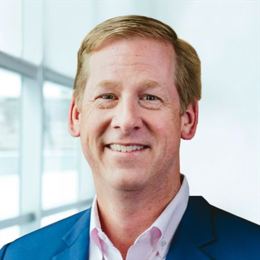
JB Mackenzie, vice president and general manager, Robinhood

The MIAXdx exchange is expected to begin operations in 2026, though Robinhood has not specified when it will start migrating users to contracts listed on its own platform rather than Kalshi's. The platform already holds CFTC licenses as a Designated Contract Market and Derivatives Clearing Organization, which could accelerate the launch timeline.

"The purchase of MIAXdx accelerates our investment in the prediction markets and improves our position to deliver a better experience for customers in this growing asset class," said JB Mackenzie, VP and GM of Futures and International at Robinhood.

Prediction markets have become Robinhood's fastest-growing revenue source since debut, with management projecting a potential $300 million annual run rate. The platform has traded more than 9 billion contracts across over 1 million users.

State Regulators Continue Crackdown Despite Federal Approvals

The acquisition comes as multiple state regulators have challenged prediction market operators, with ten states filing complaints against Kalshi alleging the contracts constitute illegal gambling. The Ho-Chunk Nation lawsuit in Wisconsin prompted Robinhood's recent court filing defending its Kalshi partnership.

Robinhood has expanded into sports-linked contracts, drawing comparisons to sportsbooks while operating under CFTC regulation. Federal courts have so far sided with exchanges operating under CFTC oversight, though state-level challenges continue to mount.

Robinhood shares climbed 11% in November when the acquisition was first announced, reflecting investor confidence in the fintech's ability to scale prediction markets into a core business line alongside equities, options, and cryptocurrency.

MIAX Retains Exposure Through Minority Stake

Miami International Holdings operates eight exchanges including MIAX Options, MIAX Pearl, and international venues like The Bermuda Stock Exchange. The company also owns Dorman Trading, a full-service Futures Commission Merchant.
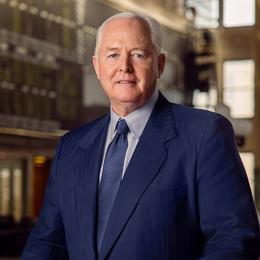
Thomas P. Gallagher
Thomas P. Gallagher

"Our sale of MIAXdx reaffirms our strategy of partnering with industry leaders to accelerate our growth strategies and we're pleased to gain exposure to the growing prediction market through our retained equity stake in the exchange," said Thomas P. Gallagher, Chairman and Chief Executive Officer of MIAX.

"MIAX is laser focused on organic growth opportunities within our core exchanges and believe the sale of 90% of MIAXdx unlocks significant value for our shareholders."

The exchange operator maintains access to prediction market growth through its minority stake while freeing resources to expand options and equities trading infrastructure.

Robinhood's move follows CEO Vlad Tenev's vision to build a platform managing wealth, investments, and family finances across generations, with tokenized assets and emerging products playing a central role alongside traditional brokerage services.

Robinhood (NASDAQ: HOOD) and partner Susquehanna International Group completed their acquisition of MIAXdx today (Wednesday), purchasing 90% of the derivatives platform from Miami International Holdings for an undisclosed sum.

The move was intended to help the retail trading platform become independent from Kalshi, currently the largest provider of event-based contracts. However, the latest data show that the two firms remain strongly dependent on each other.

Robinhood Controls Half of Kalshi's Trading Volume

Robinhood has been driving more than 50% of Kalshi's total trading volume since launching event contracts in March 2025. In Q2 2025, Robinhood users traded approximately $1 billion in contracts on Kalshi, representing over half of Kalshi's $1.87 billion quarterly volume during that period. By September, analysts estimated Robinhood accounted for roughly one-third of Kalshi's daily volume.

The partnership has been profitable for both companies. Kalshi and Robinhood split a 2-cent per contract fee evenly, generating approximately $10 million in revenue for Robinhood during Q2 2025 alone. Kalshi recorded $23.8 billion in total trading volume during 2025 and opened 2026 with $291 million in daily notional volume on January 1.

Robinhood stated it will continue offering Kalshi contracts alongside products from its own exchange when MIAXdx begins operations later in 2026. However, owning exchange infrastructure allows Robinhood to capture full fee structures rather than splitting revenue with Kalshi, potentially doubling earnings from prediction markets according to Bernstein analysts.

Migration Timeline Remains Unclear as Legal Challenges Mount

The deal closes just one day after Robinhood filed court papers defending its continued access to Kalshi's exchange, arguing that losing Kalshi would cause "severe disruption" to its business. That filing revealed Robinhood users have traded over 100 million sports-related event contracts in Wisconsin alone, with "most of that volume" coming through Kalshi's platform.

The transaction gives Robinhood control of a CFTC-licensed Designated Contract Market and Derivatives Clearing Organization authorized to list and clear fully collateralized futures, options on futures, and swaps. Miami International Holdings keeps a 10% stake in the exchange and clearinghouse.

JB Mackenzie, vice president and general manager, Robinhood

The MIAXdx exchange is expected to begin operations in 2026, though Robinhood has not specified when it will start migrating users to contracts listed on its own platform rather than Kalshi's. The platform already holds CFTC licenses as a Designated Contract Market and Derivatives Clearing Organization, which could accelerate the launch timeline.

"The purchase of MIAXdx accelerates our investment in the prediction markets and improves our position to deliver a better experience for customers in this growing asset class," said JB Mackenzie, VP and GM of Futures and International at Robinhood.

Prediction markets have become Robinhood's fastest-growing revenue source since debut, with management projecting a potential $300 million annual run rate. The platform has traded more than 9 billion contracts across over 1 million users.

State Regulators Continue Crackdown Despite Federal Approvals

The acquisition comes as multiple state regulators have challenged prediction market operators, with ten states filing complaints against Kalshi alleging the contracts constitute illegal gambling. The Ho-Chunk Nation lawsuit in Wisconsin prompted Robinhood's recent court filing defending its Kalshi partnership.

Robinhood has expanded into sports-linked contracts, drawing comparisons to sportsbooks while operating under CFTC regulation. Federal courts have so far sided with exchanges operating under CFTC oversight, though state-level challenges continue to mount.

Robinhood shares climbed 11% in November when the acquisition was first announced, reflecting investor confidence in the fintech's ability to scale prediction markets into a core business line alongside equities, options, and cryptocurrency.

MIAX Retains Exposure Through Minority Stake

Miami International Holdings operates eight exchanges including MIAX Options, MIAX Pearl, and international venues like The Bermuda Stock Exchange. The company also owns Dorman Trading, a full-service Futures Commission Merchant.

Thomas P. Gallagher
Thomas P. Gallagher

"Our sale of MIAXdx reaffirms our strategy of partnering with industry leaders to accelerate our growth strategies and we're pleased to gain exposure to the growing prediction market through our retained equity stake in the exchange," said Thomas P. Gallagher, Chairman and Chief Executive Officer of MIAX.

"MIAX is laser focused on organic growth opportunities within our core exchanges and believe the sale of 90% of MIAXdx unlocks significant value for our shareholders."

The exchange operator maintains access to prediction market growth through its minority stake while freeing resources to expand options and equities trading infrastructure.

Robinhood's move follows CEO Vlad Tenev's vision to build a platform managing wealth, investments, and family finances across generations, with tokenized assets and emerging products playing a central role alongside traditional brokerage services.
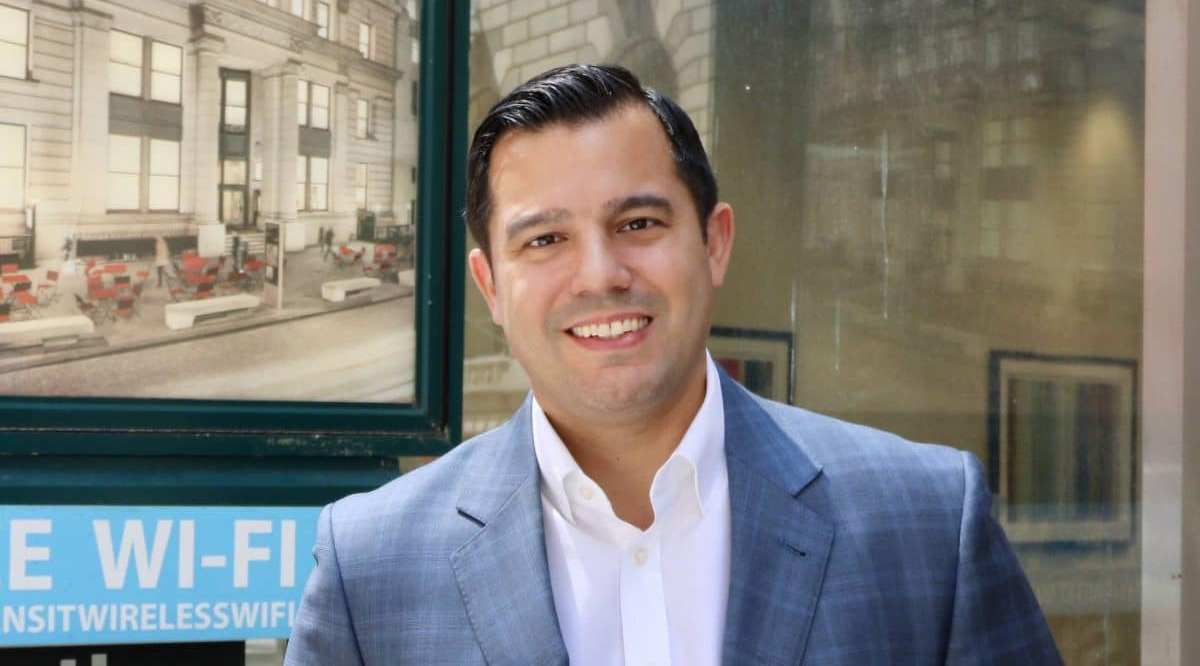
About the Author: Damian Chmiel
Damian Chmiel
  • 3178 Articles
  • 98 Followers
Damian's adventure with financial markets began at the Cracow University of Economics, where he obtained his MA in finance and accounting. Starting from the retail trader perspective, he collaborated with brokerage houses and financial portals in Poland as an independent editor and content manager. His adventure with Finance Magnates began in 2016, where he is working as a business intelligence analyst.

More from the Author

Retail FX