Dubai brokers stay put amid missile strikes as Capital.com’s number of oil traders soars 276%.
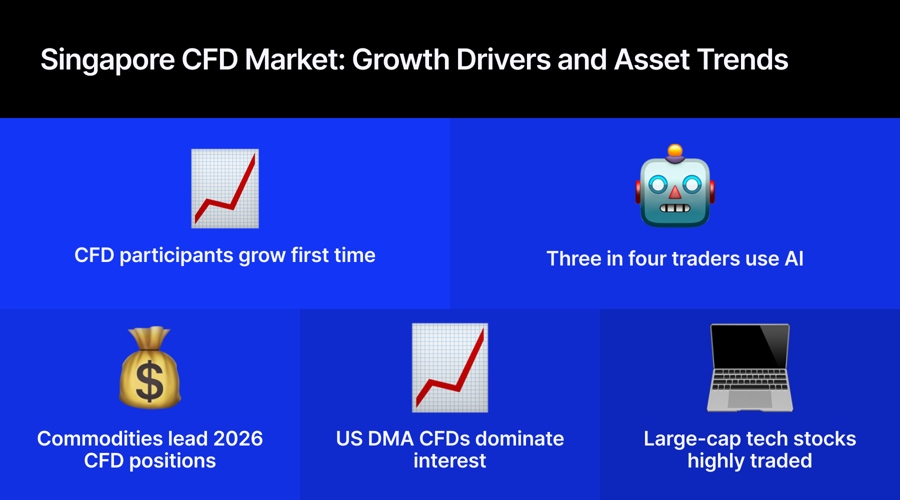
Singapore’s CFD market is rebounding after years of stagnation following favorable trading conditions.
Missiles hit Dubai, brokers hold firm
Dubai’s regional security deteriorated as Iran has fired waves of ballistic missiles and drones toward the United Arab Emirates. The UAE
Ministry of Defence reporting that its air defence systems have intercepted the
majority of these projectiles.
The region has rapidly evolved into a major base for CFD
brokers, trading firms, and crypto exchanges, drawn by Dubai International
Financial Centre and Virtual Assets Regulatory Authority licences, zero
corporate tax, and fast company setup processes.
Major players including IG Group, CMC Markets, Pepperstone,
Saxo Bank, Plus500, Capital.com, and CFI have clustered their offices in and
around the city’s downtown financial district.
Iran crypto volumes crash 80%
Amid the conflict, crypto was not spared either. Iranian platforms saw transaction volumes drop sharply as authorities imposed strict internet
restrictions and exchanges focused on protecting their operations.
TRM Labs found that Iran’s largest exchange, Nobitex,
processed about $3 million more in combined inflows and outflows around the
time of the strikes, but this activity stayed within its normal historical
range.
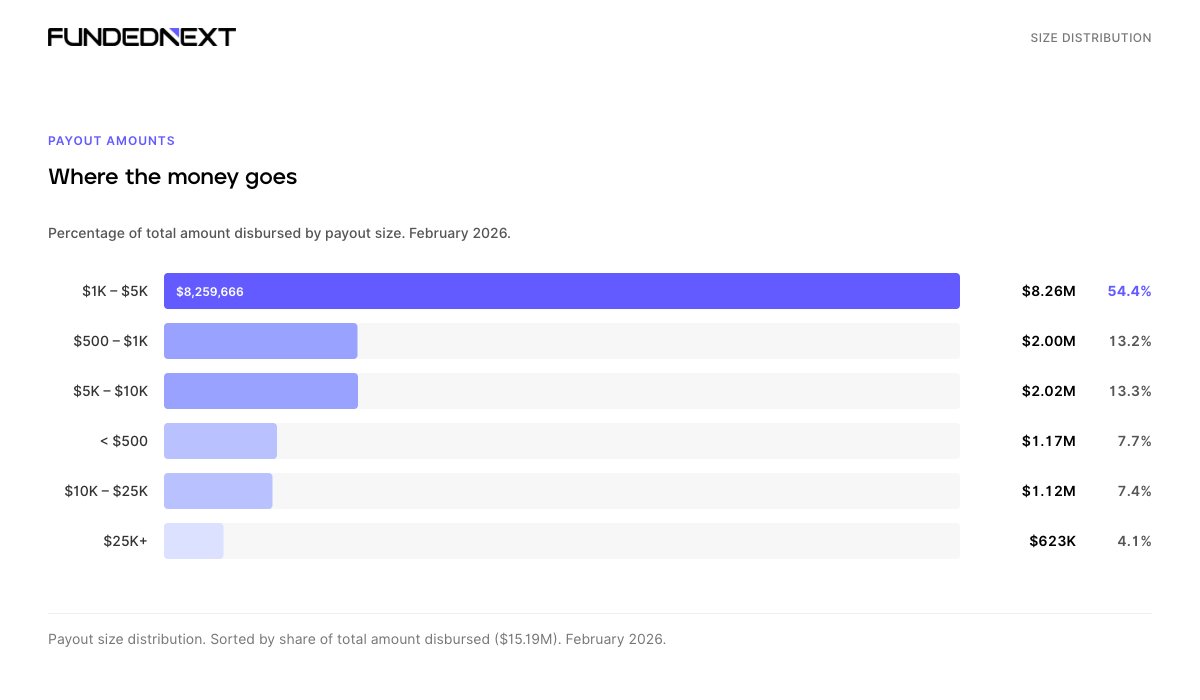
According to FundedNext, the February payouts covered 13,712
transactions across 10,346 funded accounts, noting that some traders manage
multiple accounts. Since its launch, the firm claims to have distributed more
than $271.4 million through over 205,000 transactions, although these figures
have not been independently verified.
Oil trader numbers soar on Capital.com
While tensions weigh on global sentiment, oil and gold are attracting heightened investor attention. Data from Capital.com showed oil
trading volumes surged 649% on Monday, while the number of active oil traders
jumped 276% in a single day.
Overall, the platform recorded a 49% increase in active
traders from the previous Friday, with total volumes up 73% and executed trades
climbing 82%. Oil became the second most-traded instrument on the platform,
surpassing several major currency and index markets.
Gold also attracted strong inflows, with trading volumes
rising 103% overnight as investors sought safe-haven assets.
Crypto trading gains ground while CFTC oversight
In the crypto space, CFTC is preparing to approve crypto perpetual futures trading, marking another step in the US push to expand digital asset
markets. The move comes even as the agency cuts back on its enforcement staff,
raising questions about how effectively regulators can oversee the growing
crypto sector.
A Fed master account serves as the main entry point to the
central bank’s payment infrastructure. It allows eligible institutions to hold
reserves and send or receive funds directly through systems like Fedwire,
without using intermediaries. For crypto companies, that means more direct and
secure movement of money within the financial system.
J. Safra Sarasin completes Saxo Bank takeover
Also, this week, J. Safra Sarasin Group completed its acquisition of a 71% stake in Saxo Bank, concluding a months-long regulatory approval process. The deal, valued at about €1.1 billion when announced in March 2025, gives the Swiss family-owned banking group control of the Danish online broker, one of Europe’s prominent retail trading platforms.
The purchase transfers shares previously held by Geely Financials Denmark, Mandatum Group, and smaller investors. Saxo Bank founder Kim Fournais, who launched the firm in 1992 and built it into a fintech bank serving over 1.7 million clients, keeps his 28% stake. He has stepped down as CEO and will now serve as Chairman of the Board.
OANDA shifts prop traders to FTMO
In the prop space, OANDA has announced that its proprietary
trading arm, OANDA Prop Trader, will transition to the FTMO Group. The change
follows FTMO’s acquisition of OANDA last year, marking a shift in
operations as the two firms consolidate their strengths in the trading
industry.
Founded in 1996, OANDA has built a strong global presence in
retail and corporate trading, operating across major financial hubs such as New
York, London, and Tokyo. With the transfer, FTMO will take over OANDA Prop
Trader’s clients and provide them with a more specialized trading environment.
Pepperstone’s owners ordered to pay AU$97M
Pepperstone’s majority shareholder, FX Group Holdings, which
owns 60% of the CFDs broker and counts company Chair Fiona Lock among its
members, has been ordered to pay AU$96.9 million plus interest to Champ Private Equity. The payment follows a lengthy legal dispute over FX Group’s 2018
acquisition of Champ’s majority stake in Pepperstone.
FX Group includes Pepperstone CEO Tamas Szabo and former
director Andrew Defina as shareholders. According to court documents, the group
had already paid Champ over AU$77 million in December 2025. Pepperstone
clarified that the dispute is strictly between its current and former owners
and has no impact on the broker’s operations.
Volatility revives Singapore CFD trading
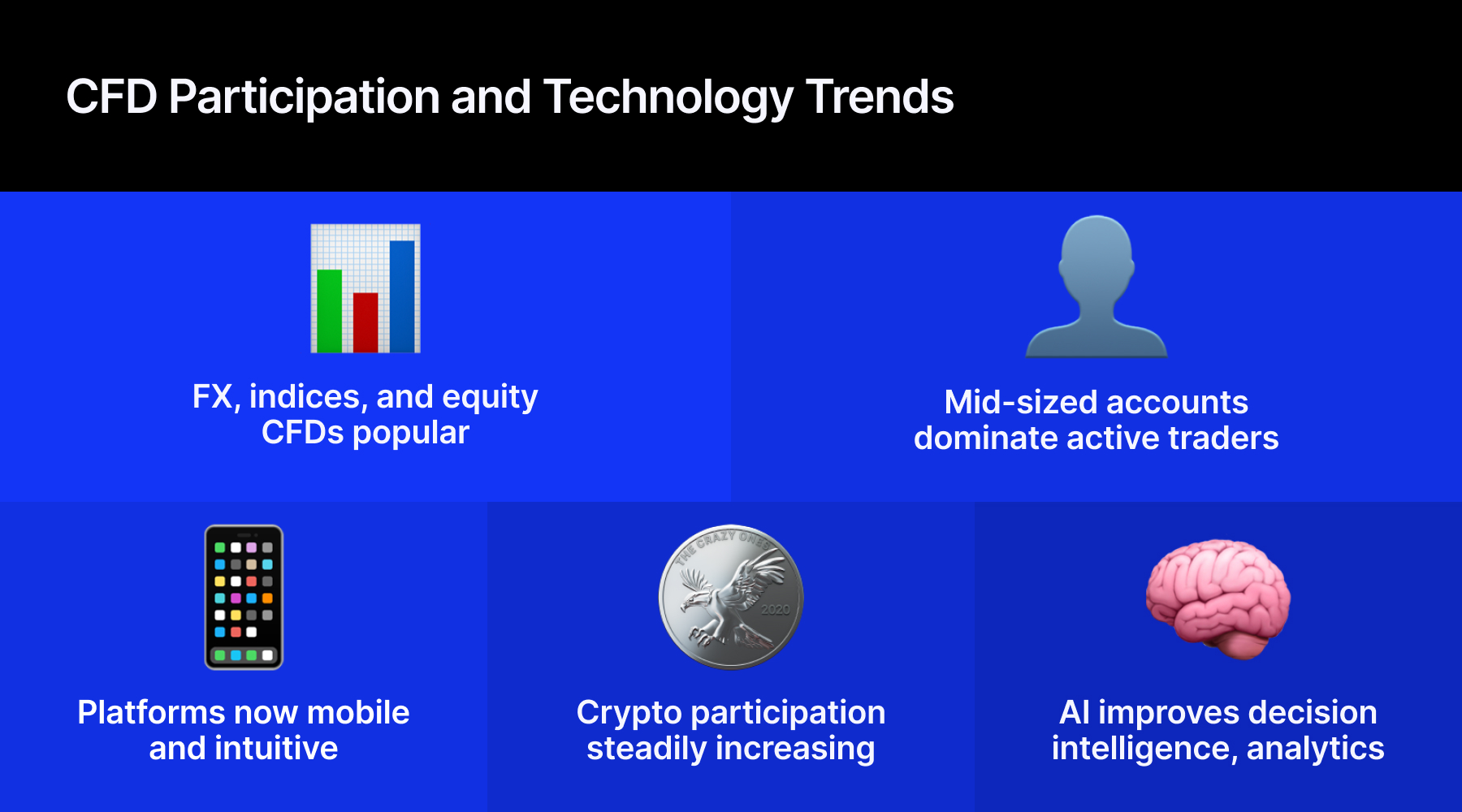
Meanwhile, favorable market conditions have prompted Singapore’s CFD traders to return after several years of subdued activity. The
growing variety of products they are trading suggests this comeback may be
sustainable, signaling renewed interest and participation across the market.
According to Investment Trends’ 2025 Singapore Leverage
Trading Report, the country’s leveraged trading market recorded its first rise
in active participants since 2021. Associate Research Director Lorenzo Vignati
noted that despite recent macroeconomic challenges, the market’s core base has
remained strong, supporting trader confidence, strategy adaptation, and overall
market liquidity.
The coordinated review aims to see whether brokers are
prioritizing their own profits over clients’ interests. CySEC and ESMA will
focus on three main areas: how employee pay, bonuses, and incentives influence
product recommendations; whether digital trading platforms are designed to
nudge clients toward certain products; and how firms balance their revenue
objectives with the duty to act in the best interests of retail investors.
Brokers still catching up with DORA
A year after the European Union’s Digital Operational Resilience Act (DORA) took effect, many brokers are still struggling to meet its requirements. The regulation, which aims to strengthen financial firms’ ability to handle cyber and IT disruptions, has been slowed by complex compliance demands, high costs, and a cautious “wait-and-see” attitude.
Smaller CFD brokers, in particular, find it hard to compete for skilled cybersecurity professionals as larger firms offer better pay to attract top talent. According to Mate Ivanszky, CEO of cybersecurity provider Matworks, only a handful of EU institutions have reached full DORA maturity, with many firms already behind schedule. Some startups have only recently begun addressing the new rules.
The move does not alter licensing terms for existing FX and CFD brokers but expands CMA’s oversight to include apps and robo-advisory services that act as intermediaries. This step will require online platforms offering automated advice or portfolio management tools to secure formal authorization.
Missiles hit Dubai, brokers hold firm
Dubai’s regional security deteriorated as Iran has fired waves of ballistic missiles and drones toward the United Arab Emirates. The UAE
Ministry of Defence reporting that its air defence systems have intercepted the
majority of these projectiles.
The region has rapidly evolved into a major base for CFD
brokers, trading firms, and crypto exchanges, drawn by Dubai International
Financial Centre and Virtual Assets Regulatory Authority licences, zero
corporate tax, and fast company setup processes.
Major players including IG Group, CMC Markets, Pepperstone,
Saxo Bank, Plus500, Capital.com, and CFI have clustered their offices in and
around the city’s downtown financial district.
Iran crypto volumes crash 80%
Amid the conflict, crypto was not spared either. Iranian platforms saw transaction volumes drop sharply as authorities imposed strict internet
restrictions and exchanges focused on protecting their operations.
TRM Labs found that Iran’s largest exchange, Nobitex,
processed about $3 million more in combined inflows and outflows around the
time of the strikes, but this activity stayed within its normal historical
range.
According to FundedNext, the February payouts covered 13,712
transactions across 10,346 funded accounts, noting that some traders manage
multiple accounts. Since its launch, the firm claims to have distributed more
than $271.4 million through over 205,000 transactions, although these figures
have not been independently verified.
Oil trader numbers soar on Capital.com
While tensions weigh on global sentiment, oil and gold are attracting heightened investor attention. Data from Capital.com showed oil
trading volumes surged 649% on Monday, while the number of active oil traders
jumped 276% in a single day.
Overall, the platform recorded a 49% increase in active
traders from the previous Friday, with total volumes up 73% and executed trades
climbing 82%. Oil became the second most-traded instrument on the platform,
surpassing several major currency and index markets.
Gold also attracted strong inflows, with trading volumes
rising 103% overnight as investors sought safe-haven assets.
Crypto trading gains ground while CFTC oversight
In the crypto space, CFTC is preparing to approve crypto perpetual futures trading, marking another step in the US push to expand digital asset
markets. The move comes even as the agency cuts back on its enforcement staff,
raising questions about how effectively regulators can oversee the growing
crypto sector.
A Fed master account serves as the main entry point to the
central bank’s payment infrastructure. It allows eligible institutions to hold
reserves and send or receive funds directly through systems like Fedwire,
without using intermediaries. For crypto companies, that means more direct and
secure movement of money within the financial system.
J. Safra Sarasin completes Saxo Bank takeover
Also, this week, J. Safra Sarasin Group completed its acquisition of a 71% stake in Saxo Bank, concluding a months-long regulatory approval process. The deal, valued at about €1.1 billion when announced in March 2025, gives the Swiss family-owned banking group control of the Danish online broker, one of Europe’s prominent retail trading platforms.
The purchase transfers shares previously held by Geely Financials Denmark, Mandatum Group, and smaller investors. Saxo Bank founder Kim Fournais, who launched the firm in 1992 and built it into a fintech bank serving over 1.7 million clients, keeps his 28% stake. He has stepped down as CEO and will now serve as Chairman of the Board.
OANDA shifts prop traders to FTMO
In the prop space, OANDA has announced that its proprietary
trading arm, OANDA Prop Trader, will transition to the FTMO Group. The change
follows FTMO’s acquisition of OANDA last year, marking a shift in
operations as the two firms consolidate their strengths in the trading
industry.
Founded in 1996, OANDA has built a strong global presence in
retail and corporate trading, operating across major financial hubs such as New
York, London, and Tokyo. With the transfer, FTMO will take over OANDA Prop
Trader’s clients and provide them with a more specialized trading environment.
Pepperstone’s owners ordered to pay AU$97M
Pepperstone’s majority shareholder, FX Group Holdings, which
owns 60% of the CFDs broker and counts company Chair Fiona Lock among its
members, has been ordered to pay AU$96.9 million plus interest to Champ Private Equity. The payment follows a lengthy legal dispute over FX Group’s 2018
acquisition of Champ’s majority stake in Pepperstone.
FX Group includes Pepperstone CEO Tamas Szabo and former
director Andrew Defina as shareholders. According to court documents, the group
had already paid Champ over AU$77 million in December 2025. Pepperstone
clarified that the dispute is strictly between its current and former owners
and has no impact on the broker’s operations.
Volatility revives Singapore CFD trading
Meanwhile, favorable market conditions have prompted Singapore’s CFD traders to return after several years of subdued activity. The
growing variety of products they are trading suggests this comeback may be
sustainable, signaling renewed interest and participation across the market.
According to Investment Trends’ 2025 Singapore Leverage
Trading Report, the country’s leveraged trading market recorded its first rise
in active participants since 2021. Associate Research Director Lorenzo Vignati
noted that despite recent macroeconomic challenges, the market’s core base has
remained strong, supporting trader confidence, strategy adaptation, and overall
market liquidity.
The coordinated review aims to see whether brokers are
prioritizing their own profits over clients’ interests. CySEC and ESMA will
focus on three main areas: how employee pay, bonuses, and incentives influence
product recommendations; whether digital trading platforms are designed to
nudge clients toward certain products; and how firms balance their revenue
objectives with the duty to act in the best interests of retail investors.
Brokers still catching up with DORA
A year after the European Union’s Digital Operational Resilience Act (DORA) took effect, many brokers are still struggling to meet its requirements. The regulation, which aims to strengthen financial firms’ ability to handle cyber and IT disruptions, has been slowed by complex compliance demands, high costs, and a cautious “wait-and-see” attitude.
Smaller CFD brokers, in particular, find it hard to compete for skilled cybersecurity professionals as larger firms offer better pay to attract top talent. According to Mate Ivanszky, CEO of cybersecurity provider Matworks, only a handful of EU institutions have reached full DORA maturity, with many firms already behind schedule. Some startups have only recently begun addressing the new rules.
The move does not alter licensing terms for existing FX and CFD brokers but expands CMA’s oversight to include apps and robo-advisory services that act as intermediaries. This step will require online platforms offering automated advice or portfolio management tools to secure formal authorization.
Prop Firm FundedNext Says It Paid $15M to More Than 8,000 Traders in February
Featured Videos
How Prop Firms Scale Without Breaking Tech Stacks | Axcera Executive Interview
How Prop Firms Scale Without Breaking Tech Stacks | Axcera Executive Interview
How Prop Firms Scale Without Breaking Tech Stacks | Axcera Executive Interview
How Prop Firms Scale Without Breaking Tech Stacks | Axcera Executive Interview
In this Finance Magnates executive interview, Dora Christofi, Head of Marketing at Finance Magnates, speaks with Herman Shaho, Co-Founder & CPO at Axcera, about what prop firms often get wrong when scaling, and how the right CRM infrastructure can support growth.
Shaho explains why many prop firms break once they grow beyond the early stage, after stacking too many disconnected tools. He also shares how Axcera approaches customisation, with technology that fits the firm’s needs rather than forcing the firm to fit a template.
“The firm doesn’t need to adapt to the software, our software adapts to the firm,” Shaho says.
The interview follows Axcera’s recognition at the Finance Magnates Awards 2025, where the company won Best Prop Trading Technology Provider.
#FinanceMagnates #axcera #PropTrading #ProprietaryTrading #PropFirms #Fintech #TradingTechnology #CRM #Brokerage #WhiteLabel #Automation #AIinFintech #RiskManagement #DubaiFintech #CyprusFintech
In this Finance Magnates executive interview, Dora Christofi, Head of Marketing at Finance Magnates, speaks with Herman Shaho, Co-Founder & CPO at Axcera, about what prop firms often get wrong when scaling, and how the right CRM infrastructure can support growth.
Shaho explains why many prop firms break once they grow beyond the early stage, after stacking too many disconnected tools. He also shares how Axcera approaches customisation, with technology that fits the firm’s needs rather than forcing the firm to fit a template.
“The firm doesn’t need to adapt to the software, our software adapts to the firm,” Shaho says.
The interview follows Axcera’s recognition at the Finance Magnates Awards 2025, where the company won Best Prop Trading Technology Provider.
#FinanceMagnates #axcera #PropTrading #ProprietaryTrading #PropFirms #Fintech #TradingTechnology #CRM #Brokerage #WhiteLabel #Automation #AIinFintech #RiskManagement #DubaiFintech #CyprusFintech
In this Finance Magnates executive interview, Dora Christofi, Head of Marketing at Finance Magnates, speaks with Herman Shaho, Co-Founder & CPO at Axcera, about what prop firms often get wrong when scaling, and how the right CRM infrastructure can support growth.
Shaho explains why many prop firms break once they grow beyond the early stage, after stacking too many disconnected tools. He also shares how Axcera approaches customisation, with technology that fits the firm’s needs rather than forcing the firm to fit a template.
“The firm doesn’t need to adapt to the software, our software adapts to the firm,” Shaho says.
The interview follows Axcera’s recognition at the Finance Magnates Awards 2025, where the company won Best Prop Trading Technology Provider.
#FinanceMagnates #axcera #PropTrading #ProprietaryTrading #PropFirms #Fintech #TradingTechnology #CRM #Brokerage #WhiteLabel #Automation #AIinFintech #RiskManagement #DubaiFintech #CyprusFintech
In this Finance Magnates executive interview, Dora Christofi, Head of Marketing at Finance Magnates, speaks with Herman Shaho, Co-Founder & CPO at Axcera, about what prop firms often get wrong when scaling, and how the right CRM infrastructure can support growth.
Shaho explains why many prop firms break once they grow beyond the early stage, after stacking too many disconnected tools. He also shares how Axcera approaches customisation, with technology that fits the firm’s needs rather than forcing the firm to fit a template.
“The firm doesn’t need to adapt to the software, our software adapts to the firm,” Shaho says.
The interview follows Axcera’s recognition at the Finance Magnates Awards 2025, where the company won Best Prop Trading Technology Provider.
#FinanceMagnates #axcera #PropTrading #ProprietaryTrading #PropFirms #Fintech #TradingTechnology #CRM #Brokerage #WhiteLabel #Automation #AIinFintech #RiskManagement #DubaiFintech #CyprusFintech
Sami Saleh from Hola Prime on Fast Payouts and Full Transparency @HolaPrime_Global
Sami Saleh from Hola Prime on Fast Payouts and Full Transparency @HolaPrime_Global
Sami Saleh from Hola Prime on Fast Payouts and Full Transparency @HolaPrime_Global
Sami Saleh from Hola Prime on Fast Payouts and Full Transparency @HolaPrime_Global
Sami Saleh from Hola Prime on Fast Payouts and Full Transparency @HolaPrime_Global
Sami Saleh from Hola Prime on Fast Payouts and Full Transparency @HolaPrime_Global
In this Finance Magnates interview, Sami Saleh, Director of Growth at Hola Prime, shares what sets the firm apart, with a strong focus on one-hour payouts. @HolaPrime_Global
Sami Saleh also explains Hola Prime’s recently introduced Payout Transparency Report, giving traders clear, date-wise visibility into payout processing timings.
Watch the full interview to learn how Hola Prime approaches payout speed, transparency, and trader experience.
#FinanceMagnates #HolaPrime #SamiSaleh #PropTrading #Trading #Traders #Payouts #FastPayouts #Transparency #Forex #CFDTrading #Fintech #OnlineTrading #TradingCommunity #Interview
In this Finance Magnates interview, Sami Saleh, Director of Growth at Hola Prime, shares what sets the firm apart, with a strong focus on one-hour payouts. @HolaPrime_Global
Sami Saleh also explains Hola Prime’s recently introduced Payout Transparency Report, giving traders clear, date-wise visibility into payout processing timings.
Watch the full interview to learn how Hola Prime approaches payout speed, transparency, and trader experience.
#FinanceMagnates #HolaPrime #SamiSaleh #PropTrading #Trading #Traders #Payouts #FastPayouts #Transparency #Forex #CFDTrading #Fintech #OnlineTrading #TradingCommunity #Interview
In this Finance Magnates interview, Sami Saleh, Director of Growth at Hola Prime, shares what sets the firm apart, with a strong focus on one-hour payouts. @HolaPrime_Global
Sami Saleh also explains Hola Prime’s recently introduced Payout Transparency Report, giving traders clear, date-wise visibility into payout processing timings.
Watch the full interview to learn how Hola Prime approaches payout speed, transparency, and trader experience.
#FinanceMagnates #HolaPrime #SamiSaleh #PropTrading #Trading #Traders #Payouts #FastPayouts #Transparency #Forex #CFDTrading #Fintech #OnlineTrading #TradingCommunity #Interview
In this Finance Magnates interview, Sami Saleh, Director of Growth at Hola Prime, shares what sets the firm apart, with a strong focus on one-hour payouts. @HolaPrime_Global
Sami Saleh also explains Hola Prime’s recently introduced Payout Transparency Report, giving traders clear, date-wise visibility into payout processing timings.
Watch the full interview to learn how Hola Prime approaches payout speed, transparency, and trader experience.
#FinanceMagnates #HolaPrime #SamiSaleh #PropTrading #Trading #Traders #Payouts #FastPayouts #Transparency #Forex #CFDTrading #Fintech #OnlineTrading #TradingCommunity #Interview
In this Finance Magnates interview, Sami Saleh, Director of Growth at Hola Prime, shares what sets the firm apart, with a strong focus on one-hour payouts. @HolaPrime_Global
Sami Saleh also explains Hola Prime’s recently introduced Payout Transparency Report, giving traders clear, date-wise visibility into payout processing timings.
Watch the full interview to learn how Hola Prime approaches payout speed, transparency, and trader experience.
#FinanceMagnates #HolaPrime #SamiSaleh #PropTrading #Trading #Traders #Payouts #FastPayouts #Transparency #Forex #CFDTrading #Fintech #OnlineTrading #TradingCommunity #Interview
In this Finance Magnates interview, Sami Saleh, Director of Growth at Hola Prime, shares what sets the firm apart, with a strong focus on one-hour payouts. @HolaPrime_Global
Sami Saleh also explains Hola Prime’s recently introduced Payout Transparency Report, giving traders clear, date-wise visibility into payout processing timings.
Watch the full interview to learn how Hola Prime approaches payout speed, transparency, and trader experience.
#FinanceMagnates #HolaPrime #SamiSaleh #PropTrading #Trading #Traders #Payouts #FastPayouts #Transparency #Forex #CFDTrading #Fintech #OnlineTrading #TradingCommunity #Interview
Nikola Broceta: Discipline, Risk Rules and the Pro Trader Mindset | FX Doctor
Nikola Broceta: Discipline, Risk Rules and the Pro Trader Mindset | FX Doctor
Nikola Broceta: Discipline, Risk Rules and the Pro Trader Mindset | FX Doctor
Nikola Broceta: Discipline, Risk Rules and the Pro Trader Mindset | FX Doctor
Nikola Broceta: Discipline, Risk Rules and the Pro Trader Mindset | FX Doctor
Nikola Broceta: Discipline, Risk Rules and the Pro Trader Mindset | FX Doctor
In this interview, Nikola Broceta explains the principles behind the FX Doctor CORE trading community, focusing on discipline, emotional control, and strict risk rules. We talk about what it takes to think like a professional trader, build consistency, and stay accountable over time. @fxdoctorpro
This video is for educational purposes only and does not provide financial advice or guarantees.
Website: www.fxdoctorcore.com
#FXDoctorCORE #NikolaBroceta #TradingDiscipline #RiskManagement #TradingPsychology #ForexTrading #TraderMindset #TradingEducation #PropTrading #TradingCommunity
In this interview, Nikola Broceta explains the principles behind the FX Doctor CORE trading community, focusing on discipline, emotional control, and strict risk rules. We talk about what it takes to think like a professional trader, build consistency, and stay accountable over time. @fxdoctorpro
This video is for educational purposes only and does not provide financial advice or guarantees.
Website: www.fxdoctorcore.com
#FXDoctorCORE #NikolaBroceta #TradingDiscipline #RiskManagement #TradingPsychology #ForexTrading #TraderMindset #TradingEducation #PropTrading #TradingCommunity
In this interview, Nikola Broceta explains the principles behind the FX Doctor CORE trading community, focusing on discipline, emotional control, and strict risk rules. We talk about what it takes to think like a professional trader, build consistency, and stay accountable over time. @fxdoctorpro
This video is for educational purposes only and does not provide financial advice or guarantees.
Website: www.fxdoctorcore.com
#FXDoctorCORE #NikolaBroceta #TradingDiscipline #RiskManagement #TradingPsychology #ForexTrading #TraderMindset #TradingEducation #PropTrading #TradingCommunity
In this interview, Nikola Broceta explains the principles behind the FX Doctor CORE trading community, focusing on discipline, emotional control, and strict risk rules. We talk about what it takes to think like a professional trader, build consistency, and stay accountable over time. @fxdoctorpro
This video is for educational purposes only and does not provide financial advice or guarantees.
Website: www.fxdoctorcore.com
#FXDoctorCORE #NikolaBroceta #TradingDiscipline #RiskManagement #TradingPsychology #ForexTrading #TraderMindset #TradingEducation #PropTrading #TradingCommunity
In this interview, Nikola Broceta explains the principles behind the FX Doctor CORE trading community, focusing on discipline, emotional control, and strict risk rules. We talk about what it takes to think like a professional trader, build consistency, and stay accountable over time. @fxdoctorpro
This video is for educational purposes only and does not provide financial advice or guarantees.
Website: www.fxdoctorcore.com
#FXDoctorCORE #NikolaBroceta #TradingDiscipline #RiskManagement #TradingPsychology #ForexTrading #TraderMindset #TradingEducation #PropTrading #TradingCommunity
In this interview, Nikola Broceta explains the principles behind the FX Doctor CORE trading community, focusing on discipline, emotional control, and strict risk rules. We talk about what it takes to think like a professional trader, build consistency, and stay accountable over time. @fxdoctorpro
This video is for educational purposes only and does not provide financial advice or guarantees.
Website: www.fxdoctorcore.com
#FXDoctorCORE #NikolaBroceta #TradingDiscipline #RiskManagement #TradingPsychology #ForexTrading #TraderMindset #TradingEducation #PropTrading #TradingCommunity
FX Back Office, COO Nicole Demosthenous: Automating IB Payouts, KYC Onboarding & Broker CRM Growth
FX Back Office, COO Nicole Demosthenous: Automating IB Payouts, KYC Onboarding & Broker CRM Growth
FX Back Office, COO Nicole Demosthenous: Automating IB Payouts, KYC Onboarding & Broker CRM Growth
FX Back Office, COO Nicole Demosthenous: Automating IB Payouts, KYC Onboarding & Broker CRM Growth
FX Back Office, COO Nicole Demosthenous: Automating IB Payouts, KYC Onboarding & Broker CRM Growth
FX Back Office, COO Nicole Demosthenous: Automating IB Payouts, KYC Onboarding & Broker CRM Growth
In this Finance Magnates executive video interview, Dora Christofi, Head of Marketing, Finance Magnates, speaks with Nicole Demosthenous, Chief Operations Officer at FXBO @fxbackoffice2926 about the broker operations challenges that matter most — and what to look for in a broker CRM.
Nicole breaks down three common pain points for forex brokers: complex IB payout structures, smoother KYC onboarding under different regulatory requirements, and the need for a CRM that can be customized to fit a broker’s workflow (not the other way around). She also explains how FXBO supports scalability, integrations, and security, including yearly penetration testing and ISO 27001 alignment.
Want to learn more about FXBO and broker operations best practices? Watch the full interview and subscribe for more executive conversations with leaders across trading, fintech, and brokerage technology.
#FinanceMagnates #FXBO #ForexBrokers #BrokerCRM #CRM #IB #IBPayouts #KYC #Compliance #Fintech #TradingTechnology #Brokerage #BackOffice #BrokerOperations #FX #CFD #TradingPlatform
In this Finance Magnates executive video interview, Dora Christofi, Head of Marketing, Finance Magnates, speaks with Nicole Demosthenous, Chief Operations Officer at FXBO @fxbackoffice2926 about the broker operations challenges that matter most — and what to look for in a broker CRM.
Nicole breaks down three common pain points for forex brokers: complex IB payout structures, smoother KYC onboarding under different regulatory requirements, and the need for a CRM that can be customized to fit a broker’s workflow (not the other way around). She also explains how FXBO supports scalability, integrations, and security, including yearly penetration testing and ISO 27001 alignment.
Want to learn more about FXBO and broker operations best practices? Watch the full interview and subscribe for more executive conversations with leaders across trading, fintech, and brokerage technology.
#FinanceMagnates #FXBO #ForexBrokers #BrokerCRM #CRM #IB #IBPayouts #KYC #Compliance #Fintech #TradingTechnology #Brokerage #BackOffice #BrokerOperations #FX #CFD #TradingPlatform
In this Finance Magnates executive video interview, Dora Christofi, Head of Marketing, Finance Magnates, speaks with Nicole Demosthenous, Chief Operations Officer at FXBO @fxbackoffice2926 about the broker operations challenges that matter most — and what to look for in a broker CRM.
Nicole breaks down three common pain points for forex brokers: complex IB payout structures, smoother KYC onboarding under different regulatory requirements, and the need for a CRM that can be customized to fit a broker’s workflow (not the other way around). She also explains how FXBO supports scalability, integrations, and security, including yearly penetration testing and ISO 27001 alignment.
Want to learn more about FXBO and broker operations best practices? Watch the full interview and subscribe for more executive conversations with leaders across trading, fintech, and brokerage technology.
#FinanceMagnates #FXBO #ForexBrokers #BrokerCRM #CRM #IB #IBPayouts #KYC #Compliance #Fintech #TradingTechnology #Brokerage #BackOffice #BrokerOperations #FX #CFD #TradingPlatform
In this Finance Magnates executive video interview, Dora Christofi, Head of Marketing, Finance Magnates, speaks with Nicole Demosthenous, Chief Operations Officer at FXBO @fxbackoffice2926 about the broker operations challenges that matter most — and what to look for in a broker CRM.
Nicole breaks down three common pain points for forex brokers: complex IB payout structures, smoother KYC onboarding under different regulatory requirements, and the need for a CRM that can be customized to fit a broker’s workflow (not the other way around). She also explains how FXBO supports scalability, integrations, and security, including yearly penetration testing and ISO 27001 alignment.
Want to learn more about FXBO and broker operations best practices? Watch the full interview and subscribe for more executive conversations with leaders across trading, fintech, and brokerage technology.
#FinanceMagnates #FXBO #ForexBrokers #BrokerCRM #CRM #IB #IBPayouts #KYC #Compliance #Fintech #TradingTechnology #Brokerage #BackOffice #BrokerOperations #FX #CFD #TradingPlatform
In this Finance Magnates executive video interview, Dora Christofi, Head of Marketing, Finance Magnates, speaks with Nicole Demosthenous, Chief Operations Officer at FXBO @fxbackoffice2926 about the broker operations challenges that matter most — and what to look for in a broker CRM.
Nicole breaks down three common pain points for forex brokers: complex IB payout structures, smoother KYC onboarding under different regulatory requirements, and the need for a CRM that can be customized to fit a broker’s workflow (not the other way around). She also explains how FXBO supports scalability, integrations, and security, including yearly penetration testing and ISO 27001 alignment.
Want to learn more about FXBO and broker operations best practices? Watch the full interview and subscribe for more executive conversations with leaders across trading, fintech, and brokerage technology.
#FinanceMagnates #FXBO #ForexBrokers #BrokerCRM #CRM #IB #IBPayouts #KYC #Compliance #Fintech #TradingTechnology #Brokerage #BackOffice #BrokerOperations #FX #CFD #TradingPlatform
In this Finance Magnates executive video interview, Dora Christofi, Head of Marketing, Finance Magnates, speaks with Nicole Demosthenous, Chief Operations Officer at FXBO @fxbackoffice2926 about the broker operations challenges that matter most — and what to look for in a broker CRM.
Nicole breaks down three common pain points for forex brokers: complex IB payout structures, smoother KYC onboarding under different regulatory requirements, and the need for a CRM that can be customized to fit a broker’s workflow (not the other way around). She also explains how FXBO supports scalability, integrations, and security, including yearly penetration testing and ISO 27001 alignment.
Want to learn more about FXBO and broker operations best practices? Watch the full interview and subscribe for more executive conversations with leaders across trading, fintech, and brokerage technology.
#FinanceMagnates #FXBO #ForexBrokers #BrokerCRM #CRM #IB #IBPayouts #KYC #Compliance #Fintech #TradingTechnology #Brokerage #BackOffice #BrokerOperations #FX #CFD #TradingPlatform
Hannah Hill on Innovation, Branding & Award-Winning Technology | Executive Interview | AXI
Hannah Hill on Innovation, Branding & Award-Winning Technology | Executive Interview | AXI
Hannah Hill on Innovation, Branding & Award-Winning Technology | Executive Interview | AXI
Hannah Hill on Innovation, Branding & Award-Winning Technology | Executive Interview | AXI
Hannah Hill on Innovation, Branding & Award-Winning Technology | Executive Interview | AXI
Hannah Hill on Innovation, Branding & Award-Winning Technology | Executive Interview | AXI
Recorded live at FMLS:25, this executive interview features Hannah Hill, Head of Brand and Sponsorship at AXI, in conversation with Finance Magnates, following AXI’s win for Most Innovative Broker of the Year 2025.
In this wide-ranging discussion, Hannah shares insights on:
🔹What winning the Finance Magnates award means for AXI’s credibility and innovation
🔹How the launch of AXI Select, the capital allocation program, is redefining industry standards
🔹The development and rollout of the AXI trading app across multiple markets
🔹Driving brand evolution alongside technological advancements
🔹Encouraging and recognizing teams behind the scenes
🔹The role of marketing, content, and social media in building product awareness
Hannah explains why standout products, strategic branding, and a focus on innovation are key to growing visibility and staying ahead in a competitive brokerage landscape.
🏆 Award Highlight: Most Innovative Broker of the Year 2025
👉 Subscribe to Finance Magnates for more executive interviews, industry insights, and exclusive coverage from the world’s leading financial events.
#FMLS25 #FinanceMagnates #MostInnovativeBroker #TradingTechnology #FinTech #Brokerage #ExecutiveInterview #AXI
Recorded live at FMLS:25, this executive interview features Hannah Hill, Head of Brand and Sponsorship at AXI, in conversation with Finance Magnates, following AXI’s win for Most Innovative Broker of the Year 2025.
In this wide-ranging discussion, Hannah shares insights on:
🔹What winning the Finance Magnates award means for AXI’s credibility and innovation
🔹How the launch of AXI Select, the capital allocation program, is redefining industry standards
🔹The development and rollout of the AXI trading app across multiple markets
🔹Driving brand evolution alongside technological advancements
🔹Encouraging and recognizing teams behind the scenes
🔹The role of marketing, content, and social media in building product awareness
Hannah explains why standout products, strategic branding, and a focus on innovation are key to growing visibility and staying ahead in a competitive brokerage landscape.
🏆 Award Highlight: Most Innovative Broker of the Year 2025
👉 Subscribe to Finance Magnates for more executive interviews, industry insights, and exclusive coverage from the world’s leading financial events.
#FMLS25 #FinanceMagnates #MostInnovativeBroker #TradingTechnology #FinTech #Brokerage #ExecutiveInterview #AXI
Recorded live at FMLS:25, this executive interview features Hannah Hill, Head of Brand and Sponsorship at AXI, in conversation with Finance Magnates, following AXI’s win for Most Innovative Broker of the Year 2025.
In this wide-ranging discussion, Hannah shares insights on:
🔹What winning the Finance Magnates award means for AXI’s credibility and innovation
🔹How the launch of AXI Select, the capital allocation program, is redefining industry standards
🔹The development and rollout of the AXI trading app across multiple markets
🔹Driving brand evolution alongside technological advancements
🔹Encouraging and recognizing teams behind the scenes
🔹The role of marketing, content, and social media in building product awareness
Hannah explains why standout products, strategic branding, and a focus on innovation are key to growing visibility and staying ahead in a competitive brokerage landscape.
🏆 Award Highlight: Most Innovative Broker of the Year 2025
👉 Subscribe to Finance Magnates for more executive interviews, industry insights, and exclusive coverage from the world’s leading financial events.
#FMLS25 #FinanceMagnates #MostInnovativeBroker #TradingTechnology #FinTech #Brokerage #ExecutiveInterview #AXI
Recorded live at FMLS:25, this executive interview features Hannah Hill, Head of Brand and Sponsorship at AXI, in conversation with Finance Magnates, following AXI’s win for Most Innovative Broker of the Year 2025.
In this wide-ranging discussion, Hannah shares insights on:
🔹What winning the Finance Magnates award means for AXI’s credibility and innovation
🔹How the launch of AXI Select, the capital allocation program, is redefining industry standards
🔹The development and rollout of the AXI trading app across multiple markets
🔹Driving brand evolution alongside technological advancements
🔹Encouraging and recognizing teams behind the scenes
🔹The role of marketing, content, and social media in building product awareness
Hannah explains why standout products, strategic branding, and a focus on innovation are key to growing visibility and staying ahead in a competitive brokerage landscape.
🏆 Award Highlight: Most Innovative Broker of the Year 2025
👉 Subscribe to Finance Magnates for more executive interviews, industry insights, and exclusive coverage from the world’s leading financial events.
#FMLS25 #FinanceMagnates #MostInnovativeBroker #TradingTechnology #FinTech #Brokerage #ExecutiveInterview #AXI
Recorded live at FMLS:25, this executive interview features Hannah Hill, Head of Brand and Sponsorship at AXI, in conversation with Finance Magnates, following AXI’s win for Most Innovative Broker of the Year 2025.
In this wide-ranging discussion, Hannah shares insights on:
🔹What winning the Finance Magnates award means for AXI’s credibility and innovation
🔹How the launch of AXI Select, the capital allocation program, is redefining industry standards
🔹The development and rollout of the AXI trading app across multiple markets
🔹Driving brand evolution alongside technological advancements
🔹Encouraging and recognizing teams behind the scenes
🔹The role of marketing, content, and social media in building product awareness
Hannah explains why standout products, strategic branding, and a focus on innovation are key to growing visibility and staying ahead in a competitive brokerage landscape.
🏆 Award Highlight: Most Innovative Broker of the Year 2025
👉 Subscribe to Finance Magnates for more executive interviews, industry insights, and exclusive coverage from the world’s leading financial events.
#FMLS25 #FinanceMagnates #MostInnovativeBroker #TradingTechnology #FinTech #Brokerage #ExecutiveInterview #AXI
Recorded live at FMLS:25, this executive interview features Hannah Hill, Head of Brand and Sponsorship at AXI, in conversation with Finance Magnates, following AXI’s win for Most Innovative Broker of the Year 2025.
In this wide-ranging discussion, Hannah shares insights on:
🔹What winning the Finance Magnates award means for AXI’s credibility and innovation
🔹How the launch of AXI Select, the capital allocation program, is redefining industry standards
🔹The development and rollout of the AXI trading app across multiple markets
🔹Driving brand evolution alongside technological advancements
🔹Encouraging and recognizing teams behind the scenes
🔹The role of marketing, content, and social media in building product awareness
Hannah explains why standout products, strategic branding, and a focus on innovation are key to growing visibility and staying ahead in a competitive brokerage landscape.
🏆 Award Highlight: Most Innovative Broker of the Year 2025
👉 Subscribe to Finance Magnates for more executive interviews, industry insights, and exclusive coverage from the world’s leading financial events.
#FMLS25 #FinanceMagnates #MostInnovativeBroker #TradingTechnology #FinTech #Brokerage #ExecutiveInterview #AXI