


The UK unit of Tickmill experienced an 11 per cent drop in trading revenue in 2025, which the company described as “a result of a different mix of traded products and a decrease in swap and mark-ups income.” However, its notional trading volume increased to US$146 billion from the previous year’s US$136 billion.
London's trading industry is coming home!
Earlier, Tickmill revealed that it globally handled $2.36 trillion in client volume and processed 123 million trades in 2025. Average monthly trading volume rose 40 per cent compared with the prior year, while the total number of trades executed increased 24 per cent.
Impact of Costs on Income
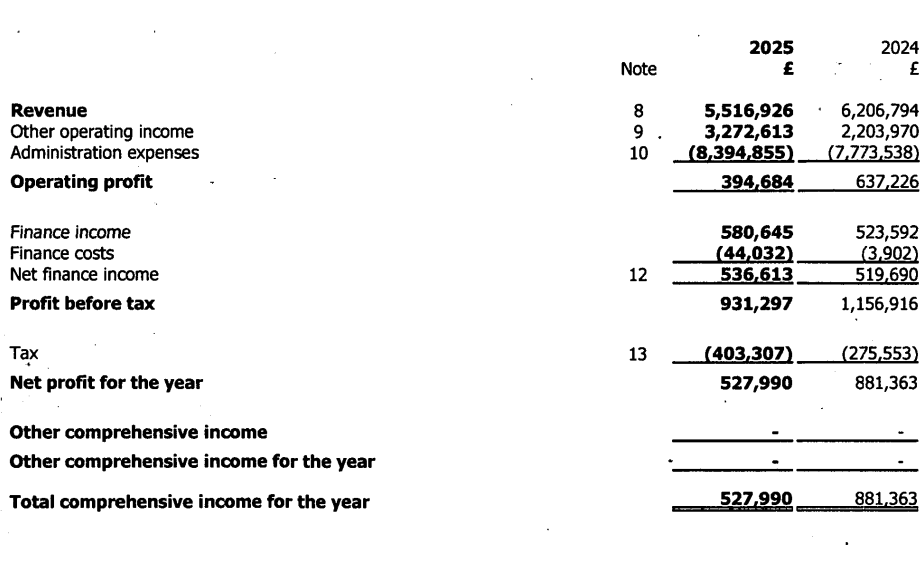
According to the latest Companies House filing, Tickmill UK closed 2025 with revenue of over £5.5 million, a decline from £6.2 million in 2024. After costs, the company generated a pre-tax profit of £931,297, down from almost £1.16 million a year ago.
“It incurred lower external swap charges, increased external commission charges and foreign exchange movements were slightly increased,” the filing stated.
A Tickmill spokesperson told Finance Magnates: "The change in revenue principally reflected the mix of products traded rather than a reduction in trading activity. We remain encouraged by the resilience of the business and continue to invest in broadening the products and services available to our clients."
Read more: Tickmill's Ingmar Mattus - The "Mindset Problem" Killing CFD Brokers Who Won't Diversify
Meanwhile, the client assets held by the company remained almost flat at £11.7 million.
Expanding in Geography and with Products
Apart from the UK, Tickmill is also regulated in Cyprus and operates globally through its offshore unit in the Seychelles. The broker also has a financial services licence in South Africa, which allows it to promote and market its offshore services there.
- Tickmill Reports 40% Jump in Trading Volumes, Citing Client Demand and Brand Refresh
- Tickmill Pushes on Kuwait Presence with Local Brand Ambassador
Towards the end of last year, Tickmill opened a new office in Kuwait City, extending its Middle East footprint following the launch of its Oman location last month as part of the company’s broader regional expansion drive.
The broker is also expanding on the product front as its UK unit extended beyond contracts for differences (CFDs), offering access to a broader range of global markets through the trading infrastructure of Interactive Brokers.


