Prediction markets are no longer a niche product, and broker technology providers are moving quickly to prove it. Leverate has officially launched a white-label prediction markets platform for broker onboarding, positioning itself alongside other infrastructure suppliers already racing to meet what appears to be genuine demand from retail trading firms.
The timing reflects a broader shift in the market. Daily trading volumes across major prediction market platforms reached a record $702 million earlier this year, while sector-wide annual volumes climbed from roughly $9 billion in 2024 to around $40 billion in 2025, according to industry estimates.
Technology Providers Move to Supply Brokers
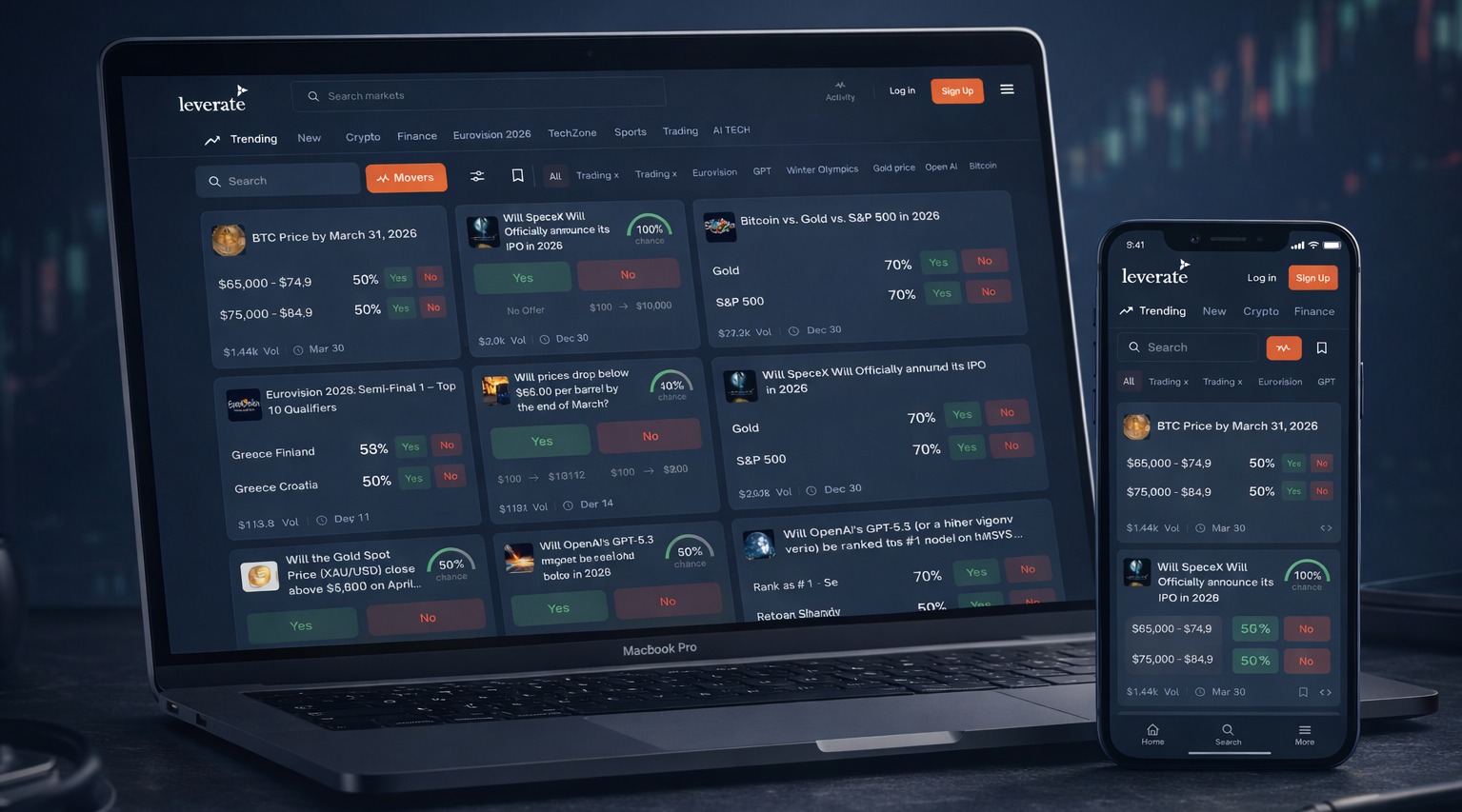
Leverate's platform covers event-based trading across sports, politics, cryptocurrency, finance, and entertainment. The company, which has been operating for nearly two decades, says brokers can go live with a fully branded product within days and without any development cost on their end. The offering ships with an order book, limit and market orders, real-time price charts, a portfolio dashboard, social leaderboards, and admin controls for market creation and resolution, with no external oracles required for settlement.

"The biggest players in fintech are already racing into prediction markets," said Ran Strauss, CEO and Co-Founder of Leverate. "The brokers who act now will capture a first-mover advantage that their competitors simply won't be able to replicate. We built this platform to make that move as fast and risk-free as possible, and the reaction in Dubai proved just how ready the market is."
- Leverate Offers Free-to-Start CFD Brokerage Tech as Pricing Competition Heats Up
- Exclusive: Level2 And Convrs Join Leverate In Trio Partnership as Algo Trading Automation Goes No-Code
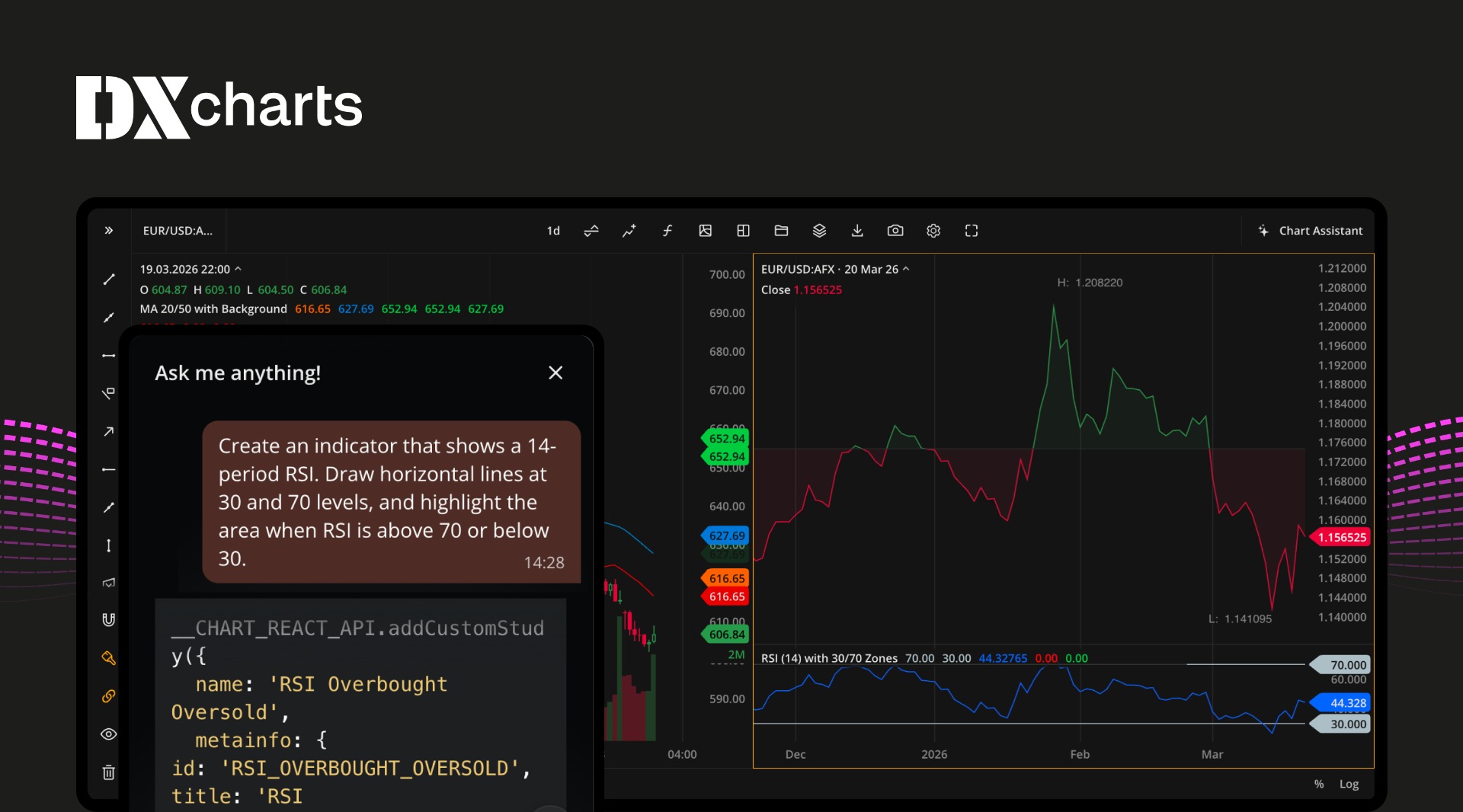
However, Leverate is not the first B2B technology provider to spot the opportunity. Devexperts, the company behind the DXtrade platform, launched its own prediction markets infrastructure for CFD brokers and prop firms in November 2025, building on its existing DXtrade and DXmatch engine technology. Firms adopting that system can take either a full standalone event trading platform or modular components that integrate into their current infrastructure, with automated contract creation and settlement, deliberate latency controls for live sporting events, and round-the-clock uptime capability.
"With our proprietary prototype we can deliver an event based trading platform, either in part for integration or as a full standalone product, in a timely and cost-effective manner that allows firms and exchanges to begin providing these services quickly and efficiently," said Jon Light, Senior Director of Product Management at Devexperts. The company has not disclosed pricing or named any clients for the product.
Brokers Weigh a New Revenue Line
Leverate positions the product as an additional profit center for existing brokers, projecting 15-25% in incremental revenue through spreads, trading fees, and market creation, with minimal added overhead. The company says the simple Yes/No trading mechanic drives a 127% increase in user engagement across all experience levels, while open positions and pending outcomes create re-engagement loops that it says produce 85% monthly retention.
The platform can be deployed as a standalone product or combined with Leverate's broader broker stack, which includes MT4/MT5 infrastructure, CRM, a white-label prop trading suite, and liquidity and risk management tools.
Traditional brokers are increasingly moving into prediction markets to diversify revenue, betting that US derivatives regulation will continue to provide clearer ground rules. As industry observers have noted, traders are now applying the same systematic strategies to prediction markets that they use in conventional instruments, pushing platform infrastructure toward tools that resemble traditional trading screens.
Interactive Brokers Chairman Thomas Peterffy is reportedly exploring his own prediction markets venture, and Kalshi's CEO has said the platform's trading volumes hit $100 billion annually as it attracts increasingly sophisticated participants.
The Binary Options Question Remains
The regulatory picture, however, is far from settled. Kalshi faced a court-ordered ban in Massachusetts on its sports contracts even as the sector posted all-time revenue highs, illustrating how unevenly oversight is applied across jurisdictions. More fundamentally, Kalshi itself has confirmed that some event contracts "are structured as binary options," a category banned in Europe since 2018 over gambling concerns. For brokers considering entry, that distinction matters enormously, and technology providers like Leverate offer internal compliance tools but leave regulatory classification to the broker.
Leverate presented the platform at the iFX EXPO Dubai 2026, announcing the plans for takeoff a few weeks earlier, and says it drew record booth traffic and a wave of partnership inquiries there.