We sat down with Andrew Ralich to discuss ESMA's regulation, institutional expansion, and the future of the trading industry
Finance Magnates
Despite a wave of pessimism in the retail trading world, resulting from the European Securities and Market Authority’s (EMSA) upcoming regulation, there is one technology provider to the industry that remains upbeat: oneZero.
The company, a provider of trading technology and liquidity management solutions, has continued to build upon its strong client-base of 200 retail brokers for some time now. Over the past few years, the firm has also been making moves in the institutional space and looks set to continue those efforts in the near future.
Our conversation began with an addition that oneZero made to its team last month. The company appointed Philip Weisberg, the former Head of FX Trading at Thomson Reuters, as a strategic advisor.
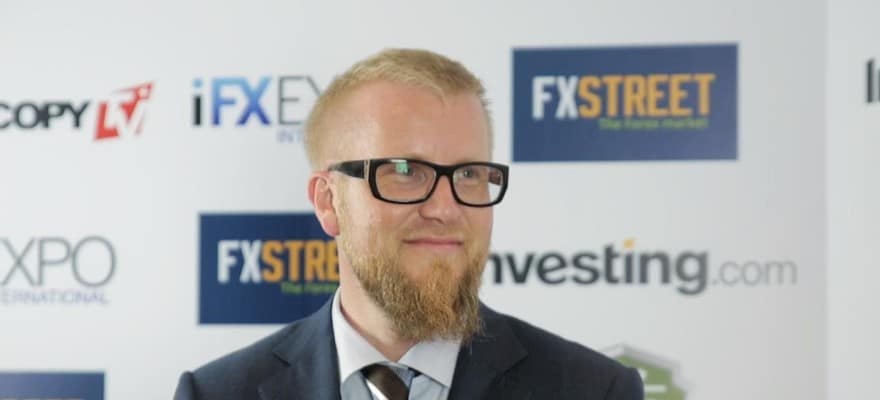
Andrew Ralich, CEO, oneZero
What drove this decision? According to Ralich, the answer to this question lies in the firm’s growth in the institutional space.
“Phil’s addition to the business is a result of us achieving a scale and growth in the institutional space that warranted and required us to bring in some additional expertise,” Ralich told Finance Magnates.
The transition into catering to more institutional business has brought some change to oneZero, but Ralich notes that it does not mean they are making any significant changes to how the company’s technology is developed or distributed today.
“On the business development front, we’ll be looking for new types of relationships to offer more trading markets to our customers,” said Ralich. “We anticipate continued growth of our business and team to manage those relationships as we expand.”
Adding Cryptocurrencies to the Business
One of the firm’s newest institutional relationships was announced last week. B2C2, a provider of cryptocurrency liquidity to institutional investors, announced that it would be partnering with oneZero.
The deal saw B2C2 joining oneZero’s liquidity EcoSystem, a distribution channel of multi-asset class liquidity for a network of brokers, prime brokers, and hedge funds. Members include major firms such as IS Prime, CFH, Sucden Financial, Invast, and Swissquote.
“B2C2 adds new services to meet the increasing demand for cryptocurrency-focused market makers participating in our EcoSystem,” Ralich explained. “Crypto was an area of business where our client base has been expressing additional interest. B2C2 saw the opportunity to leverage our institutional distribution functionality and our existing network of brokers.”
The partnership with B2C2, though strategically important, shouldn’t be read as an effort by oneZero to center its attention on cryptocurrency.
“We see crypto as another asset class that we can distribute on behalf of our clients, but the work we’ve done to accommodate crypto does not represent any major shift in strategy towards the crypto space as a whole,” noted Ralich. “Rather, it’s the opening up of our existing model to what is a new exotic asset class to which our clients are seeking exposure.”
A fluid transition
This model has also enabled oneZero to make a fluid transition into providing its services to institutional clients. This author believed that a firm might face some problems as it moved from the retail business into the larger institutional market. Ralich assured me otherwise, pointing out a similar transition the firm made last year in expanding its offering to DMA equities and futures.
“We see the retail and institutional space in many ways as complementary. While the institutional volume may be larger for individual transactions, that doesn’t mean the technological challenges are,” said Ralich. “The software we deploy is the same core, underlying technology whether you’re a retail broker or an institutional broker.”
This pointed to the wider issue of the dividing line between retail and institutional. In the past there was a much more defined fault-line between these two markets, but, Ralich noted, this may be changing.
“The word I always use for this is hybridization,” Ralich told Finance Magnates. “I feel that soon we’ll be talking less about the balance between retail and institutional, especially from a technology perspective. In many segments of the industry, margins are compressing, and the ability for technology providers to only cater to one area of the market is dwindling.”
This change is, according to Ralich, a consequence of technological developments and reductions in costs. At least for technology providers to the industry, this means that retail and institutional brokers don’t have to be thought of as entirely distinct entities.
“The hybridization of retail and institutional markets, as a result of cost consolidation, means that financial technology platforms can service both sides of the business,” said Ralich. “This can be done seamlessly without separate companies, branding, and technology.”
Staying in retail
Does all this mean that oneZero is going to be pulling back from the retail space? The answer to this question from Ralich was an emphatic “no.”
“The evolution to supporting institutional clients was natural for us,” stated Ralich. “It is being done based on a foundation that was built for retail, a foundation that we have absolutely no intention of abandoning.”
oneZero’s Southeast Asian retail business has been growing considerably, and that doesn’t look to be stopping any time soon. Australian firms, Ralich said, are also becoming increasingly significant for the firm.
“I think the Australian market has hit a regulatory sweet spot,” noted Ralich. “ASIC (Australian Securities and Investments Commission) regulated brokers are in a great position to thrive in the years ahead.”
And what of the Old Continent, Europe, whose brokers look set to be crippled by ESMA’s leverage trading caps and marketing restrictions? Here, Ralich smells opportunity.
“Increases in regulation have historically created a lot of business for oneZero,” he told Finance Magnates. “As a technology provider that has achieved a certain level of scale in our solutions, we tend to be the place that brokers go when they need tools, technology, and support in becoming compliant with new regulations.”
Moreover, Ralich believes that most of the firms that are likely to be damaged by the regulation are not the sorts of companies that would be using oneZero anyway.
“If you were relying on dodgy execution or extreme high-level leverage, you probably didn’t have a great business model coming into the regulation,” stated Ralich cogently. “You also probably weren’t interested in licensing the sort of technology that we provide.”
Smooth sailing
With new updates to the firm’s platforms coming in September, oneZero looks to be navigating the stormy seas of the trading industry with remarkable composure.
Expansion into the institutional space has not come at the expense of retail clients, but rather it has expanded the capabilities of both sides of the business. It has also not forced the firm to make any sizeable changes to its strategy, personnel, or business model.
Finally, though ESMA may be a pain for many brokers, it doesn’t look likely to have any adverse effects on oneZero. Combined with its growing businesses in the Asia-Pacific region, the firm looks set to maintain a strong European client base.
You can’t ask for much more than that, can you?
Despite a wave of pessimism in the retail trading world, resulting from the European Securities and Market Authority’s (EMSA) upcoming regulation, there is one technology provider to the industry that remains upbeat: oneZero.
The company, a provider of trading technology and liquidity management solutions, has continued to build upon its strong client-base of 200 retail brokers for some time now. Over the past few years, the firm has also been making moves in the institutional space and looks set to continue those efforts in the near future.
Our conversation began with an addition that oneZero made to its team last month. The company appointed Philip Weisberg, the former Head of FX Trading at Thomson Reuters, as a strategic advisor.
Andrew Ralich, CEO, oneZero
What drove this decision? According to Ralich, the answer to this question lies in the firm’s growth in the institutional space.
“Phil’s addition to the business is a result of us achieving a scale and growth in the institutional space that warranted and required us to bring in some additional expertise,” Ralich told Finance Magnates.
The transition into catering to more institutional business has brought some change to oneZero, but Ralich notes that it does not mean they are making any significant changes to how the company’s technology is developed or distributed today.
“On the business development front, we’ll be looking for new types of relationships to offer more trading markets to our customers,” said Ralich. “We anticipate continued growth of our business and team to manage those relationships as we expand.”
Adding Cryptocurrencies to the Business
One of the firm’s newest institutional relationships was announced last week. B2C2, a provider of cryptocurrency liquidity to institutional investors, announced that it would be partnering with oneZero.
The deal saw B2C2 joining oneZero’s liquidity EcoSystem, a distribution channel of multi-asset class liquidity for a network of brokers, prime brokers, and hedge funds. Members include major firms such as IS Prime, CFH, Sucden Financial, Invast, and Swissquote.
“B2C2 adds new services to meet the increasing demand for cryptocurrency-focused market makers participating in our EcoSystem,” Ralich explained. “Crypto was an area of business where our client base has been expressing additional interest. B2C2 saw the opportunity to leverage our institutional distribution functionality and our existing network of brokers.”
The partnership with B2C2, though strategically important, shouldn’t be read as an effort by oneZero to center its attention on cryptocurrency.
“We see crypto as another asset class that we can distribute on behalf of our clients, but the work we’ve done to accommodate crypto does not represent any major shift in strategy towards the crypto space as a whole,” noted Ralich. “Rather, it’s the opening up of our existing model to what is a new exotic asset class to which our clients are seeking exposure.”
A fluid transition
This model has also enabled oneZero to make a fluid transition into providing its services to institutional clients. This author believed that a firm might face some problems as it moved from the retail business into the larger institutional market. Ralich assured me otherwise, pointing out a similar transition the firm made last year in expanding its offering to DMA equities and futures.
“We see the retail and institutional space in many ways as complementary. While the institutional volume may be larger for individual transactions, that doesn’t mean the technological challenges are,” said Ralich. “The software we deploy is the same core, underlying technology whether you’re a retail broker or an institutional broker.”
This pointed to the wider issue of the dividing line between retail and institutional. In the past there was a much more defined fault-line between these two markets, but, Ralich noted, this may be changing.
“The word I always use for this is hybridization,” Ralich told Finance Magnates. “I feel that soon we’ll be talking less about the balance between retail and institutional, especially from a technology perspective. In many segments of the industry, margins are compressing, and the ability for technology providers to only cater to one area of the market is dwindling.”
This change is, according to Ralich, a consequence of technological developments and reductions in costs. At least for technology providers to the industry, this means that retail and institutional brokers don’t have to be thought of as entirely distinct entities.
“The hybridization of retail and institutional markets, as a result of cost consolidation, means that financial technology platforms can service both sides of the business,” said Ralich. “This can be done seamlessly without separate companies, branding, and technology.”
Staying in retail
Does all this mean that oneZero is going to be pulling back from the retail space? The answer to this question from Ralich was an emphatic “no.”
“The evolution to supporting institutional clients was natural for us,” stated Ralich. “It is being done based on a foundation that was built for retail, a foundation that we have absolutely no intention of abandoning.”
oneZero’s Southeast Asian retail business has been growing considerably, and that doesn’t look to be stopping any time soon. Australian firms, Ralich said, are also becoming increasingly significant for the firm.
“I think the Australian market has hit a regulatory sweet spot,” noted Ralich. “ASIC (Australian Securities and Investments Commission) regulated brokers are in a great position to thrive in the years ahead.”
And what of the Old Continent, Europe, whose brokers look set to be crippled by ESMA’s leverage trading caps and marketing restrictions? Here, Ralich smells opportunity.
“Increases in regulation have historically created a lot of business for oneZero,” he told Finance Magnates. “As a technology provider that has achieved a certain level of scale in our solutions, we tend to be the place that brokers go when they need tools, technology, and support in becoming compliant with new regulations.”
Moreover, Ralich believes that most of the firms that are likely to be damaged by the regulation are not the sorts of companies that would be using oneZero anyway.
“If you were relying on dodgy execution or extreme high-level leverage, you probably didn’t have a great business model coming into the regulation,” stated Ralich cogently. “You also probably weren’t interested in licensing the sort of technology that we provide.”
Smooth sailing
With new updates to the firm’s platforms coming in September, oneZero looks to be navigating the stormy seas of the trading industry with remarkable composure.
Expansion into the institutional space has not come at the expense of retail clients, but rather it has expanded the capabilities of both sides of the business. It has also not forced the firm to make any sizeable changes to its strategy, personnel, or business model.
Finally, though ESMA may be a pain for many brokers, it doesn’t look likely to have any adverse effects on oneZero. Combined with its growing businesses in the Asia-Pacific region, the firm looks set to maintain a strong European client base.
Brex Capital Is Expelled by Financial Commission Two Months After Rebrand
Featured Videos
FMIQ: Get Verified Market Intelligence in Seconds | FM Intelligence
FMIQ: Get Verified Market Intelligence in Seconds | FM Intelligence
FMIQ: Get Verified Market Intelligence in Seconds | FM Intelligence
FMIQ: Get Verified Market Intelligence in Seconds | FM Intelligence
Meet FMIQ (FM Intelligence Quantitative), now available inside the FM Intelligence Portal.
Ask the market a question in plain language and get a sourced, verified answer in seconds. FMIQ gives you the figures, time periods, and sources you need to make informed decisions, without the need to work through dashboards, filters, or spreadsheet exports.
What makes FMIQ different?
✓ Ask questions in plain language, with no SQL or dashboard setup required.
✓ Get verified answers checked through an independent quality assurance step.
✓ Access sourced figures you can cite with confidence.
✓ Ask follow-up questions and build on the same conversation.
✓ Query seven datasets in one place, covering trading volumes, traffic, platforms, market movements, regulations, fines, and licences.
Built for professionals across the financial markets
- Editorial teams: Find reliable figures and support your reporting with clear sources.
- Commercial teams: Access the market data you need to prepare for client meetings and sales discussions.
- Research and analyst teams: Explore market trends and get answers to specific questions.
- Compliance teams: Access intelligence on regulations, fines, and licences.
Every query is run live, and answers go through an independent quality check. FMIQ is read-only, stays focused on your question, and does not alter the underlying data.
Built on Finance Magnates market intelligence, FMIQ helps professionals get the answers they need, when they need them.
Access FMIQ today: https://datalab.financemagnates.com/market?utm_source=youtube&utm_medium=video&utm_campaign=fmiq_phase1_mvp_launch
#FMIntelligence #FMIQ #MarketIntelligence #FinanceMagnates #FinancialMarkets #MarketResearch
Meet FMIQ (FM Intelligence Quantitative), now available inside the FM Intelligence Portal.
Ask the market a question in plain language and get a sourced, verified answer in seconds. FMIQ gives you the figures, time periods, and sources you need to make informed decisions, without the need to work through dashboards, filters, or spreadsheet exports.
What makes FMIQ different?
✓ Ask questions in plain language, with no SQL or dashboard setup required.
✓ Get verified answers checked through an independent quality assurance step.
✓ Access sourced figures you can cite with confidence.
✓ Ask follow-up questions and build on the same conversation.
✓ Query seven datasets in one place, covering trading volumes, traffic, platforms, market movements, regulations, fines, and licences.
Built for professionals across the financial markets
- Editorial teams: Find reliable figures and support your reporting with clear sources.
- Commercial teams: Access the market data you need to prepare for client meetings and sales discussions.
- Research and analyst teams: Explore market trends and get answers to specific questions.
- Compliance teams: Access intelligence on regulations, fines, and licences.
Every query is run live, and answers go through an independent quality check. FMIQ is read-only, stays focused on your question, and does not alter the underlying data.
Built on Finance Magnates market intelligence, FMIQ helps professionals get the answers they need, when they need them.
Access FMIQ today: https://datalab.financemagnates.com/market?utm_source=youtube&utm_medium=video&utm_campaign=fmiq_phase1_mvp_launch
#FMIntelligence #FMIQ #MarketIntelligence #FinanceMagnates #FinancialMarkets #MarketResearch
Meet FMIQ (FM Intelligence Quantitative), now available inside the FM Intelligence Portal.
Ask the market a question in plain language and get a sourced, verified answer in seconds. FMIQ gives you the figures, time periods, and sources you need to make informed decisions, without the need to work through dashboards, filters, or spreadsheet exports.
What makes FMIQ different?
✓ Ask questions in plain language, with no SQL or dashboard setup required.
✓ Get verified answers checked through an independent quality assurance step.
✓ Access sourced figures you can cite with confidence.
✓ Ask follow-up questions and build on the same conversation.
✓ Query seven datasets in one place, covering trading volumes, traffic, platforms, market movements, regulations, fines, and licences.
Built for professionals across the financial markets
- Editorial teams: Find reliable figures and support your reporting with clear sources.
- Commercial teams: Access the market data you need to prepare for client meetings and sales discussions.
- Research and analyst teams: Explore market trends and get answers to specific questions.
- Compliance teams: Access intelligence on regulations, fines, and licences.
Every query is run live, and answers go through an independent quality check. FMIQ is read-only, stays focused on your question, and does not alter the underlying data.
Built on Finance Magnates market intelligence, FMIQ helps professionals get the answers they need, when they need them.
Access FMIQ today: https://datalab.financemagnates.com/market?utm_source=youtube&utm_medium=video&utm_campaign=fmiq_phase1_mvp_launch
#FMIntelligence #FMIQ #MarketIntelligence #FinanceMagnates #FinancialMarkets #MarketResearch
Meet FMIQ (FM Intelligence Quantitative), now available inside the FM Intelligence Portal.
Ask the market a question in plain language and get a sourced, verified answer in seconds. FMIQ gives you the figures, time periods, and sources you need to make informed decisions, without the need to work through dashboards, filters, or spreadsheet exports.
What makes FMIQ different?
✓ Ask questions in plain language, with no SQL or dashboard setup required.
✓ Get verified answers checked through an independent quality assurance step.
✓ Access sourced figures you can cite with confidence.
✓ Ask follow-up questions and build on the same conversation.
✓ Query seven datasets in one place, covering trading volumes, traffic, platforms, market movements, regulations, fines, and licences.
Built for professionals across the financial markets
- Editorial teams: Find reliable figures and support your reporting with clear sources.
- Commercial teams: Access the market data you need to prepare for client meetings and sales discussions.
- Research and analyst teams: Explore market trends and get answers to specific questions.
- Compliance teams: Access intelligence on regulations, fines, and licences.
Every query is run live, and answers go through an independent quality check. FMIQ is read-only, stays focused on your question, and does not alter the underlying data.
Built on Finance Magnates market intelligence, FMIQ helps professionals get the answers they need, when they need them.
Access FMIQ today: https://datalab.financemagnates.com/market?utm_source=youtube&utm_medium=video&utm_campaign=fmiq_phase1_mvp_launch
#FMIntelligence #FMIQ #MarketIntelligence #FinanceMagnates #FinancialMarkets #MarketResearch
MyForexFunds Details No Conflict Model; UK Eyes iPhone Wallets
MyForexFunds Details No Conflict Model; UK Eyes iPhone Wallets
MyForexFunds Details No Conflict Model; UK Eyes iPhone Wallets
MyForexFunds Details No Conflict Model; UK Eyes iPhone Wallets
MyForexFunds Details No Conflict Model; UK Eyes iPhone Wallets
MyForexFunds Details No Conflict Model; UK Eyes iPhone Wallets
Today’s financial news recap covers MyForexFunds outlines its Evolution relaunch, UK brokers could get their own iPhone wallets, Goat Funded Trader reports $26 million in payouts, and Kalshi explains its pitch to brokers.
Finance Magnates Daily Recap brings you the latest news from forex and CFD brokers, fintech, payments, cryptocurrency, digital assets, trading platforms, financial regulation and global markets.
Get the key company news, executive moves, deals, regulatory updates and market developments of the day, in just a few minutes. New episodes published every weekday.
Read more: https://www.financemagnates.com
#FinanceMagnates #ForexNews #FintechNews
Today’s financial news recap covers MyForexFunds outlines its Evolution relaunch, UK brokers could get their own iPhone wallets, Goat Funded Trader reports $26 million in payouts, and Kalshi explains its pitch to brokers.
Finance Magnates Daily Recap brings you the latest news from forex and CFD brokers, fintech, payments, cryptocurrency, digital assets, trading platforms, financial regulation and global markets.
Get the key company news, executive moves, deals, regulatory updates and market developments of the day, in just a few minutes. New episodes published every weekday.
Read more: https://www.financemagnates.com
#FinanceMagnates #ForexNews #FintechNews
Today’s financial news recap covers MyForexFunds outlines its Evolution relaunch, UK brokers could get their own iPhone wallets, Goat Funded Trader reports $26 million in payouts, and Kalshi explains its pitch to brokers.
Finance Magnates Daily Recap brings you the latest news from forex and CFD brokers, fintech, payments, cryptocurrency, digital assets, trading platforms, financial regulation and global markets.
Get the key company news, executive moves, deals, regulatory updates and market developments of the day, in just a few minutes. New episodes published every weekday.
Read more: https://www.financemagnates.com
#FinanceMagnates #ForexNews #FintechNews
Today’s financial news recap covers MyForexFunds outlines its Evolution relaunch, UK brokers could get their own iPhone wallets, Goat Funded Trader reports $26 million in payouts, and Kalshi explains its pitch to brokers.
Finance Magnates Daily Recap brings you the latest news from forex and CFD brokers, fintech, payments, cryptocurrency, digital assets, trading platforms, financial regulation and global markets.
Get the key company news, executive moves, deals, regulatory updates and market developments of the day, in just a few minutes. New episodes published every weekday.
Read more: https://www.financemagnates.com
#FinanceMagnates #ForexNews #FintechNews
Today’s financial news recap covers MyForexFunds outlines its Evolution relaunch, UK brokers could get their own iPhone wallets, Goat Funded Trader reports $26 million in payouts, and Kalshi explains its pitch to brokers.
Finance Magnates Daily Recap brings you the latest news from forex and CFD brokers, fintech, payments, cryptocurrency, digital assets, trading platforms, financial regulation and global markets.
Get the key company news, executive moves, deals, regulatory updates and market developments of the day, in just a few minutes. New episodes published every weekday.
Read more: https://www.financemagnates.com
#FinanceMagnates #ForexNews #FintechNews
Today’s financial news recap covers MyForexFunds outlines its Evolution relaunch, UK brokers could get their own iPhone wallets, Goat Funded Trader reports $26 million in payouts, and Kalshi explains its pitch to brokers.
Finance Magnates Daily Recap brings you the latest news from forex and CFD brokers, fintech, payments, cryptocurrency, digital assets, trading platforms, financial regulation and global markets.
Get the key company news, executive moves, deals, regulatory updates and market developments of the day, in just a few minutes. New episodes published every weekday.
Read more: https://www.financemagnates.com
#FinanceMagnates #ForexNews #FintechNews
How Much Are CFD Industry Executives Making; Plus500 Buys Brazilian Broker
How Much Are CFD Industry Executives Making; Plus500 Buys Brazilian Broker
How Much Are CFD Industry Executives Making; Plus500 Buys Brazilian Broker
How Much Are CFD Industry Executives Making; Plus500 Buys Brazilian Broker
How Much Are CFD Industry Executives Making; Plus500 Buys Brazilian Broker
How Much Are CFD Industry Executives Making; Plus500 Buys Brazilian Broker
Today’s financial news recap covers FinTop Consulting shared its 2026 salary surveys for Dubai, London and Cyprus with Finance Magnates, Plus500 buys a Brazilian broker, and Google opens the door to CFD ads in Denmark and Chile.
Finance Magnates Daily Recap brings you the latest news from forex and CFD brokers, fintech, payments, cryptocurrency, digital assets, trading platforms, financial regulation and global markets.
Get the key company news, executive moves, deals, regulatory updates and market developments of the day, in just a few minutes. New episodes published every weekday.
Read more: https://www.financemagnates.com
#FinanceMagnates #ForexNews #FintechNews
Today’s financial news recap covers FinTop Consulting shared its 2026 salary surveys for Dubai, London and Cyprus with Finance Magnates, Plus500 buys a Brazilian broker, and Google opens the door to CFD ads in Denmark and Chile.
Finance Magnates Daily Recap brings you the latest news from forex and CFD brokers, fintech, payments, cryptocurrency, digital assets, trading platforms, financial regulation and global markets.
Get the key company news, executive moves, deals, regulatory updates and market developments of the day, in just a few minutes. New episodes published every weekday.
Read more: https://www.financemagnates.com
#FinanceMagnates #ForexNews #FintechNews
Today’s financial news recap covers FinTop Consulting shared its 2026 salary surveys for Dubai, London and Cyprus with Finance Magnates, Plus500 buys a Brazilian broker, and Google opens the door to CFD ads in Denmark and Chile.
Finance Magnates Daily Recap brings you the latest news from forex and CFD brokers, fintech, payments, cryptocurrency, digital assets, trading platforms, financial regulation and global markets.
Get the key company news, executive moves, deals, regulatory updates and market developments of the day, in just a few minutes. New episodes published every weekday.
Read more: https://www.financemagnates.com
#FinanceMagnates #ForexNews #FintechNews
Today’s financial news recap covers FinTop Consulting shared its 2026 salary surveys for Dubai, London and Cyprus with Finance Magnates, Plus500 buys a Brazilian broker, and Google opens the door to CFD ads in Denmark and Chile.
Finance Magnates Daily Recap brings you the latest news from forex and CFD brokers, fintech, payments, cryptocurrency, digital assets, trading platforms, financial regulation and global markets.
Get the key company news, executive moves, deals, regulatory updates and market developments of the day, in just a few minutes. New episodes published every weekday.
Read more: https://www.financemagnates.com
#FinanceMagnates #ForexNews #FintechNews
Today’s financial news recap covers FinTop Consulting shared its 2026 salary surveys for Dubai, London and Cyprus with Finance Magnates, Plus500 buys a Brazilian broker, and Google opens the door to CFD ads in Denmark and Chile.
Finance Magnates Daily Recap brings you the latest news from forex and CFD brokers, fintech, payments, cryptocurrency, digital assets, trading platforms, financial regulation and global markets.
Get the key company news, executive moves, deals, regulatory updates and market developments of the day, in just a few minutes. New episodes published every weekday.
Read more: https://www.financemagnates.com
#FinanceMagnates #ForexNews #FintechNews
Today’s financial news recap covers FinTop Consulting shared its 2026 salary surveys for Dubai, London and Cyprus with Finance Magnates, Plus500 buys a Brazilian broker, and Google opens the door to CFD ads in Denmark and Chile.
Finance Magnates Daily Recap brings you the latest news from forex and CFD brokers, fintech, payments, cryptocurrency, digital assets, trading platforms, financial regulation and global markets.
Get the key company news, executive moves, deals, regulatory updates and market developments of the day, in just a few minutes. New episodes published every weekday.
Read more: https://www.financemagnates.com
#FinanceMagnates #ForexNews #FintechNews
Capital.com UAE Clients Trade $1T in H1; Saxo Signs Nine Athletes
Capital.com UAE Clients Trade $1T in H1; Saxo Signs Nine Athletes
Capital.com UAE Clients Trade $1T in H1; Saxo Signs Nine Athletes
Capital.com UAE Clients Trade $1T in H1; Saxo Signs Nine Athletes
Capital.com UAE Clients Trade $1T in H1; Saxo Signs Nine Athletes
Capital.com UAE Clients Trade $1T in H1; Saxo Signs Nine Athletes
Today’s financial news recap covers Capital.com’s trading data, Saxo Bank’s athlete campaign, Revolut’s Gibraltar crypto licence, and eToro’s new desktop terminal.
Finance Magnates Daily Recap brings you the latest news from forex and CFD brokers, fintech, payments, cryptocurrency, digital assets, trading platforms, financial regulation and global markets.
Get the key company news, executive moves, deals, regulatory updates and market developments of the day, in just a few minutes. New episodes published every weekday.
Read more: https://www.financemagnates.com
#FinanceMagnates #ForexNews #FintechNews
Today’s financial news recap covers Capital.com’s trading data, Saxo Bank’s athlete campaign, Revolut’s Gibraltar crypto licence, and eToro’s new desktop terminal.
Finance Magnates Daily Recap brings you the latest news from forex and CFD brokers, fintech, payments, cryptocurrency, digital assets, trading platforms, financial regulation and global markets.
Get the key company news, executive moves, deals, regulatory updates and market developments of the day, in just a few minutes. New episodes published every weekday.
Read more: https://www.financemagnates.com
#FinanceMagnates #ForexNews #FintechNews
Today’s financial news recap covers Capital.com’s trading data, Saxo Bank’s athlete campaign, Revolut’s Gibraltar crypto licence, and eToro’s new desktop terminal.
Finance Magnates Daily Recap brings you the latest news from forex and CFD brokers, fintech, payments, cryptocurrency, digital assets, trading platforms, financial regulation and global markets.
Get the key company news, executive moves, deals, regulatory updates and market developments of the day, in just a few minutes. New episodes published every weekday.
Read more: https://www.financemagnates.com
#FinanceMagnates #ForexNews #FintechNews
Today’s financial news recap covers Capital.com’s trading data, Saxo Bank’s athlete campaign, Revolut’s Gibraltar crypto licence, and eToro’s new desktop terminal.
Finance Magnates Daily Recap brings you the latest news from forex and CFD brokers, fintech, payments, cryptocurrency, digital assets, trading platforms, financial regulation and global markets.
Get the key company news, executive moves, deals, regulatory updates and market developments of the day, in just a few minutes. New episodes published every weekday.
Read more: https://www.financemagnates.com
#FinanceMagnates #ForexNews #FintechNews
Today’s financial news recap covers Capital.com’s trading data, Saxo Bank’s athlete campaign, Revolut’s Gibraltar crypto licence, and eToro’s new desktop terminal.
Finance Magnates Daily Recap brings you the latest news from forex and CFD brokers, fintech, payments, cryptocurrency, digital assets, trading platforms, financial regulation and global markets.
Get the key company news, executive moves, deals, regulatory updates and market developments of the day, in just a few minutes. New episodes published every weekday.
Read more: https://www.financemagnates.com
#FinanceMagnates #ForexNews #FintechNews
Today’s financial news recap covers Capital.com’s trading data, Saxo Bank’s athlete campaign, Revolut’s Gibraltar crypto licence, and eToro’s new desktop terminal.
Finance Magnates Daily Recap brings you the latest news from forex and CFD brokers, fintech, payments, cryptocurrency, digital assets, trading platforms, financial regulation and global markets.
Get the key company news, executive moves, deals, regulatory updates and market developments of the day, in just a few minutes. New episodes published every weekday.
Read more: https://www.financemagnates.com
#FinanceMagnates #ForexNews #FintechNews
CXM Group to Buy TD Markets; Interactive Brokers Raises Dividend
CXM Group to Buy TD Markets; Interactive Brokers Raises Dividend
CXM Group to Buy TD Markets; Interactive Brokers Raises Dividend
CXM Group to Buy TD Markets; Interactive Brokers Raises Dividend
CXM Group to Buy TD Markets; Interactive Brokers Raises Dividend
CXM Group to Buy TD Markets; Interactive Brokers Raises Dividend
Today’s financial news recap covers CXM Group agrees to acquire TD Markets, Interactive Brokers raises its dividend, Your Bourse and 4XPORTAL formalise a technology partnership, and IC completes its rebranding from IC Markets.
Finance Magnates Daily Recap brings you the latest news from forex and CFD brokers, fintech, payments, cryptocurrency, digital assets, trading platforms, financial regulation and global markets.
Get the key company news, executive moves, deals, regulatory updates and market developments of the day, in just a few minutes. New episodes published every weekday.
Read more: https://www.financemagnates.com
#FinanceMagnates #ForexNews #FintechNews
Today’s financial news recap covers CXM Group agrees to acquire TD Markets, Interactive Brokers raises its dividend, Your Bourse and 4XPORTAL formalise a technology partnership, and IC completes its rebranding from IC Markets.
Finance Magnates Daily Recap brings you the latest news from forex and CFD brokers, fintech, payments, cryptocurrency, digital assets, trading platforms, financial regulation and global markets.
Get the key company news, executive moves, deals, regulatory updates and market developments of the day, in just a few minutes. New episodes published every weekday.
Read more: https://www.financemagnates.com
#FinanceMagnates #ForexNews #FintechNews
Today’s financial news recap covers CXM Group agrees to acquire TD Markets, Interactive Brokers raises its dividend, Your Bourse and 4XPORTAL formalise a technology partnership, and IC completes its rebranding from IC Markets.
Finance Magnates Daily Recap brings you the latest news from forex and CFD brokers, fintech, payments, cryptocurrency, digital assets, trading platforms, financial regulation and global markets.
Get the key company news, executive moves, deals, regulatory updates and market developments of the day, in just a few minutes. New episodes published every weekday.
Read more: https://www.financemagnates.com
#FinanceMagnates #ForexNews #FintechNews
Today’s financial news recap covers CXM Group agrees to acquire TD Markets, Interactive Brokers raises its dividend, Your Bourse and 4XPORTAL formalise a technology partnership, and IC completes its rebranding from IC Markets.
Finance Magnates Daily Recap brings you the latest news from forex and CFD brokers, fintech, payments, cryptocurrency, digital assets, trading platforms, financial regulation and global markets.
Get the key company news, executive moves, deals, regulatory updates and market developments of the day, in just a few minutes. New episodes published every weekday.
Read more: https://www.financemagnates.com
#FinanceMagnates #ForexNews #FintechNews
Today’s financial news recap covers CXM Group agrees to acquire TD Markets, Interactive Brokers raises its dividend, Your Bourse and 4XPORTAL formalise a technology partnership, and IC completes its rebranding from IC Markets.
Finance Magnates Daily Recap brings you the latest news from forex and CFD brokers, fintech, payments, cryptocurrency, digital assets, trading platforms, financial regulation and global markets.
Get the key company news, executive moves, deals, regulatory updates and market developments of the day, in just a few minutes. New episodes published every weekday.
Read more: https://www.financemagnates.com
#FinanceMagnates #ForexNews #FintechNews
Today’s financial news recap covers CXM Group agrees to acquire TD Markets, Interactive Brokers raises its dividend, Your Bourse and 4XPORTAL formalise a technology partnership, and IC completes its rebranding from IC Markets.
Finance Magnates Daily Recap brings you the latest news from forex and CFD brokers, fintech, payments, cryptocurrency, digital assets, trading platforms, financial regulation and global markets.
Get the key company news, executive moves, deals, regulatory updates and market developments of the day, in just a few minutes. New episodes published every weekday.
Read more: https://www.financemagnates.com
#FinanceMagnates #ForexNews #FintechNews