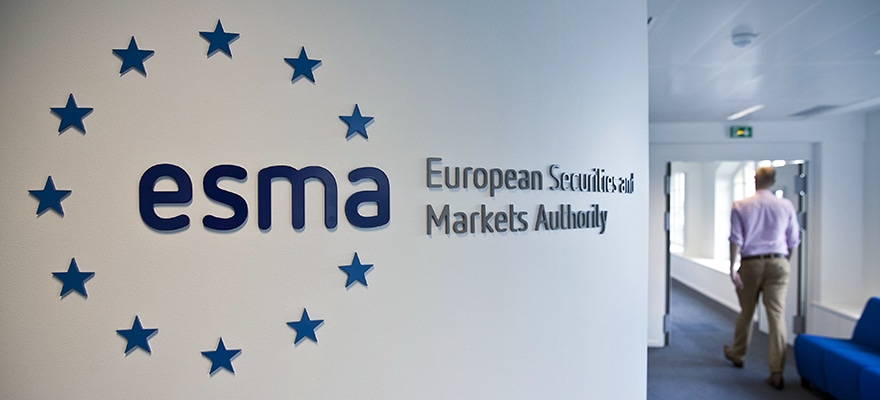
Everything from ESMA to Brexit to Reporting: Real Hands-on Best Practice.
FM
From the chiming of Big Ben in London to waltzing in Vienna, the roaring 20s are upon us. Unlike the roaring 20s of the 20th Century, we predict that the 21st Century's third decade will be roaring regulation.
Laissez-Faire economic policies are no longer in vogue, and in Europe and across the world, Dirigism (the economic doctrine in which the state plays a strong directive role as opposed to a free-market economy) has emerged as a trend of increased regulation.
Plagued by pestilence in the opening of 2020, will SARS-CoV-2 reverse the trend as governments strive for growth amidst economic decimation? In this two-part series, we turn to our crystal ball and predict the emerging trends.
In 2019 many Britons couldn't wait to leave the EU, one year on, and most Britons cannot wait to leave their house. With Brexit now official and the stance unwavering, we can expect to see post-Brexit competition in the Old World. ESMA will likely introduce new regulation with two objectives:
Attract business for Europe
Make financial services more difficult in the UK.
This will have a mixed impact on firms operating in continental Europe and the UK. It is not unlikely that ESMA will seek to introduce regulations to make business easier. This does not necessarily mean relaxing regulation but could entail efforts to streamline and reduce red tape.
ESMA's regulations may punish firms operating in both UK and continental Europe. Passporting and use of staff in the UK for the provision of financial services are unlikely to continue, leading to duplication, inefficiency, and increased costs.
Similarly, Britain is likely to compete to attract financial services businesses to the United Kingdom, while seeking harmonisation between the continent and the Isle. This will be based on equivalence or outcome-based principles.
Quinn Perrott, Co-CEO of TRAction
At the start of 2020, the odds of relaxing leverage restrictions in the UK was a long shot; however, job losses in other areas of the financial services sector due to both Brexit and SARS-CoV-2 may cause desperation resulting in such measures being introduced. This will result in a large windfall for the UK spread-betting and CFD industry, which still remains the strongest jurisdiction within the global CFD industry.
Such unprecedented developments are looked upon with skepticism from many industry participants, including Saxo CEO Andrew Edwards who said he "doesn't see the UK adopting a low-regulation model. Indeed, the FCA has a reputation of being the 'gold standard for regulation'".
This perception of the UK being the gold standard is not only perceived within the FX market but propagated by the overall 'British mentality' of regal weddings, pomp and circumstance, and the birthplace of the rule of law.
This perception seems consistent with imagery promoted by 'Boris' Britain' Indeed, ESMA's proposals on leverage and promotions are likely to follow the FCA's original ideas, which it outlined in 2016 with maximum leverage at 50:1 for all retail clients as opposed to the current 30:1 for major currencies.
Even after Brexit, the FCA and ESMA are likely to still work closely together, even if the FCA is no longer formally bound by the ESMA's decisions. Edwards observation in 2019 that "The bottom line is that there isn't going to be a lighter touch" might be a little more nuanced post-pandemic and Brexit.
On 25 October 2019, CySeC released a thematic review of the best execution obligations. The sample size of the review was 11 Cyprus Investment Firms ("CIFs") offering CFDs, including b book firms and straight-through-processing ("STP") brokers.
Amongst the findings, some of the more interesting included:
Assessments relying on an inadequate sample size of transactions and sometimes were not based on carefully selected benchmarks and tolerances for compliance;
A few CIFs did not compare their order execution against any specific benchmarks and data;
One CIF used excel spreadsheets to perform price slippage calculations without deriving any conclusions;
Another CIF used an incorrect methodology for calculating price slippage;
A CIF based its monitoring on a sample of client orders selected by its sole hedging venue which was a related party; and
CySec observed CIFs did not monitor the effectiveness of their order execution arrangements in order to identify and, where appropriate, correct deficiencies.
MiFID II and Beyond
While the financial market is still getting acclimatised to MiFID II, discussions on what is being described as MiFID III have already begun. While any new regulations across Europe may not be officially called MiFID III, these are unlikely to occur in the imminent future; however, expect more regulation into the future, not less. With the world now preoccupied with preventing the spread of SARS-CoV-2 and reviving the decimated economy, stringent financial regulation is not at the top of any government's agenda.
Given the voluminous and wide scope of MiFID II as well as ESMA's direction that it will focus on firms' compliance with MiFID II in the medium future, we expect any changes to be some time away. This was confirmed by Kay Swinburne, one of the authors of MiFID II "We shouldn't fear MiFID III when it comes. It will not be on the same scale as MiFID II... any updates will be more about refinement and realignment as opposed to a re-write and concerned with removing inconsistencies."
As with any large bureaucracy, particularly one as complex as the European Union, the new regulation is slow as stakeholders are consulted. Expectations of any new laws are still quite distant, and the industry should expect at least four years before any change is implemented. As noted above, any new legislation brought by the EU could be designed to punish Britain for its decision to leave the economic bloc.
Conclusion
Popularism, Brexit, and regulatory uncertainty – the 2020s are certainly likely to be interesting, and already we have seen market turbulence. The author expects Brexit will change the regulatory landscape as ESMA and the FCA compete for the lion-share of the financial industry within the Old World. Optimistically, this could see a relaxation of leverage restrictions in the UK, though, such a drastic development is unlikely but not out-of-the-question.
Expect ESMA to continue to focus on firms' fastidious adherence to MiFID II. In keeping with the zeitgeist of the day, we can expect more regulation not less. Whether this is in the form of MiFID III or merely amendments to refine MiFID II.
Quinn is co-CEO and founder of TRAction focuses on assisting clients in Europe, Asia, and Australia to meet their regulatory requirements with trade and transaction reporting solutions as well as the development of the best execution platform. With a background in IT, Quinn started in the financial markets as IT Manager for City Index. He then co-founded and worked as a General Manager at one of Australia's largest margin FX and CFD providers. Quinn has provided educational sessions to Australia's regulatory bodies in relation to operational aspects of derivatives and trading platforms.
From the chiming of Big Ben in London to waltzing in Vienna, the roaring 20s are upon us. Unlike the roaring 20s of the 20th Century, we predict that the 21st Century's third decade will be roaring regulation.
Laissez-Faire economic policies are no longer in vogue, and in Europe and across the world, Dirigism (the economic doctrine in which the state plays a strong directive role as opposed to a free-market economy) has emerged as a trend of increased regulation.
Plagued by pestilence in the opening of 2020, will SARS-CoV-2 reverse the trend as governments strive for growth amidst economic decimation? In this two-part series, we turn to our crystal ball and predict the emerging trends.
In 2019 many Britons couldn't wait to leave the EU, one year on, and most Britons cannot wait to leave their house. With Brexit now official and the stance unwavering, we can expect to see post-Brexit competition in the Old World. ESMA will likely introduce new regulation with two objectives:
Attract business for Europe
Make financial services more difficult in the UK.
This will have a mixed impact on firms operating in continental Europe and the UK. It is not unlikely that ESMA will seek to introduce regulations to make business easier. This does not necessarily mean relaxing regulation but could entail efforts to streamline and reduce red tape.
ESMA's regulations may punish firms operating in both UK and continental Europe. Passporting and use of staff in the UK for the provision of financial services are unlikely to continue, leading to duplication, inefficiency, and increased costs.
Similarly, Britain is likely to compete to attract financial services businesses to the United Kingdom, while seeking harmonisation between the continent and the Isle. This will be based on equivalence or outcome-based principles.
Quinn Perrott, Co-CEO of TRAction
At the start of 2020, the odds of relaxing leverage restrictions in the UK was a long shot; however, job losses in other areas of the financial services sector due to both Brexit and SARS-CoV-2 may cause desperation resulting in such measures being introduced. This will result in a large windfall for the UK spread-betting and CFD industry, which still remains the strongest jurisdiction within the global CFD industry.
Such unprecedented developments are looked upon with skepticism from many industry participants, including Saxo CEO Andrew Edwards who said he "doesn't see the UK adopting a low-regulation model. Indeed, the FCA has a reputation of being the 'gold standard for regulation'".
This perception of the UK being the gold standard is not only perceived within the FX market but propagated by the overall 'British mentality' of regal weddings, pomp and circumstance, and the birthplace of the rule of law.
This perception seems consistent with imagery promoted by 'Boris' Britain' Indeed, ESMA's proposals on leverage and promotions are likely to follow the FCA's original ideas, which it outlined in 2016 with maximum leverage at 50:1 for all retail clients as opposed to the current 30:1 for major currencies.
Even after Brexit, the FCA and ESMA are likely to still work closely together, even if the FCA is no longer formally bound by the ESMA's decisions. Edwards observation in 2019 that "The bottom line is that there isn't going to be a lighter touch" might be a little more nuanced post-pandemic and Brexit.
On 25 October 2019, CySeC released a thematic review of the best execution obligations. The sample size of the review was 11 Cyprus Investment Firms ("CIFs") offering CFDs, including b book firms and straight-through-processing ("STP") brokers.
Amongst the findings, some of the more interesting included:
Assessments relying on an inadequate sample size of transactions and sometimes were not based on carefully selected benchmarks and tolerances for compliance;
A few CIFs did not compare their order execution against any specific benchmarks and data;
One CIF used excel spreadsheets to perform price slippage calculations without deriving any conclusions;
Another CIF used an incorrect methodology for calculating price slippage;
A CIF based its monitoring on a sample of client orders selected by its sole hedging venue which was a related party; and
CySec observed CIFs did not monitor the effectiveness of their order execution arrangements in order to identify and, where appropriate, correct deficiencies.
MiFID II and Beyond
While the financial market is still getting acclimatised to MiFID II, discussions on what is being described as MiFID III have already begun. While any new regulations across Europe may not be officially called MiFID III, these are unlikely to occur in the imminent future; however, expect more regulation into the future, not less. With the world now preoccupied with preventing the spread of SARS-CoV-2 and reviving the decimated economy, stringent financial regulation is not at the top of any government's agenda.
Given the voluminous and wide scope of MiFID II as well as ESMA's direction that it will focus on firms' compliance with MiFID II in the medium future, we expect any changes to be some time away. This was confirmed by Kay Swinburne, one of the authors of MiFID II "We shouldn't fear MiFID III when it comes. It will not be on the same scale as MiFID II... any updates will be more about refinement and realignment as opposed to a re-write and concerned with removing inconsistencies."
As with any large bureaucracy, particularly one as complex as the European Union, the new regulation is slow as stakeholders are consulted. Expectations of any new laws are still quite distant, and the industry should expect at least four years before any change is implemented. As noted above, any new legislation brought by the EU could be designed to punish Britain for its decision to leave the economic bloc.
Conclusion
Popularism, Brexit, and regulatory uncertainty – the 2020s are certainly likely to be interesting, and already we have seen market turbulence. The author expects Brexit will change the regulatory landscape as ESMA and the FCA compete for the lion-share of the financial industry within the Old World. Optimistically, this could see a relaxation of leverage restrictions in the UK, though, such a drastic development is unlikely but not out-of-the-question.
Expect ESMA to continue to focus on firms' fastidious adherence to MiFID II. In keeping with the zeitgeist of the day, we can expect more regulation not less. Whether this is in the form of MiFID III or merely amendments to refine MiFID II.
Quinn is co-CEO and founder of TRAction focuses on assisting clients in Europe, Asia, and Australia to meet their regulatory requirements with trade and transaction reporting solutions as well as the development of the best execution platform. With a background in IT, Quinn started in the financial markets as IT Manager for City Index. He then co-founded and worked as a General Manager at one of Australia's largest margin FX and CFD providers. Quinn has provided educational sessions to Australia's regulatory bodies in relation to operational aspects of derivatives and trading platforms.
Quinn is Co-CEO and founder of TRAction and focuses on assisting clients in Europe, Asia and Australia to meet their regulatory requirements with trade and transaction reporting solutions as well as development of the best execution platform. With a background in IT, Quinn started in the financial markets as IT Manager for City Index. He then co-founded and worked as a General Manager at one of Australia’s largest margin FX and CFD providers. Quinn has provided educational sessions to Australia’s regulatory bodies in relation to operational aspects of derivatives and trading platforms.
Italy’s Consob Tightens Net on AI-Fueled Scams With Fresh Website Bans
Featured Videos
FP Markets Winner Spotlight 🏆 | Global Broker of the Year 2025 #Trading #Broker #Innovation #Shorts
FP Markets Winner Spotlight 🏆 | Global Broker of the Year 2025 #Trading #Broker #Innovation #Shorts
FP Markets Winner Spotlight 🏆 | Global Broker of the Year 2025 #Trading #Broker #Innovation #Shorts
FP Markets Winner Spotlight 🏆 | Global Broker of the Year 2025 #Trading #Broker #Innovation #Shorts
FP Markets takes the spotlight as Global Broker of the Year 2025 at the Finance Magnates Awards.
Martin Stoilov, Head of Client Experience, shares that trust, innovation, and people played a key role in the company’s success, supported by a strong foundation of integrity and client-centricity.
Following this milestone, FP Markets continues to focus on growth, technology investment, and its core values of transparency and excellence.
👉 Be part of FM Awards 2026: https://awards.financemagnates.com/#nominate
FP Markets takes the spotlight as Global Broker of the Year 2025 at the Finance Magnates Awards.
Martin Stoilov, Head of Client Experience, shares that trust, innovation, and people played a key role in the company’s success, supported by a strong foundation of integrity and client-centricity.
Following this milestone, FP Markets continues to focus on growth, technology investment, and its core values of transparency and excellence.
👉 Be part of FM Awards 2026: https://awards.financemagnates.com/#nominate
FP Markets takes the spotlight as Global Broker of the Year 2025 at the Finance Magnates Awards.
Martin Stoilov, Head of Client Experience, shares that trust, innovation, and people played a key role in the company’s success, supported by a strong foundation of integrity and client-centricity.
Following this milestone, FP Markets continues to focus on growth, technology investment, and its core values of transparency and excellence.
👉 Be part of FM Awards 2026: https://awards.financemagnates.com/#nominate
FP Markets takes the spotlight as Global Broker of the Year 2025 at the Finance Magnates Awards.
Martin Stoilov, Head of Client Experience, shares that trust, innovation, and people played a key role in the company’s success, supported by a strong foundation of integrity and client-centricity.
Following this milestone, FP Markets continues to focus on growth, technology investment, and its core values of transparency and excellence.
👉 Be part of FM Awards 2026: https://awards.financemagnates.com/#nominate
In this video, we review @HolaPrimeMarketsOfficial, a multi-asset forex and CFDs broker offering different account types, trading platforms, and flexible trading conditions.
We cover the broker’s overall offering, including account options, trading environment, platforms like MT4 and MT5, and additional services such as managed accounts and fast withdrawals.
Watch the full video to see if Hola Prime Markets fits your trading needs.
📣 Stay up to date with the latest in finance and trading. Follow Finance Magnates for industry news, insights, and global event coverage.
Connect with us:
🔗 LinkedIn: /financemagnates
👍 Facebook: /financemagnates
📸 Instagram: https://www.instagram.com/financemagnates
🐦 X: https://x.com/financemagnates
🎥 TikTok: https://www.tiktok.com/tag/financemagnates
▶️ YouTube: /@financemagnates_official
#HolaPrime #ForexBroker #CFDTrading #FinanceMagnates #Trading #Forex #BrokerReview
In this video, we review @HolaPrimeMarketsOfficial, a multi-asset forex and CFDs broker offering different account types, trading platforms, and flexible trading conditions.
We cover the broker’s overall offering, including account options, trading environment, platforms like MT4 and MT5, and additional services such as managed accounts and fast withdrawals.
Watch the full video to see if Hola Prime Markets fits your trading needs.
📣 Stay up to date with the latest in finance and trading. Follow Finance Magnates for industry news, insights, and global event coverage.
Connect with us:
🔗 LinkedIn: /financemagnates
👍 Facebook: /financemagnates
📸 Instagram: https://www.instagram.com/financemagnates
🐦 X: https://x.com/financemagnates
🎥 TikTok: https://www.tiktok.com/tag/financemagnates
▶️ YouTube: /@financemagnates_official
#HolaPrime #ForexBroker #CFDTrading #FinanceMagnates #Trading #Forex #BrokerReview
In this video, we review @HolaPrimeMarketsOfficial, a multi-asset forex and CFDs broker offering different account types, trading platforms, and flexible trading conditions.
We cover the broker’s overall offering, including account options, trading environment, platforms like MT4 and MT5, and additional services such as managed accounts and fast withdrawals.
Watch the full video to see if Hola Prime Markets fits your trading needs.
📣 Stay up to date with the latest in finance and trading. Follow Finance Magnates for industry news, insights, and global event coverage.
Connect with us:
🔗 LinkedIn: /financemagnates
👍 Facebook: /financemagnates
📸 Instagram: https://www.instagram.com/financemagnates
🐦 X: https://x.com/financemagnates
🎥 TikTok: https://www.tiktok.com/tag/financemagnates
▶️ YouTube: /@financemagnates_official
#HolaPrime #ForexBroker #CFDTrading #FinanceMagnates #Trading #Forex #BrokerReview
In this video, we review @HolaPrimeMarketsOfficial, a multi-asset forex and CFDs broker offering different account types, trading platforms, and flexible trading conditions.
We cover the broker’s overall offering, including account options, trading environment, platforms like MT4 and MT5, and additional services such as managed accounts and fast withdrawals.
Watch the full video to see if Hola Prime Markets fits your trading needs.
📣 Stay up to date with the latest in finance and trading. Follow Finance Magnates for industry news, insights, and global event coverage.
Connect with us:
🔗 LinkedIn: /financemagnates
👍 Facebook: /financemagnates
📸 Instagram: https://www.instagram.com/financemagnates
🐦 X: https://x.com/financemagnates
🎥 TikTok: https://www.tiktok.com/tag/financemagnates
▶️ YouTube: /@financemagnates_official
#HolaPrime #ForexBroker #CFDTrading #FinanceMagnates #Trading #Forex #BrokerReview
In this video, we review @HolaPrimeMarketsOfficial, a multi-asset forex and CFDs broker offering different account types, trading platforms, and flexible trading conditions.
We cover the broker’s overall offering, including account options, trading environment, platforms like MT4 and MT5, and additional services such as managed accounts and fast withdrawals.
Watch the full video to see if Hola Prime Markets fits your trading needs.
📣 Stay up to date with the latest in finance and trading. Follow Finance Magnates for industry news, insights, and global event coverage.
Connect with us:
🔗 LinkedIn: /financemagnates
👍 Facebook: /financemagnates
📸 Instagram: https://www.instagram.com/financemagnates
🐦 X: https://x.com/financemagnates
🎥 TikTok: https://www.tiktok.com/tag/financemagnates
▶️ YouTube: /@financemagnates_official
#HolaPrime #ForexBroker #CFDTrading #FinanceMagnates #Trading #Forex #BrokerReview
In this video, we review @HolaPrimeMarketsOfficial, a multi-asset forex and CFDs broker offering different account types, trading platforms, and flexible trading conditions.
We cover the broker’s overall offering, including account options, trading environment, platforms like MT4 and MT5, and additional services such as managed accounts and fast withdrawals.
Watch the full video to see if Hola Prime Markets fits your trading needs.
📣 Stay up to date with the latest in finance and trading. Follow Finance Magnates for industry news, insights, and global event coverage.
Connect with us:
🔗 LinkedIn: /financemagnates
👍 Facebook: /financemagnates
📸 Instagram: https://www.instagram.com/financemagnates
🐦 X: https://x.com/financemagnates
🎥 TikTok: https://www.tiktok.com/tag/financemagnates
▶️ YouTube: /@financemagnates_official
#HolaPrime #ForexBroker #CFDTrading #FinanceMagnates #Trading #Forex #BrokerReview
Hola Prime Review: What You Need to Know | Full Breakdown by Finance Magnates
Hola Prime Review: What You Need to Know | Full Breakdown by Finance Magnates
Hola Prime Review: What You Need to Know | Full Breakdown by Finance Magnates
Hola Prime Review: What You Need to Know | Full Breakdown by Finance Magnates
Hola Prime Review: What You Need to Know | Full Breakdown by Finance Magnates
Hola Prime Review: What You Need to Know | Full Breakdown by Finance Magnates
In this video, we review @HolaPrime_Global, a proprietary trading firm offering evaluation programs and performance-based payouts in simulated market environments.
We cover how the challenge model works, including account types, profit splits (up to 95%), trading rules, and what it takes to reach a funded account. You’ll also learn about available platforms like MT4, MT5, cTrader, and more, along with insights into payouts, support, and trading conditions.
Watch the full video to see if Hola Prime fits your trading style.
📣 Stay up to date with the latest in finance and trading. Follow Finance Magnates for industry news, insights, and global event coverage.
Connect with us:
🔗 LinkedIn: /financemagnates
👍 Facebook: /financemagnates
📸 Instagram: https://www.instagram.com/financemagnates
🐦 X: https://x.com/financemagnates
🎥 TikTok: https://www.tiktok.com/tag/financemagnates
▶️ YouTube: /@financemagnates_official
#HolaPrime #PropFirm #Trading #FinanceMagnates #Forex #FuturesTrading #TradingReview #PropFirmReview
In this video, we review @HolaPrime_Global, a proprietary trading firm offering evaluation programs and performance-based payouts in simulated market environments.
We cover how the challenge model works, including account types, profit splits (up to 95%), trading rules, and what it takes to reach a funded account. You’ll also learn about available platforms like MT4, MT5, cTrader, and more, along with insights into payouts, support, and trading conditions.
Watch the full video to see if Hola Prime fits your trading style.
📣 Stay up to date with the latest in finance and trading. Follow Finance Magnates for industry news, insights, and global event coverage.
Connect with us:
🔗 LinkedIn: /financemagnates
👍 Facebook: /financemagnates
📸 Instagram: https://www.instagram.com/financemagnates
🐦 X: https://x.com/financemagnates
🎥 TikTok: https://www.tiktok.com/tag/financemagnates
▶️ YouTube: /@financemagnates_official
#HolaPrime #PropFirm #Trading #FinanceMagnates #Forex #FuturesTrading #TradingReview #PropFirmReview
In this video, we review @HolaPrime_Global, a proprietary trading firm offering evaluation programs and performance-based payouts in simulated market environments.
We cover how the challenge model works, including account types, profit splits (up to 95%), trading rules, and what it takes to reach a funded account. You’ll also learn about available platforms like MT4, MT5, cTrader, and more, along with insights into payouts, support, and trading conditions.
Watch the full video to see if Hola Prime fits your trading style.
📣 Stay up to date with the latest in finance and trading. Follow Finance Magnates for industry news, insights, and global event coverage.
Connect with us:
🔗 LinkedIn: /financemagnates
👍 Facebook: /financemagnates
📸 Instagram: https://www.instagram.com/financemagnates
🐦 X: https://x.com/financemagnates
🎥 TikTok: https://www.tiktok.com/tag/financemagnates
▶️ YouTube: /@financemagnates_official
#HolaPrime #PropFirm #Trading #FinanceMagnates #Forex #FuturesTrading #TradingReview #PropFirmReview
In this video, we review @HolaPrime_Global, a proprietary trading firm offering evaluation programs and performance-based payouts in simulated market environments.
We cover how the challenge model works, including account types, profit splits (up to 95%), trading rules, and what it takes to reach a funded account. You’ll also learn about available platforms like MT4, MT5, cTrader, and more, along with insights into payouts, support, and trading conditions.
Watch the full video to see if Hola Prime fits your trading style.
📣 Stay up to date with the latest in finance and trading. Follow Finance Magnates for industry news, insights, and global event coverage.
Connect with us:
🔗 LinkedIn: /financemagnates
👍 Facebook: /financemagnates
📸 Instagram: https://www.instagram.com/financemagnates
🐦 X: https://x.com/financemagnates
🎥 TikTok: https://www.tiktok.com/tag/financemagnates
▶️ YouTube: /@financemagnates_official
#HolaPrime #PropFirm #Trading #FinanceMagnates #Forex #FuturesTrading #TradingReview #PropFirmReview
In this video, we review @HolaPrime_Global, a proprietary trading firm offering evaluation programs and performance-based payouts in simulated market environments.
We cover how the challenge model works, including account types, profit splits (up to 95%), trading rules, and what it takes to reach a funded account. You’ll also learn about available platforms like MT4, MT5, cTrader, and more, along with insights into payouts, support, and trading conditions.
Watch the full video to see if Hola Prime fits your trading style.
📣 Stay up to date with the latest in finance and trading. Follow Finance Magnates for industry news, insights, and global event coverage.
Connect with us:
🔗 LinkedIn: /financemagnates
👍 Facebook: /financemagnates
📸 Instagram: https://www.instagram.com/financemagnates
🐦 X: https://x.com/financemagnates
🎥 TikTok: https://www.tiktok.com/tag/financemagnates
▶️ YouTube: /@financemagnates_official
#HolaPrime #PropFirm #Trading #FinanceMagnates #Forex #FuturesTrading #TradingReview #PropFirmReview
In this video, we review @HolaPrime_Global, a proprietary trading firm offering evaluation programs and performance-based payouts in simulated market environments.
We cover how the challenge model works, including account types, profit splits (up to 95%), trading rules, and what it takes to reach a funded account. You’ll also learn about available platforms like MT4, MT5, cTrader, and more, along with insights into payouts, support, and trading conditions.
Watch the full video to see if Hola Prime fits your trading style.
📣 Stay up to date with the latest in finance and trading. Follow Finance Magnates for industry news, insights, and global event coverage.
Connect with us:
🔗 LinkedIn: /financemagnates
👍 Facebook: /financemagnates
📸 Instagram: https://www.instagram.com/financemagnates
🐦 X: https://x.com/financemagnates
🎥 TikTok: https://www.tiktok.com/tag/financemagnates
▶️ YouTube: /@financemagnates_official
#HolaPrime #PropFirm #Trading #FinanceMagnates #Forex #FuturesTrading #TradingReview #PropFirmReview
Axi Winner Spotlight 🏆 | Global Most Innovative Broker 2025 #Innovation #Trading #Fintech #Broker
Axi Winner Spotlight 🏆 | Global Most Innovative Broker 2025 #Innovation #Trading #Fintech #Broker
Axi Winner Spotlight 🏆 | Global Most Innovative Broker 2025 #Innovation #Trading #Fintech #Broker
Axi Winner Spotlight 🏆 | Global Most Innovative Broker 2025 #Innovation #Trading #Fintech #Broker
Axi Winner Spotlight 🏆 | Global Most Innovative Broker 2025 #Innovation #Trading #Fintech #Broker
Axi Winner Spotlight 🏆 | Global Most Innovative Broker 2025 #Innovation #Trading #Fintech #Broker
Axi takes the spotlight at the Finance Magnates Awards, winning Global Most Innovative Broker 2025.
Olivia Xenofontos and Ivanna Openko share how the team will feel: proud, motivated, and ready to keep delivering.
They also describe the night as well-organized, focused, and enjoyable for all.
👉 Be part of FM Awards 2026.
Axi takes the spotlight at the Finance Magnates Awards, winning Global Most Innovative Broker 2025.
Olivia Xenofontos and Ivanna Openko share how the team will feel: proud, motivated, and ready to keep delivering.
They also describe the night as well-organized, focused, and enjoyable for all.
👉 Be part of FM Awards 2026.
Axi takes the spotlight at the Finance Magnates Awards, winning Global Most Innovative Broker 2025.
Olivia Xenofontos and Ivanna Openko share how the team will feel: proud, motivated, and ready to keep delivering.
They also describe the night as well-organized, focused, and enjoyable for all.
👉 Be part of FM Awards 2026.
Axi takes the spotlight at the Finance Magnates Awards, winning Global Most Innovative Broker 2025.
Olivia Xenofontos and Ivanna Openko share how the team will feel: proud, motivated, and ready to keep delivering.
They also describe the night as well-organized, focused, and enjoyable for all.
👉 Be part of FM Awards 2026.
Axi takes the spotlight at the Finance Magnates Awards, winning Global Most Innovative Broker 2025.
Olivia Xenofontos and Ivanna Openko share how the team will feel: proud, motivated, and ready to keep delivering.
They also describe the night as well-organized, focused, and enjoyable for all.
👉 Be part of FM Awards 2026.
Axi takes the spotlight at the Finance Magnates Awards, winning Global Most Innovative Broker 2025.
Olivia Xenofontos and Ivanna Openko share how the team will feel: proud, motivated, and ready to keep delivering.
They also describe the night as well-organized, focused, and enjoyable for all.
👉 Be part of FM Awards 2026.
Recognition that matters.
Built on transparency.
Driven by the industry.
The Finance Magnates Awards 2026.
Nominations are now open.
🔗 https://awards.financemagnates.com/?utm_source=SM&utm_medium=social&utm_campaign=recognition-matters
Recognition that matters.
Built on transparency.
Driven by the industry.
The Finance Magnates Awards 2026.
Nominations are now open.
🔗 https://awards.financemagnates.com/?utm_source=SM&utm_medium=social&utm_campaign=recognition-matters
Recognition that matters.
Built on transparency.
Driven by the industry.
The Finance Magnates Awards 2026.
Nominations are now open.
🔗 https://awards.financemagnates.com/?utm_source=SM&utm_medium=social&utm_campaign=recognition-matters
Recognition that matters.
Built on transparency.
Driven by the industry.
The Finance Magnates Awards 2026.
Nominations are now open.
🔗 https://awards.financemagnates.com/?utm_source=SM&utm_medium=social&utm_campaign=recognition-matters
Recognition that matters.
Built on transparency.
Driven by the industry.
The Finance Magnates Awards 2026.
Nominations are now open.
🔗 https://awards.financemagnates.com/?utm_source=SM&utm_medium=social&utm_campaign=recognition-matters
Recognition that matters.
Built on transparency.
Driven by the industry.
The Finance Magnates Awards 2026.
Nominations are now open.
🔗 https://awards.financemagnates.com/?utm_source=SM&utm_medium=social&utm_campaign=recognition-matters