
>
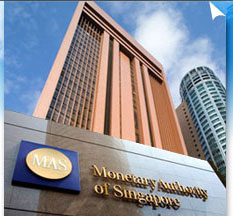
Monetary Authority Of Singapore Issues Consultation On Basel III Liquidity Risk
Sunday,01/09/2013|10:02GMTby
Andrew Saks McLeod
The Singaporean regulatory authorities have issued a detailed consultation paper relating to the implementation of the proposed Basel III rulings on liquidity. An emphasis has been placed on ensuring less reliance on FX Swaps.
On January 6, 2013, the Group of Central Bank Governors and Heads of Supervision (GHOS) endorsed the Basel III Liquidity Rule - Liquidity Coverage Ratio (LCR) as the global minimum standard for liquidity risk.
The LCR framework is intended to go some way toward improving the short-term resilience of a bank's liquidity risk profile, by ensuring that a bank has an adequate stock of unencumbered high quality liquid assets (HQLA) that can be converted into cash at little or no loss of value, to meet its liquidity needs for a 30 calendar day liquidity stress scenario.
Incremental Implementation
Although, an international standard has been agreed on by the Group, with a full and detailed directive in place and publicly available via the Bank For International Settlements, the Singapore Regulatory Authority maintains its own timeline for implementation.
As such, the LCR requirement starts at 60% on January 1, 2015 and increases 10% annually to reach 100% by January 1, 2019. As a member of the Basel Committee of Banking Supervision (BCBS), Singapore will adopt Basel’s recommended implementation timeline. MAS is proposing to replace the existing MLA framework with the LCR framework for all banks and finance companies. The new framework will also be extended to merchant banks.
On this basis, MAS will be conducting a Quantitative Impact Study (MAS QIS) for all banks, merchant banks and financial institutions in Singapore, based on 28 June, 2013 positions, to analyze the potential impact resulting from the local implementation of LCR.
The existing Minimum Liquid Assets (MLA) requirement stipulates that every bank shall hold, at all times, a minimum percentage of its SGD-denominated qualifying liabilities in liquid assets.
The objective of the MLA is similar to the LCR, which is to ensure that banks hold sufficient liquid assets to meet their estimated cash outflows over a short-term horizon. In addition, allowing MLA assets to be drawn down during a liquidity crisis on notification to the MAS is also aligned within the intent of the LCR framework.
FX Swap Dependency Under Scrutiny
While the LCR requirements are calculated on a consolidated basis and reported in a common currency, the Basel liquidity standard also expects banks and their supervisors to closely monitor LCR by significant currency.
Singapore is a regional treasury center for many banks and their liabilities within the domestic financial markets are diversified in terms of currencies. U.S. Dollar (USD) is the dominant foreign currency for most financial institutions in Singapore and one-third of these financial institutions also have 3 or more other significant currencies.
A currency is considered “significant” if the aggregate liabilities denominated in that currency amount to 5% or more of the financial institution’s total liabilities.
As such, there is a need to impose LCR by significant currencies, on top of the consolidated currency LCR requirement, to ensure that financial institutions have sufficient liquid assets in the foreign currencies and are not overly-reliant on the FX swap markets to meet their foreign currency liquidity needs during a liquidity stress situation, as highlighted by the reduced FX swap market liquidity during the last financial crisis.
MAS proposes to impose a USD LCR requirement on all financial institutions in Singapore given that it is the next most significant currency in the banking industry besides SGD. The proposed LCR requirement for USD in Singapore will be set at 80%, allowing financial institutions to rely on external sources such as the FX swap market to some extent.
The regulator intends to monitor the market liquidity of the other non-USD foreign currencies, as well as the adequacy of each financial institution’s liquidity management of these currencies through its supervisory process. Bank-specific requirements will be imposed on a case-by-case basis if prudential concerns warrant them.
On January 6, 2013, the Group of Central Bank Governors and Heads of Supervision (GHOS) endorsed the Basel III Liquidity Rule - Liquidity Coverage Ratio (LCR) as the global minimum standard for liquidity risk.
The LCR framework is intended to go some way toward improving the short-term resilience of a bank's liquidity risk profile, by ensuring that a bank has an adequate stock of unencumbered high quality liquid assets (HQLA) that can be converted into cash at little or no loss of value, to meet its liquidity needs for a 30 calendar day liquidity stress scenario.
Incremental Implementation
Although, an international standard has been agreed on by the Group, with a full and detailed directive in place and publicly available via the Bank For International Settlements, the Singapore Regulatory Authority maintains its own timeline for implementation.
As such, the LCR requirement starts at 60% on January 1, 2015 and increases 10% annually to reach 100% by January 1, 2019. As a member of the Basel Committee of Banking Supervision (BCBS), Singapore will adopt Basel’s recommended implementation timeline. MAS is proposing to replace the existing MLA framework with the LCR framework for all banks and finance companies. The new framework will also be extended to merchant banks.
On this basis, MAS will be conducting a Quantitative Impact Study (MAS QIS) for all banks, merchant banks and financial institutions in Singapore, based on 28 June, 2013 positions, to analyze the potential impact resulting from the local implementation of LCR.
The existing Minimum Liquid Assets (MLA) requirement stipulates that every bank shall hold, at all times, a minimum percentage of its SGD-denominated qualifying liabilities in liquid assets.
The objective of the MLA is similar to the LCR, which is to ensure that banks hold sufficient liquid assets to meet their estimated cash outflows over a short-term horizon. In addition, allowing MLA assets to be drawn down during a liquidity crisis on notification to the MAS is also aligned within the intent of the LCR framework.
FX Swap Dependency Under Scrutiny
While the LCR requirements are calculated on a consolidated basis and reported in a common currency, the Basel liquidity standard also expects banks and their supervisors to closely monitor LCR by significant currency.
Singapore is a regional treasury center for many banks and their liabilities within the domestic financial markets are diversified in terms of currencies. U.S. Dollar (USD) is the dominant foreign currency for most financial institutions in Singapore and one-third of these financial institutions also have 3 or more other significant currencies.
A currency is considered “significant” if the aggregate liabilities denominated in that currency amount to 5% or more of the financial institution’s total liabilities.
As such, there is a need to impose LCR by significant currencies, on top of the consolidated currency LCR requirement, to ensure that financial institutions have sufficient liquid assets in the foreign currencies and are not overly-reliant on the FX swap markets to meet their foreign currency liquidity needs during a liquidity stress situation, as highlighted by the reduced FX swap market liquidity during the last financial crisis.
MAS proposes to impose a USD LCR requirement on all financial institutions in Singapore given that it is the next most significant currency in the banking industry besides SGD. The proposed LCR requirement for USD in Singapore will be set at 80%, allowing financial institutions to rely on external sources such as the FX swap market to some extent.
The regulator intends to monitor the market liquidity of the other non-USD foreign currencies, as well as the adequacy of each financial institution’s liquidity management of these currencies through its supervisory process. Bank-specific requirements will be imposed on a case-by-case basis if prudential concerns warrant them.
PayPal Did It, Now Interactive Brokers Wants In Too
Featured Videos
OnePrime’s Jerry Khargi on Infrastructure, Liquidity & Trust | Executive Interview
Recorded live at FMLS:25 London, this exclusive executive interview features Jerry Khargi, Executive Director at OnePrime, in conversation with Andrea Badiola Mateos from Finance Magnates.
In this in-depth discussion, Jerry shares:
- OnePrime’s journey from a retail-focused business to a global institutional liquidity provider
- What truly sets award-winning trading infrastructure apart
- Key trends shaping institutional trading, including technology and AI
- The importance of transparency, ethics, and reputation in long-term success
- OnePrime’s vision for growth over the next 12–24 months
Fresh from winning Finance Magnates’ Best Trading Infrastructure Broker, Jerry explains how experience, mentorship, and real-world problem solving form the “special sauce” behind OnePrime’s institutional offering.
🏆 Award Highlight: Best Trading Infrastructure Broker
👉 Subscribe to Finance Magnates for more executive interviews, market insights, and exclusive coverage from the world’s leading financial events.
#FMLS25 #FinanceMagnates #OnePrime #InstitutionalTrading #Liquidity #TradingInfrastructure #ExecutiveInterview
Recorded live at FMLS:25 London, this exclusive executive interview features Jerry Khargi, Executive Director at OnePrime, in conversation with Andrea Badiola Mateos from Finance Magnates.
In this in-depth discussion, Jerry shares:
- OnePrime’s journey from a retail-focused business to a global institutional liquidity provider
- What truly sets award-winning trading infrastructure apart
- Key trends shaping institutional trading, including technology and AI
- The importance of transparency, ethics, and reputation in long-term success
- OnePrime’s vision for growth over the next 12–24 months
Fresh from winning Finance Magnates’ Best Trading Infrastructure Broker, Jerry explains how experience, mentorship, and real-world problem solving form the “special sauce” behind OnePrime’s institutional offering.
🏆 Award Highlight: Best Trading Infrastructure Broker
👉 Subscribe to Finance Magnates for more executive interviews, market insights, and exclusive coverage from the world’s leading financial events.
#FMLS25 #FinanceMagnates #OnePrime #InstitutionalTrading #Liquidity #TradingInfrastructure #ExecutiveInterview
Recorded live at FMLS:25 London, this exclusive executive interview features Jerry Khargi, Executive Director at OnePrime, in conversation with Andrea Badiola Mateos from Finance Magnates.
In this in-depth discussion, Jerry shares:
- OnePrime’s journey from a retail-focused business to a global institutional liquidity provider
- What truly sets award-winning trading infrastructure apart
- Key trends shaping institutional trading, including technology and AI
- The importance of transparency, ethics, and reputation in long-term success
- OnePrime’s vision for growth over the next 12–24 months
Fresh from winning Finance Magnates’ Best Trading Infrastructure Broker, Jerry explains how experience, mentorship, and real-world problem solving form the “special sauce” behind OnePrime’s institutional offering.
🏆 Award Highlight: Best Trading Infrastructure Broker
👉 Subscribe to Finance Magnates for more executive interviews, market insights, and exclusive coverage from the world’s leading financial events.
#FMLS25 #FinanceMagnates #OnePrime #InstitutionalTrading #Liquidity #TradingInfrastructure #ExecutiveInterview
Recorded live at FMLS:25 London, this exclusive executive interview features Jerry Khargi, Executive Director at OnePrime, in conversation with Andrea Badiola Mateos from Finance Magnates.
In this in-depth discussion, Jerry shares:
- OnePrime’s journey from a retail-focused business to a global institutional liquidity provider
- What truly sets award-winning trading infrastructure apart
- Key trends shaping institutional trading, including technology and AI
- The importance of transparency, ethics, and reputation in long-term success
- OnePrime’s vision for growth over the next 12–24 months
Fresh from winning Finance Magnates’ Best Trading Infrastructure Broker, Jerry explains how experience, mentorship, and real-world problem solving form the “special sauce” behind OnePrime’s institutional offering.
🏆 Award Highlight: Best Trading Infrastructure Broker
👉 Subscribe to Finance Magnates for more executive interviews, market insights, and exclusive coverage from the world’s leading financial events.
#FMLS25 #FinanceMagnates #OnePrime #InstitutionalTrading #Liquidity #TradingInfrastructure #ExecutiveInterview
How does the Finance Magnates newsroom decide which updates are worth covering? #financenews
What makes an update worth covering in financial media?
According to Yam Yehoshua, Editor-in-Chief at Finance Magnates, editorial focus starts with relevance: stories that serve the industry, support brokers and technology providers, and help decision-makers navigate their businesses.
A reminder that strong financial journalism is built on value, not volume.
What makes an update worth covering in financial media?
According to Yam Yehoshua, Editor-in-Chief at Finance Magnates, editorial focus starts with relevance: stories that serve the industry, support brokers and technology providers, and help decision-makers navigate their businesses.
A reminder that strong financial journalism is built on value, not volume.
What makes an update worth covering in financial media?
According to Yam Yehoshua, Editor-in-Chief at Finance Magnates, editorial focus starts with relevance: stories that serve the industry, support brokers and technology providers, and help decision-makers navigate their businesses.
A reminder that strong financial journalism is built on value, not volume.
What makes an update worth covering in financial media?
According to Yam Yehoshua, Editor-in-Chief at Finance Magnates, editorial focus starts with relevance: stories that serve the industry, support brokers and technology providers, and help decision-makers navigate their businesses.
A reminder that strong financial journalism is built on value, not volume.
What makes an update worth covering in financial media?
According to Yam Yehoshua, Editor-in-Chief at Finance Magnates, editorial focus starts with relevance: stories that serve the industry, support brokers and technology providers, and help decision-makers navigate their businesses.
A reminder that strong financial journalism is built on value, not volume.
What makes an update worth covering in financial media?
According to Yam Yehoshua, Editor-in-Chief at Finance Magnates, editorial focus starts with relevance: stories that serve the industry, support brokers and technology providers, and help decision-makers navigate their businesses.
A reminder that strong financial journalism is built on value, not volume.
Liquidity as a Business: How Brokers Can Earn More
This webinar will focuses on how brokers can create new revenue streams by launching or enhancing their liquidity business.
John Murillo, Chief Dealing Officer of the B2BROKER group, covers how:
- Retail brokers can launch their own B2B arm to distribute liquidity and boost profitability.
- Institutional brokers can upgrade their liquidity offering and strengthen their market position.
- New entrants can start from scratch and become liquidity providers through a ready-made turnkey solution.
Hosted by B2BROKER, a global fintech provider of liquidity and technology solutions, the session will reveal how to monetize liquidity, accelerate business growth, and increase profitability using the Liquidity Provider Turnkey solution.
📣 Stay updated with the latest in finance and trading! Follow Finance Magnates across our social media platforms for news, insights, and event updates.
Connect with us today:
🔗 LinkedIn: / https://www.linkedin.com/company/financemagnates/
👍 Facebook: / https://www.facebook.com/financemagnates/
📸 Instagram: / https://www.instagram.com/financemagnates_official/?hl=en
🐦 X: https://x.com/financemagnates?
🎥 TikTok: https://www.tiktok.com/tag/financemag...
▶️ YouTube: / @financemagnates_official
This webinar will focuses on how brokers can create new revenue streams by launching or enhancing their liquidity business.
John Murillo, Chief Dealing Officer of the B2BROKER group, covers how:
- Retail brokers can launch their own B2B arm to distribute liquidity and boost profitability.
- Institutional brokers can upgrade their liquidity offering and strengthen their market position.
- New entrants can start from scratch and become liquidity providers through a ready-made turnkey solution.
Hosted by B2BROKER, a global fintech provider of liquidity and technology solutions, the session will reveal how to monetize liquidity, accelerate business growth, and increase profitability using the Liquidity Provider Turnkey solution.
📣 Stay updated with the latest in finance and trading! Follow Finance Magnates across our social media platforms for news, insights, and event updates.
Connect with us today:
🔗 LinkedIn: / https://www.linkedin.com/company/financemagnates/
👍 Facebook: / https://www.facebook.com/financemagnates/
📸 Instagram: / https://www.instagram.com/financemagnates_official/?hl=en
🐦 X: https://x.com/financemagnates?
🎥 TikTok: https://www.tiktok.com/tag/financemag...
▶️ YouTube: / @financemagnates_official
This webinar will focuses on how brokers can create new revenue streams by launching or enhancing their liquidity business.
John Murillo, Chief Dealing Officer of the B2BROKER group, covers how:
- Retail brokers can launch their own B2B arm to distribute liquidity and boost profitability.
- Institutional brokers can upgrade their liquidity offering and strengthen their market position.
- New entrants can start from scratch and become liquidity providers through a ready-made turnkey solution.
Hosted by B2BROKER, a global fintech provider of liquidity and technology solutions, the session will reveal how to monetize liquidity, accelerate business growth, and increase profitability using the Liquidity Provider Turnkey solution.
📣 Stay updated with the latest in finance and trading! Follow Finance Magnates across our social media platforms for news, insights, and event updates.
Connect with us today:
🔗 LinkedIn: / https://www.linkedin.com/company/financemagnates/
👍 Facebook: / https://www.facebook.com/financemagnates/
📸 Instagram: / https://www.instagram.com/financemagnates_official/?hl=en
🐦 X: https://x.com/financemagnates?
🎥 TikTok: https://www.tiktok.com/tag/financemag...
▶️ YouTube: / @financemagnates_official
This webinar will focuses on how brokers can create new revenue streams by launching or enhancing their liquidity business.
John Murillo, Chief Dealing Officer of the B2BROKER group, covers how:
- Retail brokers can launch their own B2B arm to distribute liquidity and boost profitability.
- Institutional brokers can upgrade their liquidity offering and strengthen their market position.
- New entrants can start from scratch and become liquidity providers through a ready-made turnkey solution.
Hosted by B2BROKER, a global fintech provider of liquidity and technology solutions, the session will reveal how to monetize liquidity, accelerate business growth, and increase profitability using the Liquidity Provider Turnkey solution.
📣 Stay updated with the latest in finance and trading! Follow Finance Magnates across our social media platforms for news, insights, and event updates.
Connect with us today:
🔗 LinkedIn: / https://www.linkedin.com/company/financemagnates/
👍 Facebook: / https://www.facebook.com/financemagnates/
📸 Instagram: / https://www.instagram.com/financemagnates_official/?hl=en
🐦 X: https://x.com/financemagnates?
🎥 TikTok: https://www.tiktok.com/tag/financemag...
▶️ YouTube: / @financemagnates_official
This webinar will focuses on how brokers can create new revenue streams by launching or enhancing their liquidity business.
John Murillo, Chief Dealing Officer of the B2BROKER group, covers how:
- Retail brokers can launch their own B2B arm to distribute liquidity and boost profitability.
- Institutional brokers can upgrade their liquidity offering and strengthen their market position.
- New entrants can start from scratch and become liquidity providers through a ready-made turnkey solution.
Hosted by B2BROKER, a global fintech provider of liquidity and technology solutions, the session will reveal how to monetize liquidity, accelerate business growth, and increase profitability using the Liquidity Provider Turnkey solution.
📣 Stay updated with the latest in finance and trading! Follow Finance Magnates across our social media platforms for news, insights, and event updates.
Connect with us today:
🔗 LinkedIn: / https://www.linkedin.com/company/financemagnates/
👍 Facebook: / https://www.facebook.com/financemagnates/
📸 Instagram: / https://www.instagram.com/financemagnates_official/?hl=en
🐦 X: https://x.com/financemagnates?
🎥 TikTok: https://www.tiktok.com/tag/financemag...
▶️ YouTube: / @financemagnates_official
This webinar will focuses on how brokers can create new revenue streams by launching or enhancing their liquidity business.
John Murillo, Chief Dealing Officer of the B2BROKER group, covers how:
- Retail brokers can launch their own B2B arm to distribute liquidity and boost profitability.
- Institutional brokers can upgrade their liquidity offering and strengthen their market position.
- New entrants can start from scratch and become liquidity providers through a ready-made turnkey solution.
Hosted by B2BROKER, a global fintech provider of liquidity and technology solutions, the session will reveal how to monetize liquidity, accelerate business growth, and increase profitability using the Liquidity Provider Turnkey solution.
📣 Stay updated with the latest in finance and trading! Follow Finance Magnates across our social media platforms for news, insights, and event updates.
Connect with us today:
🔗 LinkedIn: / https://www.linkedin.com/company/financemagnates/
👍 Facebook: / https://www.facebook.com/financemagnates/
📸 Instagram: / https://www.instagram.com/financemagnates_official/?hl=en
🐦 X: https://x.com/financemagnates?
🎥 TikTok: https://www.tiktok.com/tag/financemag...
▶️ YouTube: / @financemagnates_official
How FYNXT is Transforming Brokerages with Modular Tech | Executive Interview with Stephen Miles
Join us for an exclusive interview with Stephen Miles, Chief Revenue Officer at FYNXT, recorded live at FMLS:25. In this conversation, Stephen breaks down how modular brokerage technology is driving growth, retention, and efficiency across the brokerage industry.
Learn how FYNXT's unified yet modular platform is giving brokers a competitive edge—powering faster onboarding, increased trading volumes, and dramatically improved IB performance.
🔑 What You'll Learn in This Video:
- The biggest challenges brokerages face going into 2026
- Why FYNXT’s modular platform is outperforming in-house builds
- How automation is transforming IB channels
- The real ROI: 11x LTV increases and reduced acquisition costs
👉 Don’t forget to like, comment, and subscribe.
#FYNXT #StephenMiles #FMLS2025 #BrokerageTechnology #ModularTech #FintechInterview #DigitalTransformation #FinancialMarkets #CROInterview #FintechInnovation #TradingTechnology #IndependentBrokers #FinanceLeaders
Join us for an exclusive interview with Stephen Miles, Chief Revenue Officer at FYNXT, recorded live at FMLS:25. In this conversation, Stephen breaks down how modular brokerage technology is driving growth, retention, and efficiency across the brokerage industry.
Learn how FYNXT's unified yet modular platform is giving brokers a competitive edge—powering faster onboarding, increased trading volumes, and dramatically improved IB performance.
🔑 What You'll Learn in This Video:
- The biggest challenges brokerages face going into 2026
- Why FYNXT’s modular platform is outperforming in-house builds
- How automation is transforming IB channels
- The real ROI: 11x LTV increases and reduced acquisition costs
👉 Don’t forget to like, comment, and subscribe.
#FYNXT #StephenMiles #FMLS2025 #BrokerageTechnology #ModularTech #FintechInterview #DigitalTransformation #FinancialMarkets #CROInterview #FintechInnovation #TradingTechnology #IndependentBrokers #FinanceLeaders
Join us for an exclusive interview with Stephen Miles, Chief Revenue Officer at FYNXT, recorded live at FMLS:25. In this conversation, Stephen breaks down how modular brokerage technology is driving growth, retention, and efficiency across the brokerage industry.
Learn how FYNXT's unified yet modular platform is giving brokers a competitive edge—powering faster onboarding, increased trading volumes, and dramatically improved IB performance.
🔑 What You'll Learn in This Video:
- The biggest challenges brokerages face going into 2026
- Why FYNXT’s modular platform is outperforming in-house builds
- How automation is transforming IB channels
- The real ROI: 11x LTV increases and reduced acquisition costs
👉 Don’t forget to like, comment, and subscribe.
#FYNXT #StephenMiles #FMLS2025 #BrokerageTechnology #ModularTech #FintechInterview #DigitalTransformation #FinancialMarkets #CROInterview #FintechInnovation #TradingTechnology #IndependentBrokers #FinanceLeaders
Join us for an exclusive interview with Stephen Miles, Chief Revenue Officer at FYNXT, recorded live at FMLS:25. In this conversation, Stephen breaks down how modular brokerage technology is driving growth, retention, and efficiency across the brokerage industry.
Learn how FYNXT's unified yet modular platform is giving brokers a competitive edge—powering faster onboarding, increased trading volumes, and dramatically improved IB performance.
🔑 What You'll Learn in This Video:
- The biggest challenges brokerages face going into 2026
- Why FYNXT’s modular platform is outperforming in-house builds
- How automation is transforming IB channels
- The real ROI: 11x LTV increases and reduced acquisition costs
👉 Don’t forget to like, comment, and subscribe.
#FYNXT #StephenMiles #FMLS2025 #BrokerageTechnology #ModularTech #FintechInterview #DigitalTransformation #FinancialMarkets #CROInterview #FintechInnovation #TradingTechnology #IndependentBrokers #FinanceLeaders
Join us for an exclusive interview with Stephen Miles, Chief Revenue Officer at FYNXT, recorded live at FMLS:25. In this conversation, Stephen breaks down how modular brokerage technology is driving growth, retention, and efficiency across the brokerage industry.
Learn how FYNXT's unified yet modular platform is giving brokers a competitive edge—powering faster onboarding, increased trading volumes, and dramatically improved IB performance.
🔑 What You'll Learn in This Video:
- The biggest challenges brokerages face going into 2026
- Why FYNXT’s modular platform is outperforming in-house builds
- How automation is transforming IB channels
- The real ROI: 11x LTV increases and reduced acquisition costs
👉 Don’t forget to like, comment, and subscribe.
#FYNXT #StephenMiles #FMLS2025 #BrokerageTechnology #ModularTech #FintechInterview #DigitalTransformation #FinancialMarkets #CROInterview #FintechInnovation #TradingTechnology #IndependentBrokers #FinanceLeaders
Join us for an exclusive interview with Stephen Miles, Chief Revenue Officer at FYNXT, recorded live at FMLS:25. In this conversation, Stephen breaks down how modular brokerage technology is driving growth, retention, and efficiency across the brokerage industry.
Learn how FYNXT's unified yet modular platform is giving brokers a competitive edge—powering faster onboarding, increased trading volumes, and dramatically improved IB performance.
🔑 What You'll Learn in This Video:
- The biggest challenges brokerages face going into 2026
- Why FYNXT’s modular platform is outperforming in-house builds
- How automation is transforming IB channels
- The real ROI: 11x LTV increases and reduced acquisition costs
👉 Don’t forget to like, comment, and subscribe.
#FYNXT #StephenMiles #FMLS2025 #BrokerageTechnology #ModularTech #FintechInterview #DigitalTransformation #FinancialMarkets #CROInterview #FintechInnovation #TradingTechnology #IndependentBrokers #FinanceLeaders
Executive Interview | Charlotte Bullock | Chief Product Officer, Bank of London | FMLS:25
In this interview, we sat down with Charlotte Bullock, Head of Product at The Bank of London, previously at SAP and now shaping product at one of the sector’s most ambitious new banking players.
Charlotte reflects on the Summit so far and talks about the culture inside fintech banks today. We look at the pressures that come with scaling, and how firms can hold onto the nimble approach that made them stand out early on.
We also cover the state of payments ahead of her appearance on the payments roundtable: the blockages financial firms face, the areas that still need fixing, and what a realistic solution looks like in 2026.
In this interview, we sat down with Charlotte Bullock, Head of Product at The Bank of London, previously at SAP and now shaping product at one of the sector’s most ambitious new banking players.
Charlotte reflects on the Summit so far and talks about the culture inside fintech banks today. We look at the pressures that come with scaling, and how firms can hold onto the nimble approach that made them stand out early on.
We also cover the state of payments ahead of her appearance on the payments roundtable: the blockages financial firms face, the areas that still need fixing, and what a realistic solution looks like in 2026.
In this interview, we sat down with Charlotte Bullock, Head of Product at The Bank of London, previously at SAP and now shaping product at one of the sector’s most ambitious new banking players.
Charlotte reflects on the Summit so far and talks about the culture inside fintech banks today. We look at the pressures that come with scaling, and how firms can hold onto the nimble approach that made them stand out early on.
We also cover the state of payments ahead of her appearance on the payments roundtable: the blockages financial firms face, the areas that still need fixing, and what a realistic solution looks like in 2026.
In this interview, we sat down with Charlotte Bullock, Head of Product at The Bank of London, previously at SAP and now shaping product at one of the sector’s most ambitious new banking players.
Charlotte reflects on the Summit so far and talks about the culture inside fintech banks today. We look at the pressures that come with scaling, and how firms can hold onto the nimble approach that made them stand out early on.
We also cover the state of payments ahead of her appearance on the payments roundtable: the blockages financial firms face, the areas that still need fixing, and what a realistic solution looks like in 2026.
In this interview, we sat down with Charlotte Bullock, Head of Product at The Bank of London, previously at SAP and now shaping product at one of the sector’s most ambitious new banking players.
Charlotte reflects on the Summit so far and talks about the culture inside fintech banks today. We look at the pressures that come with scaling, and how firms can hold onto the nimble approach that made them stand out early on.
We also cover the state of payments ahead of her appearance on the payments roundtable: the blockages financial firms face, the areas that still need fixing, and what a realistic solution looks like in 2026.
In this interview, we sat down with Charlotte Bullock, Head of Product at The Bank of London, previously at SAP and now shaping product at one of the sector’s most ambitious new banking players.
Charlotte reflects on the Summit so far and talks about the culture inside fintech banks today. We look at the pressures that come with scaling, and how firms can hold onto the nimble approach that made them stand out early on.
We also cover the state of payments ahead of her appearance on the payments roundtable: the blockages financial firms face, the areas that still need fixing, and what a realistic solution looks like in 2026.