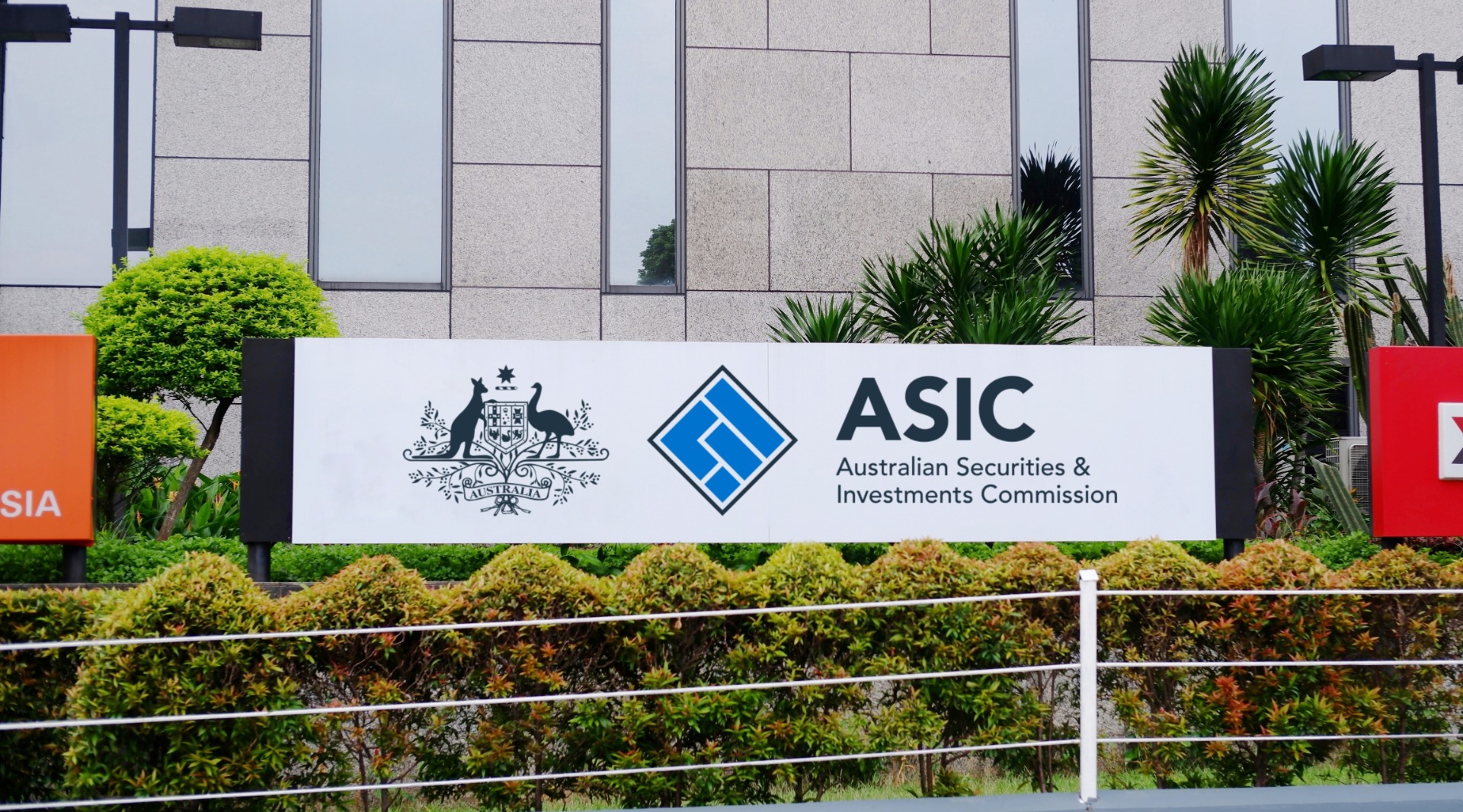
Metro Bank faces a £16.7m fine from the FCA for failing to properly monitor over 60m transactions between 2016 and 2020.
The bank's automated monitoring system reportedly had significant unaddressed flaws despite early warnings.
The
Financial Conduct Authority (FCA) has imposed a £16.7 million fine on Metro
Bank for significant failings in its anti-money laundering controls that left
over £51 billion in transactions inadequately monitored over a four-year
period.
Metro Bank Hit With £16.7m
Fine Over AML Control Failures
The
regulatory action follows an investigation that revealed Metro Bank failed to
properly monitor more than 60 million transactions between June 2016 and
December 2020 due to fundamental flaws in its automated transaction monitoring
system.
The
investigation uncovered a critical error in the bank's data processing that
prevented the monitoring of transactions made on the same day accounts were
opened. This technical flaw, known internally as the “Time Stamp Code
Logic Error,” went undetected for nearly three years despite early
warnings from junior staff members.
Therese Chambers, FCA, Source: LinkedIn
“Metro's
failings risked a gap being left in our defense against the criminal misuse of
our financial system,” commented Therese Chambers, joint executive director of
enforcement and market oversight. “Those failings went on for too
long.”
The
problems began when Metro Bank implemented its Automated Transaction Monitoring
System in June 2016. A coding error meant that when customers opened accounts
and conducted transactions on the same day, the system failed to capture these
activities for monitoring. The issue persisted until July 2019, when a partial
fix was implemented.
This is another fine the FCA has issued to the financial institution in the past month. Wise plc CEO Kristo
Käärmann was fined £350,000 in late October for failing to disclose significant
tax issues, a considerably smaller amount than Metro Bank’s latest penalty.
Moreover, this isn't the first time
Metro Bank has faced FCA sanctions. In December 2022, the regulator fined the
institution over £10 million for providing incorrect information to investors.
Additionally, the FCA sanctioned former Metro Bank executives Craig Donaldson
and David Arden for “knowingly being concerned” in breaches of listing rules.
Donaldson was fined £223,100, while Arden received a £134,600 penalty.
The Fine Could Be Higher
Even after
identifying the problem, Metro Bank did not establish consistent verification
procedures to ensure all transactions were being properly monitored until
December 2020, more than four years after the system's initial implementation.
Internal
documents reveal that junior staff members raised concerns about data
monitoring gaps in 2017 and 2018, but their warnings failed to prompt adequate
investigation or remediation by senior management. The issue was notably
removed from the minutes of a January 2018 Financial Crime Steering Group
meeting, effectively burying the warning signs.
The fine
would have been £23.8 million, but Metro Bank received a 30% discount for
agreeing to resolve the matter early. The bank has since implemented new
processes to address the identified issues and strengthen its financial crime
controls.
Despite the
“discount,” the fine imposed on Metro Bank is among the highest in
2024. Only Starling Bank received a higher penalty in September, nearly £29
million, and Citigroup in May, £28 million.
The
Financial Conduct Authority (FCA) has imposed a £16.7 million fine on Metro
Bank for significant failings in its anti-money laundering controls that left
over £51 billion in transactions inadequately monitored over a four-year
period.
Metro Bank Hit With £16.7m
Fine Over AML Control Failures
The
regulatory action follows an investigation that revealed Metro Bank failed to
properly monitor more than 60 million transactions between June 2016 and
December 2020 due to fundamental flaws in its automated transaction monitoring
system.
The
investigation uncovered a critical error in the bank's data processing that
prevented the monitoring of transactions made on the same day accounts were
opened. This technical flaw, known internally as the “Time Stamp Code
Logic Error,” went undetected for nearly three years despite early
warnings from junior staff members.
Therese Chambers, FCA, Source: LinkedIn
“Metro's
failings risked a gap being left in our defense against the criminal misuse of
our financial system,” commented Therese Chambers, joint executive director of
enforcement and market oversight. “Those failings went on for too
long.”
The
problems began when Metro Bank implemented its Automated Transaction Monitoring
System in June 2016. A coding error meant that when customers opened accounts
and conducted transactions on the same day, the system failed to capture these
activities for monitoring. The issue persisted until July 2019, when a partial
fix was implemented.
This is another fine the FCA has issued to the financial institution in the past month. Wise plc CEO Kristo
Käärmann was fined £350,000 in late October for failing to disclose significant
tax issues, a considerably smaller amount than Metro Bank’s latest penalty.
Moreover, this isn't the first time
Metro Bank has faced FCA sanctions. In December 2022, the regulator fined the
institution over £10 million for providing incorrect information to investors.
Additionally, the FCA sanctioned former Metro Bank executives Craig Donaldson
and David Arden for “knowingly being concerned” in breaches of listing rules.
Donaldson was fined £223,100, while Arden received a £134,600 penalty.
The Fine Could Be Higher
Even after
identifying the problem, Metro Bank did not establish consistent verification
procedures to ensure all transactions were being properly monitored until
December 2020, more than four years after the system's initial implementation.
Internal
documents reveal that junior staff members raised concerns about data
monitoring gaps in 2017 and 2018, but their warnings failed to prompt adequate
investigation or remediation by senior management. The issue was notably
removed from the minutes of a January 2018 Financial Crime Steering Group
meeting, effectively burying the warning signs.
The fine
would have been £23.8 million, but Metro Bank received a 30% discount for
agreeing to resolve the matter early. The bank has since implemented new
processes to address the identified issues and strengthen its financial crime
controls.
Despite the
“discount,” the fine imposed on Metro Bank is among the highest in
2024. Only Starling Bank received a higher penalty in September, nearly £29
million, and Citigroup in May, £28 million.
Damian Chmiel is a Senior Analyst & Editor at Finance Magnates with more than 15 years of experience in the CFD and online trading industry. Active as both a trader and journalist since 2010, he focuses on broker coverage, fintech innovation, and regulatory developments across Europe, the Middle East, and Asia.
His work includes interviews with C-level leaders at major brokerages and fintech platforms, as well as co-authoring Finance Magnates’ quarterly industry benchmarking reports. Damian’s reporting is data-driven, market-aware, and grounded in direct industry engagement. His analysis and commentary have also been cited by external media outlets, including Investing.com, Binance, The Asset, Stockhead, and Dispatch.
Education:
MA in Finance and Accounting, Cracow University of Economics
Italy’s Consob Tightens Net on AI-Fueled Scams With Fresh Website Bans
FP Markets Winner Spotlight 🏆 | Global Broker of the Year 2025 #Trading #Broker #Innovation #Shorts
FP Markets Winner Spotlight 🏆 | Global Broker of the Year 2025 #Trading #Broker #Innovation #Shorts
FP Markets takes the spotlight as Global Broker of the Year 2025 at the Finance Magnates Awards.
Martin Stoilov, Head of Client Experience, shares that trust, innovation, and people played a key role in the company’s success, supported by a strong foundation of integrity and client-centricity.
Following this milestone, FP Markets continues to focus on growth, technology investment, and its core values of transparency and excellence.
👉 Be part of FM Awards 2026: https://awards.financemagnates.com/#nominate
FP Markets takes the spotlight as Global Broker of the Year 2025 at the Finance Magnates Awards.
Martin Stoilov, Head of Client Experience, shares that trust, innovation, and people played a key role in the company’s success, supported by a strong foundation of integrity and client-centricity.
Following this milestone, FP Markets continues to focus on growth, technology investment, and its core values of transparency and excellence.
👉 Be part of FM Awards 2026: https://awards.financemagnates.com/#nominate
In this video, we review @HolaPrimeMarketsOfficial, a multi-asset forex and CFDs broker offering different account types, trading platforms, and flexible trading conditions.
We cover the broker’s overall offering, including account options, trading environment, platforms like MT4 and MT5, and additional services such as managed accounts and fast withdrawals.
Watch the full video to see if Hola Prime Markets fits your trading needs.
📣 Stay up to date with the latest in finance and trading. Follow Finance Magnates for industry news, insights, and global event coverage.
Connect with us:
🔗 LinkedIn: /financemagnates
👍 Facebook: /financemagnates
📸 Instagram: https://www.instagram.com/financemagnates
🐦 X: https://x.com/financemagnates
🎥 TikTok: https://www.tiktok.com/tag/financemagnates
▶️ YouTube: /@financemagnates_official
#HolaPrime #ForexBroker #CFDTrading #FinanceMagnates #Trading #Forex #BrokerReview
In this video, we review @HolaPrimeMarketsOfficial, a multi-asset forex and CFDs broker offering different account types, trading platforms, and flexible trading conditions.
We cover the broker’s overall offering, including account options, trading environment, platforms like MT4 and MT5, and additional services such as managed accounts and fast withdrawals.
Watch the full video to see if Hola Prime Markets fits your trading needs.
📣 Stay up to date with the latest in finance and trading. Follow Finance Magnates for industry news, insights, and global event coverage.
Connect with us:
🔗 LinkedIn: /financemagnates
👍 Facebook: /financemagnates
📸 Instagram: https://www.instagram.com/financemagnates
🐦 X: https://x.com/financemagnates
🎥 TikTok: https://www.tiktok.com/tag/financemagnates
▶️ YouTube: /@financemagnates_official
#HolaPrime #ForexBroker #CFDTrading #FinanceMagnates #Trading #Forex #BrokerReview
Hola Prime Review: What You Need to Know | Full Breakdown by Finance Magnates
Hola Prime Review: What You Need to Know | Full Breakdown by Finance Magnates
In this video, we review @HolaPrime_Global, a proprietary trading firm offering evaluation programs and performance-based payouts in simulated market environments.
We cover how the challenge model works, including account types, profit splits (up to 95%), trading rules, and what it takes to reach a funded account. You’ll also learn about available platforms like MT4, MT5, cTrader, and more, along with insights into payouts, support, and trading conditions.
Watch the full video to see if Hola Prime fits your trading style.
📣 Stay up to date with the latest in finance and trading. Follow Finance Magnates for industry news, insights, and global event coverage.
Connect with us:
🔗 LinkedIn: /financemagnates
👍 Facebook: /financemagnates
📸 Instagram: https://www.instagram.com/financemagnates
🐦 X: https://x.com/financemagnates
🎥 TikTok: https://www.tiktok.com/tag/financemagnates
▶️ YouTube: /@financemagnates_official
#HolaPrime #PropFirm #Trading #FinanceMagnates #Forex #FuturesTrading #TradingReview #PropFirmReview
In this video, we review @HolaPrime_Global, a proprietary trading firm offering evaluation programs and performance-based payouts in simulated market environments.
We cover how the challenge model works, including account types, profit splits (up to 95%), trading rules, and what it takes to reach a funded account. You’ll also learn about available platforms like MT4, MT5, cTrader, and more, along with insights into payouts, support, and trading conditions.
Watch the full video to see if Hola Prime fits your trading style.
📣 Stay up to date with the latest in finance and trading. Follow Finance Magnates for industry news, insights, and global event coverage.
Connect with us:
🔗 LinkedIn: /financemagnates
👍 Facebook: /financemagnates
📸 Instagram: https://www.instagram.com/financemagnates
🐦 X: https://x.com/financemagnates
🎥 TikTok: https://www.tiktok.com/tag/financemagnates
▶️ YouTube: /@financemagnates_official
#HolaPrime #PropFirm #Trading #FinanceMagnates #Forex #FuturesTrading #TradingReview #PropFirmReview
Axi Winner Spotlight 🏆 | Global Most Innovative Broker 2025 #Innovation #Trading #Fintech #Broker
Axi Winner Spotlight 🏆 | Global Most Innovative Broker 2025 #Innovation #Trading #Fintech #Broker
Axi takes the spotlight at the Finance Magnates Awards, winning Global Most Innovative Broker 2025.
Olivia Xenofontos and Ivanna Openko share how the team will feel: proud, motivated, and ready to keep delivering.
They also describe the night as well-organized, focused, and enjoyable for all.
👉 Be part of FM Awards 2026.
Axi takes the spotlight at the Finance Magnates Awards, winning Global Most Innovative Broker 2025.
Olivia Xenofontos and Ivanna Openko share how the team will feel: proud, motivated, and ready to keep delivering.
They also describe the night as well-organized, focused, and enjoyable for all.
👉 Be part of FM Awards 2026.
Recognition that matters.
Built on transparency.
Driven by the industry.
The Finance Magnates Awards 2026.
Nominations are now open.
🔗 https://awards.financemagnates.com/?utm_source=SM&utm_medium=social&utm_campaign=recognition-matters
Recognition that matters.
Built on transparency.
Driven by the industry.
The Finance Magnates Awards 2026.
Nominations are now open.
🔗 https://awards.financemagnates.com/?utm_source=SM&utm_medium=social&utm_campaign=recognition-matters