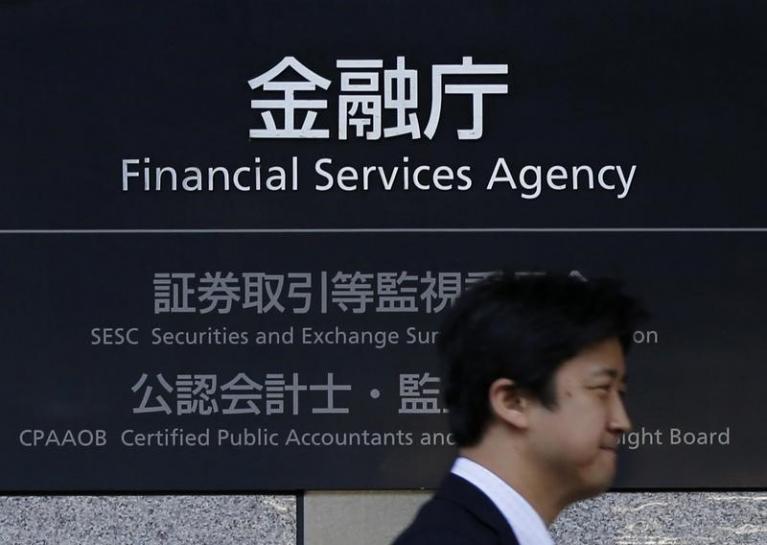
The Australian government is enforcing new client money rules that are going to dramatically impact the industry
Bloomberg
The Australian Minister for Revenue and Financial Services, Hon Kelly O’Dwyer has communicated that the Australian government is proceeding with reforms to the retail over-the-counter foreign exchange and CFDs sector that is going to dramatically impact the local industry.
The reforms which the government says are designed to protect clients, could cause operation difficulties for a number of companies in the country. The companies that are holding a regulatory license from the Australian Securities and Investments Commission (ASIC) will no longer be able to use client money “for a wide range of purposes, including for working capital”.
The government states in its official announcement on the matter that the use of client money for certain activities is not permitted in a number of G20 economies.
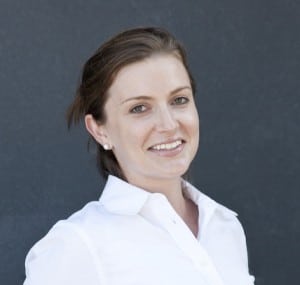
Sophie Gerber, Director of Sophie Grace
Commenting on the announcement, the Director of financial services consultancy Sophie Grace, Sophie Gerber, stated, “There's around 55 licensees in the OTC derivatives sector according to ASIC Report 482. Without being able to see the annual FS70 and FS71 (i.e. financial statements) of each of these companies (i.e. everyone that is a Pty Ltd), it is impossible to know if they are all adequately capitalized to cope with these client money reforms, i.e. that they have sufficient capital to hedge their client positions where they consider it necessary.”
“However given ASIC's comments in Report 482 on the poor level of NTA compliance, I'm concerned that most entities are not in a position to withstand these changes. This will potentially lead to unfortunate insolvency issues over the next couple of years to the severe detriment of clients or many AFSL sales before the rules come into force as smaller players seek to exit the industry,” Ms Gerber explained.”
How to be an STP Broker When Client Funds Can’t be Used for Working Capital?
Commenting on today's announcement the General Manager of transaction reporting focused Fintech company TRAction and former managing director of AxiTrader, Quinn Perrott, said, "I think the big winners here are large brokers that are already running a B book as this effectively puts pressure on smaller less sophisticated brokers and also less capitalised brokers. It also puts another obstacle to entry on the industry (as if there wasn’t enough already). In my opinion, the big losers of the day are Prime of Prime (PoP) firms and fully straight through processing (STP) brokers. PoP brokers will find their clients (often smaller STP firms) don’t have enough of their own capital to cover margin and will probably be forced to adopt a B book model."
"Fully STP brokers will find hedging too capital intensive without the use of client funds and the return on capital often won’t be worth the risk. For retail clients, in general I see this as neutral. I think there are a few cases in the past where it could have saved clients from losses but there are also plenty of examples where it would have made no difference. Even with client money staying in trust there is plenty of room for error, poor accounting or outright fraud. Also this legislation may reduce competition and severely limit the STP model, neither being good for the retail client. Basically this was a win for IG markets and CMC, who went to great lengths to try and stifle competition," Mr Perrot explains.
Ms Gerber elaborated on the matter, “Some applicants are being afforded an opportunity to meet with the regulator to discuss their proposed business model and operations, whereas others are being outright ignored for months on end and then finally rejected (often with ill-conceived reasoning, however the process to refute these decisions is very time-consuming). I'd like to see ASIC start facilitating a flow-through of investment in this industry as well as others so we can all benefit.”
While the government claims that the ban on the use of client money for working capital is designed to ensure the safekeeping of clients’ funds, companies that are willing to transmit their clients’ order on to the broad marketplace will have to warrant their positions with the broker’s own finds.
“I hope alongside this that ASIC will solidify its position on its review and approval of AFSLs which has, as everyone knows, been most difficult in the past few years, with no proper guidance being released by ASIC, rather it being done in an ad hoc and inefficient way to various industry players as they see fit,” the Director of Financial Services consultancy Sophie Grace elaborated.
One Year Grace Period
Australian authorities will give a one year term to all companies to begin complying with the new regulatory framework. While no official timeline has been provided, the new Bill mandating the client funds regulations will be introduced at the earliest opportunity to enhance consumer protection.
In an official announcement, the Australian authorities have stated, “The Government has conducted extensive consultation on the proposed regime, with almost 50 submissions received on the discussion paper and draft Bill. In addition, numerous consultation the government meetings have been held with a broad range of stakeholders, including industry associations, the Australian Securities and Investments Commission and the ASX.”
“While the Government acknowledges that the Bill may cause some disruption to firms that use a particular business model, the Government’s primary objective is to ensure the protection of retail client monies, and these reforms will achieve this objective,” the official statement reads.
The Australian Minister for Revenue and Financial Services, Hon Kelly O’Dwyer has communicated that the Australian government is proceeding with reforms to the retail over-the-counter foreign exchange and CFDs sector that is going to dramatically impact the local industry.
The reforms which the government says are designed to protect clients, could cause operation difficulties for a number of companies in the country. The companies that are holding a regulatory license from the Australian Securities and Investments Commission (ASIC) will no longer be able to use client money “for a wide range of purposes, including for working capital”.
The government states in its official announcement on the matter that the use of client money for certain activities is not permitted in a number of G20 economies.
Sophie Gerber, Director of Sophie Grace
Commenting on the announcement, the Director of financial services consultancy Sophie Grace, Sophie Gerber, stated, “There's around 55 licensees in the OTC derivatives sector according to ASIC Report 482. Without being able to see the annual FS70 and FS71 (i.e. financial statements) of each of these companies (i.e. everyone that is a Pty Ltd), it is impossible to know if they are all adequately capitalized to cope with these client money reforms, i.e. that they have sufficient capital to hedge their client positions where they consider it necessary.”
“However given ASIC's comments in Report 482 on the poor level of NTA compliance, I'm concerned that most entities are not in a position to withstand these changes. This will potentially lead to unfortunate insolvency issues over the next couple of years to the severe detriment of clients or many AFSL sales before the rules come into force as smaller players seek to exit the industry,” Ms Gerber explained.”
How to be an STP Broker When Client Funds Can’t be Used for Working Capital?
Commenting on today's announcement the General Manager of transaction reporting focused Fintech company TRAction and former managing director of AxiTrader, Quinn Perrott, said, "I think the big winners here are large brokers that are already running a B book as this effectively puts pressure on smaller less sophisticated brokers and also less capitalised brokers. It also puts another obstacle to entry on the industry (as if there wasn’t enough already). In my opinion, the big losers of the day are Prime of Prime (PoP) firms and fully straight through processing (STP) brokers. PoP brokers will find their clients (often smaller STP firms) don’t have enough of their own capital to cover margin and will probably be forced to adopt a B book model."
"Fully STP brokers will find hedging too capital intensive without the use of client funds and the return on capital often won’t be worth the risk. For retail clients, in general I see this as neutral. I think there are a few cases in the past where it could have saved clients from losses but there are also plenty of examples where it would have made no difference. Even with client money staying in trust there is plenty of room for error, poor accounting or outright fraud. Also this legislation may reduce competition and severely limit the STP model, neither being good for the retail client. Basically this was a win for IG markets and CMC, who went to great lengths to try and stifle competition," Mr Perrot explains.
Ms Gerber elaborated on the matter, “Some applicants are being afforded an opportunity to meet with the regulator to discuss their proposed business model and operations, whereas others are being outright ignored for months on end and then finally rejected (often with ill-conceived reasoning, however the process to refute these decisions is very time-consuming). I'd like to see ASIC start facilitating a flow-through of investment in this industry as well as others so we can all benefit.”
While the government claims that the ban on the use of client money for working capital is designed to ensure the safekeeping of clients’ funds, companies that are willing to transmit their clients’ order on to the broad marketplace will have to warrant their positions with the broker’s own finds.
“I hope alongside this that ASIC will solidify its position on its review and approval of AFSLs which has, as everyone knows, been most difficult in the past few years, with no proper guidance being released by ASIC, rather it being done in an ad hoc and inefficient way to various industry players as they see fit,” the Director of Financial Services consultancy Sophie Grace elaborated.
One Year Grace Period
Australian authorities will give a one year term to all companies to begin complying with the new regulatory framework. While no official timeline has been provided, the new Bill mandating the client funds regulations will be introduced at the earliest opportunity to enhance consumer protection.
In an official announcement, the Australian authorities have stated, “The Government has conducted extensive consultation on the proposed regime, with almost 50 submissions received on the discussion paper and draft Bill. In addition, numerous consultation the government meetings have been held with a broad range of stakeholders, including industry associations, the Australian Securities and Investments Commission and the ASX.”
“While the Government acknowledges that the Bill may cause some disruption to firms that use a particular business model, the Government’s primary objective is to ensure the protection of retail client monies, and these reforms will achieve this objective,” the official statement reads.
iFOREX Adds Saudi and South Korean Equity CFDs as IPO Is Delayed
Featured Videos
Executive Interview | Charlotte Bullock | Chief Product Officer, Bank of London | FMLS:25
In this interview, we sat down with Charlotte Bullock, Head of Product at The Bank of London, previously at SAP and now shaping product at one of the sector’s most ambitious new banking players.
Charlotte reflects on the Summit so far and talks about the culture inside fintech banks today. We look at the pressures that come with scaling, and how firms can hold onto the nimble approach that made them stand out early on.
We also cover the state of payments ahead of her appearance on the payments roundtable: the blockages financial firms face, the areas that still need fixing, and what a realistic solution looks like in 2026.
In this interview, we sat down with Charlotte Bullock, Head of Product at The Bank of London, previously at SAP and now shaping product at one of the sector’s most ambitious new banking players.
Charlotte reflects on the Summit so far and talks about the culture inside fintech banks today. We look at the pressures that come with scaling, and how firms can hold onto the nimble approach that made them stand out early on.
We also cover the state of payments ahead of her appearance on the payments roundtable: the blockages financial firms face, the areas that still need fixing, and what a realistic solution looks like in 2026.
In this interview, we sat down with Charlotte Bullock, Head of Product at The Bank of London, previously at SAP and now shaping product at one of the sector’s most ambitious new banking players.
Charlotte reflects on the Summit so far and talks about the culture inside fintech banks today. We look at the pressures that come with scaling, and how firms can hold onto the nimble approach that made them stand out early on.
We also cover the state of payments ahead of her appearance on the payments roundtable: the blockages financial firms face, the areas that still need fixing, and what a realistic solution looks like in 2026.
In this interview, we sat down with Charlotte Bullock, Head of Product at The Bank of London, previously at SAP and now shaping product at one of the sector’s most ambitious new banking players.
Charlotte reflects on the Summit so far and talks about the culture inside fintech banks today. We look at the pressures that come with scaling, and how firms can hold onto the nimble approach that made them stand out early on.
We also cover the state of payments ahead of her appearance on the payments roundtable: the blockages financial firms face, the areas that still need fixing, and what a realistic solution looks like in 2026.
In this conversation, we sit down with Drew Niv, CSO at ATFX Connect and one of the most influential figures in modern FX.
We speak about market structure, the institutional view on liquidity, and the sharp rise of prop trading, a sector Drew has been commenting on in recent months. Drew explains why he once dismissed prop trading, why his view changed, and what he now thinks the model means for brokers, clients and risk managers.
We explore subscription-fee dependency, the high reneging rate, and the long-term challenge: how brokers can build a more stable and honest version of the model. Drew also talks about the traffic advantage standalone prop firms have built and why brokers may still win in the long run if they take the right approach.
In this conversation, we sit down with Drew Niv, CSO at ATFX Connect and one of the most influential figures in modern FX.
We speak about market structure, the institutional view on liquidity, and the sharp rise of prop trading, a sector Drew has been commenting on in recent months. Drew explains why he once dismissed prop trading, why his view changed, and what he now thinks the model means for brokers, clients and risk managers.
We explore subscription-fee dependency, the high reneging rate, and the long-term challenge: how brokers can build a more stable and honest version of the model. Drew also talks about the traffic advantage standalone prop firms have built and why brokers may still win in the long run if they take the right approach.
In this conversation, we sit down with Drew Niv, CSO at ATFX Connect and one of the most influential figures in modern FX.
We speak about market structure, the institutional view on liquidity, and the sharp rise of prop trading, a sector Drew has been commenting on in recent months. Drew explains why he once dismissed prop trading, why his view changed, and what he now thinks the model means for brokers, clients and risk managers.
We explore subscription-fee dependency, the high reneging rate, and the long-term challenge: how brokers can build a more stable and honest version of the model. Drew also talks about the traffic advantage standalone prop firms have built and why brokers may still win in the long run if they take the right approach.
In this conversation, we sit down with Drew Niv, CSO at ATFX Connect and one of the most influential figures in modern FX.
We speak about market structure, the institutional view on liquidity, and the sharp rise of prop trading, a sector Drew has been commenting on in recent months. Drew explains why he once dismissed prop trading, why his view changed, and what he now thinks the model means for brokers, clients and risk managers.
We explore subscription-fee dependency, the high reneging rate, and the long-term challenge: how brokers can build a more stable and honest version of the model. Drew also talks about the traffic advantage standalone prop firms have built and why brokers may still win in the long run if they take the right approach.
In this conversation, we sit down with Drew Niv, CSO at ATFX Connect and one of the most influential figures in modern FX.
We speak about market structure, the institutional view on liquidity, and the sharp rise of prop trading, a sector Drew has been commenting on in recent months. Drew explains why he once dismissed prop trading, why his view changed, and what he now thinks the model means for brokers, clients and risk managers.
We explore subscription-fee dependency, the high reneging rate, and the long-term challenge: how brokers can build a more stable and honest version of the model. Drew also talks about the traffic advantage standalone prop firms have built and why brokers may still win in the long run if they take the right approach.
In this conversation, we sit down with Drew Niv, CSO at ATFX Connect and one of the most influential figures in modern FX.
We speak about market structure, the institutional view on liquidity, and the sharp rise of prop trading, a sector Drew has been commenting on in recent months. Drew explains why he once dismissed prop trading, why his view changed, and what he now thinks the model means for brokers, clients and risk managers.
We explore subscription-fee dependency, the high reneging rate, and the long-term challenge: how brokers can build a more stable and honest version of the model. Drew also talks about the traffic advantage standalone prop firms have built and why brokers may still win in the long run if they take the right approach.
Executive Interview | Remonda Z. Kirketerp Møller| CEO & Founder Muinmos | FMLS:25
In this interview, Remonda Z. Kirketerp Møller, founder of Muinmos, breaks down the state of AI in regtech and what responsible adoption really looks like for brokers. We talk about rising fragmentation, the pressures around compliance accuracy, and why most firms are still in the early stages of AI maturity.
Ramanda also shares insights on regulator sandboxes, shifting expectations around accountability, and the current reality of MiCA licensing and passporting in Europe.
A concise look at where compliance, onboarding, and AI-driven processes are heading next.
In this interview, Remonda Z. Kirketerp Møller, founder of Muinmos, breaks down the state of AI in regtech and what responsible adoption really looks like for brokers. We talk about rising fragmentation, the pressures around compliance accuracy, and why most firms are still in the early stages of AI maturity.
Ramanda also shares insights on regulator sandboxes, shifting expectations around accountability, and the current reality of MiCA licensing and passporting in Europe.
A concise look at where compliance, onboarding, and AI-driven processes are heading next.
In this interview, Remonda Z. Kirketerp Møller, founder of Muinmos, breaks down the state of AI in regtech and what responsible adoption really looks like for brokers. We talk about rising fragmentation, the pressures around compliance accuracy, and why most firms are still in the early stages of AI maturity.
Ramanda also shares insights on regulator sandboxes, shifting expectations around accountability, and the current reality of MiCA licensing and passporting in Europe.
A concise look at where compliance, onboarding, and AI-driven processes are heading next.
In this interview, Remonda Z. Kirketerp Møller, founder of Muinmos, breaks down the state of AI in regtech and what responsible adoption really looks like for brokers. We talk about rising fragmentation, the pressures around compliance accuracy, and why most firms are still in the early stages of AI maturity.
Ramanda also shares insights on regulator sandboxes, shifting expectations around accountability, and the current reality of MiCA licensing and passporting in Europe.
A concise look at where compliance, onboarding, and AI-driven processes are heading next.
In this interview, Remonda Z. Kirketerp Møller, founder of Muinmos, breaks down the state of AI in regtech and what responsible adoption really looks like for brokers. We talk about rising fragmentation, the pressures around compliance accuracy, and why most firms are still in the early stages of AI maturity.
Ramanda also shares insights on regulator sandboxes, shifting expectations around accountability, and the current reality of MiCA licensing and passporting in Europe.
A concise look at where compliance, onboarding, and AI-driven processes are heading next.
In this interview, Remonda Z. Kirketerp Møller, founder of Muinmos, breaks down the state of AI in regtech and what responsible adoption really looks like for brokers. We talk about rising fragmentation, the pressures around compliance accuracy, and why most firms are still in the early stages of AI maturity.
Ramanda also shares insights on regulator sandboxes, shifting expectations around accountability, and the current reality of MiCA licensing and passporting in Europe.
A concise look at where compliance, onboarding, and AI-driven processes are heading next.
In this conversation, we speak with Aydin Bonabi, CEO and co-founder of Surveill, a firm focused on fraud detection and AI-driven compliance tools for financial institutions.
We start with Aydin’s view of the Summit and the challenges brokers face as fraud tactics grow more complex. He explains how firms can stay ahead through real-time signals, data patterns, and early-stage detection.
We also talk about AI training and why compliance teams often struggle to keep models accurate, fair, and aligned with regulatory expectations. Aydin breaks down what “good” AI training looks like inside a financial environment, including the importance of clean data, domain expertise, and human oversight.
He closes with a clear message: fraud is scaling, and so must the tools that stop it.
In this conversation, we speak with Aydin Bonabi, CEO and co-founder of Surveill, a firm focused on fraud detection and AI-driven compliance tools for financial institutions.
We start with Aydin’s view of the Summit and the challenges brokers face as fraud tactics grow more complex. He explains how firms can stay ahead through real-time signals, data patterns, and early-stage detection.
We also talk about AI training and why compliance teams often struggle to keep models accurate, fair, and aligned with regulatory expectations. Aydin breaks down what “good” AI training looks like inside a financial environment, including the importance of clean data, domain expertise, and human oversight.
He closes with a clear message: fraud is scaling, and so must the tools that stop it.
In this conversation, we speak with Aydin Bonabi, CEO and co-founder of Surveill, a firm focused on fraud detection and AI-driven compliance tools for financial institutions.
We start with Aydin’s view of the Summit and the challenges brokers face as fraud tactics grow more complex. He explains how firms can stay ahead through real-time signals, data patterns, and early-stage detection.
We also talk about AI training and why compliance teams often struggle to keep models accurate, fair, and aligned with regulatory expectations. Aydin breaks down what “good” AI training looks like inside a financial environment, including the importance of clean data, domain expertise, and human oversight.
He closes with a clear message: fraud is scaling, and so must the tools that stop it.
In this conversation, we speak with Aydin Bonabi, CEO and co-founder of Surveill, a firm focused on fraud detection and AI-driven compliance tools for financial institutions.
We start with Aydin’s view of the Summit and the challenges brokers face as fraud tactics grow more complex. He explains how firms can stay ahead through real-time signals, data patterns, and early-stage detection.
We also talk about AI training and why compliance teams often struggle to keep models accurate, fair, and aligned with regulatory expectations. Aydin breaks down what “good” AI training looks like inside a financial environment, including the importance of clean data, domain expertise, and human oversight.
He closes with a clear message: fraud is scaling, and so must the tools that stop it.
In this conversation, we speak with Aydin Bonabi, CEO and co-founder of Surveill, a firm focused on fraud detection and AI-driven compliance tools for financial institutions.
We start with Aydin’s view of the Summit and the challenges brokers face as fraud tactics grow more complex. He explains how firms can stay ahead through real-time signals, data patterns, and early-stage detection.
We also talk about AI training and why compliance teams often struggle to keep models accurate, fair, and aligned with regulatory expectations. Aydin breaks down what “good” AI training looks like inside a financial environment, including the importance of clean data, domain expertise, and human oversight.
He closes with a clear message: fraud is scaling, and so must the tools that stop it.
In this conversation, we speak with Aydin Bonabi, CEO and co-founder of Surveill, a firm focused on fraud detection and AI-driven compliance tools for financial institutions.
We start with Aydin’s view of the Summit and the challenges brokers face as fraud tactics grow more complex. He explains how firms can stay ahead through real-time signals, data patterns, and early-stage detection.
We also talk about AI training and why compliance teams often struggle to keep models accurate, fair, and aligned with regulatory expectations. Aydin breaks down what “good” AI training looks like inside a financial environment, including the importance of clean data, domain expertise, and human oversight.
He closes with a clear message: fraud is scaling, and so must the tools that stop it.
Exness expands its presence in Africa: Inside our interview with Paul Margarites in Cape Town
Finance Magnates met with Paul Margarites, Exness regional commercial director for Sub-Saharan Africa, during a visit to the firm’s office opening in Cape Town. In this talk, led by Andrea Badiola Mateos, Co-CEO at Finance Magnates, Paul shares views on the South African trading space, local user behavior, mobile trends, regulation, team growth, and how Exness plans to grow in more markets across the region. @Exness
Read the article at: https://www.financemagnates.com/thought-leadership/exness-expands-its-presence-in-africa-inside-our-interview-with-paul-margarites/
#exness #financemagnates #exnesstrading #CFDtrading #tradeonline #africanews #capetown
Finance Magnates met with Paul Margarites, Exness regional commercial director for Sub-Saharan Africa, during a visit to the firm’s office opening in Cape Town. In this talk, led by Andrea Badiola Mateos, Co-CEO at Finance Magnates, Paul shares views on the South African trading space, local user behavior, mobile trends, regulation, team growth, and how Exness plans to grow in more markets across the region. @Exness
Read the article at: https://www.financemagnates.com/thought-leadership/exness-expands-its-presence-in-africa-inside-our-interview-with-paul-margarites/
#exness #financemagnates #exnesstrading #CFDtrading #tradeonline #africanews #capetown
Finance Magnates met with Paul Margarites, Exness regional commercial director for Sub-Saharan Africa, during a visit to the firm’s office opening in Cape Town. In this talk, led by Andrea Badiola Mateos, Co-CEO at Finance Magnates, Paul shares views on the South African trading space, local user behavior, mobile trends, regulation, team growth, and how Exness plans to grow in more markets across the region. @Exness
Read the article at: https://www.financemagnates.com/thought-leadership/exness-expands-its-presence-in-africa-inside-our-interview-with-paul-margarites/
#exness #financemagnates #exnesstrading #CFDtrading #tradeonline #africanews #capetown
Finance Magnates met with Paul Margarites, Exness regional commercial director for Sub-Saharan Africa, during a visit to the firm’s office opening in Cape Town. In this talk, led by Andrea Badiola Mateos, Co-CEO at Finance Magnates, Paul shares views on the South African trading space, local user behavior, mobile trends, regulation, team growth, and how Exness plans to grow in more markets across the region. @Exness
Read the article at: https://www.financemagnates.com/thought-leadership/exness-expands-its-presence-in-africa-inside-our-interview-with-paul-margarites/
#exness #financemagnates #exnesstrading #CFDtrading #tradeonline #africanews #capetown
Finance Magnates met with Paul Margarites, Exness regional commercial director for Sub-Saharan Africa, during a visit to the firm’s office opening in Cape Town. In this talk, led by Andrea Badiola Mateos, Co-CEO at Finance Magnates, Paul shares views on the South African trading space, local user behavior, mobile trends, regulation, team growth, and how Exness plans to grow in more markets across the region. @Exness
Read the article at: https://www.financemagnates.com/thought-leadership/exness-expands-its-presence-in-africa-inside-our-interview-with-paul-margarites/
#exness #financemagnates #exnesstrading #CFDtrading #tradeonline #africanews #capetown
Finance Magnates met with Paul Margarites, Exness regional commercial director for Sub-Saharan Africa, during a visit to the firm’s office opening in Cape Town. In this talk, led by Andrea Badiola Mateos, Co-CEO at Finance Magnates, Paul shares views on the South African trading space, local user behavior, mobile trends, regulation, team growth, and how Exness plans to grow in more markets across the region. @Exness
Read the article at: https://www.financemagnates.com/thought-leadership/exness-expands-its-presence-in-africa-inside-our-interview-with-paul-margarites/
#exness #financemagnates #exnesstrading #CFDtrading #tradeonline #africanews #capetown