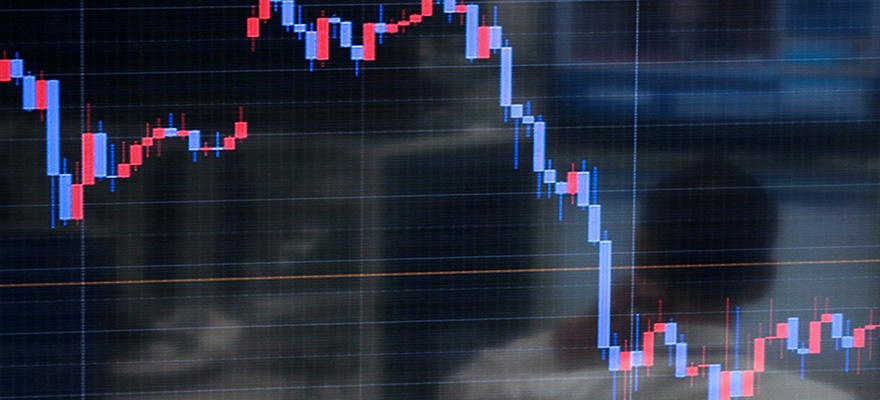
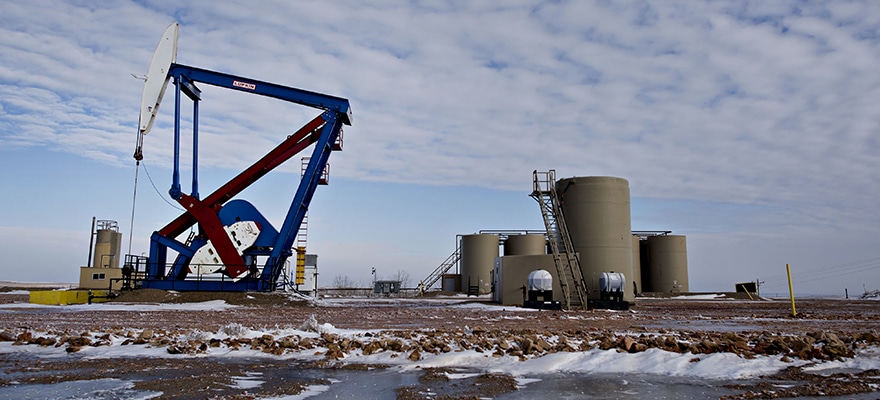
After bemoaning last year's woes, Forex Magnates editors leave room for hope in 2015 with some promising prospects for the industry: cloud-based trading, market correction and the shifting landscape of regulation.
I am excited about cloud-based automated trading strategy deployment. The ability to create, backtest and deploy trading strategies in a co-hosted, low latency environment provides an edge for retail traders who are often limited by their local technology and the expense involved in renting their own VPS.
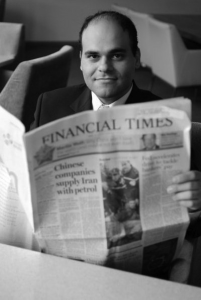
Short-Term Traders Back in the Game/ Avi Mizrahi
There are growing indications that a major correction in the real estate, equity and commodity markets might be on their way in the coming year, especially toward the second half 2015.
When the world’s stock markets get to more reasonable levels, as has already happened with the price of oil, fundamental investors will get in and the more short-term focused traders (or outright speculators) will move to trading leveraged forex or retail binary options.
Naturally, such a long overdue correction will also cause volatility across the board, leading to many more trading opportunities for CFDs and currency pairs. The online leveraged trading industry is bound to have a very good year as a result, both in terms of volumes and new clients, according to my expectations.
FX Brokerage, Investor Prospects in New Zealand/ Jeff Patterson
I consider myself an optimist, and by optimist I mean I feel the foundations of the financial industry will NOT be convulsed by some global pandemonium or doomsday catastrophe in 2015. However, in 2015, I genuinely believe New Zealand-based brokers and investors face a rosy future in light of the developments of this year.
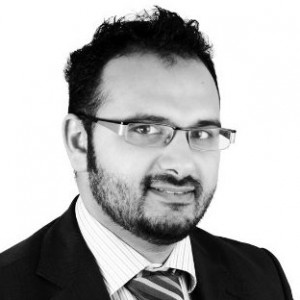
Jeff Patterson, Expert Site Manager
With the passage of New Zealand’s Financial Markets Authority (FMA) Phase 2 initiative, the playing field in the country shifted dramatically, effectively safeguarding brokers and investors. For the basic FX investor in New Zealand, this can be heralded as a victory given the cushion and protection afforded by the domestic regulator, much in the same way that the UK’s FCA provides an adequate check against fraudulent practice.
Conversely, brokers now can navigate through one of the most modern and comprehensive legal frameworks in the world, whilst abstaining from outright suffocation that, for brokerage prospects, has turned the US into scorched earth.
Additionally, the beginning of December saw a further boost towards this aim, with the exemption of the NZ$ 1 million requirement. More specifically, brokers who are domiciled in New Zealand but don’t provide financial services to clients in the country are not faced with the need to park the minimum capital requirement.
In closing, with a healthy proximity towards Asian investors and a functioning regulatory infrastructure, Kiwis for the first time can look forward to greener pastures in 2015.
"Bitcoinizing" State Currency/ Leon Pick
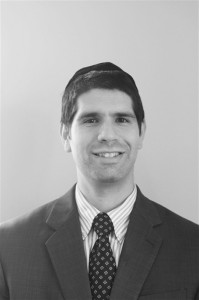
Leon Pick, Editor, DC Magnates
I'm looking forward to breakthroughs in harmonization between the digital currency and regulatory worlds. But not just plain progress of regulation, such as through the introduction of more BitLicenses and their refinements. The next step is for a government to take what we’ve learned from Bitcoin and adopt its technology for its own currency.
Today, we're seeing it the other way around, where people aspire for Bitcoin to graduate into a legally recognized currency. This is more complicated than it sounds.
P2P fiat obviously won't happen any time soon, but we hope to see at least the start of a project looking into the technology (think MintChip) and what’s needed for this to happen. The existing Bitcoin community can be brought on board and some will be willing to help.
Smart, Non-Excessive Regulation/ Adil Siddiqui
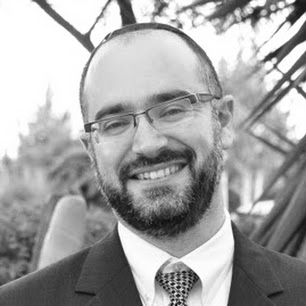
Adil Siddiqui, Editor, Forex Magnates
Post-2008 regulation attempted to make the market a better place to trade. The new rules in the US for retail brokers is excessive and removes the competitive element.
The blessings of innovation are seen through the new transparent portals that remove the red tape associated with financial services, whether it's FX transfers, lending or investment opportunities. Regulators need to be smart, the FCA is taking a positive step, and I'm hopeful that this trend continues and market forces dictate governance, not politicians.
Fundamental Questions/ Victor Golovtchenko
With the start of the new year, the main dilemma facing the currency markets will remain on the table - “When will the Federal Reserve hike interest rates?” With an overwhelmingly positive sentiment towards the US dollar and a surprisingly hawkish rhetoric from usually dovish Fed Chair Janet Yellen, in my view, the question still stands whether the Fed will hike interest rates at all.
Any disappointment on this front will bring substantial volatility to the forex market. The US Central Bank is not alone on that front - will the European Central Bank be able to start quantitative easing legally in the Euro Zone?
Victor Golovtchenko, Editor, Forex Magnates
Looking eastward only makes more questions pop-up. On the one hand, we have the Bank of Japan printing money at the fastest rate it ever has and way more than any other major central bank in modern history.
Next door, neighbors in China are facing a dilemma of their own making - “How will the Chinese authorities arrest the housing market decline?” Antipodean currencies have been big movers in 2014, and they are likely to remain so in 2015 as the major drivers of global growth are starting to hiccup.
Last but not least, Russian President, Vladimir Putin’s headaches caused by the ailing national currency are unlikely to be over any time soon. While oil prices remain low, economic growth in Russia is quite unlikely to pick up materially. More than that, high interest rates will be squeezing consumers and businesses as long as the ruble rout continues.
New Era in Russia?/ Vadim Sviderski
The obvious thing to be optimistic about for 2015 in Russia is the Forex Law, which will take effect in October 2015.
Vadim Sviderski, Forex Magnates Russia Manager
The regulation of the vast and as-of-yet non-supervised forex market is an essential step for the local industry’s maturation and growth. As in 2014, we have seen traders complaining about questionable brokers swallowing up their funds. Starting this year, these instances will be far less probable, as only licensed brokers will be permitted to operate.
I am excited about cloud-based automated trading strategy deployment. The ability to create, backtest and deploy trading strategies in a co-hosted, low latency environment provides an edge for retail traders who are often limited by their local technology and the expense involved in renting their own VPS.
Short-Term Traders Back in the Game/ Avi Mizrahi
There are growing indications that a major correction in the real estate, equity and commodity markets might be on their way in the coming year, especially toward the second half 2015.
When the world’s stock markets get to more reasonable levels, as has already happened with the price of oil, fundamental investors will get in and the more short-term focused traders (or outright speculators) will move to trading leveraged forex or retail binary options.
Naturally, such a long overdue correction will also cause volatility across the board, leading to many more trading opportunities for CFDs and currency pairs. The online leveraged trading industry is bound to have a very good year as a result, both in terms of volumes and new clients, according to my expectations.
FX Brokerage, Investor Prospects in New Zealand/ Jeff Patterson
I consider myself an optimist, and by optimist I mean I feel the foundations of the financial industry will NOT be convulsed by some global pandemonium or doomsday catastrophe in 2015. However, in 2015, I genuinely believe New Zealand-based brokers and investors face a rosy future in light of the developments of this year.
Jeff Patterson, Expert Site Manager
With the passage of New Zealand’s Financial Markets Authority (FMA) Phase 2 initiative, the playing field in the country shifted dramatically, effectively safeguarding brokers and investors. For the basic FX investor in New Zealand, this can be heralded as a victory given the cushion and protection afforded by the domestic regulator, much in the same way that the UK’s FCA provides an adequate check against fraudulent practice.
Conversely, brokers now can navigate through one of the most modern and comprehensive legal frameworks in the world, whilst abstaining from outright suffocation that, for brokerage prospects, has turned the US into scorched earth.
Additionally, the beginning of December saw a further boost towards this aim, with the exemption of the NZ$ 1 million requirement. More specifically, brokers who are domiciled in New Zealand but don’t provide financial services to clients in the country are not faced with the need to park the minimum capital requirement.
In closing, with a healthy proximity towards Asian investors and a functioning regulatory infrastructure, Kiwis for the first time can look forward to greener pastures in 2015.
"Bitcoinizing" State Currency/ Leon Pick
Leon Pick, Editor, DC Magnates
I'm looking forward to breakthroughs in harmonization between the digital currency and regulatory worlds. But not just plain progress of regulation, such as through the introduction of more BitLicenses and their refinements. The next step is for a government to take what we’ve learned from Bitcoin and adopt its technology for its own currency.
Today, we're seeing it the other way around, where people aspire for Bitcoin to graduate into a legally recognized currency. This is more complicated than it sounds.
P2P fiat obviously won't happen any time soon, but we hope to see at least the start of a project looking into the technology (think MintChip) and what’s needed for this to happen. The existing Bitcoin community can be brought on board and some will be willing to help.
Smart, Non-Excessive Regulation/ Adil Siddiqui
Adil Siddiqui, Editor, Forex Magnates
Post-2008 regulation attempted to make the market a better place to trade. The new rules in the US for retail brokers is excessive and removes the competitive element.
The blessings of innovation are seen through the new transparent portals that remove the red tape associated with financial services, whether it's FX transfers, lending or investment opportunities. Regulators need to be smart, the FCA is taking a positive step, and I'm hopeful that this trend continues and market forces dictate governance, not politicians.
Fundamental Questions/ Victor Golovtchenko
With the start of the new year, the main dilemma facing the currency markets will remain on the table - “When will the Federal Reserve hike interest rates?” With an overwhelmingly positive sentiment towards the US dollar and a surprisingly hawkish rhetoric from usually dovish Fed Chair Janet Yellen, in my view, the question still stands whether the Fed will hike interest rates at all.
Any disappointment on this front will bring substantial volatility to the forex market. The US Central Bank is not alone on that front - will the European Central Bank be able to start quantitative easing legally in the Euro Zone?
Victor Golovtchenko, Editor, Forex Magnates
Looking eastward only makes more questions pop-up. On the one hand, we have the Bank of Japan printing money at the fastest rate it ever has and way more than any other major central bank in modern history.
Next door, neighbors in China are facing a dilemma of their own making - “How will the Chinese authorities arrest the housing market decline?” Antipodean currencies have been big movers in 2014, and they are likely to remain so in 2015 as the major drivers of global growth are starting to hiccup.
Last but not least, Russian President, Vladimir Putin’s headaches caused by the ailing national currency are unlikely to be over any time soon. While oil prices remain low, economic growth in Russia is quite unlikely to pick up materially. More than that, high interest rates will be squeezing consumers and businesses as long as the ruble rout continues.
New Era in Russia?/ Vadim Sviderski
The obvious thing to be optimistic about for 2015 in Russia is the Forex Law, which will take effect in October 2015.
Vadim Sviderski, Forex Magnates Russia Manager
The regulation of the vast and as-of-yet non-supervised forex market is an essential step for the local industry’s maturation and growth. As in 2014, we have seen traders complaining about questionable brokers swallowing up their funds. Starting this year, these instances will be far less probable, as only licensed brokers will be permitted to operate.
Bitget Hits $6 Billion in CFDs as Investors Increase Activity Across Multi-Asset and Tokenized Products
Featured Videos
Finance Magnates Awards 2026 – Nominations Now Open
Finance Magnates Awards 2026 – Nominations Now Open
Finance Magnates Awards 2026 – Nominations Now Open
Finance Magnates Awards 2026 – Nominations Now Open
The Finance Magnates Awards 2026 nominations are now open. 🏆
From fintech innovators to leading brokers, this is where the finance industry celebrates its biggest achievements.
Winners will be announced at the Cyprus Gala Dinner on November 6, 2026.
Nominate your brand now.
https://awards.financemagnates.com/?utm_source=linkedin&utm_medium=video&utm_campaign=nominations-open
#FMAwards #FinanceMagnates #FintechAwards #Fintech #FinanceIndustry
The Finance Magnates Awards 2026 nominations are now open. 🏆
From fintech innovators to leading brokers, this is where the finance industry celebrates its biggest achievements.
Winners will be announced at the Cyprus Gala Dinner on November 6, 2026.
Nominate your brand now.
https://awards.financemagnates.com/?utm_source=linkedin&utm_medium=video&utm_campaign=nominations-open
#FMAwards #FinanceMagnates #FintechAwards #Fintech #FinanceIndustry
The Finance Magnates Awards 2026 nominations are now open. 🏆
From fintech innovators to leading brokers, this is where the finance industry celebrates its biggest achievements.
Winners will be announced at the Cyprus Gala Dinner on November 6, 2026.
Nominate your brand now.
https://awards.financemagnates.com/?utm_source=linkedin&utm_medium=video&utm_campaign=nominations-open
#FMAwards #FinanceMagnates #FintechAwards #Fintech #FinanceIndustry
The Finance Magnates Awards 2026 nominations are now open. 🏆
From fintech innovators to leading brokers, this is where the finance industry celebrates its biggest achievements.
Winners will be announced at the Cyprus Gala Dinner on November 6, 2026.
Nominate your brand now.
https://awards.financemagnates.com/?utm_source=linkedin&utm_medium=video&utm_campaign=nominations-open
#FMAwards #FinanceMagnates #FintechAwards #Fintech #FinanceIndustry
Finance Magnates Awards 2026 | Nominations Now Open 🏆#Fintech #FMAwards #TradingIndustry
Finance Magnates Awards 2026 | Nominations Now Open 🏆#Fintech #FMAwards #TradingIndustry
Finance Magnates Awards 2026 | Nominations Now Open 🏆#Fintech #FMAwards #TradingIndustry
Finance Magnates Awards 2026 | Nominations Now Open 🏆#Fintech #FMAwards #TradingIndustry
Finance Magnates Awards 2026 | Nominations Now Open 🏆#Fintech #FMAwards #TradingIndustry
Finance Magnates Awards 2026 | Nominations Now Open 🏆#Fintech #FMAwards #TradingIndustry
Lights on. Cameras ready. 🎬
Finance Magnates Awards 2026 nominations are now open. 🏆
#FMAwards #FinanceMagnates #FintechAwards #Fintech
Lights on. Cameras ready. 🎬
Finance Magnates Awards 2026 nominations are now open. 🏆
#FMAwards #FinanceMagnates #FintechAwards #Fintech
Lights on. Cameras ready. 🎬
Finance Magnates Awards 2026 nominations are now open. 🏆
#FMAwards #FinanceMagnates #FintechAwards #Fintech
Lights on. Cameras ready. 🎬
Finance Magnates Awards 2026 nominations are now open. 🏆
#FMAwards #FinanceMagnates #FintechAwards #Fintech
Lights on. Cameras ready. 🎬
Finance Magnates Awards 2026 nominations are now open. 🏆
#FMAwards #FinanceMagnates #FintechAwards #Fintech
Lights on. Cameras ready. 🎬
Finance Magnates Awards 2026 nominations are now open. 🏆
#FMAwards #FinanceMagnates #FintechAwards #Fintech
Exness sees trust as the key theme for growth in MENA Trading Growth for 2026
Exness sees trust as the key theme for growth in MENA Trading Growth for 2026
Exness sees trust as the key theme for growth in MENA Trading Growth for 2026
Exness sees trust as the key theme for growth in MENA Trading Growth for 2026
Exness sees trust as the key theme for growth in MENA Trading Growth for 2026
Exness sees trust as the key theme for growth in MENA Trading Growth for 2026
Mohammad Amer, Regional Commercial Director at Exness, sits down to discuss the booming MENA financial trading market. Find out why Dubai is key to the company's growth strategy, how a mobile-first generation is changing expectations, and why trust will be the defining theme for traders in 2026.
In this interview, you'll learn:
* Why Dubai and the MENA region are critical growth markets for fintech and online trading.
* How Exness is addressing the demands of mobile-first, younger traders through engineering, platform stability, and transparent conditions.
* The essential role local talent plays in providing a culturally relevant and compliant user experience.
* Mohammad Amer's outlook on the future of the online trading industry and why stronger controls and systems are necessary.
* Why "trust" isn't just a brand value, but has commercial value—and why he predicts 2026 will be the "Year of Trust."
Key Takeaways:
➡️ The MENA region is rapidly shaping global financial markets.
➡️ New traders expect stability, precise execution, and transparency.
➡️ Local expertise is key to regulatory compliance and user experience.
➡️ Future success belongs to firms capable of meeting rising standards across regulation and platform consistency.
Read the full article at: https://www.financemagnates.com/thought-leadership/exness-sees-trust-as-the-key-theme-for-growth-in-mena-trading-growth-for-2026/
#Exness #MENA #Trading #FinTech #Dubai #OnlineTrading #FinanceMagnates #MohammadAmer #Trust #MobileTrading
Mohammad Amer, Regional Commercial Director at Exness, sits down to discuss the booming MENA financial trading market. Find out why Dubai is key to the company's growth strategy, how a mobile-first generation is changing expectations, and why trust will be the defining theme for traders in 2026.
In this interview, you'll learn:
* Why Dubai and the MENA region are critical growth markets for fintech and online trading.
* How Exness is addressing the demands of mobile-first, younger traders through engineering, platform stability, and transparent conditions.
* The essential role local talent plays in providing a culturally relevant and compliant user experience.
* Mohammad Amer's outlook on the future of the online trading industry and why stronger controls and systems are necessary.
* Why "trust" isn't just a brand value, but has commercial value—and why he predicts 2026 will be the "Year of Trust."
Key Takeaways:
➡️ The MENA region is rapidly shaping global financial markets.
➡️ New traders expect stability, precise execution, and transparency.
➡️ Local expertise is key to regulatory compliance and user experience.
➡️ Future success belongs to firms capable of meeting rising standards across regulation and platform consistency.
Read the full article at: https://www.financemagnates.com/thought-leadership/exness-sees-trust-as-the-key-theme-for-growth-in-mena-trading-growth-for-2026/
#Exness #MENA #Trading #FinTech #Dubai #OnlineTrading #FinanceMagnates #MohammadAmer #Trust #MobileTrading
Mohammad Amer, Regional Commercial Director at Exness, sits down to discuss the booming MENA financial trading market. Find out why Dubai is key to the company's growth strategy, how a mobile-first generation is changing expectations, and why trust will be the defining theme for traders in 2026.
In this interview, you'll learn:
* Why Dubai and the MENA region are critical growth markets for fintech and online trading.
* How Exness is addressing the demands of mobile-first, younger traders through engineering, platform stability, and transparent conditions.
* The essential role local talent plays in providing a culturally relevant and compliant user experience.
* Mohammad Amer's outlook on the future of the online trading industry and why stronger controls and systems are necessary.
* Why "trust" isn't just a brand value, but has commercial value—and why he predicts 2026 will be the "Year of Trust."
Key Takeaways:
➡️ The MENA region is rapidly shaping global financial markets.
➡️ New traders expect stability, precise execution, and transparency.
➡️ Local expertise is key to regulatory compliance and user experience.
➡️ Future success belongs to firms capable of meeting rising standards across regulation and platform consistency.
Read the full article at: https://www.financemagnates.com/thought-leadership/exness-sees-trust-as-the-key-theme-for-growth-in-mena-trading-growth-for-2026/
#Exness #MENA #Trading #FinTech #Dubai #OnlineTrading #FinanceMagnates #MohammadAmer #Trust #MobileTrading
Mohammad Amer, Regional Commercial Director at Exness, sits down to discuss the booming MENA financial trading market. Find out why Dubai is key to the company's growth strategy, how a mobile-first generation is changing expectations, and why trust will be the defining theme for traders in 2026.
In this interview, you'll learn:
* Why Dubai and the MENA region are critical growth markets for fintech and online trading.
* How Exness is addressing the demands of mobile-first, younger traders through engineering, platform stability, and transparent conditions.
* The essential role local talent plays in providing a culturally relevant and compliant user experience.
* Mohammad Amer's outlook on the future of the online trading industry and why stronger controls and systems are necessary.
* Why "trust" isn't just a brand value, but has commercial value—and why he predicts 2026 will be the "Year of Trust."
Key Takeaways:
➡️ The MENA region is rapidly shaping global financial markets.
➡️ New traders expect stability, precise execution, and transparency.
➡️ Local expertise is key to regulatory compliance and user experience.
➡️ Future success belongs to firms capable of meeting rising standards across regulation and platform consistency.
Read the full article at: https://www.financemagnates.com/thought-leadership/exness-sees-trust-as-the-key-theme-for-growth-in-mena-trading-growth-for-2026/
#Exness #MENA #Trading #FinTech #Dubai #OnlineTrading #FinanceMagnates #MohammadAmer #Trust #MobileTrading
Mohammad Amer, Regional Commercial Director at Exness, sits down to discuss the booming MENA financial trading market. Find out why Dubai is key to the company's growth strategy, how a mobile-first generation is changing expectations, and why trust will be the defining theme for traders in 2026.
In this interview, you'll learn:
* Why Dubai and the MENA region are critical growth markets for fintech and online trading.
* How Exness is addressing the demands of mobile-first, younger traders through engineering, platform stability, and transparent conditions.
* The essential role local talent plays in providing a culturally relevant and compliant user experience.
* Mohammad Amer's outlook on the future of the online trading industry and why stronger controls and systems are necessary.
* Why "trust" isn't just a brand value, but has commercial value—and why he predicts 2026 will be the "Year of Trust."
Key Takeaways:
➡️ The MENA region is rapidly shaping global financial markets.
➡️ New traders expect stability, precise execution, and transparency.
➡️ Local expertise is key to regulatory compliance and user experience.
➡️ Future success belongs to firms capable of meeting rising standards across regulation and platform consistency.
Read the full article at: https://www.financemagnates.com/thought-leadership/exness-sees-trust-as-the-key-theme-for-growth-in-mena-trading-growth-for-2026/
#Exness #MENA #Trading #FinTech #Dubai #OnlineTrading #FinanceMagnates #MohammadAmer #Trust #MobileTrading
Mohammad Amer, Regional Commercial Director at Exness, sits down to discuss the booming MENA financial trading market. Find out why Dubai is key to the company's growth strategy, how a mobile-first generation is changing expectations, and why trust will be the defining theme for traders in 2026.
In this interview, you'll learn:
* Why Dubai and the MENA region are critical growth markets for fintech and online trading.
* How Exness is addressing the demands of mobile-first, younger traders through engineering, platform stability, and transparent conditions.
* The essential role local talent plays in providing a culturally relevant and compliant user experience.
* Mohammad Amer's outlook on the future of the online trading industry and why stronger controls and systems are necessary.
* Why "trust" isn't just a brand value, but has commercial value—and why he predicts 2026 will be the "Year of Trust."
Key Takeaways:
➡️ The MENA region is rapidly shaping global financial markets.
➡️ New traders expect stability, precise execution, and transparency.
➡️ Local expertise is key to regulatory compliance and user experience.
➡️ Future success belongs to firms capable of meeting rising standards across regulation and platform consistency.
Read the full article at: https://www.financemagnates.com/thought-leadership/exness-sees-trust-as-the-key-theme-for-growth-in-mena-trading-growth-for-2026/
#Exness #MENA #Trading #FinTech #Dubai #OnlineTrading #FinanceMagnates #MohammadAmer #Trust #MobileTrading
Paytiko CEO Razi Salih on Why Payment Orchestration is a MUST-HAVE for Brokers in 2026
Paytiko CEO Razi Salih on Why Payment Orchestration is a MUST-HAVE for Brokers in 2026
Paytiko CEO Razi Salih on Why Payment Orchestration is a MUST-HAVE for Brokers in 2026
Paytiko CEO Razi Salih on Why Payment Orchestration is a MUST-HAVE for Brokers in 2026
Paytiko CEO Razi Salih on Why Payment Orchestration is a MUST-HAVE for Brokers in 2026
Paytiko CEO Razi Salih on Why Payment Orchestration is a MUST-HAVE for Brokers in 2026
At iFX Expo Dubai, Finance Magnates spoke with Razi Salih, CEO at Paytiko, about the evolution of the payments ecosystem and why payment orchestration has shifted from an option to a necessity for brokers, prop firms, and exchanges.
Mr. Salih explains how global expansion, the need for deep localisation, and the sheer number of new payment methods, from instant banking to stablecoins, are driving this critical infrastructure shift.
#PaymentOrchestration #Fintech #Brokerage #TradingPayments #RaziSalih #Paytiko #iFXExpoDubai #Stablecoins #AIinFintech
At iFX Expo Dubai, Finance Magnates spoke with Razi Salih, CEO at Paytiko, about the evolution of the payments ecosystem and why payment orchestration has shifted from an option to a necessity for brokers, prop firms, and exchanges.
Mr. Salih explains how global expansion, the need for deep localisation, and the sheer number of new payment methods, from instant banking to stablecoins, are driving this critical infrastructure shift.
#PaymentOrchestration #Fintech #Brokerage #TradingPayments #RaziSalih #Paytiko #iFXExpoDubai #Stablecoins #AIinFintech
At iFX Expo Dubai, Finance Magnates spoke with Razi Salih, CEO at Paytiko, about the evolution of the payments ecosystem and why payment orchestration has shifted from an option to a necessity for brokers, prop firms, and exchanges.
Mr. Salih explains how global expansion, the need for deep localisation, and the sheer number of new payment methods, from instant banking to stablecoins, are driving this critical infrastructure shift.
#PaymentOrchestration #Fintech #Brokerage #TradingPayments #RaziSalih #Paytiko #iFXExpoDubai #Stablecoins #AIinFintech
At iFX Expo Dubai, Finance Magnates spoke with Razi Salih, CEO at Paytiko, about the evolution of the payments ecosystem and why payment orchestration has shifted from an option to a necessity for brokers, prop firms, and exchanges.
Mr. Salih explains how global expansion, the need for deep localisation, and the sheer number of new payment methods, from instant banking to stablecoins, are driving this critical infrastructure shift.
#PaymentOrchestration #Fintech #Brokerage #TradingPayments #RaziSalih #Paytiko #iFXExpoDubai #Stablecoins #AIinFintech
At iFX Expo Dubai, Finance Magnates spoke with Razi Salih, CEO at Paytiko, about the evolution of the payments ecosystem and why payment orchestration has shifted from an option to a necessity for brokers, prop firms, and exchanges.
Mr. Salih explains how global expansion, the need for deep localisation, and the sheer number of new payment methods, from instant banking to stablecoins, are driving this critical infrastructure shift.
#PaymentOrchestration #Fintech #Brokerage #TradingPayments #RaziSalih #Paytiko #iFXExpoDubai #Stablecoins #AIinFintech
At iFX Expo Dubai, Finance Magnates spoke with Razi Salih, CEO at Paytiko, about the evolution of the payments ecosystem and why payment orchestration has shifted from an option to a necessity for brokers, prop firms, and exchanges.
Mr. Salih explains how global expansion, the need for deep localisation, and the sheer number of new payment methods, from instant banking to stablecoins, are driving this critical infrastructure shift.
#PaymentOrchestration #Fintech #Brokerage #TradingPayments #RaziSalih #Paytiko #iFXExpoDubai #Stablecoins #AIinFintech
Altima CTO Sunil Jadhav: Solving Data Fragmentation & Lag for Brokers & Prop Firms
Altima CTO Sunil Jadhav: Solving Data Fragmentation & Lag for Brokers & Prop Firms
Altima CTO Sunil Jadhav: Solving Data Fragmentation & Lag for Brokers & Prop Firms
Altima CTO Sunil Jadhav: Solving Data Fragmentation & Lag for Brokers & Prop Firms
Altima CTO Sunil Jadhav: Solving Data Fragmentation & Lag for Brokers & Prop Firms
Altima CTO Sunil Jadhav: Solving Data Fragmentation & Lag for Brokers & Prop Firms
Altima CTO Sunil Jadhav sits down with Finance Magnates to discuss the core technology challenges facing CFD brokers and proprietary trading firms today.
Jadhav explains how the industry's reliance on batch processing and fragmented systems (where CRMs, risk tools, and trading platforms operate with separate 'sources of truth') leads to delayed data and inconsistent operational decisions. He argues that real-time event processing is essential for managing fast-moving trading activity and risk.
Learn how Altima's unified, event-driven architecture, connecting Altima CRM, Altima Prop, IB systems, and risk management through a single backbone, is designed to provide synchronous data and better operational coordination for modern brokerage and prop firm stacks.
Key Topics:
- Broker and Prop Firm Data Challenges
- The problem of delayed data processing (batch processing vs. real-time events)
- Fragmented systems and conflicting data sources
- Altima's unified, event-driven solution architecture
- The concept of a "risk-aware CRM"
- Built-in risk management in Altima Prop
#Altima #financemagnates #iFXDubai #FinTech #BrokerTech #PropFirm #CFDBroker #TradingTechnology #RealTimeData #RiskManagement #CRM #FinancialMarkets #EventDrivenArchitecture
Altima CTO Sunil Jadhav sits down with Finance Magnates to discuss the core technology challenges facing CFD brokers and proprietary trading firms today.
Jadhav explains how the industry's reliance on batch processing and fragmented systems (where CRMs, risk tools, and trading platforms operate with separate 'sources of truth') leads to delayed data and inconsistent operational decisions. He argues that real-time event processing is essential for managing fast-moving trading activity and risk.
Learn how Altima's unified, event-driven architecture, connecting Altima CRM, Altima Prop, IB systems, and risk management through a single backbone, is designed to provide synchronous data and better operational coordination for modern brokerage and prop firm stacks.
Key Topics:
- Broker and Prop Firm Data Challenges
- The problem of delayed data processing (batch processing vs. real-time events)
- Fragmented systems and conflicting data sources
- Altima's unified, event-driven solution architecture
- The concept of a "risk-aware CRM"
- Built-in risk management in Altima Prop
#Altima #financemagnates #iFXDubai #FinTech #BrokerTech #PropFirm #CFDBroker #TradingTechnology #RealTimeData #RiskManagement #CRM #FinancialMarkets #EventDrivenArchitecture
Altima CTO Sunil Jadhav sits down with Finance Magnates to discuss the core technology challenges facing CFD brokers and proprietary trading firms today.
Jadhav explains how the industry's reliance on batch processing and fragmented systems (where CRMs, risk tools, and trading platforms operate with separate 'sources of truth') leads to delayed data and inconsistent operational decisions. He argues that real-time event processing is essential for managing fast-moving trading activity and risk.
Learn how Altima's unified, event-driven architecture, connecting Altima CRM, Altima Prop, IB systems, and risk management through a single backbone, is designed to provide synchronous data and better operational coordination for modern brokerage and prop firm stacks.
Key Topics:
- Broker and Prop Firm Data Challenges
- The problem of delayed data processing (batch processing vs. real-time events)
- Fragmented systems and conflicting data sources
- Altima's unified, event-driven solution architecture
- The concept of a "risk-aware CRM"
- Built-in risk management in Altima Prop
#Altima #financemagnates #iFXDubai #FinTech #BrokerTech #PropFirm #CFDBroker #TradingTechnology #RealTimeData #RiskManagement #CRM #FinancialMarkets #EventDrivenArchitecture
Altima CTO Sunil Jadhav sits down with Finance Magnates to discuss the core technology challenges facing CFD brokers and proprietary trading firms today.
Jadhav explains how the industry's reliance on batch processing and fragmented systems (where CRMs, risk tools, and trading platforms operate with separate 'sources of truth') leads to delayed data and inconsistent operational decisions. He argues that real-time event processing is essential for managing fast-moving trading activity and risk.
Learn how Altima's unified, event-driven architecture, connecting Altima CRM, Altima Prop, IB systems, and risk management through a single backbone, is designed to provide synchronous data and better operational coordination for modern brokerage and prop firm stacks.
Key Topics:
- Broker and Prop Firm Data Challenges
- The problem of delayed data processing (batch processing vs. real-time events)
- Fragmented systems and conflicting data sources
- Altima's unified, event-driven solution architecture
- The concept of a "risk-aware CRM"
- Built-in risk management in Altima Prop
#Altima #financemagnates #iFXDubai #FinTech #BrokerTech #PropFirm #CFDBroker #TradingTechnology #RealTimeData #RiskManagement #CRM #FinancialMarkets #EventDrivenArchitecture
Altima CTO Sunil Jadhav sits down with Finance Magnates to discuss the core technology challenges facing CFD brokers and proprietary trading firms today.
Jadhav explains how the industry's reliance on batch processing and fragmented systems (where CRMs, risk tools, and trading platforms operate with separate 'sources of truth') leads to delayed data and inconsistent operational decisions. He argues that real-time event processing is essential for managing fast-moving trading activity and risk.
Learn how Altima's unified, event-driven architecture, connecting Altima CRM, Altima Prop, IB systems, and risk management through a single backbone, is designed to provide synchronous data and better operational coordination for modern brokerage and prop firm stacks.
Key Topics:
- Broker and Prop Firm Data Challenges
- The problem of delayed data processing (batch processing vs. real-time events)
- Fragmented systems and conflicting data sources
- Altima's unified, event-driven solution architecture
- The concept of a "risk-aware CRM"
- Built-in risk management in Altima Prop
#Altima #financemagnates #iFXDubai #FinTech #BrokerTech #PropFirm #CFDBroker #TradingTechnology #RealTimeData #RiskManagement #CRM #FinancialMarkets #EventDrivenArchitecture
Altima CTO Sunil Jadhav sits down with Finance Magnates to discuss the core technology challenges facing CFD brokers and proprietary trading firms today.
Jadhav explains how the industry's reliance on batch processing and fragmented systems (where CRMs, risk tools, and trading platforms operate with separate 'sources of truth') leads to delayed data and inconsistent operational decisions. He argues that real-time event processing is essential for managing fast-moving trading activity and risk.
Learn how Altima's unified, event-driven architecture, connecting Altima CRM, Altima Prop, IB systems, and risk management through a single backbone, is designed to provide synchronous data and better operational coordination for modern brokerage and prop firm stacks.
Key Topics:
- Broker and Prop Firm Data Challenges
- The problem of delayed data processing (batch processing vs. real-time events)
- Fragmented systems and conflicting data sources
- Altima's unified, event-driven solution architecture
- The concept of a "risk-aware CRM"
- Built-in risk management in Altima Prop
#Altima #financemagnates #iFXDubai #FinTech #BrokerTech #PropFirm #CFDBroker #TradingTechnology #RealTimeData #RiskManagement #CRM #FinancialMarkets #EventDrivenArchitecture