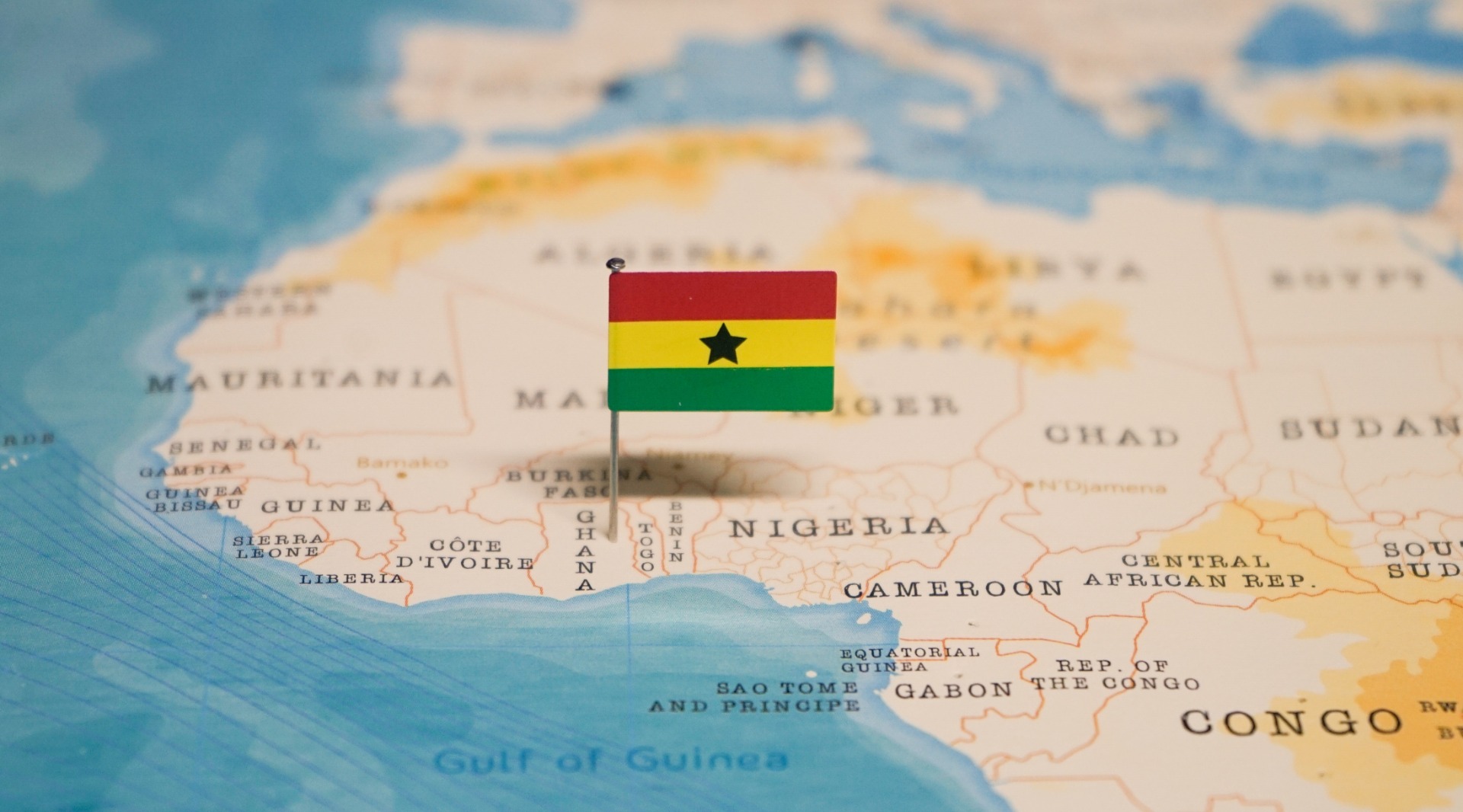
Ghana’s financial market regulator is taking steps to introduce a regulatory framework for forex trading in the country, which might also impact the operations of margin forex brokers active there.
The Process Is Already Ongoing
According to multiple local media reports, the Acting Deputy Director-General of the country’s Securities and Exchange Commission (SEC), Mensah Thompson, during an engagement with the Ghana Journalists Association, revealed that work on the regulatory framework is already underway.
Read more on FX in Africa: South Africa FX - Room for Growth or Already Saturated?
“We are currently developing the guidelines on forex trading, and very soon we are going to regulate and license forex traders in this country,” said Thompson. He added that the regulator will streamline verification of licensed investment companies to help the public identify genuine firms and avoid fraudulent ones.
“The purpose of the short code is for easy verification of licensed operators,” he added.
Will Ghana Become the Next African Retail Trading Hub?
Ghana, a country in West Africa, is still not very popular among forex and contracts for difference (CFD) brokers. Although the country has a population of about 34.5 million, its per capita gross domestic product (GDP) is only a little above $2,400.
However, the potential of a market cannot be directly determined by numbers. India, for example, with a per capita GDP of about $2,700, has become one of the top markets for CFD brokers.
Africa, meanwhile, has become an important market for retail brokers. Many are now establishing offices across the continent and securing local licences.
Read more: Online Retail Forex: Where Does Africa Stand?
If Ghana introduces regulations, it will join South Africa and Kenya, which already have regulatory regimes for forex brokers. Rwanda also introduced regulations for leveraged forex trading last year.
Mauritius and Seychelles are two offshore African countries that are home to several forex and CFD brokers, who obtain licences from those jurisdictions to operate globally. Recently, Mwali, an island within the Comoros, has attracted many brokers and prop firms with its regulatory regime, though questions remain around its legitimacy.