Oil and gold dominate trading, with GCC traders highly reactive to oil price swings.
Younger GCC traders favour algorithmic and high-frequency trading, while veteran traders lean toward gold and forex
The 2024 edition of financial services research firm Investment Trends’ UAE Leverage Trading Report highlighted the resilience of this market, referring to a notable increase in the number of reactivated and ongoing CFD/FX traders.
This is reflected in data from leading brokers such as Capital.com, which recently revealed that UAE traders posted a record $469 billion in volume last year. No wonder, Tarik Chebib, CEO Capital.com MENA describes the GCC as being of strategic importance to the business and one of its fastest-growing markets.
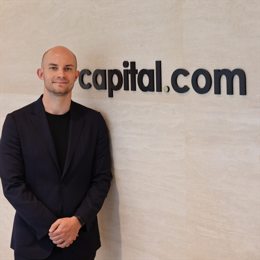
Tarik Chebib, CEO Capital.com MENA
“Our research shows that GCC-based traders have a higher appetite for risk relative to traders across other markets,” he says. “Their preferred markets include commodities, US indices and cryptocurrencies, reflecting a strong interest in dynamic and high liquidity assets.”
Traders in the GCC are typically well-educated, financially astute and comfortable navigating financial markets. According to Negin Sadat Negahdari, senior business development manager at Exness, there are two primary groups.
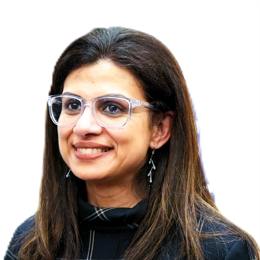
Negin Sadat Negahdari, Senior Business Development Manager at Exness
“Younger traders, often in their 20s and 30s, are tech-driven and gravitate toward online platforms, algorithmic trading and speculative strategies,” she explains. “Older traders, typically in their 40s and 50s, lean toward more traditional investments such as gold but remain active in forex and commodities, particularly during periods of market volatility. Traders in the region are comfortable making bold moves in fast-moving markets, provided they have access to robust risk management tools.”
Many come from professional backgrounds, including finance, real estate and the energy sector along with a growing number of business owners and sole traders. They have a keen interest in geopolitics and its impact on markets and are tech-savvy, preferring mobile trading platforms for convenience.
Ritu Singh, Regional Director at StoneX
“Low trading costs are important factors in decision-making, while fast order execution and minimal slippage are particularly important for active traders,” says Ritu Singh, regional director StoneX. “GCC-based traders prefer brokers with a solid regulatory framework and a trusted reputation that provide security of funds.”
High Risk Tolerance
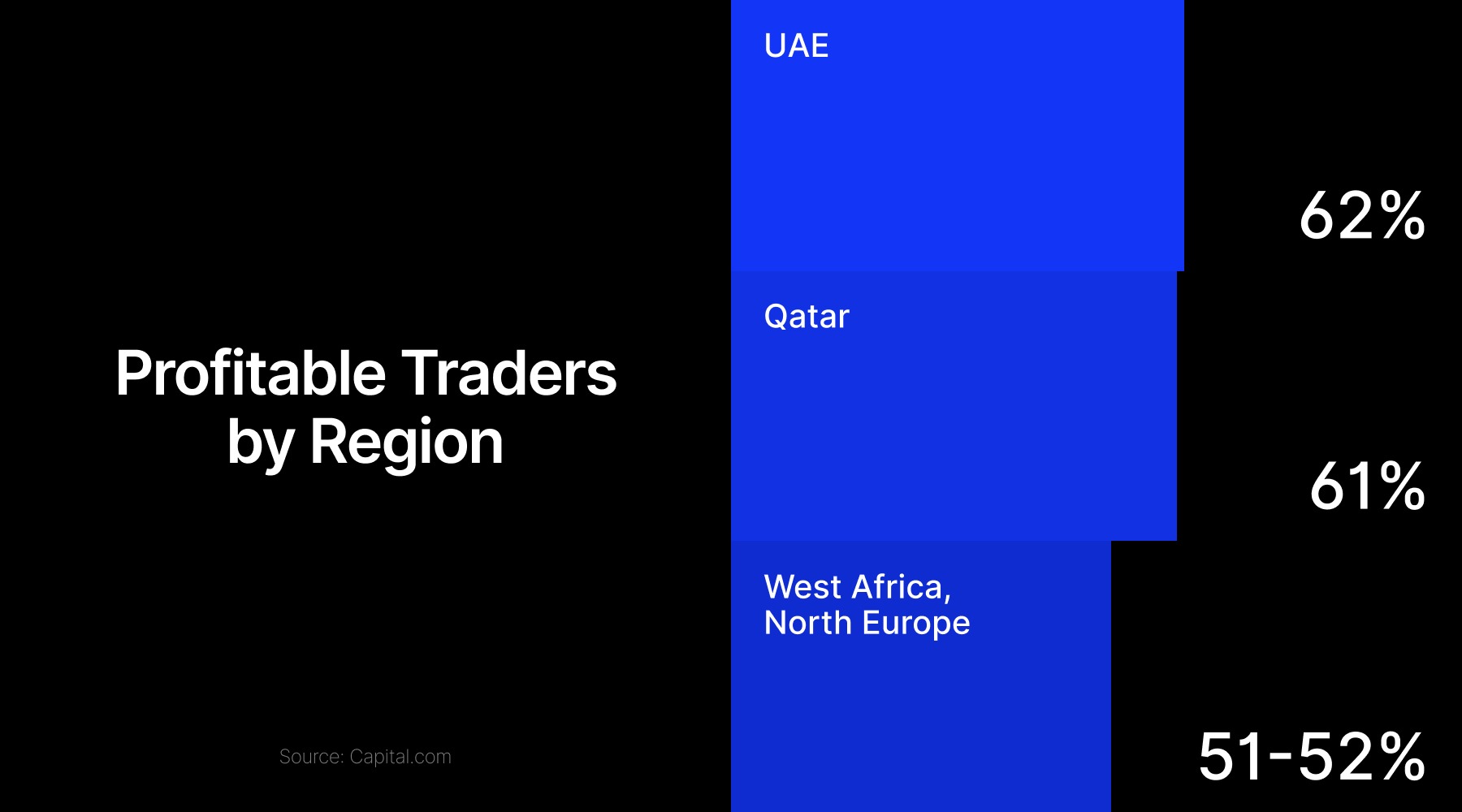
Chebib refers to a growing trend of asset class diversification, particularly among traders in the UAE who also demonstrated strong profitability last year with 62.5% of trades closing in profit – just above Qatar with 61%. In contrast, countries in West Africa and Northern Europe recorded lower profit rates, averaging 51-52%.
“We have observed how traders in the GCC region, particularly in the UAE, actively seek volatility and tend to trade more frequently when markets are turbulent,” he adds.
Ross Maxwell, global strategy and operations lead VT Markets agrees that GCC-based traders have a relatively high tolerance for risk and are attracted to high leverage trading in FX, equities and commodities.
Ross Maxwell, Global Strategy and Operations Lead at VT Markets
“Due to their appetite for leveraged trading and a diversified portfolio, brokers that offer high leveraged trading with low spreads and a wide range of products - including access to crypto - have an advantage,” he says. “Strong regulatory oversight, shariah compliance and a localised presence with Arabic speaking support also play a major part in the decision making process.”
Due to their risk appetite and age range, tech stocks and cryptocurrencies are particularly popular with traders in the region. Gold is the most commonly traded commodity but with the region being home to some of the world’s largest oil producers, oil is also an extremely popular instrument.
“Since local currencies are pegged against the USD, a lot of traders will look to hedge their USD exposure using the financial markets,” says Maxwell. “Major currency pairs also are very popular due to liquidity and access to these markets.”
Short term trading is another key trend. Many traders - especially younger ones - engage in day trading and high frequency strategies due to the fast-moving nature of the market.
“The biggest differentiator is oil sensitivity,” suggests Negahdari. “GCC traders are highly reactive to fluctuations in oil prices, which influences their trading decisions more than in other markets. Gold continues to hold strong appeal as it is seen as a stable, long term store of value. These behavioural patterns shape the way brokers develop their offerings and risk management tools for the region.”
Traders Want Higher Leverage Levels
The higher appetite for leverage can have traders looking for leverage of up to 1:500 compared to the 1:50 or 1:100 that US and European traders generally look for.
James Bradie, Senior Executive Officer Interactive Brokers (UK) (DIFC Branch)
“There are other behaviours that are different,” adds Maxwell. “US and European traders tend to trade predominantly on their own time zones, whereas GCC traders will adjust their trading hours to focus on London or New York trading sessions to take advantage of the volatility these sessions offer. A key distinction is that GCC traders may prioritise trading that aligns with their religious principles, ensuring no interest is applied to overnight positions.”
Brokers that offer speculative accounts for traders who look to trade on higher leverage due to a higher appetite for risk can see higher turnover and lower retention rate as accounts have shorter lifespans. This is due to higher losses than those in the US and Europe, where leverage restrictions protect against capital losses.
George Naddaf, Managing Director MENA eToro
Other factors GCC-based traders consider when selecting a broker include regulation, availability of swap-free accounts, competitive pricing, access to a wide range of financial instruments and advanced tools for market analysis.
“The ability to trade seamlessly across multiple markets and asset classes is key,” says James Bradie, senior executive officer Interactive Brokers (UK) (DIFC Branch). “Many traders in the region also appreciate the ability to hold accounts in multiple currencies, including dirham.”
As for market prospects for this year, George Naddaf, managing director MENA eToro refers to a survey conducted by his firm which found that 80% of UAE retail investors expect the domestic stock market to grow in 2025 with real estate and construction emerging as the most promising local investment sector, followed by technology and telecoms and banking and financial services.
“In 2024, our UAE-based users gravitated towards high growth and innovation-driven sectors, with AI, technology and healthcare emerging as the top performing investment themes on the platform,” he concludes.
The 2024 edition of financial services research firm Investment Trends’ UAE Leverage Trading Report highlighted the resilience of this market, referring to a notable increase in the number of reactivated and ongoing CFD/FX traders.
This is reflected in data from leading brokers such as Capital.com, which recently revealed that UAE traders posted a record $469 billion in volume last year. No wonder, Tarik Chebib, CEO Capital.com MENA describes the GCC as being of strategic importance to the business and one of its fastest-growing markets.
Tarik Chebib, CEO Capital.com MENA
“Our research shows that GCC-based traders have a higher appetite for risk relative to traders across other markets,” he says. “Their preferred markets include commodities, US indices and cryptocurrencies, reflecting a strong interest in dynamic and high liquidity assets.”
Traders in the GCC are typically well-educated, financially astute and comfortable navigating financial markets. According to Negin Sadat Negahdari, senior business development manager at Exness, there are two primary groups.
Negin Sadat Negahdari, Senior Business Development Manager at Exness
“Younger traders, often in their 20s and 30s, are tech-driven and gravitate toward online platforms, algorithmic trading and speculative strategies,” she explains. “Older traders, typically in their 40s and 50s, lean toward more traditional investments such as gold but remain active in forex and commodities, particularly during periods of market volatility. Traders in the region are comfortable making bold moves in fast-moving markets, provided they have access to robust risk management tools.”
Many come from professional backgrounds, including finance, real estate and the energy sector along with a growing number of business owners and sole traders. They have a keen interest in geopolitics and its impact on markets and are tech-savvy, preferring mobile trading platforms for convenience.
Ritu Singh, Regional Director at StoneX
“Low trading costs are important factors in decision-making, while fast order execution and minimal slippage are particularly important for active traders,” says Ritu Singh, regional director StoneX. “GCC-based traders prefer brokers with a solid regulatory framework and a trusted reputation that provide security of funds.”
High Risk Tolerance
Chebib refers to a growing trend of asset class diversification, particularly among traders in the UAE who also demonstrated strong profitability last year with 62.5% of trades closing in profit – just above Qatar with 61%. In contrast, countries in West Africa and Northern Europe recorded lower profit rates, averaging 51-52%.
“We have observed how traders in the GCC region, particularly in the UAE, actively seek volatility and tend to trade more frequently when markets are turbulent,” he adds.
Ross Maxwell, global strategy and operations lead VT Markets agrees that GCC-based traders have a relatively high tolerance for risk and are attracted to high leverage trading in FX, equities and commodities.
Ross Maxwell, Global Strategy and Operations Lead at VT Markets
“Due to their appetite for leveraged trading and a diversified portfolio, brokers that offer high leveraged trading with low spreads and a wide range of products - including access to crypto - have an advantage,” he says. “Strong regulatory oversight, shariah compliance and a localised presence with Arabic speaking support also play a major part in the decision making process.”
Due to their risk appetite and age range, tech stocks and cryptocurrencies are particularly popular with traders in the region. Gold is the most commonly traded commodity but with the region being home to some of the world’s largest oil producers, oil is also an extremely popular instrument.
“Since local currencies are pegged against the USD, a lot of traders will look to hedge their USD exposure using the financial markets,” says Maxwell. “Major currency pairs also are very popular due to liquidity and access to these markets.”
Short term trading is another key trend. Many traders - especially younger ones - engage in day trading and high frequency strategies due to the fast-moving nature of the market.
“The biggest differentiator is oil sensitivity,” suggests Negahdari. “GCC traders are highly reactive to fluctuations in oil prices, which influences their trading decisions more than in other markets. Gold continues to hold strong appeal as it is seen as a stable, long term store of value. These behavioural patterns shape the way brokers develop their offerings and risk management tools for the region.”
Traders Want Higher Leverage Levels
The higher appetite for leverage can have traders looking for leverage of up to 1:500 compared to the 1:50 or 1:100 that US and European traders generally look for.
James Bradie, Senior Executive Officer Interactive Brokers (UK) (DIFC Branch)
“There are other behaviours that are different,” adds Maxwell. “US and European traders tend to trade predominantly on their own time zones, whereas GCC traders will adjust their trading hours to focus on London or New York trading sessions to take advantage of the volatility these sessions offer. A key distinction is that GCC traders may prioritise trading that aligns with their religious principles, ensuring no interest is applied to overnight positions.”
Brokers that offer speculative accounts for traders who look to trade on higher leverage due to a higher appetite for risk can see higher turnover and lower retention rate as accounts have shorter lifespans. This is due to higher losses than those in the US and Europe, where leverage restrictions protect against capital losses.
George Naddaf, Managing Director MENA eToro
Other factors GCC-based traders consider when selecting a broker include regulation, availability of swap-free accounts, competitive pricing, access to a wide range of financial instruments and advanced tools for market analysis.
“The ability to trade seamlessly across multiple markets and asset classes is key,” says James Bradie, senior executive officer Interactive Brokers (UK) (DIFC Branch). “Many traders in the region also appreciate the ability to hold accounts in multiple currencies, including dirham.”
As for market prospects for this year, George Naddaf, managing director MENA eToro refers to a survey conducted by his firm which found that 80% of UAE retail investors expect the domestic stock market to grow in 2025 with real estate and construction emerging as the most promising local investment sector, followed by technology and telecoms and banking and financial services.
“In 2024, our UAE-based users gravitated towards high growth and innovation-driven sectors, with AI, technology and healthcare emerging as the top performing investment themes on the platform,” he concludes.
Paul Golden is an experienced freelance financial journalist with a strong institutional background. Over the past two decades, he has written for globally recognised financial publications, covering topics such as market structure, regulation, trading behaviour, and economic policy.
Webull Spent Big to Hit Record Revenue, and the Bill Is in the Fine Print
FP Markets Winner Spotlight 🏆 | Global Broker of the Year 2025 #Trading #Broker #Innovation #Shorts
FP Markets Winner Spotlight 🏆 | Global Broker of the Year 2025 #Trading #Broker #Innovation #Shorts
FP Markets takes the spotlight as Global Broker of the Year 2025 at the Finance Magnates Awards.
Martin Stoilov, Head of Client Experience, shares that trust, innovation, and people played a key role in the company’s success, supported by a strong foundation of integrity and client-centricity.
Following this milestone, FP Markets continues to focus on growth, technology investment, and its core values of transparency and excellence.
👉 Be part of FM Awards 2026: https://awards.financemagnates.com/#nominate
FP Markets takes the spotlight as Global Broker of the Year 2025 at the Finance Magnates Awards.
Martin Stoilov, Head of Client Experience, shares that trust, innovation, and people played a key role in the company’s success, supported by a strong foundation of integrity and client-centricity.
Following this milestone, FP Markets continues to focus on growth, technology investment, and its core values of transparency and excellence.
👉 Be part of FM Awards 2026: https://awards.financemagnates.com/#nominate
In this video, we review @HolaPrimeMarketsOfficial, a multi-asset forex and CFDs broker offering different account types, trading platforms, and flexible trading conditions.
We cover the broker’s overall offering, including account options, trading environment, platforms like MT4 and MT5, and additional services such as managed accounts and fast withdrawals.
Watch the full video to see if Hola Prime Markets fits your trading needs.
📣 Stay up to date with the latest in finance and trading. Follow Finance Magnates for industry news, insights, and global event coverage.
Connect with us:
🔗 LinkedIn: /financemagnates
👍 Facebook: /financemagnates
📸 Instagram: https://www.instagram.com/financemagnates
🐦 X: https://x.com/financemagnates
🎥 TikTok: https://www.tiktok.com/tag/financemagnates
▶️ YouTube: /@financemagnates_official
#HolaPrime #ForexBroker #CFDTrading #FinanceMagnates #Trading #Forex #BrokerReview
In this video, we review @HolaPrimeMarketsOfficial, a multi-asset forex and CFDs broker offering different account types, trading platforms, and flexible trading conditions.
We cover the broker’s overall offering, including account options, trading environment, platforms like MT4 and MT5, and additional services such as managed accounts and fast withdrawals.
Watch the full video to see if Hola Prime Markets fits your trading needs.
📣 Stay up to date with the latest in finance and trading. Follow Finance Magnates for industry news, insights, and global event coverage.
Connect with us:
🔗 LinkedIn: /financemagnates
👍 Facebook: /financemagnates
📸 Instagram: https://www.instagram.com/financemagnates
🐦 X: https://x.com/financemagnates
🎥 TikTok: https://www.tiktok.com/tag/financemagnates
▶️ YouTube: /@financemagnates_official
#HolaPrime #ForexBroker #CFDTrading #FinanceMagnates #Trading #Forex #BrokerReview
Hola Prime Review: What You Need to Know | Full Breakdown by Finance Magnates
Hola Prime Review: What You Need to Know | Full Breakdown by Finance Magnates
In this video, we review @HolaPrime_Global, a proprietary trading firm offering evaluation programs and performance-based payouts in simulated market environments.
We cover how the challenge model works, including account types, profit splits (up to 95%), trading rules, and what it takes to reach a funded account. You’ll also learn about available platforms like MT4, MT5, cTrader, and more, along with insights into payouts, support, and trading conditions.
Watch the full video to see if Hola Prime fits your trading style.
📣 Stay up to date with the latest in finance and trading. Follow Finance Magnates for industry news, insights, and global event coverage.
Connect with us:
🔗 LinkedIn: /financemagnates
👍 Facebook: /financemagnates
📸 Instagram: https://www.instagram.com/financemagnates
🐦 X: https://x.com/financemagnates
🎥 TikTok: https://www.tiktok.com/tag/financemagnates
▶️ YouTube: /@financemagnates_official
#HolaPrime #PropFirm #Trading #FinanceMagnates #Forex #FuturesTrading #TradingReview #PropFirmReview
In this video, we review @HolaPrime_Global, a proprietary trading firm offering evaluation programs and performance-based payouts in simulated market environments.
We cover how the challenge model works, including account types, profit splits (up to 95%), trading rules, and what it takes to reach a funded account. You’ll also learn about available platforms like MT4, MT5, cTrader, and more, along with insights into payouts, support, and trading conditions.
Watch the full video to see if Hola Prime fits your trading style.
📣 Stay up to date with the latest in finance and trading. Follow Finance Magnates for industry news, insights, and global event coverage.
Connect with us:
🔗 LinkedIn: /financemagnates
👍 Facebook: /financemagnates
📸 Instagram: https://www.instagram.com/financemagnates
🐦 X: https://x.com/financemagnates
🎥 TikTok: https://www.tiktok.com/tag/financemagnates
▶️ YouTube: /@financemagnates_official
#HolaPrime #PropFirm #Trading #FinanceMagnates #Forex #FuturesTrading #TradingReview #PropFirmReview
Axi Winner Spotlight 🏆 | Global Most Innovative Broker 2025 #Innovation #Trading #Fintech #Broker
Axi Winner Spotlight 🏆 | Global Most Innovative Broker 2025 #Innovation #Trading #Fintech #Broker
Axi takes the spotlight at the Finance Magnates Awards, winning Global Most Innovative Broker 2025.
Olivia Xenofontos and Ivanna Openko share how the team will feel: proud, motivated, and ready to keep delivering.
They also describe the night as well-organized, focused, and enjoyable for all.
👉 Be part of FM Awards 2026.
Axi takes the spotlight at the Finance Magnates Awards, winning Global Most Innovative Broker 2025.
Olivia Xenofontos and Ivanna Openko share how the team will feel: proud, motivated, and ready to keep delivering.
They also describe the night as well-organized, focused, and enjoyable for all.
👉 Be part of FM Awards 2026.
Recognition that matters.
Built on transparency.
Driven by the industry.
The Finance Magnates Awards 2026.
Nominations are now open.
🔗 https://awards.financemagnates.com/?utm_source=SM&utm_medium=social&utm_campaign=recognition-matters
Recognition that matters.
Built on transparency.
Driven by the industry.
The Finance Magnates Awards 2026.
Nominations are now open.
🔗 https://awards.financemagnates.com/?utm_source=SM&utm_medium=social&utm_campaign=recognition-matters