The Chicago derivatives giant partners with the online gaming company to offer $1 trades to sports gambling fans.
The binary options-style products gain regulatory support and mainstream adoption, including Robinhood, Crypto.com and Interactive Brokers.
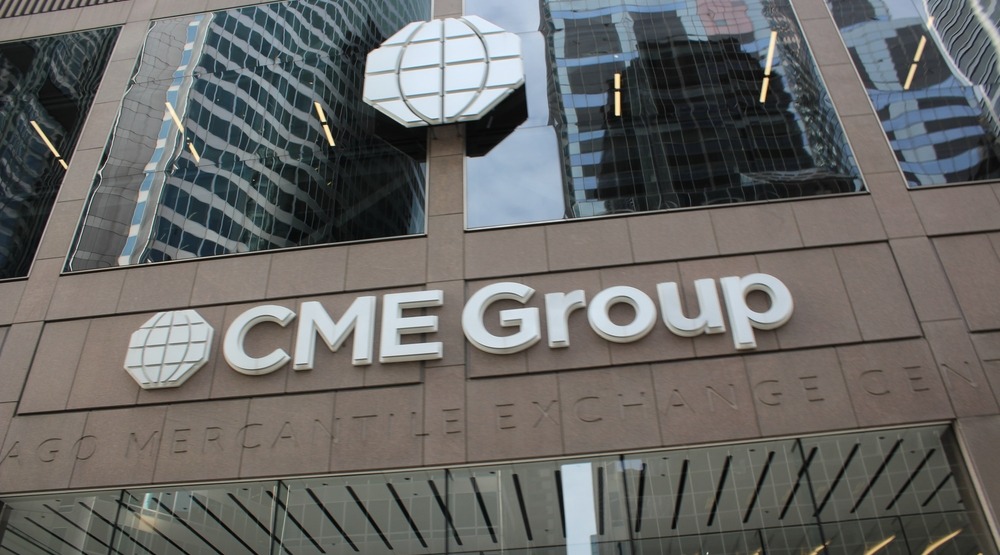
CME Group
has struck a deal with sports betting company FanDuel to bring event
contracts to millions of gaming customers, marking the latest expansion
for the binary options-style products that have exploded in popularity
this year.
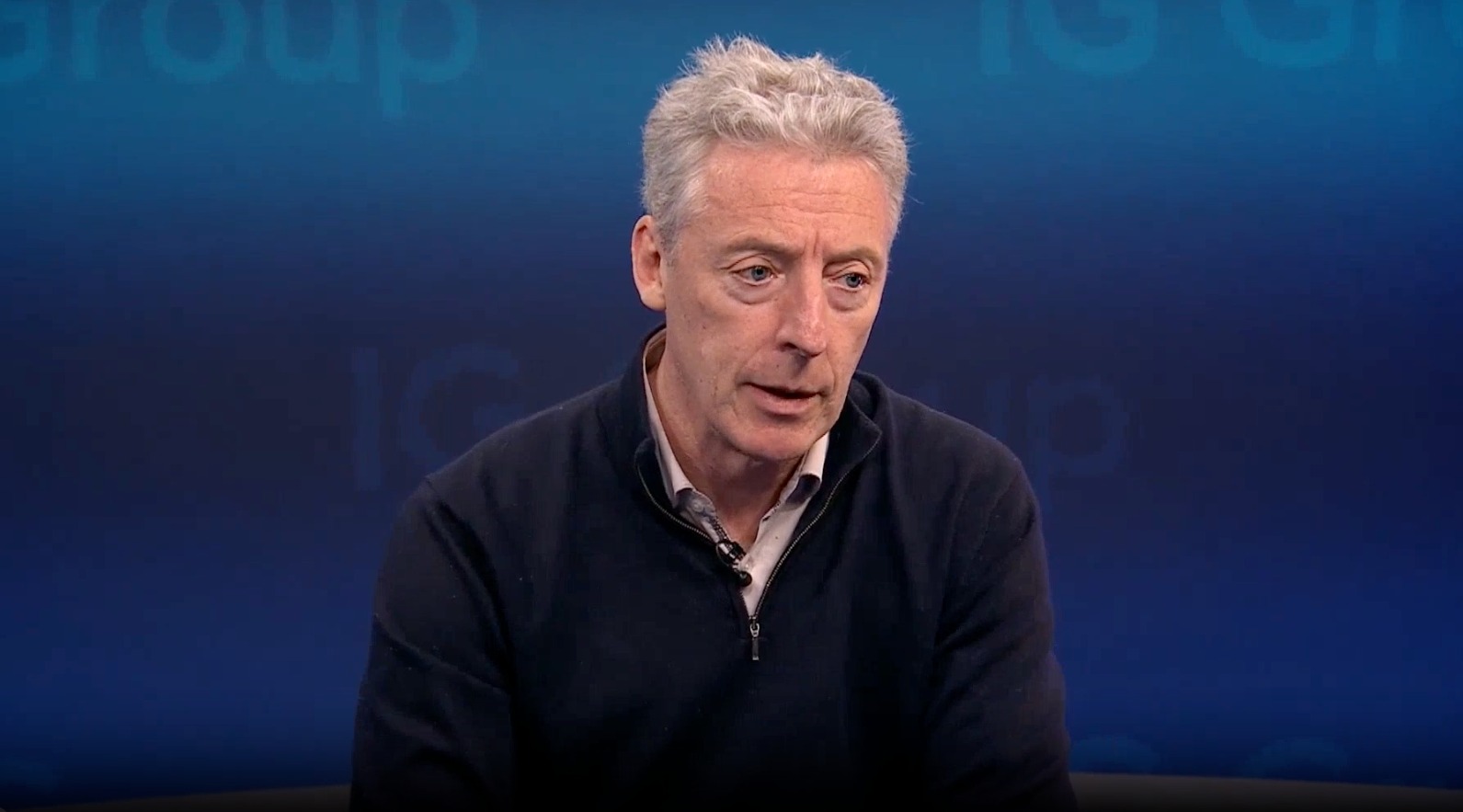
Terry Duffy, CME Group Chairman and CEO, Source: CME
The
partnership creates a joint venture that will let FanDuel users bet on
financial markets with stakes as low as $1. Players can make simple
yes-or-no bets multiple times daily on everything from S&P 500 moves to oil
prices and economic data.
CME already
operates event contracts that launched in September 2022, targeting retail
investors with capped payouts of up to $100 per contract. The new FanDuel
tie-up represents the exchange's biggest push yet to tap mainstream
audiences outside traditional trading circles.
Betting Meets Wall Street
“Individual
investors are increasingly sophisticated and continually pursuing new
financial opportunities,” CME Chairman Terry Duffy said. “To meet
this demand, we have created this partnership, which will operate a
non-clearing FCM.”
The
collaboration comes as event contracts gain momentum across the US
financial landscape. These instruments essentially function like binary
options, letting traders bet fixed amounts on whether specific events
will occur. Each contract pays out a predetermined sum or nothing at
all.
Major
platforms like Kalshi have led the charge in popularizing these instruments,
while brokers such as Interactive Brokers and Robinhood have added them to
their offerings.
FanDuel CEO
Amy Howe called the partnership a way to “bring even more new and
engaging products to FanDuel's fast-growing customer base.” The
sports betting company's parent Flutter Entertainment operates Betfair,
one of the world's largest betting exchanges, giving it experience with
similar prediction markets.
Regulatory Green Light
The timing
looks favorable for event contract operators. Earlier this month, the
Commodity Futures Trading Commission (CFTC) granted regulatory relief to
Railbird Exchange and its clearing partner, exempting them from certain swap
reporting requirements that can burden smaller retail-focused trades.
The August CFTC
decision reduces compliance costs and signals growing regulatory
acceptance of event contracts as a legitimate asset class. Similar
no-action letters have been issued to other platforms in the space.
Event
contracts were once prohibited in the United States but gained legal
recognition from the CFTC, which clarified permissible contract types in May
2024. However, the regulations remain not fully clear.
CME faces
increasing competition as the event contracts market matures. Kalshi
remains the volume leader, while newer entrants like Crypto.com have
launched similar products. The market has particularly surged around major
events like the 2024 presidential election.
The
CME-FanDuel venture will operate as a non-clearing futures commission merchant,
pending CFTC regulatory review. All contracts will be listed on CME
exchanges and subject to CME rules, with access through participating
brokers.
CME's
existing event contracts cover major benchmarks like the E-mini S&P
500, Nasdaq-100, crude oil, gold and currency futures. The exchange expanded
the product line in 2024 to include longer-dated contracts with quarterly
and annual expiries.
Industry
observers expect event contracts to become a “trillion-dollar asset
class” as platforms simplify access to derivatives markets. The
FanDuel partnership could accelerate that growth by tapping the
sports betting audience that's already comfortable with prediction-based
wagering.
Financial
terms of the CME-FanDuel deal weren't disclosed. The companies expect to
launch their joint platform later this year, subject to
regulatory approval.
CME Group
has struck a deal with sports betting company FanDuel to bring event
contracts to millions of gaming customers, marking the latest expansion
for the binary options-style products that have exploded in popularity
this year.
Terry Duffy, CME Group Chairman and CEO, Source: CME
The
partnership creates a joint venture that will let FanDuel users bet on
financial markets with stakes as low as $1. Players can make simple
yes-or-no bets multiple times daily on everything from S&P 500 moves to oil
prices and economic data.
CME already
operates event contracts that launched in September 2022, targeting retail
investors with capped payouts of up to $100 per contract. The new FanDuel
tie-up represents the exchange's biggest push yet to tap mainstream
audiences outside traditional trading circles.
Betting Meets Wall Street
“Individual
investors are increasingly sophisticated and continually pursuing new
financial opportunities,” CME Chairman Terry Duffy said. “To meet
this demand, we have created this partnership, which will operate a
non-clearing FCM.”
The
collaboration comes as event contracts gain momentum across the US
financial landscape. These instruments essentially function like binary
options, letting traders bet fixed amounts on whether specific events
will occur. Each contract pays out a predetermined sum or nothing at
all.
Major
platforms like Kalshi have led the charge in popularizing these instruments,
while brokers such as Interactive Brokers and Robinhood have added them to
their offerings.
FanDuel CEO
Amy Howe called the partnership a way to “bring even more new and
engaging products to FanDuel's fast-growing customer base.” The
sports betting company's parent Flutter Entertainment operates Betfair,
one of the world's largest betting exchanges, giving it experience with
similar prediction markets.
Regulatory Green Light
The timing
looks favorable for event contract operators. Earlier this month, the
Commodity Futures Trading Commission (CFTC) granted regulatory relief to
Railbird Exchange and its clearing partner, exempting them from certain swap
reporting requirements that can burden smaller retail-focused trades.
The August CFTC
decision reduces compliance costs and signals growing regulatory
acceptance of event contracts as a legitimate asset class. Similar
no-action letters have been issued to other platforms in the space.
Event
contracts were once prohibited in the United States but gained legal
recognition from the CFTC, which clarified permissible contract types in May
2024. However, the regulations remain not fully clear.
CME faces
increasing competition as the event contracts market matures. Kalshi
remains the volume leader, while newer entrants like Crypto.com have
launched similar products. The market has particularly surged around major
events like the 2024 presidential election.
The
CME-FanDuel venture will operate as a non-clearing futures commission merchant,
pending CFTC regulatory review. All contracts will be listed on CME
exchanges and subject to CME rules, with access through participating
brokers.
CME's
existing event contracts cover major benchmarks like the E-mini S&P
500, Nasdaq-100, crude oil, gold and currency futures. The exchange expanded
the product line in 2024 to include longer-dated contracts with quarterly
and annual expiries.
Industry
observers expect event contracts to become a “trillion-dollar asset
class” as platforms simplify access to derivatives markets. The
FanDuel partnership could accelerate that growth by tapping the
sports betting audience that's already comfortable with prediction-based
wagering.
Financial
terms of the CME-FanDuel deal weren't disclosed. The companies expect to
launch their joint platform later this year, subject to
regulatory approval.
Damian Chmiel is a Senior Analyst & Editor at Finance Magnates with more than 15 years of experience in the CFD and online trading industry. Active as both a trader and journalist since 2010, he focuses on broker coverage, fintech innovation, and regulatory developments across Europe, the Middle East, and Asia.
His work includes interviews with C-level leaders at major brokerages and fintech platforms, as well as co-authoring Finance Magnates’ quarterly industry benchmarking reports. Damian’s reporting is data-driven, market-aware, and grounded in direct industry engagement. His analysis and commentary have also been cited by external media outlets, including Investing.com, Binance, The Asset, Stockhead, and Dispatch.
Education:
MA in Finance and Accounting, Cracow University of Economics
Retail Traders Can Now Access Prediction Markets Through Binance Wallet
FP Markets Winner Spotlight 🏆 | Global Broker of the Year 2025 #Trading #Broker #Innovation #Shorts
FP Markets Winner Spotlight 🏆 | Global Broker of the Year 2025 #Trading #Broker #Innovation #Shorts
FP Markets takes the spotlight as Global Broker of the Year 2025 at the Finance Magnates Awards.
Martin Stoilov, Head of Client Experience, shares that trust, innovation, and people played a key role in the company’s success, supported by a strong foundation of integrity and client-centricity.
Following this milestone, FP Markets continues to focus on growth, technology investment, and its core values of transparency and excellence.
👉 Be part of FM Awards 2026: https://awards.financemagnates.com/#nominate
FP Markets takes the spotlight as Global Broker of the Year 2025 at the Finance Magnates Awards.
Martin Stoilov, Head of Client Experience, shares that trust, innovation, and people played a key role in the company’s success, supported by a strong foundation of integrity and client-centricity.
Following this milestone, FP Markets continues to focus on growth, technology investment, and its core values of transparency and excellence.
👉 Be part of FM Awards 2026: https://awards.financemagnates.com/#nominate
In this video, we review @HolaPrimeMarketsOfficial, a multi-asset forex and CFDs broker offering different account types, trading platforms, and flexible trading conditions.
We cover the broker’s overall offering, including account options, trading environment, platforms like MT4 and MT5, and additional services such as managed accounts and fast withdrawals.
Watch the full video to see if Hola Prime Markets fits your trading needs.
📣 Stay up to date with the latest in finance and trading. Follow Finance Magnates for industry news, insights, and global event coverage.
Connect with us:
🔗 LinkedIn: /financemagnates
👍 Facebook: /financemagnates
📸 Instagram: https://www.instagram.com/financemagnates
🐦 X: https://x.com/financemagnates
🎥 TikTok: https://www.tiktok.com/tag/financemagnates
▶️ YouTube: /@financemagnates_official
#HolaPrime #ForexBroker #CFDTrading #FinanceMagnates #Trading #Forex #BrokerReview
In this video, we review @HolaPrimeMarketsOfficial, a multi-asset forex and CFDs broker offering different account types, trading platforms, and flexible trading conditions.
We cover the broker’s overall offering, including account options, trading environment, platforms like MT4 and MT5, and additional services such as managed accounts and fast withdrawals.
Watch the full video to see if Hola Prime Markets fits your trading needs.
📣 Stay up to date with the latest in finance and trading. Follow Finance Magnates for industry news, insights, and global event coverage.
Connect with us:
🔗 LinkedIn: /financemagnates
👍 Facebook: /financemagnates
📸 Instagram: https://www.instagram.com/financemagnates
🐦 X: https://x.com/financemagnates
🎥 TikTok: https://www.tiktok.com/tag/financemagnates
▶️ YouTube: /@financemagnates_official
#HolaPrime #ForexBroker #CFDTrading #FinanceMagnates #Trading #Forex #BrokerReview
Hola Prime Review: What You Need to Know | Full Breakdown by Finance Magnates
Hola Prime Review: What You Need to Know | Full Breakdown by Finance Magnates
In this video, we review @HolaPrime_Global, a proprietary trading firm offering evaluation programs and performance-based payouts in simulated market environments.
We cover how the challenge model works, including account types, profit splits (up to 95%), trading rules, and what it takes to reach a funded account. You’ll also learn about available platforms like MT4, MT5, cTrader, and more, along with insights into payouts, support, and trading conditions.
Watch the full video to see if Hola Prime fits your trading style.
📣 Stay up to date with the latest in finance and trading. Follow Finance Magnates for industry news, insights, and global event coverage.
Connect with us:
🔗 LinkedIn: /financemagnates
👍 Facebook: /financemagnates
📸 Instagram: https://www.instagram.com/financemagnates
🐦 X: https://x.com/financemagnates
🎥 TikTok: https://www.tiktok.com/tag/financemagnates
▶️ YouTube: /@financemagnates_official
#HolaPrime #PropFirm #Trading #FinanceMagnates #Forex #FuturesTrading #TradingReview #PropFirmReview
In this video, we review @HolaPrime_Global, a proprietary trading firm offering evaluation programs and performance-based payouts in simulated market environments.
We cover how the challenge model works, including account types, profit splits (up to 95%), trading rules, and what it takes to reach a funded account. You’ll also learn about available platforms like MT4, MT5, cTrader, and more, along with insights into payouts, support, and trading conditions.
Watch the full video to see if Hola Prime fits your trading style.
📣 Stay up to date with the latest in finance and trading. Follow Finance Magnates for industry news, insights, and global event coverage.
Connect with us:
🔗 LinkedIn: /financemagnates
👍 Facebook: /financemagnates
📸 Instagram: https://www.instagram.com/financemagnates
🐦 X: https://x.com/financemagnates
🎥 TikTok: https://www.tiktok.com/tag/financemagnates
▶️ YouTube: /@financemagnates_official
#HolaPrime #PropFirm #Trading #FinanceMagnates #Forex #FuturesTrading #TradingReview #PropFirmReview
Axi Winner Spotlight 🏆 | Global Most Innovative Broker 2025 #Innovation #Trading #Fintech #Broker
Axi Winner Spotlight 🏆 | Global Most Innovative Broker 2025 #Innovation #Trading #Fintech #Broker
Axi takes the spotlight at the Finance Magnates Awards, winning Global Most Innovative Broker 2025.
Olivia Xenofontos and Ivanna Openko share how the team will feel: proud, motivated, and ready to keep delivering.
They also describe the night as well-organized, focused, and enjoyable for all.
👉 Be part of FM Awards 2026.
Axi takes the spotlight at the Finance Magnates Awards, winning Global Most Innovative Broker 2025.
Olivia Xenofontos and Ivanna Openko share how the team will feel: proud, motivated, and ready to keep delivering.
They also describe the night as well-organized, focused, and enjoyable for all.
👉 Be part of FM Awards 2026.
Recognition that matters.
Built on transparency.
Driven by the industry.
The Finance Magnates Awards 2026.
Nominations are now open.
🔗 https://awards.financemagnates.com/?utm_source=SM&utm_medium=social&utm_campaign=recognition-matters
Recognition that matters.
Built on transparency.
Driven by the industry.
The Finance Magnates Awards 2026.
Nominations are now open.
🔗 https://awards.financemagnates.com/?utm_source=SM&utm_medium=social&utm_campaign=recognition-matters