
The Israeli broker booked a five-year high in Customer Income, but second-quarter revenue growth slowed to 5% and new sign-ups fell year over year.
Plus500 now guides full-year revenue and EBITDA in line with consensus, three months after telling investors to expect a beat.
Plus500
reported revenue of $462.9 million for the first half of 2026 today (Monday), a
12% rise from a year earlier. EBITDA barely moved, up 1% to $187.5 million, as
the London-listed broker spent more to bring in new clients.
Customer
Income, the measure Plus500 treats as its leading indicator of client activity,
reached $460.8 million, up 24% and the highest for any six-month period in five
years, the company said. All figures in the update are unaudited.
Plus500’s Second-Quarter
Numbers Cool After a Fast Start
The client
numbers point the same way. New customers hit 65,723 across the half, a 17%
gain, but only 25,856 of those arrived in the second quarter, down from 29,268
a year earlier.
Active
customers in the quarter also edged down, to 131,214 from 132,602. Customer
Income tells a similar story: $270.6 million of the half-year total came in the
first quarter, leaving roughly $190 million for the three months to June.
Source:
Plus500 H1 2026 trading update (unaudited). EBITDA margins, the Q2 Customer
Income figure and the Q2 new-customer change are Finance Magnates calculations
from the reported figures.
The World Cup Payout Is
Still Not on the Page
Plus500's
non-OTC arm, its US futures and share dealing operations, accounted for about
15% of group revenue, or roughly $70 million, growing about 30% year over year.
Since the US business generated around $35 million in the first quarter, the
second quarter looks broadly flat by comparison.
That
matters because Plus500 spent the half building a position in US prediction
markets, adding Kalshi's CFTC-regulated
sports event contracts in June on top of the retail platform it launched in February. It also clears
for the CME Group and FanDuel event-contracts venture.
Prediction
markets processed more than $50 billion in June, with Kalshi taking roughly $33
billion of that, including $7.4 billion in World Cup trades, according to Artemis data.
The
tournament began in mid-June, so only a few weeks of it fall inside this
reporting period, and Plus500 does not break out prediction market revenue at
all. The first real read on it will come with the full results.
London-Listed Rivals Are
Working the Same Volatility
CMC Markets
posted first-half net operating income of £186.2 million and a Westpac
white-label agreement it says will expand its Australian customer base by 40%.
Both carry
US or diversification stories of their own. IG's tastytrade is a futures and
options business rather than an event-contracts distributor, and IG's chief
executive said in March the firm has capability in the prediction
markets space
without committing to a launch.
Plus500 is the only one of the three currently
distributing CFTC-regulated event contracts to US retail traders, and it also
matched rivals on extended hours in June, when it launched 24/5 trading on stocks and
ETFs, a market IG,
eToro and Capital.com entered earlier.
Consensus Math Points to a
Lighter Second Half
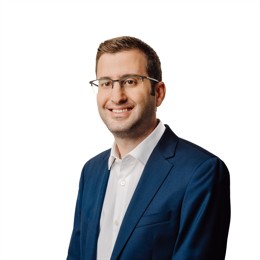
David Zruia, CEO of Plus500
The board
now expects full-year revenue and EBITDA to be in line with market
expectations, "following several upgrades this year," Chief Executive
David Zruia said.
In April,
after the first quarter, the company told investors both would come in ahead of
consensus, so the bar itself has moved rather than the message reversing.
Plus500
puts current consensus at $811.5 million of revenue and $368.1 million of
EBITDA, sourced from compiled analyst forecasts on Bloomberg.
Against the
reported half, that implies about $349 million of revenue and roughly $181
million of EBITDA still to come, a mix that would require a materially higher
margin on a materially smaller revenue base.
Zruia added
the half delivered "the strongest Customer Income in five years and the
highest revenue in three years," attributing it to customer quality and
the reach of the group's platforms.
Plus500
finished June debt free with more than $850 million in cash. It reports full H1
results on Monday, August 10, along with new dividends and buybacks, adding to
the roughly $2.9 billion it has returned to shareholders since its 2013 listing.
Plus500
reported revenue of $462.9 million for the first half of 2026 today (Monday), a
12% rise from a year earlier. EBITDA barely moved, up 1% to $187.5 million, as
the London-listed broker spent more to bring in new clients.
Customer
Income, the measure Plus500 treats as its leading indicator of client activity,
reached $460.8 million, up 24% and the highest for any six-month period in five
years, the company said. All figures in the update are unaudited.
Plus500’s Second-Quarter
Numbers Cool After a Fast Start
The client
numbers point the same way. New customers hit 65,723 across the half, a 17%
gain, but only 25,856 of those arrived in the second quarter, down from 29,268
a year earlier.
Active
customers in the quarter also edged down, to 131,214 from 132,602. Customer
Income tells a similar story: $270.6 million of the half-year total came in the
first quarter, leaving roughly $190 million for the three months to June.
Source:
Plus500 H1 2026 trading update (unaudited). EBITDA margins, the Q2 Customer
Income figure and the Q2 new-customer change are Finance Magnates calculations
from the reported figures.
The World Cup Payout Is
Still Not on the Page
Plus500's
non-OTC arm, its US futures and share dealing operations, accounted for about
15% of group revenue, or roughly $70 million, growing about 30% year over year.
Since the US business generated around $35 million in the first quarter, the
second quarter looks broadly flat by comparison.
That
matters because Plus500 spent the half building a position in US prediction
markets, adding Kalshi's CFTC-regulated
sports event contracts in June on top of the retail platform it launched in February. It also clears
for the CME Group and FanDuel event-contracts venture.
Prediction
markets processed more than $50 billion in June, with Kalshi taking roughly $33
billion of that, including $7.4 billion in World Cup trades, according to Artemis data.
The
tournament began in mid-June, so only a few weeks of it fall inside this
reporting period, and Plus500 does not break out prediction market revenue at
all. The first real read on it will come with the full results.
London-Listed Rivals Are
Working the Same Volatility
CMC Markets
posted first-half net operating income of £186.2 million and a Westpac
white-label agreement it says will expand its Australian customer base by 40%.
Both carry
US or diversification stories of their own. IG's tastytrade is a futures and
options business rather than an event-contracts distributor, and IG's chief
executive said in March the firm has capability in the prediction
markets space
without committing to a launch.
Plus500 is the only one of the three currently
distributing CFTC-regulated event contracts to US retail traders, and it also
matched rivals on extended hours in June, when it launched 24/5 trading on stocks and
ETFs, a market IG,
eToro and Capital.com entered earlier.
Consensus Math Points to a
Lighter Second Half
David Zruia, CEO of Plus500
The board
now expects full-year revenue and EBITDA to be in line with market
expectations, "following several upgrades this year," Chief Executive
David Zruia said.
In April,
after the first quarter, the company told investors both would come in ahead of
consensus, so the bar itself has moved rather than the message reversing.
Plus500
puts current consensus at $811.5 million of revenue and $368.1 million of
EBITDA, sourced from compiled analyst forecasts on Bloomberg.
Against the
reported half, that implies about $349 million of revenue and roughly $181
million of EBITDA still to come, a mix that would require a materially higher
margin on a materially smaller revenue base.
Zruia added
the half delivered "the strongest Customer Income in five years and the
highest revenue in three years," attributing it to customer quality and
the reach of the group's platforms.
Plus500
finished June debt free with more than $850 million in cash. It reports full H1
results on Monday, August 10, along with new dividends and buybacks, adding to
the roughly $2.9 billion it has returned to shareholders since its 2013 listing.
Damian Chmiel is a Senior Analyst & Editor at Finance Magnates with more than 15 years of experience in the CFD and online trading industry. Active as both a trader and journalist since 2010, he focuses on broker coverage, fintech innovation, and regulatory developments across Europe, the Middle East, and Asia.
His work includes interviews with C-level leaders at major brokerages and fintech platforms, as well as co-authoring Finance Magnates’ quarterly industry benchmarking reports. Damian’s reporting is data-driven, market-aware, and grounded in direct industry engagement. His analysis and commentary have also been cited by external media outlets, including Investing.com, Binance, The Asset, Stockhead, and Dispatch.
Education:
MA in Finance and Accounting, Cracow University of Economics
Trive Lost Australia License after Ceasing Onboarding New CFD Traders a Year Ago
Featured Videos
FM Daily Brief – 10 July 2026
Today is Friday, the 10th of July 2026, and here are our main stories: US brokers posted record trading volumes in June, Tradeify's co-founders detail the firm's rapid growth, and the Genius Act's stablecoin deadline is ten days out.
Today is Thursday, the 9th of July 2026 and here’s our main stories: Capital dot com's trading volumes slipped, while average trade size jumped. Trive loses its Australian license. And European lawmakers eye new rules for DeFi and staking.
Match2Pay on Crypto Payments, Stablecoins & Faster Broker Integrations
Are crypto payments really risky for brokers, or is the industry working with outdated assumptions?
In this exclusive Finance Magnates interview from iFX Expo International 2026, Adonis Adoni, News Editor at Finance Magnates, speaks with Andrey Kalashnikov, Head of Match2Pay, about how brokers can improve payment efficiency, reduce costs, and simplify crypto payment infrastructure.
The conversation explores why many firms are paying more than necessary by using multiple crypto providers, how one-click wallet integrations are improving the client deposit experience, and why stablecoins are changing the way finance teams view crypto payments.
In this interview you'll learn:
- Why relying only on card payments could be limiting your business
- The hidden costs of using multiple crypto payment providers
- How one-click crypto payments improve conversion and user experience
- How Match2Pay enables integrations in as little as 24–48 hours
- Why stablecoins eliminate most volatility concerns for finance teams
- How blockchain analytics and AML screening help reduce payment risk
- What brokers should consider when choosing a crypto payment infrastructure
Key Quote:
"It's a mistake to completely rely on traditional payments and not look for alternative methods to optimize your payments." — Andrey Kalashnikov
If you're a broker, payment provider, fintech executive, or compliance professional, this interview offers practical insights into the future of crypto payments.
#FinanceMagnates #Match2Pay #CryptoPayments #Fintech #Forex #CFD #Brokerage #Stablecoins #Blockchain #Payments #iFXExpo #DigitalAssets
Are crypto payments really risky for brokers, or is the industry working with outdated assumptions?
In this exclusive Finance Magnates interview from iFX Expo International 2026, Adonis Adoni, News Editor at Finance Magnates, speaks with Andrey Kalashnikov, Head of Match2Pay, about how brokers can improve payment efficiency, reduce costs, and simplify crypto payment infrastructure.
The conversation explores why many firms are paying more than necessary by using multiple crypto providers, how one-click wallet integrations are improving the client deposit experience, and why stablecoins are changing the way finance teams view crypto payments.
In this interview you'll learn:
- Why relying only on card payments could be limiting your business
- The hidden costs of using multiple crypto payment providers
- How one-click crypto payments improve conversion and user experience
- How Match2Pay enables integrations in as little as 24–48 hours
- Why stablecoins eliminate most volatility concerns for finance teams
- How blockchain analytics and AML screening help reduce payment risk
- What brokers should consider when choosing a crypto payment infrastructure
Key Quote:
"It's a mistake to completely rely on traditional payments and not look for alternative methods to optimize your payments." — Andrey Kalashnikov
If you're a broker, payment provider, fintech executive, or compliance professional, this interview offers practical insights into the future of crypto payments.
#FinanceMagnates #Match2Pay #CryptoPayments #Fintech #Forex #CFD #Brokerage #Stablecoins #Blockchain #Payments #iFXExpo #DigitalAssets
Are crypto payments really risky for brokers, or is the industry working with outdated assumptions?
In this exclusive Finance Magnates interview from iFX Expo International 2026, Adonis Adoni, News Editor at Finance Magnates, speaks with Andrey Kalashnikov, Head of Match2Pay, about how brokers can improve payment efficiency, reduce costs, and simplify crypto payment infrastructure.
The conversation explores why many firms are paying more than necessary by using multiple crypto providers, how one-click wallet integrations are improving the client deposit experience, and why stablecoins are changing the way finance teams view crypto payments.
In this interview you'll learn:
- Why relying only on card payments could be limiting your business
- The hidden costs of using multiple crypto payment providers
- How one-click crypto payments improve conversion and user experience
- How Match2Pay enables integrations in as little as 24–48 hours
- Why stablecoins eliminate most volatility concerns for finance teams
- How blockchain analytics and AML screening help reduce payment risk
- What brokers should consider when choosing a crypto payment infrastructure
Key Quote:
"It's a mistake to completely rely on traditional payments and not look for alternative methods to optimize your payments." — Andrey Kalashnikov
If you're a broker, payment provider, fintech executive, or compliance professional, this interview offers practical insights into the future of crypto payments.
#FinanceMagnates #Match2Pay #CryptoPayments #Fintech #Forex #CFD #Brokerage #Stablecoins #Blockchain #Payments #iFXExpo #DigitalAssets
Are crypto payments really risky for brokers, or is the industry working with outdated assumptions?
In this exclusive Finance Magnates interview from iFX Expo International 2026, Adonis Adoni, News Editor at Finance Magnates, speaks with Andrey Kalashnikov, Head of Match2Pay, about how brokers can improve payment efficiency, reduce costs, and simplify crypto payment infrastructure.
The conversation explores why many firms are paying more than necessary by using multiple crypto providers, how one-click wallet integrations are improving the client deposit experience, and why stablecoins are changing the way finance teams view crypto payments.
In this interview you'll learn:
- Why relying only on card payments could be limiting your business
- The hidden costs of using multiple crypto payment providers
- How one-click crypto payments improve conversion and user experience
- How Match2Pay enables integrations in as little as 24–48 hours
- Why stablecoins eliminate most volatility concerns for finance teams
- How blockchain analytics and AML screening help reduce payment risk
- What brokers should consider when choosing a crypto payment infrastructure
Key Quote:
"It's a mistake to completely rely on traditional payments and not look for alternative methods to optimize your payments." — Andrey Kalashnikov
If you're a broker, payment provider, fintech executive, or compliance professional, this interview offers practical insights into the future of crypto payments.
#FinanceMagnates #Match2Pay #CryptoPayments #Fintech #Forex #CFD #Brokerage #Stablecoins #Blockchain #Payments #iFXExpo #DigitalAssets
Are crypto payments really risky for brokers, or is the industry working with outdated assumptions?
In this exclusive Finance Magnates interview from iFX Expo International 2026, Adonis Adoni, News Editor at Finance Magnates, speaks with Andrey Kalashnikov, Head of Match2Pay, about how brokers can improve payment efficiency, reduce costs, and simplify crypto payment infrastructure.
The conversation explores why many firms are paying more than necessary by using multiple crypto providers, how one-click wallet integrations are improving the client deposit experience, and why stablecoins are changing the way finance teams view crypto payments.
In this interview you'll learn:
- Why relying only on card payments could be limiting your business
- The hidden costs of using multiple crypto payment providers
- How one-click crypto payments improve conversion and user experience
- How Match2Pay enables integrations in as little as 24–48 hours
- Why stablecoins eliminate most volatility concerns for finance teams
- How blockchain analytics and AML screening help reduce payment risk
- What brokers should consider when choosing a crypto payment infrastructure
Key Quote:
"It's a mistake to completely rely on traditional payments and not look for alternative methods to optimize your payments." — Andrey Kalashnikov
If you're a broker, payment provider, fintech executive, or compliance professional, this interview offers practical insights into the future of crypto payments.
#FinanceMagnates #Match2Pay #CryptoPayments #Fintech #Forex #CFD #Brokerage #Stablecoins #Blockchain #Payments #iFXExpo #DigitalAssets
Are crypto payments really risky for brokers, or is the industry working with outdated assumptions?
In this exclusive Finance Magnates interview from iFX Expo International 2026, Adonis Adoni, News Editor at Finance Magnates, speaks with Andrey Kalashnikov, Head of Match2Pay, about how brokers can improve payment efficiency, reduce costs, and simplify crypto payment infrastructure.
The conversation explores why many firms are paying more than necessary by using multiple crypto providers, how one-click wallet integrations are improving the client deposit experience, and why stablecoins are changing the way finance teams view crypto payments.
In this interview you'll learn:
- Why relying only on card payments could be limiting your business
- The hidden costs of using multiple crypto payment providers
- How one-click crypto payments improve conversion and user experience
- How Match2Pay enables integrations in as little as 24–48 hours
- Why stablecoins eliminate most volatility concerns for finance teams
- How blockchain analytics and AML screening help reduce payment risk
- What brokers should consider when choosing a crypto payment infrastructure
Key Quote:
"It's a mistake to completely rely on traditional payments and not look for alternative methods to optimize your payments." — Andrey Kalashnikov
If you're a broker, payment provider, fintech executive, or compliance professional, this interview offers practical insights into the future of crypto payments.
#FinanceMagnates #Match2Pay #CryptoPayments #Fintech #Forex #CFD #Brokerage #Stablecoins #Blockchain #Payments #iFXExpo #DigitalAssets
FM Daily Brief – 8 July 2026
Today is Wednesday, the 8th of July 2026, and here's our main stories: IG Group proposes a Jersey holding company as first-half revenue jumps eighteen percent. Coinbase wins UK approval for stocks and derivatives. And Plus500 taps a UAE finfluencer.
Stress-tested Liquidity, Gold Volatility & Dubai Growth | Andreas Kapsos, CEO of Match-Prime
How do liquidity providers perform when markets are under extreme pressure?
In this exclusive interview from iFX EXPO International 2026, Finance Magnates Editor-in-Chief Yam Yehoshua speaks with Andreas Kapsos, CEO of Match-Prime Liquidity, about the recent stress-tested Liquidity conducted by the company, the impact of January's historic gold market volatility, and why Dubai remains a key growth hub for the industry.
In this interview, you'll learn:
- How Match-Prime stress-tested its liquidity during major market events
- What brokers should look for in a liquidity provider during volatile markets
- Lessons from the industry's gold trading surge
- Why collaboration between liquidity providers became critical
- The challenges faced by new market entrants
- How Match-Prime's Dubai office supports growth across the Middle East and Asia
- Why face-to-face relationships still matter in institutional trading
If you're a broker, liquidity provider, fintech executive, or active in the online trading industry, this interview offers valuable insights into today's market infrastructure and risk management.
#MatchPrime #Liquidity #Forex #CFD #GoldTrading #LiquidityProvider #PrimeBrokerage #RiskManagement #Dubai #TradingInfrastructure #BrokerTechnology #iFXEXPO #FinanceMagnates #Fintech #CapitalMarkets
How do liquidity providers perform when markets are under extreme pressure?
In this exclusive interview from iFX EXPO International 2026, Finance Magnates Editor-in-Chief Yam Yehoshua speaks with Andreas Kapsos, CEO of Match-Prime Liquidity, about the recent stress-tested Liquidity conducted by the company, the impact of January's historic gold market volatility, and why Dubai remains a key growth hub for the industry.
In this interview, you'll learn:
- How Match-Prime stress-tested its liquidity during major market events
- What brokers should look for in a liquidity provider during volatile markets
- Lessons from the industry's gold trading surge
- Why collaboration between liquidity providers became critical
- The challenges faced by new market entrants
- How Match-Prime's Dubai office supports growth across the Middle East and Asia
- Why face-to-face relationships still matter in institutional trading
If you're a broker, liquidity provider, fintech executive, or active in the online trading industry, this interview offers valuable insights into today's market infrastructure and risk management.
#MatchPrime #Liquidity #Forex #CFD #GoldTrading #LiquidityProvider #PrimeBrokerage #RiskManagement #Dubai #TradingInfrastructure #BrokerTechnology #iFXEXPO #FinanceMagnates #Fintech #CapitalMarkets
How do liquidity providers perform when markets are under extreme pressure?
In this exclusive interview from iFX EXPO International 2026, Finance Magnates Editor-in-Chief Yam Yehoshua speaks with Andreas Kapsos, CEO of Match-Prime Liquidity, about the recent stress-tested Liquidity conducted by the company, the impact of January's historic gold market volatility, and why Dubai remains a key growth hub for the industry.
In this interview, you'll learn:
- How Match-Prime stress-tested its liquidity during major market events
- What brokers should look for in a liquidity provider during volatile markets
- Lessons from the industry's gold trading surge
- Why collaboration between liquidity providers became critical
- The challenges faced by new market entrants
- How Match-Prime's Dubai office supports growth across the Middle East and Asia
- Why face-to-face relationships still matter in institutional trading
If you're a broker, liquidity provider, fintech executive, or active in the online trading industry, this interview offers valuable insights into today's market infrastructure and risk management.
#MatchPrime #Liquidity #Forex #CFD #GoldTrading #LiquidityProvider #PrimeBrokerage #RiskManagement #Dubai #TradingInfrastructure #BrokerTechnology #iFXEXPO #FinanceMagnates #Fintech #CapitalMarkets
How do liquidity providers perform when markets are under extreme pressure?
In this exclusive interview from iFX EXPO International 2026, Finance Magnates Editor-in-Chief Yam Yehoshua speaks with Andreas Kapsos, CEO of Match-Prime Liquidity, about the recent stress-tested Liquidity conducted by the company, the impact of January's historic gold market volatility, and why Dubai remains a key growth hub for the industry.
In this interview, you'll learn:
- How Match-Prime stress-tested its liquidity during major market events
- What brokers should look for in a liquidity provider during volatile markets
- Lessons from the industry's gold trading surge
- Why collaboration between liquidity providers became critical
- The challenges faced by new market entrants
- How Match-Prime's Dubai office supports growth across the Middle East and Asia
- Why face-to-face relationships still matter in institutional trading
If you're a broker, liquidity provider, fintech executive, or active in the online trading industry, this interview offers valuable insights into today's market infrastructure and risk management.
#MatchPrime #Liquidity #Forex #CFD #GoldTrading #LiquidityProvider #PrimeBrokerage #RiskManagement #Dubai #TradingInfrastructure #BrokerTechnology #iFXEXPO #FinanceMagnates #Fintech #CapitalMarkets
How do liquidity providers perform when markets are under extreme pressure?
In this exclusive interview from iFX EXPO International 2026, Finance Magnates Editor-in-Chief Yam Yehoshua speaks with Andreas Kapsos, CEO of Match-Prime Liquidity, about the recent stress-tested Liquidity conducted by the company, the impact of January's historic gold market volatility, and why Dubai remains a key growth hub for the industry.
In this interview, you'll learn:
- How Match-Prime stress-tested its liquidity during major market events
- What brokers should look for in a liquidity provider during volatile markets
- Lessons from the industry's gold trading surge
- Why collaboration between liquidity providers became critical
- The challenges faced by new market entrants
- How Match-Prime's Dubai office supports growth across the Middle East and Asia
- Why face-to-face relationships still matter in institutional trading
If you're a broker, liquidity provider, fintech executive, or active in the online trading industry, this interview offers valuable insights into today's market infrastructure and risk management.
#MatchPrime #Liquidity #Forex #CFD #GoldTrading #LiquidityProvider #PrimeBrokerage #RiskManagement #Dubai #TradingInfrastructure #BrokerTechnology #iFXEXPO #FinanceMagnates #Fintech #CapitalMarkets
How do liquidity providers perform when markets are under extreme pressure?
In this exclusive interview from iFX EXPO International 2026, Finance Magnates Editor-in-Chief Yam Yehoshua speaks with Andreas Kapsos, CEO of Match-Prime Liquidity, about the recent stress-tested Liquidity conducted by the company, the impact of January's historic gold market volatility, and why Dubai remains a key growth hub for the industry.
In this interview, you'll learn:
- How Match-Prime stress-tested its liquidity during major market events
- What brokers should look for in a liquidity provider during volatile markets
- Lessons from the industry's gold trading surge
- Why collaboration between liquidity providers became critical
- The challenges faced by new market entrants
- How Match-Prime's Dubai office supports growth across the Middle East and Asia
- Why face-to-face relationships still matter in institutional trading
If you're a broker, liquidity provider, fintech executive, or active in the online trading industry, this interview offers valuable insights into today's market infrastructure and risk management.
#MatchPrime #Liquidity #Forex #CFD #GoldTrading #LiquidityProvider #PrimeBrokerage #RiskManagement #Dubai #TradingInfrastructure #BrokerTechnology #iFXEXPO #FinanceMagnates #Fintech #CapitalMarkets