>
Executive Interview: Glenn Stevens, CEO at GAIN Capital
Executive Interview: Glenn Stevens, CEO at GAIN Capital
Friday,05/04/2013|08:37GMTby
Andrew Saks McLeod
2012 was not an easy year for the industry as a whole, and well-established FX giant GAIN Capital’s performance was testimony to this trend. The company arrived at the end the year having conducted significantly less business than the previous year, resulting in completing 2012 with a very slight profit.
Under the leadership of CEO Glenn Stevens, the company made an interesting start to 2013, having acquired the North American client base of FX Solutions upon the company’s final decision to exit the US market.
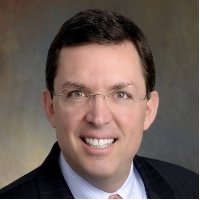
Glenn Stevens Chief Executive Officer GAIN Capital
GAIN just announced full year results for 2012. Revenue was down 17% vs. 2011 – what do you attribute that to and what are your plans for growing the business in 2013?
2012 was a challenging year for the entire retail FX industry. We had multi-year lows in volatility and saw a commensurate drop in client engagement and volumes. In the past two months we’ve seen some volatility return to the market and traders have jumped back in. Overall, volatility is still relatively low, but it’s a promising start to 2013.
In the meantime, we haven’t stood still waiting for volatility to return - we made a lot of progress in 2012 diversifying our business. In our retail business we expanded our CFD product offering and continued to build in key regions like the Middle East and Asia Pacific. We moved into the Futures business in the third quarter with our acquisition of Open eCry and, in the past three months, completed the acquisitions of the U.S. businesses of GFT and FX Solutions.
As a result of all these efforts, client assets increased 44% and funded accounts were up 11% at the end of 2012. Looking ahead, we’re well positioned to take advantage of improved market conditions and have a solid foundation on which to grow the business - organically as well as through acquisitions.
How many markets does GAIN operate in today? What’s your strategy for moving into new regional markets?
In our retail OTC business, the FOREX.com service is available in eight languages and we market globally. We also operate in specific markets via strategic white label partners. As a result, our business is pretty evenly dispersed – in 2012 28% of our retail volume came from North America, 28% from EMEA and 42% from Asia Pacific.
We’re constantly exploring new market opportunities. We actively seek out partnerships with local firms when we look to enter a new market. Sometimes that means leveraging our brand name in the local market and sometimes we’ll use the partner’s brand – whatever makes sense.
Are you bullish or bearish on the US market? Last year several firms exited and it’s widely known to be a difficult (and expensive) market to operate in. What will happen to your US business if the NFA prohibits credit card funding?
We’re still optimistic about the US market. Coming into 2013, we have a few things working in our favor – high brand awareness, fewer direct competitors, and a new, complementary futures business. While we’re excited by the opportunities to leverage the synergies between our forex and futures offering globally, the US market represents a particularly strong opportunity for us to cross sell our futures offering.
On the credit card issue, deposits from U.S. customers via a credit card represented about 10% of our total deposits in 2012. So, our exposure to a rule change is limited. However, we do believe that traders in the United States should have the ability to use this convenient and low cost option for funding their accounts. We are advocating that the NFA implement guidelines to govern the use of credit card funding versus eliminating it altogether.
What are your views on China?
China represents a tremendous opportunity but can be a tricky market to navigate. We expect to see some changes on the regulatory front over the next few years and we’re well positioned to capture market share as the market opens up.
Tell us about the white label business? Is that still an area of focus for GAIN?
In 2012, our indirect business represented 37% of our retail volume. So yes, it’s definitely a material part of our business and something we continue to focus on. Last year we added new white label partners from Turkey, the United States, Hong Kong, Eastern Europe and New Zealand.
What about your institutional business, GTX? How do you intend to compete against the incumbents?
You often talk about GAIN’s ambitions around M&A and market consolidation, what can you tell us about that?
Our recent acquisition of the U.S. businesses of GFT and FX Solutions has consolidated our leadership position in the U.S. market. Perhaps even more importantly, these deals help to position GAIN even more strongly as a consolidator globally. This is important because our future growth will come from a mix of organic growth complemented by strategic acquisitions that expand our product mix, our customer segments, or our geographic footprint. Our ability to identify, evaluate and complete acquisitions, as well as integrate customers, teams and even entire new businesses has become a core competency for us and will be a key to our success going forward.
2012 was not an easy year for the industry as a whole, and well-established FX giant GAIN Capital’s performance was testimony to this trend. The company arrived at the end the year having conducted significantly less business than the previous year, resulting in completing 2012 with a very slight profit.
Under the leadership of CEO Glenn Stevens, the company made an interesting start to 2013, having acquired the North American client base of FX Solutions upon the company’s final decision to exit the US market.
Glenn Stevens Chief Executive Officer GAIN Capital
GAIN just announced full year results for 2012. Revenue was down 17% vs. 2011 – what do you attribute that to and what are your plans for growing the business in 2013?
2012 was a challenging year for the entire retail FX industry. We had multi-year lows in volatility and saw a commensurate drop in client engagement and volumes. In the past two months we’ve seen some volatility return to the market and traders have jumped back in. Overall, volatility is still relatively low, but it’s a promising start to 2013.
In the meantime, we haven’t stood still waiting for volatility to return - we made a lot of progress in 2012 diversifying our business. In our retail business we expanded our CFD product offering and continued to build in key regions like the Middle East and Asia Pacific. We moved into the Futures business in the third quarter with our acquisition of Open eCry and, in the past three months, completed the acquisitions of the U.S. businesses of GFT and FX Solutions.
As a result of all these efforts, client assets increased 44% and funded accounts were up 11% at the end of 2012. Looking ahead, we’re well positioned to take advantage of improved market conditions and have a solid foundation on which to grow the business - organically as well as through acquisitions.
How many markets does GAIN operate in today? What’s your strategy for moving into new regional markets?
In our retail OTC business, the FOREX.com service is available in eight languages and we market globally. We also operate in specific markets via strategic white label partners. As a result, our business is pretty evenly dispersed – in 2012 28% of our retail volume came from North America, 28% from EMEA and 42% from Asia Pacific.
We’re constantly exploring new market opportunities. We actively seek out partnerships with local firms when we look to enter a new market. Sometimes that means leveraging our brand name in the local market and sometimes we’ll use the partner’s brand – whatever makes sense.
Are you bullish or bearish on the US market? Last year several firms exited and it’s widely known to be a difficult (and expensive) market to operate in. What will happen to your US business if the NFA prohibits credit card funding?
We’re still optimistic about the US market. Coming into 2013, we have a few things working in our favor – high brand awareness, fewer direct competitors, and a new, complementary futures business. While we’re excited by the opportunities to leverage the synergies between our forex and futures offering globally, the US market represents a particularly strong opportunity for us to cross sell our futures offering.
On the credit card issue, deposits from U.S. customers via a credit card represented about 10% of our total deposits in 2012. So, our exposure to a rule change is limited. However, we do believe that traders in the United States should have the ability to use this convenient and low cost option for funding their accounts. We are advocating that the NFA implement guidelines to govern the use of credit card funding versus eliminating it altogether.
What are your views on China?
China represents a tremendous opportunity but can be a tricky market to navigate. We expect to see some changes on the regulatory front over the next few years and we’re well positioned to capture market share as the market opens up.
Tell us about the white label business? Is that still an area of focus for GAIN?
In 2012, our indirect business represented 37% of our retail volume. So yes, it’s definitely a material part of our business and something we continue to focus on. Last year we added new white label partners from Turkey, the United States, Hong Kong, Eastern Europe and New Zealand.
What about your institutional business, GTX? How do you intend to compete against the incumbents?
You often talk about GAIN’s ambitions around M&A and market consolidation, what can you tell us about that?
Our recent acquisition of the U.S. businesses of GFT and FX Solutions has consolidated our leadership position in the U.S. market. Perhaps even more importantly, these deals help to position GAIN even more strongly as a consolidator globally. This is important because our future growth will come from a mix of organic growth complemented by strategic acquisitions that expand our product mix, our customer segments, or our geographic footprint. Our ability to identify, evaluate and complete acquisitions, as well as integrate customers, teams and even entire new businesses has become a core competency for us and will be a key to our success going forward.
FXCM’s UK Arm Lost $2.2 Million in 2025 Ahead of Sale to Trade Nation
Featured Videos
FXCM UK Holds $110m in Client Money; IG CEO Questions Prediction Market Volumes
FXCM UK Holds $110m in Client Money; IG CEO Questions Prediction Market Volumes
FXCM UK Holds $110m in Client Money; IG CEO Questions Prediction Market Volumes
FXCM UK Holds $110m in Client Money; IG CEO Questions Prediction Market Volumes
Today’s financial news recap covers FXCM's UK arm holds $110 million in client money ahead of its sale to Trade Nation, Citadel Securities' UK profit falls 38 per cent, and Kraken secures its final Dubai crypto licence.
Finance Magnates Daily Recap brings you the latest news from forex and CFD brokers, fintech, payments, cryptocurrency, digital assets, trading platforms, financial regulation and global markets.
Get the key company news, executive moves, deals, regulatory updates and market developments of the day, in just a few minutes. New episodes published every weekday.
Read more: https://www.financemagnates.com
#FinanceMagnates #ForexNews #FintechNews
Today’s financial news recap covers FXCM's UK arm holds $110 million in client money ahead of its sale to Trade Nation, Citadel Securities' UK profit falls 38 per cent, and Kraken secures its final Dubai crypto licence.
Finance Magnates Daily Recap brings you the latest news from forex and CFD brokers, fintech, payments, cryptocurrency, digital assets, trading platforms, financial regulation and global markets.
Get the key company news, executive moves, deals, regulatory updates and market developments of the day, in just a few minutes. New episodes published every weekday.
Read more: https://www.financemagnates.com
#FinanceMagnates #ForexNews #FintechNews
Today’s financial news recap covers FXCM's UK arm holds $110 million in client money ahead of its sale to Trade Nation, Citadel Securities' UK profit falls 38 per cent, and Kraken secures its final Dubai crypto licence.
Finance Magnates Daily Recap brings you the latest news from forex and CFD brokers, fintech, payments, cryptocurrency, digital assets, trading platforms, financial regulation and global markets.
Get the key company news, executive moves, deals, regulatory updates and market developments of the day, in just a few minutes. New episodes published every weekday.
Read more: https://www.financemagnates.com
#FinanceMagnates #ForexNews #FintechNews
Today’s financial news recap covers FXCM's UK arm holds $110 million in client money ahead of its sale to Trade Nation, Citadel Securities' UK profit falls 38 per cent, and Kraken secures its final Dubai crypto licence.
Finance Magnates Daily Recap brings you the latest news from forex and CFD brokers, fintech, payments, cryptocurrency, digital assets, trading platforms, financial regulation and global markets.
Get the key company news, executive moves, deals, regulatory updates and market developments of the day, in just a few minutes. New episodes published every weekday.
Read more: https://www.financemagnates.com
#FinanceMagnates #ForexNews #FintechNews
Today’s financial news recap covers AvaTrade agrees to acquire most of FXCM, NAGA secures eight million dollars in new financing, and Wise seeks a tax settlement in the UK.
Finance Magnates Daily Recap brings you the latest news from forex and CFD brokers, fintech, payments, cryptocurrency, digital assets, trading platforms, financial regulation and global markets.
Get the key company news, executive moves, deals, regulatory updates and market developments of the day, in just a few minutes. New episodes published every weekday.
Read more: https://www.financemagnates.com
#FinanceMagnates #ForexNews #FintechNews
Today’s financial news recap covers AvaTrade agrees to acquire most of FXCM, NAGA secures eight million dollars in new financing, and Wise seeks a tax settlement in the UK.
Finance Magnates Daily Recap brings you the latest news from forex and CFD brokers, fintech, payments, cryptocurrency, digital assets, trading platforms, financial regulation and global markets.
Get the key company news, executive moves, deals, regulatory updates and market developments of the day, in just a few minutes. New episodes published every weekday.
Read more: https://www.financemagnates.com
#FinanceMagnates #ForexNews #FintechNews
Today’s financial news recap covers AvaTrade agrees to acquire most of FXCM, NAGA secures eight million dollars in new financing, and Wise seeks a tax settlement in the UK.
Finance Magnates Daily Recap brings you the latest news from forex and CFD brokers, fintech, payments, cryptocurrency, digital assets, trading platforms, financial regulation and global markets.
Get the key company news, executive moves, deals, regulatory updates and market developments of the day, in just a few minutes. New episodes published every weekday.
Read more: https://www.financemagnates.com
#FinanceMagnates #ForexNews #FintechNews
Today’s financial news recap covers AvaTrade agrees to acquire most of FXCM, NAGA secures eight million dollars in new financing, and Wise seeks a tax settlement in the UK.
Finance Magnates Daily Recap brings you the latest news from forex and CFD brokers, fintech, payments, cryptocurrency, digital assets, trading platforms, financial regulation and global markets.
Get the key company news, executive moves, deals, regulatory updates and market developments of the day, in just a few minutes. New episodes published every weekday.
Read more: https://www.financemagnates.com
#FinanceMagnates #ForexNews #FintechNews
Today’s financial news recap covers AvaTrade agrees to acquire most of FXCM, NAGA secures eight million dollars in new financing, and Wise seeks a tax settlement in the UK.
Finance Magnates Daily Recap brings you the latest news from forex and CFD brokers, fintech, payments, cryptocurrency, digital assets, trading platforms, financial regulation and global markets.
Get the key company news, executive moves, deals, regulatory updates and market developments of the day, in just a few minutes. New episodes published every weekday.
Read more: https://www.financemagnates.com
#FinanceMagnates #ForexNews #FintechNews
Today’s financial news recap covers AvaTrade agrees to acquire most of FXCM, NAGA secures eight million dollars in new financing, and Wise seeks a tax settlement in the UK.
Finance Magnates Daily Recap brings you the latest news from forex and CFD brokers, fintech, payments, cryptocurrency, digital assets, trading platforms, financial regulation and global markets.
Get the key company news, executive moves, deals, regulatory updates and market developments of the day, in just a few minutes. New episodes published every weekday.
Read more: https://www.financemagnates.com
#FinanceMagnates #ForexNews #FintechNews
XTB Adds Overnight US Stock Trading; Nasdaq Ventures Invests in One Trading
XTB Adds Overnight US Stock Trading; Nasdaq Ventures Invests in One Trading
XTB Adds Overnight US Stock Trading; Nasdaq Ventures Invests in One Trading
XTB Adds Overnight US Stock Trading; Nasdaq Ventures Invests in One Trading
XTB Adds Overnight US Stock Trading; Nasdaq Ventures Invests in One Trading
XTB Adds Overnight US Stock Trading; Nasdaq Ventures Invests in One Trading
Today’s financial news recap covers XTB expands overnight US stock trading, Fortrade reports higher revenue, Nasdaq backs One Trading, and Vest Labs raises 13 million dollars.
Finance Magnates Daily Recap brings you the latest news from forex and CFD brokers, fintech, payments, cryptocurrency, digital assets, trading platforms, financial regulation and global markets.
Get the key company news, executive moves, deals, regulatory updates and market developments of the day, in just a few minutes. New episodes published every weekday.
Read more: https://www.financemagnates.com
#FinanceMagnates #ForexNews #FintechNews
Today’s financial news recap covers XTB expands overnight US stock trading, Fortrade reports higher revenue, Nasdaq backs One Trading, and Vest Labs raises 13 million dollars.
Finance Magnates Daily Recap brings you the latest news from forex and CFD brokers, fintech, payments, cryptocurrency, digital assets, trading platforms, financial regulation and global markets.
Get the key company news, executive moves, deals, regulatory updates and market developments of the day, in just a few minutes. New episodes published every weekday.
Read more: https://www.financemagnates.com
#FinanceMagnates #ForexNews #FintechNews
Today’s financial news recap covers XTB expands overnight US stock trading, Fortrade reports higher revenue, Nasdaq backs One Trading, and Vest Labs raises 13 million dollars.
Finance Magnates Daily Recap brings you the latest news from forex and CFD brokers, fintech, payments, cryptocurrency, digital assets, trading platforms, financial regulation and global markets.
Get the key company news, executive moves, deals, regulatory updates and market developments of the day, in just a few minutes. New episodes published every weekday.
Read more: https://www.financemagnates.com
#FinanceMagnates #ForexNews #FintechNews
Today’s financial news recap covers XTB expands overnight US stock trading, Fortrade reports higher revenue, Nasdaq backs One Trading, and Vest Labs raises 13 million dollars.
Finance Magnates Daily Recap brings you the latest news from forex and CFD brokers, fintech, payments, cryptocurrency, digital assets, trading platforms, financial regulation and global markets.
Get the key company news, executive moves, deals, regulatory updates and market developments of the day, in just a few minutes. New episodes published every weekday.
Read more: https://www.financemagnates.com
#FinanceMagnates #ForexNews #FintechNews
Today’s financial news recap covers XTB expands overnight US stock trading, Fortrade reports higher revenue, Nasdaq backs One Trading, and Vest Labs raises 13 million dollars.
Finance Magnates Daily Recap brings you the latest news from forex and CFD brokers, fintech, payments, cryptocurrency, digital assets, trading platforms, financial regulation and global markets.
Get the key company news, executive moves, deals, regulatory updates and market developments of the day, in just a few minutes. New episodes published every weekday.
Read more: https://www.financemagnates.com
#FinanceMagnates #ForexNews #FintechNews
Today’s financial news recap covers XTB expands overnight US stock trading, Fortrade reports higher revenue, Nasdaq backs One Trading, and Vest Labs raises 13 million dollars.
Finance Magnates Daily Recap brings you the latest news from forex and CFD brokers, fintech, payments, cryptocurrency, digital assets, trading platforms, financial regulation and global markets.
Get the key company news, executive moves, deals, regulatory updates and market developments of the day, in just a few minutes. New episodes published every weekday.
Read more: https://www.financemagnates.com
#FinanceMagnates #ForexNews #FintechNews
CMC Founder Downplays Volatility Hit; Devexperts Names CEO
CMC Founder Downplays Volatility Hit; Devexperts Names CEO
CMC Founder Downplays Volatility Hit; Devexperts Names CEO
CMC Founder Downplays Volatility Hit; Devexperts Names CEO
CMC Founder Downplays Volatility Hit; Devexperts Names CEO
CMC Founder Downplays Volatility Hit; Devexperts Names CEO
Today’s financial news recap covers low volatility pressures brokers, Devexperts names a new CEO, Saxo cuts onboarding time, and OKX reaches a 25 billion dollar valuation.
Finance Magnates Daily Recap brings you the latest news from forex and CFD brokers, fintech, payments, cryptocurrency, digital assets, trading platforms, financial regulation and global markets.
Get the key company news, executive moves, deals, regulatory updates and market developments of the day, in just a few minutes. New episodes published every weekday.
Read more: https://www.financemagnates.com
#FinanceMagnates #ForexNews #FintechNews
Today’s financial news recap covers low volatility pressures brokers, Devexperts names a new CEO, Saxo cuts onboarding time, and OKX reaches a 25 billion dollar valuation.
Finance Magnates Daily Recap brings you the latest news from forex and CFD brokers, fintech, payments, cryptocurrency, digital assets, trading platforms, financial regulation and global markets.
Get the key company news, executive moves, deals, regulatory updates and market developments of the day, in just a few minutes. New episodes published every weekday.
Read more: https://www.financemagnates.com
#FinanceMagnates #ForexNews #FintechNews
Today’s financial news recap covers low volatility pressures brokers, Devexperts names a new CEO, Saxo cuts onboarding time, and OKX reaches a 25 billion dollar valuation.
Finance Magnates Daily Recap brings you the latest news from forex and CFD brokers, fintech, payments, cryptocurrency, digital assets, trading platforms, financial regulation and global markets.
Get the key company news, executive moves, deals, regulatory updates and market developments of the day, in just a few minutes. New episodes published every weekday.
Read more: https://www.financemagnates.com
#FinanceMagnates #ForexNews #FintechNews
Today’s financial news recap covers low volatility pressures brokers, Devexperts names a new CEO, Saxo cuts onboarding time, and OKX reaches a 25 billion dollar valuation.
Finance Magnates Daily Recap brings you the latest news from forex and CFD brokers, fintech, payments, cryptocurrency, digital assets, trading platforms, financial regulation and global markets.
Get the key company news, executive moves, deals, regulatory updates and market developments of the day, in just a few minutes. New episodes published every weekday.
Read more: https://www.financemagnates.com
#FinanceMagnates #ForexNews #FintechNews
Today’s financial news recap covers low volatility pressures brokers, Devexperts names a new CEO, Saxo cuts onboarding time, and OKX reaches a 25 billion dollar valuation.
Finance Magnates Daily Recap brings you the latest news from forex and CFD brokers, fintech, payments, cryptocurrency, digital assets, trading platforms, financial regulation and global markets.
Get the key company news, executive moves, deals, regulatory updates and market developments of the day, in just a few minutes. New episodes published every weekday.
Read more: https://www.financemagnates.com
#FinanceMagnates #ForexNews #FintechNews
Today’s financial news recap covers low volatility pressures brokers, Devexperts names a new CEO, Saxo cuts onboarding time, and OKX reaches a 25 billion dollar valuation.
Finance Magnates Daily Recap brings you the latest news from forex and CFD brokers, fintech, payments, cryptocurrency, digital assets, trading platforms, financial regulation and global markets.
Get the key company news, executive moves, deals, regulatory updates and market developments of the day, in just a few minutes. New episodes published every weekday.
Read more: https://www.financemagnates.com
#FinanceMagnates #ForexNews #FintechNews
Today’s financial news recap covers Trade Nation buys FXCM's UK client book, Trading 212 reports higher revenue, the CFTC's move to allow perpetual index futures.
Finance Magnates Daily Recap brings you the latest news from forex and CFD brokers, fintech, payments, cryptocurrency, digital assets, trading platforms, financial regulation and global markets.
Get the key company news, executive moves, deals, regulatory updates and market developments of the day, in just a few minutes. New episodes published every weekday.
Read more: https://www.financemagnates.com
#FinanceMagnates #ForexNews #FintechNews
Today’s financial news recap covers Trade Nation buys FXCM's UK client book, Trading 212 reports higher revenue, the CFTC's move to allow perpetual index futures.
Finance Magnates Daily Recap brings you the latest news from forex and CFD brokers, fintech, payments, cryptocurrency, digital assets, trading platforms, financial regulation and global markets.
Get the key company news, executive moves, deals, regulatory updates and market developments of the day, in just a few minutes. New episodes published every weekday.
Read more: https://www.financemagnates.com
#FinanceMagnates #ForexNews #FintechNews
Today’s financial news recap covers Trade Nation buys FXCM's UK client book, Trading 212 reports higher revenue, the CFTC's move to allow perpetual index futures.
Finance Magnates Daily Recap brings you the latest news from forex and CFD brokers, fintech, payments, cryptocurrency, digital assets, trading platforms, financial regulation and global markets.
Get the key company news, executive moves, deals, regulatory updates and market developments of the day, in just a few minutes. New episodes published every weekday.
Read more: https://www.financemagnates.com
#FinanceMagnates #ForexNews #FintechNews
Today’s financial news recap covers Trade Nation buys FXCM's UK client book, Trading 212 reports higher revenue, the CFTC's move to allow perpetual index futures.
Finance Magnates Daily Recap brings you the latest news from forex and CFD brokers, fintech, payments, cryptocurrency, digital assets, trading platforms, financial regulation and global markets.
Get the key company news, executive moves, deals, regulatory updates and market developments of the day, in just a few minutes. New episodes published every weekday.
Read more: https://www.financemagnates.com
#FinanceMagnates #ForexNews #FintechNews
Today’s financial news recap covers Trade Nation buys FXCM's UK client book, Trading 212 reports higher revenue, the CFTC's move to allow perpetual index futures.
Finance Magnates Daily Recap brings you the latest news from forex and CFD brokers, fintech, payments, cryptocurrency, digital assets, trading platforms, financial regulation and global markets.
Get the key company news, executive moves, deals, regulatory updates and market developments of the day, in just a few minutes. New episodes published every weekday.
Read more: https://www.financemagnates.com
#FinanceMagnates #ForexNews #FintechNews
Today’s financial news recap covers Trade Nation buys FXCM's UK client book, Trading 212 reports higher revenue, the CFTC's move to allow perpetual index futures.
Finance Magnates Daily Recap brings you the latest news from forex and CFD brokers, fintech, payments, cryptocurrency, digital assets, trading platforms, financial regulation and global markets.
Get the key company news, executive moves, deals, regulatory updates and market developments of the day, in just a few minutes. New episodes published every weekday.
Read more: https://www.financemagnates.com
#FinanceMagnates #ForexNews #FintechNews