>
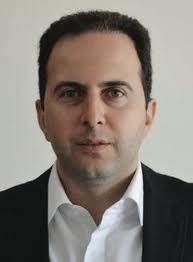
Executive Interview - Gabriel Styllas, CEO, TopFX
Executive Interview - Gabriel Styllas, CEO, TopFX
Friday,07/06/2013|08:00GMTby
Andrew Saks McLeod
In this week's Forex Magnates Executive Interview, CEO of Cyprus-based prime brokerage solutions provider TopFX Gabriel Styllas details his view of the industry at home and overseas.
Since the advent of electronic trading, prime brokerage companies which provide enterprise solutions to FX brokers have predominantly been particular to just two major regions - London, with its established institutional forex sector and banking base, and the United States, home to many technology firms aimed at providing enterprise solutions to brokers.
Both are regions synonymous with banking, technology and have a long tradition of trading behind them, therefore very established organizations exist.
Therefore, it has come to pass that prime brokerage firms should not be the preserve of long-standing financial centers. Such is the magnitude of the industry in Cyprus that it is also home to domestic prime brokerage firms.
In this week's Forex Magnates Executive Interview, Gabriel Styllas, CEO of TopFX details the industry from his perspective.
Please introduce yourself, let us know about your industry experience and the path that lead to leadership of TopFX.
I have a combined experience of 18 years in banking and financial services, and worked both on the buy and the sell side of the industry. Much of my career has been spent trading equities, working for Investment Firms and banks in the EU.
I still remember the paradigm shift from open outcry markets to open electronic trading in the nineties. Electronic trading has facilitated access to international capital and money markets. The pace of change has been tremendous and fascinating to watch.
I left Deutsche Bank in 2010 to join TOPFX. The principles upon which TOPFX was founded are ones which I personally subscribe to: transparency in the fx industry and no conflicts of interests with clients under a pure agency model
What did you set out to achieve when you joined TopFX, and how did you go about implementing this?
A few years ago, the Prime Brokerage space had perhaps half as many players as today. The growth of FX volumes in the eastern hemisphere was creating new demand, and so was the burgeoning trend in STP retail trading. Clearly a quote-based, 100% agency solution was a good fit in the market. On top of that, TopFX is very competitive on price as compared with UK and U.S. based counterparts, so I knew we could play a role.
Indeed, a large part of our business has come from the East and we shall continue to develop that market. We have been able to grow the business rapidly, while maintaining our customer focus through a consultative service. At TOPFX we continuously want to be in dialogue with our clients.
In your opinion, what factors are missing from the Prime Brokerage sector, and how can the industry in general move toward keeping pace with technological change?
The industry is searching for a way to accommodate the multiple types of buy side flow. Across the global prime brokerage sector, there is an evolution taking place in many different directions. The fragmentation of demand and supply for global currency trading continues, and we see technology enabling the buy-side and sell-side to both be more selective in their trading conditions. Firstly, more prime brokerage services are being offered by non-banks today than before, and the competition on core parameters such as price, spreads and margin is tougher.
New ECN’s are proliferating and offering order-based and quote-based solutions in a variety of permutations. The trend towards anonymous high-speed trading over the last few years has hit a wall as the largest market-makers are beginning to introduce execution ‘speed bumps’, and random aggregation of orders in order to combat the HFT operations who have made the sell-side less profitable.
Almost a year has passed since Spotware Systems integrated TopFX with its cTrader and cAlgo platforms. What has the reception been like? How much volume was traded to date?
TopFX is platform-agnostic and will continue to be so. Naturally though, we are pleased to see the growth of STP trading and the associated algorithmic software as these best cater to real market conditions.
Spotware is among the market leaders; cTrader is becoming increasingly popular. The feedback from our mutual clients and traders has been terrific, and confirms our belief that DMA/ECN trading is the way forward for the retail sector. The demand for transparency on prices, depth and execution is becoming the new norm, as larger portions of the retail industry become disgruntled with the market-making model which has gained such ill-repute.
With a large number of Prime Brokerage companies being based in North America and the UK as is the case with companies such as Boston Technologies and LMAX Exchange, how does TopFX maintain a foothold if based in Cyprus? Cyprus has a lot of retail forex companies, and with the bail out/bail-in currently in progress, does this hamper confidence at all? If so, what is the company’s solution to this?
While the turmoil of the Cyprus bail-in/bail-out had the attention of Europe, our business progressed without incident or complaint. It is important to note that the issue was not of regulatory protection of segregated accounts; in this area, Cyprus stands on par with the rest of Europe under MiFID and continues to do so.
The issue was with two specific banks. As we offer our services globally, our reliance on local banks is minimal, and in any case we had/have no exposure to the two problematic banks. However, it is plain to see that Cyprus banking has suffered image-wise. Our response is clear: if clients wish, their funds will not pass through Cyprus in the future.
Regarding the restrictions placed on third party software by MetaQuotes, has this been of benefit to TopFX as it is enabling the streaming of the existing system of many brokers through TopFX’s proprietary bridge? Has there been a shift in this direction since the server side build by MetaQuotes?
While the policy shift by MetaQuotes has made some waves in the bridge space, it does not affect our business. TopFX offers MT4 bridge services as part of a package offer, but we do not partner exclusively with any one bridge provider. Each client is unique and has specific requirements; there is no one-size-fits-all bridge solution. Moving forward, we will continue to be software-agnostic and we will enable our liquidity offering through whatever software the market demands, MQ-based or otherwise.
What is TopFX’s corporate direction for the rest of the year? Please elaborate on any new technology or aspects that you consider important for the company during the rest of 2013.
Our priority is to meet the current and future needs of our existing clients by investing in hardware, technologies, and staff in order to maximise the quality of service to our existing clients. We are continuously monitoring market and technological trends in order to make sure that we provide the best solutions to our customers.
Gabriel Styllas CEO, TopFX
At the same time as part of our plan for 2013, we are targeting the professional trading buy-side. These clients range from high-end institutions such as hedge funds to more modest proprietary trading outfits running their own software and algorithms. We are in a position to offer them tailor made solutions depending on their needs and very competitive spreads together with fast execution and low rejection rates.
Since the advent of electronic trading, prime brokerage companies which provide enterprise solutions to FX brokers have predominantly been particular to just two major regions - London, with its established institutional forex sector and banking base, and the United States, home to many technology firms aimed at providing enterprise solutions to brokers.
Both are regions synonymous with banking, technology and have a long tradition of trading behind them, therefore very established organizations exist.
Therefore, it has come to pass that prime brokerage firms should not be the preserve of long-standing financial centers. Such is the magnitude of the industry in Cyprus that it is also home to domestic prime brokerage firms.
In this week's Forex Magnates Executive Interview, Gabriel Styllas, CEO of TopFX details the industry from his perspective.
Please introduce yourself, let us know about your industry experience and the path that lead to leadership of TopFX.
I have a combined experience of 18 years in banking and financial services, and worked both on the buy and the sell side of the industry. Much of my career has been spent trading equities, working for Investment Firms and banks in the EU.
I still remember the paradigm shift from open outcry markets to open electronic trading in the nineties. Electronic trading has facilitated access to international capital and money markets. The pace of change has been tremendous and fascinating to watch.
I left Deutsche Bank in 2010 to join TOPFX. The principles upon which TOPFX was founded are ones which I personally subscribe to: transparency in the fx industry and no conflicts of interests with clients under a pure agency model
What did you set out to achieve when you joined TopFX, and how did you go about implementing this?
A few years ago, the Prime Brokerage space had perhaps half as many players as today. The growth of FX volumes in the eastern hemisphere was creating new demand, and so was the burgeoning trend in STP retail trading. Clearly a quote-based, 100% agency solution was a good fit in the market. On top of that, TopFX is very competitive on price as compared with UK and U.S. based counterparts, so I knew we could play a role.
Indeed, a large part of our business has come from the East and we shall continue to develop that market. We have been able to grow the business rapidly, while maintaining our customer focus through a consultative service. At TOPFX we continuously want to be in dialogue with our clients.
In your opinion, what factors are missing from the Prime Brokerage sector, and how can the industry in general move toward keeping pace with technological change?
The industry is searching for a way to accommodate the multiple types of buy side flow. Across the global prime brokerage sector, there is an evolution taking place in many different directions. The fragmentation of demand and supply for global currency trading continues, and we see technology enabling the buy-side and sell-side to both be more selective in their trading conditions. Firstly, more prime brokerage services are being offered by non-banks today than before, and the competition on core parameters such as price, spreads and margin is tougher.
New ECN’s are proliferating and offering order-based and quote-based solutions in a variety of permutations. The trend towards anonymous high-speed trading over the last few years has hit a wall as the largest market-makers are beginning to introduce execution ‘speed bumps’, and random aggregation of orders in order to combat the HFT operations who have made the sell-side less profitable.
Almost a year has passed since Spotware Systems integrated TopFX with its cTrader and cAlgo platforms. What has the reception been like? How much volume was traded to date?
TopFX is platform-agnostic and will continue to be so. Naturally though, we are pleased to see the growth of STP trading and the associated algorithmic software as these best cater to real market conditions.
Spotware is among the market leaders; cTrader is becoming increasingly popular. The feedback from our mutual clients and traders has been terrific, and confirms our belief that DMA/ECN trading is the way forward for the retail sector. The demand for transparency on prices, depth and execution is becoming the new norm, as larger portions of the retail industry become disgruntled with the market-making model which has gained such ill-repute.
With a large number of Prime Brokerage companies being based in North America and the UK as is the case with companies such as Boston Technologies and LMAX Exchange, how does TopFX maintain a foothold if based in Cyprus? Cyprus has a lot of retail forex companies, and with the bail out/bail-in currently in progress, does this hamper confidence at all? If so, what is the company’s solution to this?
While the turmoil of the Cyprus bail-in/bail-out had the attention of Europe, our business progressed without incident or complaint. It is important to note that the issue was not of regulatory protection of segregated accounts; in this area, Cyprus stands on par with the rest of Europe under MiFID and continues to do so.
The issue was with two specific banks. As we offer our services globally, our reliance on local banks is minimal, and in any case we had/have no exposure to the two problematic banks. However, it is plain to see that Cyprus banking has suffered image-wise. Our response is clear: if clients wish, their funds will not pass through Cyprus in the future.
Regarding the restrictions placed on third party software by MetaQuotes, has this been of benefit to TopFX as it is enabling the streaming of the existing system of many brokers through TopFX’s proprietary bridge? Has there been a shift in this direction since the server side build by MetaQuotes?
While the policy shift by MetaQuotes has made some waves in the bridge space, it does not affect our business. TopFX offers MT4 bridge services as part of a package offer, but we do not partner exclusively with any one bridge provider. Each client is unique and has specific requirements; there is no one-size-fits-all bridge solution. Moving forward, we will continue to be software-agnostic and we will enable our liquidity offering through whatever software the market demands, MQ-based or otherwise.
What is TopFX’s corporate direction for the rest of the year? Please elaborate on any new technology or aspects that you consider important for the company during the rest of 2013.
Our priority is to meet the current and future needs of our existing clients by investing in hardware, technologies, and staff in order to maximise the quality of service to our existing clients. We are continuously monitoring market and technological trends in order to make sure that we provide the best solutions to our customers.
Gabriel Styllas CEO, TopFX
At the same time as part of our plan for 2013, we are targeting the professional trading buy-side. These clients range from high-end institutions such as hedge funds to more modest proprietary trading outfits running their own software and algorithms. We are in a position to offer them tailor made solutions depending on their needs and very competitive spreads together with fast execution and low rejection rates.
Cyprus Is the EU’s CFD Broker Hub, and Its Youth Are the Bloc’s Most Online
Featured Videos
FP Markets Winner Spotlight 🏆 | Global Broker of the Year 2025 #Trading #Broker #Innovation #Shorts
FP Markets Winner Spotlight 🏆 | Global Broker of the Year 2025 #Trading #Broker #Innovation #Shorts
FP Markets Winner Spotlight 🏆 | Global Broker of the Year 2025 #Trading #Broker #Innovation #Shorts
FP Markets Winner Spotlight 🏆 | Global Broker of the Year 2025 #Trading #Broker #Innovation #Shorts
FP Markets takes the spotlight as Global Broker of the Year 2025 at the Finance Magnates Awards.
Martin Stoilov, Head of Client Experience, shares that trust, innovation, and people played a key role in the company’s success, supported by a strong foundation of integrity and client-centricity.
Following this milestone, FP Markets continues to focus on growth, technology investment, and its core values of transparency and excellence.
👉 Be part of FM Awards 2026: https://awards.financemagnates.com/#nominate
FP Markets takes the spotlight as Global Broker of the Year 2025 at the Finance Magnates Awards.
Martin Stoilov, Head of Client Experience, shares that trust, innovation, and people played a key role in the company’s success, supported by a strong foundation of integrity and client-centricity.
Following this milestone, FP Markets continues to focus on growth, technology investment, and its core values of transparency and excellence.
👉 Be part of FM Awards 2026: https://awards.financemagnates.com/#nominate
FP Markets takes the spotlight as Global Broker of the Year 2025 at the Finance Magnates Awards.
Martin Stoilov, Head of Client Experience, shares that trust, innovation, and people played a key role in the company’s success, supported by a strong foundation of integrity and client-centricity.
Following this milestone, FP Markets continues to focus on growth, technology investment, and its core values of transparency and excellence.
👉 Be part of FM Awards 2026: https://awards.financemagnates.com/#nominate
FP Markets takes the spotlight as Global Broker of the Year 2025 at the Finance Magnates Awards.
Martin Stoilov, Head of Client Experience, shares that trust, innovation, and people played a key role in the company’s success, supported by a strong foundation of integrity and client-centricity.
Following this milestone, FP Markets continues to focus on growth, technology investment, and its core values of transparency and excellence.
👉 Be part of FM Awards 2026: https://awards.financemagnates.com/#nominate
In this video, we review @HolaPrimeMarketsOfficial, a multi-asset forex and CFDs broker offering different account types, trading platforms, and flexible trading conditions.
We cover the broker’s overall offering, including account options, trading environment, platforms like MT4 and MT5, and additional services such as managed accounts and fast withdrawals.
Watch the full video to see if Hola Prime Markets fits your trading needs.
📣 Stay up to date with the latest in finance and trading. Follow Finance Magnates for industry news, insights, and global event coverage.
Connect with us:
🔗 LinkedIn: /financemagnates
👍 Facebook: /financemagnates
📸 Instagram: https://www.instagram.com/financemagnates
🐦 X: https://x.com/financemagnates
🎥 TikTok: https://www.tiktok.com/tag/financemagnates
▶️ YouTube: /@financemagnates_official
#HolaPrime #ForexBroker #CFDTrading #FinanceMagnates #Trading #Forex #BrokerReview
In this video, we review @HolaPrimeMarketsOfficial, a multi-asset forex and CFDs broker offering different account types, trading platforms, and flexible trading conditions.
We cover the broker’s overall offering, including account options, trading environment, platforms like MT4 and MT5, and additional services such as managed accounts and fast withdrawals.
Watch the full video to see if Hola Prime Markets fits your trading needs.
📣 Stay up to date with the latest in finance and trading. Follow Finance Magnates for industry news, insights, and global event coverage.
Connect with us:
🔗 LinkedIn: /financemagnates
👍 Facebook: /financemagnates
📸 Instagram: https://www.instagram.com/financemagnates
🐦 X: https://x.com/financemagnates
🎥 TikTok: https://www.tiktok.com/tag/financemagnates
▶️ YouTube: /@financemagnates_official
#HolaPrime #ForexBroker #CFDTrading #FinanceMagnates #Trading #Forex #BrokerReview
In this video, we review @HolaPrimeMarketsOfficial, a multi-asset forex and CFDs broker offering different account types, trading platforms, and flexible trading conditions.
We cover the broker’s overall offering, including account options, trading environment, platforms like MT4 and MT5, and additional services such as managed accounts and fast withdrawals.
Watch the full video to see if Hola Prime Markets fits your trading needs.
📣 Stay up to date with the latest in finance and trading. Follow Finance Magnates for industry news, insights, and global event coverage.
Connect with us:
🔗 LinkedIn: /financemagnates
👍 Facebook: /financemagnates
📸 Instagram: https://www.instagram.com/financemagnates
🐦 X: https://x.com/financemagnates
🎥 TikTok: https://www.tiktok.com/tag/financemagnates
▶️ YouTube: /@financemagnates_official
#HolaPrime #ForexBroker #CFDTrading #FinanceMagnates #Trading #Forex #BrokerReview
In this video, we review @HolaPrimeMarketsOfficial, a multi-asset forex and CFDs broker offering different account types, trading platforms, and flexible trading conditions.
We cover the broker’s overall offering, including account options, trading environment, platforms like MT4 and MT5, and additional services such as managed accounts and fast withdrawals.
Watch the full video to see if Hola Prime Markets fits your trading needs.
📣 Stay up to date with the latest in finance and trading. Follow Finance Magnates for industry news, insights, and global event coverage.
Connect with us:
🔗 LinkedIn: /financemagnates
👍 Facebook: /financemagnates
📸 Instagram: https://www.instagram.com/financemagnates
🐦 X: https://x.com/financemagnates
🎥 TikTok: https://www.tiktok.com/tag/financemagnates
▶️ YouTube: /@financemagnates_official
#HolaPrime #ForexBroker #CFDTrading #FinanceMagnates #Trading #Forex #BrokerReview
In this video, we review @HolaPrimeMarketsOfficial, a multi-asset forex and CFDs broker offering different account types, trading platforms, and flexible trading conditions.
We cover the broker’s overall offering, including account options, trading environment, platforms like MT4 and MT5, and additional services such as managed accounts and fast withdrawals.
Watch the full video to see if Hola Prime Markets fits your trading needs.
📣 Stay up to date with the latest in finance and trading. Follow Finance Magnates for industry news, insights, and global event coverage.
Connect with us:
🔗 LinkedIn: /financemagnates
👍 Facebook: /financemagnates
📸 Instagram: https://www.instagram.com/financemagnates
🐦 X: https://x.com/financemagnates
🎥 TikTok: https://www.tiktok.com/tag/financemagnates
▶️ YouTube: /@financemagnates_official
#HolaPrime #ForexBroker #CFDTrading #FinanceMagnates #Trading #Forex #BrokerReview
In this video, we review @HolaPrimeMarketsOfficial, a multi-asset forex and CFDs broker offering different account types, trading platforms, and flexible trading conditions.
We cover the broker’s overall offering, including account options, trading environment, platforms like MT4 and MT5, and additional services such as managed accounts and fast withdrawals.
Watch the full video to see if Hola Prime Markets fits your trading needs.
📣 Stay up to date with the latest in finance and trading. Follow Finance Magnates for industry news, insights, and global event coverage.
Connect with us:
🔗 LinkedIn: /financemagnates
👍 Facebook: /financemagnates
📸 Instagram: https://www.instagram.com/financemagnates
🐦 X: https://x.com/financemagnates
🎥 TikTok: https://www.tiktok.com/tag/financemagnates
▶️ YouTube: /@financemagnates_official
#HolaPrime #ForexBroker #CFDTrading #FinanceMagnates #Trading #Forex #BrokerReview
Hola Prime Review: What You Need to Know | Full Breakdown by Finance Magnates
Hola Prime Review: What You Need to Know | Full Breakdown by Finance Magnates
Hola Prime Review: What You Need to Know | Full Breakdown by Finance Magnates
Hola Prime Review: What You Need to Know | Full Breakdown by Finance Magnates
Hola Prime Review: What You Need to Know | Full Breakdown by Finance Magnates
Hola Prime Review: What You Need to Know | Full Breakdown by Finance Magnates
In this video, we review @HolaPrime_Global, a proprietary trading firm offering evaluation programs and performance-based payouts in simulated market environments.
We cover how the challenge model works, including account types, profit splits (up to 95%), trading rules, and what it takes to reach a funded account. You’ll also learn about available platforms like MT4, MT5, cTrader, and more, along with insights into payouts, support, and trading conditions.
Watch the full video to see if Hola Prime fits your trading style.
📣 Stay up to date with the latest in finance and trading. Follow Finance Magnates for industry news, insights, and global event coverage.
Connect with us:
🔗 LinkedIn: /financemagnates
👍 Facebook: /financemagnates
📸 Instagram: https://www.instagram.com/financemagnates
🐦 X: https://x.com/financemagnates
🎥 TikTok: https://www.tiktok.com/tag/financemagnates
▶️ YouTube: /@financemagnates_official
#HolaPrime #PropFirm #Trading #FinanceMagnates #Forex #FuturesTrading #TradingReview #PropFirmReview
In this video, we review @HolaPrime_Global, a proprietary trading firm offering evaluation programs and performance-based payouts in simulated market environments.
We cover how the challenge model works, including account types, profit splits (up to 95%), trading rules, and what it takes to reach a funded account. You’ll also learn about available platforms like MT4, MT5, cTrader, and more, along with insights into payouts, support, and trading conditions.
Watch the full video to see if Hola Prime fits your trading style.
📣 Stay up to date with the latest in finance and trading. Follow Finance Magnates for industry news, insights, and global event coverage.
Connect with us:
🔗 LinkedIn: /financemagnates
👍 Facebook: /financemagnates
📸 Instagram: https://www.instagram.com/financemagnates
🐦 X: https://x.com/financemagnates
🎥 TikTok: https://www.tiktok.com/tag/financemagnates
▶️ YouTube: /@financemagnates_official
#HolaPrime #PropFirm #Trading #FinanceMagnates #Forex #FuturesTrading #TradingReview #PropFirmReview
In this video, we review @HolaPrime_Global, a proprietary trading firm offering evaluation programs and performance-based payouts in simulated market environments.
We cover how the challenge model works, including account types, profit splits (up to 95%), trading rules, and what it takes to reach a funded account. You’ll also learn about available platforms like MT4, MT5, cTrader, and more, along with insights into payouts, support, and trading conditions.
Watch the full video to see if Hola Prime fits your trading style.
📣 Stay up to date with the latest in finance and trading. Follow Finance Magnates for industry news, insights, and global event coverage.
Connect with us:
🔗 LinkedIn: /financemagnates
👍 Facebook: /financemagnates
📸 Instagram: https://www.instagram.com/financemagnates
🐦 X: https://x.com/financemagnates
🎥 TikTok: https://www.tiktok.com/tag/financemagnates
▶️ YouTube: /@financemagnates_official
#HolaPrime #PropFirm #Trading #FinanceMagnates #Forex #FuturesTrading #TradingReview #PropFirmReview
In this video, we review @HolaPrime_Global, a proprietary trading firm offering evaluation programs and performance-based payouts in simulated market environments.
We cover how the challenge model works, including account types, profit splits (up to 95%), trading rules, and what it takes to reach a funded account. You’ll also learn about available platforms like MT4, MT5, cTrader, and more, along with insights into payouts, support, and trading conditions.
Watch the full video to see if Hola Prime fits your trading style.
📣 Stay up to date with the latest in finance and trading. Follow Finance Magnates for industry news, insights, and global event coverage.
Connect with us:
🔗 LinkedIn: /financemagnates
👍 Facebook: /financemagnates
📸 Instagram: https://www.instagram.com/financemagnates
🐦 X: https://x.com/financemagnates
🎥 TikTok: https://www.tiktok.com/tag/financemagnates
▶️ YouTube: /@financemagnates_official
#HolaPrime #PropFirm #Trading #FinanceMagnates #Forex #FuturesTrading #TradingReview #PropFirmReview
In this video, we review @HolaPrime_Global, a proprietary trading firm offering evaluation programs and performance-based payouts in simulated market environments.
We cover how the challenge model works, including account types, profit splits (up to 95%), trading rules, and what it takes to reach a funded account. You’ll also learn about available platforms like MT4, MT5, cTrader, and more, along with insights into payouts, support, and trading conditions.
Watch the full video to see if Hola Prime fits your trading style.
📣 Stay up to date with the latest in finance and trading. Follow Finance Magnates for industry news, insights, and global event coverage.
Connect with us:
🔗 LinkedIn: /financemagnates
👍 Facebook: /financemagnates
📸 Instagram: https://www.instagram.com/financemagnates
🐦 X: https://x.com/financemagnates
🎥 TikTok: https://www.tiktok.com/tag/financemagnates
▶️ YouTube: /@financemagnates_official
#HolaPrime #PropFirm #Trading #FinanceMagnates #Forex #FuturesTrading #TradingReview #PropFirmReview
In this video, we review @HolaPrime_Global, a proprietary trading firm offering evaluation programs and performance-based payouts in simulated market environments.
We cover how the challenge model works, including account types, profit splits (up to 95%), trading rules, and what it takes to reach a funded account. You’ll also learn about available platforms like MT4, MT5, cTrader, and more, along with insights into payouts, support, and trading conditions.
Watch the full video to see if Hola Prime fits your trading style.
📣 Stay up to date with the latest in finance and trading. Follow Finance Magnates for industry news, insights, and global event coverage.
Connect with us:
🔗 LinkedIn: /financemagnates
👍 Facebook: /financemagnates
📸 Instagram: https://www.instagram.com/financemagnates
🐦 X: https://x.com/financemagnates
🎥 TikTok: https://www.tiktok.com/tag/financemagnates
▶️ YouTube: /@financemagnates_official
#HolaPrime #PropFirm #Trading #FinanceMagnates #Forex #FuturesTrading #TradingReview #PropFirmReview
Axi Winner Spotlight 🏆 | Global Most Innovative Broker 2025 #Innovation #Trading #Fintech #Broker
Axi Winner Spotlight 🏆 | Global Most Innovative Broker 2025 #Innovation #Trading #Fintech #Broker
Axi Winner Spotlight 🏆 | Global Most Innovative Broker 2025 #Innovation #Trading #Fintech #Broker
Axi Winner Spotlight 🏆 | Global Most Innovative Broker 2025 #Innovation #Trading #Fintech #Broker
Axi Winner Spotlight 🏆 | Global Most Innovative Broker 2025 #Innovation #Trading #Fintech #Broker
Axi Winner Spotlight 🏆 | Global Most Innovative Broker 2025 #Innovation #Trading #Fintech #Broker
Axi takes the spotlight at the Finance Magnates Awards, winning Global Most Innovative Broker 2025.
Olivia Xenofontos and Ivanna Openko share how the team will feel: proud, motivated, and ready to keep delivering.
They also describe the night as well-organized, focused, and enjoyable for all.
👉 Be part of FM Awards 2026.
Axi takes the spotlight at the Finance Magnates Awards, winning Global Most Innovative Broker 2025.
Olivia Xenofontos and Ivanna Openko share how the team will feel: proud, motivated, and ready to keep delivering.
They also describe the night as well-organized, focused, and enjoyable for all.
👉 Be part of FM Awards 2026.
Axi takes the spotlight at the Finance Magnates Awards, winning Global Most Innovative Broker 2025.
Olivia Xenofontos and Ivanna Openko share how the team will feel: proud, motivated, and ready to keep delivering.
They also describe the night as well-organized, focused, and enjoyable for all.
👉 Be part of FM Awards 2026.
Axi takes the spotlight at the Finance Magnates Awards, winning Global Most Innovative Broker 2025.
Olivia Xenofontos and Ivanna Openko share how the team will feel: proud, motivated, and ready to keep delivering.
They also describe the night as well-organized, focused, and enjoyable for all.
👉 Be part of FM Awards 2026.
Axi takes the spotlight at the Finance Magnates Awards, winning Global Most Innovative Broker 2025.
Olivia Xenofontos and Ivanna Openko share how the team will feel: proud, motivated, and ready to keep delivering.
They also describe the night as well-organized, focused, and enjoyable for all.
👉 Be part of FM Awards 2026.
Axi takes the spotlight at the Finance Magnates Awards, winning Global Most Innovative Broker 2025.
Olivia Xenofontos and Ivanna Openko share how the team will feel: proud, motivated, and ready to keep delivering.
They also describe the night as well-organized, focused, and enjoyable for all.
👉 Be part of FM Awards 2026.
Recognition that matters.
Built on transparency.
Driven by the industry.
The Finance Magnates Awards 2026.
Nominations are now open.
🔗 https://awards.financemagnates.com/?utm_source=SM&utm_medium=social&utm_campaign=recognition-matters
Recognition that matters.
Built on transparency.
Driven by the industry.
The Finance Magnates Awards 2026.
Nominations are now open.
🔗 https://awards.financemagnates.com/?utm_source=SM&utm_medium=social&utm_campaign=recognition-matters
Recognition that matters.
Built on transparency.
Driven by the industry.
The Finance Magnates Awards 2026.
Nominations are now open.
🔗 https://awards.financemagnates.com/?utm_source=SM&utm_medium=social&utm_campaign=recognition-matters
Recognition that matters.
Built on transparency.
Driven by the industry.
The Finance Magnates Awards 2026.
Nominations are now open.
🔗 https://awards.financemagnates.com/?utm_source=SM&utm_medium=social&utm_campaign=recognition-matters
Recognition that matters.
Built on transparency.
Driven by the industry.
The Finance Magnates Awards 2026.
Nominations are now open.
🔗 https://awards.financemagnates.com/?utm_source=SM&utm_medium=social&utm_campaign=recognition-matters
Recognition that matters.
Built on transparency.
Driven by the industry.
The Finance Magnates Awards 2026.
Nominations are now open.
🔗 https://awards.financemagnates.com/?utm_source=SM&utm_medium=social&utm_campaign=recognition-matters