>
Exclusive: New Zealand Strengthens As APAC Hub. BMFN Licenced & Launches eforex
Exclusive: New Zealand Strengthens As APAC Hub. BMFN Licenced & Launches eforex
Friday,10/01/2014|17:06GMTby
Andrew Saks McLeod
BMFN has established a solid affiliate network in the Asia Pacific region amounting to over 4000 IBs. Today, the firm strengthens its presence by heading to the Antipodes and setting its sights among the big names.
Entering the enigmatic Chinese market continues to consume the cognitive resources of the senior management within a great many FX firms in various parts of the world, as it is considered a land of opportunity as a result of its numerous and willing client base, and lack of credible domestic competition.
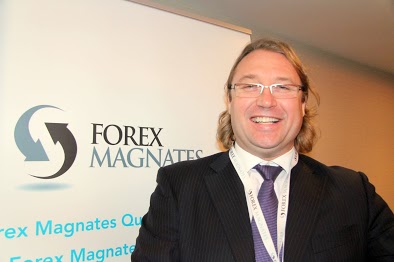
Paul Belgour, CEO And Founder, BMFN Ltd
Conversely, the entry barriers are enormous, and the legalities prohibitive, hence the propensity of most brokers toward attracting clients via separate representatives based in China which forward business to brokers based in free market nations, often by establishing branch offices in other regions of the Asia-Pacific region from which to solicit business.
Today, further emphasizing both the company's targeting of a Chinese audience, as well as New Zealand's status as a springboard to China for retail FX firms, BMFN has received its regulatory license from the Financial Markets Authority (FMA), and has launched a new website which is specific to the New Zealand operations.
New Zealand's regulatory environment has been steadily evolving, going from a very small, rudimentary list of Financial Services Providers (FSPs) which involved very little regulatory oversight and allowed firms to be entirely based abroad, to a fully operational financial markets regulator under the steerage of former CEO Sean Hughes, and during the course of last year demonstrated its determination to instill confidence into investors by terminating the registration of all firms with no physical presence in the jurisdiction, and bringing forth some successful prosecutions of transgressors, including a jail sentence for the orchestrater of the country's largest ever Ponzi scheme.
For this reason, whilst Australia's ASIC regulatory authority is carries kudos among Chinese clients, New Zealand's FMA is gaining significant ground.
Mr. Belogour previously explained to Forex Magnates in November last year that BMFN had over 4,000 introducing brokers, the vast majority of which are based in mainland China. As Chinese clients and introducing brokers have to place considerable trust in overseas brokers, due to the inability to access certain critical information on the internet from wihin China, there is a strong value placed on specific regulatory credentials from certain well-recognized nations.
A point of interest, bearing this in mind, could be that BMFN wishes to gain FCA regulatory status not to attract European clients, but rather in order to further its credibility among Chinese customers, the FCA being one of the few regulators which is highly respected by a Chinese audience.
The Platform Conundrum
As BMFN has built its business around white label partners and introducing brokers (IBs), it has eschewed the ubiquitous MetaTrader 4 platform in favor of UniTrader, which is, according to Mr. Belogour, a platform that "was built with IBs’ business in mind, helping market makers to manage thousands of IBs and their customized settings."
Certainly that is either a shrewd or idiosyncratic methodology, depending on how it is viewed. Traders of retail FX in China are often less concerned about the actual platform and its functionality, instead deeming the trust in the IB which refers them to a broker, the amount of IB commission being paid, spread, and ability to transfer money in and out to be a greater priority.
In the same vein, IBs in China are often concerned with the revenue share, and the ability to pay representatives to further their business over and above choosing a specific platform.
With this in mind, the absence of the MetaTrader 4 platform to which a vast majority of traders are accustomed, is unlikely to bother BMFN affiliates unduly. "Since most of the business in China is done through an IB, a client rarely has a full understanding of a product or familiarity with the market maker he/she will open an account with" explained Mr. Belogour to Forex Magnates whilst discussing this dynamic a few months ago.
"The IBs are using that for their advantage, negotiating deals on both sides. They ultimately attempt to negotiate the best possible deal with the market maker, in terms of spreads, rebates and, in some cases revenue sharing."
"What is even more amazing is that they will push the envelope on the client side as well, asking to be allowed to charge high commissions and in some cases to widen spreads to astronomical levels– all basically resulting in setting up clients’ accounts for potential churning. The ability to negotiate the best deals on both side is perhaps the biggest difference between Chinese IBs and others, not only Western" he stated.
eforex Takes BMFN To The Antipodes
Mr. Belogour explained today to Forex Magnates that "The eforex.com business model will be different from BMFN’s current IB business model. The url www.eforex.com will be marketed directly to all segments of customers where customers will be able to choose from a variety of online and mobile trading platforms"
At the start customers will be able to choose between UniTrader, ACT Forex, MT, Jforex, LMAX, Currenex and Fortex, with more trading platforms added as they get integrated within BMFN’s back office. In addition to online technology eForex will be offering a new mobile technology built by ACTForex and UniTrader. The roll out of eForex.com will be gradual, starting with just a simple overlay over BMFN’s current offerings to accommodate individual customers to try different platforms" he confirmed.
"With the new release of an integrated back office at the end of January eForex customers will be able to trade any selected platforms from a single account" he explained.
Imitation is considered to be one of the best forms of flattery, and in this instance Mr. Belogour was quite candid with his admiration for the success achieved by established compatriots. "BMFN has always been a fan of one of the most brilliant industry’s business idea and relationship between GAIN Capital and Forex.com."
"The unique url that pops everywhere in the search engines and a combination of publicly trading company GAIN Capital makes this relationship an ideal business model. With the launch of eForex.com, BMFN is hoping to partially imitate the successful business model of GAIN Capital" he rather controversially concluded.
Indeed with a business model that aims high, it certainly appears that New Zealand is going global.
Entering the enigmatic Chinese market continues to consume the cognitive resources of the senior management within a great many FX firms in various parts of the world, as it is considered a land of opportunity as a result of its numerous and willing client base, and lack of credible domestic competition.
Paul Belgour, CEO And Founder, BMFN Ltd
Conversely, the entry barriers are enormous, and the legalities prohibitive, hence the propensity of most brokers toward attracting clients via separate representatives based in China which forward business to brokers based in free market nations, often by establishing branch offices in other regions of the Asia-Pacific region from which to solicit business.
Today, further emphasizing both the company's targeting of a Chinese audience, as well as New Zealand's status as a springboard to China for retail FX firms, BMFN has received its regulatory license from the Financial Markets Authority (FMA), and has launched a new website which is specific to the New Zealand operations.
New Zealand's regulatory environment has been steadily evolving, going from a very small, rudimentary list of Financial Services Providers (FSPs) which involved very little regulatory oversight and allowed firms to be entirely based abroad, to a fully operational financial markets regulator under the steerage of former CEO Sean Hughes, and during the course of last year demonstrated its determination to instill confidence into investors by terminating the registration of all firms with no physical presence in the jurisdiction, and bringing forth some successful prosecutions of transgressors, including a jail sentence for the orchestrater of the country's largest ever Ponzi scheme.
For this reason, whilst Australia's ASIC regulatory authority is carries kudos among Chinese clients, New Zealand's FMA is gaining significant ground.
Mr. Belogour previously explained to Forex Magnates in November last year that BMFN had over 4,000 introducing brokers, the vast majority of which are based in mainland China. As Chinese clients and introducing brokers have to place considerable trust in overseas brokers, due to the inability to access certain critical information on the internet from wihin China, there is a strong value placed on specific regulatory credentials from certain well-recognized nations.
A point of interest, bearing this in mind, could be that BMFN wishes to gain FCA regulatory status not to attract European clients, but rather in order to further its credibility among Chinese customers, the FCA being one of the few regulators which is highly respected by a Chinese audience.
The Platform Conundrum
As BMFN has built its business around white label partners and introducing brokers (IBs), it has eschewed the ubiquitous MetaTrader 4 platform in favor of UniTrader, which is, according to Mr. Belogour, a platform that "was built with IBs’ business in mind, helping market makers to manage thousands of IBs and their customized settings."
Certainly that is either a shrewd or idiosyncratic methodology, depending on how it is viewed. Traders of retail FX in China are often less concerned about the actual platform and its functionality, instead deeming the trust in the IB which refers them to a broker, the amount of IB commission being paid, spread, and ability to transfer money in and out to be a greater priority.
In the same vein, IBs in China are often concerned with the revenue share, and the ability to pay representatives to further their business over and above choosing a specific platform.
With this in mind, the absence of the MetaTrader 4 platform to which a vast majority of traders are accustomed, is unlikely to bother BMFN affiliates unduly. "Since most of the business in China is done through an IB, a client rarely has a full understanding of a product or familiarity with the market maker he/she will open an account with" explained Mr. Belogour to Forex Magnates whilst discussing this dynamic a few months ago.
"The IBs are using that for their advantage, negotiating deals on both sides. They ultimately attempt to negotiate the best possible deal with the market maker, in terms of spreads, rebates and, in some cases revenue sharing."
"What is even more amazing is that they will push the envelope on the client side as well, asking to be allowed to charge high commissions and in some cases to widen spreads to astronomical levels– all basically resulting in setting up clients’ accounts for potential churning. The ability to negotiate the best deals on both side is perhaps the biggest difference between Chinese IBs and others, not only Western" he stated.
eforex Takes BMFN To The Antipodes
Mr. Belogour explained today to Forex Magnates that "The eforex.com business model will be different from BMFN’s current IB business model. The url www.eforex.com will be marketed directly to all segments of customers where customers will be able to choose from a variety of online and mobile trading platforms"
At the start customers will be able to choose between UniTrader, ACT Forex, MT, Jforex, LMAX, Currenex and Fortex, with more trading platforms added as they get integrated within BMFN’s back office. In addition to online technology eForex will be offering a new mobile technology built by ACTForex and UniTrader. The roll out of eForex.com will be gradual, starting with just a simple overlay over BMFN’s current offerings to accommodate individual customers to try different platforms" he confirmed.
"With the new release of an integrated back office at the end of January eForex customers will be able to trade any selected platforms from a single account" he explained.
Imitation is considered to be one of the best forms of flattery, and in this instance Mr. Belogour was quite candid with his admiration for the success achieved by established compatriots. "BMFN has always been a fan of one of the most brilliant industry’s business idea and relationship between GAIN Capital and Forex.com."
"The unique url that pops everywhere in the search engines and a combination of publicly trading company GAIN Capital makes this relationship an ideal business model. With the launch of eForex.com, BMFN is hoping to partially imitate the successful business model of GAIN Capital" he rather controversially concluded.
Indeed with a business model that aims high, it certainly appears that New Zealand is going global.
Cyprus Is the EU’s CFD Broker Hub, and Its Youth Are the Bloc’s Most Online
Featured Videos
FP Markets Winner Spotlight 🏆 | Global Broker of the Year 2025 #Trading #Broker #Innovation #Shorts
FP Markets Winner Spotlight 🏆 | Global Broker of the Year 2025 #Trading #Broker #Innovation #Shorts
FP Markets Winner Spotlight 🏆 | Global Broker of the Year 2025 #Trading #Broker #Innovation #Shorts
FP Markets Winner Spotlight 🏆 | Global Broker of the Year 2025 #Trading #Broker #Innovation #Shorts
FP Markets takes the spotlight as Global Broker of the Year 2025 at the Finance Magnates Awards.
Martin Stoilov, Head of Client Experience, shares that trust, innovation, and people played a key role in the company’s success, supported by a strong foundation of integrity and client-centricity.
Following this milestone, FP Markets continues to focus on growth, technology investment, and its core values of transparency and excellence.
👉 Be part of FM Awards 2026: https://awards.financemagnates.com/#nominate
FP Markets takes the spotlight as Global Broker of the Year 2025 at the Finance Magnates Awards.
Martin Stoilov, Head of Client Experience, shares that trust, innovation, and people played a key role in the company’s success, supported by a strong foundation of integrity and client-centricity.
Following this milestone, FP Markets continues to focus on growth, technology investment, and its core values of transparency and excellence.
👉 Be part of FM Awards 2026: https://awards.financemagnates.com/#nominate
FP Markets takes the spotlight as Global Broker of the Year 2025 at the Finance Magnates Awards.
Martin Stoilov, Head of Client Experience, shares that trust, innovation, and people played a key role in the company’s success, supported by a strong foundation of integrity and client-centricity.
Following this milestone, FP Markets continues to focus on growth, technology investment, and its core values of transparency and excellence.
👉 Be part of FM Awards 2026: https://awards.financemagnates.com/#nominate
FP Markets takes the spotlight as Global Broker of the Year 2025 at the Finance Magnates Awards.
Martin Stoilov, Head of Client Experience, shares that trust, innovation, and people played a key role in the company’s success, supported by a strong foundation of integrity and client-centricity.
Following this milestone, FP Markets continues to focus on growth, technology investment, and its core values of transparency and excellence.
👉 Be part of FM Awards 2026: https://awards.financemagnates.com/#nominate
In this video, we review @HolaPrimeMarketsOfficial, a multi-asset forex and CFDs broker offering different account types, trading platforms, and flexible trading conditions.
We cover the broker’s overall offering, including account options, trading environment, platforms like MT4 and MT5, and additional services such as managed accounts and fast withdrawals.
Watch the full video to see if Hola Prime Markets fits your trading needs.
📣 Stay up to date with the latest in finance and trading. Follow Finance Magnates for industry news, insights, and global event coverage.
Connect with us:
🔗 LinkedIn: /financemagnates
👍 Facebook: /financemagnates
📸 Instagram: https://www.instagram.com/financemagnates
🐦 X: https://x.com/financemagnates
🎥 TikTok: https://www.tiktok.com/tag/financemagnates
▶️ YouTube: /@financemagnates_official
#HolaPrime #ForexBroker #CFDTrading #FinanceMagnates #Trading #Forex #BrokerReview
In this video, we review @HolaPrimeMarketsOfficial, a multi-asset forex and CFDs broker offering different account types, trading platforms, and flexible trading conditions.
We cover the broker’s overall offering, including account options, trading environment, platforms like MT4 and MT5, and additional services such as managed accounts and fast withdrawals.
Watch the full video to see if Hola Prime Markets fits your trading needs.
📣 Stay up to date with the latest in finance and trading. Follow Finance Magnates for industry news, insights, and global event coverage.
Connect with us:
🔗 LinkedIn: /financemagnates
👍 Facebook: /financemagnates
📸 Instagram: https://www.instagram.com/financemagnates
🐦 X: https://x.com/financemagnates
🎥 TikTok: https://www.tiktok.com/tag/financemagnates
▶️ YouTube: /@financemagnates_official
#HolaPrime #ForexBroker #CFDTrading #FinanceMagnates #Trading #Forex #BrokerReview
In this video, we review @HolaPrimeMarketsOfficial, a multi-asset forex and CFDs broker offering different account types, trading platforms, and flexible trading conditions.
We cover the broker’s overall offering, including account options, trading environment, platforms like MT4 and MT5, and additional services such as managed accounts and fast withdrawals.
Watch the full video to see if Hola Prime Markets fits your trading needs.
📣 Stay up to date with the latest in finance and trading. Follow Finance Magnates for industry news, insights, and global event coverage.
Connect with us:
🔗 LinkedIn: /financemagnates
👍 Facebook: /financemagnates
📸 Instagram: https://www.instagram.com/financemagnates
🐦 X: https://x.com/financemagnates
🎥 TikTok: https://www.tiktok.com/tag/financemagnates
▶️ YouTube: /@financemagnates_official
#HolaPrime #ForexBroker #CFDTrading #FinanceMagnates #Trading #Forex #BrokerReview
In this video, we review @HolaPrimeMarketsOfficial, a multi-asset forex and CFDs broker offering different account types, trading platforms, and flexible trading conditions.
We cover the broker’s overall offering, including account options, trading environment, platforms like MT4 and MT5, and additional services such as managed accounts and fast withdrawals.
Watch the full video to see if Hola Prime Markets fits your trading needs.
📣 Stay up to date with the latest in finance and trading. Follow Finance Magnates for industry news, insights, and global event coverage.
Connect with us:
🔗 LinkedIn: /financemagnates
👍 Facebook: /financemagnates
📸 Instagram: https://www.instagram.com/financemagnates
🐦 X: https://x.com/financemagnates
🎥 TikTok: https://www.tiktok.com/tag/financemagnates
▶️ YouTube: /@financemagnates_official
#HolaPrime #ForexBroker #CFDTrading #FinanceMagnates #Trading #Forex #BrokerReview
In this video, we review @HolaPrimeMarketsOfficial, a multi-asset forex and CFDs broker offering different account types, trading platforms, and flexible trading conditions.
We cover the broker’s overall offering, including account options, trading environment, platforms like MT4 and MT5, and additional services such as managed accounts and fast withdrawals.
Watch the full video to see if Hola Prime Markets fits your trading needs.
📣 Stay up to date with the latest in finance and trading. Follow Finance Magnates for industry news, insights, and global event coverage.
Connect with us:
🔗 LinkedIn: /financemagnates
👍 Facebook: /financemagnates
📸 Instagram: https://www.instagram.com/financemagnates
🐦 X: https://x.com/financemagnates
🎥 TikTok: https://www.tiktok.com/tag/financemagnates
▶️ YouTube: /@financemagnates_official
#HolaPrime #ForexBroker #CFDTrading #FinanceMagnates #Trading #Forex #BrokerReview
In this video, we review @HolaPrimeMarketsOfficial, a multi-asset forex and CFDs broker offering different account types, trading platforms, and flexible trading conditions.
We cover the broker’s overall offering, including account options, trading environment, platforms like MT4 and MT5, and additional services such as managed accounts and fast withdrawals.
Watch the full video to see if Hola Prime Markets fits your trading needs.
📣 Stay up to date with the latest in finance and trading. Follow Finance Magnates for industry news, insights, and global event coverage.
Connect with us:
🔗 LinkedIn: /financemagnates
👍 Facebook: /financemagnates
📸 Instagram: https://www.instagram.com/financemagnates
🐦 X: https://x.com/financemagnates
🎥 TikTok: https://www.tiktok.com/tag/financemagnates
▶️ YouTube: /@financemagnates_official
#HolaPrime #ForexBroker #CFDTrading #FinanceMagnates #Trading #Forex #BrokerReview
Hola Prime Review: What You Need to Know | Full Breakdown by Finance Magnates
Hola Prime Review: What You Need to Know | Full Breakdown by Finance Magnates
Hola Prime Review: What You Need to Know | Full Breakdown by Finance Magnates
Hola Prime Review: What You Need to Know | Full Breakdown by Finance Magnates
Hola Prime Review: What You Need to Know | Full Breakdown by Finance Magnates
Hola Prime Review: What You Need to Know | Full Breakdown by Finance Magnates
In this video, we review @HolaPrime_Global, a proprietary trading firm offering evaluation programs and performance-based payouts in simulated market environments.
We cover how the challenge model works, including account types, profit splits (up to 95%), trading rules, and what it takes to reach a funded account. You’ll also learn about available platforms like MT4, MT5, cTrader, and more, along with insights into payouts, support, and trading conditions.
Watch the full video to see if Hola Prime fits your trading style.
📣 Stay up to date with the latest in finance and trading. Follow Finance Magnates for industry news, insights, and global event coverage.
Connect with us:
🔗 LinkedIn: /financemagnates
👍 Facebook: /financemagnates
📸 Instagram: https://www.instagram.com/financemagnates
🐦 X: https://x.com/financemagnates
🎥 TikTok: https://www.tiktok.com/tag/financemagnates
▶️ YouTube: /@financemagnates_official
#HolaPrime #PropFirm #Trading #FinanceMagnates #Forex #FuturesTrading #TradingReview #PropFirmReview
In this video, we review @HolaPrime_Global, a proprietary trading firm offering evaluation programs and performance-based payouts in simulated market environments.
We cover how the challenge model works, including account types, profit splits (up to 95%), trading rules, and what it takes to reach a funded account. You’ll also learn about available platforms like MT4, MT5, cTrader, and more, along with insights into payouts, support, and trading conditions.
Watch the full video to see if Hola Prime fits your trading style.
📣 Stay up to date with the latest in finance and trading. Follow Finance Magnates for industry news, insights, and global event coverage.
Connect with us:
🔗 LinkedIn: /financemagnates
👍 Facebook: /financemagnates
📸 Instagram: https://www.instagram.com/financemagnates
🐦 X: https://x.com/financemagnates
🎥 TikTok: https://www.tiktok.com/tag/financemagnates
▶️ YouTube: /@financemagnates_official
#HolaPrime #PropFirm #Trading #FinanceMagnates #Forex #FuturesTrading #TradingReview #PropFirmReview
In this video, we review @HolaPrime_Global, a proprietary trading firm offering evaluation programs and performance-based payouts in simulated market environments.
We cover how the challenge model works, including account types, profit splits (up to 95%), trading rules, and what it takes to reach a funded account. You’ll also learn about available platforms like MT4, MT5, cTrader, and more, along with insights into payouts, support, and trading conditions.
Watch the full video to see if Hola Prime fits your trading style.
📣 Stay up to date with the latest in finance and trading. Follow Finance Magnates for industry news, insights, and global event coverage.
Connect with us:
🔗 LinkedIn: /financemagnates
👍 Facebook: /financemagnates
📸 Instagram: https://www.instagram.com/financemagnates
🐦 X: https://x.com/financemagnates
🎥 TikTok: https://www.tiktok.com/tag/financemagnates
▶️ YouTube: /@financemagnates_official
#HolaPrime #PropFirm #Trading #FinanceMagnates #Forex #FuturesTrading #TradingReview #PropFirmReview
In this video, we review @HolaPrime_Global, a proprietary trading firm offering evaluation programs and performance-based payouts in simulated market environments.
We cover how the challenge model works, including account types, profit splits (up to 95%), trading rules, and what it takes to reach a funded account. You’ll also learn about available platforms like MT4, MT5, cTrader, and more, along with insights into payouts, support, and trading conditions.
Watch the full video to see if Hola Prime fits your trading style.
📣 Stay up to date with the latest in finance and trading. Follow Finance Magnates for industry news, insights, and global event coverage.
Connect with us:
🔗 LinkedIn: /financemagnates
👍 Facebook: /financemagnates
📸 Instagram: https://www.instagram.com/financemagnates
🐦 X: https://x.com/financemagnates
🎥 TikTok: https://www.tiktok.com/tag/financemagnates
▶️ YouTube: /@financemagnates_official
#HolaPrime #PropFirm #Trading #FinanceMagnates #Forex #FuturesTrading #TradingReview #PropFirmReview
In this video, we review @HolaPrime_Global, a proprietary trading firm offering evaluation programs and performance-based payouts in simulated market environments.
We cover how the challenge model works, including account types, profit splits (up to 95%), trading rules, and what it takes to reach a funded account. You’ll also learn about available platforms like MT4, MT5, cTrader, and more, along with insights into payouts, support, and trading conditions.
Watch the full video to see if Hola Prime fits your trading style.
📣 Stay up to date with the latest in finance and trading. Follow Finance Magnates for industry news, insights, and global event coverage.
Connect with us:
🔗 LinkedIn: /financemagnates
👍 Facebook: /financemagnates
📸 Instagram: https://www.instagram.com/financemagnates
🐦 X: https://x.com/financemagnates
🎥 TikTok: https://www.tiktok.com/tag/financemagnates
▶️ YouTube: /@financemagnates_official
#HolaPrime #PropFirm #Trading #FinanceMagnates #Forex #FuturesTrading #TradingReview #PropFirmReview
In this video, we review @HolaPrime_Global, a proprietary trading firm offering evaluation programs and performance-based payouts in simulated market environments.
We cover how the challenge model works, including account types, profit splits (up to 95%), trading rules, and what it takes to reach a funded account. You’ll also learn about available platforms like MT4, MT5, cTrader, and more, along with insights into payouts, support, and trading conditions.
Watch the full video to see if Hola Prime fits your trading style.
📣 Stay up to date with the latest in finance and trading. Follow Finance Magnates for industry news, insights, and global event coverage.
Connect with us:
🔗 LinkedIn: /financemagnates
👍 Facebook: /financemagnates
📸 Instagram: https://www.instagram.com/financemagnates
🐦 X: https://x.com/financemagnates
🎥 TikTok: https://www.tiktok.com/tag/financemagnates
▶️ YouTube: /@financemagnates_official
#HolaPrime #PropFirm #Trading #FinanceMagnates #Forex #FuturesTrading #TradingReview #PropFirmReview
Axi Winner Spotlight 🏆 | Global Most Innovative Broker 2025 #Innovation #Trading #Fintech #Broker
Axi Winner Spotlight 🏆 | Global Most Innovative Broker 2025 #Innovation #Trading #Fintech #Broker
Axi Winner Spotlight 🏆 | Global Most Innovative Broker 2025 #Innovation #Trading #Fintech #Broker
Axi Winner Spotlight 🏆 | Global Most Innovative Broker 2025 #Innovation #Trading #Fintech #Broker
Axi Winner Spotlight 🏆 | Global Most Innovative Broker 2025 #Innovation #Trading #Fintech #Broker
Axi Winner Spotlight 🏆 | Global Most Innovative Broker 2025 #Innovation #Trading #Fintech #Broker
Axi takes the spotlight at the Finance Magnates Awards, winning Global Most Innovative Broker 2025.
Olivia Xenofontos and Ivanna Openko share how the team will feel: proud, motivated, and ready to keep delivering.
They also describe the night as well-organized, focused, and enjoyable for all.
👉 Be part of FM Awards 2026.
Axi takes the spotlight at the Finance Magnates Awards, winning Global Most Innovative Broker 2025.
Olivia Xenofontos and Ivanna Openko share how the team will feel: proud, motivated, and ready to keep delivering.
They also describe the night as well-organized, focused, and enjoyable for all.
👉 Be part of FM Awards 2026.
Axi takes the spotlight at the Finance Magnates Awards, winning Global Most Innovative Broker 2025.
Olivia Xenofontos and Ivanna Openko share how the team will feel: proud, motivated, and ready to keep delivering.
They also describe the night as well-organized, focused, and enjoyable for all.
👉 Be part of FM Awards 2026.
Axi takes the spotlight at the Finance Magnates Awards, winning Global Most Innovative Broker 2025.
Olivia Xenofontos and Ivanna Openko share how the team will feel: proud, motivated, and ready to keep delivering.
They also describe the night as well-organized, focused, and enjoyable for all.
👉 Be part of FM Awards 2026.
Axi takes the spotlight at the Finance Magnates Awards, winning Global Most Innovative Broker 2025.
Olivia Xenofontos and Ivanna Openko share how the team will feel: proud, motivated, and ready to keep delivering.
They also describe the night as well-organized, focused, and enjoyable for all.
👉 Be part of FM Awards 2026.
Axi takes the spotlight at the Finance Magnates Awards, winning Global Most Innovative Broker 2025.
Olivia Xenofontos and Ivanna Openko share how the team will feel: proud, motivated, and ready to keep delivering.
They also describe the night as well-organized, focused, and enjoyable for all.
👉 Be part of FM Awards 2026.
Recognition that matters.
Built on transparency.
Driven by the industry.
The Finance Magnates Awards 2026.
Nominations are now open.
🔗 https://awards.financemagnates.com/?utm_source=SM&utm_medium=social&utm_campaign=recognition-matters
Recognition that matters.
Built on transparency.
Driven by the industry.
The Finance Magnates Awards 2026.
Nominations are now open.
🔗 https://awards.financemagnates.com/?utm_source=SM&utm_medium=social&utm_campaign=recognition-matters
Recognition that matters.
Built on transparency.
Driven by the industry.
The Finance Magnates Awards 2026.
Nominations are now open.
🔗 https://awards.financemagnates.com/?utm_source=SM&utm_medium=social&utm_campaign=recognition-matters
Recognition that matters.
Built on transparency.
Driven by the industry.
The Finance Magnates Awards 2026.
Nominations are now open.
🔗 https://awards.financemagnates.com/?utm_source=SM&utm_medium=social&utm_campaign=recognition-matters
Recognition that matters.
Built on transparency.
Driven by the industry.
The Finance Magnates Awards 2026.
Nominations are now open.
🔗 https://awards.financemagnates.com/?utm_source=SM&utm_medium=social&utm_campaign=recognition-matters
Recognition that matters.
Built on transparency.
Driven by the industry.
The Finance Magnates Awards 2026.
Nominations are now open.
🔗 https://awards.financemagnates.com/?utm_source=SM&utm_medium=social&utm_campaign=recognition-matters