>
Cyprus FX Firms Receive Cold Reception On Applying For Non-Cyprus Bank Accounts
Cyprus FX Firms Receive Cold Reception On Applying For Non-Cyprus Bank Accounts
Wednesday,16/10/2013|15:58GMTby
Andrew Saks McLeod
Cyprus' large retail FX industry is beginning to experience increasing difficulties when applying for bank accounts in which to hold client money.
Sources in the institutional FX industry have revealed to Forex Magnates that a trend is developing, in which banks outside Cyprus are becoming reluctant to open commercial bank accounts for Cyprus-based FX brokers in which to hold client funds, despite the capital adequacy requirements and compliance matters being adhered to by the FX firm making the application for the account.
In researching this further, Forex Magnates discovered from an independent service provider with connections to retail FX participants in Cyprus, that his firm had been notified by a number of Cyprus-based FX firms of an increasing difficulty in opening corporate bank accounts for Cypriot FX businesses to deposit client assets.
This particular source, who requested anonymity, explained to Forex Magnates today that, “Cyprus is tainted and the banks don't want their business. It is strange that there is a total lack of ability to set up accounts within European banks though, since Cyprus is supposed to be MiFID and European.”
Forex Magnates contacted a series of FX brokers in Cyprus, as well as institutional firms and providers in order to gain their perspective and ascertain how their business model could be adapted to mitigate the effect of this.
When asked to elaborate on this matter, the large majority of Cyprus-based firms declined to comment, however one particular senior executive explained that he believes that it is more difficult for Cyprus-based firms to get non-Cyprus bank accounts, and that in his opinion this is not related to Cyprus banks trying to keep the money in Cyprus, but rather related to non-Cyprus banks being more cautious with Cyprus clients.
Reluctance Among Banks
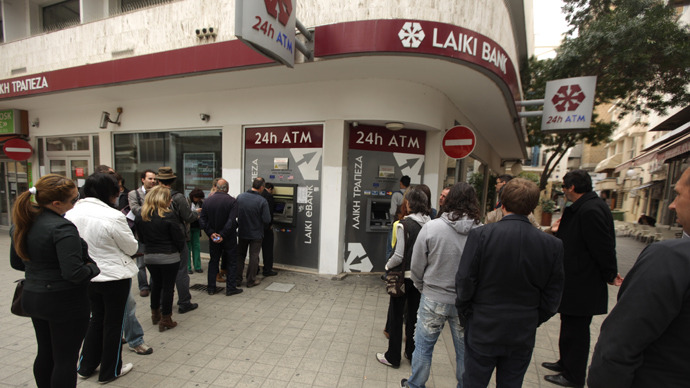
Cyprus Experienced Banking Crisis In Early 2013
When considering the acceptance of a new corporate client, banks often examine the exposure to risk that the bank itself could suffer if the FX company falls upon bad times, or if the nature of its business is potentially damaging to the reputation of the bank.
Therefore, according to information provided to Forex Magnates sources, the disinclination to accept Cyprus FX firms is becoming ever present among European banks located within the area covered by the MiFID rulings, when approached by companies wanting to place client funds with such banks.
He continued to explain that, "This is particularly prevalent in Cyprus, and widespread. On the Prime Brokerage side of things it is happening industry-wide and internationally. Banks are really raising capital requirements and I have seen some pull out all together. I just think the risk of taking on a broker with less than a few million in net capital is much higher than their potential revenue."
"The banks are just getting fed up with being associated with some of the recent turbulence of brokers in that region blowing up and leaving customers high and dry. All of my contacts inside of the major banks have told me they are really tightening their belts on KYC procedures and requirements. I still think Cyprus is a good spot to be, but a few bad apples have made it tougher on the rest," concluded our source.
Opinions among further FX industry participants as to why banks are taking this approach vary. A senior manager at an institutional FX firm based in London explained to Forex Magnates today that he has become aware that both new and established Cyprus brokers are facing increasing difficulties in opening a bank account for the purposes of holding client assets, and that many prospective clients are experiencing inability to open accounts in which to hold client money with any bank at all.
This particular source further stated that his opinion is that, “This is purely a bank risk management aspect rather than a Cyprus government or regulatory stipulation.”
This further shows that despite MiFID rulings creating a Europe-wide environment for FX firms to offer services without having to gain licenses from each individual EU member state, institutions and regulatory authorities in other regions still retain their individual ability to carry out due diligence and decline business if they see fit to do so.
This bureaucratic technicality became a subject of discussion on the Forex Magnates Meet The Experts forum last week, insofar as that a broker with a CySec license does not necessarily have the automatic right to operate in, for example, the UK as the Financial Conduct Authority is well within its remit to deny passporting via MiFID at its discretion.
Can A Future Be Banked On?
Stelios Platis, Chairman of the Association of Cyprus Investment Firms, considers this to be a challenge faced internationally as well as in Cyprus: “There appears to be a general global trend in this direction for FX and binary options brokers in general. This is not necessarily Cyprus-related.”
“However, given that Cyprus has probably the largest relative concentration of such firms, it is more noticed here. This is also more pronounced due to the fact that Cyprus banks are not particularly attractive for brokers these days, and thus the search for other banks is more apparent,” explained Dr. Platis.
A HSBC UK representative made it clear to Forex Magnates today that in the case of that particular bank, no FX company at all would be able to gain an account, regardless of its region of origin: “FX is an area in which we would not offer any services to any company, particularly if it involved the handling of third party funds,” explained the representative.
Whether this is part of the company's corporate policy, in order not to appear to be discriminating among companies within the European Union, is perhaps a moot point.
Where Next?
It is hard to pre-empt where FX firms affected by this will look in order to continue their business with a banking partner which will demonstrate corporate synergy with the populous FX sector in Cyprus.
Back in April this year, in the calm which very quickly materialized after the banking crisis, firms which no longer wished to retain their funds in domestic banking sector began looking toward Eastern European banks.
Danielle Lebhar, at the time holding the position of VP of Sales and Marketing at NetPay, explained to Forex Magnates subsequent to the banking crisis in Cyprus that the vast majority of NetPay’s clients were opting to have their client deposit funds transmitted to non-Eurozone countries such as Latvia and Romania. Subsequent to opening a new account away from Cyprus, a number of FX companies had asked their payment processing providers to route the funds to these accounts when a client makes a deposit via the company’s website, ensuring that no further money is deposited in Cyprus.
The question is, was the move in that direction at the time the result of the aftermath of the Cyprus banking crisis, or was it due to the beginning of Cyprus receiving a stonewalling from banks in Western Europe?
Sources in the institutional FX industry have revealed to Forex Magnates that a trend is developing, in which banks outside Cyprus are becoming reluctant to open commercial bank accounts for Cyprus-based FX brokers in which to hold client funds, despite the capital adequacy requirements and compliance matters being adhered to by the FX firm making the application for the account.
In researching this further, Forex Magnates discovered from an independent service provider with connections to retail FX participants in Cyprus, that his firm had been notified by a number of Cyprus-based FX firms of an increasing difficulty in opening corporate bank accounts for Cypriot FX businesses to deposit client assets.
This particular source, who requested anonymity, explained to Forex Magnates today that, “Cyprus is tainted and the banks don't want their business. It is strange that there is a total lack of ability to set up accounts within European banks though, since Cyprus is supposed to be MiFID and European.”
Forex Magnates contacted a series of FX brokers in Cyprus, as well as institutional firms and providers in order to gain their perspective and ascertain how their business model could be adapted to mitigate the effect of this.
When asked to elaborate on this matter, the large majority of Cyprus-based firms declined to comment, however one particular senior executive explained that he believes that it is more difficult for Cyprus-based firms to get non-Cyprus bank accounts, and that in his opinion this is not related to Cyprus banks trying to keep the money in Cyprus, but rather related to non-Cyprus banks being more cautious with Cyprus clients.
Reluctance Among Banks
Cyprus Experienced Banking Crisis In Early 2013
When considering the acceptance of a new corporate client, banks often examine the exposure to risk that the bank itself could suffer if the FX company falls upon bad times, or if the nature of its business is potentially damaging to the reputation of the bank.
Therefore, according to information provided to Forex Magnates sources, the disinclination to accept Cyprus FX firms is becoming ever present among European banks located within the area covered by the MiFID rulings, when approached by companies wanting to place client funds with such banks.
He continued to explain that, "This is particularly prevalent in Cyprus, and widespread. On the Prime Brokerage side of things it is happening industry-wide and internationally. Banks are really raising capital requirements and I have seen some pull out all together. I just think the risk of taking on a broker with less than a few million in net capital is much higher than their potential revenue."
"The banks are just getting fed up with being associated with some of the recent turbulence of brokers in that region blowing up and leaving customers high and dry. All of my contacts inside of the major banks have told me they are really tightening their belts on KYC procedures and requirements. I still think Cyprus is a good spot to be, but a few bad apples have made it tougher on the rest," concluded our source.
Opinions among further FX industry participants as to why banks are taking this approach vary. A senior manager at an institutional FX firm based in London explained to Forex Magnates today that he has become aware that both new and established Cyprus brokers are facing increasing difficulties in opening a bank account for the purposes of holding client assets, and that many prospective clients are experiencing inability to open accounts in which to hold client money with any bank at all.
This particular source further stated that his opinion is that, “This is purely a bank risk management aspect rather than a Cyprus government or regulatory stipulation.”
This further shows that despite MiFID rulings creating a Europe-wide environment for FX firms to offer services without having to gain licenses from each individual EU member state, institutions and regulatory authorities in other regions still retain their individual ability to carry out due diligence and decline business if they see fit to do so.
This bureaucratic technicality became a subject of discussion on the Forex Magnates Meet The Experts forum last week, insofar as that a broker with a CySec license does not necessarily have the automatic right to operate in, for example, the UK as the Financial Conduct Authority is well within its remit to deny passporting via MiFID at its discretion.
Can A Future Be Banked On?
Stelios Platis, Chairman of the Association of Cyprus Investment Firms, considers this to be a challenge faced internationally as well as in Cyprus: “There appears to be a general global trend in this direction for FX and binary options brokers in general. This is not necessarily Cyprus-related.”
“However, given that Cyprus has probably the largest relative concentration of such firms, it is more noticed here. This is also more pronounced due to the fact that Cyprus banks are not particularly attractive for brokers these days, and thus the search for other banks is more apparent,” explained Dr. Platis.
A HSBC UK representative made it clear to Forex Magnates today that in the case of that particular bank, no FX company at all would be able to gain an account, regardless of its region of origin: “FX is an area in which we would not offer any services to any company, particularly if it involved the handling of third party funds,” explained the representative.
Whether this is part of the company's corporate policy, in order not to appear to be discriminating among companies within the European Union, is perhaps a moot point.
Where Next?
It is hard to pre-empt where FX firms affected by this will look in order to continue their business with a banking partner which will demonstrate corporate synergy with the populous FX sector in Cyprus.
Back in April this year, in the calm which very quickly materialized after the banking crisis, firms which no longer wished to retain their funds in domestic banking sector began looking toward Eastern European banks.
Danielle Lebhar, at the time holding the position of VP of Sales and Marketing at NetPay, explained to Forex Magnates subsequent to the banking crisis in Cyprus that the vast majority of NetPay’s clients were opting to have their client deposit funds transmitted to non-Eurozone countries such as Latvia and Romania. Subsequent to opening a new account away from Cyprus, a number of FX companies had asked their payment processing providers to route the funds to these accounts when a client makes a deposit via the company’s website, ensuring that no further money is deposited in Cyprus.
The question is, was the move in that direction at the time the result of the aftermath of the Cyprus banking crisis, or was it due to the beginning of Cyprus receiving a stonewalling from banks in Western Europe?
FXCM’s UK Arm Lost $2.2 Million in 2025 Ahead of Sale to Trade Nation
Featured Videos
FXCM UK Holds $110m in Client Money; IG CEO Questions Prediction Market Volumes
FXCM UK Holds $110m in Client Money; IG CEO Questions Prediction Market Volumes
FXCM UK Holds $110m in Client Money; IG CEO Questions Prediction Market Volumes
FXCM UK Holds $110m in Client Money; IG CEO Questions Prediction Market Volumes
Today’s financial news recap covers FXCM's UK arm holds $110 million in client money ahead of its sale to Trade Nation, Citadel Securities' UK profit falls 38 per cent, and Kraken secures its final Dubai crypto licence.
Finance Magnates Daily Recap brings you the latest news from forex and CFD brokers, fintech, payments, cryptocurrency, digital assets, trading platforms, financial regulation and global markets.
Get the key company news, executive moves, deals, regulatory updates and market developments of the day, in just a few minutes. New episodes published every weekday.
Read more: https://www.financemagnates.com
#FinanceMagnates #ForexNews #FintechNews
Today’s financial news recap covers FXCM's UK arm holds $110 million in client money ahead of its sale to Trade Nation, Citadel Securities' UK profit falls 38 per cent, and Kraken secures its final Dubai crypto licence.
Finance Magnates Daily Recap brings you the latest news from forex and CFD brokers, fintech, payments, cryptocurrency, digital assets, trading platforms, financial regulation and global markets.
Get the key company news, executive moves, deals, regulatory updates and market developments of the day, in just a few minutes. New episodes published every weekday.
Read more: https://www.financemagnates.com
#FinanceMagnates #ForexNews #FintechNews
Today’s financial news recap covers FXCM's UK arm holds $110 million in client money ahead of its sale to Trade Nation, Citadel Securities' UK profit falls 38 per cent, and Kraken secures its final Dubai crypto licence.
Finance Magnates Daily Recap brings you the latest news from forex and CFD brokers, fintech, payments, cryptocurrency, digital assets, trading platforms, financial regulation and global markets.
Get the key company news, executive moves, deals, regulatory updates and market developments of the day, in just a few minutes. New episodes published every weekday.
Read more: https://www.financemagnates.com
#FinanceMagnates #ForexNews #FintechNews
Today’s financial news recap covers FXCM's UK arm holds $110 million in client money ahead of its sale to Trade Nation, Citadel Securities' UK profit falls 38 per cent, and Kraken secures its final Dubai crypto licence.
Finance Magnates Daily Recap brings you the latest news from forex and CFD brokers, fintech, payments, cryptocurrency, digital assets, trading platforms, financial regulation and global markets.
Get the key company news, executive moves, deals, regulatory updates and market developments of the day, in just a few minutes. New episodes published every weekday.
Read more: https://www.financemagnates.com
#FinanceMagnates #ForexNews #FintechNews
Today’s financial news recap covers AvaTrade agrees to acquire most of FXCM, NAGA secures eight million dollars in new financing, and Wise seeks a tax settlement in the UK.
Finance Magnates Daily Recap brings you the latest news from forex and CFD brokers, fintech, payments, cryptocurrency, digital assets, trading platforms, financial regulation and global markets.
Get the key company news, executive moves, deals, regulatory updates and market developments of the day, in just a few minutes. New episodes published every weekday.
Read more: https://www.financemagnates.com
#FinanceMagnates #ForexNews #FintechNews
Today’s financial news recap covers AvaTrade agrees to acquire most of FXCM, NAGA secures eight million dollars in new financing, and Wise seeks a tax settlement in the UK.
Finance Magnates Daily Recap brings you the latest news from forex and CFD brokers, fintech, payments, cryptocurrency, digital assets, trading platforms, financial regulation and global markets.
Get the key company news, executive moves, deals, regulatory updates and market developments of the day, in just a few minutes. New episodes published every weekday.
Read more: https://www.financemagnates.com
#FinanceMagnates #ForexNews #FintechNews
Today’s financial news recap covers AvaTrade agrees to acquire most of FXCM, NAGA secures eight million dollars in new financing, and Wise seeks a tax settlement in the UK.
Finance Magnates Daily Recap brings you the latest news from forex and CFD brokers, fintech, payments, cryptocurrency, digital assets, trading platforms, financial regulation and global markets.
Get the key company news, executive moves, deals, regulatory updates and market developments of the day, in just a few minutes. New episodes published every weekday.
Read more: https://www.financemagnates.com
#FinanceMagnates #ForexNews #FintechNews
Today’s financial news recap covers AvaTrade agrees to acquire most of FXCM, NAGA secures eight million dollars in new financing, and Wise seeks a tax settlement in the UK.
Finance Magnates Daily Recap brings you the latest news from forex and CFD brokers, fintech, payments, cryptocurrency, digital assets, trading platforms, financial regulation and global markets.
Get the key company news, executive moves, deals, regulatory updates and market developments of the day, in just a few minutes. New episodes published every weekday.
Read more: https://www.financemagnates.com
#FinanceMagnates #ForexNews #FintechNews
Today’s financial news recap covers AvaTrade agrees to acquire most of FXCM, NAGA secures eight million dollars in new financing, and Wise seeks a tax settlement in the UK.
Finance Magnates Daily Recap brings you the latest news from forex and CFD brokers, fintech, payments, cryptocurrency, digital assets, trading platforms, financial regulation and global markets.
Get the key company news, executive moves, deals, regulatory updates and market developments of the day, in just a few minutes. New episodes published every weekday.
Read more: https://www.financemagnates.com
#FinanceMagnates #ForexNews #FintechNews
Today’s financial news recap covers AvaTrade agrees to acquire most of FXCM, NAGA secures eight million dollars in new financing, and Wise seeks a tax settlement in the UK.
Finance Magnates Daily Recap brings you the latest news from forex and CFD brokers, fintech, payments, cryptocurrency, digital assets, trading platforms, financial regulation and global markets.
Get the key company news, executive moves, deals, regulatory updates and market developments of the day, in just a few minutes. New episodes published every weekday.
Read more: https://www.financemagnates.com
#FinanceMagnates #ForexNews #FintechNews
XTB Adds Overnight US Stock Trading; Nasdaq Ventures Invests in One Trading
XTB Adds Overnight US Stock Trading; Nasdaq Ventures Invests in One Trading
XTB Adds Overnight US Stock Trading; Nasdaq Ventures Invests in One Trading
XTB Adds Overnight US Stock Trading; Nasdaq Ventures Invests in One Trading
XTB Adds Overnight US Stock Trading; Nasdaq Ventures Invests in One Trading
XTB Adds Overnight US Stock Trading; Nasdaq Ventures Invests in One Trading
Today’s financial news recap covers XTB expands overnight US stock trading, Fortrade reports higher revenue, Nasdaq backs One Trading, and Vest Labs raises 13 million dollars.
Finance Magnates Daily Recap brings you the latest news from forex and CFD brokers, fintech, payments, cryptocurrency, digital assets, trading platforms, financial regulation and global markets.
Get the key company news, executive moves, deals, regulatory updates and market developments of the day, in just a few minutes. New episodes published every weekday.
Read more: https://www.financemagnates.com
#FinanceMagnates #ForexNews #FintechNews
Today’s financial news recap covers XTB expands overnight US stock trading, Fortrade reports higher revenue, Nasdaq backs One Trading, and Vest Labs raises 13 million dollars.
Finance Magnates Daily Recap brings you the latest news from forex and CFD brokers, fintech, payments, cryptocurrency, digital assets, trading platforms, financial regulation and global markets.
Get the key company news, executive moves, deals, regulatory updates and market developments of the day, in just a few minutes. New episodes published every weekday.
Read more: https://www.financemagnates.com
#FinanceMagnates #ForexNews #FintechNews
Today’s financial news recap covers XTB expands overnight US stock trading, Fortrade reports higher revenue, Nasdaq backs One Trading, and Vest Labs raises 13 million dollars.
Finance Magnates Daily Recap brings you the latest news from forex and CFD brokers, fintech, payments, cryptocurrency, digital assets, trading platforms, financial regulation and global markets.
Get the key company news, executive moves, deals, regulatory updates and market developments of the day, in just a few minutes. New episodes published every weekday.
Read more: https://www.financemagnates.com
#FinanceMagnates #ForexNews #FintechNews
Today’s financial news recap covers XTB expands overnight US stock trading, Fortrade reports higher revenue, Nasdaq backs One Trading, and Vest Labs raises 13 million dollars.
Finance Magnates Daily Recap brings you the latest news from forex and CFD brokers, fintech, payments, cryptocurrency, digital assets, trading platforms, financial regulation and global markets.
Get the key company news, executive moves, deals, regulatory updates and market developments of the day, in just a few minutes. New episodes published every weekday.
Read more: https://www.financemagnates.com
#FinanceMagnates #ForexNews #FintechNews
Today’s financial news recap covers XTB expands overnight US stock trading, Fortrade reports higher revenue, Nasdaq backs One Trading, and Vest Labs raises 13 million dollars.
Finance Magnates Daily Recap brings you the latest news from forex and CFD brokers, fintech, payments, cryptocurrency, digital assets, trading platforms, financial regulation and global markets.
Get the key company news, executive moves, deals, regulatory updates and market developments of the day, in just a few minutes. New episodes published every weekday.
Read more: https://www.financemagnates.com
#FinanceMagnates #ForexNews #FintechNews
Today’s financial news recap covers XTB expands overnight US stock trading, Fortrade reports higher revenue, Nasdaq backs One Trading, and Vest Labs raises 13 million dollars.
Finance Magnates Daily Recap brings you the latest news from forex and CFD brokers, fintech, payments, cryptocurrency, digital assets, trading platforms, financial regulation and global markets.
Get the key company news, executive moves, deals, regulatory updates and market developments of the day, in just a few minutes. New episodes published every weekday.
Read more: https://www.financemagnates.com
#FinanceMagnates #ForexNews #FintechNews
CMC Founder Downplays Volatility Hit; Devexperts Names CEO
CMC Founder Downplays Volatility Hit; Devexperts Names CEO
CMC Founder Downplays Volatility Hit; Devexperts Names CEO
CMC Founder Downplays Volatility Hit; Devexperts Names CEO
CMC Founder Downplays Volatility Hit; Devexperts Names CEO
CMC Founder Downplays Volatility Hit; Devexperts Names CEO
Today’s financial news recap covers low volatility pressures brokers, Devexperts names a new CEO, Saxo cuts onboarding time, and OKX reaches a 25 billion dollar valuation.
Finance Magnates Daily Recap brings you the latest news from forex and CFD brokers, fintech, payments, cryptocurrency, digital assets, trading platforms, financial regulation and global markets.
Get the key company news, executive moves, deals, regulatory updates and market developments of the day, in just a few minutes. New episodes published every weekday.
Read more: https://www.financemagnates.com
#FinanceMagnates #ForexNews #FintechNews
Today’s financial news recap covers low volatility pressures brokers, Devexperts names a new CEO, Saxo cuts onboarding time, and OKX reaches a 25 billion dollar valuation.
Finance Magnates Daily Recap brings you the latest news from forex and CFD brokers, fintech, payments, cryptocurrency, digital assets, trading platforms, financial regulation and global markets.
Get the key company news, executive moves, deals, regulatory updates and market developments of the day, in just a few minutes. New episodes published every weekday.
Read more: https://www.financemagnates.com
#FinanceMagnates #ForexNews #FintechNews
Today’s financial news recap covers low volatility pressures brokers, Devexperts names a new CEO, Saxo cuts onboarding time, and OKX reaches a 25 billion dollar valuation.
Finance Magnates Daily Recap brings you the latest news from forex and CFD brokers, fintech, payments, cryptocurrency, digital assets, trading platforms, financial regulation and global markets.
Get the key company news, executive moves, deals, regulatory updates and market developments of the day, in just a few minutes. New episodes published every weekday.
Read more: https://www.financemagnates.com
#FinanceMagnates #ForexNews #FintechNews
Today’s financial news recap covers low volatility pressures brokers, Devexperts names a new CEO, Saxo cuts onboarding time, and OKX reaches a 25 billion dollar valuation.
Finance Magnates Daily Recap brings you the latest news from forex and CFD brokers, fintech, payments, cryptocurrency, digital assets, trading platforms, financial regulation and global markets.
Get the key company news, executive moves, deals, regulatory updates and market developments of the day, in just a few minutes. New episodes published every weekday.
Read more: https://www.financemagnates.com
#FinanceMagnates #ForexNews #FintechNews
Today’s financial news recap covers low volatility pressures brokers, Devexperts names a new CEO, Saxo cuts onboarding time, and OKX reaches a 25 billion dollar valuation.
Finance Magnates Daily Recap brings you the latest news from forex and CFD brokers, fintech, payments, cryptocurrency, digital assets, trading platforms, financial regulation and global markets.
Get the key company news, executive moves, deals, regulatory updates and market developments of the day, in just a few minutes. New episodes published every weekday.
Read more: https://www.financemagnates.com
#FinanceMagnates #ForexNews #FintechNews
Today’s financial news recap covers low volatility pressures brokers, Devexperts names a new CEO, Saxo cuts onboarding time, and OKX reaches a 25 billion dollar valuation.
Finance Magnates Daily Recap brings you the latest news from forex and CFD brokers, fintech, payments, cryptocurrency, digital assets, trading platforms, financial regulation and global markets.
Get the key company news, executive moves, deals, regulatory updates and market developments of the day, in just a few minutes. New episodes published every weekday.
Read more: https://www.financemagnates.com
#FinanceMagnates #ForexNews #FintechNews
Today’s financial news recap covers Trade Nation buys FXCM's UK client book, Trading 212 reports higher revenue, the CFTC's move to allow perpetual index futures.
Finance Magnates Daily Recap brings you the latest news from forex and CFD brokers, fintech, payments, cryptocurrency, digital assets, trading platforms, financial regulation and global markets.
Get the key company news, executive moves, deals, regulatory updates and market developments of the day, in just a few minutes. New episodes published every weekday.
Read more: https://www.financemagnates.com
#FinanceMagnates #ForexNews #FintechNews
Today’s financial news recap covers Trade Nation buys FXCM's UK client book, Trading 212 reports higher revenue, the CFTC's move to allow perpetual index futures.
Finance Magnates Daily Recap brings you the latest news from forex and CFD brokers, fintech, payments, cryptocurrency, digital assets, trading platforms, financial regulation and global markets.
Get the key company news, executive moves, deals, regulatory updates and market developments of the day, in just a few minutes. New episodes published every weekday.
Read more: https://www.financemagnates.com
#FinanceMagnates #ForexNews #FintechNews
Today’s financial news recap covers Trade Nation buys FXCM's UK client book, Trading 212 reports higher revenue, the CFTC's move to allow perpetual index futures.
Finance Magnates Daily Recap brings you the latest news from forex and CFD brokers, fintech, payments, cryptocurrency, digital assets, trading platforms, financial regulation and global markets.
Get the key company news, executive moves, deals, regulatory updates and market developments of the day, in just a few minutes. New episodes published every weekday.
Read more: https://www.financemagnates.com
#FinanceMagnates #ForexNews #FintechNews
Today’s financial news recap covers Trade Nation buys FXCM's UK client book, Trading 212 reports higher revenue, the CFTC's move to allow perpetual index futures.
Finance Magnates Daily Recap brings you the latest news from forex and CFD brokers, fintech, payments, cryptocurrency, digital assets, trading platforms, financial regulation and global markets.
Get the key company news, executive moves, deals, regulatory updates and market developments of the day, in just a few minutes. New episodes published every weekday.
Read more: https://www.financemagnates.com
#FinanceMagnates #ForexNews #FintechNews
Today’s financial news recap covers Trade Nation buys FXCM's UK client book, Trading 212 reports higher revenue, the CFTC's move to allow perpetual index futures.
Finance Magnates Daily Recap brings you the latest news from forex and CFD brokers, fintech, payments, cryptocurrency, digital assets, trading platforms, financial regulation and global markets.
Get the key company news, executive moves, deals, regulatory updates and market developments of the day, in just a few minutes. New episodes published every weekday.
Read more: https://www.financemagnates.com
#FinanceMagnates #ForexNews #FintechNews
Today’s financial news recap covers Trade Nation buys FXCM's UK client book, Trading 212 reports higher revenue, the CFTC's move to allow perpetual index futures.
Finance Magnates Daily Recap brings you the latest news from forex and CFD brokers, fintech, payments, cryptocurrency, digital assets, trading platforms, financial regulation and global markets.
Get the key company news, executive moves, deals, regulatory updates and market developments of the day, in just a few minutes. New episodes published every weekday.
Read more: https://www.financemagnates.com
#FinanceMagnates #ForexNews #FintechNews