>
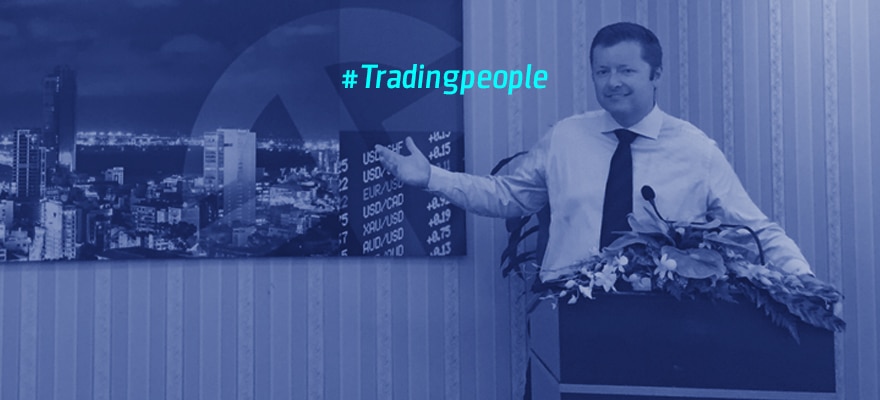
Trading Is Made by People. This Is Who They Are - Mr. Brendan Callan
Trading Is Made by People. This Is Who They Are - Mr. Brendan Callan
Saturday,26/09/2015|09:00GMTby
Leah Grantz
A new series of in-depth interviews with key industry players, giving an insight into the personalities that make up our industry
Dear Readers,
I'd like to welcome you to the launch of our new series that'll introduce someone from our industry once a week. Every weekend we will have a chance to learn more about key industry players and discover what motivates them and gain insight into their personality.
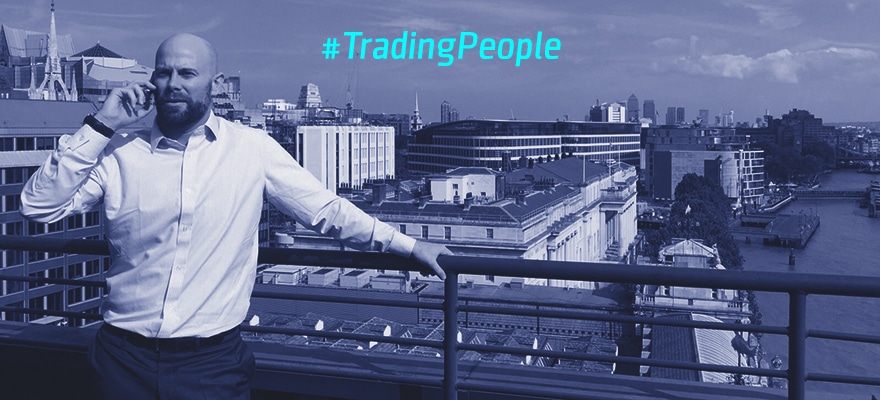
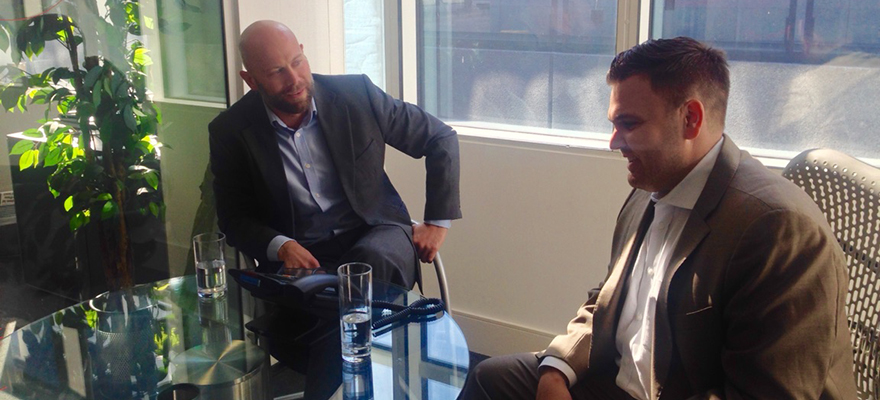
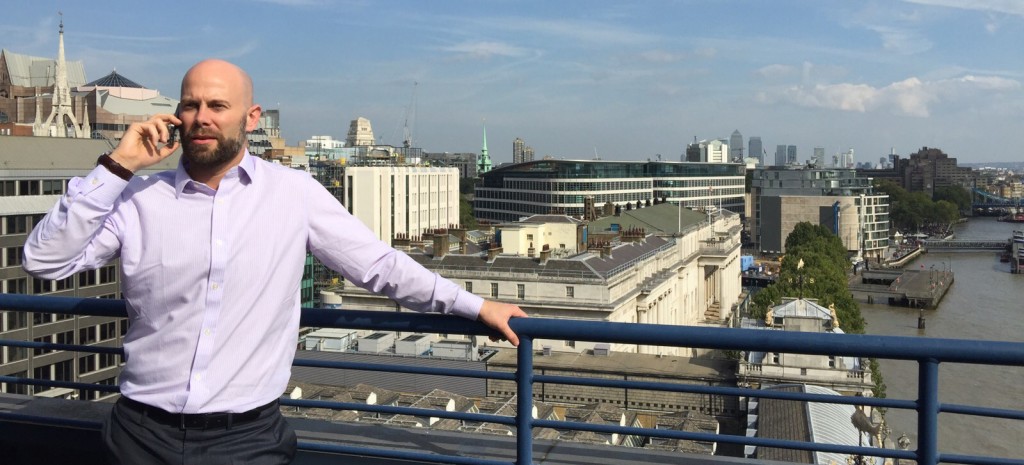
The kickoff couldn't be more ideal than introducing someone who needs no intro: Mr. Brendan Callan, CEO - FXCM Europe. He also writes for Finance Magnates, so take a look at one of his articles here.
If you want to be a part of our new series, feel free to contact me directly.
Enjoy the new addition to Finance Magnates and don't forget to leave a comment after the article (best if you create a Finance Magnates account and upload a picture, so we can see who is leaving a comment).
Sincerely,
Leah Grantz
Who are you and what do you do?
My name is Brendan Callan. I run the European business for FXCM which is one of the largest retail FX and CFD brokers in the world. I’ve been at the company for 14 years now and I moved to London 5 years ago to take up my current post.
Describe a typical work day.
In this business there aren’t a lot of ‘typical’ days. I’ve found that the more senior you become in an organization the more you essentially become a project manager. You actually do less and less of the work and instead focus on the orchestration of resources, addressing problems that arise. It’s exciting though.
We’ve got a lot of big initiatives underway at FXCM so much of my day is taken up with ushering those projects along. FXCM is moving a lot of our commodity and index CFD business to an STP model, which allows us to offer these products without any trading restrictions at all.
Clients can scalp news releases, place stops inside the spread, and use any automated system they want. We’re also rolling out share CFDs and an HTML5 platform that our clients will love. FXCM is also very active on the M&A front, so I spend a good amount of time on potential deals.
How is what you do important for the trading industry?
We also add fantastic research and education through dailyfx.com, and we have the best customer service in the industry.
What do you love about your work?
FXCM is obsessed with client feedback and I love that. We have a dozen offices around the world. Each one of those offices sends a report every single day that goes out to all senior managers at the company. We track what clients are calling in and asking about, what complaints they may have, what requests they have.
We also have staff members that scour all of the industry forums to read what traders are discussing and wanting to get out of their online brokers. We track all this information religiously and we implement it into our platform releases and customer service. One-click trading, back-testing and automation, and the Speculative Sentiment Index all came from our client’s feedback.
I know this job will never get dull because clients will keep the requests coming in which gives us plenty of work to do.
What is the quintessential experience of working in the trading industry?
FX is clearly a very international business. We have offices all over and clients in just about every country. Europeans, more than Americans, like doing business in person instead of over the phone so I’ve been able to travel quite a bit throughout Europe which has been amazing.
This is also a friendly industry overall. We see people from our London-based competitors all the time, whether it’s at an industry event, at the pub, or even in the lobby of a potential client. As competitive as we all are, there isn’t any animosity or ruthless attitude between us. That’s a good thing.
How old were you when you had your first paying job?
I was 13 when I got my first job. I worked on a farm about half a mile from my house. I spent a good part of my summers and weekends picking cabbage, hay, and rocks out of acres of farm land in western New York. Can’t say I’d want to go back to doing that again. It is a good job to have as kid though because after that you’ll never complain about a desk job being hard.
Who do you admire?
My parents will always be the highest names on that list. They are still the people I look up to most. They just celebrated their 42nd wedding anniversary which is amazing in and of itself. Besides them, Winston Churchill, John Wooden, and Martin Luther King are three people I never get tired of reading about.
Please share an anecdote that is unique to our industry.
I don’t know if this qualifies as an anecdote, but I started out in FX in 2001 just after the euro had fully replaced the local currencies. It was moving around pretty aggressively trying to find its rightful value. Pretty soon after that, the BOJ started an active interventionist policy and were coming in and swinging the market wildly. It was a really exciting stretch for the FX and I was hooked. This is the only truly 24 hour market and there is always something happening.
What advice would you like to share here that has been important to you?
If I’m giving advice to a trader it would be not to add to losing positions. We have about 200,000 clients at FXCM and I’ve never seen a martingale strategy work out for the client. They always end in margin calls. If the advice is more general, I’ll steal a quote from Maya Angelou: “If you don't like something, change it. If you can't change it, change your attitude. Don't complain.”
If you feel like you should be portrayed in our series, please contact me directly.
I'd like to welcome you to the launch of our new series that'll introduce someone from our industry once a week. Every weekend we will have a chance to learn more about key industry players and discover what motivates them and gain insight into their personality.
The kickoff couldn't be more ideal than introducing someone who needs no intro: Mr. Brendan Callan, CEO - FXCM Europe. He also writes for Finance Magnates, so take a look at one of his articles here.
If you want to be a part of our new series, feel free to contact me directly.
Enjoy the new addition to Finance Magnates and don't forget to leave a comment after the article (best if you create a Finance Magnates account and upload a picture, so we can see who is leaving a comment).
Sincerely,
Leah Grantz
Who are you and what do you do?
My name is Brendan Callan. I run the European business for FXCM which is one of the largest retail FX and CFD brokers in the world. I’ve been at the company for 14 years now and I moved to London 5 years ago to take up my current post.
Describe a typical work day.
In this business there aren’t a lot of ‘typical’ days. I’ve found that the more senior you become in an organization the more you essentially become a project manager. You actually do less and less of the work and instead focus on the orchestration of resources, addressing problems that arise. It’s exciting though.
We’ve got a lot of big initiatives underway at FXCM so much of my day is taken up with ushering those projects along. FXCM is moving a lot of our commodity and index CFD business to an STP model, which allows us to offer these products without any trading restrictions at all.
Clients can scalp news releases, place stops inside the spread, and use any automated system they want. We’re also rolling out share CFDs and an HTML5 platform that our clients will love. FXCM is also very active on the M&A front, so I spend a good amount of time on potential deals.
How is what you do important for the trading industry?
We also add fantastic research and education through dailyfx.com, and we have the best customer service in the industry.
What do you love about your work?
FXCM is obsessed with client feedback and I love that. We have a dozen offices around the world. Each one of those offices sends a report every single day that goes out to all senior managers at the company. We track what clients are calling in and asking about, what complaints they may have, what requests they have.
We also have staff members that scour all of the industry forums to read what traders are discussing and wanting to get out of their online brokers. We track all this information religiously and we implement it into our platform releases and customer service. One-click trading, back-testing and automation, and the Speculative Sentiment Index all came from our client’s feedback.
I know this job will never get dull because clients will keep the requests coming in which gives us plenty of work to do.
What is the quintessential experience of working in the trading industry?
FX is clearly a very international business. We have offices all over and clients in just about every country. Europeans, more than Americans, like doing business in person instead of over the phone so I’ve been able to travel quite a bit throughout Europe which has been amazing.
This is also a friendly industry overall. We see people from our London-based competitors all the time, whether it’s at an industry event, at the pub, or even in the lobby of a potential client. As competitive as we all are, there isn’t any animosity or ruthless attitude between us. That’s a good thing.
How old were you when you had your first paying job?
I was 13 when I got my first job. I worked on a farm about half a mile from my house. I spent a good part of my summers and weekends picking cabbage, hay, and rocks out of acres of farm land in western New York. Can’t say I’d want to go back to doing that again. It is a good job to have as kid though because after that you’ll never complain about a desk job being hard.
Who do you admire?
My parents will always be the highest names on that list. They are still the people I look up to most. They just celebrated their 42nd wedding anniversary which is amazing in and of itself. Besides them, Winston Churchill, John Wooden, and Martin Luther King are three people I never get tired of reading about.
Please share an anecdote that is unique to our industry.
I don’t know if this qualifies as an anecdote, but I started out in FX in 2001 just after the euro had fully replaced the local currencies. It was moving around pretty aggressively trying to find its rightful value. Pretty soon after that, the BOJ started an active interventionist policy and were coming in and swinging the market wildly. It was a really exciting stretch for the FX and I was hooked. This is the only truly 24 hour market and there is always something happening.
What advice would you like to share here that has been important to you?
If I’m giving advice to a trader it would be not to add to losing positions. We have about 200,000 clients at FXCM and I’ve never seen a martingale strategy work out for the client. They always end in margin calls. If the advice is more general, I’ll steal a quote from Maya Angelou: “If you don't like something, change it. If you can't change it, change your attitude. Don't complain.”
If you feel like you should be portrayed in our series, please contact me directly.
My name is Leah Grantz and I am the UGC Editor at Finance Magnates - which basically means that I work with guest bloggers. If you want to become a guest blogger, contact me! UGC Editor & Community Manager
Cyprus Is the EU’s CFD Broker Hub, and Its Youth Are the Bloc’s Most Online
Featured Videos
FP Markets Winner Spotlight 🏆 | Global Broker of the Year 2025 #Trading #Broker #Innovation #Shorts
FP Markets Winner Spotlight 🏆 | Global Broker of the Year 2025 #Trading #Broker #Innovation #Shorts
FP Markets Winner Spotlight 🏆 | Global Broker of the Year 2025 #Trading #Broker #Innovation #Shorts
FP Markets Winner Spotlight 🏆 | Global Broker of the Year 2025 #Trading #Broker #Innovation #Shorts
FP Markets takes the spotlight as Global Broker of the Year 2025 at the Finance Magnates Awards.
Martin Stoilov, Head of Client Experience, shares that trust, innovation, and people played a key role in the company’s success, supported by a strong foundation of integrity and client-centricity.
Following this milestone, FP Markets continues to focus on growth, technology investment, and its core values of transparency and excellence.
👉 Be part of FM Awards 2026: https://awards.financemagnates.com/#nominate
FP Markets takes the spotlight as Global Broker of the Year 2025 at the Finance Magnates Awards.
Martin Stoilov, Head of Client Experience, shares that trust, innovation, and people played a key role in the company’s success, supported by a strong foundation of integrity and client-centricity.
Following this milestone, FP Markets continues to focus on growth, technology investment, and its core values of transparency and excellence.
👉 Be part of FM Awards 2026: https://awards.financemagnates.com/#nominate
FP Markets takes the spotlight as Global Broker of the Year 2025 at the Finance Magnates Awards.
Martin Stoilov, Head of Client Experience, shares that trust, innovation, and people played a key role in the company’s success, supported by a strong foundation of integrity and client-centricity.
Following this milestone, FP Markets continues to focus on growth, technology investment, and its core values of transparency and excellence.
👉 Be part of FM Awards 2026: https://awards.financemagnates.com/#nominate
FP Markets takes the spotlight as Global Broker of the Year 2025 at the Finance Magnates Awards.
Martin Stoilov, Head of Client Experience, shares that trust, innovation, and people played a key role in the company’s success, supported by a strong foundation of integrity and client-centricity.
Following this milestone, FP Markets continues to focus on growth, technology investment, and its core values of transparency and excellence.
👉 Be part of FM Awards 2026: https://awards.financemagnates.com/#nominate
In this video, we review @HolaPrimeMarketsOfficial, a multi-asset forex and CFDs broker offering different account types, trading platforms, and flexible trading conditions.
We cover the broker’s overall offering, including account options, trading environment, platforms like MT4 and MT5, and additional services such as managed accounts and fast withdrawals.
Watch the full video to see if Hola Prime Markets fits your trading needs.
📣 Stay up to date with the latest in finance and trading. Follow Finance Magnates for industry news, insights, and global event coverage.
Connect with us:
🔗 LinkedIn: /financemagnates
👍 Facebook: /financemagnates
📸 Instagram: https://www.instagram.com/financemagnates
🐦 X: https://x.com/financemagnates
🎥 TikTok: https://www.tiktok.com/tag/financemagnates
▶️ YouTube: /@financemagnates_official
#HolaPrime #ForexBroker #CFDTrading #FinanceMagnates #Trading #Forex #BrokerReview
In this video, we review @HolaPrimeMarketsOfficial, a multi-asset forex and CFDs broker offering different account types, trading platforms, and flexible trading conditions.
We cover the broker’s overall offering, including account options, trading environment, platforms like MT4 and MT5, and additional services such as managed accounts and fast withdrawals.
Watch the full video to see if Hola Prime Markets fits your trading needs.
📣 Stay up to date with the latest in finance and trading. Follow Finance Magnates for industry news, insights, and global event coverage.
Connect with us:
🔗 LinkedIn: /financemagnates
👍 Facebook: /financemagnates
📸 Instagram: https://www.instagram.com/financemagnates
🐦 X: https://x.com/financemagnates
🎥 TikTok: https://www.tiktok.com/tag/financemagnates
▶️ YouTube: /@financemagnates_official
#HolaPrime #ForexBroker #CFDTrading #FinanceMagnates #Trading #Forex #BrokerReview
In this video, we review @HolaPrimeMarketsOfficial, a multi-asset forex and CFDs broker offering different account types, trading platforms, and flexible trading conditions.
We cover the broker’s overall offering, including account options, trading environment, platforms like MT4 and MT5, and additional services such as managed accounts and fast withdrawals.
Watch the full video to see if Hola Prime Markets fits your trading needs.
📣 Stay up to date with the latest in finance and trading. Follow Finance Magnates for industry news, insights, and global event coverage.
Connect with us:
🔗 LinkedIn: /financemagnates
👍 Facebook: /financemagnates
📸 Instagram: https://www.instagram.com/financemagnates
🐦 X: https://x.com/financemagnates
🎥 TikTok: https://www.tiktok.com/tag/financemagnates
▶️ YouTube: /@financemagnates_official
#HolaPrime #ForexBroker #CFDTrading #FinanceMagnates #Trading #Forex #BrokerReview
In this video, we review @HolaPrimeMarketsOfficial, a multi-asset forex and CFDs broker offering different account types, trading platforms, and flexible trading conditions.
We cover the broker’s overall offering, including account options, trading environment, platforms like MT4 and MT5, and additional services such as managed accounts and fast withdrawals.
Watch the full video to see if Hola Prime Markets fits your trading needs.
📣 Stay up to date with the latest in finance and trading. Follow Finance Magnates for industry news, insights, and global event coverage.
Connect with us:
🔗 LinkedIn: /financemagnates
👍 Facebook: /financemagnates
📸 Instagram: https://www.instagram.com/financemagnates
🐦 X: https://x.com/financemagnates
🎥 TikTok: https://www.tiktok.com/tag/financemagnates
▶️ YouTube: /@financemagnates_official
#HolaPrime #ForexBroker #CFDTrading #FinanceMagnates #Trading #Forex #BrokerReview
In this video, we review @HolaPrimeMarketsOfficial, a multi-asset forex and CFDs broker offering different account types, trading platforms, and flexible trading conditions.
We cover the broker’s overall offering, including account options, trading environment, platforms like MT4 and MT5, and additional services such as managed accounts and fast withdrawals.
Watch the full video to see if Hola Prime Markets fits your trading needs.
📣 Stay up to date with the latest in finance and trading. Follow Finance Magnates for industry news, insights, and global event coverage.
Connect with us:
🔗 LinkedIn: /financemagnates
👍 Facebook: /financemagnates
📸 Instagram: https://www.instagram.com/financemagnates
🐦 X: https://x.com/financemagnates
🎥 TikTok: https://www.tiktok.com/tag/financemagnates
▶️ YouTube: /@financemagnates_official
#HolaPrime #ForexBroker #CFDTrading #FinanceMagnates #Trading #Forex #BrokerReview
In this video, we review @HolaPrimeMarketsOfficial, a multi-asset forex and CFDs broker offering different account types, trading platforms, and flexible trading conditions.
We cover the broker’s overall offering, including account options, trading environment, platforms like MT4 and MT5, and additional services such as managed accounts and fast withdrawals.
Watch the full video to see if Hola Prime Markets fits your trading needs.
📣 Stay up to date with the latest in finance and trading. Follow Finance Magnates for industry news, insights, and global event coverage.
Connect with us:
🔗 LinkedIn: /financemagnates
👍 Facebook: /financemagnates
📸 Instagram: https://www.instagram.com/financemagnates
🐦 X: https://x.com/financemagnates
🎥 TikTok: https://www.tiktok.com/tag/financemagnates
▶️ YouTube: /@financemagnates_official
#HolaPrime #ForexBroker #CFDTrading #FinanceMagnates #Trading #Forex #BrokerReview
Hola Prime Review: What You Need to Know | Full Breakdown by Finance Magnates
Hola Prime Review: What You Need to Know | Full Breakdown by Finance Magnates
Hola Prime Review: What You Need to Know | Full Breakdown by Finance Magnates
Hola Prime Review: What You Need to Know | Full Breakdown by Finance Magnates
Hola Prime Review: What You Need to Know | Full Breakdown by Finance Magnates
Hola Prime Review: What You Need to Know | Full Breakdown by Finance Magnates
In this video, we review @HolaPrime_Global, a proprietary trading firm offering evaluation programs and performance-based payouts in simulated market environments.
We cover how the challenge model works, including account types, profit splits (up to 95%), trading rules, and what it takes to reach a funded account. You’ll also learn about available platforms like MT4, MT5, cTrader, and more, along with insights into payouts, support, and trading conditions.
Watch the full video to see if Hola Prime fits your trading style.
📣 Stay up to date with the latest in finance and trading. Follow Finance Magnates for industry news, insights, and global event coverage.
Connect with us:
🔗 LinkedIn: /financemagnates
👍 Facebook: /financemagnates
📸 Instagram: https://www.instagram.com/financemagnates
🐦 X: https://x.com/financemagnates
🎥 TikTok: https://www.tiktok.com/tag/financemagnates
▶️ YouTube: /@financemagnates_official
#HolaPrime #PropFirm #Trading #FinanceMagnates #Forex #FuturesTrading #TradingReview #PropFirmReview
In this video, we review @HolaPrime_Global, a proprietary trading firm offering evaluation programs and performance-based payouts in simulated market environments.
We cover how the challenge model works, including account types, profit splits (up to 95%), trading rules, and what it takes to reach a funded account. You’ll also learn about available platforms like MT4, MT5, cTrader, and more, along with insights into payouts, support, and trading conditions.
Watch the full video to see if Hola Prime fits your trading style.
📣 Stay up to date with the latest in finance and trading. Follow Finance Magnates for industry news, insights, and global event coverage.
Connect with us:
🔗 LinkedIn: /financemagnates
👍 Facebook: /financemagnates
📸 Instagram: https://www.instagram.com/financemagnates
🐦 X: https://x.com/financemagnates
🎥 TikTok: https://www.tiktok.com/tag/financemagnates
▶️ YouTube: /@financemagnates_official
#HolaPrime #PropFirm #Trading #FinanceMagnates #Forex #FuturesTrading #TradingReview #PropFirmReview
In this video, we review @HolaPrime_Global, a proprietary trading firm offering evaluation programs and performance-based payouts in simulated market environments.
We cover how the challenge model works, including account types, profit splits (up to 95%), trading rules, and what it takes to reach a funded account. You’ll also learn about available platforms like MT4, MT5, cTrader, and more, along with insights into payouts, support, and trading conditions.
Watch the full video to see if Hola Prime fits your trading style.
📣 Stay up to date with the latest in finance and trading. Follow Finance Magnates for industry news, insights, and global event coverage.
Connect with us:
🔗 LinkedIn: /financemagnates
👍 Facebook: /financemagnates
📸 Instagram: https://www.instagram.com/financemagnates
🐦 X: https://x.com/financemagnates
🎥 TikTok: https://www.tiktok.com/tag/financemagnates
▶️ YouTube: /@financemagnates_official
#HolaPrime #PropFirm #Trading #FinanceMagnates #Forex #FuturesTrading #TradingReview #PropFirmReview
In this video, we review @HolaPrime_Global, a proprietary trading firm offering evaluation programs and performance-based payouts in simulated market environments.
We cover how the challenge model works, including account types, profit splits (up to 95%), trading rules, and what it takes to reach a funded account. You’ll also learn about available platforms like MT4, MT5, cTrader, and more, along with insights into payouts, support, and trading conditions.
Watch the full video to see if Hola Prime fits your trading style.
📣 Stay up to date with the latest in finance and trading. Follow Finance Magnates for industry news, insights, and global event coverage.
Connect with us:
🔗 LinkedIn: /financemagnates
👍 Facebook: /financemagnates
📸 Instagram: https://www.instagram.com/financemagnates
🐦 X: https://x.com/financemagnates
🎥 TikTok: https://www.tiktok.com/tag/financemagnates
▶️ YouTube: /@financemagnates_official
#HolaPrime #PropFirm #Trading #FinanceMagnates #Forex #FuturesTrading #TradingReview #PropFirmReview
In this video, we review @HolaPrime_Global, a proprietary trading firm offering evaluation programs and performance-based payouts in simulated market environments.
We cover how the challenge model works, including account types, profit splits (up to 95%), trading rules, and what it takes to reach a funded account. You’ll also learn about available platforms like MT4, MT5, cTrader, and more, along with insights into payouts, support, and trading conditions.
Watch the full video to see if Hola Prime fits your trading style.
📣 Stay up to date with the latest in finance and trading. Follow Finance Magnates for industry news, insights, and global event coverage.
Connect with us:
🔗 LinkedIn: /financemagnates
👍 Facebook: /financemagnates
📸 Instagram: https://www.instagram.com/financemagnates
🐦 X: https://x.com/financemagnates
🎥 TikTok: https://www.tiktok.com/tag/financemagnates
▶️ YouTube: /@financemagnates_official
#HolaPrime #PropFirm #Trading #FinanceMagnates #Forex #FuturesTrading #TradingReview #PropFirmReview
In this video, we review @HolaPrime_Global, a proprietary trading firm offering evaluation programs and performance-based payouts in simulated market environments.
We cover how the challenge model works, including account types, profit splits (up to 95%), trading rules, and what it takes to reach a funded account. You’ll also learn about available platforms like MT4, MT5, cTrader, and more, along with insights into payouts, support, and trading conditions.
Watch the full video to see if Hola Prime fits your trading style.
📣 Stay up to date with the latest in finance and trading. Follow Finance Magnates for industry news, insights, and global event coverage.
Connect with us:
🔗 LinkedIn: /financemagnates
👍 Facebook: /financemagnates
📸 Instagram: https://www.instagram.com/financemagnates
🐦 X: https://x.com/financemagnates
🎥 TikTok: https://www.tiktok.com/tag/financemagnates
▶️ YouTube: /@financemagnates_official
#HolaPrime #PropFirm #Trading #FinanceMagnates #Forex #FuturesTrading #TradingReview #PropFirmReview
Axi Winner Spotlight 🏆 | Global Most Innovative Broker 2025 #Innovation #Trading #Fintech #Broker
Axi Winner Spotlight 🏆 | Global Most Innovative Broker 2025 #Innovation #Trading #Fintech #Broker
Axi Winner Spotlight 🏆 | Global Most Innovative Broker 2025 #Innovation #Trading #Fintech #Broker
Axi Winner Spotlight 🏆 | Global Most Innovative Broker 2025 #Innovation #Trading #Fintech #Broker
Axi Winner Spotlight 🏆 | Global Most Innovative Broker 2025 #Innovation #Trading #Fintech #Broker
Axi Winner Spotlight 🏆 | Global Most Innovative Broker 2025 #Innovation #Trading #Fintech #Broker
Axi takes the spotlight at the Finance Magnates Awards, winning Global Most Innovative Broker 2025.
Olivia Xenofontos and Ivanna Openko share how the team will feel: proud, motivated, and ready to keep delivering.
They also describe the night as well-organized, focused, and enjoyable for all.
👉 Be part of FM Awards 2026.
Axi takes the spotlight at the Finance Magnates Awards, winning Global Most Innovative Broker 2025.
Olivia Xenofontos and Ivanna Openko share how the team will feel: proud, motivated, and ready to keep delivering.
They also describe the night as well-organized, focused, and enjoyable for all.
👉 Be part of FM Awards 2026.
Axi takes the spotlight at the Finance Magnates Awards, winning Global Most Innovative Broker 2025.
Olivia Xenofontos and Ivanna Openko share how the team will feel: proud, motivated, and ready to keep delivering.
They also describe the night as well-organized, focused, and enjoyable for all.
👉 Be part of FM Awards 2026.
Axi takes the spotlight at the Finance Magnates Awards, winning Global Most Innovative Broker 2025.
Olivia Xenofontos and Ivanna Openko share how the team will feel: proud, motivated, and ready to keep delivering.
They also describe the night as well-organized, focused, and enjoyable for all.
👉 Be part of FM Awards 2026.
Axi takes the spotlight at the Finance Magnates Awards, winning Global Most Innovative Broker 2025.
Olivia Xenofontos and Ivanna Openko share how the team will feel: proud, motivated, and ready to keep delivering.
They also describe the night as well-organized, focused, and enjoyable for all.
👉 Be part of FM Awards 2026.
Axi takes the spotlight at the Finance Magnates Awards, winning Global Most Innovative Broker 2025.
Olivia Xenofontos and Ivanna Openko share how the team will feel: proud, motivated, and ready to keep delivering.
They also describe the night as well-organized, focused, and enjoyable for all.
👉 Be part of FM Awards 2026.
Recognition that matters.
Built on transparency.
Driven by the industry.
The Finance Magnates Awards 2026.
Nominations are now open.
🔗 https://awards.financemagnates.com/?utm_source=SM&utm_medium=social&utm_campaign=recognition-matters
Recognition that matters.
Built on transparency.
Driven by the industry.
The Finance Magnates Awards 2026.
Nominations are now open.
🔗 https://awards.financemagnates.com/?utm_source=SM&utm_medium=social&utm_campaign=recognition-matters
Recognition that matters.
Built on transparency.
Driven by the industry.
The Finance Magnates Awards 2026.
Nominations are now open.
🔗 https://awards.financemagnates.com/?utm_source=SM&utm_medium=social&utm_campaign=recognition-matters
Recognition that matters.
Built on transparency.
Driven by the industry.
The Finance Magnates Awards 2026.
Nominations are now open.
🔗 https://awards.financemagnates.com/?utm_source=SM&utm_medium=social&utm_campaign=recognition-matters
Recognition that matters.
Built on transparency.
Driven by the industry.
The Finance Magnates Awards 2026.
Nominations are now open.
🔗 https://awards.financemagnates.com/?utm_source=SM&utm_medium=social&utm_campaign=recognition-matters
Recognition that matters.
Built on transparency.
Driven by the industry.
The Finance Magnates Awards 2026.
Nominations are now open.
🔗 https://awards.financemagnates.com/?utm_source=SM&utm_medium=social&utm_campaign=recognition-matters