>
Inside the World of the Co-Creator of Juno Markets – Morten Fillipsen
Inside the World of the Co-Creator of Juno Markets – Morten Fillipsen
Saturday,21/11/2015|08:30GMTby
Leah Grantz
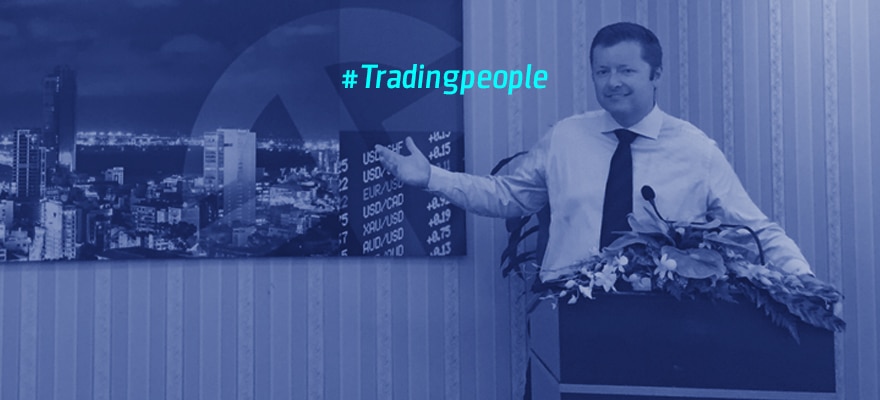
An interview with Morten Fillipsen, the former SVP for Saxo Bank in China and now the CEO of a young and growing brokerage based in Asia.
Who you are and what do you do?
My name is Morten Fillipsen and I’m the co-CEO of Juno Markets, a partnership focused FX and CFD broker based in Asia. I have been in the financial industry since 2003, and in the FX industry for nearly 10 years. I previously worked with Saxo Bank as head of their retail business and also as regional head of Greater China.
How is what you do important for the trading industry?
I think Asia hasn’t been treated right by the FX industry. On one side, you have the US/European brokers that have come to ‘conquer’ Asia but still kept their trading servers in New York or London, still hosted their websites in the West and still insisted upon just applying ‘whatever works back home’ to this region. And on the other side you have locally run, unregulated brokers of questionable reputation that pray on novice traders with unrealistic bonus schemes and competitions.
We wanted to create a broker that has the mindset and professionalism of a global broker, but is built from the ground up for Asia – we have a very experienced management team, both in terms of industry experience but also with regards to Asia, and I think that’s quite unique and definitely a benefit for the traders in this part of the world.
What do you love about your work?
Having worked for rather large corporations before, I’m thoroughly enjoying the no-nonsense role as a CEO of a young and growing company. Every day I have an opportunity to move the company forward, and see direct effects of my actions and decisions, and that’s very thrilling.
We have already opened satellite offices in different countries around Asia, and the decision to do so was made quickly and executed just as fast, I love that we have this agility and that we can pursue the opportunities as they come to us. And finally, I love the fact that I haven’t had to open Powerpoint for over a year!
What is the quintessential experience of working in the trading industry?
I have yet to see a piece of educational material from a broker that doesn’t include “the FX market is a $4 trillion a day volume market” – we all use this to show how large the market is, but what always amuses me is how small the actual industry is on the inside. When you’ve been in the industry for a few years, you’ll know at least one or two people at most of the larger brokers, you may have even been colleagues with them at some point.
So while it is part of the financial industry, the FX market is quite a niche and once you get caught here you have a tendency to stay. So whichever financial city you go to, there’s always either an old friend to pitch to or an old friend to pitch you!
How old were you when you had your first paying job?
I grew up in China, so I never had the after school paper route, but my first job was as bartender at a kitsch communist-themed bar in Shanghai when I was 17. I had to wear the traditional Chinese 'Mao' outfit, and the place was covered in murals with Mao and Lenin and the other Communist leaders. So working in finance is quite a step from there!
Who do you admire?
In Saxo Bank, all staff are given a copy of Ayn Rand’s “Atlas Shrugged”, it’s an 1100+ page novel, where the climax itself is a 50 page monologue, so unfortunately not a lot of staff get around to reading it, but for me it had a profound impact. The book hails the people in society who create value, be that artists, industrialists or an ordinary employee who delivers with rationality and independence in his work.
Take pride in your job, do it well today and use your intellect to do it better tomorrow
So for me, I probably admire entrepreneurs the most – people who take a chance and work relentlessly to build a company and bring value: value in terms of expanding and growing the company, value to customers who want the product, and value to society in terms of employment.
Please share an anecdote that is unique to our industry.
There are a lot of anecdotes from the industry, but really the times that you remember the most are the single events that impact the market, and the business, in a major way. Most recent was the SNB move, but before this we had the Fukushima earthquake which had a big impact on the yen or the Lehman crash years back. I remember where I was at all these occasions, and how the market reacted on it.
Being in FX means that it doesn’t matter what season of the year it is, if it’s between Monday and Friday, you’d better be ready for any type of market movement.
What advice would you like to share here that has been important to you?
Take pride in your job, do it well today and use your intellect to do it better tomorrow – do this and you’ll be rewarded. I’m constantly surprised at how many people look for shortcuts, consciously overlook issues outside their immediate responsibility or simply do not care about the company they work for. Especially with the younger generation, loyalty to the company is extremely low and ‘going above and beyond’ is becoming rarer and rarer.
We spend a lot of time when we hire staff in Juno, and both Arthur and myself are still involved with every hiring, to make sure that we get the right caliber person that understands that they themselves hold the key to how far they can go in the company.
Who you are and what do you do?
My name is Morten Fillipsen and I’m the co-CEO of Juno Markets, a partnership focused FX and CFD broker based in Asia. I have been in the financial industry since 2003, and in the FX industry for nearly 10 years. I previously worked with Saxo Bank as head of their retail business and also as regional head of Greater China.
How is what you do important for the trading industry?
I think Asia hasn’t been treated right by the FX industry. On one side, you have the US/European brokers that have come to ‘conquer’ Asia but still kept their trading servers in New York or London, still hosted their websites in the West and still insisted upon just applying ‘whatever works back home’ to this region. And on the other side you have locally run, unregulated brokers of questionable reputation that pray on novice traders with unrealistic bonus schemes and competitions.
We wanted to create a broker that has the mindset and professionalism of a global broker, but is built from the ground up for Asia – we have a very experienced management team, both in terms of industry experience but also with regards to Asia, and I think that’s quite unique and definitely a benefit for the traders in this part of the world.
What do you love about your work?
Having worked for rather large corporations before, I’m thoroughly enjoying the no-nonsense role as a CEO of a young and growing company. Every day I have an opportunity to move the company forward, and see direct effects of my actions and decisions, and that’s very thrilling.
We have already opened satellite offices in different countries around Asia, and the decision to do so was made quickly and executed just as fast, I love that we have this agility and that we can pursue the opportunities as they come to us. And finally, I love the fact that I haven’t had to open Powerpoint for over a year!
What is the quintessential experience of working in the trading industry?
I have yet to see a piece of educational material from a broker that doesn’t include “the FX market is a $4 trillion a day volume market” – we all use this to show how large the market is, but what always amuses me is how small the actual industry is on the inside. When you’ve been in the industry for a few years, you’ll know at least one or two people at most of the larger brokers, you may have even been colleagues with them at some point.
So while it is part of the financial industry, the FX market is quite a niche and once you get caught here you have a tendency to stay. So whichever financial city you go to, there’s always either an old friend to pitch to or an old friend to pitch you!
How old were you when you had your first paying job?
I grew up in China, so I never had the after school paper route, but my first job was as bartender at a kitsch communist-themed bar in Shanghai when I was 17. I had to wear the traditional Chinese 'Mao' outfit, and the place was covered in murals with Mao and Lenin and the other Communist leaders. So working in finance is quite a step from there!
Who do you admire?
In Saxo Bank, all staff are given a copy of Ayn Rand’s “Atlas Shrugged”, it’s an 1100+ page novel, where the climax itself is a 50 page monologue, so unfortunately not a lot of staff get around to reading it, but for me it had a profound impact. The book hails the people in society who create value, be that artists, industrialists or an ordinary employee who delivers with rationality and independence in his work.
Take pride in your job, do it well today and use your intellect to do it better tomorrow
So for me, I probably admire entrepreneurs the most – people who take a chance and work relentlessly to build a company and bring value: value in terms of expanding and growing the company, value to customers who want the product, and value to society in terms of employment.
Please share an anecdote that is unique to our industry.
There are a lot of anecdotes from the industry, but really the times that you remember the most are the single events that impact the market, and the business, in a major way. Most recent was the SNB move, but before this we had the Fukushima earthquake which had a big impact on the yen or the Lehman crash years back. I remember where I was at all these occasions, and how the market reacted on it.
Being in FX means that it doesn’t matter what season of the year it is, if it’s between Monday and Friday, you’d better be ready for any type of market movement.
What advice would you like to share here that has been important to you?
Take pride in your job, do it well today and use your intellect to do it better tomorrow – do this and you’ll be rewarded. I’m constantly surprised at how many people look for shortcuts, consciously overlook issues outside their immediate responsibility or simply do not care about the company they work for. Especially with the younger generation, loyalty to the company is extremely low and ‘going above and beyond’ is becoming rarer and rarer.
We spend a lot of time when we hire staff in Juno, and both Arthur and myself are still involved with every hiring, to make sure that we get the right caliber person that understands that they themselves hold the key to how far they can go in the company.
My name is Leah Grantz and I am the UGC Editor at Finance Magnates - which basically means that I work with guest bloggers. If you want to become a guest blogger, contact me! UGC Editor & Community Manager
Public Links Kalshi Prediction Markets to AI Trading Agents
Featured Videos
FCA Shuts 21 CFD Firms; Revolut Customer Data Exposed Again
FCA Shuts 21 CFD Firms; Revolut Customer Data Exposed Again
FCA Shuts 21 CFD Firms; Revolut Customer Data Exposed Again
FCA Shuts 21 CFD Firms; Revolut Customer Data Exposed Again
Today’s financial news recap covers the FCA shuts down 21 CFD firms, a DriveWealth security incident exposes customer data, New York takes aim at Polymarket, and DeFi faces a regulatory path beyond Congress.
Finance Magnates Daily Recap brings you the latest news from forex and CFD brokers, fintech, payments, cryptocurrency, digital assets, trading platforms, financial regulation and global markets.
Get the key company news, executive moves, deals, regulatory updates and market developments of the day, in just a few minutes. New episodes published every weekday.
Read more: https://www.financemagnates.com
#FinanceMagnates #ForexNews #FintechNews
Today’s financial news recap covers the FCA shuts down 21 CFD firms, a DriveWealth security incident exposes customer data, New York takes aim at Polymarket, and DeFi faces a regulatory path beyond Congress.
Finance Magnates Daily Recap brings you the latest news from forex and CFD brokers, fintech, payments, cryptocurrency, digital assets, trading platforms, financial regulation and global markets.
Get the key company news, executive moves, deals, regulatory updates and market developments of the day, in just a few minutes. New episodes published every weekday.
Read more: https://www.financemagnates.com
#FinanceMagnates #ForexNews #FintechNews
Today’s financial news recap covers the FCA shuts down 21 CFD firms, a DriveWealth security incident exposes customer data, New York takes aim at Polymarket, and DeFi faces a regulatory path beyond Congress.
Finance Magnates Daily Recap brings you the latest news from forex and CFD brokers, fintech, payments, cryptocurrency, digital assets, trading platforms, financial regulation and global markets.
Get the key company news, executive moves, deals, regulatory updates and market developments of the day, in just a few minutes. New episodes published every weekday.
Read more: https://www.financemagnates.com
#FinanceMagnates #ForexNews #FintechNews
Today’s financial news recap covers the FCA shuts down 21 CFD firms, a DriveWealth security incident exposes customer data, New York takes aim at Polymarket, and DeFi faces a regulatory path beyond Congress.
Finance Magnates Daily Recap brings you the latest news from forex and CFD brokers, fintech, payments, cryptocurrency, digital assets, trading platforms, financial regulation and global markets.
Get the key company news, executive moves, deals, regulatory updates and market developments of the day, in just a few minutes. New episodes published every weekday.
Read more: https://www.financemagnates.com
#FinanceMagnates #ForexNews #FintechNews
Today’s financial news recap covers Inside LCG’s management takeover, CMC Markets adding ChatGPT, iFOREX’s first-half loss, and new Asic rules for trading algorithms.
Finance Magnates Daily Recap brings you the latest news from forex and CFD brokers, fintech, payments, cryptocurrency, digital assets, trading platforms, financial regulation and global markets.
Get the key company news, executive moves, deals, regulatory updates and market developments of the day, in just a few minutes. New episodes published every weekday.
Read more: https://www.financemagnates.com
#FinanceMagnates #ForexNews #FintechNews
Today’s financial news recap covers Inside LCG’s management takeover, CMC Markets adding ChatGPT, iFOREX’s first-half loss, and new Asic rules for trading algorithms.
Finance Magnates Daily Recap brings you the latest news from forex and CFD brokers, fintech, payments, cryptocurrency, digital assets, trading platforms, financial regulation and global markets.
Get the key company news, executive moves, deals, regulatory updates and market developments of the day, in just a few minutes. New episodes published every weekday.
Read more: https://www.financemagnates.com
#FinanceMagnates #ForexNews #FintechNews
Today’s financial news recap covers Inside LCG’s management takeover, CMC Markets adding ChatGPT, iFOREX’s first-half loss, and new Asic rules for trading algorithms.
Finance Magnates Daily Recap brings you the latest news from forex and CFD brokers, fintech, payments, cryptocurrency, digital assets, trading platforms, financial regulation and global markets.
Get the key company news, executive moves, deals, regulatory updates and market developments of the day, in just a few minutes. New episodes published every weekday.
Read more: https://www.financemagnates.com
#FinanceMagnates #ForexNews #FintechNews
Today’s financial news recap covers Inside LCG’s management takeover, CMC Markets adding ChatGPT, iFOREX’s first-half loss, and new Asic rules for trading algorithms.
Finance Magnates Daily Recap brings you the latest news from forex and CFD brokers, fintech, payments, cryptocurrency, digital assets, trading platforms, financial regulation and global markets.
Get the key company news, executive moves, deals, regulatory updates and market developments of the day, in just a few minutes. New episodes published every weekday.
Read more: https://www.financemagnates.com
#FinanceMagnates #ForexNews #FintechNews
Today’s financial news recap covers Inside LCG’s management takeover, CMC Markets adding ChatGPT, iFOREX’s first-half loss, and new Asic rules for trading algorithms.
Finance Magnates Daily Recap brings you the latest news from forex and CFD brokers, fintech, payments, cryptocurrency, digital assets, trading platforms, financial regulation and global markets.
Get the key company news, executive moves, deals, regulatory updates and market developments of the day, in just a few minutes. New episodes published every weekday.
Read more: https://www.financemagnates.com
#FinanceMagnates #ForexNews #FintechNews
Today’s financial news recap covers Inside LCG’s management takeover, CMC Markets adding ChatGPT, iFOREX’s first-half loss, and new Asic rules for trading algorithms.
Finance Magnates Daily Recap brings you the latest news from forex and CFD brokers, fintech, payments, cryptocurrency, digital assets, trading platforms, financial regulation and global markets.
Get the key company news, executive moves, deals, regulatory updates and market developments of the day, in just a few minutes. New episodes published every weekday.
Read more: https://www.financemagnates.com
#FinanceMagnates #ForexNews #FintechNews
Professional development doesn’t always fit neatly into a two-hour block.
Professional development doesn’t always fit neatly into a two-hour block.
Professional development doesn’t always fit neatly into a two-hour block.
Professional development doesn’t always fit neatly into a two-hour block.
Professional development doesn’t always fit neatly into a two-hour block.
Professional development doesn’t always fit neatly into a two-hour block.
Professional development doesn’t always fit neatly into a two-hour block.
That’s why FM Academy courses are designed to be flexible.
You can spend 15 minutes learning, leave the course and come back the next day exactly where you stopped. Or, if you have more time, you can keep going.
The goal is to make learning work around your schedule, so you have a better chance of actually retaining what you learn.
#FinanceMagnates #FMAcademy #ProfessionalDevelopment #Fintech #FinanceCareers
Professional development doesn’t always fit neatly into a two-hour block.
That’s why FM Academy courses are designed to be flexible.
You can spend 15 minutes learning, leave the course and come back the next day exactly where you stopped. Or, if you have more time, you can keep going.
The goal is to make learning work around your schedule, so you have a better chance of actually retaining what you learn.
#FinanceMagnates #FMAcademy #ProfessionalDevelopment #Fintech #FinanceCareers
Professional development doesn’t always fit neatly into a two-hour block.
That’s why FM Academy courses are designed to be flexible.
You can spend 15 minutes learning, leave the course and come back the next day exactly where you stopped. Or, if you have more time, you can keep going.
The goal is to make learning work around your schedule, so you have a better chance of actually retaining what you learn.
#FinanceMagnates #FMAcademy #ProfessionalDevelopment #Fintech #FinanceCareers
Professional development doesn’t always fit neatly into a two-hour block.
That’s why FM Academy courses are designed to be flexible.
You can spend 15 minutes learning, leave the course and come back the next day exactly where you stopped. Or, if you have more time, you can keep going.
The goal is to make learning work around your schedule, so you have a better chance of actually retaining what you learn.
#FinanceMagnates #FMAcademy #ProfessionalDevelopment #Fintech #FinanceCareers
Professional development doesn’t always fit neatly into a two-hour block.
That’s why FM Academy courses are designed to be flexible.
You can spend 15 minutes learning, leave the course and come back the next day exactly where you stopped. Or, if you have more time, you can keep going.
The goal is to make learning work around your schedule, so you have a better chance of actually retaining what you learn.
#FinanceMagnates #FMAcademy #ProfessionalDevelopment #Fintech #FinanceCareers
Professional development doesn’t always fit neatly into a two-hour block.
That’s why FM Academy courses are designed to be flexible.
You can spend 15 minutes learning, leave the course and come back the next day exactly where you stopped. Or, if you have more time, you can keep going.
The goal is to make learning work around your schedule, so you have a better chance of actually retaining what you learn.
#FinanceMagnates #FMAcademy #ProfessionalDevelopment #Fintech #FinanceCareers
How AI and Technology Are Changing Trading | Amir Amidian | FISG Interstellar Group
How AI and Technology Are Changing Trading | Amir Amidian | FISG Interstellar Group
How AI and Technology Are Changing Trading | Amir Amidian | FISG Interstellar Group
How AI and Technology Are Changing Trading | Amir Amidian | FISG Interstellar Group
How AI and Technology Are Changing Trading | Amir Amidian | FISG Interstellar Group
How AI and Technology Are Changing Trading | Amir Amidian | FISG Interstellar Group
How are AI, technology, regulation and execution shaping the future of trading? In this studio interview, Amir Amidian, Global Head of Research at FISG - Interstellar Group, discusses the group's approach to technology, compliance, trader education and global expansion.
Amir also explains how Interstellar uses its proprietary Flux One execution technology and how AI could help traders identify and learn from past mistakes.
In this interview, you'll learn:
How Interstellar approaches regulation across multiple jurisdictions
How Flux One is designed to improve execution speed
Why trader education remains a key focus
How AI is being used to support traders
Why reliability, innovation and trust are central to the group's approach
Interstellar's plans for further international expansion
#Trading #AI #Fintech #Forex #TradingTechnology #FinanceMagnates
How are AI, technology, regulation and execution shaping the future of trading? In this studio interview, Amir Amidian, Global Head of Research at FISG - Interstellar Group, discusses the group's approach to technology, compliance, trader education and global expansion.
Amir also explains how Interstellar uses its proprietary Flux One execution technology and how AI could help traders identify and learn from past mistakes.
In this interview, you'll learn:
How Interstellar approaches regulation across multiple jurisdictions
How Flux One is designed to improve execution speed
Why trader education remains a key focus
How AI is being used to support traders
Why reliability, innovation and trust are central to the group's approach
Interstellar's plans for further international expansion
#Trading #AI #Fintech #Forex #TradingTechnology #FinanceMagnates
How are AI, technology, regulation and execution shaping the future of trading? In this studio interview, Amir Amidian, Global Head of Research at FISG - Interstellar Group, discusses the group's approach to technology, compliance, trader education and global expansion.
Amir also explains how Interstellar uses its proprietary Flux One execution technology and how AI could help traders identify and learn from past mistakes.
In this interview, you'll learn:
How Interstellar approaches regulation across multiple jurisdictions
How Flux One is designed to improve execution speed
Why trader education remains a key focus
How AI is being used to support traders
Why reliability, innovation and trust are central to the group's approach
Interstellar's plans for further international expansion
#Trading #AI #Fintech #Forex #TradingTechnology #FinanceMagnates
How are AI, technology, regulation and execution shaping the future of trading? In this studio interview, Amir Amidian, Global Head of Research at FISG - Interstellar Group, discusses the group's approach to technology, compliance, trader education and global expansion.
Amir also explains how Interstellar uses its proprietary Flux One execution technology and how AI could help traders identify and learn from past mistakes.
In this interview, you'll learn:
How Interstellar approaches regulation across multiple jurisdictions
How Flux One is designed to improve execution speed
Why trader education remains a key focus
How AI is being used to support traders
Why reliability, innovation and trust are central to the group's approach
Interstellar's plans for further international expansion
#Trading #AI #Fintech #Forex #TradingTechnology #FinanceMagnates
How are AI, technology, regulation and execution shaping the future of trading? In this studio interview, Amir Amidian, Global Head of Research at FISG - Interstellar Group, discusses the group's approach to technology, compliance, trader education and global expansion.
Amir also explains how Interstellar uses its proprietary Flux One execution technology and how AI could help traders identify and learn from past mistakes.
In this interview, you'll learn:
How Interstellar approaches regulation across multiple jurisdictions
How Flux One is designed to improve execution speed
Why trader education remains a key focus
How AI is being used to support traders
Why reliability, innovation and trust are central to the group's approach
Interstellar's plans for further international expansion
#Trading #AI #Fintech #Forex #TradingTechnology #FinanceMagnates
How are AI, technology, regulation and execution shaping the future of trading? In this studio interview, Amir Amidian, Global Head of Research at FISG - Interstellar Group, discusses the group's approach to technology, compliance, trader education and global expansion.
Amir also explains how Interstellar uses its proprietary Flux One execution technology and how AI could help traders identify and learn from past mistakes.
In this interview, you'll learn:
How Interstellar approaches regulation across multiple jurisdictions
How Flux One is designed to improve execution speed
Why trader education remains a key focus
How AI is being used to support traders
Why reliability, innovation and trust are central to the group's approach
Interstellar's plans for further international expansion
#Trading #AI #Fintech #Forex #TradingTechnology #FinanceMagnates
BlackBull IPO Delayed; Equiti Opens Second UAE Storefront
BlackBull IPO Delayed; Equiti Opens Second UAE Storefront
BlackBull IPO Delayed; Equiti Opens Second UAE Storefront
BlackBull IPO Delayed; Equiti Opens Second UAE Storefront
BlackBull IPO Delayed; Equiti Opens Second UAE Storefront
BlackBull IPO Delayed; Equiti Opens Second UAE Storefront
Today’s financial news recap covers BlackBull's IPO is delayed, BlackBull's IPO is delayed until 2027, Equiti opens a second UAE physical storefront, eToro prepares to move clients to its new AI-centred app and financial contracts could take almost half of prediction-market volume by 2035.
Finance Magnates Daily Recap brings you the latest news from forex and CFD brokers, fintech, payments, cryptocurrency, digital assets, trading platforms, financial regulation and global markets.
Get the key company news, executive moves, deals, regulatory updates and market developments of the day, in just a few minutes. New episodes published every weekday.
Read more: https://www.financemagnates.com
#FinanceMagnates #ForexNews #FintechNews
Today’s financial news recap covers BlackBull's IPO is delayed, BlackBull's IPO is delayed until 2027, Equiti opens a second UAE physical storefront, eToro prepares to move clients to its new AI-centred app and financial contracts could take almost half of prediction-market volume by 2035.
Finance Magnates Daily Recap brings you the latest news from forex and CFD brokers, fintech, payments, cryptocurrency, digital assets, trading platforms, financial regulation and global markets.
Get the key company news, executive moves, deals, regulatory updates and market developments of the day, in just a few minutes. New episodes published every weekday.
Read more: https://www.financemagnates.com
#FinanceMagnates #ForexNews #FintechNews
Today’s financial news recap covers BlackBull's IPO is delayed, BlackBull's IPO is delayed until 2027, Equiti opens a second UAE physical storefront, eToro prepares to move clients to its new AI-centred app and financial contracts could take almost half of prediction-market volume by 2035.
Finance Magnates Daily Recap brings you the latest news from forex and CFD brokers, fintech, payments, cryptocurrency, digital assets, trading platforms, financial regulation and global markets.
Get the key company news, executive moves, deals, regulatory updates and market developments of the day, in just a few minutes. New episodes published every weekday.
Read more: https://www.financemagnates.com
#FinanceMagnates #ForexNews #FintechNews
Today’s financial news recap covers BlackBull's IPO is delayed, BlackBull's IPO is delayed until 2027, Equiti opens a second UAE physical storefront, eToro prepares to move clients to its new AI-centred app and financial contracts could take almost half of prediction-market volume by 2035.
Finance Magnates Daily Recap brings you the latest news from forex and CFD brokers, fintech, payments, cryptocurrency, digital assets, trading platforms, financial regulation and global markets.
Get the key company news, executive moves, deals, regulatory updates and market developments of the day, in just a few minutes. New episodes published every weekday.
Read more: https://www.financemagnates.com
#FinanceMagnates #ForexNews #FintechNews
Today’s financial news recap covers BlackBull's IPO is delayed, BlackBull's IPO is delayed until 2027, Equiti opens a second UAE physical storefront, eToro prepares to move clients to its new AI-centred app and financial contracts could take almost half of prediction-market volume by 2035.
Finance Magnates Daily Recap brings you the latest news from forex and CFD brokers, fintech, payments, cryptocurrency, digital assets, trading platforms, financial regulation and global markets.
Get the key company news, executive moves, deals, regulatory updates and market developments of the day, in just a few minutes. New episodes published every weekday.
Read more: https://www.financemagnates.com
#FinanceMagnates #ForexNews #FintechNews
Today’s financial news recap covers BlackBull's IPO is delayed, BlackBull's IPO is delayed until 2027, Equiti opens a second UAE physical storefront, eToro prepares to move clients to its new AI-centred app and financial contracts could take almost half of prediction-market volume by 2035.
Finance Magnates Daily Recap brings you the latest news from forex and CFD brokers, fintech, payments, cryptocurrency, digital assets, trading platforms, financial regulation and global markets.
Get the key company news, executive moves, deals, regulatory updates and market developments of the day, in just a few minutes. New episodes published every weekday.
Read more: https://www.financemagnates.com
#FinanceMagnates #ForexNews #FintechNews