Players in the industry talk about the effects of the regulatory process in Israel.
Finance Magnates
Just over a year ago the process of regulating the online retail trading started, bringing hopes of greater safety and fears of a crackdown. Various schools of thought emerged with regard to the approach that the national financial watchdog (the Israeli Securities Authority or ISA) would adopt as the fate of the industry stood in the balance.
While the process has not ended yet, we can already say with confidence today that the ISA decided not to try and create a welcoming environment for brokers and traders that might leverage the technology hub found in Israel to establish a credible and desirable FX licence. Rather, the watchdog has apparently chosen a heavy handed approach that could smother the local industry without any hesitation.
Binary options trading has been completely banned in Israel for any firm applying to operate a licensed Trading Arena (as the regulators refer to online brokers). Trading CFDs and FX pairs has come under strict restrictions, including limiting the leverage, range and even the way the rates are calculated - which will make it both more costly and less appealing to traders.
To see where the situation is right now we talked with a number of different players from the industry, offering different positions and perspectives with regard to the regulatory process. These include the CEO of a firm that decided to withdraw from Israel due to unattractive financial prospects post-regulation.
We should also note that Finance Magnates has repeatedly contacted the ISA and requested a comment from the regulators about the decisions they have made and the impact on the market. However, up to the time of publication no response was provided.
Immediate Concern for the Market
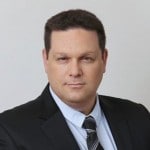
Tzah Druker, the head of the Israeli Trading Arena Association, which represents the industry in its dealings with the regulator, comments: "The licensing process is long and tedious. The ISA checks every aspect of the operation so that Israeli clients will have the safest position.
Mr Tzah Druker
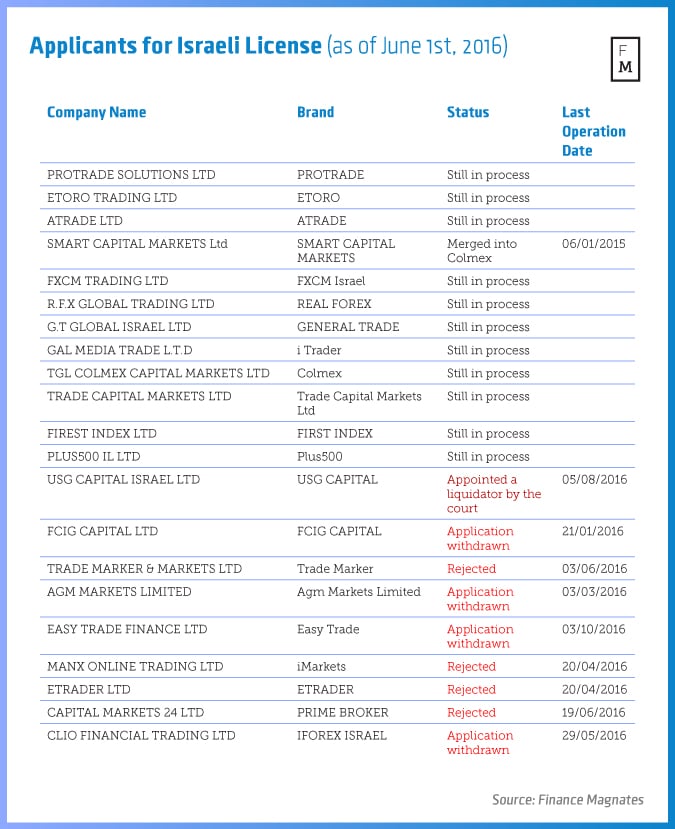
The number of firms has already shrunk to a third of those which filed for the license. The remaining firms are looking with doubt at the continuation of the process and from time to time, as they receive more demands from the ISA, and examine the financial viability of keeping the application and remaining in operations in Israel.
Would the legislator not intervene in the coming days and weeks in the regulatory process, there is an immediate concern that Israeli clients will be forced to operate only with non-Israeli firms."
The process entails considerable difficulties but it forces all companies to fall into line by the high measures and standards set by the legislature and the regulator. At the end of the process only strong, reputable and deep pocketed companies will remain, which will have the law as a guiding light and this is all meant to clean the stigma attached to the forex market.
Companies that cannot withstand the regulatory requirements, or companies that the ISA found a blemish in their integrity (criminal, fraud, Ponzi scams, criminal shareholders), will not get a license.
The final result is that, out of 21 firms that filed a request for a license, only five firms at most will remain. In this natural consolidation process, only five big companies will buy out the operations of the smaller ones and this is the reason to remain in the process to this day.
Above all else the regulatory process invites the regulator into our home and actually exposes anything they desire to know. This 'exposure' process in front of the ISA, by itself, isn’t easy as until now the company was managed as a private company which owes answers only to its shareholders. Once the rules of the game change and 'big brother' is watching from above - everything changes.
The regulatory requirements force the trading arenas to follow capital requirements (meaning to raise a lot of funds), report, document, approve a charter, procedures and policies that would all need to be approved by the ISA. The process also entails repeated inspections by the regulator and actually anything trivial becomes transparent to the ISA and reportable.
Companies have invested and will invest a lot of resources and it can all be in vain according to the whims of the ISA.
David Mesika (MATACH24)
A world without regulation is 'wild', free and more profitable, and a world with regulations (in any field) becomes less profitable. Each company that filed for a license doesn’t know for sure if it will get a license – this is the biggest challenge. Companies have invested and will invest a lot of resources and it can all be in vain according to the whims of the ISA.
The advantages of regulation are that are clear rules for everyone and everyone must follow the same limitations. Second, firms who bring down and 'soil' the forex market will disappear from the Israeli landscape. Third, it will protect the investing public. Once a company receives a license from the ISA it reduces the public’s concern and increase their trust in the regulated entity. Fourth, regulation will clean the name of the forex world in Israel and then serious sophisticated players may also transfer from the banks to us (due to more attractive commissions).”
Fears of Strict Stand Confirmed
Some have predicted that the Israeli precedent will lead to other jurisdictions following suit. Offering his take on this is advocate David Woliner, Head of Financial Regulation at Ben Basat, Porat & Co, a law firm representing a number of relevant players. Advocate Woliner said: “As the ISA’s licensing process is about to be completed, we can now fairly say that the ISA has taken a rather strict stand regarding the industry, especially as to binary options. Lately we have observed in several jurisdictions growing regulatory interest in addressing binary options regulation, including addressing issues of transparency in trading and duration.
David Woliner
The ISA has taken its regulatory approach to the far end by totally banning trading on binary options, hence proving the industry’s early fears as to the ISA’s intent to be somewhat true. It remains to be seen whether this policy decision on binary options will be followed by the regulators of other jurisdictions, hence putting the ISA in the pioneer position, or will it remain as a rather unique and lonely stand.
With regard to those members of the industry offering CFDs, which will eventually be granted licenses from the ISA, it remains to be seen whether this lengthy, demanding and rather expensive licensing process was worth the effort or, as some industry members argued all along, being granted access to a rather small market such as Israel comes at too high of a price.”
Israel Should Adopt the FCA Standards
Finally, to see how the market looks from the eyes of someone that has already given up on the process we turn to Yoav Libal, CEO of CLIO Financial Trading LTD (which operated iFOREX in Israel). Libel detailed his experience with the ISA: “The process wasn’t long. We began the activity a year ago and decided to examine the results a year later. We only started after the license application. Our first client only started trading after the license request. The all process of filing the request was an intense month, together with KPMG and Herzog Fox & Neeman (Israeli law firm) which gave us a great service. We began recruiting clients a year ago and the time came that we set for ourselves and we look at the numbers and the energies that being invested and we reached a conclusion that it is not economical, that this industry under Israeli regulation has no financial viability.
We were six employees. We used the iForex platform. The entire managerial envelop was under the public company IONLINE.
Yoav Libal
We looked at the restrictions on recruiting clients, the things we are not allowed to do and are accustom in the marketing world, a ban on bonuses, together with the public atmosphere against the trading arenas which brought a situation where you have to fight all the time on multiple fights and it’s not worth it. In addition, CLIO made NIS250,000 a year and it was possible to double or triple the profit but it is not enough to keep a company above water. It is enough that you need another accountant, compliance officer or another executive and the profits levels out completely to zero.
I don’t think the regulation was done via a dialogue with the industry and it should not be done via dialogue with the industry. We need to adopt the global regulatory standards - like just taking the UK regulations. In the end these are the standards that are excerpted around the world and the Israeli regulations nothing is like the British one in the sense that the Israeli is much harsher. For example, in the UK there is no limitation on single stock CFDs and here we have it. Its OK if you approach a certain field and ban it, as was done with binary options, but if you say that in the future trading arenas can only handle forex this is not profitable.”
Just over a year ago the process of regulating the online retail trading started, bringing hopes of greater safety and fears of a crackdown. Various schools of thought emerged with regard to the approach that the national financial watchdog (the Israeli Securities Authority or ISA) would adopt as the fate of the industry stood in the balance.
While the process has not ended yet, we can already say with confidence today that the ISA decided not to try and create a welcoming environment for brokers and traders that might leverage the technology hub found in Israel to establish a credible and desirable FX licence. Rather, the watchdog has apparently chosen a heavy handed approach that could smother the local industry without any hesitation.
Binary options trading has been completely banned in Israel for any firm applying to operate a licensed Trading Arena (as the regulators refer to online brokers). Trading CFDs and FX pairs has come under strict restrictions, including limiting the leverage, range and even the way the rates are calculated - which will make it both more costly and less appealing to traders.
To see where the situation is right now we talked with a number of different players from the industry, offering different positions and perspectives with regard to the regulatory process. These include the CEO of a firm that decided to withdraw from Israel due to unattractive financial prospects post-regulation.
We should also note that Finance Magnates has repeatedly contacted the ISA and requested a comment from the regulators about the decisions they have made and the impact on the market. However, up to the time of publication no response was provided.
Immediate Concern for the Market
Tzah Druker, the head of the Israeli Trading Arena Association, which represents the industry in its dealings with the regulator, comments: "The licensing process is long and tedious. The ISA checks every aspect of the operation so that Israeli clients will have the safest position.
Mr Tzah Druker
The number of firms has already shrunk to a third of those which filed for the license. The remaining firms are looking with doubt at the continuation of the process and from time to time, as they receive more demands from the ISA, and examine the financial viability of keeping the application and remaining in operations in Israel.
Would the legislator not intervene in the coming days and weeks in the regulatory process, there is an immediate concern that Israeli clients will be forced to operate only with non-Israeli firms."
The process entails considerable difficulties but it forces all companies to fall into line by the high measures and standards set by the legislature and the regulator. At the end of the process only strong, reputable and deep pocketed companies will remain, which will have the law as a guiding light and this is all meant to clean the stigma attached to the forex market.
Companies that cannot withstand the regulatory requirements, or companies that the ISA found a blemish in their integrity (criminal, fraud, Ponzi scams, criminal shareholders), will not get a license.
The final result is that, out of 21 firms that filed a request for a license, only five firms at most will remain. In this natural consolidation process, only five big companies will buy out the operations of the smaller ones and this is the reason to remain in the process to this day.
Above all else the regulatory process invites the regulator into our home and actually exposes anything they desire to know. This 'exposure' process in front of the ISA, by itself, isn’t easy as until now the company was managed as a private company which owes answers only to its shareholders. Once the rules of the game change and 'big brother' is watching from above - everything changes.
The regulatory requirements force the trading arenas to follow capital requirements (meaning to raise a lot of funds), report, document, approve a charter, procedures and policies that would all need to be approved by the ISA. The process also entails repeated inspections by the regulator and actually anything trivial becomes transparent to the ISA and reportable.
Companies have invested and will invest a lot of resources and it can all be in vain according to the whims of the ISA.
David Mesika (MATACH24)
A world without regulation is 'wild', free and more profitable, and a world with regulations (in any field) becomes less profitable. Each company that filed for a license doesn’t know for sure if it will get a license – this is the biggest challenge. Companies have invested and will invest a lot of resources and it can all be in vain according to the whims of the ISA.
The advantages of regulation are that are clear rules for everyone and everyone must follow the same limitations. Second, firms who bring down and 'soil' the forex market will disappear from the Israeli landscape. Third, it will protect the investing public. Once a company receives a license from the ISA it reduces the public’s concern and increase their trust in the regulated entity. Fourth, regulation will clean the name of the forex world in Israel and then serious sophisticated players may also transfer from the banks to us (due to more attractive commissions).”
Fears of Strict Stand Confirmed
Some have predicted that the Israeli precedent will lead to other jurisdictions following suit. Offering his take on this is advocate David Woliner, Head of Financial Regulation at Ben Basat, Porat & Co, a law firm representing a number of relevant players. Advocate Woliner said: “As the ISA’s licensing process is about to be completed, we can now fairly say that the ISA has taken a rather strict stand regarding the industry, especially as to binary options. Lately we have observed in several jurisdictions growing regulatory interest in addressing binary options regulation, including addressing issues of transparency in trading and duration.
David Woliner
The ISA has taken its regulatory approach to the far end by totally banning trading on binary options, hence proving the industry’s early fears as to the ISA’s intent to be somewhat true. It remains to be seen whether this policy decision on binary options will be followed by the regulators of other jurisdictions, hence putting the ISA in the pioneer position, or will it remain as a rather unique and lonely stand.
With regard to those members of the industry offering CFDs, which will eventually be granted licenses from the ISA, it remains to be seen whether this lengthy, demanding and rather expensive licensing process was worth the effort or, as some industry members argued all along, being granted access to a rather small market such as Israel comes at too high of a price.”
Israel Should Adopt the FCA Standards
Finally, to see how the market looks from the eyes of someone that has already given up on the process we turn to Yoav Libal, CEO of CLIO Financial Trading LTD (which operated iFOREX in Israel). Libel detailed his experience with the ISA: “The process wasn’t long. We began the activity a year ago and decided to examine the results a year later. We only started after the license application. Our first client only started trading after the license request. The all process of filing the request was an intense month, together with KPMG and Herzog Fox & Neeman (Israeli law firm) which gave us a great service. We began recruiting clients a year ago and the time came that we set for ourselves and we look at the numbers and the energies that being invested and we reached a conclusion that it is not economical, that this industry under Israeli regulation has no financial viability.
We were six employees. We used the iForex platform. The entire managerial envelop was under the public company IONLINE.
Yoav Libal
We looked at the restrictions on recruiting clients, the things we are not allowed to do and are accustom in the marketing world, a ban on bonuses, together with the public atmosphere against the trading arenas which brought a situation where you have to fight all the time on multiple fights and it’s not worth it. In addition, CLIO made NIS250,000 a year and it was possible to double or triple the profit but it is not enough to keep a company above water. It is enough that you need another accountant, compliance officer or another executive and the profits levels out completely to zero.
I don’t think the regulation was done via a dialogue with the industry and it should not be done via dialogue with the industry. We need to adopt the global regulatory standards - like just taking the UK regulations. In the end these are the standards that are excerpted around the world and the Israeli regulations nothing is like the British one in the sense that the Israeli is much harsher. For example, in the UK there is no limitation on single stock CFDs and here we have it. Its OK if you approach a certain field and ban it, as was done with binary options, but if you say that in the future trading arenas can only handle forex this is not profitable.”
Italy’s Consob Tightens Net on AI-Fueled Scams With Fresh Website Bans
Featured Videos
FP Markets Winner Spotlight 🏆 | Global Broker of the Year 2025 #Trading #Broker #Innovation #Shorts
FP Markets Winner Spotlight 🏆 | Global Broker of the Year 2025 #Trading #Broker #Innovation #Shorts
FP Markets Winner Spotlight 🏆 | Global Broker of the Year 2025 #Trading #Broker #Innovation #Shorts
FP Markets Winner Spotlight 🏆 | Global Broker of the Year 2025 #Trading #Broker #Innovation #Shorts
FP Markets takes the spotlight as Global Broker of the Year 2025 at the Finance Magnates Awards.
Martin Stoilov, Head of Client Experience, shares that trust, innovation, and people played a key role in the company’s success, supported by a strong foundation of integrity and client-centricity.
Following this milestone, FP Markets continues to focus on growth, technology investment, and its core values of transparency and excellence.
👉 Be part of FM Awards 2026: https://awards.financemagnates.com/#nominate
FP Markets takes the spotlight as Global Broker of the Year 2025 at the Finance Magnates Awards.
Martin Stoilov, Head of Client Experience, shares that trust, innovation, and people played a key role in the company’s success, supported by a strong foundation of integrity and client-centricity.
Following this milestone, FP Markets continues to focus on growth, technology investment, and its core values of transparency and excellence.
👉 Be part of FM Awards 2026: https://awards.financemagnates.com/#nominate
FP Markets takes the spotlight as Global Broker of the Year 2025 at the Finance Magnates Awards.
Martin Stoilov, Head of Client Experience, shares that trust, innovation, and people played a key role in the company’s success, supported by a strong foundation of integrity and client-centricity.
Following this milestone, FP Markets continues to focus on growth, technology investment, and its core values of transparency and excellence.
👉 Be part of FM Awards 2026: https://awards.financemagnates.com/#nominate
FP Markets takes the spotlight as Global Broker of the Year 2025 at the Finance Magnates Awards.
Martin Stoilov, Head of Client Experience, shares that trust, innovation, and people played a key role in the company’s success, supported by a strong foundation of integrity and client-centricity.
Following this milestone, FP Markets continues to focus on growth, technology investment, and its core values of transparency and excellence.
👉 Be part of FM Awards 2026: https://awards.financemagnates.com/#nominate
In this video, we review @HolaPrimeMarketsOfficial, a multi-asset forex and CFDs broker offering different account types, trading platforms, and flexible trading conditions.
We cover the broker’s overall offering, including account options, trading environment, platforms like MT4 and MT5, and additional services such as managed accounts and fast withdrawals.
Watch the full video to see if Hola Prime Markets fits your trading needs.
📣 Stay up to date with the latest in finance and trading. Follow Finance Magnates for industry news, insights, and global event coverage.
Connect with us:
🔗 LinkedIn: /financemagnates
👍 Facebook: /financemagnates
📸 Instagram: https://www.instagram.com/financemagnates
🐦 X: https://x.com/financemagnates
🎥 TikTok: https://www.tiktok.com/tag/financemagnates
▶️ YouTube: /@financemagnates_official
#HolaPrime #ForexBroker #CFDTrading #FinanceMagnates #Trading #Forex #BrokerReview
In this video, we review @HolaPrimeMarketsOfficial, a multi-asset forex and CFDs broker offering different account types, trading platforms, and flexible trading conditions.
We cover the broker’s overall offering, including account options, trading environment, platforms like MT4 and MT5, and additional services such as managed accounts and fast withdrawals.
Watch the full video to see if Hola Prime Markets fits your trading needs.
📣 Stay up to date with the latest in finance and trading. Follow Finance Magnates for industry news, insights, and global event coverage.
Connect with us:
🔗 LinkedIn: /financemagnates
👍 Facebook: /financemagnates
📸 Instagram: https://www.instagram.com/financemagnates
🐦 X: https://x.com/financemagnates
🎥 TikTok: https://www.tiktok.com/tag/financemagnates
▶️ YouTube: /@financemagnates_official
#HolaPrime #ForexBroker #CFDTrading #FinanceMagnates #Trading #Forex #BrokerReview
In this video, we review @HolaPrimeMarketsOfficial, a multi-asset forex and CFDs broker offering different account types, trading platforms, and flexible trading conditions.
We cover the broker’s overall offering, including account options, trading environment, platforms like MT4 and MT5, and additional services such as managed accounts and fast withdrawals.
Watch the full video to see if Hola Prime Markets fits your trading needs.
📣 Stay up to date with the latest in finance and trading. Follow Finance Magnates for industry news, insights, and global event coverage.
Connect with us:
🔗 LinkedIn: /financemagnates
👍 Facebook: /financemagnates
📸 Instagram: https://www.instagram.com/financemagnates
🐦 X: https://x.com/financemagnates
🎥 TikTok: https://www.tiktok.com/tag/financemagnates
▶️ YouTube: /@financemagnates_official
#HolaPrime #ForexBroker #CFDTrading #FinanceMagnates #Trading #Forex #BrokerReview
In this video, we review @HolaPrimeMarketsOfficial, a multi-asset forex and CFDs broker offering different account types, trading platforms, and flexible trading conditions.
We cover the broker’s overall offering, including account options, trading environment, platforms like MT4 and MT5, and additional services such as managed accounts and fast withdrawals.
Watch the full video to see if Hola Prime Markets fits your trading needs.
📣 Stay up to date with the latest in finance and trading. Follow Finance Magnates for industry news, insights, and global event coverage.
Connect with us:
🔗 LinkedIn: /financemagnates
👍 Facebook: /financemagnates
📸 Instagram: https://www.instagram.com/financemagnates
🐦 X: https://x.com/financemagnates
🎥 TikTok: https://www.tiktok.com/tag/financemagnates
▶️ YouTube: /@financemagnates_official
#HolaPrime #ForexBroker #CFDTrading #FinanceMagnates #Trading #Forex #BrokerReview
In this video, we review @HolaPrimeMarketsOfficial, a multi-asset forex and CFDs broker offering different account types, trading platforms, and flexible trading conditions.
We cover the broker’s overall offering, including account options, trading environment, platforms like MT4 and MT5, and additional services such as managed accounts and fast withdrawals.
Watch the full video to see if Hola Prime Markets fits your trading needs.
📣 Stay up to date with the latest in finance and trading. Follow Finance Magnates for industry news, insights, and global event coverage.
Connect with us:
🔗 LinkedIn: /financemagnates
👍 Facebook: /financemagnates
📸 Instagram: https://www.instagram.com/financemagnates
🐦 X: https://x.com/financemagnates
🎥 TikTok: https://www.tiktok.com/tag/financemagnates
▶️ YouTube: /@financemagnates_official
#HolaPrime #ForexBroker #CFDTrading #FinanceMagnates #Trading #Forex #BrokerReview
In this video, we review @HolaPrimeMarketsOfficial, a multi-asset forex and CFDs broker offering different account types, trading platforms, and flexible trading conditions.
We cover the broker’s overall offering, including account options, trading environment, platforms like MT4 and MT5, and additional services such as managed accounts and fast withdrawals.
Watch the full video to see if Hola Prime Markets fits your trading needs.
📣 Stay up to date with the latest in finance and trading. Follow Finance Magnates for industry news, insights, and global event coverage.
Connect with us:
🔗 LinkedIn: /financemagnates
👍 Facebook: /financemagnates
📸 Instagram: https://www.instagram.com/financemagnates
🐦 X: https://x.com/financemagnates
🎥 TikTok: https://www.tiktok.com/tag/financemagnates
▶️ YouTube: /@financemagnates_official
#HolaPrime #ForexBroker #CFDTrading #FinanceMagnates #Trading #Forex #BrokerReview
Hola Prime Review: What You Need to Know | Full Breakdown by Finance Magnates
Hola Prime Review: What You Need to Know | Full Breakdown by Finance Magnates
Hola Prime Review: What You Need to Know | Full Breakdown by Finance Magnates
Hola Prime Review: What You Need to Know | Full Breakdown by Finance Magnates
Hola Prime Review: What You Need to Know | Full Breakdown by Finance Magnates
Hola Prime Review: What You Need to Know | Full Breakdown by Finance Magnates
In this video, we review @HolaPrime_Global, a proprietary trading firm offering evaluation programs and performance-based payouts in simulated market environments.
We cover how the challenge model works, including account types, profit splits (up to 95%), trading rules, and what it takes to reach a funded account. You’ll also learn about available platforms like MT4, MT5, cTrader, and more, along with insights into payouts, support, and trading conditions.
Watch the full video to see if Hola Prime fits your trading style.
📣 Stay up to date with the latest in finance and trading. Follow Finance Magnates for industry news, insights, and global event coverage.
Connect with us:
🔗 LinkedIn: /financemagnates
👍 Facebook: /financemagnates
📸 Instagram: https://www.instagram.com/financemagnates
🐦 X: https://x.com/financemagnates
🎥 TikTok: https://www.tiktok.com/tag/financemagnates
▶️ YouTube: /@financemagnates_official
#HolaPrime #PropFirm #Trading #FinanceMagnates #Forex #FuturesTrading #TradingReview #PropFirmReview
In this video, we review @HolaPrime_Global, a proprietary trading firm offering evaluation programs and performance-based payouts in simulated market environments.
We cover how the challenge model works, including account types, profit splits (up to 95%), trading rules, and what it takes to reach a funded account. You’ll also learn about available platforms like MT4, MT5, cTrader, and more, along with insights into payouts, support, and trading conditions.
Watch the full video to see if Hola Prime fits your trading style.
📣 Stay up to date with the latest in finance and trading. Follow Finance Magnates for industry news, insights, and global event coverage.
Connect with us:
🔗 LinkedIn: /financemagnates
👍 Facebook: /financemagnates
📸 Instagram: https://www.instagram.com/financemagnates
🐦 X: https://x.com/financemagnates
🎥 TikTok: https://www.tiktok.com/tag/financemagnates
▶️ YouTube: /@financemagnates_official
#HolaPrime #PropFirm #Trading #FinanceMagnates #Forex #FuturesTrading #TradingReview #PropFirmReview
In this video, we review @HolaPrime_Global, a proprietary trading firm offering evaluation programs and performance-based payouts in simulated market environments.
We cover how the challenge model works, including account types, profit splits (up to 95%), trading rules, and what it takes to reach a funded account. You’ll also learn about available platforms like MT4, MT5, cTrader, and more, along with insights into payouts, support, and trading conditions.
Watch the full video to see if Hola Prime fits your trading style.
📣 Stay up to date with the latest in finance and trading. Follow Finance Magnates for industry news, insights, and global event coverage.
Connect with us:
🔗 LinkedIn: /financemagnates
👍 Facebook: /financemagnates
📸 Instagram: https://www.instagram.com/financemagnates
🐦 X: https://x.com/financemagnates
🎥 TikTok: https://www.tiktok.com/tag/financemagnates
▶️ YouTube: /@financemagnates_official
#HolaPrime #PropFirm #Trading #FinanceMagnates #Forex #FuturesTrading #TradingReview #PropFirmReview
In this video, we review @HolaPrime_Global, a proprietary trading firm offering evaluation programs and performance-based payouts in simulated market environments.
We cover how the challenge model works, including account types, profit splits (up to 95%), trading rules, and what it takes to reach a funded account. You’ll also learn about available platforms like MT4, MT5, cTrader, and more, along with insights into payouts, support, and trading conditions.
Watch the full video to see if Hola Prime fits your trading style.
📣 Stay up to date with the latest in finance and trading. Follow Finance Magnates for industry news, insights, and global event coverage.
Connect with us:
🔗 LinkedIn: /financemagnates
👍 Facebook: /financemagnates
📸 Instagram: https://www.instagram.com/financemagnates
🐦 X: https://x.com/financemagnates
🎥 TikTok: https://www.tiktok.com/tag/financemagnates
▶️ YouTube: /@financemagnates_official
#HolaPrime #PropFirm #Trading #FinanceMagnates #Forex #FuturesTrading #TradingReview #PropFirmReview
In this video, we review @HolaPrime_Global, a proprietary trading firm offering evaluation programs and performance-based payouts in simulated market environments.
We cover how the challenge model works, including account types, profit splits (up to 95%), trading rules, and what it takes to reach a funded account. You’ll also learn about available platforms like MT4, MT5, cTrader, and more, along with insights into payouts, support, and trading conditions.
Watch the full video to see if Hola Prime fits your trading style.
📣 Stay up to date with the latest in finance and trading. Follow Finance Magnates for industry news, insights, and global event coverage.
Connect with us:
🔗 LinkedIn: /financemagnates
👍 Facebook: /financemagnates
📸 Instagram: https://www.instagram.com/financemagnates
🐦 X: https://x.com/financemagnates
🎥 TikTok: https://www.tiktok.com/tag/financemagnates
▶️ YouTube: /@financemagnates_official
#HolaPrime #PropFirm #Trading #FinanceMagnates #Forex #FuturesTrading #TradingReview #PropFirmReview
In this video, we review @HolaPrime_Global, a proprietary trading firm offering evaluation programs and performance-based payouts in simulated market environments.
We cover how the challenge model works, including account types, profit splits (up to 95%), trading rules, and what it takes to reach a funded account. You’ll also learn about available platforms like MT4, MT5, cTrader, and more, along with insights into payouts, support, and trading conditions.
Watch the full video to see if Hola Prime fits your trading style.
📣 Stay up to date with the latest in finance and trading. Follow Finance Magnates for industry news, insights, and global event coverage.
Connect with us:
🔗 LinkedIn: /financemagnates
👍 Facebook: /financemagnates
📸 Instagram: https://www.instagram.com/financemagnates
🐦 X: https://x.com/financemagnates
🎥 TikTok: https://www.tiktok.com/tag/financemagnates
▶️ YouTube: /@financemagnates_official
#HolaPrime #PropFirm #Trading #FinanceMagnates #Forex #FuturesTrading #TradingReview #PropFirmReview
Axi Winner Spotlight 🏆 | Global Most Innovative Broker 2025 #Innovation #Trading #Fintech #Broker
Axi Winner Spotlight 🏆 | Global Most Innovative Broker 2025 #Innovation #Trading #Fintech #Broker
Axi Winner Spotlight 🏆 | Global Most Innovative Broker 2025 #Innovation #Trading #Fintech #Broker
Axi Winner Spotlight 🏆 | Global Most Innovative Broker 2025 #Innovation #Trading #Fintech #Broker
Axi Winner Spotlight 🏆 | Global Most Innovative Broker 2025 #Innovation #Trading #Fintech #Broker
Axi Winner Spotlight 🏆 | Global Most Innovative Broker 2025 #Innovation #Trading #Fintech #Broker
Axi takes the spotlight at the Finance Magnates Awards, winning Global Most Innovative Broker 2025.
Olivia Xenofontos and Ivanna Openko share how the team will feel: proud, motivated, and ready to keep delivering.
They also describe the night as well-organized, focused, and enjoyable for all.
👉 Be part of FM Awards 2026.
Axi takes the spotlight at the Finance Magnates Awards, winning Global Most Innovative Broker 2025.
Olivia Xenofontos and Ivanna Openko share how the team will feel: proud, motivated, and ready to keep delivering.
They also describe the night as well-organized, focused, and enjoyable for all.
👉 Be part of FM Awards 2026.
Axi takes the spotlight at the Finance Magnates Awards, winning Global Most Innovative Broker 2025.
Olivia Xenofontos and Ivanna Openko share how the team will feel: proud, motivated, and ready to keep delivering.
They also describe the night as well-organized, focused, and enjoyable for all.
👉 Be part of FM Awards 2026.
Axi takes the spotlight at the Finance Magnates Awards, winning Global Most Innovative Broker 2025.
Olivia Xenofontos and Ivanna Openko share how the team will feel: proud, motivated, and ready to keep delivering.
They also describe the night as well-organized, focused, and enjoyable for all.
👉 Be part of FM Awards 2026.
Axi takes the spotlight at the Finance Magnates Awards, winning Global Most Innovative Broker 2025.
Olivia Xenofontos and Ivanna Openko share how the team will feel: proud, motivated, and ready to keep delivering.
They also describe the night as well-organized, focused, and enjoyable for all.
👉 Be part of FM Awards 2026.
Axi takes the spotlight at the Finance Magnates Awards, winning Global Most Innovative Broker 2025.
Olivia Xenofontos and Ivanna Openko share how the team will feel: proud, motivated, and ready to keep delivering.
They also describe the night as well-organized, focused, and enjoyable for all.
👉 Be part of FM Awards 2026.
Recognition that matters.
Built on transparency.
Driven by the industry.
The Finance Magnates Awards 2026.
Nominations are now open.
🔗 https://awards.financemagnates.com/?utm_source=SM&utm_medium=social&utm_campaign=recognition-matters
Recognition that matters.
Built on transparency.
Driven by the industry.
The Finance Magnates Awards 2026.
Nominations are now open.
🔗 https://awards.financemagnates.com/?utm_source=SM&utm_medium=social&utm_campaign=recognition-matters
Recognition that matters.
Built on transparency.
Driven by the industry.
The Finance Magnates Awards 2026.
Nominations are now open.
🔗 https://awards.financemagnates.com/?utm_source=SM&utm_medium=social&utm_campaign=recognition-matters
Recognition that matters.
Built on transparency.
Driven by the industry.
The Finance Magnates Awards 2026.
Nominations are now open.
🔗 https://awards.financemagnates.com/?utm_source=SM&utm_medium=social&utm_campaign=recognition-matters
Recognition that matters.
Built on transparency.
Driven by the industry.
The Finance Magnates Awards 2026.
Nominations are now open.
🔗 https://awards.financemagnates.com/?utm_source=SM&utm_medium=social&utm_campaign=recognition-matters
Recognition that matters.
Built on transparency.
Driven by the industry.
The Finance Magnates Awards 2026.
Nominations are now open.
🔗 https://awards.financemagnates.com/?utm_source=SM&utm_medium=social&utm_campaign=recognition-matters