Turbo certificates, which were not covered by the European Securities and Markets Authority’s (ESMA) regulation, are similar to CFDs but have some differentiating features.
Turbos vs. CFDs: the differences
Turbo certificates and CFDs both trade with leverage, and, with the exception of CFDs on futures, they do not have an expiration date. However, certificates are structured products whose upside return is a derivation of the underlying security and offers a guaranteed return.
Turbo certificates allow traders to make money from market fluctuations with leverage, they have a built-in stop loss, and positions are automatically closed once a predetermined price level is reached. For example, Turbo Long Certificates allow you to benefit from rising prices, whereas Turbo Short Certificates benefit from falling prices.
In particular, CFDs are closer to futures with the risk of unlimited losses when prices move against the investor; turbo certificates are closer to options where loss is effectively restricted to the premium paid.
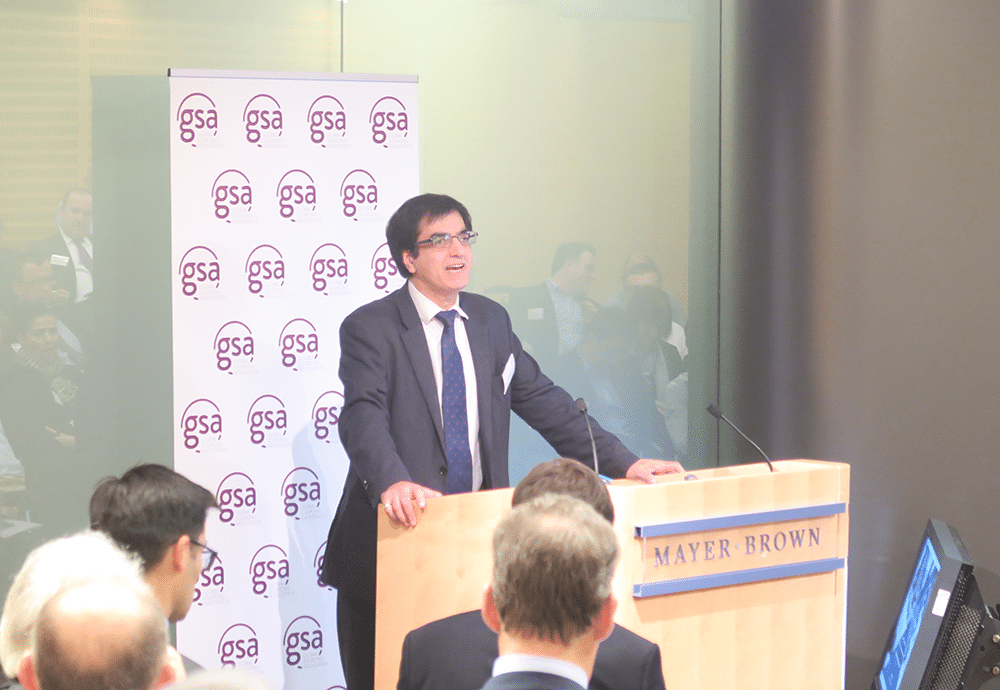
As highlighted by Mazhar Manzoor, the Director of Risk, Regulation & Financial Crime at ESMA Compliance Consultants, Turbo certificates have the following product features:
Turbo certificates qualify as a transferable security as defined in Article 4 (1) (44) (c) of MiFID;
Turbo certificates are typically listed and traded on a regulated market or a multilateral trading facility (MTF), which includes additional transparency requirements;
Turbo certificates are not margined products, i.e., investors buy the turbo-certificate and are charged transactional fees, for entering the contract;
Turbo certificates do not have a contingent liability for the retail client, ie after the purchase of the product, the retail client cannot be liable for a further payment when the transaction is completed, or the position is closed (other than the commission, transaction fees or other related costs);
Mazhar Manzoor, the Director of Risk, Regulation & Financial Crime at ESMA Compliance Consultants
Structured finance products are also not within the scope of ESMA’s binary options or CFD decision.
The movement has caught the attention of regulators. However, as of yet, they remain outside the scope of European leverage restrictions.
The Financial Conduct Authority (FCA) did share its concern on the rise of similar products to CFDs that are being offered to retail investors at higher leverage. Namely, the regulator believes that products that have similarities with CFDs could still result in significant losses to retail clients.
Speaking on the rise of Turbo certificates, the British regulator said last year: “we will therefore work with ESMA and other European regulators to monitor and assess the sale of these alternative, speculative products to retail clients. If we have evidence that these products are causing similar harms, we will work with ESMA and will, if necessary, support further action to extend the scope of its intervention”.
ESMA, on the other hand, said that the investment product is exempt from the restrictions due to the fact that it has different product features. Namely, Turbos are not margined products, and investors can’t change the leverage of the Turbo certificate, they don’t have a contingent liability for retail clients, and they’re typically listed and traded on a regulated market or MTF.
Who are offering Turbo certificates?
The product is not widely offered by brokers. In the forex space, one of the main players that offer Turbo certificates is IG Group. As Finance Magnates reported, the company started offering the turbo24 on-venue product from its subsidiary in Frankfurt - Spectrum, an MTF.
Although initially offering Turbo warrants for indices, currencies, and commodities, in the medium and long term, new products will be added as more venue participants are brought on board. According to a recent trading update, the initial uptake has been promising, and around 700 clients have traded turbo24s since its launch in October.
In addition to IG Group, other players to offer certificates are large European banks such as Raiffeisen, Commerzbank, and Erste Group, among others.
Are certificates the answer to CFD restrictions?
Although Turbo certificates do have some similarities to CFDs, they're not the same. From a broker's perspective, CFDs are easier products to pitch and sell to traders as they are more understandable. Furthermore, the revenue that brokers can make off certificates is limited in comparison to what they can make off of CFDs, even with the leverage restrictions.
Speaking on the profitability of Turbo certificates, Manzoor said: "...gains for the firms on client losses are limited so this will only be of limited attractiveness and will restrict any wholesale expansion into this area.
"A CFD is an over the counter contract and the €730,000 IFPRU provider company dealing as principal has a profit equal to the client's loss on any position it has not hedged. For a turbo certificate the potential gain has a maximum of the amount paid by the investor."
It is because of this, it is unlikely that Turbo certificates will become an alternative for CFDs, at least in the short term, and any meaningful adoption outside of countries such as Germany in Europe is unlikely.
"In the UK tax advantages make spread bets one of the more popular ways to deal in CFDs," Manzoor continued. "Some countries have placed an outright restriction on CFDs and it is in these that providers are most likely to offer turbos. For the majority of EU countries including UK and for the reasons... above I do not expect significant numbers of CFD firms to seek to offer these products to retail clients."
Nonetheless, that doesn't mean that their popularity amongst FX brokers won't continue to rise in the long-term, particularly given the fact that the increasingly challenging regulatory environment is forcing institutions to diversify their product offering. But in the short-term, it appears that CFDs will maintain their dominance.
Turbo certificates, which were not covered by the European Securities and Markets Authority’s (ESMA) regulation, are similar to CFDs but have some differentiating features.
Turbos vs. CFDs: the differences
Turbo certificates and CFDs both trade with leverage, and, with the exception of CFDs on futures, they do not have an expiration date. However, certificates are structured products whose upside return is a derivation of the underlying security and offers a guaranteed return.
Turbo certificates allow traders to make money from market fluctuations with leverage, they have a built-in stop loss, and positions are automatically closed once a predetermined price level is reached. For example, Turbo Long Certificates allow you to benefit from rising prices, whereas Turbo Short Certificates benefit from falling prices.
In particular, CFDs are closer to futures with the risk of unlimited losses when prices move against the investor; turbo certificates are closer to options where loss is effectively restricted to the premium paid.
As highlighted by Mazhar Manzoor, the Director of Risk, Regulation & Financial Crime at ESMA Compliance Consultants, Turbo certificates have the following product features:
Turbo certificates qualify as a transferable security as defined in Article 4 (1) (44) (c) of MiFID;
Turbo certificates are typically listed and traded on a regulated market or a multilateral trading facility (MTF), which includes additional transparency requirements;
Turbo certificates are not margined products, i.e., investors buy the turbo-certificate and are charged transactional fees, for entering the contract;
Turbo certificates do not have a contingent liability for the retail client, ie after the purchase of the product, the retail client cannot be liable for a further payment when the transaction is completed, or the position is closed (other than the commission, transaction fees or other related costs);
Mazhar Manzoor, the Director of Risk, Regulation & Financial Crime at ESMA Compliance Consultants
Structured finance products are also not within the scope of ESMA’s binary options or CFD decision.
The movement has caught the attention of regulators. However, as of yet, they remain outside the scope of European leverage restrictions.
The Financial Conduct Authority (FCA) did share its concern on the rise of similar products to CFDs that are being offered to retail investors at higher leverage. Namely, the regulator believes that products that have similarities with CFDs could still result in significant losses to retail clients.
Speaking on the rise of Turbo certificates, the British regulator said last year: “we will therefore work with ESMA and other European regulators to monitor and assess the sale of these alternative, speculative products to retail clients. If we have evidence that these products are causing similar harms, we will work with ESMA and will, if necessary, support further action to extend the scope of its intervention”.
ESMA, on the other hand, said that the investment product is exempt from the restrictions due to the fact that it has different product features. Namely, Turbos are not margined products, and investors can’t change the leverage of the Turbo certificate, they don’t have a contingent liability for retail clients, and they’re typically listed and traded on a regulated market or MTF.
Who are offering Turbo certificates?
The product is not widely offered by brokers. In the forex space, one of the main players that offer Turbo certificates is IG Group. As Finance Magnates reported, the company started offering the turbo24 on-venue product from its subsidiary in Frankfurt - Spectrum, an MTF.
Although initially offering Turbo warrants for indices, currencies, and commodities, in the medium and long term, new products will be added as more venue participants are brought on board. According to a recent trading update, the initial uptake has been promising, and around 700 clients have traded turbo24s since its launch in October.
In addition to IG Group, other players to offer certificates are large European banks such as Raiffeisen, Commerzbank, and Erste Group, among others.
Are certificates the answer to CFD restrictions?
Although Turbo certificates do have some similarities to CFDs, they're not the same. From a broker's perspective, CFDs are easier products to pitch and sell to traders as they are more understandable. Furthermore, the revenue that brokers can make off certificates is limited in comparison to what they can make off of CFDs, even with the leverage restrictions.
Speaking on the profitability of Turbo certificates, Manzoor said: "...gains for the firms on client losses are limited so this will only be of limited attractiveness and will restrict any wholesale expansion into this area.
"A CFD is an over the counter contract and the €730,000 IFPRU provider company dealing as principal has a profit equal to the client's loss on any position it has not hedged. For a turbo certificate the potential gain has a maximum of the amount paid by the investor."
It is because of this, it is unlikely that Turbo certificates will become an alternative for CFDs, at least in the short term, and any meaningful adoption outside of countries such as Germany in Europe is unlikely.
"In the UK tax advantages make spread bets one of the more popular ways to deal in CFDs," Manzoor continued. "Some countries have placed an outright restriction on CFDs and it is in these that providers are most likely to offer turbos. For the majority of EU countries including UK and for the reasons... above I do not expect significant numbers of CFD firms to seek to offer these products to retail clients."
Nonetheless, that doesn't mean that their popularity amongst FX brokers won't continue to rise in the long-term, particularly given the fact that the increasingly challenging regulatory environment is forcing institutions to diversify their product offering. But in the short-term, it appears that CFDs will maintain their dominance.
TradeStation Opens Retail Access to CME Single-Stock Futures on 50+ Names
Featured Videos
Tradition Retail FX Revenue Rises; Ripple Expands Prime
Tradition Retail FX Revenue Rises; Ripple Expands Prime
Tradition Retail FX Revenue Rises; Ripple Expands Prime
Tradition Retail FX Revenue Rises; Ripple Expands Prime
Today’s financial news recap covers Tradition's retail FX revenue rises, Ripple Prime launches Total Return Swaps, and Webull HK unveils Vega AI.
Finance Magnates Daily Recap brings you the latest news from forex and CFD brokers, fintech, payments, cryptocurrency, digital assets, trading platforms, financial regulation and global markets.
Get the key company news, executive moves, deals, regulatory updates and market developments of the day, in just a few minutes. New episodes published every weekday.
Read more: https://www.financemagnates.com
#FinanceMagnates #ForexNews #FintechNews
Today’s financial news recap covers Tradition's retail FX revenue rises, Ripple Prime launches Total Return Swaps, and Webull HK unveils Vega AI.
Finance Magnates Daily Recap brings you the latest news from forex and CFD brokers, fintech, payments, cryptocurrency, digital assets, trading platforms, financial regulation and global markets.
Get the key company news, executive moves, deals, regulatory updates and market developments of the day, in just a few minutes. New episodes published every weekday.
Read more: https://www.financemagnates.com
#FinanceMagnates #ForexNews #FintechNews
Today’s financial news recap covers Tradition's retail FX revenue rises, Ripple Prime launches Total Return Swaps, and Webull HK unveils Vega AI.
Finance Magnates Daily Recap brings you the latest news from forex and CFD brokers, fintech, payments, cryptocurrency, digital assets, trading platforms, financial regulation and global markets.
Get the key company news, executive moves, deals, regulatory updates and market developments of the day, in just a few minutes. New episodes published every weekday.
Read more: https://www.financemagnates.com
#FinanceMagnates #ForexNews #FintechNews
Today’s financial news recap covers Tradition's retail FX revenue rises, Ripple Prime launches Total Return Swaps, and Webull HK unveils Vega AI.
Finance Magnates Daily Recap brings you the latest news from forex and CFD brokers, fintech, payments, cryptocurrency, digital assets, trading platforms, financial regulation and global markets.
Get the key company news, executive moves, deals, regulatory updates and market developments of the day, in just a few minutes. New episodes published every weekday.
Read more: https://www.financemagnates.com
#FinanceMagnates #ForexNews #FintechNews
Today’s financial news recap covers Plus500 starts another $100 million share buyback, Tiger Brokers reports record quarterly revenue, and MEXC's CEO questions 500-times leverage.
Finance Magnates Daily Recap brings you the latest news from forex and CFD brokers, fintech, payments, cryptocurrency, digital assets, trading platforms, financial regulation and global markets.
Get the key company news, executive moves, deals, regulatory updates and market developments of the day, in just a few minutes. New episodes published every weekday.
Read more: https://www.financemagnates.com
#FinanceMagnates #ForexNews #FintechNews
Today’s financial news recap covers Plus500 starts another $100 million share buyback, Tiger Brokers reports record quarterly revenue, and MEXC's CEO questions 500-times leverage.
Finance Magnates Daily Recap brings you the latest news from forex and CFD brokers, fintech, payments, cryptocurrency, digital assets, trading platforms, financial regulation and global markets.
Get the key company news, executive moves, deals, regulatory updates and market developments of the day, in just a few minutes. New episodes published every weekday.
Read more: https://www.financemagnates.com
#FinanceMagnates #ForexNews #FintechNews
Today’s financial news recap covers Plus500 starts another $100 million share buyback, Tiger Brokers reports record quarterly revenue, and MEXC's CEO questions 500-times leverage.
Finance Magnates Daily Recap brings you the latest news from forex and CFD brokers, fintech, payments, cryptocurrency, digital assets, trading platforms, financial regulation and global markets.
Get the key company news, executive moves, deals, regulatory updates and market developments of the day, in just a few minutes. New episodes published every weekday.
Read more: https://www.financemagnates.com
#FinanceMagnates #ForexNews #FintechNews
Today’s financial news recap covers Plus500 starts another $100 million share buyback, Tiger Brokers reports record quarterly revenue, and MEXC's CEO questions 500-times leverage.
Finance Magnates Daily Recap brings you the latest news from forex and CFD brokers, fintech, payments, cryptocurrency, digital assets, trading platforms, financial regulation and global markets.
Get the key company news, executive moves, deals, regulatory updates and market developments of the day, in just a few minutes. New episodes published every weekday.
Read more: https://www.financemagnates.com
#FinanceMagnates #ForexNews #FintechNews
Today’s financial news recap covers Plus500 starts another $100 million share buyback, Tiger Brokers reports record quarterly revenue, and MEXC's CEO questions 500-times leverage.
Finance Magnates Daily Recap brings you the latest news from forex and CFD brokers, fintech, payments, cryptocurrency, digital assets, trading platforms, financial regulation and global markets.
Get the key company news, executive moves, deals, regulatory updates and market developments of the day, in just a few minutes. New episodes published every weekday.
Read more: https://www.financemagnates.com
#FinanceMagnates #ForexNews #FintechNews
Today’s financial news recap covers Plus500 starts another $100 million share buyback, Tiger Brokers reports record quarterly revenue, and MEXC's CEO questions 500-times leverage.
Finance Magnates Daily Recap brings you the latest news from forex and CFD brokers, fintech, payments, cryptocurrency, digital assets, trading platforms, financial regulation and global markets.
Get the key company news, executive moves, deals, regulatory updates and market developments of the day, in just a few minutes. New episodes published every weekday.
Read more: https://www.financemagnates.com
#FinanceMagnates #ForexNews #FintechNews
IG Targets Premier League; Funding Pips Faces Complaints
IG Targets Premier League; Funding Pips Faces Complaints
IG Targets Premier League; Funding Pips Faces Complaints
IG Targets Premier League; Funding Pips Faces Complaints
IG Targets Premier League; Funding Pips Faces Complaints
IG Targets Premier League; Funding Pips Faces Complaints
Today’s financial news recap covers IG buys Premier League airtime, Funding Pips pushes traders to a new account, and ASIC prepares to review CFD leverage rules.
Finance Magnates Daily Recap brings you the latest news from forex and CFD brokers, fintech, payments, cryptocurrency, digital assets, trading platforms, financial regulation and global markets.
Get the key company news, executive moves, deals, regulatory updates and market developments of the day, in just a few minutes. New episodes published every weekday.
Read more: https://www.financemagnates.com
#FinanceMagnates #ForexNews #FintechNews
Today’s financial news recap covers IG buys Premier League airtime, Funding Pips pushes traders to a new account, and ASIC prepares to review CFD leverage rules.
Finance Magnates Daily Recap brings you the latest news from forex and CFD brokers, fintech, payments, cryptocurrency, digital assets, trading platforms, financial regulation and global markets.
Get the key company news, executive moves, deals, regulatory updates and market developments of the day, in just a few minutes. New episodes published every weekday.
Read more: https://www.financemagnates.com
#FinanceMagnates #ForexNews #FintechNews
Today’s financial news recap covers IG buys Premier League airtime, Funding Pips pushes traders to a new account, and ASIC prepares to review CFD leverage rules.
Finance Magnates Daily Recap brings you the latest news from forex and CFD brokers, fintech, payments, cryptocurrency, digital assets, trading platforms, financial regulation and global markets.
Get the key company news, executive moves, deals, regulatory updates and market developments of the day, in just a few minutes. New episodes published every weekday.
Read more: https://www.financemagnates.com
#FinanceMagnates #ForexNews #FintechNews
Today’s financial news recap covers IG buys Premier League airtime, Funding Pips pushes traders to a new account, and ASIC prepares to review CFD leverage rules.
Finance Magnates Daily Recap brings you the latest news from forex and CFD brokers, fintech, payments, cryptocurrency, digital assets, trading platforms, financial regulation and global markets.
Get the key company news, executive moves, deals, regulatory updates and market developments of the day, in just a few minutes. New episodes published every weekday.
Read more: https://www.financemagnates.com
#FinanceMagnates #ForexNews #FintechNews
Today’s financial news recap covers IG buys Premier League airtime, Funding Pips pushes traders to a new account, and ASIC prepares to review CFD leverage rules.
Finance Magnates Daily Recap brings you the latest news from forex and CFD brokers, fintech, payments, cryptocurrency, digital assets, trading platforms, financial regulation and global markets.
Get the key company news, executive moves, deals, regulatory updates and market developments of the day, in just a few minutes. New episodes published every weekday.
Read more: https://www.financemagnates.com
#FinanceMagnates #ForexNews #FintechNews
Today’s financial news recap covers IG buys Premier League airtime, Funding Pips pushes traders to a new account, and ASIC prepares to review CFD leverage rules.
Finance Magnates Daily Recap brings you the latest news from forex and CFD brokers, fintech, payments, cryptocurrency, digital assets, trading platforms, financial regulation and global markets.
Get the key company news, executive moves, deals, regulatory updates and market developments of the day, in just a few minutes. New episodes published every weekday.
Read more: https://www.financemagnates.com
#FinanceMagnates #ForexNews #FintechNews
Today’s financial news recap covers Dukascopy reports a sharp profit decline, IG resolves client login problems, and Interactive Brokers expands its reach in South Korea.
Finance Magnates Daily Recap brings you the latest news from forex and CFD brokers, fintech, payments, cryptocurrency, digital assets, trading platforms, financial regulation and global markets.
Get the key company news, executive moves, deals, regulatory updates and market developments of the day, in just a few minutes. New episodes published every weekday.
Read more: https://www.financemagnates.com
#FinanceMagnates #ForexNews #FintechNews
Today’s financial news recap covers Dukascopy reports a sharp profit decline, IG resolves client login problems, and Interactive Brokers expands its reach in South Korea.
Finance Magnates Daily Recap brings you the latest news from forex and CFD brokers, fintech, payments, cryptocurrency, digital assets, trading platforms, financial regulation and global markets.
Get the key company news, executive moves, deals, regulatory updates and market developments of the day, in just a few minutes. New episodes published every weekday.
Read more: https://www.financemagnates.com
#FinanceMagnates #ForexNews #FintechNews
Today’s financial news recap covers Dukascopy reports a sharp profit decline, IG resolves client login problems, and Interactive Brokers expands its reach in South Korea.
Finance Magnates Daily Recap brings you the latest news from forex and CFD brokers, fintech, payments, cryptocurrency, digital assets, trading platforms, financial regulation and global markets.
Get the key company news, executive moves, deals, regulatory updates and market developments of the day, in just a few minutes. New episodes published every weekday.
Read more: https://www.financemagnates.com
#FinanceMagnates #ForexNews #FintechNews
Today’s financial news recap covers Dukascopy reports a sharp profit decline, IG resolves client login problems, and Interactive Brokers expands its reach in South Korea.
Finance Magnates Daily Recap brings you the latest news from forex and CFD brokers, fintech, payments, cryptocurrency, digital assets, trading platforms, financial regulation and global markets.
Get the key company news, executive moves, deals, regulatory updates and market developments of the day, in just a few minutes. New episodes published every weekday.
Read more: https://www.financemagnates.com
#FinanceMagnates #ForexNews #FintechNews
Today’s financial news recap covers Dukascopy reports a sharp profit decline, IG resolves client login problems, and Interactive Brokers expands its reach in South Korea.
Finance Magnates Daily Recap brings you the latest news from forex and CFD brokers, fintech, payments, cryptocurrency, digital assets, trading platforms, financial regulation and global markets.
Get the key company news, executive moves, deals, regulatory updates and market developments of the day, in just a few minutes. New episodes published every weekday.
Read more: https://www.financemagnates.com
#FinanceMagnates #ForexNews #FintechNews
Today’s financial news recap covers Dukascopy reports a sharp profit decline, IG resolves client login problems, and Interactive Brokers expands its reach in South Korea.
Finance Magnates Daily Recap brings you the latest news from forex and CFD brokers, fintech, payments, cryptocurrency, digital assets, trading platforms, financial regulation and global markets.
Get the key company news, executive moves, deals, regulatory updates and market developments of the day, in just a few minutes. New episodes published every weekday.
Read more: https://www.financemagnates.com
#FinanceMagnates #ForexNews #FintechNews
XTB Eyes Indonesia; AI Drives Up Algo Hosting Costs
XTB Eyes Indonesia; AI Drives Up Algo Hosting Costs
XTB Eyes Indonesia; AI Drives Up Algo Hosting Costs
XTB Eyes Indonesia; AI Drives Up Algo Hosting Costs
XTB Eyes Indonesia; AI Drives Up Algo Hosting Costs
XTB Eyes Indonesia; AI Drives Up Algo Hosting Costs
Today’s financial news recap covers XTB secures Indonesian CFD approval, AI-linked server costs rise, and Japan approves its first new crypto exchange in four years.
Finance Magnates Daily Recap brings you the latest news from forex and CFD brokers, fintech, payments, cryptocurrency, digital assets, trading platforms, financial regulation and global markets.
Get the key company news, executive moves, deals, regulatory updates and market developments of the day, in just a few minutes. New episodes published every weekday.
Read more: https://www.financemagnates.com
#FinanceMagnates #ForexNews #FintechNews
Today’s financial news recap covers XTB secures Indonesian CFD approval, AI-linked server costs rise, and Japan approves its first new crypto exchange in four years.
Finance Magnates Daily Recap brings you the latest news from forex and CFD brokers, fintech, payments, cryptocurrency, digital assets, trading platforms, financial regulation and global markets.
Get the key company news, executive moves, deals, regulatory updates and market developments of the day, in just a few minutes. New episodes published every weekday.
Read more: https://www.financemagnates.com
#FinanceMagnates #ForexNews #FintechNews
Today’s financial news recap covers XTB secures Indonesian CFD approval, AI-linked server costs rise, and Japan approves its first new crypto exchange in four years.
Finance Magnates Daily Recap brings you the latest news from forex and CFD brokers, fintech, payments, cryptocurrency, digital assets, trading platforms, financial regulation and global markets.
Get the key company news, executive moves, deals, regulatory updates and market developments of the day, in just a few minutes. New episodes published every weekday.
Read more: https://www.financemagnates.com
#FinanceMagnates #ForexNews #FintechNews
Today’s financial news recap covers XTB secures Indonesian CFD approval, AI-linked server costs rise, and Japan approves its first new crypto exchange in four years.
Finance Magnates Daily Recap brings you the latest news from forex and CFD brokers, fintech, payments, cryptocurrency, digital assets, trading platforms, financial regulation and global markets.
Get the key company news, executive moves, deals, regulatory updates and market developments of the day, in just a few minutes. New episodes published every weekday.
Read more: https://www.financemagnates.com
#FinanceMagnates #ForexNews #FintechNews
Today’s financial news recap covers XTB secures Indonesian CFD approval, AI-linked server costs rise, and Japan approves its first new crypto exchange in four years.
Finance Magnates Daily Recap brings you the latest news from forex and CFD brokers, fintech, payments, cryptocurrency, digital assets, trading platforms, financial regulation and global markets.
Get the key company news, executive moves, deals, regulatory updates and market developments of the day, in just a few minutes. New episodes published every weekday.
Read more: https://www.financemagnates.com
#FinanceMagnates #ForexNews #FintechNews
Today’s financial news recap covers XTB secures Indonesian CFD approval, AI-linked server costs rise, and Japan approves its first new crypto exchange in four years.
Finance Magnates Daily Recap brings you the latest news from forex and CFD brokers, fintech, payments, cryptocurrency, digital assets, trading platforms, financial regulation and global markets.
Get the key company news, executive moves, deals, regulatory updates and market developments of the day, in just a few minutes. New episodes published every weekday.
Read more: https://www.financemagnates.com
#FinanceMagnates #ForexNews #FintechNews