But once you’ve managed, like Odysseus’ crew of old, to fill your ears with enough beeswax to block out their wailing, you can actually start to look at what impact Brexit may have on retail brokers.
Of course, when urinating another article into the septic tank of Brexit journalism, it is worth keeping in mind a fairly simple fact - we don’t know what is going to happen. Even now, as Theresa ‘Dancing Queen’ May scuttles back and forth between Brussels, no one knows exactly what state Ol’ Blighty is going to be in 12 months from now.
That leaves us with a set of estimations as to what we think will happen and, luckily for you, we have estimations-a-plenty.
Brexit blues?
Let’s start with on-boarding new employees - a vital component of any business’ operations and one that remains sorely underappreciated. As my esteemed colleague Celeste Skinner wrote at the end of last month, Brexit, at least for now, doesn’t seem to be a huge problem for brokers’ human resources departments.
That may be because, at least for now, brokers don’t know enough to be worried. In Cyprus, a hub for retail trading companies, hiring practices are continuing as usual but only because no information has arisen that would make things otherwise.
“I haven’t seen any changes [in brokers’ hiring practices]; we’ll still hire people from the UK,” said Limassol-based financial services recruiter Nastasia Michael. “We don’t see this as a change yet, because nothing is set in stone.”
Offshore in Europe
Just as people can flow freely between EU member states to look for work, one of the union’s benefits - at least for brokers - has been the ability to passport out into all of the various jurisdictions that make up the political bloc.
A so-called ‘hard’ Brexit would mean that brokers based in the UK, with regulatory licenses from the Financial Conduct Authority (FCA), could no longer do this. But unlike other financial institutions, this wouldn’t necessarily be problematic for brokers.
Banks, for instance, need to have a license from an EU country in order to provide their services across the different member states. Not so for retail brokers.
As an example, last week this author met with Hiroaki Nagakura, Rakuten Securities’ Global Head of FX Business. He noted that the number of traders from EU jurisdictions signing up to trade with Rakuten Securities Australia had increased almost three-fold since August.
For brokers in the UK, this is positive news. The FCA is not the Marshall Islands Ministry of Finance. Like the Australian Securities and Investments Commission, it is a well-respected regulator that people feel confident will protect them if a broker commits fraud or treats them poorly.
There is also no reason to think that this will change if the UK doesn’t broker a deal with the EU. People will still feel comfortable, as they do now, trading with a broker that has an FCA license.
"No big deal"
But even for brokers that do want to move abroad, the process isn’t necessarily going to be too irksome. Many of them already have offices in Europe and just need to apply for a license.
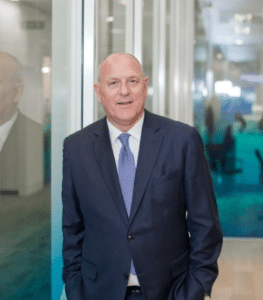
“It’s no big deal as far as we’re concerned,” Peter Cruddas, CEO of CMC Markets, told Finance Magnates last month. “We don’t have to open an EU office because we’ve already got half a dozen anyway. We’d just have to upgrade one of those offices, probably our Frankfurt office, and apply for full European status. There would be some logistical changes but they’ll be minimal – maybe an additional couple of traders on-site.”
CMC Markets CEO Peter Cruddas
Aside from the legal nuances surrounding passporting rights, some brokers have expressed uncertainty surrounding the UK’s own financial regulations. That’s true for firms passporting into the UK and those that are passporting out of it.
Over the past six months, the FCA has tried to ease those fears. Assuming a ‘worst case’ scenario in which no deal is reached with the EU, the regulator set out its ‘Temporary Permissions Regime’ last month.
Although it is still in consultations on how to make this work in practice, theoretically, the regime would give EU-regulated firms doing business in the UK time to apply for authorization to continue operations.
Compliance departments - for EU or FCA-regulated firms operating in the UK - should also have had any qualms eased by a statement released by the regulator in June of this year.
That announcement highlighted what we already knew - that EU financial law would become UK law, even in the event of no deal. True the UK can then make changes to that law, separate from the EU, but it’s unlikely, at least in the short run, that they will do so on a drastic scale.
Beyond Europe
Finally, it is worth noting that the EU market, which is heavily saturated, is unappealing to most brokers. Over the past six months,
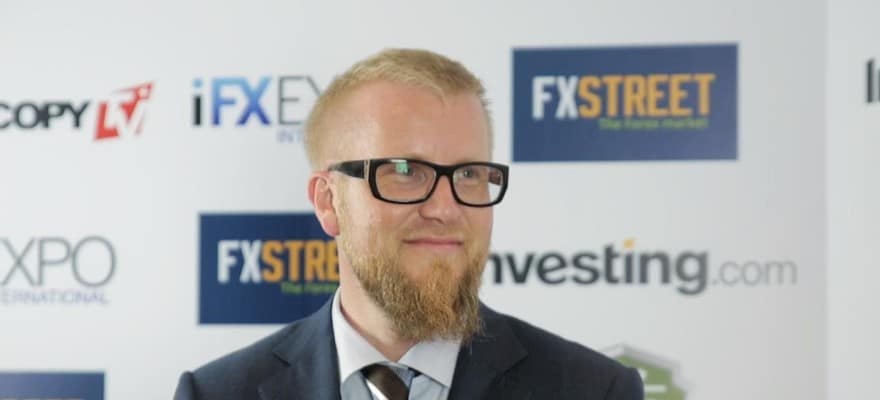
Valutrades CEO Graeme Watkins
we’ve seen companies such as AvaTrade, CMC Markets, AxiCorp, and Amana Capital all express interest in growing their businesses outside of Europe, whether it’s in China, South-East Asia, Africa or Latin America.
“While we are very proud of our UK heritage and UK-centric workforce our business does mostly come from outside Europe,” said ValuTrades CEO Graeme Watkins. “So we are not particularly concerned [about Brexit]. At best it will reverse some of the ESMA intervention measures, though it’s unlikely the FCA will revert back to unlimited leverage, and at worst we lose access to a very small percentage of our total business that is based in Europe.”
Given that this is the case, brokers can probably rest easy. For now, firms working out of London don’t seem like they will face constrictions on who they can hire, the FCA is not going to become a pariah regulator, there has been no indication that there will be a massive regulatory overhaul and brokers themselves have shown far more interest in the Asia-Pacific region than they have in Europe.
So while the politicians do their thing, I suggest that you leave the office, go to the pub, have a nice cold pint and wait for all of this to blow over. Fear not Finance Magnates reader, it’s going to be okay.
But once you’ve managed, like Odysseus’ crew of old, to fill your ears with enough beeswax to block out their wailing, you can actually start to look at what impact Brexit may have on retail brokers.
Of course, when urinating another article into the septic tank of Brexit journalism, it is worth keeping in mind a fairly simple fact - we don’t know what is going to happen. Even now, as Theresa ‘Dancing Queen’ May scuttles back and forth between Brussels, no one knows exactly what state Ol’ Blighty is going to be in 12 months from now.
That leaves us with a set of estimations as to what we think will happen and, luckily for you, we have estimations-a-plenty.
Brexit blues?
Let’s start with on-boarding new employees - a vital component of any business’ operations and one that remains sorely underappreciated. As my esteemed colleague Celeste Skinner wrote at the end of last month, Brexit, at least for now, doesn’t seem to be a huge problem for brokers’ human resources departments.
That may be because, at least for now, brokers don’t know enough to be worried. In Cyprus, a hub for retail trading companies, hiring practices are continuing as usual but only because no information has arisen that would make things otherwise.
“I haven’t seen any changes [in brokers’ hiring practices]; we’ll still hire people from the UK,” said Limassol-based financial services recruiter Nastasia Michael. “We don’t see this as a change yet, because nothing is set in stone.”
Offshore in Europe
Just as people can flow freely between EU member states to look for work, one of the union’s benefits - at least for brokers - has been the ability to passport out into all of the various jurisdictions that make up the political bloc.
A so-called ‘hard’ Brexit would mean that brokers based in the UK, with regulatory licenses from the Financial Conduct Authority (FCA), could no longer do this. But unlike other financial institutions, this wouldn’t necessarily be problematic for brokers.
Banks, for instance, need to have a license from an EU country in order to provide their services across the different member states. Not so for retail brokers.
As an example, last week this author met with Hiroaki Nagakura, Rakuten Securities’ Global Head of FX Business. He noted that the number of traders from EU jurisdictions signing up to trade with Rakuten Securities Australia had increased almost three-fold since August.
For brokers in the UK, this is positive news. The FCA is not the Marshall Islands Ministry of Finance. Like the Australian Securities and Investments Commission, it is a well-respected regulator that people feel confident will protect them if a broker commits fraud or treats them poorly.
There is also no reason to think that this will change if the UK doesn’t broker a deal with the EU. People will still feel comfortable, as they do now, trading with a broker that has an FCA license.
"No big deal"
But even for brokers that do want to move abroad, the process isn’t necessarily going to be too irksome. Many of them already have offices in Europe and just need to apply for a license.
“It’s no big deal as far as we’re concerned,” Peter Cruddas, CEO of CMC Markets, told Finance Magnates last month. “We don’t have to open an EU office because we’ve already got half a dozen anyway. We’d just have to upgrade one of those offices, probably our Frankfurt office, and apply for full European status. There would be some logistical changes but they’ll be minimal – maybe an additional couple of traders on-site.”
CMC Markets CEO Peter Cruddas
Aside from the legal nuances surrounding passporting rights, some brokers have expressed uncertainty surrounding the UK’s own financial regulations. That’s true for firms passporting into the UK and those that are passporting out of it.
Over the past six months, the FCA has tried to ease those fears. Assuming a ‘worst case’ scenario in which no deal is reached with the EU, the regulator set out its ‘Temporary Permissions Regime’ last month.
Although it is still in consultations on how to make this work in practice, theoretically, the regime would give EU-regulated firms doing business in the UK time to apply for authorization to continue operations.
Compliance departments - for EU or FCA-regulated firms operating in the UK - should also have had any qualms eased by a statement released by the regulator in June of this year.
That announcement highlighted what we already knew - that EU financial law would become UK law, even in the event of no deal. True the UK can then make changes to that law, separate from the EU, but it’s unlikely, at least in the short run, that they will do so on a drastic scale.
Beyond Europe
Finally, it is worth noting that the EU market, which is heavily saturated, is unappealing to most brokers. Over the past six months,
Valutrades CEO Graeme Watkins
we’ve seen companies such as AvaTrade, CMC Markets, AxiCorp, and Amana Capital all express interest in growing their businesses outside of Europe, whether it’s in China, South-East Asia, Africa or Latin America.
“While we are very proud of our UK heritage and UK-centric workforce our business does mostly come from outside Europe,” said ValuTrades CEO Graeme Watkins. “So we are not particularly concerned [about Brexit]. At best it will reverse some of the ESMA intervention measures, though it’s unlikely the FCA will revert back to unlimited leverage, and at worst we lose access to a very small percentage of our total business that is based in Europe.”
Given that this is the case, brokers can probably rest easy. For now, firms working out of London don’t seem like they will face constrictions on who they can hire, the FCA is not going to become a pariah regulator, there has been no indication that there will be a massive regulatory overhaul and brokers themselves have shown far more interest in the Asia-Pacific region than they have in Europe.
So while the politicians do their thing, I suggest that you leave the office, go to the pub, have a nice cold pint and wait for all of this to blow over. Fear not Finance Magnates reader, it’s going to be okay.
FTMO Says Monthly Rewards Near $15 Million in September
Featured Videos
AvaTrade to Acquire Most of FXCM; NAGA Raises $8M
AvaTrade to Acquire Most of FXCM; NAGA Raises $8M
AvaTrade to Acquire Most of FXCM; NAGA Raises $8M
AvaTrade to Acquire Most of FXCM; NAGA Raises $8M
Today’s financial news recap covers AvaTrade agrees to acquire most of FXCM, NAGA secures eight million dollars in new financing, and Wise seeks a tax settlement in the UK.
Finance Magnates Daily Recap brings you the latest news from forex and CFD brokers, fintech, payments, cryptocurrency, digital assets, trading platforms, financial regulation and global markets.
Get the key company news, executive moves, deals, regulatory updates and market developments of the day, in just a few minutes. New episodes published every weekday.
Read more: https://www.financemagnates.com
#FinanceMagnates #ForexNews #FintechNews
Today’s financial news recap covers AvaTrade agrees to acquire most of FXCM, NAGA secures eight million dollars in new financing, and Wise seeks a tax settlement in the UK.
Finance Magnates Daily Recap brings you the latest news from forex and CFD brokers, fintech, payments, cryptocurrency, digital assets, trading platforms, financial regulation and global markets.
Get the key company news, executive moves, deals, regulatory updates and market developments of the day, in just a few minutes. New episodes published every weekday.
Read more: https://www.financemagnates.com
#FinanceMagnates #ForexNews #FintechNews
Today’s financial news recap covers AvaTrade agrees to acquire most of FXCM, NAGA secures eight million dollars in new financing, and Wise seeks a tax settlement in the UK.
Finance Magnates Daily Recap brings you the latest news from forex and CFD brokers, fintech, payments, cryptocurrency, digital assets, trading platforms, financial regulation and global markets.
Get the key company news, executive moves, deals, regulatory updates and market developments of the day, in just a few minutes. New episodes published every weekday.
Read more: https://www.financemagnates.com
#FinanceMagnates #ForexNews #FintechNews
Today’s financial news recap covers AvaTrade agrees to acquire most of FXCM, NAGA secures eight million dollars in new financing, and Wise seeks a tax settlement in the UK.
Finance Magnates Daily Recap brings you the latest news from forex and CFD brokers, fintech, payments, cryptocurrency, digital assets, trading platforms, financial regulation and global markets.
Get the key company news, executive moves, deals, regulatory updates and market developments of the day, in just a few minutes. New episodes published every weekday.
Read more: https://www.financemagnates.com
#FinanceMagnates #ForexNews #FintechNews
XTB Adds Overnight US Stock Trading; Nasdaq Ventures Invests in One Trading
XTB Adds Overnight US Stock Trading; Nasdaq Ventures Invests in One Trading
XTB Adds Overnight US Stock Trading; Nasdaq Ventures Invests in One Trading
XTB Adds Overnight US Stock Trading; Nasdaq Ventures Invests in One Trading
XTB Adds Overnight US Stock Trading; Nasdaq Ventures Invests in One Trading
XTB Adds Overnight US Stock Trading; Nasdaq Ventures Invests in One Trading
Today’s financial news recap covers XTB expands overnight US stock trading, Fortrade reports higher revenue, Nasdaq backs One Trading, and Vest Labs raises 13 million dollars.
Finance Magnates Daily Recap brings you the latest news from forex and CFD brokers, fintech, payments, cryptocurrency, digital assets, trading platforms, financial regulation and global markets.
Get the key company news, executive moves, deals, regulatory updates and market developments of the day, in just a few minutes. New episodes published every weekday.
Read more: https://www.financemagnates.com
#FinanceMagnates #ForexNews #FintechNews
Today’s financial news recap covers XTB expands overnight US stock trading, Fortrade reports higher revenue, Nasdaq backs One Trading, and Vest Labs raises 13 million dollars.
Finance Magnates Daily Recap brings you the latest news from forex and CFD brokers, fintech, payments, cryptocurrency, digital assets, trading platforms, financial regulation and global markets.
Get the key company news, executive moves, deals, regulatory updates and market developments of the day, in just a few minutes. New episodes published every weekday.
Read more: https://www.financemagnates.com
#FinanceMagnates #ForexNews #FintechNews
Today’s financial news recap covers XTB expands overnight US stock trading, Fortrade reports higher revenue, Nasdaq backs One Trading, and Vest Labs raises 13 million dollars.
Finance Magnates Daily Recap brings you the latest news from forex and CFD brokers, fintech, payments, cryptocurrency, digital assets, trading platforms, financial regulation and global markets.
Get the key company news, executive moves, deals, regulatory updates and market developments of the day, in just a few minutes. New episodes published every weekday.
Read more: https://www.financemagnates.com
#FinanceMagnates #ForexNews #FintechNews
Today’s financial news recap covers XTB expands overnight US stock trading, Fortrade reports higher revenue, Nasdaq backs One Trading, and Vest Labs raises 13 million dollars.
Finance Magnates Daily Recap brings you the latest news from forex and CFD brokers, fintech, payments, cryptocurrency, digital assets, trading platforms, financial regulation and global markets.
Get the key company news, executive moves, deals, regulatory updates and market developments of the day, in just a few minutes. New episodes published every weekday.
Read more: https://www.financemagnates.com
#FinanceMagnates #ForexNews #FintechNews
Today’s financial news recap covers XTB expands overnight US stock trading, Fortrade reports higher revenue, Nasdaq backs One Trading, and Vest Labs raises 13 million dollars.
Finance Magnates Daily Recap brings you the latest news from forex and CFD brokers, fintech, payments, cryptocurrency, digital assets, trading platforms, financial regulation and global markets.
Get the key company news, executive moves, deals, regulatory updates and market developments of the day, in just a few minutes. New episodes published every weekday.
Read more: https://www.financemagnates.com
#FinanceMagnates #ForexNews #FintechNews
Today’s financial news recap covers XTB expands overnight US stock trading, Fortrade reports higher revenue, Nasdaq backs One Trading, and Vest Labs raises 13 million dollars.
Finance Magnates Daily Recap brings you the latest news from forex and CFD brokers, fintech, payments, cryptocurrency, digital assets, trading platforms, financial regulation and global markets.
Get the key company news, executive moves, deals, regulatory updates and market developments of the day, in just a few minutes. New episodes published every weekday.
Read more: https://www.financemagnates.com
#FinanceMagnates #ForexNews #FintechNews
CMC Founder Downplays Volatility Hit; Devexperts Names CEO
CMC Founder Downplays Volatility Hit; Devexperts Names CEO
CMC Founder Downplays Volatility Hit; Devexperts Names CEO
CMC Founder Downplays Volatility Hit; Devexperts Names CEO
CMC Founder Downplays Volatility Hit; Devexperts Names CEO
CMC Founder Downplays Volatility Hit; Devexperts Names CEO
Today’s financial news recap covers low volatility pressures brokers, Devexperts names a new CEO, Saxo cuts onboarding time, and OKX reaches a 25 billion dollar valuation.
Finance Magnates Daily Recap brings you the latest news from forex and CFD brokers, fintech, payments, cryptocurrency, digital assets, trading platforms, financial regulation and global markets.
Get the key company news, executive moves, deals, regulatory updates and market developments of the day, in just a few minutes. New episodes published every weekday.
Read more: https://www.financemagnates.com
#FinanceMagnates #ForexNews #FintechNews
Today’s financial news recap covers low volatility pressures brokers, Devexperts names a new CEO, Saxo cuts onboarding time, and OKX reaches a 25 billion dollar valuation.
Finance Magnates Daily Recap brings you the latest news from forex and CFD brokers, fintech, payments, cryptocurrency, digital assets, trading platforms, financial regulation and global markets.
Get the key company news, executive moves, deals, regulatory updates and market developments of the day, in just a few minutes. New episodes published every weekday.
Read more: https://www.financemagnates.com
#FinanceMagnates #ForexNews #FintechNews
Today’s financial news recap covers low volatility pressures brokers, Devexperts names a new CEO, Saxo cuts onboarding time, and OKX reaches a 25 billion dollar valuation.
Finance Magnates Daily Recap brings you the latest news from forex and CFD brokers, fintech, payments, cryptocurrency, digital assets, trading platforms, financial regulation and global markets.
Get the key company news, executive moves, deals, regulatory updates and market developments of the day, in just a few minutes. New episodes published every weekday.
Read more: https://www.financemagnates.com
#FinanceMagnates #ForexNews #FintechNews
Today’s financial news recap covers low volatility pressures brokers, Devexperts names a new CEO, Saxo cuts onboarding time, and OKX reaches a 25 billion dollar valuation.
Finance Magnates Daily Recap brings you the latest news from forex and CFD brokers, fintech, payments, cryptocurrency, digital assets, trading platforms, financial regulation and global markets.
Get the key company news, executive moves, deals, regulatory updates and market developments of the day, in just a few minutes. New episodes published every weekday.
Read more: https://www.financemagnates.com
#FinanceMagnates #ForexNews #FintechNews
Today’s financial news recap covers low volatility pressures brokers, Devexperts names a new CEO, Saxo cuts onboarding time, and OKX reaches a 25 billion dollar valuation.
Finance Magnates Daily Recap brings you the latest news from forex and CFD brokers, fintech, payments, cryptocurrency, digital assets, trading platforms, financial regulation and global markets.
Get the key company news, executive moves, deals, regulatory updates and market developments of the day, in just a few minutes. New episodes published every weekday.
Read more: https://www.financemagnates.com
#FinanceMagnates #ForexNews #FintechNews
Today’s financial news recap covers low volatility pressures brokers, Devexperts names a new CEO, Saxo cuts onboarding time, and OKX reaches a 25 billion dollar valuation.
Finance Magnates Daily Recap brings you the latest news from forex and CFD brokers, fintech, payments, cryptocurrency, digital assets, trading platforms, financial regulation and global markets.
Get the key company news, executive moves, deals, regulatory updates and market developments of the day, in just a few minutes. New episodes published every weekday.
Read more: https://www.financemagnates.com
#FinanceMagnates #ForexNews #FintechNews
Today’s financial news recap covers Trade Nation buys FXCM's UK client book, Trading 212 reports higher revenue, the CFTC's move to allow perpetual index futures.
Finance Magnates Daily Recap brings you the latest news from forex and CFD brokers, fintech, payments, cryptocurrency, digital assets, trading platforms, financial regulation and global markets.
Get the key company news, executive moves, deals, regulatory updates and market developments of the day, in just a few minutes. New episodes published every weekday.
Read more: https://www.financemagnates.com
#FinanceMagnates #ForexNews #FintechNews
Today’s financial news recap covers Trade Nation buys FXCM's UK client book, Trading 212 reports higher revenue, the CFTC's move to allow perpetual index futures.
Finance Magnates Daily Recap brings you the latest news from forex and CFD brokers, fintech, payments, cryptocurrency, digital assets, trading platforms, financial regulation and global markets.
Get the key company news, executive moves, deals, regulatory updates and market developments of the day, in just a few minutes. New episodes published every weekday.
Read more: https://www.financemagnates.com
#FinanceMagnates #ForexNews #FintechNews
Today’s financial news recap covers Trade Nation buys FXCM's UK client book, Trading 212 reports higher revenue, the CFTC's move to allow perpetual index futures.
Finance Magnates Daily Recap brings you the latest news from forex and CFD brokers, fintech, payments, cryptocurrency, digital assets, trading platforms, financial regulation and global markets.
Get the key company news, executive moves, deals, regulatory updates and market developments of the day, in just a few minutes. New episodes published every weekday.
Read more: https://www.financemagnates.com
#FinanceMagnates #ForexNews #FintechNews
Today’s financial news recap covers Trade Nation buys FXCM's UK client book, Trading 212 reports higher revenue, the CFTC's move to allow perpetual index futures.
Finance Magnates Daily Recap brings you the latest news from forex and CFD brokers, fintech, payments, cryptocurrency, digital assets, trading platforms, financial regulation and global markets.
Get the key company news, executive moves, deals, regulatory updates and market developments of the day, in just a few minutes. New episodes published every weekday.
Read more: https://www.financemagnates.com
#FinanceMagnates #ForexNews #FintechNews
Today’s financial news recap covers Trade Nation buys FXCM's UK client book, Trading 212 reports higher revenue, the CFTC's move to allow perpetual index futures.
Finance Magnates Daily Recap brings you the latest news from forex and CFD brokers, fintech, payments, cryptocurrency, digital assets, trading platforms, financial regulation and global markets.
Get the key company news, executive moves, deals, regulatory updates and market developments of the day, in just a few minutes. New episodes published every weekday.
Read more: https://www.financemagnates.com
#FinanceMagnates #ForexNews #FintechNews
Today’s financial news recap covers Trade Nation buys FXCM's UK client book, Trading 212 reports higher revenue, the CFTC's move to allow perpetual index futures.
Finance Magnates Daily Recap brings you the latest news from forex and CFD brokers, fintech, payments, cryptocurrency, digital assets, trading platforms, financial regulation and global markets.
Get the key company news, executive moves, deals, regulatory updates and market developments of the day, in just a few minutes. New episodes published every weekday.
Read more: https://www.financemagnates.com
#FinanceMagnates #ForexNews #FintechNews
Your career isn’t a linear path.
Your career isn’t a linear path.
Your career isn’t a linear path.
Your career isn’t a linear path.
Your career isn’t a linear path.
Your career isn’t a linear path.
Roles change. Career goals change. Sometimes you want a completely new challenge.
But the skills and knowledge you build along the way can stay with you and give you something to build on.
For Jeff Patterson, that continued growth is key to long-term career development.
You bring the skills. FM Academy helps you build the knowledge.
#FMAcademy #FinanceMagnates #FinanceCareers #ProfessionalDevelopment #Fintech
Roles change. Career goals change. Sometimes you want a completely new challenge.
But the skills and knowledge you build along the way can stay with you and give you something to build on.
For Jeff Patterson, that continued growth is key to long-term career development.
You bring the skills. FM Academy helps you build the knowledge.
#FMAcademy #FinanceMagnates #FinanceCareers #ProfessionalDevelopment #Fintech
Roles change. Career goals change. Sometimes you want a completely new challenge.
But the skills and knowledge you build along the way can stay with you and give you something to build on.
For Jeff Patterson, that continued growth is key to long-term career development.
You bring the skills. FM Academy helps you build the knowledge.
#FMAcademy #FinanceMagnates #FinanceCareers #ProfessionalDevelopment #Fintech
Roles change. Career goals change. Sometimes you want a completely new challenge.
But the skills and knowledge you build along the way can stay with you and give you something to build on.
For Jeff Patterson, that continued growth is key to long-term career development.
You bring the skills. FM Academy helps you build the knowledge.
#FMAcademy #FinanceMagnates #FinanceCareers #ProfessionalDevelopment #Fintech
Roles change. Career goals change. Sometimes you want a completely new challenge.
But the skills and knowledge you build along the way can stay with you and give you something to build on.
For Jeff Patterson, that continued growth is key to long-term career development.
You bring the skills. FM Academy helps you build the knowledge.
#FMAcademy #FinanceMagnates #FinanceCareers #ProfessionalDevelopment #Fintech
Roles change. Career goals change. Sometimes you want a completely new challenge.
But the skills and knowledge you build along the way can stay with you and give you something to build on.
For Jeff Patterson, that continued growth is key to long-term career development.
You bring the skills. FM Academy helps you build the knowledge.
#FMAcademy #FinanceMagnates #FinanceCareers #ProfessionalDevelopment #Fintech