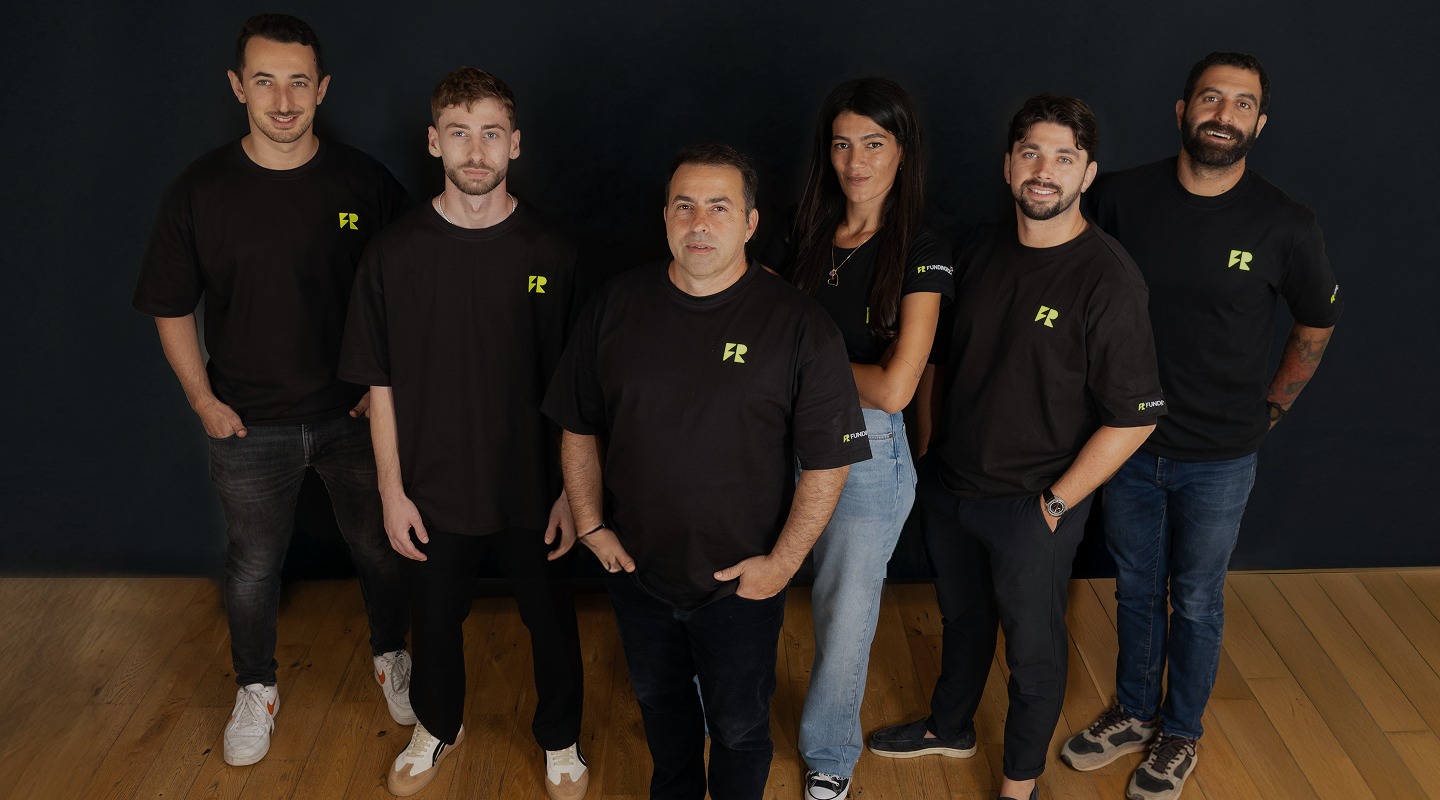
Mark Berkovich explains how blockchain and crypto are reshaping the future of neobanks.
He sees compliance not as a barrier, but “as a foundation for building trust.”
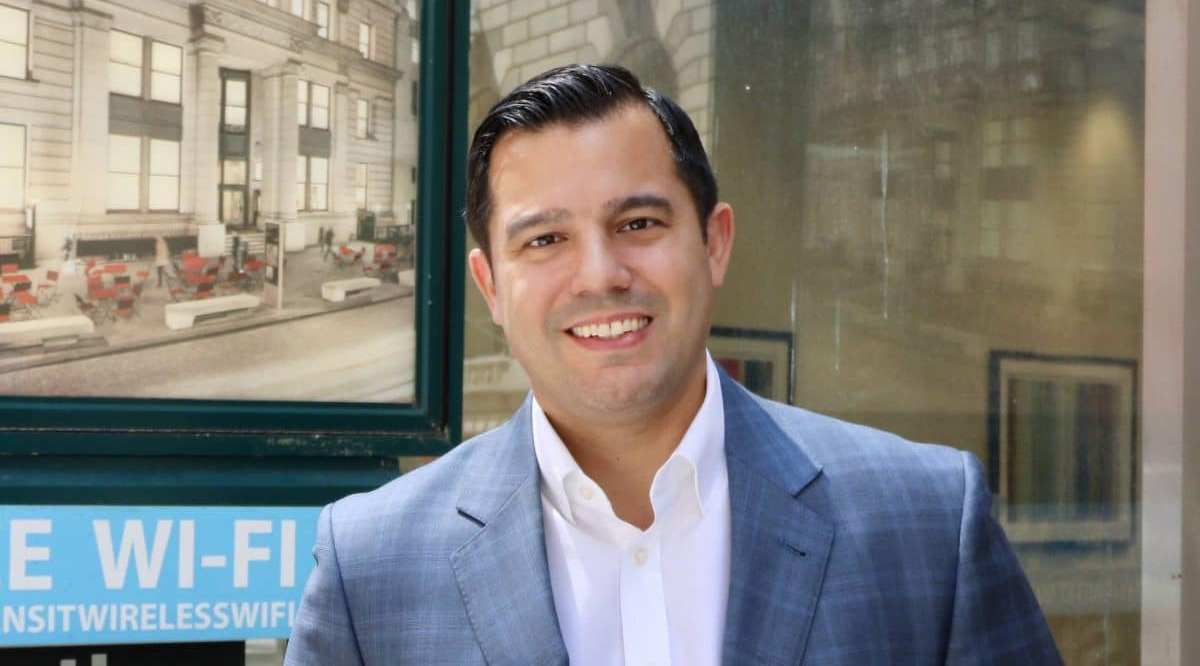
Mark Berkovich, CEO of Keabank
Neobanks
are rapidly transforming the global financial landscape, challenging
traditional banking institutions with their digital-first models. As more
consumers seek faster, more accessible financial services, the rise of “new
banking” is reshaping the way we manage money.
Finance
Magnates spoke with
Mark Berkovich, CEO of Keabank, who shared insights on the future of neobanking
and how companies are navigating the evolving regulatory landscape to democratize
finance.
Keabank CEO Outlines
Vision for the Future of Neobanking
Keabank, a financial
technology company, is aiming to change the neobanking landscape with its
unique blend of blockchain technology, cryptocurrency integration, and global
payment services.
"Our
mission is to democratize access to a broad range of financial services
tailored to the specific needs of various markets," Berkovich said in a
conversation with Finance Magnates. The platform’s focus on
blockchain-based banking sets it apart from traditional institutions and other neobanks.
Berkovich believes this approach will help bridge the gap between fiat
currencies and digital assets.
When asked
about the key differentiators between Keabank and its competitors, Berkovich
emphasized the company’s holistic approach. "While other neobanks offer
niche services, Keabank integrates crypto and fiat solutions in a single
platform, localized to meet regulatory and market needs in different
countries," he explained.
Berkovich
also highlighted the advantages that neobanks have over traditional banks.
"We offer a leaner, more cost-efficient operational model, which allows us
to pass on savings to customers through lower fees and more personalized
services," Keabank CEO commented.
Additionally,
the digital-first nature of neobanks makes them quicker to adopt emerging
technologies such as blockchain and AI, enabling them to better serve modern
consumers.
Mark Berkovich, CEO of Keabank
Compliance as a
Competitive Advantage
Berkovich
acknowledged that regulatory challenges remain a significant hurdle for
neobanks, but noted that Keabank views compliance as a strategic advantage.
"We
work closely with regulators in each market to ensure that we exceed local
compliance requirements," he said. By embedding a compliance framework
into its operations, neobanks are able to innovate without sacrificing security
or regulatory standards. Blockchain technology plays a crucial role in this, as
it enhances transparency and makes it easier for the company to meet regulatory
demands.
"Our
seamless cross-border transaction capabilities, coupled with the ability to
switch easily between fiat and crypto, position us for success in a world where
digital and traditional currencies increasingly coexist," Berkovich said.
Neobanks
offer several advantages over traditional banks, including:
Quicker
adoption of new technologies like blockchain and AI
More
inclusive banking services for underserved populations
Neobanking transactions are projected to reach more than $6.37T, surpassing the GDP of Japan
Berkovitch
sees competition with traditional banks and other neobanks as "a driving
force for innovation". He notes that while traditional banks often
struggle with legacy systems and regulatory constraints, Keabank focuses on
differentiation through its integrated approach to crypto and fiat services.
Future Plans
As Keabank
continues to grow, Berkovich is focused on expanding the company’s product
offerings. "We are enhancing our blockchain-based services and developing
new crypto-fiat products to meet the needs of both corporate and individual
clients," he said. The company’s plans include advanced payment solutions
aimed at improving the efficiency and transparency of cross-border
transactions.
Despite the
rapid pace of technological change, Berkovich believes that Keabank is
well-positioned to balance innovation with security. "Building a strong
compliance framework has been essential in allowing us to innovate confidently
while ensuring that we meet regulatory requirements," he added.
As the neobanking
sector continues to evolve, Keabank's approach of integrating fiat and
crypto services is positioning it as an interesring player in the industry. The
company's focus on compliance, innovation, and customer-centric solutions
reflects broader trends in the neobanking space.
Neobanks
are rapidly transforming the global financial landscape, challenging
traditional banking institutions with their digital-first models. As more
consumers seek faster, more accessible financial services, the rise of “new
banking” is reshaping the way we manage money.
Finance
Magnates spoke with
Mark Berkovich, CEO of Keabank, who shared insights on the future of neobanking
and how companies are navigating the evolving regulatory landscape to democratize
finance.
Keabank CEO Outlines
Vision for the Future of Neobanking
Keabank, a financial
technology company, is aiming to change the neobanking landscape with its
unique blend of blockchain technology, cryptocurrency integration, and global
payment services.
"Our
mission is to democratize access to a broad range of financial services
tailored to the specific needs of various markets," Berkovich said in a
conversation with Finance Magnates. The platform’s focus on
blockchain-based banking sets it apart from traditional institutions and other neobanks.
Berkovich believes this approach will help bridge the gap between fiat
currencies and digital assets.
When asked
about the key differentiators between Keabank and its competitors, Berkovich
emphasized the company’s holistic approach. "While other neobanks offer
niche services, Keabank integrates crypto and fiat solutions in a single
platform, localized to meet regulatory and market needs in different
countries," he explained.
Berkovich
also highlighted the advantages that neobanks have over traditional banks.
"We offer a leaner, more cost-efficient operational model, which allows us
to pass on savings to customers through lower fees and more personalized
services," Keabank CEO commented.
Additionally,
the digital-first nature of neobanks makes them quicker to adopt emerging
technologies such as blockchain and AI, enabling them to better serve modern
consumers.
Mark Berkovich, CEO of Keabank
Compliance as a
Competitive Advantage
Berkovich
acknowledged that regulatory challenges remain a significant hurdle for
neobanks, but noted that Keabank views compliance as a strategic advantage.
"We
work closely with regulators in each market to ensure that we exceed local
compliance requirements," he said. By embedding a compliance framework
into its operations, neobanks are able to innovate without sacrificing security
or regulatory standards. Blockchain technology plays a crucial role in this, as
it enhances transparency and makes it easier for the company to meet regulatory
demands.
"Our
seamless cross-border transaction capabilities, coupled with the ability to
switch easily between fiat and crypto, position us for success in a world where
digital and traditional currencies increasingly coexist," Berkovich said.
Neobanks
offer several advantages over traditional banks, including:
Quicker
adoption of new technologies like blockchain and AI
More
inclusive banking services for underserved populations
Neobanking transactions are projected to reach more than $6.37T, surpassing the GDP of Japan
Berkovitch
sees competition with traditional banks and other neobanks as "a driving
force for innovation". He notes that while traditional banks often
struggle with legacy systems and regulatory constraints, Keabank focuses on
differentiation through its integrated approach to crypto and fiat services.
Future Plans
As Keabank
continues to grow, Berkovich is focused on expanding the company’s product
offerings. "We are enhancing our blockchain-based services and developing
new crypto-fiat products to meet the needs of both corporate and individual
clients," he said. The company’s plans include advanced payment solutions
aimed at improving the efficiency and transparency of cross-border
transactions.
Despite the
rapid pace of technological change, Berkovich believes that Keabank is
well-positioned to balance innovation with security. "Building a strong
compliance framework has been essential in allowing us to innovate confidently
while ensuring that we meet regulatory requirements," he added.
As the neobanking
sector continues to evolve, Keabank's approach of integrating fiat and
crypto services is positioning it as an interesring player in the industry. The
company's focus on compliance, innovation, and customer-centric solutions
reflects broader trends in the neobanking space.
Damian Chmiel is a Senior Analyst & Editor at Finance Magnates with more than 15 years of experience in the CFD and online trading industry. Active as both a trader and journalist since 2010, he focuses on broker coverage, fintech innovation, and regulatory developments across Europe, the Middle East, and Asia.
His work includes interviews with C-level leaders at major brokerages and fintech platforms, as well as co-authoring Finance Magnates’ quarterly industry benchmarking reports. Damian’s reporting is data-driven, market-aware, and grounded in direct industry engagement. His analysis and commentary have also been cited by external media outlets, including Investing.com, Binance, The Asset, Stockhead, and Dispatch.
Education:
MA in Finance and Accounting, Cracow University of Economics
Retail Investors Shift to Energy, Rare Earths, and AI Amid Tensions, eToro Finds
FP Markets Winner Spotlight 🏆 | Global Broker of the Year 2025 #Trading #Broker #Innovation #Shorts
FP Markets Winner Spotlight 🏆 | Global Broker of the Year 2025 #Trading #Broker #Innovation #Shorts
FP Markets takes the spotlight as Global Broker of the Year 2025 at the Finance Magnates Awards.
Martin Stoilov, Head of Client Experience, shares that trust, innovation, and people played a key role in the company’s success, supported by a strong foundation of integrity and client-centricity.
Following this milestone, FP Markets continues to focus on growth, technology investment, and its core values of transparency and excellence.
👉 Be part of FM Awards 2026: https://awards.financemagnates.com/#nominate
FP Markets takes the spotlight as Global Broker of the Year 2025 at the Finance Magnates Awards.
Martin Stoilov, Head of Client Experience, shares that trust, innovation, and people played a key role in the company’s success, supported by a strong foundation of integrity and client-centricity.
Following this milestone, FP Markets continues to focus on growth, technology investment, and its core values of transparency and excellence.
👉 Be part of FM Awards 2026: https://awards.financemagnates.com/#nominate
In this video, we review @HolaPrimeMarketsOfficial, a multi-asset forex and CFDs broker offering different account types, trading platforms, and flexible trading conditions.
We cover the broker’s overall offering, including account options, trading environment, platforms like MT4 and MT5, and additional services such as managed accounts and fast withdrawals.
Watch the full video to see if Hola Prime Markets fits your trading needs.
📣 Stay up to date with the latest in finance and trading. Follow Finance Magnates for industry news, insights, and global event coverage.
Connect with us:
🔗 LinkedIn: /financemagnates
👍 Facebook: /financemagnates
📸 Instagram: https://www.instagram.com/financemagnates
🐦 X: https://x.com/financemagnates
🎥 TikTok: https://www.tiktok.com/tag/financemagnates
▶️ YouTube: /@financemagnates_official
#HolaPrime #ForexBroker #CFDTrading #FinanceMagnates #Trading #Forex #BrokerReview
In this video, we review @HolaPrimeMarketsOfficial, a multi-asset forex and CFDs broker offering different account types, trading platforms, and flexible trading conditions.
We cover the broker’s overall offering, including account options, trading environment, platforms like MT4 and MT5, and additional services such as managed accounts and fast withdrawals.
Watch the full video to see if Hola Prime Markets fits your trading needs.
📣 Stay up to date with the latest in finance and trading. Follow Finance Magnates for industry news, insights, and global event coverage.
Connect with us:
🔗 LinkedIn: /financemagnates
👍 Facebook: /financemagnates
📸 Instagram: https://www.instagram.com/financemagnates
🐦 X: https://x.com/financemagnates
🎥 TikTok: https://www.tiktok.com/tag/financemagnates
▶️ YouTube: /@financemagnates_official
#HolaPrime #ForexBroker #CFDTrading #FinanceMagnates #Trading #Forex #BrokerReview
Hola Prime Review: What You Need to Know | Full Breakdown by Finance Magnates
Hola Prime Review: What You Need to Know | Full Breakdown by Finance Magnates
In this video, we review @HolaPrime_Global, a proprietary trading firm offering evaluation programs and performance-based payouts in simulated market environments.
We cover how the challenge model works, including account types, profit splits (up to 95%), trading rules, and what it takes to reach a funded account. You’ll also learn about available platforms like MT4, MT5, cTrader, and more, along with insights into payouts, support, and trading conditions.
Watch the full video to see if Hola Prime fits your trading style.
📣 Stay up to date with the latest in finance and trading. Follow Finance Magnates for industry news, insights, and global event coverage.
Connect with us:
🔗 LinkedIn: /financemagnates
👍 Facebook: /financemagnates
📸 Instagram: https://www.instagram.com/financemagnates
🐦 X: https://x.com/financemagnates
🎥 TikTok: https://www.tiktok.com/tag/financemagnates
▶️ YouTube: /@financemagnates_official
#HolaPrime #PropFirm #Trading #FinanceMagnates #Forex #FuturesTrading #TradingReview #PropFirmReview
In this video, we review @HolaPrime_Global, a proprietary trading firm offering evaluation programs and performance-based payouts in simulated market environments.
We cover how the challenge model works, including account types, profit splits (up to 95%), trading rules, and what it takes to reach a funded account. You’ll also learn about available platforms like MT4, MT5, cTrader, and more, along with insights into payouts, support, and trading conditions.
Watch the full video to see if Hola Prime fits your trading style.
📣 Stay up to date with the latest in finance and trading. Follow Finance Magnates for industry news, insights, and global event coverage.
Connect with us:
🔗 LinkedIn: /financemagnates
👍 Facebook: /financemagnates
📸 Instagram: https://www.instagram.com/financemagnates
🐦 X: https://x.com/financemagnates
🎥 TikTok: https://www.tiktok.com/tag/financemagnates
▶️ YouTube: /@financemagnates_official
#HolaPrime #PropFirm #Trading #FinanceMagnates #Forex #FuturesTrading #TradingReview #PropFirmReview
Axi Winner Spotlight 🏆 | Global Most Innovative Broker 2025 #Innovation #Trading #Fintech #Broker
Axi Winner Spotlight 🏆 | Global Most Innovative Broker 2025 #Innovation #Trading #Fintech #Broker
Axi takes the spotlight at the Finance Magnates Awards, winning Global Most Innovative Broker 2025.
Olivia Xenofontos and Ivanna Openko share how the team will feel: proud, motivated, and ready to keep delivering.
They also describe the night as well-organized, focused, and enjoyable for all.
👉 Be part of FM Awards 2026.
Axi takes the spotlight at the Finance Magnates Awards, winning Global Most Innovative Broker 2025.
Olivia Xenofontos and Ivanna Openko share how the team will feel: proud, motivated, and ready to keep delivering.
They also describe the night as well-organized, focused, and enjoyable for all.
👉 Be part of FM Awards 2026.
Recognition that matters.
Built on transparency.
Driven by the industry.
The Finance Magnates Awards 2026.
Nominations are now open.
🔗 https://awards.financemagnates.com/?utm_source=SM&utm_medium=social&utm_campaign=recognition-matters
Recognition that matters.
Built on transparency.
Driven by the industry.
The Finance Magnates Awards 2026.
Nominations are now open.
🔗 https://awards.financemagnates.com/?utm_source=SM&utm_medium=social&utm_campaign=recognition-matters