Apple Pay Later will be launched in the US in September.
With widespread layoffs and regulatory concerns, other BNPL providers are falling.
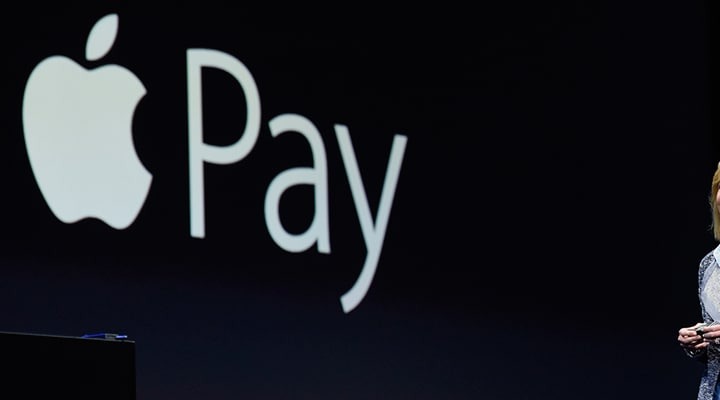
Apple has recently announced its plans of launching Apple Pay Later in September. Though the company did not use the term 'buy now, pay later' the upcoming service will allow consumers to pay in four installments over six weeks, making it a BNPL service.
The popularity of the BNPL industry has exploded tremendously in a short period: it grew from $33 billion in 2020 to $120 billion last year, according to GlobalData. The industry is now expected to grow at an annual rate of 26 percent.
Apple is known for entering markets with clear opportunities and potential growth, and its move into BNPL consumer finance now proves the same. Though it can legitimize the services of the relatively new industry, Apple’s market dominance can threaten the existence of the existing players.
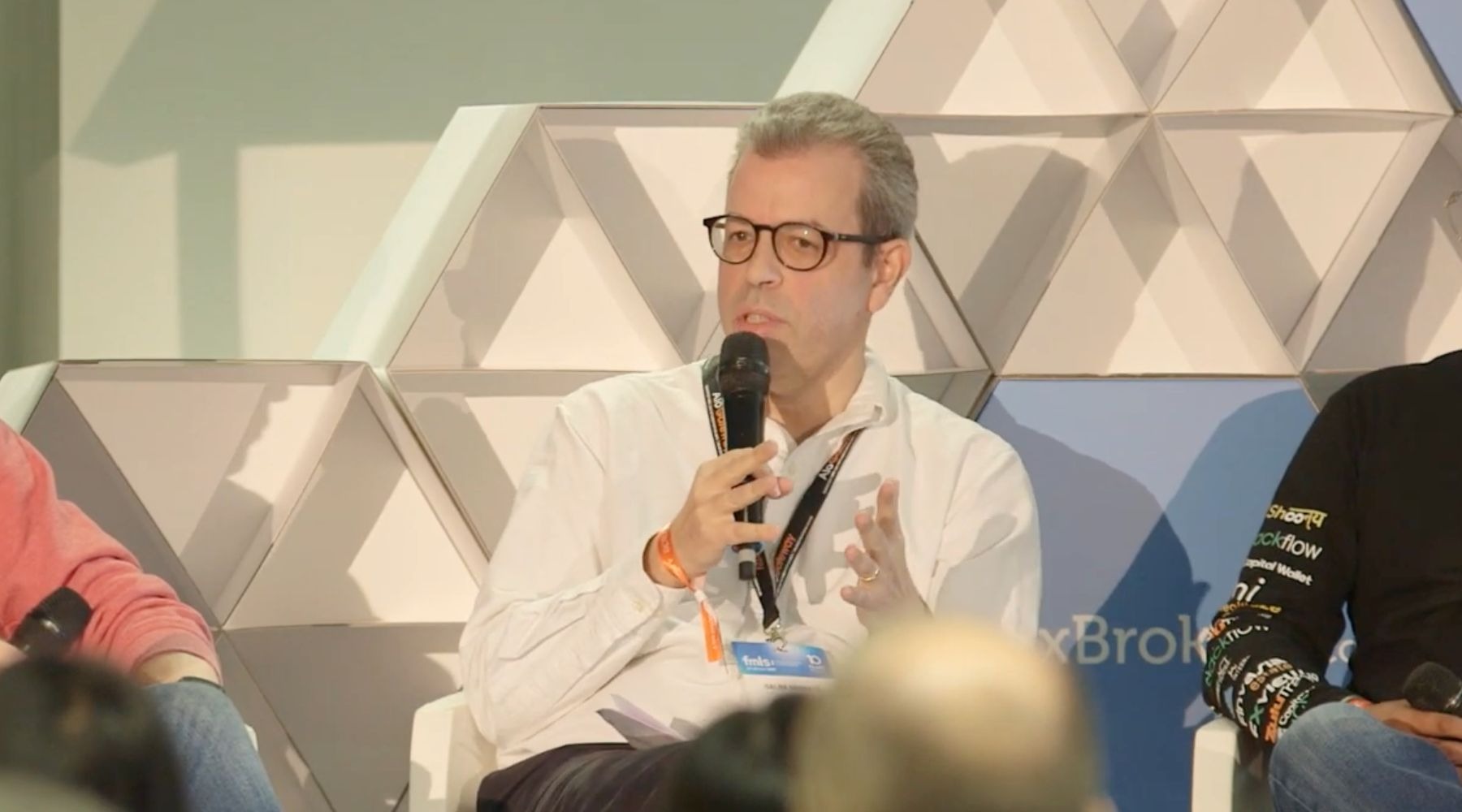
“Apple devices are the gateway for many consumers shopping online. The more seamlessly they can integrate into the shopping experience, the less likely customers are to use other services,” Alykhan Sunderji, the Chief Council at Sunder Legal, told Finance Magnates.
And, Apple is following exactly this strategy. The tech giant is going to integrate its pay later services into its existing Apple Pay services. The service will require a 'soft' credit check of the consumer and a review of their transaction history with Apple.
Shannon Vissers, a Retail and Shopping Analyst at MerchantMaverick.com, explained: “Apple will have a competitive advantage, since its BNPL product makes it even easier for Apple users to take out a BNPL loan; for existing Apple Pay users, Apple's Pay Later will be just another effortless payment option that appears in your Apple Wallet.”
Advantage: Fair or Unfair?
The dominance of Apple Pay in the United States’ retail payments space will further push the Pay Later service. The number of Apple Pay users was estimated to be 507 million globally in 2020 after gaining 66 million that year. In addition, it captures 43.9 percent of the mobile payments market in the United States.
All these metrics clearly indicate that Apple Pay Later will have a major advantage in the BNPL sector.
Moreover, unlike Apple, most of the BNPL providers usually rely on their partnerships with other payment providers and e-commerce platforms. If those deals go sour, those platforms would lose their market share overnight. However, this is not even a concern for Apple Pay Later, as the tech giant has created a massive ecosystem over the years.
“But, [Apple Pay Later] won’t necessarily kill the BNPL business,” said Sunderji.
“We often see multiple checkout options on an e-commerce website because customers have different preferences. I think we will continue to see multiple options for BNPL, and these options will drive healthy competition to please customers.”
Interesting Timing
Additionally, Apple is launching its BNPL services when the majority of the industry is struggling. Affirm, which is one of the biggest BNPL players, has lost 3/4 of its stock value since the beginning of the year, and Klarna laid off 10 percent of its workforce in May.
Now, Apple’s move into space has pushed these BNPL stocks even lower.
Shannon Vissers, a Retail and Shopping Analyst at MerchantMaverick.com
“The more players there are in the industry, the harder it will be for each BNPL product to stand out from its competitors,” Vissers added. “It remains to be seen which players will remain standing in the end, but I think a year from now there will be fewer BNPL players than there are now. It's also not out of the question that Apple, PayPal, and/or Block might acquire and absorb some of their BNPL competitors.”
Upcoming Regulations
Regulation is another concern for the BNPL industry. The industry is now unregulated, but regulators actively considering tightening the industry.
One of the regulatory areas would be checking the financial history of potential consumers before allowing BNPL services. Apple has a clear advantage here.
Alykhan Sunderji, Chief Council at Sunder Legal
“When Apple uses its own data to make a credit decision, it doesn’t have to comply with various regulations under the Fair Credit Reporting Act (like sending a formal notice if someone has been denied credit). But, we’ve seen that whenever consumers are offered easy credit in an unregulated environment, disaster is not far away,” said Sunderji.
Despite Apple’s entrance into the industry, the retail payment markets are too big. Apple Pay is dominant in the US and some other countries, but several local payment modes still dominate in Europe, Asia and other parts of the world.
“There are myriad factors working against BNPL at the moment: looming regulations, too many companies offering a nearly identical product, rising public skepticism of BNPL as we discover how financially harmful these products are to young consumers, rising interest rates and the increasingly real prospect of a recession in the coming months,” added Vissers.
“All that said, I don't think BNPL will disappear entirely. In a few years, there will still be two or three big BNPL players (likely including Apple), though the products will be more carefully regulated.”
Apple has recently announced its plans of launching Apple Pay Later in September. Though the company did not use the term 'buy now, pay later' the upcoming service will allow consumers to pay in four installments over six weeks, making it a BNPL service.
The popularity of the BNPL industry has exploded tremendously in a short period: it grew from $33 billion in 2020 to $120 billion last year, according to GlobalData. The industry is now expected to grow at an annual rate of 26 percent.
Apple is known for entering markets with clear opportunities and potential growth, and its move into BNPL consumer finance now proves the same. Though it can legitimize the services of the relatively new industry, Apple’s market dominance can threaten the existence of the existing players.
“Apple devices are the gateway for many consumers shopping online. The more seamlessly they can integrate into the shopping experience, the less likely customers are to use other services,” Alykhan Sunderji, the Chief Council at Sunder Legal, told Finance Magnates.
And, Apple is following exactly this strategy. The tech giant is going to integrate its pay later services into its existing Apple Pay services. The service will require a 'soft' credit check of the consumer and a review of their transaction history with Apple.
Shannon Vissers, a Retail and Shopping Analyst at MerchantMaverick.com, explained: “Apple will have a competitive advantage, since its BNPL product makes it even easier for Apple users to take out a BNPL loan; for existing Apple Pay users, Apple's Pay Later will be just another effortless payment option that appears in your Apple Wallet.”
Advantage: Fair or Unfair?
The dominance of Apple Pay in the United States’ retail payments space will further push the Pay Later service. The number of Apple Pay users was estimated to be 507 million globally in 2020 after gaining 66 million that year. In addition, it captures 43.9 percent of the mobile payments market in the United States.
All these metrics clearly indicate that Apple Pay Later will have a major advantage in the BNPL sector.
Moreover, unlike Apple, most of the BNPL providers usually rely on their partnerships with other payment providers and e-commerce platforms. If those deals go sour, those platforms would lose their market share overnight. However, this is not even a concern for Apple Pay Later, as the tech giant has created a massive ecosystem over the years.
“But, [Apple Pay Later] won’t necessarily kill the BNPL business,” said Sunderji.
“We often see multiple checkout options on an e-commerce website because customers have different preferences. I think we will continue to see multiple options for BNPL, and these options will drive healthy competition to please customers.”
Interesting Timing
Additionally, Apple is launching its BNPL services when the majority of the industry is struggling. Affirm, which is one of the biggest BNPL players, has lost 3/4 of its stock value since the beginning of the year, and Klarna laid off 10 percent of its workforce in May.
Now, Apple’s move into space has pushed these BNPL stocks even lower.
Shannon Vissers, a Retail and Shopping Analyst at MerchantMaverick.com
“The more players there are in the industry, the harder it will be for each BNPL product to stand out from its competitors,” Vissers added. “It remains to be seen which players will remain standing in the end, but I think a year from now there will be fewer BNPL players than there are now. It's also not out of the question that Apple, PayPal, and/or Block might acquire and absorb some of their BNPL competitors.”
Upcoming Regulations
Regulation is another concern for the BNPL industry. The industry is now unregulated, but regulators actively considering tightening the industry.
One of the regulatory areas would be checking the financial history of potential consumers before allowing BNPL services. Apple has a clear advantage here.
Alykhan Sunderji, Chief Council at Sunder Legal
“When Apple uses its own data to make a credit decision, it doesn’t have to comply with various regulations under the Fair Credit Reporting Act (like sending a formal notice if someone has been denied credit). But, we’ve seen that whenever consumers are offered easy credit in an unregulated environment, disaster is not far away,” said Sunderji.
Despite Apple’s entrance into the industry, the retail payment markets are too big. Apple Pay is dominant in the US and some other countries, but several local payment modes still dominate in Europe, Asia and other parts of the world.
“There are myriad factors working against BNPL at the moment: looming regulations, too many companies offering a nearly identical product, rising public skepticism of BNPL as we discover how financially harmful these products are to young consumers, rising interest rates and the increasingly real prospect of a recession in the coming months,” added Vissers.
“All that said, I don't think BNPL will disappear entirely. In a few years, there will still be two or three big BNPL players (likely including Apple), though the products will be more carefully regulated.”
Arnab Shome is an electronics engineer-turned-financial editor. He holds a Bachelor of Technology from the National Institute of Technology, Agartala. He entered the retail trading industry about a decade ago, covering the cryptocurrency market for Finance Magnates, and later expanded his coverage to include forex and CFDs as well.
His work at Finance Magnates includes C-level interviews, data-driven analysis, opinion pieces, and scoops of industry exclusives. He also contributes to Finance Magnates’ quarterly industry report.
Area of coverage:
1. CFD broker-related news
2. Industry-related Regulatory updates and developments
3. New retail trading trends
4. Prop trading industry updates
5. Executive interviews
Education:
Bachelor of Technology - National Institute of Technology, Agartala (India)
Retail Investors Shift to Energy, Rare Earths, and AI Amid Tensions, eToro Finds
FP Markets Winner Spotlight 🏆 | Global Broker of the Year 2025 #Trading #Broker #Innovation #Shorts
FP Markets Winner Spotlight 🏆 | Global Broker of the Year 2025 #Trading #Broker #Innovation #Shorts
FP Markets takes the spotlight as Global Broker of the Year 2025 at the Finance Magnates Awards.
Martin Stoilov, Head of Client Experience, shares that trust, innovation, and people played a key role in the company’s success, supported by a strong foundation of integrity and client-centricity.
Following this milestone, FP Markets continues to focus on growth, technology investment, and its core values of transparency and excellence.
👉 Be part of FM Awards 2026: https://awards.financemagnates.com/#nominate
FP Markets takes the spotlight as Global Broker of the Year 2025 at the Finance Magnates Awards.
Martin Stoilov, Head of Client Experience, shares that trust, innovation, and people played a key role in the company’s success, supported by a strong foundation of integrity and client-centricity.
Following this milestone, FP Markets continues to focus on growth, technology investment, and its core values of transparency and excellence.
👉 Be part of FM Awards 2026: https://awards.financemagnates.com/#nominate
In this video, we review @HolaPrimeMarketsOfficial, a multi-asset forex and CFDs broker offering different account types, trading platforms, and flexible trading conditions.
We cover the broker’s overall offering, including account options, trading environment, platforms like MT4 and MT5, and additional services such as managed accounts and fast withdrawals.
Watch the full video to see if Hola Prime Markets fits your trading needs.
📣 Stay up to date with the latest in finance and trading. Follow Finance Magnates for industry news, insights, and global event coverage.
Connect with us:
🔗 LinkedIn: /financemagnates
👍 Facebook: /financemagnates
📸 Instagram: https://www.instagram.com/financemagnates
🐦 X: https://x.com/financemagnates
🎥 TikTok: https://www.tiktok.com/tag/financemagnates
▶️ YouTube: /@financemagnates_official
#HolaPrime #ForexBroker #CFDTrading #FinanceMagnates #Trading #Forex #BrokerReview
In this video, we review @HolaPrimeMarketsOfficial, a multi-asset forex and CFDs broker offering different account types, trading platforms, and flexible trading conditions.
We cover the broker’s overall offering, including account options, trading environment, platforms like MT4 and MT5, and additional services such as managed accounts and fast withdrawals.
Watch the full video to see if Hola Prime Markets fits your trading needs.
📣 Stay up to date with the latest in finance and trading. Follow Finance Magnates for industry news, insights, and global event coverage.
Connect with us:
🔗 LinkedIn: /financemagnates
👍 Facebook: /financemagnates
📸 Instagram: https://www.instagram.com/financemagnates
🐦 X: https://x.com/financemagnates
🎥 TikTok: https://www.tiktok.com/tag/financemagnates
▶️ YouTube: /@financemagnates_official
#HolaPrime #ForexBroker #CFDTrading #FinanceMagnates #Trading #Forex #BrokerReview
Hola Prime Review: What You Need to Know | Full Breakdown by Finance Magnates
Hola Prime Review: What You Need to Know | Full Breakdown by Finance Magnates
In this video, we review @HolaPrime_Global, a proprietary trading firm offering evaluation programs and performance-based payouts in simulated market environments.
We cover how the challenge model works, including account types, profit splits (up to 95%), trading rules, and what it takes to reach a funded account. You’ll also learn about available platforms like MT4, MT5, cTrader, and more, along with insights into payouts, support, and trading conditions.
Watch the full video to see if Hola Prime fits your trading style.
📣 Stay up to date with the latest in finance and trading. Follow Finance Magnates for industry news, insights, and global event coverage.
Connect with us:
🔗 LinkedIn: /financemagnates
👍 Facebook: /financemagnates
📸 Instagram: https://www.instagram.com/financemagnates
🐦 X: https://x.com/financemagnates
🎥 TikTok: https://www.tiktok.com/tag/financemagnates
▶️ YouTube: /@financemagnates_official
#HolaPrime #PropFirm #Trading #FinanceMagnates #Forex #FuturesTrading #TradingReview #PropFirmReview
In this video, we review @HolaPrime_Global, a proprietary trading firm offering evaluation programs and performance-based payouts in simulated market environments.
We cover how the challenge model works, including account types, profit splits (up to 95%), trading rules, and what it takes to reach a funded account. You’ll also learn about available platforms like MT4, MT5, cTrader, and more, along with insights into payouts, support, and trading conditions.
Watch the full video to see if Hola Prime fits your trading style.
📣 Stay up to date with the latest in finance and trading. Follow Finance Magnates for industry news, insights, and global event coverage.
Connect with us:
🔗 LinkedIn: /financemagnates
👍 Facebook: /financemagnates
📸 Instagram: https://www.instagram.com/financemagnates
🐦 X: https://x.com/financemagnates
🎥 TikTok: https://www.tiktok.com/tag/financemagnates
▶️ YouTube: /@financemagnates_official
#HolaPrime #PropFirm #Trading #FinanceMagnates #Forex #FuturesTrading #TradingReview #PropFirmReview
Axi Winner Spotlight 🏆 | Global Most Innovative Broker 2025 #Innovation #Trading #Fintech #Broker
Axi Winner Spotlight 🏆 | Global Most Innovative Broker 2025 #Innovation #Trading #Fintech #Broker
Axi takes the spotlight at the Finance Magnates Awards, winning Global Most Innovative Broker 2025.
Olivia Xenofontos and Ivanna Openko share how the team will feel: proud, motivated, and ready to keep delivering.
They also describe the night as well-organized, focused, and enjoyable for all.
👉 Be part of FM Awards 2026.
Axi takes the spotlight at the Finance Magnates Awards, winning Global Most Innovative Broker 2025.
Olivia Xenofontos and Ivanna Openko share how the team will feel: proud, motivated, and ready to keep delivering.
They also describe the night as well-organized, focused, and enjoyable for all.
👉 Be part of FM Awards 2026.
Recognition that matters.
Built on transparency.
Driven by the industry.
The Finance Magnates Awards 2026.
Nominations are now open.
🔗 https://awards.financemagnates.com/?utm_source=SM&utm_medium=social&utm_campaign=recognition-matters
Recognition that matters.
Built on transparency.
Driven by the industry.
The Finance Magnates Awards 2026.
Nominations are now open.
🔗 https://awards.financemagnates.com/?utm_source=SM&utm_medium=social&utm_campaign=recognition-matters