Polymarket is in talks to raise an additional $400 million, which would bring its current round to $1 billion and value the company at roughly $15 billion, according to The Information.
Singapore Summit: Meet the largest APAC brokers you know (and those you still don't!).
The new capital would be added on top of a $600 million investment already made by Intercontinental Exchange, the parent company of the New York Stock Exchange. ICE had previously announced plans to build a strategic stake of up to $2 billion in the platform.
Where the Money Would Go
The fundraising comes as Polymarket prepares for two simultaneous fights.
On the regulatory front, the company is working its way back into the U.S. market through a recently acquired CFTC-regulated entity, while state authorities push to classify its products as illegal gambling.
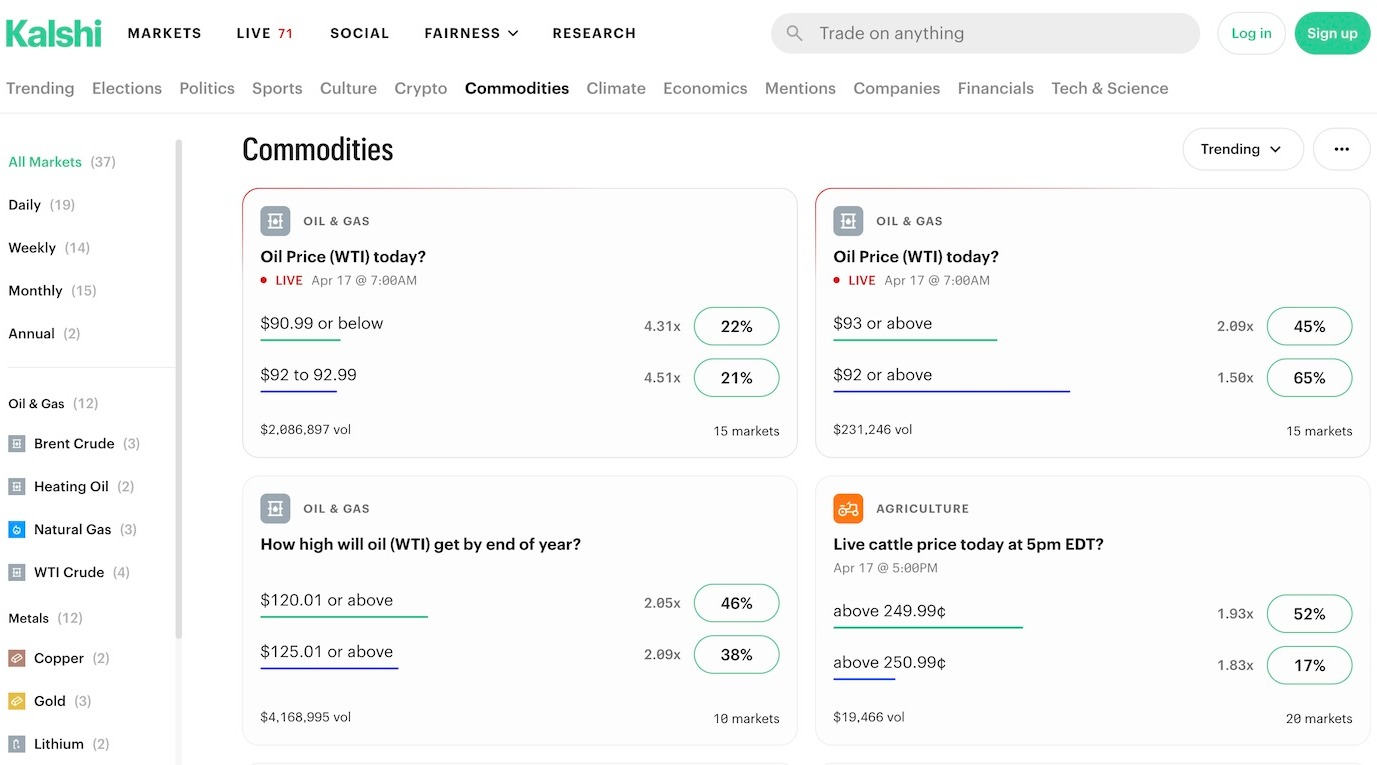
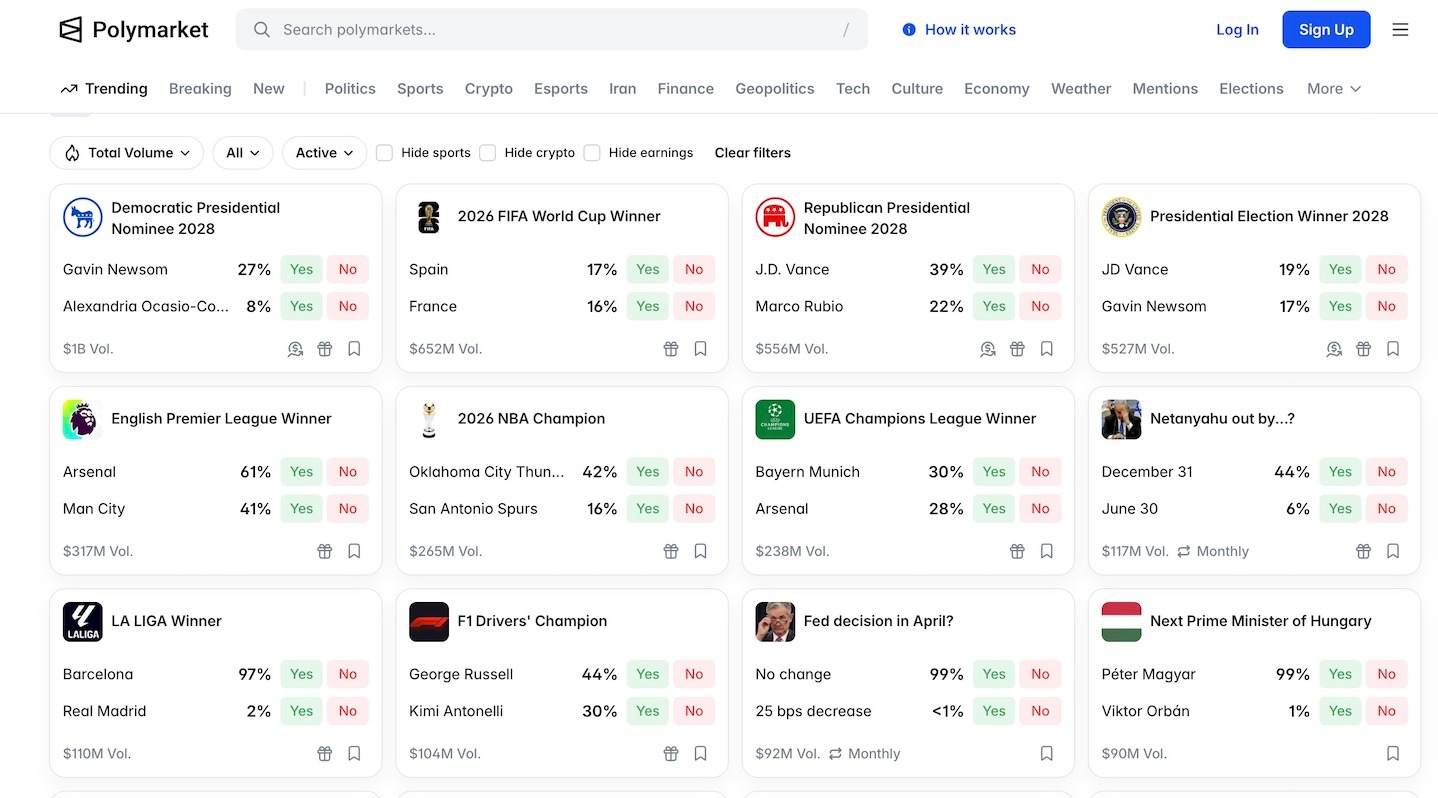
On the competitive front, it is racing against Kalshi, which is also heavily funded and currently leads in U.S. market share, while Polymarket holds the stronger position in international and crypto-native markets.
The capital is meant to cover the costs of prolonged legal proceedings, user acquisition, and the infrastructure buildout required to attract institutional participants in the U.S. ICE's willingness to anchor the round despite unresolved regulatory questions is a meaningful signal.
- Polymarket Replaces Bridged USDC Aiming for a U.S. Relaunch
- LALIGA Signs Polymarket in First European League Deal with a Prediction Market Platform
- Polymarket Curbs Insider Bets: No Stolen Info, No Illegal Tips, No Outcome Influencers
Investors See the Risks Contained
Traditional finance institutions rarely move ahead of regulatory clarity on products this contested. The bet appears to be that the legal risks are manageable and that prediction markets represent a durable, large-scale asset class rather than a regulatory experiment.
For the brokerage and fintech sector, the more relevant takeaway is structural: the leading platforms are not waiting for the regulatory environment to settle. They are raising capital now, pricing in the legal risk, and positioning for a market that may look very different in three to five years.