Cologne startup targets European fund infrastructure with digital platform aimed at smaller providers.
The company also aims to challenge US dominance in the European fund market.
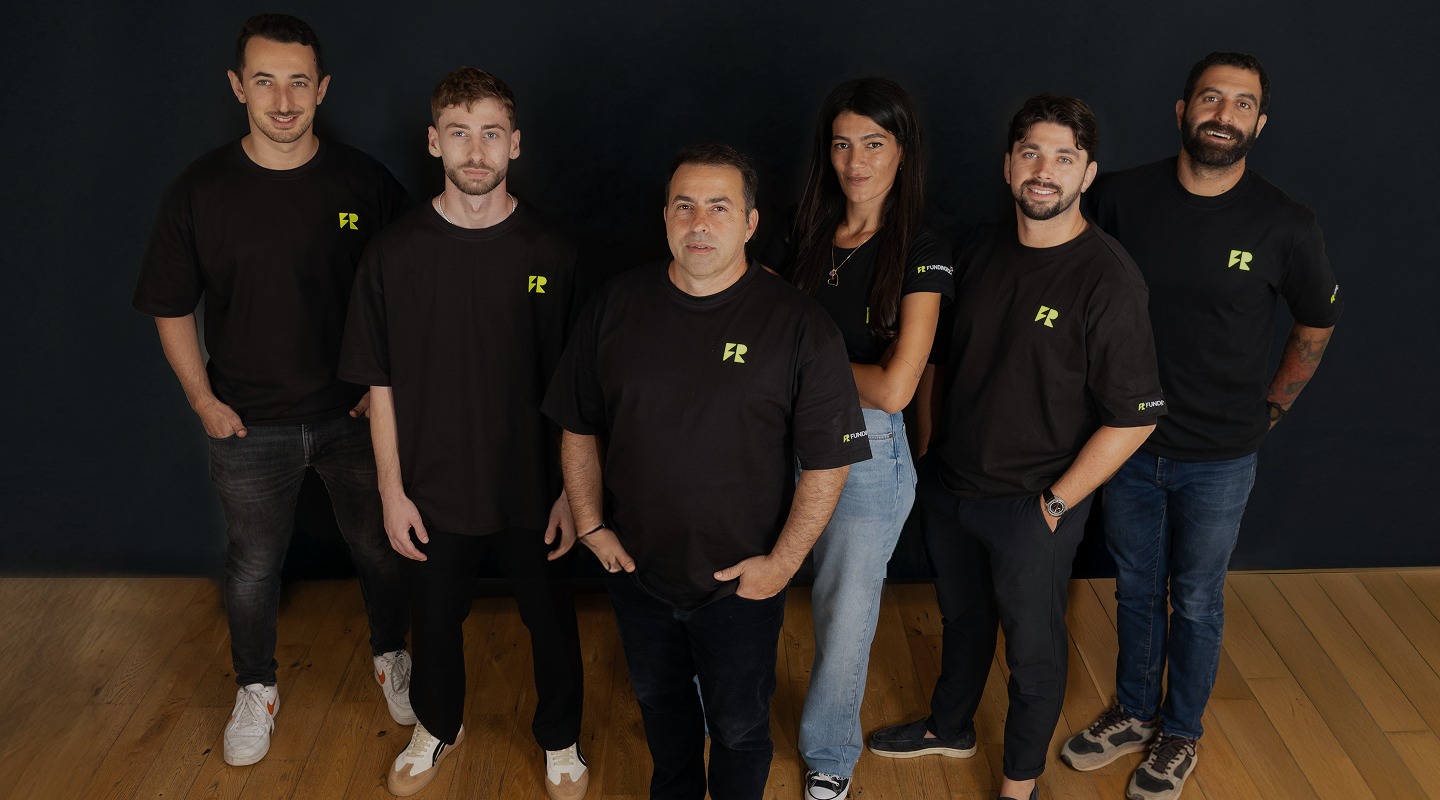
NaroIQ team
German fintech NaroIQ has
secured $6.5 million in seed funding to build what it calls a European
alternative to the US-dominated exchange-traded fund market.
NaroIQ Raises $6.5M Seed to
Build European ETF Infrastructure
The Cologne-based company raised
the money from Berlin venture firms Magnetic and Redstone, along with existing
investor General Catalyst, which increased its stake in the round. Magnetic,
which focuses on critical infrastructure investments, led the financing.
NaroIQ plans to use the cash to
expand its digital platform that helps companies launch and manage ETFs and
mutual funds. The startup's pitch centers on making it cheaper and faster for
smaller fund providers to compete against industry heavyweights.
Chris Püllen, NaroIQ's co-founder and CEO
“We are witnessing a
once-in-a-generation shift: ETFs will replace mutual funds in the retail market
over the next decade, which means that margins will shrink significantly,”
said Chris Püllen, NaroIQ's co-founder and CEO.
Targeting Europe's
Infrastructure Problem
The European fund market handles
€22.9 trillion in assets but runs largely on outdated systems, according to
industry association EFAMA. Ernst & Young recently scored the
digitalization of fund servicing at just 1.6 out of 5 points, creating margin pressure
across the industry.
The numbers show the squeeze
fund managers face. While assets under management have grown 8.8% over five
years, profits only climbed 0.7%, the consulting firm zeb found.
“Without a technological
solution, only large fund providers with scale advantages will survive,
creating an alarming concentration of power and wealth in the market,” added Püllen.
David Rosskamp, founding partner
at Magnetic, sees the infrastructure play as essential. “With foundational
financial services still reliant on manual, fragmented back-end processes,
NaroIQ's digital infrastructure is critical to unlocking efficiency, real-time
transparency and cost savings,” he said.
The company's platform uses APIs
and cloud technology to automate fund operations that currently require manual
processes. This should lower the cost of launching new funds and managing
existing ones.
Market Entry Strategy
Founded in 2022 by Püllen and
Nils Krauthausen, NaroIQ previously raised $3 million in pre-seed funding led
by La Famiglia (now part of General Catalyst) and Discovery Ventures in March
2024. The company plans to launch its first partner integrations this year,
using the new funding for technical development and regulatory licensing.
The startup faces significant
challenges breaking into the fund industry, which has high barriers to entry,
strict regulations, and established relationships. But NaroIQ is counting on
smaller providers paying for technology that helps them compete with larger
rivals.
Whether the company can actually
challenge established players remains an open question, but the funding
suggests investors see opportunity in Europe's push for greater financial
independence from US providers.
German fintech NaroIQ has
secured $6.5 million in seed funding to build what it calls a European
alternative to the US-dominated exchange-traded fund market.
NaroIQ Raises $6.5M Seed to
Build European ETF Infrastructure
The Cologne-based company raised
the money from Berlin venture firms Magnetic and Redstone, along with existing
investor General Catalyst, which increased its stake in the round. Magnetic,
which focuses on critical infrastructure investments, led the financing.
NaroIQ plans to use the cash to
expand its digital platform that helps companies launch and manage ETFs and
mutual funds. The startup's pitch centers on making it cheaper and faster for
smaller fund providers to compete against industry heavyweights.
Chris Püllen, NaroIQ's co-founder and CEO
“We are witnessing a
once-in-a-generation shift: ETFs will replace mutual funds in the retail market
over the next decade, which means that margins will shrink significantly,”
said Chris Püllen, NaroIQ's co-founder and CEO.
Targeting Europe's
Infrastructure Problem
The European fund market handles
€22.9 trillion in assets but runs largely on outdated systems, according to
industry association EFAMA. Ernst & Young recently scored the
digitalization of fund servicing at just 1.6 out of 5 points, creating margin pressure
across the industry.
The numbers show the squeeze
fund managers face. While assets under management have grown 8.8% over five
years, profits only climbed 0.7%, the consulting firm zeb found.
“Without a technological
solution, only large fund providers with scale advantages will survive,
creating an alarming concentration of power and wealth in the market,” added Püllen.
David Rosskamp, founding partner
at Magnetic, sees the infrastructure play as essential. “With foundational
financial services still reliant on manual, fragmented back-end processes,
NaroIQ's digital infrastructure is critical to unlocking efficiency, real-time
transparency and cost savings,” he said.
The company's platform uses APIs
and cloud technology to automate fund operations that currently require manual
processes. This should lower the cost of launching new funds and managing
existing ones.
Market Entry Strategy
Founded in 2022 by Püllen and
Nils Krauthausen, NaroIQ previously raised $3 million in pre-seed funding led
by La Famiglia (now part of General Catalyst) and Discovery Ventures in March
2024. The company plans to launch its first partner integrations this year,
using the new funding for technical development and regulatory licensing.
The startup faces significant
challenges breaking into the fund industry, which has high barriers to entry,
strict regulations, and established relationships. But NaroIQ is counting on
smaller providers paying for technology that helps them compete with larger
rivals.
Whether the company can actually
challenge established players remains an open question, but the funding
suggests investors see opportunity in Europe's push for greater financial
independence from US providers.
Damian Chmiel is a Senior Analyst & Editor at Finance Magnates with more than 15 years of experience in the CFD and online trading industry. Active as both a trader and journalist since 2010, he focuses on broker coverage, fintech innovation, and regulatory developments across Europe, the Middle East, and Asia.
His work includes interviews with C-level leaders at major brokerages and fintech platforms, as well as co-authoring Finance Magnates’ quarterly industry benchmarking reports. Damian’s reporting is data-driven, market-aware, and grounded in direct industry engagement. His analysis and commentary have also been cited by external media outlets, including Investing.com, Binance, The Asset, Stockhead, and Dispatch.
Education:
MA in Finance and Accounting, Cracow University of Economics
Polymarket Replaces Bridged USDC Aiming for a U.S. Relaunch
FP Markets Winner Spotlight 🏆 | Global Broker of the Year 2025 #Trading #Broker #Innovation #Shorts
FP Markets Winner Spotlight 🏆 | Global Broker of the Year 2025 #Trading #Broker #Innovation #Shorts
FP Markets takes the spotlight as Global Broker of the Year 2025 at the Finance Magnates Awards.
Martin Stoilov, Head of Client Experience, shares that trust, innovation, and people played a key role in the company’s success, supported by a strong foundation of integrity and client-centricity.
Following this milestone, FP Markets continues to focus on growth, technology investment, and its core values of transparency and excellence.
👉 Be part of FM Awards 2026: https://awards.financemagnates.com/#nominate
FP Markets takes the spotlight as Global Broker of the Year 2025 at the Finance Magnates Awards.
Martin Stoilov, Head of Client Experience, shares that trust, innovation, and people played a key role in the company’s success, supported by a strong foundation of integrity and client-centricity.
Following this milestone, FP Markets continues to focus on growth, technology investment, and its core values of transparency and excellence.
👉 Be part of FM Awards 2026: https://awards.financemagnates.com/#nominate
In this video, we review @HolaPrimeMarketsOfficial, a multi-asset forex and CFDs broker offering different account types, trading platforms, and flexible trading conditions.
We cover the broker’s overall offering, including account options, trading environment, platforms like MT4 and MT5, and additional services such as managed accounts and fast withdrawals.
Watch the full video to see if Hola Prime Markets fits your trading needs.
📣 Stay up to date with the latest in finance and trading. Follow Finance Magnates for industry news, insights, and global event coverage.
Connect with us:
🔗 LinkedIn: /financemagnates
👍 Facebook: /financemagnates
📸 Instagram: https://www.instagram.com/financemagnates
🐦 X: https://x.com/financemagnates
🎥 TikTok: https://www.tiktok.com/tag/financemagnates
▶️ YouTube: /@financemagnates_official
#HolaPrime #ForexBroker #CFDTrading #FinanceMagnates #Trading #Forex #BrokerReview
In this video, we review @HolaPrimeMarketsOfficial, a multi-asset forex and CFDs broker offering different account types, trading platforms, and flexible trading conditions.
We cover the broker’s overall offering, including account options, trading environment, platforms like MT4 and MT5, and additional services such as managed accounts and fast withdrawals.
Watch the full video to see if Hola Prime Markets fits your trading needs.
📣 Stay up to date with the latest in finance and trading. Follow Finance Magnates for industry news, insights, and global event coverage.
Connect with us:
🔗 LinkedIn: /financemagnates
👍 Facebook: /financemagnates
📸 Instagram: https://www.instagram.com/financemagnates
🐦 X: https://x.com/financemagnates
🎥 TikTok: https://www.tiktok.com/tag/financemagnates
▶️ YouTube: /@financemagnates_official
#HolaPrime #ForexBroker #CFDTrading #FinanceMagnates #Trading #Forex #BrokerReview
Hola Prime Review: What You Need to Know | Full Breakdown by Finance Magnates
Hola Prime Review: What You Need to Know | Full Breakdown by Finance Magnates
In this video, we review @HolaPrime_Global, a proprietary trading firm offering evaluation programs and performance-based payouts in simulated market environments.
We cover how the challenge model works, including account types, profit splits (up to 95%), trading rules, and what it takes to reach a funded account. You’ll also learn about available platforms like MT4, MT5, cTrader, and more, along with insights into payouts, support, and trading conditions.
Watch the full video to see if Hola Prime fits your trading style.
📣 Stay up to date with the latest in finance and trading. Follow Finance Magnates for industry news, insights, and global event coverage.
Connect with us:
🔗 LinkedIn: /financemagnates
👍 Facebook: /financemagnates
📸 Instagram: https://www.instagram.com/financemagnates
🐦 X: https://x.com/financemagnates
🎥 TikTok: https://www.tiktok.com/tag/financemagnates
▶️ YouTube: /@financemagnates_official
#HolaPrime #PropFirm #Trading #FinanceMagnates #Forex #FuturesTrading #TradingReview #PropFirmReview
In this video, we review @HolaPrime_Global, a proprietary trading firm offering evaluation programs and performance-based payouts in simulated market environments.
We cover how the challenge model works, including account types, profit splits (up to 95%), trading rules, and what it takes to reach a funded account. You’ll also learn about available platforms like MT4, MT5, cTrader, and more, along with insights into payouts, support, and trading conditions.
Watch the full video to see if Hola Prime fits your trading style.
📣 Stay up to date with the latest in finance and trading. Follow Finance Magnates for industry news, insights, and global event coverage.
Connect with us:
🔗 LinkedIn: /financemagnates
👍 Facebook: /financemagnates
📸 Instagram: https://www.instagram.com/financemagnates
🐦 X: https://x.com/financemagnates
🎥 TikTok: https://www.tiktok.com/tag/financemagnates
▶️ YouTube: /@financemagnates_official
#HolaPrime #PropFirm #Trading #FinanceMagnates #Forex #FuturesTrading #TradingReview #PropFirmReview
Axi Winner Spotlight 🏆 | Global Most Innovative Broker 2025 #Innovation #Trading #Fintech #Broker
Axi Winner Spotlight 🏆 | Global Most Innovative Broker 2025 #Innovation #Trading #Fintech #Broker
Axi takes the spotlight at the Finance Magnates Awards, winning Global Most Innovative Broker 2025.
Olivia Xenofontos and Ivanna Openko share how the team will feel: proud, motivated, and ready to keep delivering.
They also describe the night as well-organized, focused, and enjoyable for all.
👉 Be part of FM Awards 2026.
Axi takes the spotlight at the Finance Magnates Awards, winning Global Most Innovative Broker 2025.
Olivia Xenofontos and Ivanna Openko share how the team will feel: proud, motivated, and ready to keep delivering.
They also describe the night as well-organized, focused, and enjoyable for all.
👉 Be part of FM Awards 2026.
Recognition that matters.
Built on transparency.
Driven by the industry.
The Finance Magnates Awards 2026.
Nominations are now open.
🔗 https://awards.financemagnates.com/?utm_source=SM&utm_medium=social&utm_campaign=recognition-matters
Recognition that matters.
Built on transparency.
Driven by the industry.
The Finance Magnates Awards 2026.
Nominations are now open.
🔗 https://awards.financemagnates.com/?utm_source=SM&utm_medium=social&utm_campaign=recognition-matters