BCG report shows fintech income rose 14% from 2021-2023 despite financing shortfall.
Industry shifts focus to profitability and compliance as embedded finance and AI shape future growth.
The global
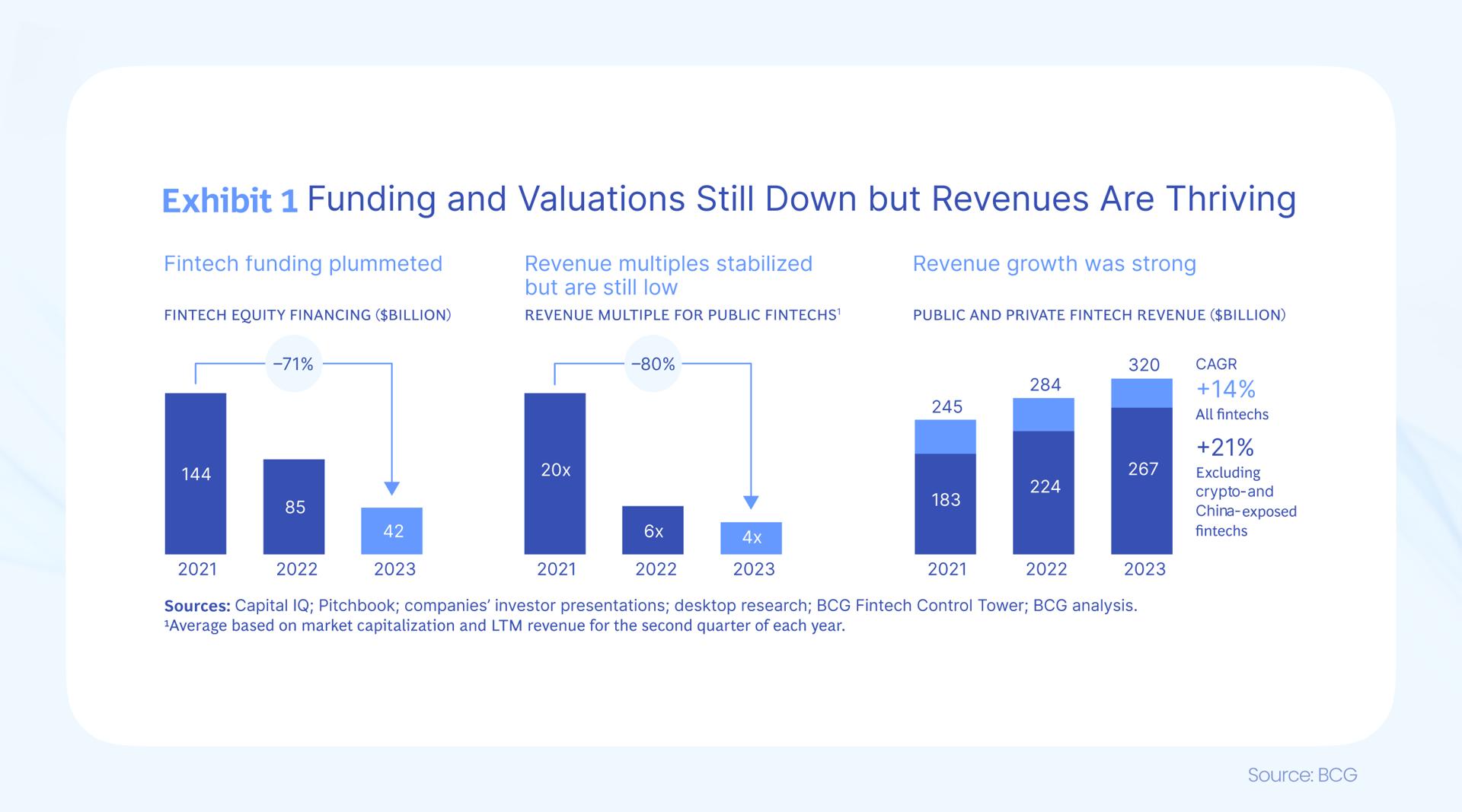
fintech industry continues to show resilience, with revenues growing 14%
annually from 2021 to 2023 despite a sharp decline in funding and valuations,
according to a new report from Boston Consulting Group (BCG) and QED Investors.
Fintech Sector Sees
Revenue Growth despite Funding Crunch
The report,
titled "Global Fintech 2024: Prudence, Profits, and Growth," reveals
that while fintech funding has plummeted
by 70% since 2021 and valuation multiples have dropped from 20 times to 4
times revenue, the sector's top line has remained robust. When excluding
crypto-related and China-exposed fintechs, revenue growth reaches 21% annually.
Future
forecasts are also satisfying. By 2030, the entire global fintech sector is expected to grow fivefold to $1.5 trillion in revenue over the next six years.
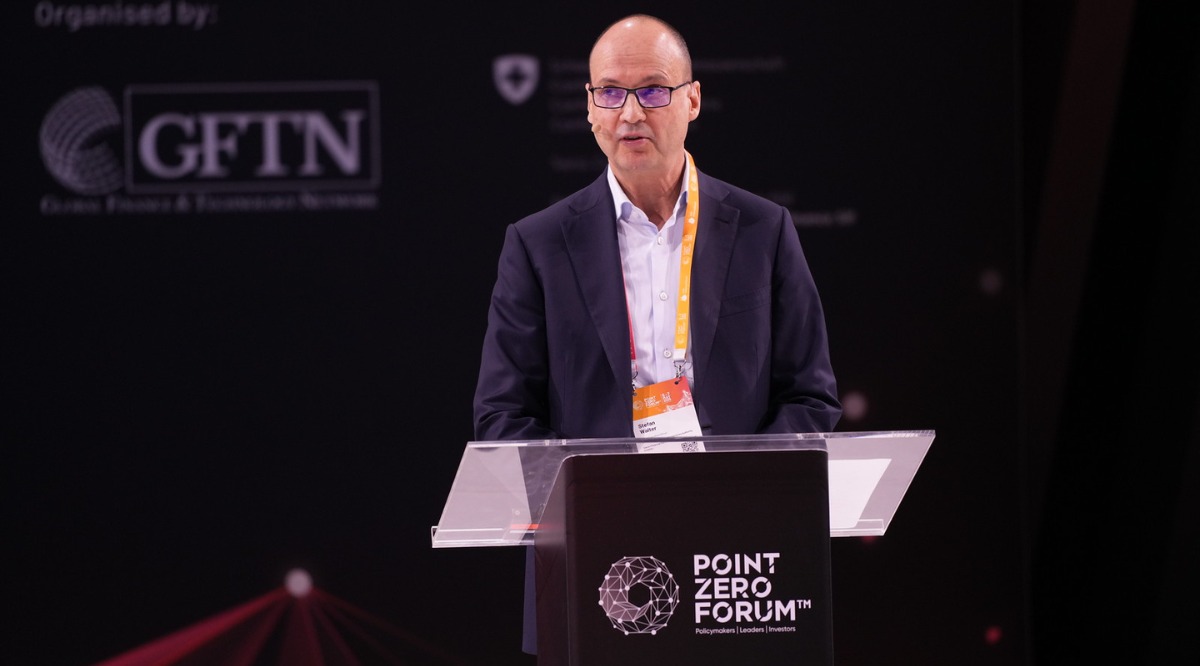
"Profitability
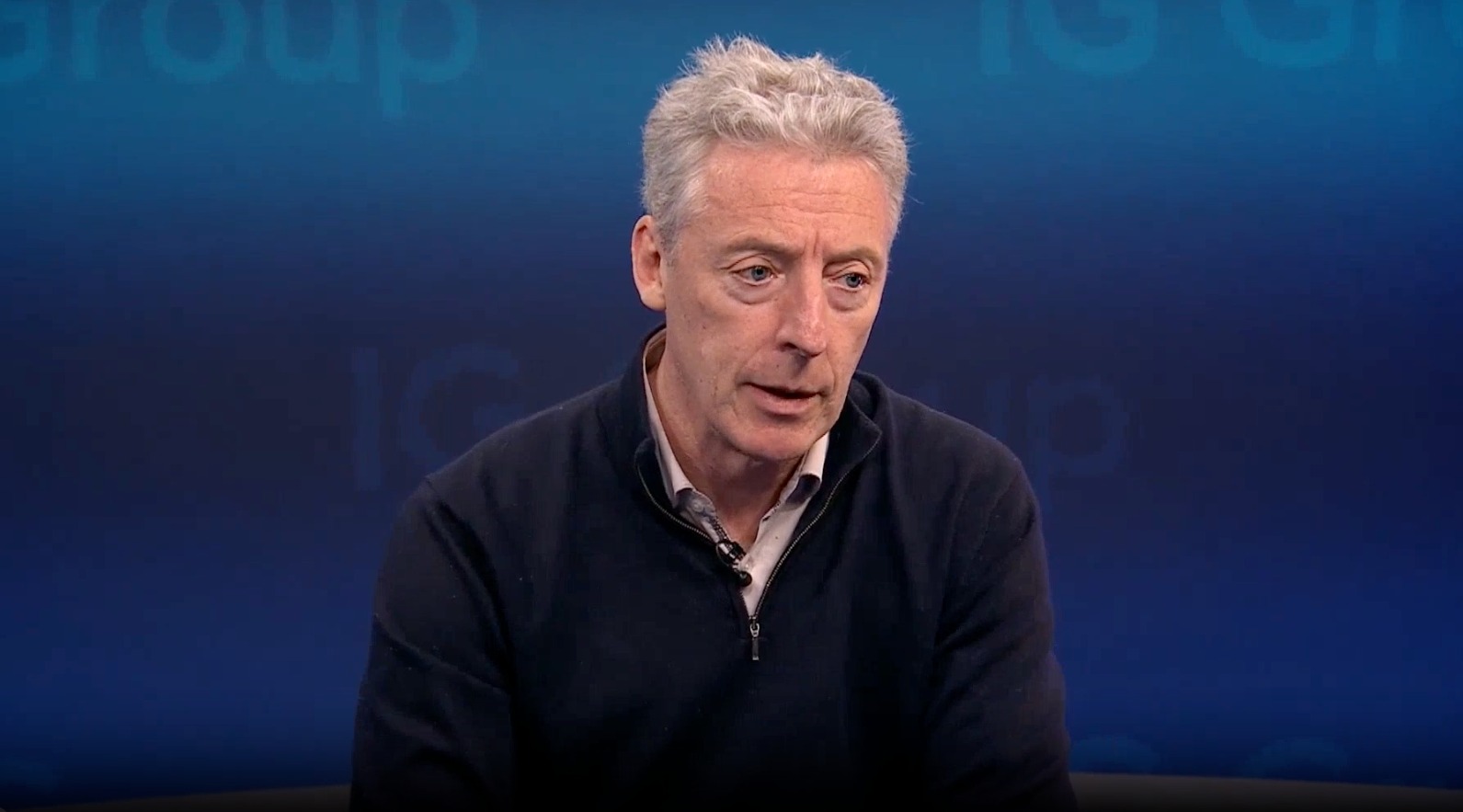
and compliance are now the cornerstones of fintech success," said Deepak
Goyal, BCG Managing Director and Senior Partner. "They are essential for
attracting continued investment, scaling operations, and building lasting,
valuable companies."
Deepak Goyal, BCG Managing Director and Senior Partner
While
fintech funding has significantly
declined over the past few years, the authors of the report assert that
there is no shortage of capital in the industry. The year 2021 was simply
record-breaking and brought an "overabundance.”
"It
has been a sobering three years for fintechs," the report reads.
"However, we believe these challenges are part of the short-term
correction - a tempering of investor enthusiasm - we discussed in last year’s
report and that those challenges are now beginning to abate."
An
independent report from KPMG, highlighted
by Finance Magnates in February, revealed that 2023 experienced the
poorest fintech funding results in five years. Global fintech investment
decreased to $113.7 billion in 2023, marking a substantial decline from $196.3
billion in 2022.
4 Key Trends for Fintech
Future
The study,
which drew insights from interviews with over 60 global fintech CEOs and
investors, identifies four key trends shaping the industry's future:
Embedded
finance is projected to become a $320 billion market by 2030, with the small
and medium-sized business segment accounting for nearly half of that figure.
Connected
commerce is emerging as a potential game-changer for banks, offering new
revenue streams and increased customer loyalty.
While open banking continues to be relevant, it is expected to have a more
significant impact on advertising than on traditional banking services.
Generative
AI is delivering immediate productivity gains in areas such as coding, customer
support, and digital marketing, with product innovation expected to follow.
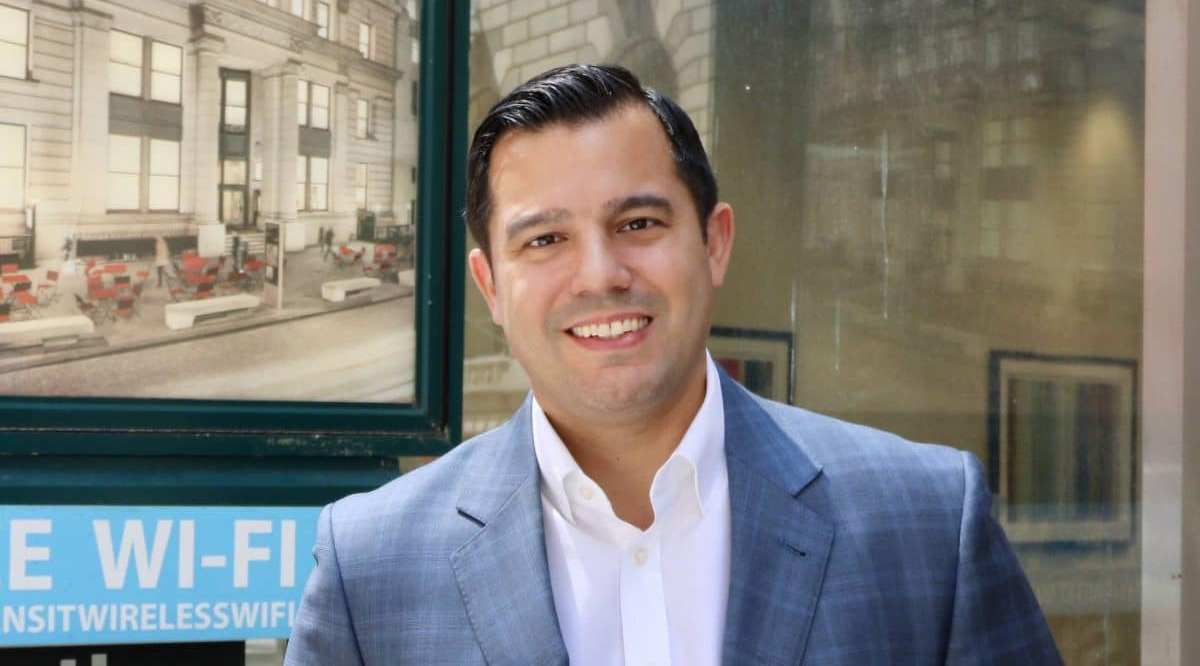
Nigel
Morris, Managing Partner at QED Investors, emphasized the industry's potential,
stating, "With an annual global profit pool of $3.2 trillion on a base of
$14 trillion of total revenue, the financial services industry is both massive
and ripe for innovation."
According
to the report, the fintech market should see a significant uptick in IPO
activity, especially
in the UK, as investors return to the market in 2024, following a very weak
2023. Data from BCG indicates that the number of investments in fintech
companies this year has already surpassed the total investments of the previous
year.
The global
fintech industry continues to show resilience, with revenues growing 14%
annually from 2021 to 2023 despite a sharp decline in funding and valuations,
according to a new report from Boston Consulting Group (BCG) and QED Investors.
Fintech Sector Sees
Revenue Growth despite Funding Crunch
The report,
titled "Global Fintech 2024: Prudence, Profits, and Growth," reveals
that while fintech funding has plummeted
by 70% since 2021 and valuation multiples have dropped from 20 times to 4
times revenue, the sector's top line has remained robust. When excluding
crypto-related and China-exposed fintechs, revenue growth reaches 21% annually.
Future
forecasts are also satisfying. By 2030, the entire global fintech sector is expected to grow fivefold to $1.5 trillion in revenue over the next six years.
"Profitability
and compliance are now the cornerstones of fintech success," said Deepak
Goyal, BCG Managing Director and Senior Partner. "They are essential for
attracting continued investment, scaling operations, and building lasting,
valuable companies."
Deepak Goyal, BCG Managing Director and Senior Partner
While
fintech funding has significantly
declined over the past few years, the authors of the report assert that
there is no shortage of capital in the industry. The year 2021 was simply
record-breaking and brought an "overabundance.”
"It
has been a sobering three years for fintechs," the report reads.
"However, we believe these challenges are part of the short-term
correction - a tempering of investor enthusiasm - we discussed in last year’s
report and that those challenges are now beginning to abate."
An
independent report from KPMG, highlighted
by Finance Magnates in February, revealed that 2023 experienced the
poorest fintech funding results in five years. Global fintech investment
decreased to $113.7 billion in 2023, marking a substantial decline from $196.3
billion in 2022.
4 Key Trends for Fintech
Future
The study,
which drew insights from interviews with over 60 global fintech CEOs and
investors, identifies four key trends shaping the industry's future:
Embedded
finance is projected to become a $320 billion market by 2030, with the small
and medium-sized business segment accounting for nearly half of that figure.
Connected
commerce is emerging as a potential game-changer for banks, offering new
revenue streams and increased customer loyalty.
While open banking continues to be relevant, it is expected to have a more
significant impact on advertising than on traditional banking services.
Generative
AI is delivering immediate productivity gains in areas such as coding, customer
support, and digital marketing, with product innovation expected to follow.
Nigel
Morris, Managing Partner at QED Investors, emphasized the industry's potential,
stating, "With an annual global profit pool of $3.2 trillion on a base of
$14 trillion of total revenue, the financial services industry is both massive
and ripe for innovation."
According
to the report, the fintech market should see a significant uptick in IPO
activity, especially
in the UK, as investors return to the market in 2024, following a very weak
2023. Data from BCG indicates that the number of investments in fintech
companies this year has already surpassed the total investments of the previous
year.
Damian Chmiel is a Senior Analyst & Editor at Finance Magnates with more than 15 years of experience in the CFD and online trading industry. Active as both a trader and journalist since 2010, he focuses on broker coverage, fintech innovation, and regulatory developments across Europe, the Middle East, and Asia.
His work includes interviews with C-level leaders at major brokerages and fintech platforms, as well as co-authoring Finance Magnates’ quarterly industry benchmarking reports. Damian’s reporting is data-driven, market-aware, and grounded in direct industry engagement. His analysis and commentary have also been cited by external media outlets, including Investing.com, Binance, The Asset, Stockhead, and Dispatch.
Education:
MA in Finance and Accounting, Cracow University of Economics
Polymarket Replaces Bridged USDC Aiming for a U.S. Relaunch
FP Markets Winner Spotlight 🏆 | Global Broker of the Year 2025 #Trading #Broker #Innovation #Shorts
FP Markets Winner Spotlight 🏆 | Global Broker of the Year 2025 #Trading #Broker #Innovation #Shorts
FP Markets takes the spotlight as Global Broker of the Year 2025 at the Finance Magnates Awards.
Martin Stoilov, Head of Client Experience, shares that trust, innovation, and people played a key role in the company’s success, supported by a strong foundation of integrity and client-centricity.
Following this milestone, FP Markets continues to focus on growth, technology investment, and its core values of transparency and excellence.
👉 Be part of FM Awards 2026: https://awards.financemagnates.com/#nominate
FP Markets takes the spotlight as Global Broker of the Year 2025 at the Finance Magnates Awards.
Martin Stoilov, Head of Client Experience, shares that trust, innovation, and people played a key role in the company’s success, supported by a strong foundation of integrity and client-centricity.
Following this milestone, FP Markets continues to focus on growth, technology investment, and its core values of transparency and excellence.
👉 Be part of FM Awards 2026: https://awards.financemagnates.com/#nominate
In this video, we review @HolaPrimeMarketsOfficial, a multi-asset forex and CFDs broker offering different account types, trading platforms, and flexible trading conditions.
We cover the broker’s overall offering, including account options, trading environment, platforms like MT4 and MT5, and additional services such as managed accounts and fast withdrawals.
Watch the full video to see if Hola Prime Markets fits your trading needs.
📣 Stay up to date with the latest in finance and trading. Follow Finance Magnates for industry news, insights, and global event coverage.
Connect with us:
🔗 LinkedIn: /financemagnates
👍 Facebook: /financemagnates
📸 Instagram: https://www.instagram.com/financemagnates
🐦 X: https://x.com/financemagnates
🎥 TikTok: https://www.tiktok.com/tag/financemagnates
▶️ YouTube: /@financemagnates_official
#HolaPrime #ForexBroker #CFDTrading #FinanceMagnates #Trading #Forex #BrokerReview
In this video, we review @HolaPrimeMarketsOfficial, a multi-asset forex and CFDs broker offering different account types, trading platforms, and flexible trading conditions.
We cover the broker’s overall offering, including account options, trading environment, platforms like MT4 and MT5, and additional services such as managed accounts and fast withdrawals.
Watch the full video to see if Hola Prime Markets fits your trading needs.
📣 Stay up to date with the latest in finance and trading. Follow Finance Magnates for industry news, insights, and global event coverage.
Connect with us:
🔗 LinkedIn: /financemagnates
👍 Facebook: /financemagnates
📸 Instagram: https://www.instagram.com/financemagnates
🐦 X: https://x.com/financemagnates
🎥 TikTok: https://www.tiktok.com/tag/financemagnates
▶️ YouTube: /@financemagnates_official
#HolaPrime #ForexBroker #CFDTrading #FinanceMagnates #Trading #Forex #BrokerReview
Hola Prime Review: What You Need to Know | Full Breakdown by Finance Magnates
Hola Prime Review: What You Need to Know | Full Breakdown by Finance Magnates
In this video, we review @HolaPrime_Global, a proprietary trading firm offering evaluation programs and performance-based payouts in simulated market environments.
We cover how the challenge model works, including account types, profit splits (up to 95%), trading rules, and what it takes to reach a funded account. You’ll also learn about available platforms like MT4, MT5, cTrader, and more, along with insights into payouts, support, and trading conditions.
Watch the full video to see if Hola Prime fits your trading style.
📣 Stay up to date with the latest in finance and trading. Follow Finance Magnates for industry news, insights, and global event coverage.
Connect with us:
🔗 LinkedIn: /financemagnates
👍 Facebook: /financemagnates
📸 Instagram: https://www.instagram.com/financemagnates
🐦 X: https://x.com/financemagnates
🎥 TikTok: https://www.tiktok.com/tag/financemagnates
▶️ YouTube: /@financemagnates_official
#HolaPrime #PropFirm #Trading #FinanceMagnates #Forex #FuturesTrading #TradingReview #PropFirmReview
In this video, we review @HolaPrime_Global, a proprietary trading firm offering evaluation programs and performance-based payouts in simulated market environments.
We cover how the challenge model works, including account types, profit splits (up to 95%), trading rules, and what it takes to reach a funded account. You’ll also learn about available platforms like MT4, MT5, cTrader, and more, along with insights into payouts, support, and trading conditions.
Watch the full video to see if Hola Prime fits your trading style.
📣 Stay up to date with the latest in finance and trading. Follow Finance Magnates for industry news, insights, and global event coverage.
Connect with us:
🔗 LinkedIn: /financemagnates
👍 Facebook: /financemagnates
📸 Instagram: https://www.instagram.com/financemagnates
🐦 X: https://x.com/financemagnates
🎥 TikTok: https://www.tiktok.com/tag/financemagnates
▶️ YouTube: /@financemagnates_official
#HolaPrime #PropFirm #Trading #FinanceMagnates #Forex #FuturesTrading #TradingReview #PropFirmReview
Axi Winner Spotlight 🏆 | Global Most Innovative Broker 2025 #Innovation #Trading #Fintech #Broker
Axi Winner Spotlight 🏆 | Global Most Innovative Broker 2025 #Innovation #Trading #Fintech #Broker
Axi takes the spotlight at the Finance Magnates Awards, winning Global Most Innovative Broker 2025.
Olivia Xenofontos and Ivanna Openko share how the team will feel: proud, motivated, and ready to keep delivering.
They also describe the night as well-organized, focused, and enjoyable for all.
👉 Be part of FM Awards 2026.
Axi takes the spotlight at the Finance Magnates Awards, winning Global Most Innovative Broker 2025.
Olivia Xenofontos and Ivanna Openko share how the team will feel: proud, motivated, and ready to keep delivering.
They also describe the night as well-organized, focused, and enjoyable for all.
👉 Be part of FM Awards 2026.
Recognition that matters.
Built on transparency.
Driven by the industry.
The Finance Magnates Awards 2026.
Nominations are now open.
🔗 https://awards.financemagnates.com/?utm_source=SM&utm_medium=social&utm_campaign=recognition-matters
Recognition that matters.
Built on transparency.
Driven by the industry.
The Finance Magnates Awards 2026.
Nominations are now open.
🔗 https://awards.financemagnates.com/?utm_source=SM&utm_medium=social&utm_campaign=recognition-matters