XTB opened
its second Dubai office in March 2025, secured a CMA license, renewed its DFSA
authorization, and called the Gulf a long-term growth pillar. Within 12 months,
Iranian strikes hit UAE soil, both Abu Dhabi and Dubai stock exchanges
suspended trading for the first time in their histories, and Brent crude moved
13% in a session. The expansion thesis was either well-constructed or it was
premature. What happened in early 2026 was designed, unintentionally, to find
out which.
The
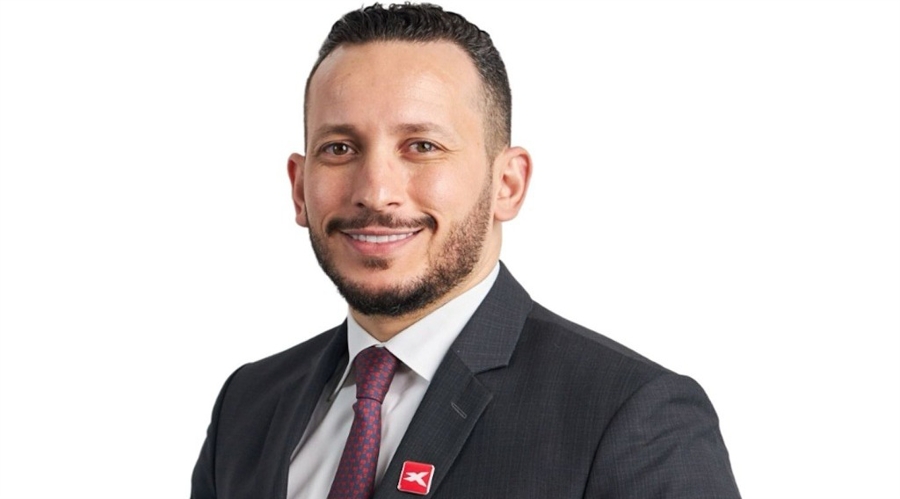
full interview with Achraf Drid, Branch Director at XTB MENA, is available
exclusively on FM
Intelligence.
Drid sat
down to address that question directly, and his answers say as much about how
brokers are absorbing the Gulf shock as they do about XTB specifically. The crisis
exposed a structural divide in the Dubai broker community that had been forming quietly
since 2023, between firms that kept regulatory fallback options intact and
those that surrendered them entirely for the Emirates.
The Week the UAE Went Dark
The UAE
Capital Markets Authority halted both exchanges on March 2, with trading
resuming on March 4 under new price-limit controls. Drid described the closure
as "a well-considered regulatory decision by the UAE CMA to protect market
stability," a framing consistent with the regulator's own public language
at the time. What he did not describe in detail was what the preceding 72 hours
looked like from inside a risk desk.
Energy and
precious metals moved sharply throughout the closure. Gold reached $5,390 per
ounce, EU natural gas climbed 38% in a single session, and Hormuz disruption
fears sent oil above $82 per barrel.
XTB's CFD
operations continued throughout, and Drid said the firm's risk management
Risk Management
One of the most common terms utilized by brokers, risk management refers to the practice of identifying potential risks in advance. Most commonly, this also involves the analysis of risk and the undertaking of precautionary steps to both mitigate and prevent for such risk.Such efforts are essential for brokers and venues in the finance industry, given the potential for fallout in the face of unforeseen events or crises. Given a more tightly regulated environment across nearly every asset class,
One of the most common terms utilized by brokers, risk management refers to the practice of identifying potential risks in advance. Most commonly, this also involves the analysis of risk and the undertaking of precautionary steps to both mitigate and prevent for such risk.Such efforts are essential for brokers and venues in the finance industry, given the potential for fallout in the face of unforeseen events or crises. Given a more tightly regulated environment across nearly every asset class,
Read this Term
processes "are designed to handle" that kind of volatility. He did
not say whether any negative balance protection events were triggered when oil
gapped between Friday's close and Sunday's open, a specific pressure point for
brokers with concentrated energy exposure during the same period.
That gap
between what equity exchanges experienced and what derivatives desks managed is
exactly what the stress test revealed: CFD infrastructure in Dubai is not
simply an equity market proxy. It is exposed to entirely different risks, and
how firms handled the Hormuz weekend will become a reference point for years.
Multi-License vs. All-In:
The Architecture Question
The crisis
landed hardest on brokers that had concentrated their regulatory structure
entirely in the UAE. Several firms surrendered their European licenses over the
past 18 months, drawn by the Gulf's tax environment, faster approvals, and
regulator appetite for the retail sector. That decision now carries a cost that
was not visible when conditions were stable.
XTB kept
its multi-jurisdictional structure intact. Drid said it "has always been
central to how we operate" and described it as a source of resilience
"when conditions change."
He declined
to characterize what competitors lost by going all-in, but the implication is
direct: a firm with regulatory presence across multiple frameworks is harder to
strand by a single country's government decision. XTB's sale of
its FSCA-licensed South African unit, which had no active operations for five
years, shows the other side of the same logic. The firm holds licenses where
business justifies them and exits where it does not, rather than concentrating
exposure in a single jurisdiction.
The MENA
client profile, Drid noted, already differs from XTB's European base in ways
that make the region commercially distinct: higher average deposits and higher
trading frequency than European peers.
Whether
those characteristics persist "depends on macro conditions and the
continued development of the regulatory and market infrastructure," he
said, adding that "participation rates can fluctuate materially during
stress periods."
Prop Firms Added Pressure
Before the Crisis Hit
The
geopolitical shock arrived on top of a separate competitive development that
had been building since late 2025. Prop trading firms were already flooding
into the Gulf before February 28, drawn by return-on-ad-spend figures
that Finance
Magnates reported can reach 12 times investment in MENA, against roughly 3
times in the United States. Three firms announced GCC expansion plans from the iFX EXPO Dubai
stage in February alone, days before the strikes.
Drid said
XTB does not view prop firms as direct competitors, arguing the two models
"serve fundamentally different client needs." He acknowledged the
broader signal, though: "The growth of prop models can be viewed as a
demand signal," he said, while adding that high marketing
Marketing
Marketing is defined as the business process of identifying, anticipating and satisfying customers' needs and wants.This is a crucial element of any operation or brokerage in the financial services space. Well-funded marketing campaigns are instrumental to the survival and longevity of these companies in an increasingly competitive industry.Within the forex space, marketers perform a wide range of functions to help procure, secure, or retain clients.In particular, newer forex brokers also have t
Marketing is defined as the business process of identifying, anticipating and satisfying customers' needs and wants.This is a crucial element of any operation or brokerage in the financial services space. Well-funded marketing campaigns are instrumental to the survival and longevity of these companies in an increasingly competitive industry.Within the forex space, marketers perform a wide range of functions to help procure, secure, or retain clients.In particular, newer forex brokers also have t
Read this Term intensity in the
sector "sits outside the protections that apply to regulated
brokerages."
The long-term
viability of that prop wave is itself under scrutiny, with industry data showing that a
significant share of prop firms launched in the past three years have already
exited. The crisis did not help them: firms without robust risk infrastructure
and without regulated client protections faced the Hormuz volatility with fewer
tools than their licensed counterparts.
Where Growth Is Still
Possible
On the
regional map, Drid was selective. The UAE holds the structural advantages:
regulatory clarity under both the DFSA and CMA, established infrastructure, and
a client base with the deposit profile to make the economics work. Saudi Arabia
he described as "promising" but with a CFD licensing framework that
"is still evolving." The firm is monitoring the market, he said,
without committing to a timeline.
That
selective reading matters because it tells you something about where XTB is and
is not prepared to deploy capital. The Gulf is not a single market. It is a
collection of regulatory environments at different stages of maturity, and a
firm running a two-million-client global target cannot afford to treat them as
interchangeable.
XTB added
864,286 clients globally in 2025, a 73% rise from the prior year. Chief Executive Omar Arnaout has
described two million
new clients annually as "completely realistic" within a few years, comparing the firm's ambition to
Amazon's model in e-commerce.
The Bet, Reassessed
Drid said
MENA is "a core part of XTB's growth strategy" and has the potential
to become "one of the important contributors to our global client
acquisition."
"The
recent events have reinforced the importance of providing resilient services
for our clients, with local leadership and strong regulatory frameworks,"
he said.
For a firm
that committed to
the UAE with a second office just 12 months ago, that is precisely what it needed the crisis
to confirm. Whether the infrastructure held up as well as the conviction is a
question the industry is still answering.
XTB opened
its second Dubai office in March 2025, secured a CMA license, renewed its DFSA
authorization, and called the Gulf a long-term growth pillar. Within 12 months,
Iranian strikes hit UAE soil, both Abu Dhabi and Dubai stock exchanges
suspended trading for the first time in their histories, and Brent crude moved
13% in a session. The expansion thesis was either well-constructed or it was
premature. What happened in early 2026 was designed, unintentionally, to find
out which.
The
full interview with Achraf Drid, Branch Director at XTB MENA, is available
exclusively on FM
Intelligence.
Drid sat
down to address that question directly, and his answers say as much about how
brokers are absorbing the Gulf shock as they do about XTB specifically. The crisis
exposed a structural divide in the Dubai broker community that had been forming quietly
since 2023, between firms that kept regulatory fallback options intact and
those that surrendered them entirely for the Emirates.
The Week the UAE Went Dark
The UAE
Capital Markets Authority halted both exchanges on March 2, with trading
resuming on March 4 under new price-limit controls. Drid described the closure
as "a well-considered regulatory decision by the UAE CMA to protect market
stability," a framing consistent with the regulator's own public language
at the time. What he did not describe in detail was what the preceding 72 hours
looked like from inside a risk desk.
Energy and
precious metals moved sharply throughout the closure. Gold reached $5,390 per
ounce, EU natural gas climbed 38% in a single session, and Hormuz disruption
fears sent oil above $82 per barrel.
XTB's CFD
operations continued throughout, and Drid said the firm's risk management
Risk Management
One of the most common terms utilized by brokers, risk management refers to the practice of identifying potential risks in advance. Most commonly, this also involves the analysis of risk and the undertaking of precautionary steps to both mitigate and prevent for such risk.Such efforts are essential for brokers and venues in the finance industry, given the potential for fallout in the face of unforeseen events or crises. Given a more tightly regulated environment across nearly every asset class,
One of the most common terms utilized by brokers, risk management refers to the practice of identifying potential risks in advance. Most commonly, this also involves the analysis of risk and the undertaking of precautionary steps to both mitigate and prevent for such risk.Such efforts are essential for brokers and venues in the finance industry, given the potential for fallout in the face of unforeseen events or crises. Given a more tightly regulated environment across nearly every asset class,
Read this Term
processes "are designed to handle" that kind of volatility. He did
not say whether any negative balance protection events were triggered when oil
gapped between Friday's close and Sunday's open, a specific pressure point for
brokers with concentrated energy exposure during the same period.
That gap
between what equity exchanges experienced and what derivatives desks managed is
exactly what the stress test revealed: CFD infrastructure in Dubai is not
simply an equity market proxy. It is exposed to entirely different risks, and
how firms handled the Hormuz weekend will become a reference point for years.
Multi-License vs. All-In:
The Architecture Question
The crisis
landed hardest on brokers that had concentrated their regulatory structure
entirely in the UAE. Several firms surrendered their European licenses over the
past 18 months, drawn by the Gulf's tax environment, faster approvals, and
regulator appetite for the retail sector. That decision now carries a cost that
was not visible when conditions were stable.
XTB kept
its multi-jurisdictional structure intact. Drid said it "has always been
central to how we operate" and described it as a source of resilience
"when conditions change."
He declined
to characterize what competitors lost by going all-in, but the implication is
direct: a firm with regulatory presence across multiple frameworks is harder to
strand by a single country's government decision. XTB's sale of
its FSCA-licensed South African unit, which had no active operations for five
years, shows the other side of the same logic. The firm holds licenses where
business justifies them and exits where it does not, rather than concentrating
exposure in a single jurisdiction.
The MENA
client profile, Drid noted, already differs from XTB's European base in ways
that make the region commercially distinct: higher average deposits and higher
trading frequency than European peers.
Whether
those characteristics persist "depends on macro conditions and the
continued development of the regulatory and market infrastructure," he
said, adding that "participation rates can fluctuate materially during
stress periods."
Prop Firms Added Pressure
Before the Crisis Hit
The
geopolitical shock arrived on top of a separate competitive development that
had been building since late 2025. Prop trading firms were already flooding
into the Gulf before February 28, drawn by return-on-ad-spend figures
that Finance
Magnates reported can reach 12 times investment in MENA, against roughly 3
times in the United States. Three firms announced GCC expansion plans from the iFX EXPO Dubai
stage in February alone, days before the strikes.
Drid said
XTB does not view prop firms as direct competitors, arguing the two models
"serve fundamentally different client needs." He acknowledged the
broader signal, though: "The growth of prop models can be viewed as a
demand signal," he said, while adding that high marketing
Marketing
Marketing is defined as the business process of identifying, anticipating and satisfying customers' needs and wants.This is a crucial element of any operation or brokerage in the financial services space. Well-funded marketing campaigns are instrumental to the survival and longevity of these companies in an increasingly competitive industry.Within the forex space, marketers perform a wide range of functions to help procure, secure, or retain clients.In particular, newer forex brokers also have t
Marketing is defined as the business process of identifying, anticipating and satisfying customers' needs and wants.This is a crucial element of any operation or brokerage in the financial services space. Well-funded marketing campaigns are instrumental to the survival and longevity of these companies in an increasingly competitive industry.Within the forex space, marketers perform a wide range of functions to help procure, secure, or retain clients.In particular, newer forex brokers also have t
Read this Term intensity in the
sector "sits outside the protections that apply to regulated
brokerages."
The long-term
viability of that prop wave is itself under scrutiny, with industry data showing that a
significant share of prop firms launched in the past three years have already
exited. The crisis did not help them: firms without robust risk infrastructure
and without regulated client protections faced the Hormuz volatility with fewer
tools than their licensed counterparts.
Where Growth Is Still
Possible
On the
regional map, Drid was selective. The UAE holds the structural advantages:
regulatory clarity under both the DFSA and CMA, established infrastructure, and
a client base with the deposit profile to make the economics work. Saudi Arabia
he described as "promising" but with a CFD licensing framework that
"is still evolving." The firm is monitoring the market, he said,
without committing to a timeline.
That
selective reading matters because it tells you something about where XTB is and
is not prepared to deploy capital. The Gulf is not a single market. It is a
collection of regulatory environments at different stages of maturity, and a
firm running a two-million-client global target cannot afford to treat them as
interchangeable.
XTB added
864,286 clients globally in 2025, a 73% rise from the prior year. Chief Executive Omar Arnaout has
described two million
new clients annually as "completely realistic" within a few years, comparing the firm's ambition to
Amazon's model in e-commerce.
The Bet, Reassessed
Drid said
MENA is "a core part of XTB's growth strategy" and has the potential
to become "one of the important contributors to our global client
acquisition."
"The
recent events have reinforced the importance of providing resilient services
for our clients, with local leadership and strong regulatory frameworks,"
he said.
For a firm
that committed to
the UAE with a second office just 12 months ago, that is precisely what it needed the crisis
to confirm. Whether the infrastructure held up as well as the conviction is a
question the industry is still answering.