We spoke to the RegTech firm exec about their efforts to help brokers with the professional reclassification process
Finance Magnates
With the European Securities and Market Authorities’ (ESMA) newest regulatory edicts just days away from implementation, firms are scrambling to ensure they don’t fall afoul of the new rules.
One way around the regulations, reported on by yours truly in a mind-blowing piece last week, is for clients to reclassify as professional. I shan’t bore you with all the details of the process here, after all, you can read the article yourself, but one point is worth covering.
That is the grey areas that exist within the current reclassification system. For example, clients must pass a quantitative test for them to reclassify as a professional but it is up to brokers to provide that test.
Even if they pass the test, clients must also have a set level of experience within the financial services industry and have traded a certain amount over previous quarters. Though the number of trades and the period of working experience is specified, the kind of experience and volume of the trades is not.
All this means that there are parts of the regulatory process that unscrupulous companies could take advantage of and scrupulous firms could fall afoul of. One firm hoping to take advantage of this state of affairs is Muinmos.
Muinmos RegTech
Founded in 2012 by Remonda Kirketerp-Møller, formerly the Director of Saxo Bank’s legal department, the Danish RegTech company has focused its efforts on streamlining the client onboarding process, via its PASS software, for the financial services industry.
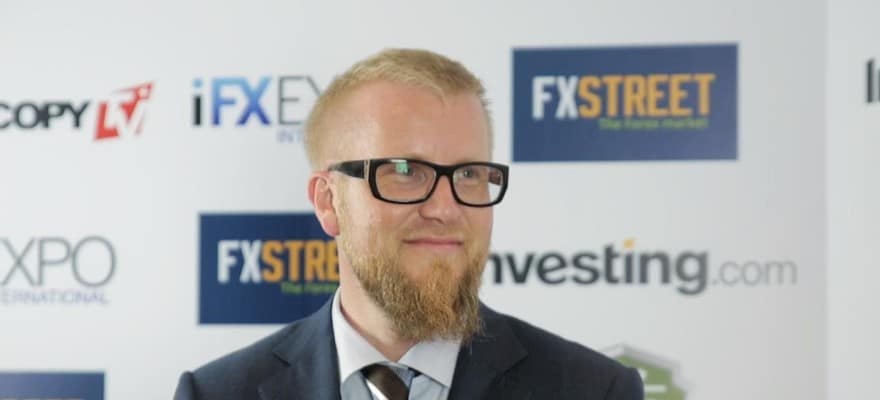
Last Friday, Finance Magnates caught up with Jonas Nielsen to discuss how Muinmos’ service could benefit retail brokers caught up in ESMA’s regulatory noose. In a brief interview, Nielsen, who was formerly CEO of data and trading technology provider NetDania Markets, assured us that his company could meet brokers’ professional reclassification needs.
Jonas Nielsen, Business Development Director, Muinmos
How much brokers should be held responsible for this state of affairs is up for debate. After all, if the regulation is unclear, it’s understandable that brokers will struggle to adhere to it.
“The idea,” Nielsen told Finance Magnates, “that small CFD and FX brokers should be able to keep up with the latest regulatory developments is beyond optimistic - they can’t do it alone.”
An employee of a RegTech firm may, I pointed out, have a slight bias in this regard. Isn’t it a little convenient for Nielsen to state that brokers, Muinmos’ potential clients, are completely unable to perform the tasks that Munimos could provide?
“Look at their behavior,” Nielsen pointed out, “If they could do it, there wouldn’t be any of the panics that there is surrounding this new regulation.”
One of a kind
As to competitors in this field, Nielsen was quick to note that Muinmos’ service offering is likely a one of a kind. The RegTech firm, it appears, is one of the only companies to have noticed a gap in the market.
“The reclassification process, in particular, is very underserviced.” noted Nielsen, “To the best of my knowledge, there are no other companies that have a service like ours.”
This may sound like your run-of-the-mill sales talk, but it is not far from the truth. This author could only find one other firm, Finotec, that has software which could help brokers in their reclassification efforts.
Perhaps, however, there is a reason for this. Many in the industry have pointed out that ESMA’s regulations are causing consolidation in a previously saturated industry. Larger brokers, this theory goes, are going to weather the regulatory storm as smaller ones shut up shop.
Who is going to buy?
There are already indications that big firms are indeed not going to be dramatically affected by the regulation. Smaller firms, if they can survive, have also not shown a great affinity for rules and regulations in the past. So who exactly is Muinmos planning on selling its services to?
“It’s both.” Nielsen assured me, “Bigger firms may have the right systems in place, but our software can still help them save money on their expenses and keep up with further changes and future restrictions automatically. You could cut the number of people working on onboarding regulations from 5 or 10 to 1 or 2. For smaller brokers, it’s purely a matter of survival. If they don’t comply, they die - it’s that simple.”
What, I countered, if a firm simply moves offshore. This is something a number of brokers are considering, and a move to a non-EU jurisdiction means that ESMA’s rules become redundant.
“That’s not entirely true,” said Nielsen, “even if you move offshore, you still need to consider the jurisdiction your client originates from. You can probably get away with it, but it remains a legal grey area.
“It’s also slightly pointless. If you just get a proper compliance system in place, you can easily figure out who is eligible to be a professional and who is not. That means you can onboard clients, many of whom you thought were only retail, as professionals and hence avoid ESMA’s regulations.”
In the know
My final question for Nielsen was a simple one - why should clients trust you? How is it that Muinmos know what the regulator requires for traders to reclassify as professional but brokers do not?
“We have a direct and ongoing dialogue with the regulators,” replied Nielsen, “so we can just ask them what the rules are. Our team is comprised mostly of ex-regulators and compliance professionals. As a result, we can better reflect the demands of regulators in our products.”
A fair response but will brokers take up Muinmos’ offer? We’ll have to wait and see.
With the European Securities and Market Authorities’ (ESMA) newest regulatory edicts just days away from implementation, firms are scrambling to ensure they don’t fall afoul of the new rules.
One way around the regulations, reported on by yours truly in a mind-blowing piece last week, is for clients to reclassify as professional. I shan’t bore you with all the details of the process here, after all, you can read the article yourself, but one point is worth covering.
That is the grey areas that exist within the current reclassification system. For example, clients must pass a quantitative test for them to reclassify as a professional but it is up to brokers to provide that test.
Even if they pass the test, clients must also have a set level of experience within the financial services industry and have traded a certain amount over previous quarters. Though the number of trades and the period of working experience is specified, the kind of experience and volume of the trades is not.
All this means that there are parts of the regulatory process that unscrupulous companies could take advantage of and scrupulous firms could fall afoul of. One firm hoping to take advantage of this state of affairs is Muinmos.
Muinmos RegTech
Founded in 2012 by Remonda Kirketerp-Møller, formerly the Director of Saxo Bank’s legal department, the Danish RegTech company has focused its efforts on streamlining the client onboarding process, via its PASS software, for the financial services industry.
Last Friday, Finance Magnates caught up with Jonas Nielsen to discuss how Muinmos’ service could benefit retail brokers caught up in ESMA’s regulatory noose. In a brief interview, Nielsen, who was formerly CEO of data and trading technology provider NetDania Markets, assured us that his company could meet brokers’ professional reclassification needs.
Jonas Nielsen, Business Development Director, Muinmos
How much brokers should be held responsible for this state of affairs is up for debate. After all, if the regulation is unclear, it’s understandable that brokers will struggle to adhere to it.
“The idea,” Nielsen told Finance Magnates, “that small CFD and FX brokers should be able to keep up with the latest regulatory developments is beyond optimistic - they can’t do it alone.”
An employee of a RegTech firm may, I pointed out, have a slight bias in this regard. Isn’t it a little convenient for Nielsen to state that brokers, Muinmos’ potential clients, are completely unable to perform the tasks that Munimos could provide?
“Look at their behavior,” Nielsen pointed out, “If they could do it, there wouldn’t be any of the panics that there is surrounding this new regulation.”
One of a kind
As to competitors in this field, Nielsen was quick to note that Muinmos’ service offering is likely a one of a kind. The RegTech firm, it appears, is one of the only companies to have noticed a gap in the market.
“The reclassification process, in particular, is very underserviced.” noted Nielsen, “To the best of my knowledge, there are no other companies that have a service like ours.”
This may sound like your run-of-the-mill sales talk, but it is not far from the truth. This author could only find one other firm, Finotec, that has software which could help brokers in their reclassification efforts.
Perhaps, however, there is a reason for this. Many in the industry have pointed out that ESMA’s regulations are causing consolidation in a previously saturated industry. Larger brokers, this theory goes, are going to weather the regulatory storm as smaller ones shut up shop.
Who is going to buy?
There are already indications that big firms are indeed not going to be dramatically affected by the regulation. Smaller firms, if they can survive, have also not shown a great affinity for rules and regulations in the past. So who exactly is Muinmos planning on selling its services to?
“It’s both.” Nielsen assured me, “Bigger firms may have the right systems in place, but our software can still help them save money on their expenses and keep up with further changes and future restrictions automatically. You could cut the number of people working on onboarding regulations from 5 or 10 to 1 or 2. For smaller brokers, it’s purely a matter of survival. If they don’t comply, they die - it’s that simple.”
What, I countered, if a firm simply moves offshore. This is something a number of brokers are considering, and a move to a non-EU jurisdiction means that ESMA’s rules become redundant.
“That’s not entirely true,” said Nielsen, “even if you move offshore, you still need to consider the jurisdiction your client originates from. You can probably get away with it, but it remains a legal grey area.
“It’s also slightly pointless. If you just get a proper compliance system in place, you can easily figure out who is eligible to be a professional and who is not. That means you can onboard clients, many of whom you thought were only retail, as professionals and hence avoid ESMA’s regulations.”
In the know
My final question for Nielsen was a simple one - why should clients trust you? How is it that Muinmos know what the regulator requires for traders to reclassify as professional but brokers do not?
“We have a direct and ongoing dialogue with the regulators,” replied Nielsen, “so we can just ask them what the rules are. Our team is comprised mostly of ex-regulators and compliance professionals. As a result, we can better reflect the demands of regulators in our products.”
A fair response but will brokers take up Muinmos’ offer? We’ll have to wait and see.
EBC Financial’s UK CEO David Barrett Steps Down After Six Years
Featured Videos
FP Markets Winner Spotlight 🏆 | Global Broker of the Year 2025 #Trading #Broker #Innovation #Shorts
FP Markets Winner Spotlight 🏆 | Global Broker of the Year 2025 #Trading #Broker #Innovation #Shorts
FP Markets Winner Spotlight 🏆 | Global Broker of the Year 2025 #Trading #Broker #Innovation #Shorts
FP Markets Winner Spotlight 🏆 | Global Broker of the Year 2025 #Trading #Broker #Innovation #Shorts
FP Markets takes the spotlight as Global Broker of the Year 2025 at the Finance Magnates Awards.
Martin Stoilov, Head of Client Experience, shares that trust, innovation, and people played a key role in the company’s success, supported by a strong foundation of integrity and client-centricity.
Following this milestone, FP Markets continues to focus on growth, technology investment, and its core values of transparency and excellence.
👉 Be part of FM Awards 2026: https://awards.financemagnates.com/#nominate
FP Markets takes the spotlight as Global Broker of the Year 2025 at the Finance Magnates Awards.
Martin Stoilov, Head of Client Experience, shares that trust, innovation, and people played a key role in the company’s success, supported by a strong foundation of integrity and client-centricity.
Following this milestone, FP Markets continues to focus on growth, technology investment, and its core values of transparency and excellence.
👉 Be part of FM Awards 2026: https://awards.financemagnates.com/#nominate
FP Markets takes the spotlight as Global Broker of the Year 2025 at the Finance Magnates Awards.
Martin Stoilov, Head of Client Experience, shares that trust, innovation, and people played a key role in the company’s success, supported by a strong foundation of integrity and client-centricity.
Following this milestone, FP Markets continues to focus on growth, technology investment, and its core values of transparency and excellence.
👉 Be part of FM Awards 2026: https://awards.financemagnates.com/#nominate
FP Markets takes the spotlight as Global Broker of the Year 2025 at the Finance Magnates Awards.
Martin Stoilov, Head of Client Experience, shares that trust, innovation, and people played a key role in the company’s success, supported by a strong foundation of integrity and client-centricity.
Following this milestone, FP Markets continues to focus on growth, technology investment, and its core values of transparency and excellence.
👉 Be part of FM Awards 2026: https://awards.financemagnates.com/#nominate
In this video, we review @HolaPrimeMarketsOfficial, a multi-asset forex and CFDs broker offering different account types, trading platforms, and flexible trading conditions.
We cover the broker’s overall offering, including account options, trading environment, platforms like MT4 and MT5, and additional services such as managed accounts and fast withdrawals.
Watch the full video to see if Hola Prime Markets fits your trading needs.
📣 Stay up to date with the latest in finance and trading. Follow Finance Magnates for industry news, insights, and global event coverage.
Connect with us:
🔗 LinkedIn: /financemagnates
👍 Facebook: /financemagnates
📸 Instagram: https://www.instagram.com/financemagnates
🐦 X: https://x.com/financemagnates
🎥 TikTok: https://www.tiktok.com/tag/financemagnates
▶️ YouTube: /@financemagnates_official
#HolaPrime #ForexBroker #CFDTrading #FinanceMagnates #Trading #Forex #BrokerReview
In this video, we review @HolaPrimeMarketsOfficial, a multi-asset forex and CFDs broker offering different account types, trading platforms, and flexible trading conditions.
We cover the broker’s overall offering, including account options, trading environment, platforms like MT4 and MT5, and additional services such as managed accounts and fast withdrawals.
Watch the full video to see if Hola Prime Markets fits your trading needs.
📣 Stay up to date with the latest in finance and trading. Follow Finance Magnates for industry news, insights, and global event coverage.
Connect with us:
🔗 LinkedIn: /financemagnates
👍 Facebook: /financemagnates
📸 Instagram: https://www.instagram.com/financemagnates
🐦 X: https://x.com/financemagnates
🎥 TikTok: https://www.tiktok.com/tag/financemagnates
▶️ YouTube: /@financemagnates_official
#HolaPrime #ForexBroker #CFDTrading #FinanceMagnates #Trading #Forex #BrokerReview
In this video, we review @HolaPrimeMarketsOfficial, a multi-asset forex and CFDs broker offering different account types, trading platforms, and flexible trading conditions.
We cover the broker’s overall offering, including account options, trading environment, platforms like MT4 and MT5, and additional services such as managed accounts and fast withdrawals.
Watch the full video to see if Hola Prime Markets fits your trading needs.
📣 Stay up to date with the latest in finance and trading. Follow Finance Magnates for industry news, insights, and global event coverage.
Connect with us:
🔗 LinkedIn: /financemagnates
👍 Facebook: /financemagnates
📸 Instagram: https://www.instagram.com/financemagnates
🐦 X: https://x.com/financemagnates
🎥 TikTok: https://www.tiktok.com/tag/financemagnates
▶️ YouTube: /@financemagnates_official
#HolaPrime #ForexBroker #CFDTrading #FinanceMagnates #Trading #Forex #BrokerReview
In this video, we review @HolaPrimeMarketsOfficial, a multi-asset forex and CFDs broker offering different account types, trading platforms, and flexible trading conditions.
We cover the broker’s overall offering, including account options, trading environment, platforms like MT4 and MT5, and additional services such as managed accounts and fast withdrawals.
Watch the full video to see if Hola Prime Markets fits your trading needs.
📣 Stay up to date with the latest in finance and trading. Follow Finance Magnates for industry news, insights, and global event coverage.
Connect with us:
🔗 LinkedIn: /financemagnates
👍 Facebook: /financemagnates
📸 Instagram: https://www.instagram.com/financemagnates
🐦 X: https://x.com/financemagnates
🎥 TikTok: https://www.tiktok.com/tag/financemagnates
▶️ YouTube: /@financemagnates_official
#HolaPrime #ForexBroker #CFDTrading #FinanceMagnates #Trading #Forex #BrokerReview
In this video, we review @HolaPrimeMarketsOfficial, a multi-asset forex and CFDs broker offering different account types, trading platforms, and flexible trading conditions.
We cover the broker’s overall offering, including account options, trading environment, platforms like MT4 and MT5, and additional services such as managed accounts and fast withdrawals.
Watch the full video to see if Hola Prime Markets fits your trading needs.
📣 Stay up to date with the latest in finance and trading. Follow Finance Magnates for industry news, insights, and global event coverage.
Connect with us:
🔗 LinkedIn: /financemagnates
👍 Facebook: /financemagnates
📸 Instagram: https://www.instagram.com/financemagnates
🐦 X: https://x.com/financemagnates
🎥 TikTok: https://www.tiktok.com/tag/financemagnates
▶️ YouTube: /@financemagnates_official
#HolaPrime #ForexBroker #CFDTrading #FinanceMagnates #Trading #Forex #BrokerReview
In this video, we review @HolaPrimeMarketsOfficial, a multi-asset forex and CFDs broker offering different account types, trading platforms, and flexible trading conditions.
We cover the broker’s overall offering, including account options, trading environment, platforms like MT4 and MT5, and additional services such as managed accounts and fast withdrawals.
Watch the full video to see if Hola Prime Markets fits your trading needs.
📣 Stay up to date with the latest in finance and trading. Follow Finance Magnates for industry news, insights, and global event coverage.
Connect with us:
🔗 LinkedIn: /financemagnates
👍 Facebook: /financemagnates
📸 Instagram: https://www.instagram.com/financemagnates
🐦 X: https://x.com/financemagnates
🎥 TikTok: https://www.tiktok.com/tag/financemagnates
▶️ YouTube: /@financemagnates_official
#HolaPrime #ForexBroker #CFDTrading #FinanceMagnates #Trading #Forex #BrokerReview
Hola Prime Review: What You Need to Know | Full Breakdown by Finance Magnates
Hola Prime Review: What You Need to Know | Full Breakdown by Finance Magnates
Hola Prime Review: What You Need to Know | Full Breakdown by Finance Magnates
Hola Prime Review: What You Need to Know | Full Breakdown by Finance Magnates
Hola Prime Review: What You Need to Know | Full Breakdown by Finance Magnates
Hola Prime Review: What You Need to Know | Full Breakdown by Finance Magnates
In this video, we review @HolaPrime_Global, a proprietary trading firm offering evaluation programs and performance-based payouts in simulated market environments.
We cover how the challenge model works, including account types, profit splits (up to 95%), trading rules, and what it takes to reach a funded account. You’ll also learn about available platforms like MT4, MT5, cTrader, and more, along with insights into payouts, support, and trading conditions.
Watch the full video to see if Hola Prime fits your trading style.
📣 Stay up to date with the latest in finance and trading. Follow Finance Magnates for industry news, insights, and global event coverage.
Connect with us:
🔗 LinkedIn: /financemagnates
👍 Facebook: /financemagnates
📸 Instagram: https://www.instagram.com/financemagnates
🐦 X: https://x.com/financemagnates
🎥 TikTok: https://www.tiktok.com/tag/financemagnates
▶️ YouTube: /@financemagnates_official
#HolaPrime #PropFirm #Trading #FinanceMagnates #Forex #FuturesTrading #TradingReview #PropFirmReview
In this video, we review @HolaPrime_Global, a proprietary trading firm offering evaluation programs and performance-based payouts in simulated market environments.
We cover how the challenge model works, including account types, profit splits (up to 95%), trading rules, and what it takes to reach a funded account. You’ll also learn about available platforms like MT4, MT5, cTrader, and more, along with insights into payouts, support, and trading conditions.
Watch the full video to see if Hola Prime fits your trading style.
📣 Stay up to date with the latest in finance and trading. Follow Finance Magnates for industry news, insights, and global event coverage.
Connect with us:
🔗 LinkedIn: /financemagnates
👍 Facebook: /financemagnates
📸 Instagram: https://www.instagram.com/financemagnates
🐦 X: https://x.com/financemagnates
🎥 TikTok: https://www.tiktok.com/tag/financemagnates
▶️ YouTube: /@financemagnates_official
#HolaPrime #PropFirm #Trading #FinanceMagnates #Forex #FuturesTrading #TradingReview #PropFirmReview
In this video, we review @HolaPrime_Global, a proprietary trading firm offering evaluation programs and performance-based payouts in simulated market environments.
We cover how the challenge model works, including account types, profit splits (up to 95%), trading rules, and what it takes to reach a funded account. You’ll also learn about available platforms like MT4, MT5, cTrader, and more, along with insights into payouts, support, and trading conditions.
Watch the full video to see if Hola Prime fits your trading style.
📣 Stay up to date with the latest in finance and trading. Follow Finance Magnates for industry news, insights, and global event coverage.
Connect with us:
🔗 LinkedIn: /financemagnates
👍 Facebook: /financemagnates
📸 Instagram: https://www.instagram.com/financemagnates
🐦 X: https://x.com/financemagnates
🎥 TikTok: https://www.tiktok.com/tag/financemagnates
▶️ YouTube: /@financemagnates_official
#HolaPrime #PropFirm #Trading #FinanceMagnates #Forex #FuturesTrading #TradingReview #PropFirmReview
In this video, we review @HolaPrime_Global, a proprietary trading firm offering evaluation programs and performance-based payouts in simulated market environments.
We cover how the challenge model works, including account types, profit splits (up to 95%), trading rules, and what it takes to reach a funded account. You’ll also learn about available platforms like MT4, MT5, cTrader, and more, along with insights into payouts, support, and trading conditions.
Watch the full video to see if Hola Prime fits your trading style.
📣 Stay up to date with the latest in finance and trading. Follow Finance Magnates for industry news, insights, and global event coverage.
Connect with us:
🔗 LinkedIn: /financemagnates
👍 Facebook: /financemagnates
📸 Instagram: https://www.instagram.com/financemagnates
🐦 X: https://x.com/financemagnates
🎥 TikTok: https://www.tiktok.com/tag/financemagnates
▶️ YouTube: /@financemagnates_official
#HolaPrime #PropFirm #Trading #FinanceMagnates #Forex #FuturesTrading #TradingReview #PropFirmReview
In this video, we review @HolaPrime_Global, a proprietary trading firm offering evaluation programs and performance-based payouts in simulated market environments.
We cover how the challenge model works, including account types, profit splits (up to 95%), trading rules, and what it takes to reach a funded account. You’ll also learn about available platforms like MT4, MT5, cTrader, and more, along with insights into payouts, support, and trading conditions.
Watch the full video to see if Hola Prime fits your trading style.
📣 Stay up to date with the latest in finance and trading. Follow Finance Magnates for industry news, insights, and global event coverage.
Connect with us:
🔗 LinkedIn: /financemagnates
👍 Facebook: /financemagnates
📸 Instagram: https://www.instagram.com/financemagnates
🐦 X: https://x.com/financemagnates
🎥 TikTok: https://www.tiktok.com/tag/financemagnates
▶️ YouTube: /@financemagnates_official
#HolaPrime #PropFirm #Trading #FinanceMagnates #Forex #FuturesTrading #TradingReview #PropFirmReview
In this video, we review @HolaPrime_Global, a proprietary trading firm offering evaluation programs and performance-based payouts in simulated market environments.
We cover how the challenge model works, including account types, profit splits (up to 95%), trading rules, and what it takes to reach a funded account. You’ll also learn about available platforms like MT4, MT5, cTrader, and more, along with insights into payouts, support, and trading conditions.
Watch the full video to see if Hola Prime fits your trading style.
📣 Stay up to date with the latest in finance and trading. Follow Finance Magnates for industry news, insights, and global event coverage.
Connect with us:
🔗 LinkedIn: /financemagnates
👍 Facebook: /financemagnates
📸 Instagram: https://www.instagram.com/financemagnates
🐦 X: https://x.com/financemagnates
🎥 TikTok: https://www.tiktok.com/tag/financemagnates
▶️ YouTube: /@financemagnates_official
#HolaPrime #PropFirm #Trading #FinanceMagnates #Forex #FuturesTrading #TradingReview #PropFirmReview
Axi Winner Spotlight 🏆 | Global Most Innovative Broker 2025 #Innovation #Trading #Fintech #Broker
Axi Winner Spotlight 🏆 | Global Most Innovative Broker 2025 #Innovation #Trading #Fintech #Broker
Axi Winner Spotlight 🏆 | Global Most Innovative Broker 2025 #Innovation #Trading #Fintech #Broker
Axi Winner Spotlight 🏆 | Global Most Innovative Broker 2025 #Innovation #Trading #Fintech #Broker
Axi Winner Spotlight 🏆 | Global Most Innovative Broker 2025 #Innovation #Trading #Fintech #Broker
Axi Winner Spotlight 🏆 | Global Most Innovative Broker 2025 #Innovation #Trading #Fintech #Broker
Axi takes the spotlight at the Finance Magnates Awards, winning Global Most Innovative Broker 2025.
Olivia Xenofontos and Ivanna Openko share how the team will feel: proud, motivated, and ready to keep delivering.
They also describe the night as well-organized, focused, and enjoyable for all.
👉 Be part of FM Awards 2026.
Axi takes the spotlight at the Finance Magnates Awards, winning Global Most Innovative Broker 2025.
Olivia Xenofontos and Ivanna Openko share how the team will feel: proud, motivated, and ready to keep delivering.
They also describe the night as well-organized, focused, and enjoyable for all.
👉 Be part of FM Awards 2026.
Axi takes the spotlight at the Finance Magnates Awards, winning Global Most Innovative Broker 2025.
Olivia Xenofontos and Ivanna Openko share how the team will feel: proud, motivated, and ready to keep delivering.
They also describe the night as well-organized, focused, and enjoyable for all.
👉 Be part of FM Awards 2026.
Axi takes the spotlight at the Finance Magnates Awards, winning Global Most Innovative Broker 2025.
Olivia Xenofontos and Ivanna Openko share how the team will feel: proud, motivated, and ready to keep delivering.
They also describe the night as well-organized, focused, and enjoyable for all.
👉 Be part of FM Awards 2026.
Axi takes the spotlight at the Finance Magnates Awards, winning Global Most Innovative Broker 2025.
Olivia Xenofontos and Ivanna Openko share how the team will feel: proud, motivated, and ready to keep delivering.
They also describe the night as well-organized, focused, and enjoyable for all.
👉 Be part of FM Awards 2026.
Axi takes the spotlight at the Finance Magnates Awards, winning Global Most Innovative Broker 2025.
Olivia Xenofontos and Ivanna Openko share how the team will feel: proud, motivated, and ready to keep delivering.
They also describe the night as well-organized, focused, and enjoyable for all.
👉 Be part of FM Awards 2026.
Recognition that matters.
Built on transparency.
Driven by the industry.
The Finance Magnates Awards 2026.
Nominations are now open.
🔗 https://awards.financemagnates.com/?utm_source=SM&utm_medium=social&utm_campaign=recognition-matters
Recognition that matters.
Built on transparency.
Driven by the industry.
The Finance Magnates Awards 2026.
Nominations are now open.
🔗 https://awards.financemagnates.com/?utm_source=SM&utm_medium=social&utm_campaign=recognition-matters
Recognition that matters.
Built on transparency.
Driven by the industry.
The Finance Magnates Awards 2026.
Nominations are now open.
🔗 https://awards.financemagnates.com/?utm_source=SM&utm_medium=social&utm_campaign=recognition-matters
Recognition that matters.
Built on transparency.
Driven by the industry.
The Finance Magnates Awards 2026.
Nominations are now open.
🔗 https://awards.financemagnates.com/?utm_source=SM&utm_medium=social&utm_campaign=recognition-matters
Recognition that matters.
Built on transparency.
Driven by the industry.
The Finance Magnates Awards 2026.
Nominations are now open.
🔗 https://awards.financemagnates.com/?utm_source=SM&utm_medium=social&utm_campaign=recognition-matters
Recognition that matters.
Built on transparency.
Driven by the industry.
The Finance Magnates Awards 2026.
Nominations are now open.
🔗 https://awards.financemagnates.com/?utm_source=SM&utm_medium=social&utm_campaign=recognition-matters