The UAE just handed the blockchain company keys to a $400 billion kingdom.
Ripple has become the first blockchain payments provider to receive a license from Dubai's financial regulator.
Blockchain
payments company Ripple has secured a regulatory license from the Dubai
Financial Services Authority (DFSA), becoming the first digital assets-enabled
payments provider authorized to operate in the Dubai International Finance
Centre (DIFC), the company announced today (Thursday).
Ripple Becomes First
Blockchain Payments Provider Licensed by Dubai's Financial Regulator
The
approval represents Ripple's first license in the Middle East and allows the
company to offer regulated crypto payment services to businesses throughout the
UAE, strengthening its position in a region where it already maintains about
20% of its global customer base.
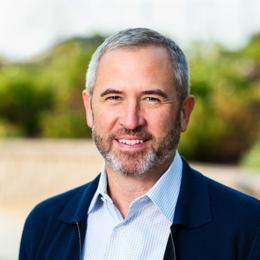
“We
are entering an unprecedented period of growth for the crypto industry, driven
by greater regulatory clarity around the world and increasing institutional
adoption,” said Brad Garlinghouse, Ripple's Chief Executive
Officer. “Thanks to its early leadership in creating a supportive
environment for tech and crypto innovation, the UAE is exceptionally
well-placed to benefit.”
Research
suggests strong regional appetite for blockchain-based payment solutions. A 2024 Ripple survey found that 64% of Middle East and Africa finance leaders were prioritizing faster payments and settlement times as blockchain's primary value
proposition.
The license
arrives as the
UAE continues positioning itself as a global hub for crypto innovation. The
country hosts a $400 billion-plus international trade market and has attracted
growing interest from both traditional financial institutions and crypto-native
businesses seeking alternatives to conventional cross-border payment systems.
“This
milestone not only highlights our commitment to fostering innovation, but also
opens the door for Ripple to tap into new growth opportunities across the
region and beyond,” said His Excellency Arif Amiri, DIFC Authority CEO.
Since establishing
its regional headquarters in DIFC in 2020, Ripple has steadily expanded its
Middle East presence. The company notes that over 82% of finance leaders in the
Middle East and Africa region report high confidence in integrating blockchain
solutions into their operations.
Growing Regulatory
Portfolio
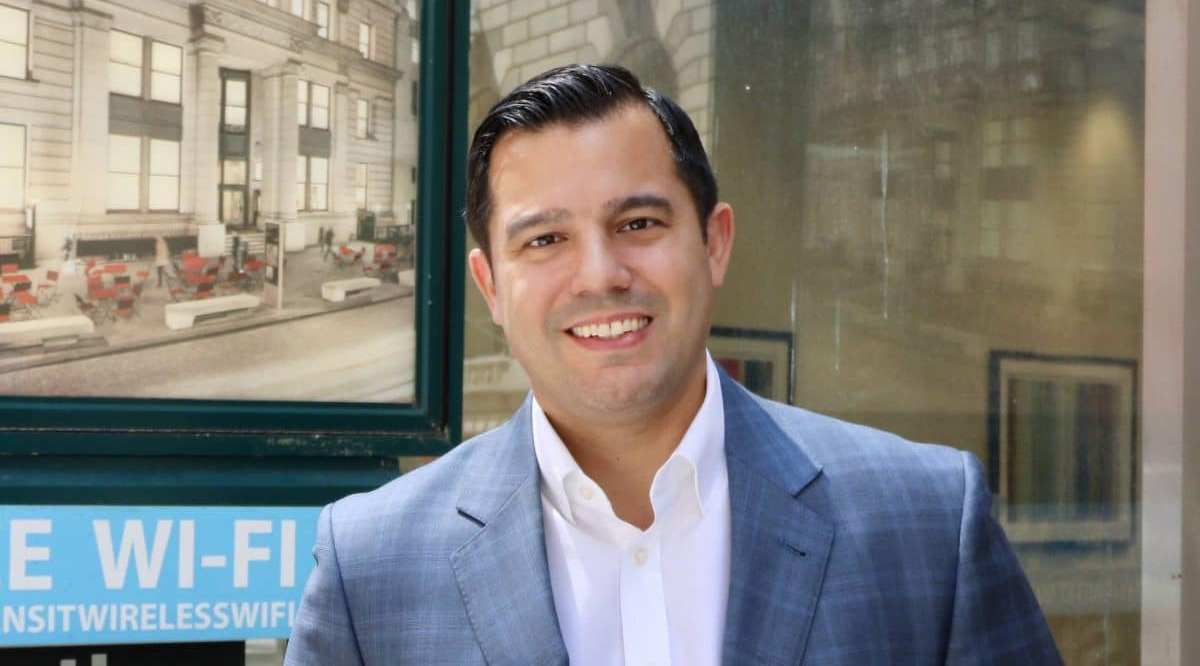
Reece Merrick, Ripple's Managing Director for Middle East and Africa
Reece
Merrick, Ripple's Managing Director for Middle East and Africa, described the
license as “a major milestone that will enable us to better serve the
growing demand for faster, cheaper and more transparent cross-border
transactions in one of the world's largest cross-border payments hubs.”
The UAE
license adds to Ripple's growing regulatory portfolio, which now includes over
60 approvals worldwide. The company has previously secured licenses from Singapore's
Monetary Authority, New York's Department of Financial Services, Ireland's
Central Bank, and numerous U.S. state money transmitter authorities.
Ripple's
RLUSD stablecoin, launched in late December on global exchanges, has
already achieved a market capitalization exceeding $130 million. The company
expects stablecoin adoption to accelerate in the UAE as businesses seek
real-time settlement alternatives to traditional banking systems.
Blockchain
payments company Ripple has secured a regulatory license from the Dubai
Financial Services Authority (DFSA), becoming the first digital assets-enabled
payments provider authorized to operate in the Dubai International Finance
Centre (DIFC), the company announced today (Thursday).
Ripple Becomes First
Blockchain Payments Provider Licensed by Dubai's Financial Regulator
The
approval represents Ripple's first license in the Middle East and allows the
company to offer regulated crypto payment services to businesses throughout the
UAE, strengthening its position in a region where it already maintains about
20% of its global customer base.
“We
are entering an unprecedented period of growth for the crypto industry, driven
by greater regulatory clarity around the world and increasing institutional
adoption,” said Brad Garlinghouse, Ripple's Chief Executive
Officer. “Thanks to its early leadership in creating a supportive
environment for tech and crypto innovation, the UAE is exceptionally
well-placed to benefit.”
Research
suggests strong regional appetite for blockchain-based payment solutions. A 2024 Ripple survey found that 64% of Middle East and Africa finance leaders were prioritizing faster payments and settlement times as blockchain's primary value
proposition.
The license
arrives as the
UAE continues positioning itself as a global hub for crypto innovation. The
country hosts a $400 billion-plus international trade market and has attracted
growing interest from both traditional financial institutions and crypto-native
businesses seeking alternatives to conventional cross-border payment systems.
“This
milestone not only highlights our commitment to fostering innovation, but also
opens the door for Ripple to tap into new growth opportunities across the
region and beyond,” said His Excellency Arif Amiri, DIFC Authority CEO.
Since establishing
its regional headquarters in DIFC in 2020, Ripple has steadily expanded its
Middle East presence. The company notes that over 82% of finance leaders in the
Middle East and Africa region report high confidence in integrating blockchain
solutions into their operations.
Growing Regulatory
Portfolio
Reece Merrick, Ripple's Managing Director for Middle East and Africa
Reece
Merrick, Ripple's Managing Director for Middle East and Africa, described the
license as “a major milestone that will enable us to better serve the
growing demand for faster, cheaper and more transparent cross-border
transactions in one of the world's largest cross-border payments hubs.”
The UAE
license adds to Ripple's growing regulatory portfolio, which now includes over
60 approvals worldwide. The company has previously secured licenses from Singapore's
Monetary Authority, New York's Department of Financial Services, Ireland's
Central Bank, and numerous U.S. state money transmitter authorities.
Ripple's
RLUSD stablecoin, launched in late December on global exchanges, has
already achieved a market capitalization exceeding $130 million. The company
expects stablecoin adoption to accelerate in the UAE as businesses seek
real-time settlement alternatives to traditional banking systems.
Damian Chmiel is a Senior Analyst & Editor at Finance Magnates with more than 15 years of experience in the CFD and online trading industry. Active as both a trader and journalist since 2010, he focuses on broker coverage, fintech innovation, and regulatory developments across Europe, the Middle East, and Asia.
His work includes interviews with C-level leaders at major brokerages and fintech platforms, as well as co-authoring Finance Magnates’ quarterly industry benchmarking reports. Damian’s reporting is data-driven, market-aware, and grounded in direct industry engagement. His analysis and commentary have also been cited by external media outlets, including Investing.com, Binance, The Asset, Stockhead, and Dispatch.
Education:
MA in Finance and Accounting, Cracow University of Economics
WhiteBIT secures brokerage license in Georgia to launch regulated crypto derivatives
FP Markets Winner Spotlight 🏆 | Global Broker of the Year 2025 #Trading #Broker #Innovation #Shorts
FP Markets Winner Spotlight 🏆 | Global Broker of the Year 2025 #Trading #Broker #Innovation #Shorts
FP Markets takes the spotlight as Global Broker of the Year 2025 at the Finance Magnates Awards.
Martin Stoilov, Head of Client Experience, shares that trust, innovation, and people played a key role in the company’s success, supported by a strong foundation of integrity and client-centricity.
Following this milestone, FP Markets continues to focus on growth, technology investment, and its core values of transparency and excellence.
👉 Be part of FM Awards 2026: https://awards.financemagnates.com/#nominate
FP Markets takes the spotlight as Global Broker of the Year 2025 at the Finance Magnates Awards.
Martin Stoilov, Head of Client Experience, shares that trust, innovation, and people played a key role in the company’s success, supported by a strong foundation of integrity and client-centricity.
Following this milestone, FP Markets continues to focus on growth, technology investment, and its core values of transparency and excellence.
👉 Be part of FM Awards 2026: https://awards.financemagnates.com/#nominate
In this video, we review @HolaPrimeMarketsOfficial, a multi-asset forex and CFDs broker offering different account types, trading platforms, and flexible trading conditions.
We cover the broker’s overall offering, including account options, trading environment, platforms like MT4 and MT5, and additional services such as managed accounts and fast withdrawals.
Watch the full video to see if Hola Prime Markets fits your trading needs.
📣 Stay up to date with the latest in finance and trading. Follow Finance Magnates for industry news, insights, and global event coverage.
Connect with us:
🔗 LinkedIn: /financemagnates
👍 Facebook: /financemagnates
📸 Instagram: https://www.instagram.com/financemagnates
🐦 X: https://x.com/financemagnates
🎥 TikTok: https://www.tiktok.com/tag/financemagnates
▶️ YouTube: /@financemagnates_official
#HolaPrime #ForexBroker #CFDTrading #FinanceMagnates #Trading #Forex #BrokerReview
In this video, we review @HolaPrimeMarketsOfficial, a multi-asset forex and CFDs broker offering different account types, trading platforms, and flexible trading conditions.
We cover the broker’s overall offering, including account options, trading environment, platforms like MT4 and MT5, and additional services such as managed accounts and fast withdrawals.
Watch the full video to see if Hola Prime Markets fits your trading needs.
📣 Stay up to date with the latest in finance and trading. Follow Finance Magnates for industry news, insights, and global event coverage.
Connect with us:
🔗 LinkedIn: /financemagnates
👍 Facebook: /financemagnates
📸 Instagram: https://www.instagram.com/financemagnates
🐦 X: https://x.com/financemagnates
🎥 TikTok: https://www.tiktok.com/tag/financemagnates
▶️ YouTube: /@financemagnates_official
#HolaPrime #ForexBroker #CFDTrading #FinanceMagnates #Trading #Forex #BrokerReview
Hola Prime Review: What You Need to Know | Full Breakdown by Finance Magnates
Hola Prime Review: What You Need to Know | Full Breakdown by Finance Magnates
In this video, we review @HolaPrime_Global, a proprietary trading firm offering evaluation programs and performance-based payouts in simulated market environments.
We cover how the challenge model works, including account types, profit splits (up to 95%), trading rules, and what it takes to reach a funded account. You’ll also learn about available platforms like MT4, MT5, cTrader, and more, along with insights into payouts, support, and trading conditions.
Watch the full video to see if Hola Prime fits your trading style.
📣 Stay up to date with the latest in finance and trading. Follow Finance Magnates for industry news, insights, and global event coverage.
Connect with us:
🔗 LinkedIn: /financemagnates
👍 Facebook: /financemagnates
📸 Instagram: https://www.instagram.com/financemagnates
🐦 X: https://x.com/financemagnates
🎥 TikTok: https://www.tiktok.com/tag/financemagnates
▶️ YouTube: /@financemagnates_official
#HolaPrime #PropFirm #Trading #FinanceMagnates #Forex #FuturesTrading #TradingReview #PropFirmReview
In this video, we review @HolaPrime_Global, a proprietary trading firm offering evaluation programs and performance-based payouts in simulated market environments.
We cover how the challenge model works, including account types, profit splits (up to 95%), trading rules, and what it takes to reach a funded account. You’ll also learn about available platforms like MT4, MT5, cTrader, and more, along with insights into payouts, support, and trading conditions.
Watch the full video to see if Hola Prime fits your trading style.
📣 Stay up to date with the latest in finance and trading. Follow Finance Magnates for industry news, insights, and global event coverage.
Connect with us:
🔗 LinkedIn: /financemagnates
👍 Facebook: /financemagnates
📸 Instagram: https://www.instagram.com/financemagnates
🐦 X: https://x.com/financemagnates
🎥 TikTok: https://www.tiktok.com/tag/financemagnates
▶️ YouTube: /@financemagnates_official
#HolaPrime #PropFirm #Trading #FinanceMagnates #Forex #FuturesTrading #TradingReview #PropFirmReview
Axi Winner Spotlight 🏆 | Global Most Innovative Broker 2025 #Innovation #Trading #Fintech #Broker
Axi Winner Spotlight 🏆 | Global Most Innovative Broker 2025 #Innovation #Trading #Fintech #Broker
Axi takes the spotlight at the Finance Magnates Awards, winning Global Most Innovative Broker 2025.
Olivia Xenofontos and Ivanna Openko share how the team will feel: proud, motivated, and ready to keep delivering.
They also describe the night as well-organized, focused, and enjoyable for all.
👉 Be part of FM Awards 2026.
Axi takes the spotlight at the Finance Magnates Awards, winning Global Most Innovative Broker 2025.
Olivia Xenofontos and Ivanna Openko share how the team will feel: proud, motivated, and ready to keep delivering.
They also describe the night as well-organized, focused, and enjoyable for all.
👉 Be part of FM Awards 2026.
Recognition that matters.
Built on transparency.
Driven by the industry.
The Finance Magnates Awards 2026.
Nominations are now open.
🔗 https://awards.financemagnates.com/?utm_source=SM&utm_medium=social&utm_campaign=recognition-matters
Recognition that matters.
Built on transparency.
Driven by the industry.
The Finance Magnates Awards 2026.
Nominations are now open.
🔗 https://awards.financemagnates.com/?utm_source=SM&utm_medium=social&utm_campaign=recognition-matters