A number of companies are seeking to become the blockchain industry's go-to crypto custody service.
Finance Magnates
A growing number of companies are competing to offer crypto custody service, trying to match the large demand in the sector. Alongside the core crypto firms, some institutional players are also considering to join the race for offering custody services.
According to a Bloomberg report published on Tuesday, Goldman Sachs is the latest company to throw its hat into the ring of the crypto custody game.
“In response to client interest in various digital products we are exploring how best to serve them in this space,” said a spokesperson for the company. “At this point we have not reached a conclusion on the scope of our digital asset offering.”
The timing of the alleged exploration into the cryptosphere is somewhat odd, considering that GS chief investment officer Sharmin Mossavar-Rahmani said that “our view that cryptocurrencies would not retain value in their current incarnation remains intact and, in fact, has been borne out much sooner than we expected."
Nevertheless, sources close to the matter said that discussions about the project are ongoing and that no official timeline has been set. However, Goldman Sachs’ entry into the crypto custody space is evidential of at least one thing: there is money to be made.
What is Crypto Custody and Why is it Necessary?
Simply put, custodial services for cryptocurrency are services that keep cryptocoins in safe storage with insurance. However, as boring this particular service may sound, it is absolutely vital to the survival of cryptocurrency industry, both for practical and legal reasons.
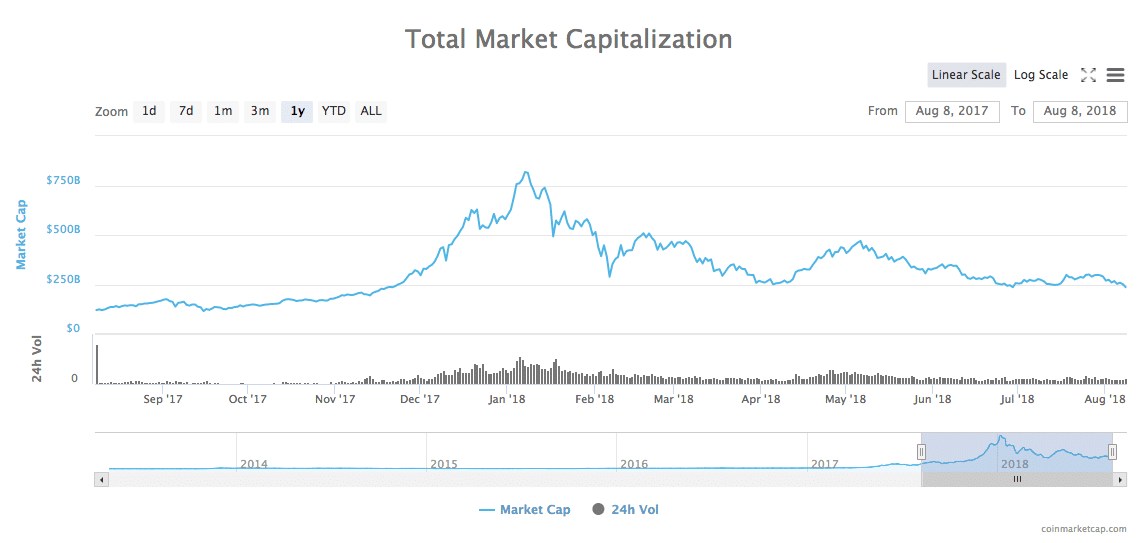
Despite the bearish trend that has plagued most crypto hedge funds this year, the crypto hedge fund industry is still charging forward. More than 250 such funds have appeared over the past year and a half. Hedge fund manager and billionaire Stephen Cohen placed his bets on crypto hedge fund Autonomous Ventures as recently as last month.
The Exploding Crypto Markets in 2017 Left Some Crypto Hedge Funds Out of Compliance
When many of these funds originally appeared last year, the astronomical leaps and bounds that were happening across cryptocurrency markets suddenly created a compliance problem: hedge funds worth more than $150 million are legally required to store their assets with a qualified custodian.
This was reiterated in a letter published by the SEC in January of this year. “The 1940 Act imposes safeguards to ensure that registered funds maintain custody of their holdings,” it said. “These safeguards include standards regarding who may act as a custodian and when funds must verify their holdings.”
Therefore, a number of “small” crypto hedge funds found themselves outside of compliance. American computer scientist and entrepreneur Mike Belshe told Wired that at least two dozen hedge funds were out of compliance as of February, but this number may have shrunk in the subsequent months.
Some Estimate that the Advent of Widespread Crypto Custody Services Will Bring Big Money to Crypto
The need for secure storage options for institutional investors may be more pressing than it ever has been. Last month, the founder of crypto merchant bank Galaxy Digital, Mike Novogratz, said that a “herd of institutional investors” is coming straight for the cryptocurrency space.
If he’s right, they’re going to need crypto custodial services to accommodate them.
Once an array of reputable custodial services have been established, even more investors will make their way into the cryptosphere. “There are a lot of investors where custodianship was the final barrier,” Samani said in a phone interview. “Over the next year, the market will come to recognize that custodianship is a solved problem. This will unlock a big wave of capital.”
An Estimated $20 Billion Will Be Held in Crypto Custody Services
Kyle Samani, a managing partner at Multicoin Capital, told Bloomberg in June that “there are a lot of investors where custodianship was the final barrier.”
“Over the next year, the market will come to recognize that custodianship is a solved problem. This will unlock a big wave of capital,” he added.
In any case, Goldman Sachs isn’t the only major Wall Street firm to have its eye on the crypto custodianship market. JPMorgan Chase & Co., Northern Trust Corp., and Bank of New York Mellon Corp. have all been exploring crypto custody services of their own.
Additionally, crypto firms Ledger and Global Advisors joined with investment bank Nomura Holdings Inc. to create a custodial consortium called Komainu.
Coinbase launched its institutional-grade custody service in July. Sam McIngvale, who is leading the project, told Bloomberg that he estimates that $20 billion will make its way into crypto custody services once they’re widely available.
Coinbase was allegedly in talks with Anchor Labs, a digital custody startup, before deciding to offer its own service. However, the conversation eventually fizzled out. Axios later reported that Anchor received an unknown amount of funding from Andreessen Horowitz to launch its own digital custody services.
Coinbase Custody is officially open for business, providing secure storage of crypto assets for institutions in both the US and Europe. Before the end of the year, we hope to bring this offering to Asia as well. https://t.co/KDtMQ5TT3B
Bankex announced the launch of its own cryptocurrency custody service in June while Trustology plans to launch its service in September. Dozens more are on the way.
Small, Agile Early-Adopter Companies Gear Up for Competition with Major Wall Street Firms
Big-name Wall Street firms and fintech companies may be the most well-known entities to enter the crypto custody race, but they certainly were not the first.
Greg Gilman, co-founder of incubator and investment firm Science Inc., told Wired that “people that were willing to take risks relatively early and stake out a little claim were able to grow significantly, while more established and larger, name-brand firms have been very quickly passed by in this area.”
“You had to have guts and faith to do this 12 months ago. It didn’t require a lot of either to do this six months ago.”
One of these early players in the crypto custody sphere, Kentucky-based Kingdom Trust, was founded all the way back in 2009. Although the firm didn’t start offering custody services for cryptocurrency until late 2017, the company described its crypto holding services in a Wired report as its fastest-growing asset class “by far.” Eventually, the company was acquired by BitGo.
Gemini, the cryptocurrency exchange founded by the Winklevoss twins, established its custodial services for crypto as far back as 2016.
The Early Bird Gets the Worm
While a vast number of companies are developing or exploring the creation of crypto custody services, the firms who have managed to establish themselves within the space early-on have reaped the benefits of a sparse market.
In other words, competition hasn’t yet become fierce enough to drive prices down. For example, customers of Coinbase’s custody service must pay a $100,000 setup fee in addition to 10 basis points per month. They must also maintain a balance of no less than $10 million. Gemini charges a minimum fee of either 0.964 percent or $100,000, whichever is higher.
These figures are considerably higher than those charged by custodians of more traditional assets. However, crypto custodians argue that their higher fees have been designed to cover the higher risks associated with cryptocurrency.
Either way, the companies headed for this space may be in to make some serious cash - even if the hedge funds whose assets they are protecting are not.
A growing number of companies are competing to offer crypto custody service, trying to match the large demand in the sector. Alongside the core crypto firms, some institutional players are also considering to join the race for offering custody services.
According to a Bloomberg report published on Tuesday, Goldman Sachs is the latest company to throw its hat into the ring of the crypto custody game.
“In response to client interest in various digital products we are exploring how best to serve them in this space,” said a spokesperson for the company. “At this point we have not reached a conclusion on the scope of our digital asset offering.”
The timing of the alleged exploration into the cryptosphere is somewhat odd, considering that GS chief investment officer Sharmin Mossavar-Rahmani said that “our view that cryptocurrencies would not retain value in their current incarnation remains intact and, in fact, has been borne out much sooner than we expected."
Nevertheless, sources close to the matter said that discussions about the project are ongoing and that no official timeline has been set. However, Goldman Sachs’ entry into the crypto custody space is evidential of at least one thing: there is money to be made.
What is Crypto Custody and Why is it Necessary?
Simply put, custodial services for cryptocurrency are services that keep cryptocoins in safe storage with insurance. However, as boring this particular service may sound, it is absolutely vital to the survival of cryptocurrency industry, both for practical and legal reasons.
Despite the bearish trend that has plagued most crypto hedge funds this year, the crypto hedge fund industry is still charging forward. More than 250 such funds have appeared over the past year and a half. Hedge fund manager and billionaire Stephen Cohen placed his bets on crypto hedge fund Autonomous Ventures as recently as last month.
The Exploding Crypto Markets in 2017 Left Some Crypto Hedge Funds Out of Compliance
When many of these funds originally appeared last year, the astronomical leaps and bounds that were happening across cryptocurrency markets suddenly created a compliance problem: hedge funds worth more than $150 million are legally required to store their assets with a qualified custodian.
This was reiterated in a letter published by the SEC in January of this year. “The 1940 Act imposes safeguards to ensure that registered funds maintain custody of their holdings,” it said. “These safeguards include standards regarding who may act as a custodian and when funds must verify their holdings.”
Therefore, a number of “small” crypto hedge funds found themselves outside of compliance. American computer scientist and entrepreneur Mike Belshe told Wired that at least two dozen hedge funds were out of compliance as of February, but this number may have shrunk in the subsequent months.
Some Estimate that the Advent of Widespread Crypto Custody Services Will Bring Big Money to Crypto
The need for secure storage options for institutional investors may be more pressing than it ever has been. Last month, the founder of crypto merchant bank Galaxy Digital, Mike Novogratz, said that a “herd of institutional investors” is coming straight for the cryptocurrency space.
If he’s right, they’re going to need crypto custodial services to accommodate them.
Once an array of reputable custodial services have been established, even more investors will make their way into the cryptosphere. “There are a lot of investors where custodianship was the final barrier,” Samani said in a phone interview. “Over the next year, the market will come to recognize that custodianship is a solved problem. This will unlock a big wave of capital.”
An Estimated $20 Billion Will Be Held in Crypto Custody Services
Kyle Samani, a managing partner at Multicoin Capital, told Bloomberg in June that “there are a lot of investors where custodianship was the final barrier.”
“Over the next year, the market will come to recognize that custodianship is a solved problem. This will unlock a big wave of capital,” he added.
In any case, Goldman Sachs isn’t the only major Wall Street firm to have its eye on the crypto custodianship market. JPMorgan Chase & Co., Northern Trust Corp., and Bank of New York Mellon Corp. have all been exploring crypto custody services of their own.
Additionally, crypto firms Ledger and Global Advisors joined with investment bank Nomura Holdings Inc. to create a custodial consortium called Komainu.
Coinbase launched its institutional-grade custody service in July. Sam McIngvale, who is leading the project, told Bloomberg that he estimates that $20 billion will make its way into crypto custody services once they’re widely available.
Coinbase was allegedly in talks with Anchor Labs, a digital custody startup, before deciding to offer its own service. However, the conversation eventually fizzled out. Axios later reported that Anchor received an unknown amount of funding from Andreessen Horowitz to launch its own digital custody services.
Coinbase Custody is officially open for business, providing secure storage of crypto assets for institutions in both the US and Europe. Before the end of the year, we hope to bring this offering to Asia as well. https://t.co/KDtMQ5TT3B
Bankex announced the launch of its own cryptocurrency custody service in June while Trustology plans to launch its service in September. Dozens more are on the way.
Small, Agile Early-Adopter Companies Gear Up for Competition with Major Wall Street Firms
Big-name Wall Street firms and fintech companies may be the most well-known entities to enter the crypto custody race, but they certainly were not the first.
Greg Gilman, co-founder of incubator and investment firm Science Inc., told Wired that “people that were willing to take risks relatively early and stake out a little claim were able to grow significantly, while more established and larger, name-brand firms have been very quickly passed by in this area.”
“You had to have guts and faith to do this 12 months ago. It didn’t require a lot of either to do this six months ago.”
One of these early players in the crypto custody sphere, Kentucky-based Kingdom Trust, was founded all the way back in 2009. Although the firm didn’t start offering custody services for cryptocurrency until late 2017, the company described its crypto holding services in a Wired report as its fastest-growing asset class “by far.” Eventually, the company was acquired by BitGo.
Gemini, the cryptocurrency exchange founded by the Winklevoss twins, established its custodial services for crypto as far back as 2016.
The Early Bird Gets the Worm
While a vast number of companies are developing or exploring the creation of crypto custody services, the firms who have managed to establish themselves within the space early-on have reaped the benefits of a sparse market.
In other words, competition hasn’t yet become fierce enough to drive prices down. For example, customers of Coinbase’s custody service must pay a $100,000 setup fee in addition to 10 basis points per month. They must also maintain a balance of no less than $10 million. Gemini charges a minimum fee of either 0.964 percent or $100,000, whichever is higher.
These figures are considerably higher than those charged by custodians of more traditional assets. However, crypto custodians argue that their higher fees have been designed to cover the higher risks associated with cryptocurrency.
Either way, the companies headed for this space may be in to make some serious cash - even if the hedge funds whose assets they are protecting are not.
Rachel is a self-taught crypto geek and a passionate writer. She believes in the power that the written word has to educate, connect and empower individuals to make positive and powerful financial choices. She is the Podcast Host and a Cryptocurrency Editor at Finance Magnates.
Crypto Built More Rails, but the Next Battle Is Over How Much Work a Dollar Can Do
Featured Videos
FP Markets Winner Spotlight 🏆 | Global Broker of the Year 2025 #Trading #Broker #Innovation #Shorts
FP Markets Winner Spotlight 🏆 | Global Broker of the Year 2025 #Trading #Broker #Innovation #Shorts
FP Markets Winner Spotlight 🏆 | Global Broker of the Year 2025 #Trading #Broker #Innovation #Shorts
FP Markets Winner Spotlight 🏆 | Global Broker of the Year 2025 #Trading #Broker #Innovation #Shorts
FP Markets takes the spotlight as Global Broker of the Year 2025 at the Finance Magnates Awards.
Martin Stoilov, Head of Client Experience, shares that trust, innovation, and people played a key role in the company’s success, supported by a strong foundation of integrity and client-centricity.
Following this milestone, FP Markets continues to focus on growth, technology investment, and its core values of transparency and excellence.
👉 Be part of FM Awards 2026: https://awards.financemagnates.com/#nominate
FP Markets takes the spotlight as Global Broker of the Year 2025 at the Finance Magnates Awards.
Martin Stoilov, Head of Client Experience, shares that trust, innovation, and people played a key role in the company’s success, supported by a strong foundation of integrity and client-centricity.
Following this milestone, FP Markets continues to focus on growth, technology investment, and its core values of transparency and excellence.
👉 Be part of FM Awards 2026: https://awards.financemagnates.com/#nominate
FP Markets takes the spotlight as Global Broker of the Year 2025 at the Finance Magnates Awards.
Martin Stoilov, Head of Client Experience, shares that trust, innovation, and people played a key role in the company’s success, supported by a strong foundation of integrity and client-centricity.
Following this milestone, FP Markets continues to focus on growth, technology investment, and its core values of transparency and excellence.
👉 Be part of FM Awards 2026: https://awards.financemagnates.com/#nominate
FP Markets takes the spotlight as Global Broker of the Year 2025 at the Finance Magnates Awards.
Martin Stoilov, Head of Client Experience, shares that trust, innovation, and people played a key role in the company’s success, supported by a strong foundation of integrity and client-centricity.
Following this milestone, FP Markets continues to focus on growth, technology investment, and its core values of transparency and excellence.
👉 Be part of FM Awards 2026: https://awards.financemagnates.com/#nominate
In this video, we review @HolaPrimeMarketsOfficial, a multi-asset forex and CFDs broker offering different account types, trading platforms, and flexible trading conditions.
We cover the broker’s overall offering, including account options, trading environment, platforms like MT4 and MT5, and additional services such as managed accounts and fast withdrawals.
Watch the full video to see if Hola Prime Markets fits your trading needs.
📣 Stay up to date with the latest in finance and trading. Follow Finance Magnates for industry news, insights, and global event coverage.
Connect with us:
🔗 LinkedIn: /financemagnates
👍 Facebook: /financemagnates
📸 Instagram: https://www.instagram.com/financemagnates
🐦 X: https://x.com/financemagnates
🎥 TikTok: https://www.tiktok.com/tag/financemagnates
▶️ YouTube: /@financemagnates_official
#HolaPrime #ForexBroker #CFDTrading #FinanceMagnates #Trading #Forex #BrokerReview
In this video, we review @HolaPrimeMarketsOfficial, a multi-asset forex and CFDs broker offering different account types, trading platforms, and flexible trading conditions.
We cover the broker’s overall offering, including account options, trading environment, platforms like MT4 and MT5, and additional services such as managed accounts and fast withdrawals.
Watch the full video to see if Hola Prime Markets fits your trading needs.
📣 Stay up to date with the latest in finance and trading. Follow Finance Magnates for industry news, insights, and global event coverage.
Connect with us:
🔗 LinkedIn: /financemagnates
👍 Facebook: /financemagnates
📸 Instagram: https://www.instagram.com/financemagnates
🐦 X: https://x.com/financemagnates
🎥 TikTok: https://www.tiktok.com/tag/financemagnates
▶️ YouTube: /@financemagnates_official
#HolaPrime #ForexBroker #CFDTrading #FinanceMagnates #Trading #Forex #BrokerReview
In this video, we review @HolaPrimeMarketsOfficial, a multi-asset forex and CFDs broker offering different account types, trading platforms, and flexible trading conditions.
We cover the broker’s overall offering, including account options, trading environment, platforms like MT4 and MT5, and additional services such as managed accounts and fast withdrawals.
Watch the full video to see if Hola Prime Markets fits your trading needs.
📣 Stay up to date with the latest in finance and trading. Follow Finance Magnates for industry news, insights, and global event coverage.
Connect with us:
🔗 LinkedIn: /financemagnates
👍 Facebook: /financemagnates
📸 Instagram: https://www.instagram.com/financemagnates
🐦 X: https://x.com/financemagnates
🎥 TikTok: https://www.tiktok.com/tag/financemagnates
▶️ YouTube: /@financemagnates_official
#HolaPrime #ForexBroker #CFDTrading #FinanceMagnates #Trading #Forex #BrokerReview
In this video, we review @HolaPrimeMarketsOfficial, a multi-asset forex and CFDs broker offering different account types, trading platforms, and flexible trading conditions.
We cover the broker’s overall offering, including account options, trading environment, platforms like MT4 and MT5, and additional services such as managed accounts and fast withdrawals.
Watch the full video to see if Hola Prime Markets fits your trading needs.
📣 Stay up to date with the latest in finance and trading. Follow Finance Magnates for industry news, insights, and global event coverage.
Connect with us:
🔗 LinkedIn: /financemagnates
👍 Facebook: /financemagnates
📸 Instagram: https://www.instagram.com/financemagnates
🐦 X: https://x.com/financemagnates
🎥 TikTok: https://www.tiktok.com/tag/financemagnates
▶️ YouTube: /@financemagnates_official
#HolaPrime #ForexBroker #CFDTrading #FinanceMagnates #Trading #Forex #BrokerReview
In this video, we review @HolaPrimeMarketsOfficial, a multi-asset forex and CFDs broker offering different account types, trading platforms, and flexible trading conditions.
We cover the broker’s overall offering, including account options, trading environment, platforms like MT4 and MT5, and additional services such as managed accounts and fast withdrawals.
Watch the full video to see if Hola Prime Markets fits your trading needs.
📣 Stay up to date with the latest in finance and trading. Follow Finance Magnates for industry news, insights, and global event coverage.
Connect with us:
🔗 LinkedIn: /financemagnates
👍 Facebook: /financemagnates
📸 Instagram: https://www.instagram.com/financemagnates
🐦 X: https://x.com/financemagnates
🎥 TikTok: https://www.tiktok.com/tag/financemagnates
▶️ YouTube: /@financemagnates_official
#HolaPrime #ForexBroker #CFDTrading #FinanceMagnates #Trading #Forex #BrokerReview
In this video, we review @HolaPrimeMarketsOfficial, a multi-asset forex and CFDs broker offering different account types, trading platforms, and flexible trading conditions.
We cover the broker’s overall offering, including account options, trading environment, platforms like MT4 and MT5, and additional services such as managed accounts and fast withdrawals.
Watch the full video to see if Hola Prime Markets fits your trading needs.
📣 Stay up to date with the latest in finance and trading. Follow Finance Magnates for industry news, insights, and global event coverage.
Connect with us:
🔗 LinkedIn: /financemagnates
👍 Facebook: /financemagnates
📸 Instagram: https://www.instagram.com/financemagnates
🐦 X: https://x.com/financemagnates
🎥 TikTok: https://www.tiktok.com/tag/financemagnates
▶️ YouTube: /@financemagnates_official
#HolaPrime #ForexBroker #CFDTrading #FinanceMagnates #Trading #Forex #BrokerReview
Hola Prime Review: What You Need to Know | Full Breakdown by Finance Magnates
Hola Prime Review: What You Need to Know | Full Breakdown by Finance Magnates
Hola Prime Review: What You Need to Know | Full Breakdown by Finance Magnates
Hola Prime Review: What You Need to Know | Full Breakdown by Finance Magnates
Hola Prime Review: What You Need to Know | Full Breakdown by Finance Magnates
Hola Prime Review: What You Need to Know | Full Breakdown by Finance Magnates
In this video, we review @HolaPrime_Global, a proprietary trading firm offering evaluation programs and performance-based payouts in simulated market environments.
We cover how the challenge model works, including account types, profit splits (up to 95%), trading rules, and what it takes to reach a funded account. You’ll also learn about available platforms like MT4, MT5, cTrader, and more, along with insights into payouts, support, and trading conditions.
Watch the full video to see if Hola Prime fits your trading style.
📣 Stay up to date with the latest in finance and trading. Follow Finance Magnates for industry news, insights, and global event coverage.
Connect with us:
🔗 LinkedIn: /financemagnates
👍 Facebook: /financemagnates
📸 Instagram: https://www.instagram.com/financemagnates
🐦 X: https://x.com/financemagnates
🎥 TikTok: https://www.tiktok.com/tag/financemagnates
▶️ YouTube: /@financemagnates_official
#HolaPrime #PropFirm #Trading #FinanceMagnates #Forex #FuturesTrading #TradingReview #PropFirmReview
In this video, we review @HolaPrime_Global, a proprietary trading firm offering evaluation programs and performance-based payouts in simulated market environments.
We cover how the challenge model works, including account types, profit splits (up to 95%), trading rules, and what it takes to reach a funded account. You’ll also learn about available platforms like MT4, MT5, cTrader, and more, along with insights into payouts, support, and trading conditions.
Watch the full video to see if Hola Prime fits your trading style.
📣 Stay up to date with the latest in finance and trading. Follow Finance Magnates for industry news, insights, and global event coverage.
Connect with us:
🔗 LinkedIn: /financemagnates
👍 Facebook: /financemagnates
📸 Instagram: https://www.instagram.com/financemagnates
🐦 X: https://x.com/financemagnates
🎥 TikTok: https://www.tiktok.com/tag/financemagnates
▶️ YouTube: /@financemagnates_official
#HolaPrime #PropFirm #Trading #FinanceMagnates #Forex #FuturesTrading #TradingReview #PropFirmReview
In this video, we review @HolaPrime_Global, a proprietary trading firm offering evaluation programs and performance-based payouts in simulated market environments.
We cover how the challenge model works, including account types, profit splits (up to 95%), trading rules, and what it takes to reach a funded account. You’ll also learn about available platforms like MT4, MT5, cTrader, and more, along with insights into payouts, support, and trading conditions.
Watch the full video to see if Hola Prime fits your trading style.
📣 Stay up to date with the latest in finance and trading. Follow Finance Magnates for industry news, insights, and global event coverage.
Connect with us:
🔗 LinkedIn: /financemagnates
👍 Facebook: /financemagnates
📸 Instagram: https://www.instagram.com/financemagnates
🐦 X: https://x.com/financemagnates
🎥 TikTok: https://www.tiktok.com/tag/financemagnates
▶️ YouTube: /@financemagnates_official
#HolaPrime #PropFirm #Trading #FinanceMagnates #Forex #FuturesTrading #TradingReview #PropFirmReview
In this video, we review @HolaPrime_Global, a proprietary trading firm offering evaluation programs and performance-based payouts in simulated market environments.
We cover how the challenge model works, including account types, profit splits (up to 95%), trading rules, and what it takes to reach a funded account. You’ll also learn about available platforms like MT4, MT5, cTrader, and more, along with insights into payouts, support, and trading conditions.
Watch the full video to see if Hola Prime fits your trading style.
📣 Stay up to date with the latest in finance and trading. Follow Finance Magnates for industry news, insights, and global event coverage.
Connect with us:
🔗 LinkedIn: /financemagnates
👍 Facebook: /financemagnates
📸 Instagram: https://www.instagram.com/financemagnates
🐦 X: https://x.com/financemagnates
🎥 TikTok: https://www.tiktok.com/tag/financemagnates
▶️ YouTube: /@financemagnates_official
#HolaPrime #PropFirm #Trading #FinanceMagnates #Forex #FuturesTrading #TradingReview #PropFirmReview
In this video, we review @HolaPrime_Global, a proprietary trading firm offering evaluation programs and performance-based payouts in simulated market environments.
We cover how the challenge model works, including account types, profit splits (up to 95%), trading rules, and what it takes to reach a funded account. You’ll also learn about available platforms like MT4, MT5, cTrader, and more, along with insights into payouts, support, and trading conditions.
Watch the full video to see if Hola Prime fits your trading style.
📣 Stay up to date with the latest in finance and trading. Follow Finance Magnates for industry news, insights, and global event coverage.
Connect with us:
🔗 LinkedIn: /financemagnates
👍 Facebook: /financemagnates
📸 Instagram: https://www.instagram.com/financemagnates
🐦 X: https://x.com/financemagnates
🎥 TikTok: https://www.tiktok.com/tag/financemagnates
▶️ YouTube: /@financemagnates_official
#HolaPrime #PropFirm #Trading #FinanceMagnates #Forex #FuturesTrading #TradingReview #PropFirmReview
In this video, we review @HolaPrime_Global, a proprietary trading firm offering evaluation programs and performance-based payouts in simulated market environments.
We cover how the challenge model works, including account types, profit splits (up to 95%), trading rules, and what it takes to reach a funded account. You’ll also learn about available platforms like MT4, MT5, cTrader, and more, along with insights into payouts, support, and trading conditions.
Watch the full video to see if Hola Prime fits your trading style.
📣 Stay up to date with the latest in finance and trading. Follow Finance Magnates for industry news, insights, and global event coverage.
Connect with us:
🔗 LinkedIn: /financemagnates
👍 Facebook: /financemagnates
📸 Instagram: https://www.instagram.com/financemagnates
🐦 X: https://x.com/financemagnates
🎥 TikTok: https://www.tiktok.com/tag/financemagnates
▶️ YouTube: /@financemagnates_official
#HolaPrime #PropFirm #Trading #FinanceMagnates #Forex #FuturesTrading #TradingReview #PropFirmReview
Axi Winner Spotlight 🏆 | Global Most Innovative Broker 2025 #Innovation #Trading #Fintech #Broker
Axi Winner Spotlight 🏆 | Global Most Innovative Broker 2025 #Innovation #Trading #Fintech #Broker
Axi Winner Spotlight 🏆 | Global Most Innovative Broker 2025 #Innovation #Trading #Fintech #Broker
Axi Winner Spotlight 🏆 | Global Most Innovative Broker 2025 #Innovation #Trading #Fintech #Broker
Axi Winner Spotlight 🏆 | Global Most Innovative Broker 2025 #Innovation #Trading #Fintech #Broker
Axi Winner Spotlight 🏆 | Global Most Innovative Broker 2025 #Innovation #Trading #Fintech #Broker
Axi takes the spotlight at the Finance Magnates Awards, winning Global Most Innovative Broker 2025.
Olivia Xenofontos and Ivanna Openko share how the team will feel: proud, motivated, and ready to keep delivering.
They also describe the night as well-organized, focused, and enjoyable for all.
👉 Be part of FM Awards 2026.
Axi takes the spotlight at the Finance Magnates Awards, winning Global Most Innovative Broker 2025.
Olivia Xenofontos and Ivanna Openko share how the team will feel: proud, motivated, and ready to keep delivering.
They also describe the night as well-organized, focused, and enjoyable for all.
👉 Be part of FM Awards 2026.
Axi takes the spotlight at the Finance Magnates Awards, winning Global Most Innovative Broker 2025.
Olivia Xenofontos and Ivanna Openko share how the team will feel: proud, motivated, and ready to keep delivering.
They also describe the night as well-organized, focused, and enjoyable for all.
👉 Be part of FM Awards 2026.
Axi takes the spotlight at the Finance Magnates Awards, winning Global Most Innovative Broker 2025.
Olivia Xenofontos and Ivanna Openko share how the team will feel: proud, motivated, and ready to keep delivering.
They also describe the night as well-organized, focused, and enjoyable for all.
👉 Be part of FM Awards 2026.
Axi takes the spotlight at the Finance Magnates Awards, winning Global Most Innovative Broker 2025.
Olivia Xenofontos and Ivanna Openko share how the team will feel: proud, motivated, and ready to keep delivering.
They also describe the night as well-organized, focused, and enjoyable for all.
👉 Be part of FM Awards 2026.
Axi takes the spotlight at the Finance Magnates Awards, winning Global Most Innovative Broker 2025.
Olivia Xenofontos and Ivanna Openko share how the team will feel: proud, motivated, and ready to keep delivering.
They also describe the night as well-organized, focused, and enjoyable for all.
👉 Be part of FM Awards 2026.
Recognition that matters.
Built on transparency.
Driven by the industry.
The Finance Magnates Awards 2026.
Nominations are now open.
🔗 https://awards.financemagnates.com/?utm_source=SM&utm_medium=social&utm_campaign=recognition-matters
Recognition that matters.
Built on transparency.
Driven by the industry.
The Finance Magnates Awards 2026.
Nominations are now open.
🔗 https://awards.financemagnates.com/?utm_source=SM&utm_medium=social&utm_campaign=recognition-matters
Recognition that matters.
Built on transparency.
Driven by the industry.
The Finance Magnates Awards 2026.
Nominations are now open.
🔗 https://awards.financemagnates.com/?utm_source=SM&utm_medium=social&utm_campaign=recognition-matters
Recognition that matters.
Built on transparency.
Driven by the industry.
The Finance Magnates Awards 2026.
Nominations are now open.
🔗 https://awards.financemagnates.com/?utm_source=SM&utm_medium=social&utm_campaign=recognition-matters
Recognition that matters.
Built on transparency.
Driven by the industry.
The Finance Magnates Awards 2026.
Nominations are now open.
🔗 https://awards.financemagnates.com/?utm_source=SM&utm_medium=social&utm_campaign=recognition-matters
Recognition that matters.
Built on transparency.
Driven by the industry.
The Finance Magnates Awards 2026.
Nominations are now open.
🔗 https://awards.financemagnates.com/?utm_source=SM&utm_medium=social&utm_campaign=recognition-matters