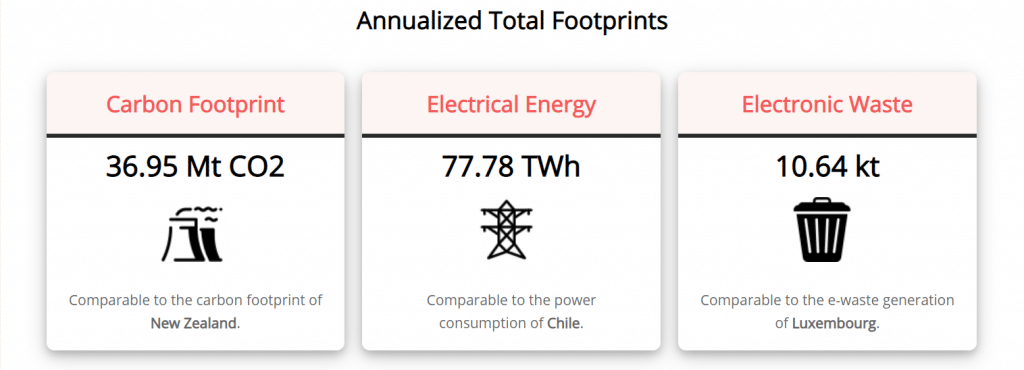
Indeed, through his website, Digiconimist, which Mr. DeVries founded to highlight Bitcoin’s energy problem, Bitcoin generates as much e-waste each year as the nation of Luxembourg, which has a population of over 600,000 people (2018).
“It’s impossible for 98 percent of [mining] devices during their lifetime to make the calculation that actually results in a reward.
“The shocking thing is the average lifetime of a bitcoin mining machine is one and a half years, because we have a new generation of machines which are better at doing these calculations,” Mr. DeVries told the Telegraph.
He also pointed out that the nature of Bitcoin mining is such that myriad machines are constantly competing for a reward that most of them will never get: “they are sort of participating in a massive lottery and every 10 minutes one gets lucky and gets to produce the next block,” he explained.
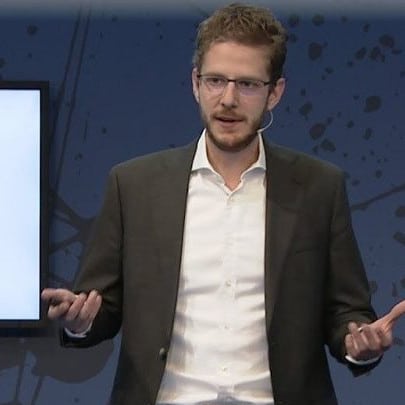
Alex DeVries, blockchain expert at accounting firm PriceWaterhouseCoopers.
“That means it’s impossible for 98 percent of the devices during their lifetime to make the calculation that actually results in a reward. So, the rest are just running pointlessly for a few years, using up energy, and producing heat, and then they will just get trashed because they can’t be repurposed. It's insane."
The footprint of a single transaction is the same as 780,650 Visa transactions or spending 52,043 hours watching YouTube.
According to Digiconmist, it is estimated that the amount of energy needed to run the Bitcoin network annually has surged to a record-breaking 77.78 terawatt-hours. That's roughly the same as the entire electrical consumption of the nation of Chile, which has a population of more than 18 million people who use an estimated 2,028.89 kilograms of oil equivalent per capita each year (as of 2015).
Based on these estimates, as well as the estimated e-waste generated by the Bitcoin mining industry, Mr. DeVries has said that the footprint of a single transaction is the same as 780,650 Visa transactions or spending 52,043 hours watching YouTube.
Time for innovation
But does this mean that we should all stop using the Bitcoin network? While there are certainly some that argue that this is the solution, others are calling for innovation and policy decisions that could alleviate the environmental impact of Bitcoin.
Indeed, in spite of its massive carbon footprint, the other social benefits of the Bitcoin network are increasingly well known. In the July 2018 edition of Energy Research & Social Science, researcher Jon Truby of Qatar University wrote that “blockchain technology has been advocated as being capable of delivering environmental and social benefits under the UN’s Sustainable Development Goals.”
Therefore, “[...]The question is how to encourage a shift to less energy-intensive Blockchain technology without damaging the sector, “ Truby wrote.
Some blockchain networks--including Ethereum and Decred--have already made the effort towards switching from Proof-of-Work (PoW) consensus mechanisms (which are very energy-intensive) to Proof-of-Stake (PoS) consensus mechanisms or blended mechanisms that use elements of both PoW and PoS.
What do you think the solution is for reducing the impact of the Bitcoin network on the environment? Let us know in the comments below.
Indeed, through his website, Digiconimist, which Mr. DeVries founded to highlight Bitcoin’s energy problem, Bitcoin generates as much e-waste each year as the nation of Luxembourg, which has a population of over 600,000 people (2018).
“It’s impossible for 98 percent of [mining] devices during their lifetime to make the calculation that actually results in a reward.
“The shocking thing is the average lifetime of a bitcoin mining machine is one and a half years, because we have a new generation of machines which are better at doing these calculations,” Mr. DeVries told the Telegraph.
He also pointed out that the nature of Bitcoin mining is such that myriad machines are constantly competing for a reward that most of them will never get: “they are sort of participating in a massive lottery and every 10 minutes one gets lucky and gets to produce the next block,” he explained.
Alex DeVries, blockchain expert at accounting firm PriceWaterhouseCoopers.
“That means it’s impossible for 98 percent of the devices during their lifetime to make the calculation that actually results in a reward. So, the rest are just running pointlessly for a few years, using up energy, and producing heat, and then they will just get trashed because they can’t be repurposed. It's insane."
The footprint of a single transaction is the same as 780,650 Visa transactions or spending 52,043 hours watching YouTube.
According to Digiconmist, it is estimated that the amount of energy needed to run the Bitcoin network annually has surged to a record-breaking 77.78 terawatt-hours. That's roughly the same as the entire electrical consumption of the nation of Chile, which has a population of more than 18 million people who use an estimated 2,028.89 kilograms of oil equivalent per capita each year (as of 2015).
Based on these estimates, as well as the estimated e-waste generated by the Bitcoin mining industry, Mr. DeVries has said that the footprint of a single transaction is the same as 780,650 Visa transactions or spending 52,043 hours watching YouTube.
Time for innovation
But does this mean that we should all stop using the Bitcoin network? While there are certainly some that argue that this is the solution, others are calling for innovation and policy decisions that could alleviate the environmental impact of Bitcoin.
Indeed, in spite of its massive carbon footprint, the other social benefits of the Bitcoin network are increasingly well known. In the July 2018 edition of Energy Research & Social Science, researcher Jon Truby of Qatar University wrote that “blockchain technology has been advocated as being capable of delivering environmental and social benefits under the UN’s Sustainable Development Goals.”
Therefore, “[...]The question is how to encourage a shift to less energy-intensive Blockchain technology without damaging the sector, “ Truby wrote.
Some blockchain networks--including Ethereum and Decred--have already made the effort towards switching from Proof-of-Work (PoW) consensus mechanisms (which are very energy-intensive) to Proof-of-Stake (PoS) consensus mechanisms or blended mechanisms that use elements of both PoW and PoS.
What do you think the solution is for reducing the impact of the Bitcoin network on the environment? Let us know in the comments below.
Rachel is a self-taught crypto geek and a passionate writer. She believes in the power that the written word has to educate, connect and empower individuals to make positive and powerful financial choices. She is the Podcast Host and a Cryptocurrency Editor at Finance Magnates.
Exness sees trust as the key theme for growth in MENA Trading Growth for 2026
Mohammad Amer, Regional Commercial Director at Exness, sits down to discuss the booming MENA financial trading market. Find out why Dubai is key to the company's growth strategy, how a mobile-first generation is changing expectations, and why trust will be the defining theme for traders in 2026.
In this interview, you'll learn:
* Why Dubai and the MENA region are critical growth markets for fintech and online trading.
* How Exness is addressing the demands of mobile-first, younger traders through engineering, platform stability, and transparent conditions.
* The essential role local talent plays in providing a culturally relevant and compliant user experience.
* Mohammad Amer's outlook on the future of the online trading industry and why stronger controls and systems are necessary.
* Why "trust" isn't just a brand value, but has commercial value—and why he predicts 2026 will be the "Year of Trust."
Key Takeaways:
➡️ The MENA region is rapidly shaping global financial markets.
➡️ New traders expect stability, precise execution, and transparency.
➡️ Local expertise is key to regulatory compliance and user experience.
➡️ Future success belongs to firms capable of meeting rising standards across regulation and platform consistency.
Read the full article at: https://www.financemagnates.com/thought-leadership/exness-sees-trust-as-the-key-theme-for-growth-in-mena-trading-growth-for-2026/
#Exness #MENA #Trading #FinTech #Dubai #OnlineTrading #FinanceMagnates #MohammadAmer #Trust #MobileTrading
Mohammad Amer, Regional Commercial Director at Exness, sits down to discuss the booming MENA financial trading market. Find out why Dubai is key to the company's growth strategy, how a mobile-first generation is changing expectations, and why trust will be the defining theme for traders in 2026.
In this interview, you'll learn:
* Why Dubai and the MENA region are critical growth markets for fintech and online trading.
* How Exness is addressing the demands of mobile-first, younger traders through engineering, platform stability, and transparent conditions.
* The essential role local talent plays in providing a culturally relevant and compliant user experience.
* Mohammad Amer's outlook on the future of the online trading industry and why stronger controls and systems are necessary.
* Why "trust" isn't just a brand value, but has commercial value—and why he predicts 2026 will be the "Year of Trust."
Key Takeaways:
➡️ The MENA region is rapidly shaping global financial markets.
➡️ New traders expect stability, precise execution, and transparency.
➡️ Local expertise is key to regulatory compliance and user experience.
➡️ Future success belongs to firms capable of meeting rising standards across regulation and platform consistency.
Read the full article at: https://www.financemagnates.com/thought-leadership/exness-sees-trust-as-the-key-theme-for-growth-in-mena-trading-growth-for-2026/
#Exness #MENA #Trading #FinTech #Dubai #OnlineTrading #FinanceMagnates #MohammadAmer #Trust #MobileTrading
Mohammad Amer, Regional Commercial Director at Exness, sits down to discuss the booming MENA financial trading market. Find out why Dubai is key to the company's growth strategy, how a mobile-first generation is changing expectations, and why trust will be the defining theme for traders in 2026.
In this interview, you'll learn:
* Why Dubai and the MENA region are critical growth markets for fintech and online trading.
* How Exness is addressing the demands of mobile-first, younger traders through engineering, platform stability, and transparent conditions.
* The essential role local talent plays in providing a culturally relevant and compliant user experience.
* Mohammad Amer's outlook on the future of the online trading industry and why stronger controls and systems are necessary.
* Why "trust" isn't just a brand value, but has commercial value—and why he predicts 2026 will be the "Year of Trust."
Key Takeaways:
➡️ The MENA region is rapidly shaping global financial markets.
➡️ New traders expect stability, precise execution, and transparency.
➡️ Local expertise is key to regulatory compliance and user experience.
➡️ Future success belongs to firms capable of meeting rising standards across regulation and platform consistency.
Read the full article at: https://www.financemagnates.com/thought-leadership/exness-sees-trust-as-the-key-theme-for-growth-in-mena-trading-growth-for-2026/
#Exness #MENA #Trading #FinTech #Dubai #OnlineTrading #FinanceMagnates #MohammadAmer #Trust #MobileTrading
Mohammad Amer, Regional Commercial Director at Exness, sits down to discuss the booming MENA financial trading market. Find out why Dubai is key to the company's growth strategy, how a mobile-first generation is changing expectations, and why trust will be the defining theme for traders in 2026.
In this interview, you'll learn:
* Why Dubai and the MENA region are critical growth markets for fintech and online trading.
* How Exness is addressing the demands of mobile-first, younger traders through engineering, platform stability, and transparent conditions.
* The essential role local talent plays in providing a culturally relevant and compliant user experience.
* Mohammad Amer's outlook on the future of the online trading industry and why stronger controls and systems are necessary.
* Why "trust" isn't just a brand value, but has commercial value—and why he predicts 2026 will be the "Year of Trust."
Key Takeaways:
➡️ The MENA region is rapidly shaping global financial markets.
➡️ New traders expect stability, precise execution, and transparency.
➡️ Local expertise is key to regulatory compliance and user experience.
➡️ Future success belongs to firms capable of meeting rising standards across regulation and platform consistency.
Read the full article at: https://www.financemagnates.com/thought-leadership/exness-sees-trust-as-the-key-theme-for-growth-in-mena-trading-growth-for-2026/
#Exness #MENA #Trading #FinTech #Dubai #OnlineTrading #FinanceMagnates #MohammadAmer #Trust #MobileTrading
Mohammad Amer, Regional Commercial Director at Exness, sits down to discuss the booming MENA financial trading market. Find out why Dubai is key to the company's growth strategy, how a mobile-first generation is changing expectations, and why trust will be the defining theme for traders in 2026.
In this interview, you'll learn:
* Why Dubai and the MENA region are critical growth markets for fintech and online trading.
* How Exness is addressing the demands of mobile-first, younger traders through engineering, platform stability, and transparent conditions.
* The essential role local talent plays in providing a culturally relevant and compliant user experience.
* Mohammad Amer's outlook on the future of the online trading industry and why stronger controls and systems are necessary.
* Why "trust" isn't just a brand value, but has commercial value—and why he predicts 2026 will be the "Year of Trust."
Key Takeaways:
➡️ The MENA region is rapidly shaping global financial markets.
➡️ New traders expect stability, precise execution, and transparency.
➡️ Local expertise is key to regulatory compliance and user experience.
➡️ Future success belongs to firms capable of meeting rising standards across regulation and platform consistency.
Read the full article at: https://www.financemagnates.com/thought-leadership/exness-sees-trust-as-the-key-theme-for-growth-in-mena-trading-growth-for-2026/
#Exness #MENA #Trading #FinTech #Dubai #OnlineTrading #FinanceMagnates #MohammadAmer #Trust #MobileTrading
Mohammad Amer, Regional Commercial Director at Exness, sits down to discuss the booming MENA financial trading market. Find out why Dubai is key to the company's growth strategy, how a mobile-first generation is changing expectations, and why trust will be the defining theme for traders in 2026.
In this interview, you'll learn:
* Why Dubai and the MENA region are critical growth markets for fintech and online trading.
* How Exness is addressing the demands of mobile-first, younger traders through engineering, platform stability, and transparent conditions.
* The essential role local talent plays in providing a culturally relevant and compliant user experience.
* Mohammad Amer's outlook on the future of the online trading industry and why stronger controls and systems are necessary.
* Why "trust" isn't just a brand value, but has commercial value—and why he predicts 2026 will be the "Year of Trust."
Key Takeaways:
➡️ The MENA region is rapidly shaping global financial markets.
➡️ New traders expect stability, precise execution, and transparency.
➡️ Local expertise is key to regulatory compliance and user experience.
➡️ Future success belongs to firms capable of meeting rising standards across regulation and platform consistency.
Read the full article at: https://www.financemagnates.com/thought-leadership/exness-sees-trust-as-the-key-theme-for-growth-in-mena-trading-growth-for-2026/
#Exness #MENA #Trading #FinTech #Dubai #OnlineTrading #FinanceMagnates #MohammadAmer #Trust #MobileTrading
Paytiko CEO Razi Salih on Why Payment Orchestration is a MUST-HAVE for Brokers in 2026
At iFX Expo Dubai, Finance Magnates spoke with Razi Salih, CEO at Paytiko, about the evolution of the payments ecosystem and why payment orchestration has shifted from an option to a necessity for brokers, prop firms, and exchanges.
Mr. Salih explains how global expansion, the need for deep localisation, and the sheer number of new payment methods, from instant banking to stablecoins, are driving this critical infrastructure shift.
#PaymentOrchestration #Fintech #Brokerage #TradingPayments #RaziSalih #Paytiko #iFXExpoDubai #Stablecoins #AIinFintech
At iFX Expo Dubai, Finance Magnates spoke with Razi Salih, CEO at Paytiko, about the evolution of the payments ecosystem and why payment orchestration has shifted from an option to a necessity for brokers, prop firms, and exchanges.
Mr. Salih explains how global expansion, the need for deep localisation, and the sheer number of new payment methods, from instant banking to stablecoins, are driving this critical infrastructure shift.
#PaymentOrchestration #Fintech #Brokerage #TradingPayments #RaziSalih #Paytiko #iFXExpoDubai #Stablecoins #AIinFintech
At iFX Expo Dubai, Finance Magnates spoke with Razi Salih, CEO at Paytiko, about the evolution of the payments ecosystem and why payment orchestration has shifted from an option to a necessity for brokers, prop firms, and exchanges.
Mr. Salih explains how global expansion, the need for deep localisation, and the sheer number of new payment methods, from instant banking to stablecoins, are driving this critical infrastructure shift.
#PaymentOrchestration #Fintech #Brokerage #TradingPayments #RaziSalih #Paytiko #iFXExpoDubai #Stablecoins #AIinFintech
At iFX Expo Dubai, Finance Magnates spoke with Razi Salih, CEO at Paytiko, about the evolution of the payments ecosystem and why payment orchestration has shifted from an option to a necessity for brokers, prop firms, and exchanges.
Mr. Salih explains how global expansion, the need for deep localisation, and the sheer number of new payment methods, from instant banking to stablecoins, are driving this critical infrastructure shift.
#PaymentOrchestration #Fintech #Brokerage #TradingPayments #RaziSalih #Paytiko #iFXExpoDubai #Stablecoins #AIinFintech
At iFX Expo Dubai, Finance Magnates spoke with Razi Salih, CEO at Paytiko, about the evolution of the payments ecosystem and why payment orchestration has shifted from an option to a necessity for brokers, prop firms, and exchanges.
Mr. Salih explains how global expansion, the need for deep localisation, and the sheer number of new payment methods, from instant banking to stablecoins, are driving this critical infrastructure shift.
#PaymentOrchestration #Fintech #Brokerage #TradingPayments #RaziSalih #Paytiko #iFXExpoDubai #Stablecoins #AIinFintech
At iFX Expo Dubai, Finance Magnates spoke with Razi Salih, CEO at Paytiko, about the evolution of the payments ecosystem and why payment orchestration has shifted from an option to a necessity for brokers, prop firms, and exchanges.
Mr. Salih explains how global expansion, the need for deep localisation, and the sheer number of new payment methods, from instant banking to stablecoins, are driving this critical infrastructure shift.
#PaymentOrchestration #Fintech #Brokerage #TradingPayments #RaziSalih #Paytiko #iFXExpoDubai #Stablecoins #AIinFintech
Altima CTO Sunil Jadhav: Solving Data Fragmentation & Lag for Brokers & Prop Firms
Altima CTO Sunil Jadhav sits down with Finance Magnates to discuss the core technology challenges facing CFD brokers and proprietary trading firms today.
Jadhav explains how the industry's reliance on batch processing and fragmented systems (where CRMs, risk tools, and trading platforms operate with separate 'sources of truth') leads to delayed data and inconsistent operational decisions. He argues that real-time event processing is essential for managing fast-moving trading activity and risk.
Learn how Altima's unified, event-driven architecture, connecting Altima CRM, Altima Prop, IB systems, and risk management through a single backbone, is designed to provide synchronous data and better operational coordination for modern brokerage and prop firm stacks.
Key Topics:
- Broker and Prop Firm Data Challenges
- The problem of delayed data processing (batch processing vs. real-time events)
- Fragmented systems and conflicting data sources
- Altima's unified, event-driven solution architecture
- The concept of a "risk-aware CRM"
- Built-in risk management in Altima Prop
#Altima #financemagnates #iFXDubai #FinTech #BrokerTech #PropFirm #CFDBroker #TradingTechnology #RealTimeData #RiskManagement #CRM #FinancialMarkets #EventDrivenArchitecture
Altima CTO Sunil Jadhav sits down with Finance Magnates to discuss the core technology challenges facing CFD brokers and proprietary trading firms today.
Jadhav explains how the industry's reliance on batch processing and fragmented systems (where CRMs, risk tools, and trading platforms operate with separate 'sources of truth') leads to delayed data and inconsistent operational decisions. He argues that real-time event processing is essential for managing fast-moving trading activity and risk.
Learn how Altima's unified, event-driven architecture, connecting Altima CRM, Altima Prop, IB systems, and risk management through a single backbone, is designed to provide synchronous data and better operational coordination for modern brokerage and prop firm stacks.
Key Topics:
- Broker and Prop Firm Data Challenges
- The problem of delayed data processing (batch processing vs. real-time events)
- Fragmented systems and conflicting data sources
- Altima's unified, event-driven solution architecture
- The concept of a "risk-aware CRM"
- Built-in risk management in Altima Prop
#Altima #financemagnates #iFXDubai #FinTech #BrokerTech #PropFirm #CFDBroker #TradingTechnology #RealTimeData #RiskManagement #CRM #FinancialMarkets #EventDrivenArchitecture
Altima CTO Sunil Jadhav sits down with Finance Magnates to discuss the core technology challenges facing CFD brokers and proprietary trading firms today.
Jadhav explains how the industry's reliance on batch processing and fragmented systems (where CRMs, risk tools, and trading platforms operate with separate 'sources of truth') leads to delayed data and inconsistent operational decisions. He argues that real-time event processing is essential for managing fast-moving trading activity and risk.
Learn how Altima's unified, event-driven architecture, connecting Altima CRM, Altima Prop, IB systems, and risk management through a single backbone, is designed to provide synchronous data and better operational coordination for modern brokerage and prop firm stacks.
Key Topics:
- Broker and Prop Firm Data Challenges
- The problem of delayed data processing (batch processing vs. real-time events)
- Fragmented systems and conflicting data sources
- Altima's unified, event-driven solution architecture
- The concept of a "risk-aware CRM"
- Built-in risk management in Altima Prop
#Altima #financemagnates #iFXDubai #FinTech #BrokerTech #PropFirm #CFDBroker #TradingTechnology #RealTimeData #RiskManagement #CRM #FinancialMarkets #EventDrivenArchitecture
Altima CTO Sunil Jadhav sits down with Finance Magnates to discuss the core technology challenges facing CFD brokers and proprietary trading firms today.
Jadhav explains how the industry's reliance on batch processing and fragmented systems (where CRMs, risk tools, and trading platforms operate with separate 'sources of truth') leads to delayed data and inconsistent operational decisions. He argues that real-time event processing is essential for managing fast-moving trading activity and risk.
Learn how Altima's unified, event-driven architecture, connecting Altima CRM, Altima Prop, IB systems, and risk management through a single backbone, is designed to provide synchronous data and better operational coordination for modern brokerage and prop firm stacks.
Key Topics:
- Broker and Prop Firm Data Challenges
- The problem of delayed data processing (batch processing vs. real-time events)
- Fragmented systems and conflicting data sources
- Altima's unified, event-driven solution architecture
- The concept of a "risk-aware CRM"
- Built-in risk management in Altima Prop
#Altima #financemagnates #iFXDubai #FinTech #BrokerTech #PropFirm #CFDBroker #TradingTechnology #RealTimeData #RiskManagement #CRM #FinancialMarkets #EventDrivenArchitecture
Altima CTO Sunil Jadhav sits down with Finance Magnates to discuss the core technology challenges facing CFD brokers and proprietary trading firms today.
Jadhav explains how the industry's reliance on batch processing and fragmented systems (where CRMs, risk tools, and trading platforms operate with separate 'sources of truth') leads to delayed data and inconsistent operational decisions. He argues that real-time event processing is essential for managing fast-moving trading activity and risk.
Learn how Altima's unified, event-driven architecture, connecting Altima CRM, Altima Prop, IB systems, and risk management through a single backbone, is designed to provide synchronous data and better operational coordination for modern brokerage and prop firm stacks.
Key Topics:
- Broker and Prop Firm Data Challenges
- The problem of delayed data processing (batch processing vs. real-time events)
- Fragmented systems and conflicting data sources
- Altima's unified, event-driven solution architecture
- The concept of a "risk-aware CRM"
- Built-in risk management in Altima Prop
#Altima #financemagnates #iFXDubai #FinTech #BrokerTech #PropFirm #CFDBroker #TradingTechnology #RealTimeData #RiskManagement #CRM #FinancialMarkets #EventDrivenArchitecture
Altima CTO Sunil Jadhav sits down with Finance Magnates to discuss the core technology challenges facing CFD brokers and proprietary trading firms today.
Jadhav explains how the industry's reliance on batch processing and fragmented systems (where CRMs, risk tools, and trading platforms operate with separate 'sources of truth') leads to delayed data and inconsistent operational decisions. He argues that real-time event processing is essential for managing fast-moving trading activity and risk.
Learn how Altima's unified, event-driven architecture, connecting Altima CRM, Altima Prop, IB systems, and risk management through a single backbone, is designed to provide synchronous data and better operational coordination for modern brokerage and prop firm stacks.
Key Topics:
- Broker and Prop Firm Data Challenges
- The problem of delayed data processing (batch processing vs. real-time events)
- Fragmented systems and conflicting data sources
- Altima's unified, event-driven solution architecture
- The concept of a "risk-aware CRM"
- Built-in risk management in Altima Prop
#Altima #financemagnates #iFXDubai #FinTech #BrokerTech #PropFirm #CFDBroker #TradingTechnology #RealTimeData #RiskManagement #CRM #FinancialMarkets #EventDrivenArchitecture
Why Brokers Choose Modular Platforms: Scale Trade on Fast Launch & 'Control Without Complexity'
At iFX Dubai, Scale Trade CEO Arutyun Iskandaryan and Senior Sales Manager Daniel Kovalenko break down why brokerages are ditching the "build-it-yourself" approach for modular, self-hosted trading platforms like ST Trader. @scaletrade2101
Discover what the fastest route to market looks like for new and established brokers seeking control without complexity.
In this executive interview, you'll learn:
- Why the demand for multi-asset trading and tighter regulation is forcing brokers to adopt flexible, scalable platforms.
- How Scale Trade ensures fast launch (1-2 weeks) and seamless migration without operational downtime.
- The key regional differences driving platform requirements (Compliance in Europe, Mobile in Asia, Payments in the Middle East).
- Scale Trade's four major trends shaping broker technology, including the role of AI in risk management.
Scale Trade's ready-made, self-hosted ecosystem delivers everything a broker needs—from price feeds and risk management to flexible liquidity, allowing them to focus on business growth, not becoming a software company.
#financemagnates #ScaleTrade #BrokerTechnology #TradingPlatform #FinTech #ModularPlatform #STTrader #GoToMarket
At iFX Dubai, Scale Trade CEO Arutyun Iskandaryan and Senior Sales Manager Daniel Kovalenko break down why brokerages are ditching the "build-it-yourself" approach for modular, self-hosted trading platforms like ST Trader. @scaletrade2101
Discover what the fastest route to market looks like for new and established brokers seeking control without complexity.
In this executive interview, you'll learn:
- Why the demand for multi-asset trading and tighter regulation is forcing brokers to adopt flexible, scalable platforms.
- How Scale Trade ensures fast launch (1-2 weeks) and seamless migration without operational downtime.
- The key regional differences driving platform requirements (Compliance in Europe, Mobile in Asia, Payments in the Middle East).
- Scale Trade's four major trends shaping broker technology, including the role of AI in risk management.
Scale Trade's ready-made, self-hosted ecosystem delivers everything a broker needs—from price feeds and risk management to flexible liquidity, allowing them to focus on business growth, not becoming a software company.
#financemagnates #ScaleTrade #BrokerTechnology #TradingPlatform #FinTech #ModularPlatform #STTrader #GoToMarket
At iFX Dubai, Scale Trade CEO Arutyun Iskandaryan and Senior Sales Manager Daniel Kovalenko break down why brokerages are ditching the "build-it-yourself" approach for modular, self-hosted trading platforms like ST Trader. @scaletrade2101
Discover what the fastest route to market looks like for new and established brokers seeking control without complexity.
In this executive interview, you'll learn:
- Why the demand for multi-asset trading and tighter regulation is forcing brokers to adopt flexible, scalable platforms.
- How Scale Trade ensures fast launch (1-2 weeks) and seamless migration without operational downtime.
- The key regional differences driving platform requirements (Compliance in Europe, Mobile in Asia, Payments in the Middle East).
- Scale Trade's four major trends shaping broker technology, including the role of AI in risk management.
Scale Trade's ready-made, self-hosted ecosystem delivers everything a broker needs—from price feeds and risk management to flexible liquidity, allowing them to focus on business growth, not becoming a software company.
#financemagnates #ScaleTrade #BrokerTechnology #TradingPlatform #FinTech #ModularPlatform #STTrader #GoToMarket
At iFX Dubai, Scale Trade CEO Arutyun Iskandaryan and Senior Sales Manager Daniel Kovalenko break down why brokerages are ditching the "build-it-yourself" approach for modular, self-hosted trading platforms like ST Trader. @scaletrade2101
Discover what the fastest route to market looks like for new and established brokers seeking control without complexity.
In this executive interview, you'll learn:
- Why the demand for multi-asset trading and tighter regulation is forcing brokers to adopt flexible, scalable platforms.
- How Scale Trade ensures fast launch (1-2 weeks) and seamless migration without operational downtime.
- The key regional differences driving platform requirements (Compliance in Europe, Mobile in Asia, Payments in the Middle East).
- Scale Trade's four major trends shaping broker technology, including the role of AI in risk management.
Scale Trade's ready-made, self-hosted ecosystem delivers everything a broker needs—from price feeds and risk management to flexible liquidity, allowing them to focus on business growth, not becoming a software company.
#financemagnates #ScaleTrade #BrokerTechnology #TradingPlatform #FinTech #ModularPlatform #STTrader #GoToMarket
At iFX Dubai, Scale Trade CEO Arutyun Iskandaryan and Senior Sales Manager Daniel Kovalenko break down why brokerages are ditching the "build-it-yourself" approach for modular, self-hosted trading platforms like ST Trader. @scaletrade2101
Discover what the fastest route to market looks like for new and established brokers seeking control without complexity.
In this executive interview, you'll learn:
- Why the demand for multi-asset trading and tighter regulation is forcing brokers to adopt flexible, scalable platforms.
- How Scale Trade ensures fast launch (1-2 weeks) and seamless migration without operational downtime.
- The key regional differences driving platform requirements (Compliance in Europe, Mobile in Asia, Payments in the Middle East).
- Scale Trade's four major trends shaping broker technology, including the role of AI in risk management.
Scale Trade's ready-made, self-hosted ecosystem delivers everything a broker needs—from price feeds and risk management to flexible liquidity, allowing them to focus on business growth, not becoming a software company.
#financemagnates #ScaleTrade #BrokerTechnology #TradingPlatform #FinTech #ModularPlatform #STTrader #GoToMarket
At iFX Dubai, Scale Trade CEO Arutyun Iskandaryan and Senior Sales Manager Daniel Kovalenko break down why brokerages are ditching the "build-it-yourself" approach for modular, self-hosted trading platforms like ST Trader. @scaletrade2101
Discover what the fastest route to market looks like for new and established brokers seeking control without complexity.
In this executive interview, you'll learn:
- Why the demand for multi-asset trading and tighter regulation is forcing brokers to adopt flexible, scalable platforms.
- How Scale Trade ensures fast launch (1-2 weeks) and seamless migration without operational downtime.
- The key regional differences driving platform requirements (Compliance in Europe, Mobile in Asia, Payments in the Middle East).
- Scale Trade's four major trends shaping broker technology, including the role of AI in risk management.
Scale Trade's ready-made, self-hosted ecosystem delivers everything a broker needs—from price feeds and risk management to flexible liquidity, allowing them to focus on business growth, not becoming a software company.
#financemagnates #ScaleTrade #BrokerTechnology #TradingPlatform #FinTech #ModularPlatform #STTrader #GoToMarket